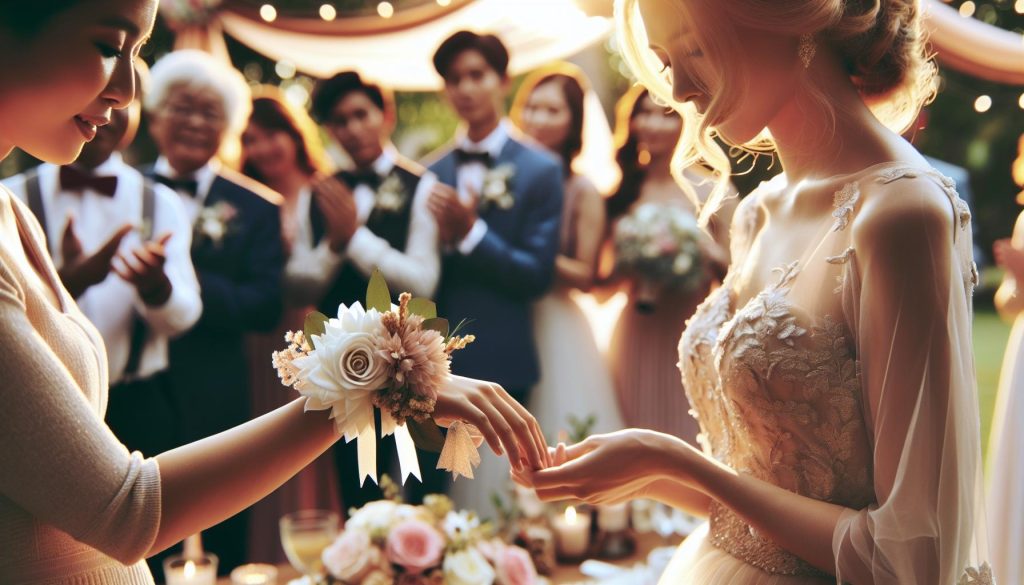
As wedding planning unfolds, every detail matters-especially when it comes to honoring the special roles family members play in the celebration. One charming tradition is the mother of the bride wearing a corsage, symbolizing her love and support on this monumental day. Understanding the etiquette surrounding corsages can help the mother of the bride feel connected and celebrated, reflecting her unique place in the ceremony while complementing the wedding’s floral theme. This guide will explore whether the mother of the bride should wear a corsage, how to choose the right style, and what it represents, ensuring that she steps into her role with confidence and grace. Join us as we delve into this floral custom, helping you navigate this delightful aspect of the wedding experience.
Traditional Role of the Mother of the Bride
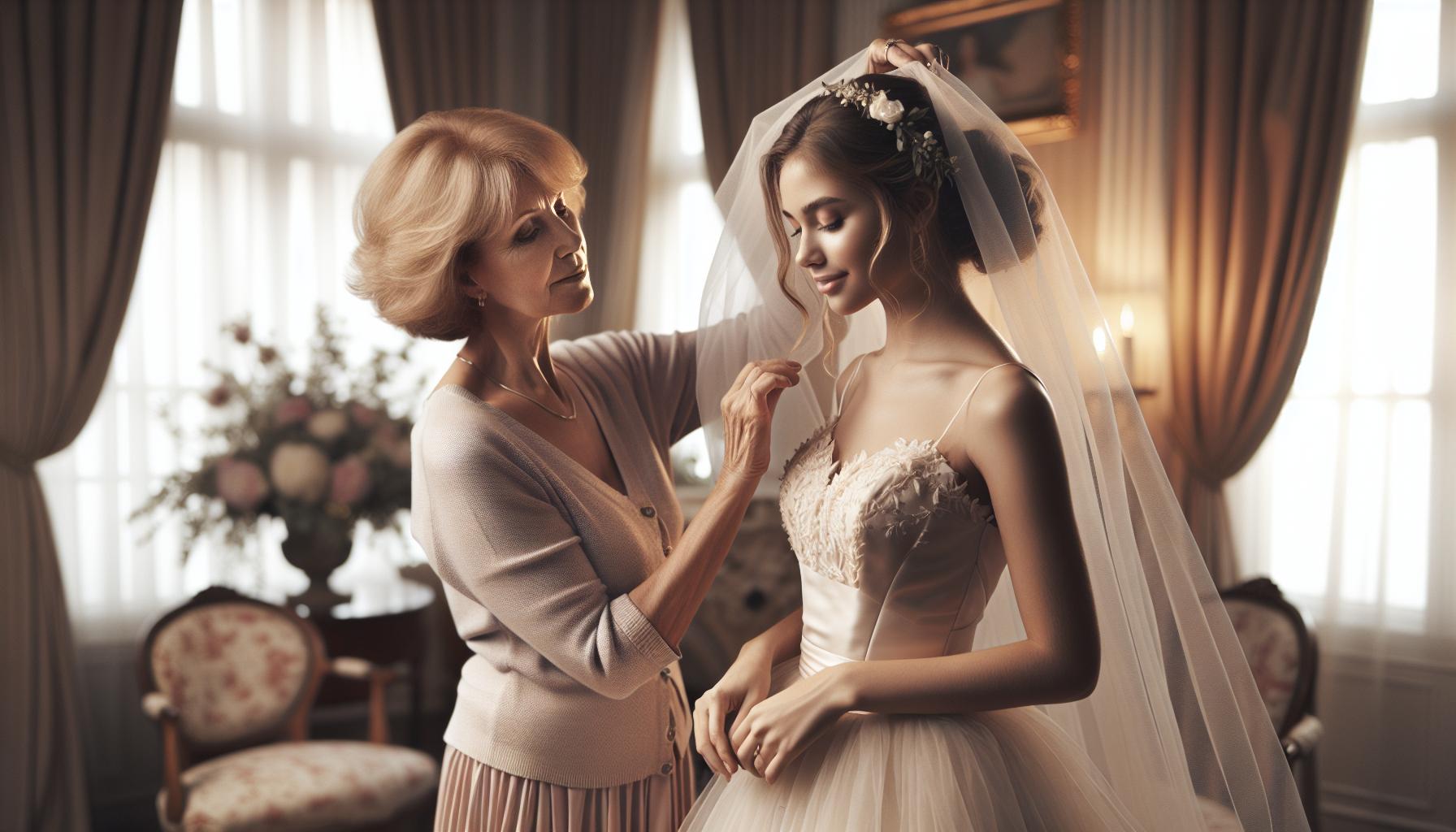
The is steeped in significance, often heralded as one of the most pivotal figures in the wedding planning process. Not only is she the emotional backbone of the day, offering support and guidance, but she also plays a crucial role in coordinating family dynamics and ensuring that traditions are honored. Historically, mothers have embraced an array of responsibilities, from assisting with guest lists to planning and hosting pre-wedding events such as the engagement party or bridal shower.
Moreover, her influence extends to the aesthetic tone of the wedding. The mother of the bride typically chooses her attire first, setting a color scheme that may influence the outfits of bridesmaids and other family members. This role allows her to express her identity while also matching the overall vision of the wedding. A thoughtful approach to her wardrobe will not only highlight her importance but also complement the bridal party. One of the cherished traditions that embodies this role is the wearing of a corsage, symbolizing her loving support and connection to her daughter on this momentous day. Choosing the right corsage can echo the emotional ties and the adage ‘a mother’s love,’ enhancing not just her outfit but also the sentimental atmosphere of the celebration.
To ensure that the mother of the bride shines on this special occasion, a collaborative effort between her and the bride can create a harmonious and joyous atmosphere. Discussing preferences and styles not only fosters closeness but also reduces stress levels as the wedding date approaches. Encouraging her to embrace her role with elegance and confidence can facilitate a smooth planning journey where every aspect, including the choice of corsage, beautifully reflects the bond between mother and daughter.
Understanding Corsages: Symbolism and Meaning
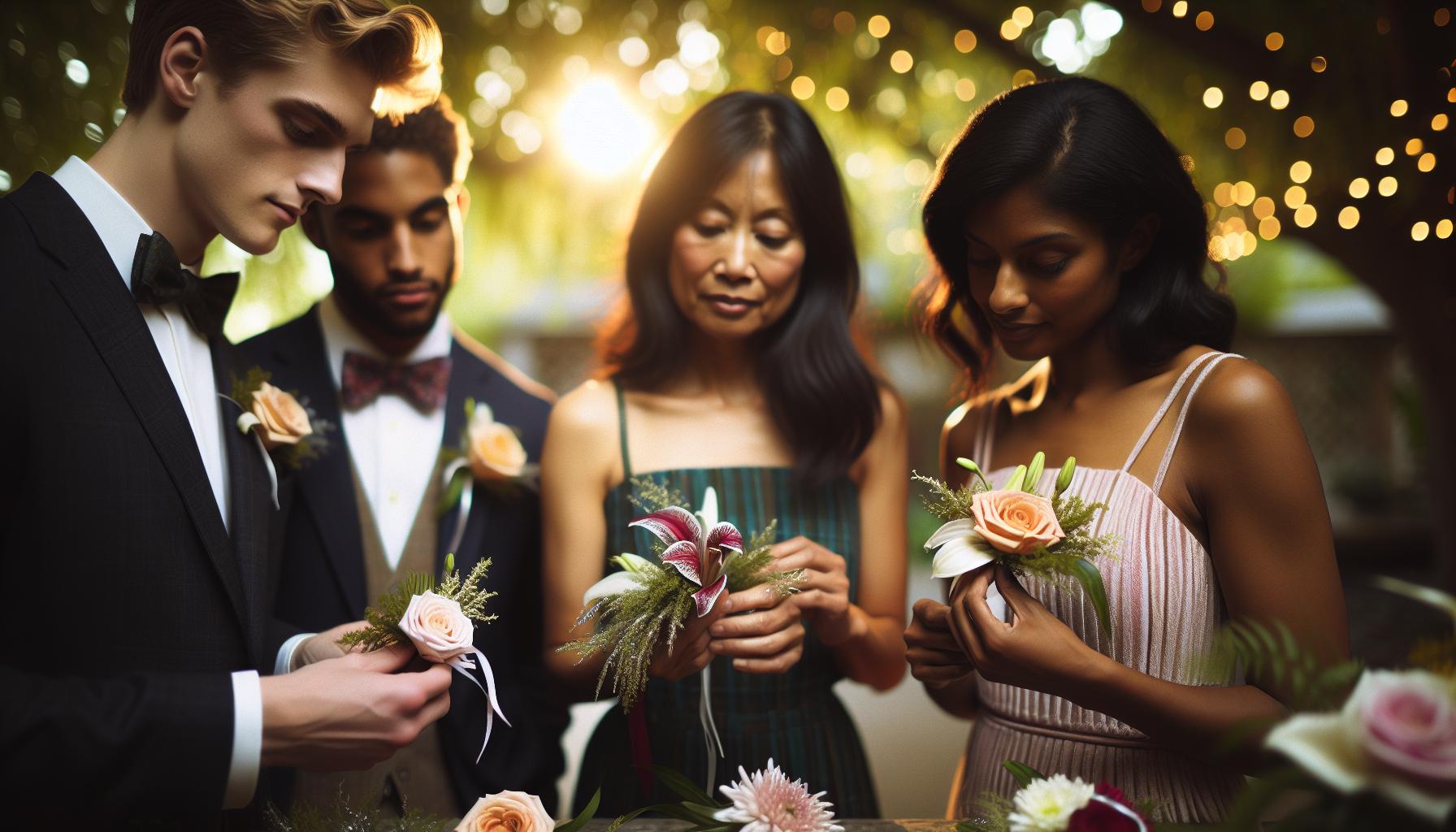
The act of wearing a corsage is a beautiful tradition that transcends mere fashion-it’s a heartfelt gesture that symbolizes the profound connection between the mother of the bride and her daughter on one of the most significant days of their lives. Corsages have been a long-standing custom in wedding etiquette, serving not only as a decorative accessory but also as a visual representation of love, support, and pride. This floral adornment brings together the emotions and memories associated with the bond they share, providing the mother an opportunity to express her affection and joy publicly.
Each flower and color holds its own meaning, allowing for personalization that reflects the unique relationship between the mother and daughter. For instance, roses often signify love and admiration, while orchids can symbolize beauty and strength. The choice of flowers can be tailored to incorporate the bride’s bouquet, the wedding theme, or even to represent family traditions. This thoughtfulness underscores a deeper connection, transforming the corsage from a simple accessory into a cherished keepsake of the day.
In addition, the timing and manner of presenting the corsage can enhance its significance. Traditionally, it’s gifted to the mother during a special moment, perhaps just before the ceremony, creating an emotional pause amid the bustling excitement. This act can be a celebratory moment for both the bride and her mother, reinforcing the supportive role the mother plays throughout the wedding journey. Ultimately, wearing a corsage is not just a matter of etiquette-it’s a lovely opportunity to honor the significant role mothers play in the lives of their daughters, making every glance at this floral tribute a reminder of their enduring bond.
When to Wear a Corsage: Timing and Location
The timing and setting for wearing a corsage at a wedding can significantly enhance the experience for both the mother of the bride and the guests. Traditionally, the best moment to present the corsage is during a heartfelt moment prior to the ceremony, creating a special pause amidst the day’s excitement. This often happens during a private moment with the bride, where she can express her gratitude and love. This moment not only symbolizes the bond they share but also marks the beginning of the ceremonial festivities, providing both a memory and a physical expression of their connection.
At the ceremony, the corsage is typically worn on the left side, near the heart, symbolizing love and emotional closeness. The mother of the bride may also choose to wear it during the reception, allowing for multiple opportunities to showcase this beautiful floral accessory throughout the day. Positioning is crucial; wearing it prominently ensures that the mother of the bride is recognized and celebrated among the guests, highlighting her important role in the wedding celebration.
When planning for this beautiful tradition, consider the logistics surrounding the day’s events to ensure that the corsage fits seamlessly into the schedule. Examples of ideal moments include:
- During a pre-ceremony photo session, allowing for some stunning candid shots.
- As the bride is getting ready, creating a moment of intimacy and support.
- At the reception highlight moments, such as the parent dances or speeches, where the mother’s presence can be honored.
Ultimately, coordinating the timing and location for wearing a corsage helps enrich the emotional significance of this beautiful accessory, enhancing the shared experiences of love, tradition, and celebration.
Corsage Styles Suitable for Mothers of the Bride
Choosing the perfect corsage is essential for the mother of the bride, as it not only complements her attire but also underscores the importance of her role on this special day. Corsages come in a variety of styles, each echoing the couple’s theme, the season, and the mother’s personal taste, allowing for a beautiful reflection of love and celebration.
For a classic look, a simple floral wrist corsage featuring elegant blooms like roses or orchids can provide a timeless charm. These delicate flowers can be arranged with soft greenery or subtle embellishments, making them versatile for traditional or modern weddings. The stunning contrast of colors can also tie in with the wedding palette, ensuring that the mother of the bride stands out while remaining coordinated.
Trendy Corsage Styles
Incorporating seasonal flowers can also lead to unique arrangements. For example, a spring wedding might feature vibrant peonies and tulips, while a winter celebration could include delicate white lilies or holly with berries, adding a festively rich touch. In recent trends, cascading corsages have become popular, featuring longer stems and mixed flowers which can lend a dramatic effect to the overall look.
For a more personalized accessory, consider custom designs that fuse various floral elements with meaningful tokens-such as a favorite flower of the bride or symbols of family heritage. This creates a deeply personal piece that offers both nostalgia and floral beauty, allowing the mother of the bride to showcase her unique connection to the couple.
Alternative Materials
In addition to traditional floral arrangements, modern alternatives like silk flowers or brooch-style corsages can offer lasting mementos of the day. These styles allow for greater creativity and durability, giving the mother of the bride something beautiful to cherish long after the wedding. By selecting styles that resonate with her personality and the occasion, the mother can feel both honored and celebrated in her special role.
Ultimately, the right corsage goes beyond mere decoration; it embodies emotion and connection, making the mother of the bride’s presence felt and remembered throughout the celebration.
Choosing the Right Flowers for Your Corsage
Choosing the perfect flowers for a corsage is a delightful opportunity to intertwine personal style with the wedding’s overall theme. Traditionally, the mother of the bride wears a corsage as a symbol of her support and connection to the couple, making flower selection all the more meaningful. Diverse blooms carry different messages and aesthetics, creating layers of significance. For instance, roses symbolize love and passion, while orchids convey luxury and beauty. Accordingly, the flower choice should reflect both the mother’s personality and the essence of the couple’s celebration.
When thinking about the season, it’s wise to draw inspiration from the time of year. In spring, light pastels with blooms like hyacinths or peonies can evoke feelings of freshness and new beginnings, while deep, rich colors such as burgundy dahlias or ivory lilies can bring elegance to a winter wedding. Also, consider the fabric and color of the attire; a delicate corsage in complementary hues can enhance the overall look. Aim for a harmony between the corsage and the mother’s outfit while ensuring her floral statement stands out.
Unique touches, such as incorporating family favorites, personal tokens, or even small charms, can transform a standard corsage into a cherished keepsake. For example, using a grandmother’s favorite flower not only honors family heritage but also adds a special narrative to the day. Likewise, custom arrangements that blend unexpected blooms can reflect modern trends, allowing the mother of the bride to express her individuality. Ultimately, the flowers chosen for the corsage should harmonize with the wedding atmosphere, enhance the mother’s attire, and celebrate her pivotal role in the celebration, ensuring she feels special on this significant day.
Matching Corsages with Wedding Themes
Selecting a corsage for the mother of the bride is not just about aesthetics; it’s about crafting a visual narrative that complements the broader wedding theme. The perfect corsage should resonate with the wedding’s mood, colors, and style, creating a harmonious transition between the bridal party and the special guests. This courtesy extends to enriching the emotional landscape of the day, as well as reinforcing familial bonds through shared aesthetics.
To effectively match corsages with wedding themes, start by considering the overall color palette. If the wedding leans towards soft pastels, a delicate wrist corsage adorned with light pink roses and white lilies can make a stunning statement. Conversely, for a more vibrant theme, choosing bold hues like deep purples or vivid reds can echo the excitement of the day. Look at the decorations, bridesmaids’ dresses, and floral arrangements to ensure that the chosen corsage color and floral selection meld seamlessly into the visual story of the event.
The style of the wedding also plays a pivotal role in corsage selection. A formal affair might call for an elegant corsage crafted from classic blooms like orchids or calla lilies, while a casual beach wedding could embrace wildflowers or tropical flowers like hibiscus. Incorporating elements like lace or twine can also reflect a rustic theme, adding texture and depth to the arrangement. Each detail reinforces not just the theme but also the personal touch that will resonate with the couple’s journey.
Ultimately, crafting a corsage that respects the wedding theme involves an insightful blend of personal preference and collaborative spirit. Engaging with the couple to understand their vision for the day can yield cherished moments that honor tradition while celebrating individuality. With thoughtfulness at the heart of the creation, the corsage becomes more than just an accessory; it transforms into a symbol of the love and support intricately woven into the fabric of the event.
DIY Corsages vs. Professional Arrangements
Creating a corsage for the mother of the bride requires thoughtful consideration, particularly when choosing between a DIY option and a professional arrangement. Crafting a corsage by hand can imbue it with personal significance, setting it apart and allowing for unique touches that resonate emotionally with the wearer. The process also provides a wonderful opportunity for bonding, as family members or friends can join in to help design and assemble the corsage. Consider selecting flowers that hold special meanings or memories for the mother, such as her favorite blooms or those that relate to cherished moments in her life. DIY corsages can be an expression of love, creativity, and effort, truly making them one-of-a-kind.
On the other hand, entrusting this task to a professional florist often ensures a polished and sophisticated outcome, particularly if the wedding’s aesthetic is intricate or themed. Professionals possess the experience and skills to create arrangements that are not only beautiful but also durable, ensuring that the corsage holds up throughout the day’s celebrations. With their expertise, a florist can recommend flower combinations that harmonize with the wedding palette and style while accounting for seasonal availability. A professional arrangement can also provide peace of mind, knowing that one crucial detail is expertly handled, allowing the family to focus on enjoying the special day.
Deciding between a DIY corsage and a professional arrangement ultimately hinges on personal preferences, budget, and the overall wedding experience. Here are several factors to consider:
- Budget: DIY options may be more cost-effective, while professional arrangements typically involve a higher investment but guarantee a certain standard of quality.
- Time: Consider how much time you can dedicate to crafting a corsage. If wedding plans are already overwhelming, hiring a professional might be the more manageable choice.
- Skill Level: If you have a knack for floristry or enjoy hands-on projects, DIY might be a rewarding way to contribute to the celebration.
- Emotional Value: Handmade corsages can carry sentimental worth, while professionally arranged ones can offer a refined look, allowing you to weigh which aspect matters more for the occasion.
Whichever route you choose, the spirit of love and support remains at the heart of the corsage, embodying the mother of the bride’s vital role in the wedding and the family’s journey.
Corsage Etiquette: Who Pays and Other Questions
When it comes to the role of the mother of the bride, wearing a corsage has become a cherished tradition that symbolizes her importance on this significant day. However, as with all wedding customs, questions often arise about etiquette, including who is responsible for paying for the corsage. Traditionally, the groom’s family covers the cost of the flowers for the mothers and grandmothers, including corsages, while the bride’s family manages the cost of the bouquet for the bride. This arrangement promotes a sense of contribution from both sides while honoring the special role that mothers play during the ceremony.
In planning for the corsage, it’s essential to have clear, open communication among families. Discussing preferences, budgets, and flower choices fosters collaboration and helps ensure that everyone feels included in the planning process. The mother of the bride may have specific ideas about what she wants, and it can be a beautiful gesture for both families to come together to create something meaningful. For instance, a conversation about favorite flowers can lead to a personalized corsage that not only complements the wedding theme but also holds emotional significance.
Common Questions
- Can the mother of the bride wear a different style or color of corsage? Absolutely! While it’s traditional for her corsage to harmonize with the wedding colors, it’s perfectly acceptable for her to choose a style and color that reflects her personal taste or complements her outfit.
- Are there alternative options for the corsage? Yes! If a corsage isn’t quite her style, consider other accessories like a floral hairpiece or a small bouquet to carry. Each option can help signify her role while matching the overall aesthetic of the wedding.
- What if there are multiple mothers involved? In families with stepmothers or mothers-in-law, it’s best to have a discussion early on about how to honor each mother equally. This can preserve family harmony and ensures everyone feels included in the celebration.
Ultimately, the key to corsage etiquette lies in open communication and consideration for everyone’s sentiments. By keeping the lines of dialogue open and ensuring all mothers feel valued and appreciated, you can create a beautiful and meaningful experience that celebrates the love and support foundational to the wedding. Such thoughtful gestures will echo the celebration of love that the wedding day represents, making the event an unforgettable journey for all involved.
Alternative Accessories for Mothers of the Bride
For mothers of the bride, the opportunity to showcase their style and significance on the wedding day goes beyond the traditional corsage. Many are discovering that there are a multitude of alternatives that not only celebrate their role but also enhance their overall look. Floral accessories can take on various forms, ranging from hairpieces that add a touch of romance to statement jewelry pieces that offer a unique flair.
One popular alternative is the floral hairpiece. This option allows the mother of the bride to incorporate beautiful blooms into her hairstyle, whether in a dedicated arrangement or scattered among the hair. This choice can be customized to complement the wedding’s color palette and theme, adding a whimsical and elegant touch. Combining various floral elements with greenery can create a natural and sophisticated look, making it perfect for both outdoor and formal settings.
Another beautiful option is a small bouquet or clutch of flowers. Instead of a traditional corsage, carrying a petite bouquet allows mothers to express their style while remaining in line with wedding aesthetics. This choice is particularly fitting for a wedding with a garden or outdoor setting, where a smaller, free-formed floral arrangement can radiate charm. Selecting blooms that mirror the bride’s bouquet can symbolize the bond shared on this momentous occasion, creating a visually cohesive atmosphere.
In addition to floral options, mothers can consider elegant jewelry accessories-such as brooches adorned with floral motifs, statement earrings, or even intricate pins that reflect personal style. These accessories can be both a nod to tradition and a way to express individual style, making them timeless options that can be cherished long after the event.
Ultimately, embracing personal aesthetic preferences and wedding themes while choosing alternative accessories can foster a sense of pride and individuality. By celebrating the mother’s role through these creative options, the wedding becomes an intimate representation of love, support, and family ties, all captured in the day’s heartfelt moments.
Factors Influencing Corsage Choices and Trends
Selecting the perfect corsage for the mother of the bride is a beautiful yet deeply personal decision that reflects both tradition and individual style. Many factors can influence this choice, shaping not only the look but also the emotional resonance of this cherished accessory on the wedding day. Understanding these influences can help mothers of the bride embrace their role more fully and enhance the essence of the celebration.
One of the primary factors to consider is the wedding’s color palette. The corsage should harmonize with the overall theme and colors of the wedding attire, including the bride’s bouquet. For instance, if the wedding features soft pastels, a delicate arrangement of roses and lilacs can provide a cohesive look. Alternatively, bold colors might call for vibrant flowers like orchids or sunflowers, allowing the mother’s corsage to stand out while still coordinating beautifully with the bridal party’s attire.
Current trends also play a significant role in the choice of corsages. In recent years, there has been a shift towards more personalized and unique designs, which can include non-traditional materials like wood, fabric, or even jewelry. This evolution reflects a broader desire for customization and authenticity in wedding decor. Emerging trends see mothers opting for minimalist designs that echo the bride’s aesthetic, focusing on specific floral varieties or incorporating sentimental elements that tell a personal story, such as an heirloom piece or a flower with special significance to the family.
Cultural influences should not be overlooked either. In some cultures, specific flowers carry symbolic meanings or are associated with traditional celebrations. Understanding these practices can offer deeper layers of significance to the corsage choice. For example, peonies symbolize good fortune and happiness, making them a common selection in many Asian weddings. Likewise, incorporating culturally significant blooms can resonate with both families and create a more inclusive atmosphere on such a momentous day.
Ultimately, the decision regarding corsages is shaped by personal preferences, cultural significance, and prevailing styles. By carefully considering these factors, mothers of the bride can select corsages that not only enhance their attire but also celebrate the joyous union taking place, making the wedding day even more memorable.
Personalizing the Corsage Experience for Mothers
Every wedding day comes with a whirlwind of emotions, where every detail can signify love and connection-not just between the couple, but also among family and friends. Personalizing the corsage for the mother of the bride is one way to celebrate this integral role. Beyond simply selecting flowers, consider incorporating elements that resonate deeply with family history, shared memories, or significant symbols.
The flowers chosen can speak volumes. For instance, if the mother and bride share a fond memory tied to a specific flower-perhaps daisies from summers spent together-selecting those for the corsage can create a sweet homage to their bond. Using heirloom pieces or charms woven into the design can also add a touch of sentimental value. These details transform a simple floral accessory into a heartfelt memento that the mother can cherish long after the wedding day has passed.
It’s equally essential to consider the overall wedding theme and color scheme when personalizing the corsage. Incorporating the bride’s color palette can create a unified look that reflects the style of the event. Consider a boho chic approach with wildflowers or a classic touch with elegant roses, all while ensuring the materials and colors resonate with the mother’s attire. Additionally, discussing personal preferences openly can lead to a collaborative design process that respects the mother’s individual style while coordinating with the wedding theme.
Beyond flowers, mothers might consider alternative accessories that express their personality and connection to the day. Statement jewelry or beautifully styled hairpieces can complement or even replace traditional corsages, allowing for personal expression that complements the wedding’s aesthetic. Whatever the choice, the emphasis remains on creating a beautiful experience that honors the special bond between mother and daughter, transforming a tradition into a deeply individualized celebration worthy of the day’s significance.
Cultural Variations in Mother of the Bride Attire
The significance of the mother of the bride role varies widely across different cultures, shaping not only the responsibilities she shoulders on the wedding day but also the attire she wears. In many Western cultures, it is customary for the mother of the bride to don elegant dresses that complement the overall wedding theme, often opting for styles that signify her unique status in the celebration. This attire may include tasteful long gowns or sophisticated cocktail dresses, accompanied by accessories such as corsages that symbolize her role and feelings towards the union being celebrated.
In contrast, Asian cultures often have deeply rooted traditions regarding the attire of the mother of the bride, which can differ significantly. For example, in Chinese weddings, it is common for the mother of the bride to wear a traditional qipao or cheongsam, showcasing intricate embroidery and symbolic colors like red, which represent good luck and happiness. Similarly, in Indian weddings, the mother may wear a saree or lehenga, often adorned with embellishments that reflect the family’s heritage and the festivities’ grandeur. Here, the choice of color can be incredibly meaningful-typically avoiding black or white, which are associated with mourning, and embracing vibrant hues that convey joy.
Aside from regional attire, the mother of the bride might also embrace cultural customs that dictate her attire’s color and style based on the wedding’s specific ethnic or religious traditions. For instance, in Jewish weddings, mothers often wear elegant dresses that signify a celebration, frequently complemented by head coverings during certain religious ceremonies. These cultural choices are coupled with the expectation to wear corsages, which serve as a floral representation of their love and support-just as they assist the bride and groom throughout the planning process, bringing an air of elegance and warmth to the day’s events.
Fusing these diverse cultural practices with modern sensibilities, many mothers choose to incorporate personal elements into their attire, reflecting their personalities and the bonds they share with their children. Whether embracing tradition or choosing contemporary styles, the mother of the bride’s attire remains a key aspect of the wedding celebration, symbolizing love, respect, and the unique heritage that the couple blends as they embark on their new journey together.
Q&A
Q: What is the significance of the corsage for the mother of the bride?
A: The corsage symbolizes the mother’s special role in the wedding, signifying her love and support for the couple. It’s a beautiful accessory that enhances her attire while highlighting her important position in the celebration.
Q: When should the mother of the bride put on her corsage?
A: The mother of the bride should wear her corsage before the ceremony begins to ensure it’s properly displayed during key moments. It’s best to put it on after getting dressed to maintain its freshness, as outlined in the section “When to Wear a Corsage.”
Q: Can the mother of the bride choose the corsage style herself?
A: Yes, the mother of the bride is encouraged to choose a corsage style that reflects her personal taste and complements her outfit. Options may include wrist corsages or traditional pin-on styles, as discussed in detail in the article.
Q: Should the mother of the bride match her corsage with the bridal bouquet?
A: While not mandatory, coordinating the mother of the bride’s corsage with the bridal bouquet can create a harmonious look and enhance the overall wedding theme. This promotes visual continuity in wedding photos and decor.
Q: What flowers are traditionally used in a mother of the bride corsage?
A: Popular options include roses, orchids, and lilies, as these flowers often symbolize love, beauty, and elegance. The choice also depends on seasonal availability and personal preferences, which can be explored in the article’s section on choosing the right flowers.
Q: Are there alternatives to wearing a corsage for the mother of the bride?
A: Yes, alternatives such as unique jewelry, hair accessories, or a statement brooch can replace a traditional corsage. These options can still provide a focal point and personalize the mother of the bride’s look.
Q: Who typically pays for the mother of the bride’s corsage?
A: Traditionally, the groom’s family might pay for the mother of the bride’s corsage. However, this can vary based on family dynamics and should be discussed among families for clarity, as noted in the “Corsage Etiquette” section.
Q: How can you ensure the corsage stays fresh throughout the day?
A: To keep a corsage fresh, store it in a cool place and lightly mist it with water before wearing. Additionally, schedule any hair appointments or makeup applications before putting on the corsage to minimize exposure to heat or styling products.
Insights and Conclusions
As you step into the beautiful world of wedding planning, remember that the mother of the bride plays a significant role in celebrating this special day, and choosing the right corsage is just one way to honor that. With traditional flower etiquette guiding you, selecting a corsage that complements both the bride’s floral arrangements and your outfit can enhance the overall aesthetic and showcase your important connection to the couple.
For further insights on wedding traditions, explore our articles on “Bridal Party Attire Etiquette” and “Choosing Flowers for Special Days.” Be sure to subscribe to our newsletter for the latest tips and exclusive resources tailored to making your wedding planning journey as smooth and joyful as possible. If you have questions or want to share your experiences, please leave a comment below! Let’s continue this celebration of love and commitment together!