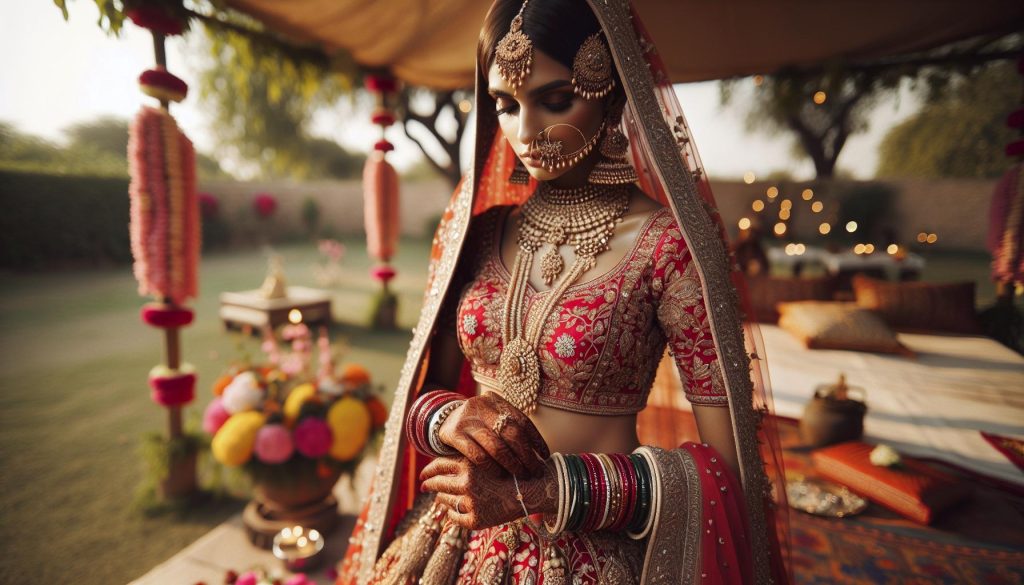
In Indian weddings, the colors that brides choose to wear are not just a matter of aesthetics; they are steeped in rich tradition and cultural significance. Traditionally, Indian brides adorn themselves in vibrant hues, with red being the most iconic choice, symbolizing prosperity and fertility. However, choices can range from deep maroons and sunny yellows to elegant pastels, each color narrating its own story and embodying personal and familial values. For couples navigating this enchanting landscape of wedding attire, understanding these colors is crucial to making informed decisions that honor traditions while reflecting individual style. As you explore the depths of traditional Indian wedding colors, discover how these choices can enhance the overall celebration and create lasting memories. Your journey into this colorful world of ceremonies and cultural expression awaits!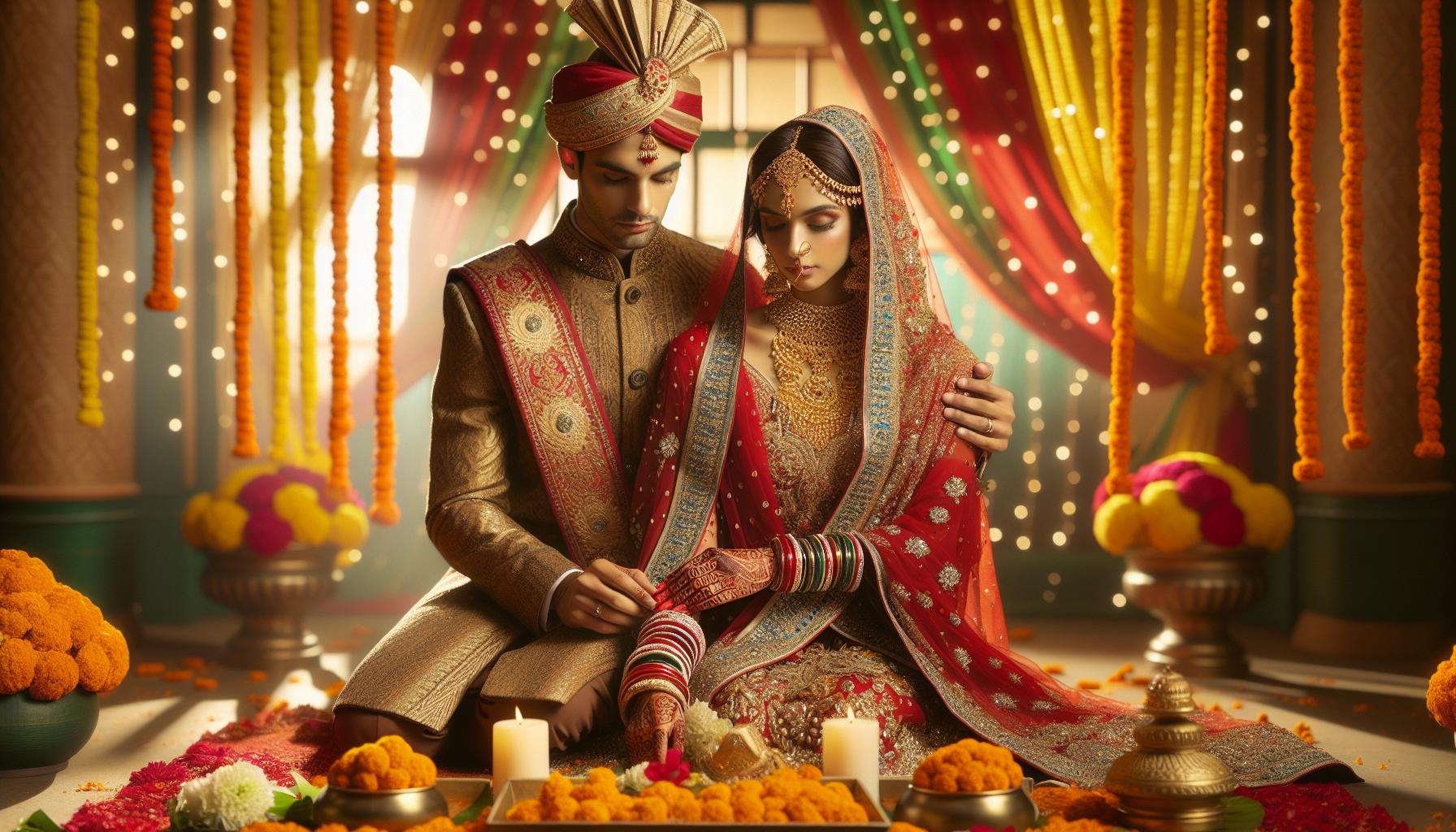
Understanding the Significance of Color in Indian Weddings
In the tapestry of Indian weddings, color serves not just an aesthetic purpose but also embodies deep cultural significance that resonates through generations. Traditionally, weddings are an explosion of hues, each carrying symbolic meanings that guide brides in their attire choices. For many, the wedding day is not merely a celebration, but a sacred event that intertwines personal and communal narratives, where colors become a vital thread in the story being woven.
Colors such as red, gold, and green dominate the bridal landscape, each holding its own narrative. Red is perhaps the most iconic, symbolizing love, fertility, and prosperity. It is believed to ward off evil and bring good fortune to the couple as they embark on their new journey together. Brides often wear red lehengas adorned with intricate gold embroidery, embodying both grace and vibrancy. In contrast, gold represents wealth and auspiciousness, reflecting light and success, while green stands for new beginnings, harmony, and fertility, making it a popular choice for the bridal trousseau.
The significance of color extends beyond the bride’s attire; it permeates the entire wedding setting through decorations, floral arrangements, and even invitations, each element chosen with intention. The regional nuances present additional layers of meaning; for instance, brides from the southern states often prefer rich shades of green and white, reflecting local traditions, while those from the north may gravitate towards the bolder reds and fuchsias. This regional flair not only highlights cultural diversity but also showcases the rich artistic heritage of Indian textiles and craftsmanship.
Ultimately, the colors chosen for a wedding are a blend of tradition, personal taste, and cultural significance. As modern brides embrace alternative palettes and contemporary styles, the palette continues to evolve, allowing for a beautiful fusion of tradition and personal expression. Whether sticking with classics or daring to be different, each choice of color transforms the wedding experience into a visually stunning celebration filled with emotions, stories, and dreams waiting to unfold.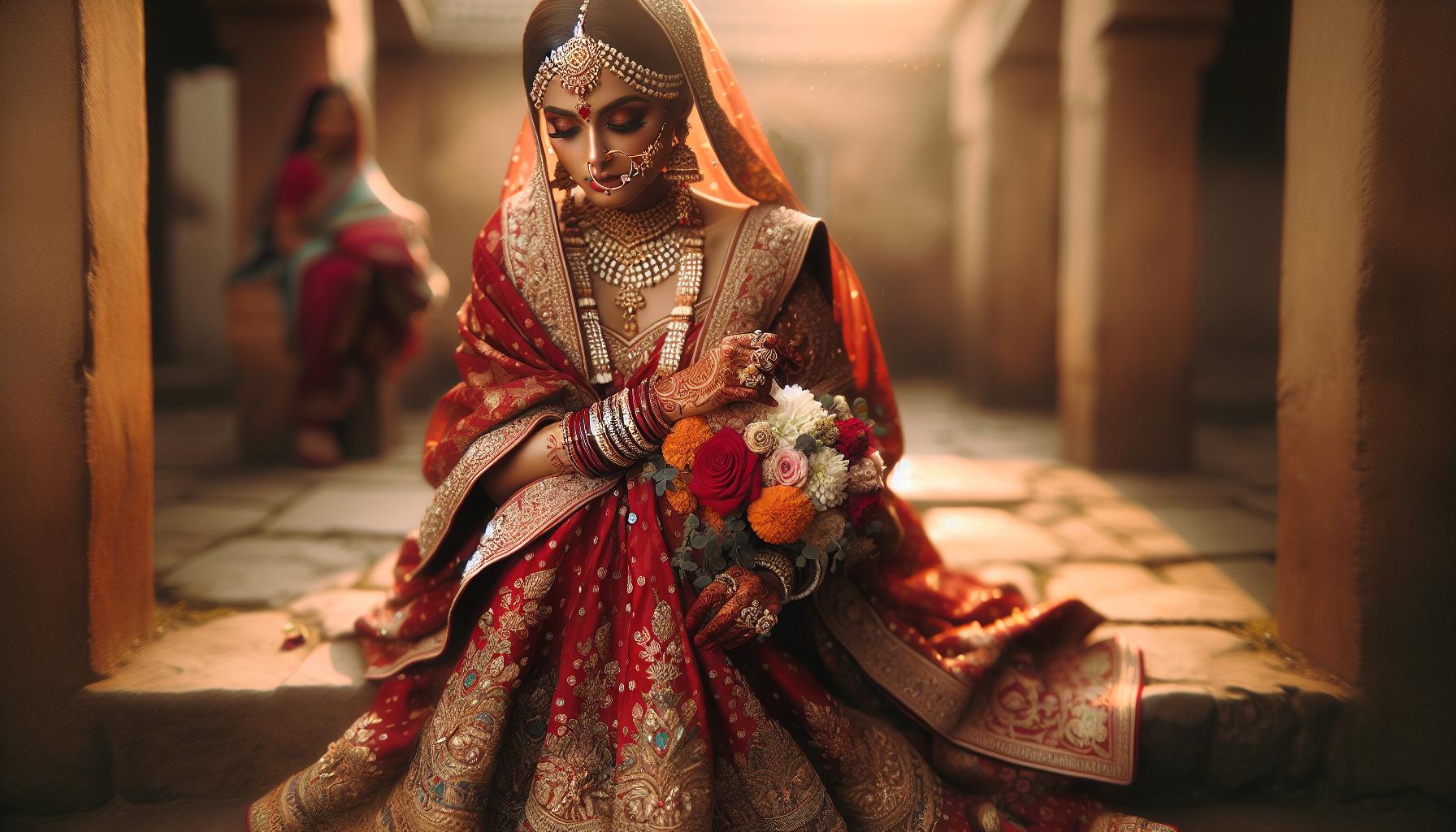
Traditional Colors Worn by Indian Brides
In Indian weddings, color serves as an essential element that reflects tradition, culture, and personal significance. Each hue tells a story and carries profound meanings, especially for brides who adorn themselves in shades that symbolize love, prosperity, and joy. The most favored colors form a vibrant palette that truly enhances the overall wedding experience, showcasing not just the bride’s beauty but also the cultural richness embedded in these celebrations.
Red remains the quintessential choice for brides across India, embodying auspiciousness, fertility, and the sacredness of love. Traditionally, brides don exquisite red lehengas, heavily embellished with intricate designs, making them the focal point of any wedding ceremony. Complementing this are gold accents that signify wealth and prosperity, often incorporated in jewelry and embroidery, creating a stunning contrast that captures the eye. Other popular hues include green, symbolizing new beginnings and fertility, and pink, often associated with romance and affection, making it a common alternative for brides looking to infuse a soft touch into their attire.
Fashionably blending tradition with modern aesthetics, many brides now also venture into colors like peach, blue, and even purple for their special day. These shades can reflect individual style while still respecting cultural roots. For example, a bride may choose a light peach outfit for a daytime ceremony, representing warmth and happiness, or a richly embroidered navy blue lehenga for a more elegant evening affair.
As the bridal look evolves, accessories play a crucial role in harmonizing the overall color scheme. Consider pairing your chosen outfit with complementary jewelry and footwear that enhance your color choice without overwhelming it. A well-coordinated color palette creates a cohesive appearance that dazzles throughout the special day, ensuring both the bride and the wedding setting shine in harmony. Embrace the rich tapestry of colors and traditions as you plan your bridal attire, celebrating the beauty of your heritage while expressing your unique style on this momentous occasion.
Regional Variations in Bridal Colors Across India
In the diverse tapestry of India, weddings are not just a union of two souls, but a vibrant celebration steeped in culture, tradition, and color. Each region of the country has carved its own unique identity when it comes to bridal attire, making the selection of colors a reflection not only of personal preference but also of deep-rooted customs and vibrant local heritage. The bridal outfit often tells a tale of its own, varying in significance and style from one locale to another, each with an inspiring charm that enhances the joy of such a monumental occasion.
In the northern states like Punjab, brides traditionally wear bright red or deep maroon outfits, complemented with heavy gold embroidery and jewelry. The rich colors are believed to symbolize fertility and prosperity, vital aspects of the union ahead. Similarly, in Rajasthan, brides often favor fiery orange and intricate lehengas decorated with mirrors and embellishments, mirroring the vibrant culture and the colorful landscapes of the desert state.
Venturing south, brides in Tamil Nadu almost always don the beautiful kanjeevaram sarees, often in bold shades of gold, cream, and deep red. The intricate zari work adds a luxurious feel, enhancing the overall grandeur of the bridal look. Meanwhile, in Kerala, the traditional bridal attire is the white kasavu saree bordered with gold, often worn with a matching blouse, symbolizing purity and simplicity, while still showcasing elegance and class.
In the east, particularly in Bengal, the traditional red and white saree with fine gold borders is ubiquitous among brides, representing auspiciousness. This attire is not just fashion but also a form of cultural expression, embodying the essence of Bengali marriage rituals. Each of these regional palettes brings its own story to life’s most cherished moments, providing a rich breath of choices that enhance the bride’s personal style while honoring her cultural lineage.
As couples navigate their wedding planning journeys, it is important to recognize and celebrate these regional nuances. Incorporating elements from their cultural backgrounds not only enriches the ceremony but also creates an enchanting experience filled with laughter, love, and memories to treasure for a lifetime. Embrace the joyful exploration of colors, patterns, and styles that make Indian weddings uniquely beautiful, as every choice made is a step towards a harmonious blend of tradition and personal expression.
Symbolism of Popular Bridal Colors in Indian Culture
In the vibrant world of Indian weddings, colors are not merely aesthetic choices; they are expressions of deep cultural significance and emotional symbolism. Each color embodies unique meanings that reflect the couple’s aspirations, values, and heritage, allowing brides to communicate their identities and intentions through their choice of attire. This thoughtful selection transforms every bridal outfit into a canvas of meaning, connecting personal stories with traditional beliefs.
Red stands out as the quintessential color of Indian bridal wear, often associated with love, fertility, and prosperity. It is no surprise that many brides in Northern India choose rich shades of red or maroon, as these colors not only symbolize auspicious beginnings but also evoke powerful emotions of passion and vitality. In many regions, red is believed to protect against evil spirits, underscoring its revered status.
Going beyond red, various other shades hold distinct meanings. Gold, often incorporated into bridal attire through embroidery or jewelry, symbolizes wealth and grandeur, while also representing enlightenment and divine connection. In Southern India, brides adorned in opulent golden kanjeevarams reflect a blend of luxury and tradition, showcasing craftsmanship through intricate zari work.
In the East, particularly in Bengal, brides embrace white and red, a combination that signifies purity and auspiciousness. This classic palette not only maintains cultural heritage but also exemplifies elegance. The use of green in some weddings symbolizes new beginnings and fertility-an emerging trend for brides looking to add a fresh twist to traditional color schemes.
As couples explore these vibrant options, it’s important to consider how color choices resonate with their personal stories while respecting their cultural roots. The harmonious interplay of tradition and modernity can be approached with creativity, allowing every bride to tailor her look based on her unique journey. In this colorful celebration of love, each choice serves to deepen connections, cultivate memories, and celebrate the rich tapestry of Indian heritage.
The Role of Red in Indian Bridal Attire
The color red is often regarded as the heart of Indian bridal attire, embodying a rich tapestry of traditions and emotions that celebrate love and new beginnings. This vibrant hue resonates powerfully with brides, particularly in Northern India, where deep reds and maroons have become synonymous with auspiciousness and fertility. When a bride adorns herself in red, she doesn’t just wear a color; she envelops herself in a cloak of cultural significance that reflects her commitment and the joyous nature of the wedding celebrations.
Symbolism and Emotional Significance
In addition to its representation of love, red is believed to ward off evil spirits, making it a protective color that blesses the union. This belief has reinforced its pivotal place in marriage ceremonies, where every detail from the bridal lehenga to the decorative accents echoes this vibrant theme. In many traditional ceremonies, the bride’s choice of red attire often enhances the visual narrative of the wedding, signifying the transition to a new chapter filled with love and family.
Variety in Styles and Personalization
Brides today have embraced a variety of styles while remaining true to the essence of red. Whether it’s a classic lehenga paired with heavy gold embellishments or a contemporary wrap with intricate beadwork, the options are plentiful and can be tailored to reflect individual tastes. Using differing shades and materials, such as silk, velvet, or net, brides can reinterpret red based on the season and occasion, ensuring their attire feels both relevant and personal.
Accessorizing the Red Attire
Accessory choices play a crucial role in complementing the red wedding attire. Jewelry adorned with rubies or gold has a natural affinity with red and enhances its richness. The combination of traditional Indian jewelry, such as the maang tikka or chura, with modern twists can create a memorable bridal look. Incorporating delicate floral arrangements or personalized embellishments can add an element of individuality that celebrates personal stories while respecting cultural heritage.
As couples navigate their wedding planning journey, infusing red into their celebrations offers a chance to honor tradition while embracing their unique narrative. This bold color serves as a reminder that the essence of love is both vibrant and multifaceted, making it a perfect choice for the foundation of their new life together. With careful consideration of styles, symbolism, and meaningful accessories, each bride can craft a stunning appearance that not only dazzles on her wedding day but also narrates her deeply personal story of love.
Alternative Bridal Colors: Trends and Inspirations
Brides today are increasingly embracing diverse colors that transcend traditional norms, showcasing their unique personalities while honoring cultural significance. While red remains a classic choice, many are now opting for shades like pastel pinks, vibrant oranges, deep blues, and even striking greens-colors that not only reflect their individual tastes but also incorporate modern aesthetics into their bridal attire. Whether inspired by floral themes or seasonal palettes, these alternatives have opened up a spectrum of possibilities for brides wishing to stand out on their special day.
Exploring Alternative Color Themes
Incorporating alternative colors into bridal wear can begin with a thoughtful selection process. Here are some inspiration points to consider:
- Pastel Hues: Soft pinks, lilacs, and mint greens have gained popularity for creating a dreamy, ethereal look. These colors pair beautifully with delicate fabrics like chiffon or georgette, offering a romantic vibe perfect for day-time ceremonies.
- Bold Colors: Shocking pinks, electric blues, and even rich purples can make a striking statement. These can work wonderfully for brides looking to inject their personality into the celebration, especially in festive evening weddings.
- Earthy Tones: Shades like rust, ochre, and moss green resonate well with nature-themed weddings. Incorporating elements like wooden decor and floral arrangements in complimentary shades can create a holistic and serene atmosphere.
Coordinating with Bridal Party and Decor
Choosing a non-traditional bridal color opens avenues for coordinating your bridal party and wedding decor. When selecting alternative colors, consider the following:
- Involve your bridesmaids in the process by letting them wear dresses in a shade that complements your chosen color. This fosters unity while showcasing individual styles.
- Incorporate your color choice into your wedding theme-from table settings to floral arrangements, a consistent palette will help create a cohesive look throughout the celebration.
- Consider cultural traditions that might align with your chosen colors, creating a beautiful balance between modern choices and heritage.
As you navigate the vibrant world of wedding colors, feel empowered to blend tradition with innovation, ensuring that every detail resonates with your narrative. The vision you curate not only makes your wedding day memorable but also reflects your shared journey as a couple, wrapped in colors that celebrate your love story.
Accessorizing Your Bridal Look: Color Coordination Tips
The right accessories can elevate your bridal look to new heights, perfectly complementing the colors and themes of your attire while adding a layer of personal flair. When it comes to accessorizing for an Indian wedding, thoughtful consideration of color coordination is essential. This journey invites brides to draw inspiration from traditional hues while allowing room for modern interpretations that make their wedding unique. To achieve a harmonious and enchanting bridal ensemble, embrace these tips for accessorizing effectively.
To start, let the color of your bridal attire guide your choice of accessories. If you opt for the classic red, gold, or maroon, consider pairing it with statement jewelry pieces in gold or antique finish. These not only enhance the vibrant colors but also reflect the traditions of Indian weddings. Alternatively, if you choose to dive into pastels or vibrant tones, silver and rose gold accessories can add a contemporary touch. Mixing metals can also be a creative way to play with colors; for example, combining gold and silver pieces can create a beautiful layered look, allowing each accessory to shine without overpowering the attire.
Another important aspect is the type of accessories you choose. Traditional items such as maang tikka, nath, and chuda can blend seamlessly with modern pieces like ear cuffs or statement rings. When surrounding your bridal attire with jewelry, consider the overall aesthetic. For an elaborate lehenga, opt for intricate jewelry to match, whereas simpler outfits can be beautifully complemented by delicate, minimalist designs. Additionally, incorporating floral elements, like a fresh flower maala or hair pins, into your hairstyle can further enhance the color theme and create a cohesive look.
Lastly, don’t forget about matching your bridal party’s accessories to your overall color scheme. Collaborating with your bridesmaids to coordinate their jewelry, dupatta styles, and even matching footwear can create a unified and visually stunning bridal procession. Encourage your bridal squad to wear colors that complement your chosen palette, while also allowing them to reflect their unique styles. This not only builds a cohesive visual narrative but also enhances the festive atmosphere on your special day.
As you navigate through the myriad of choices available for accessories, remember to let your personality shine through. Blending traditional elements with your modern spin ensures your look remains timeless yet uniquely you. With these considerations, you can achieve an enchanting bridal ensemble that tells your love story through color, culture, and creativity.
Combination of Colors: Mixing Traditions with Personal Style
The vibrant tapestry of colors in Indian weddings is a beautiful reflection of the rich traditions and cultural diversity across the subcontinent. As modern brides navigate their wedding plans, many are exploring the exciting possibility of blending traditional hues with their personal style, creating a stunning visual narrative that resonates with both heritage and individuality. This harmonious interplay of colors allows brides to express themselves while respecting the time-honored customs associated with their special day.
Embracing traditional colors such as red, gold, and green can serve as a foundation for your bridal ensemble. However, incorporating contemporary shades like blush pink, lavender, or even deep jewel tones can instantly elevate your look and infuse it with a personal touch. Consider experimenting with unexpected pairings; for example, matching a classic red lehenga with cool-toned accessories in silver or sapphire can create a striking contrast that reflects both tradition and modern aesthetics. This approach makes your attire resonate with personal meaning, connecting your heritage to your unique identity.
Creating Complementary Palettes
When mixing colors, start by choosing one or two focal colors that resonate with your personality or the theme of your wedding. From there, build a complementary palette. This could involve:
- Choosing a Signature Color: Identify a color that you feel represents you. Whether it’s a soft lavender or a bold magenta, this color can define your bridal look.
- Neutral Balancing: Including neutrals like beige or cream can balance bold colors, allowing them to pop without overwhelming your overall ensemble.
- Accent Shades: Use accent colors in your accessories, such as a striking emerald necklace or a pair of sapphire earrings, to highlight and enhance your main attire.
Incorporating patterns can also be a delightful way to merge tradition with modernity. Think about a heavily embroidered lehenga combined with a minimalist blouse in a contrasting color that showcases your unique taste. Alternatively, consider a blend of traditional motifs with contemporary cuts. This way, you not only pay homage to the cultural significance of the attire but also channel your individual style.
As you craft this colorful narrative, remember that the joy of your wedding is in celebrating love and togetherness. Each color you choose tells a story not just of personal preference but also of your journey, highlighting the beauty of combining traditions with your unique flair. By thoughtfully curating your color palette, you embrace the richness of your heritage while making a resounding statement about who you are as a couple.
Color Meaning in Indian Weddings: A Cultural Insight
In Indian weddings, each color chosen carries deep-seated cultural significance, making it a remarkable aspect of these joyous celebrations. Understanding the meaning behind these colors helps brides and grooms honor their heritage while adding a personal touch to their wedding attire. Traditionally, the colors worn by brides symbolize various aspects of life, love, and prosperity. For instance, the vibrant red represents love, passion, and fertility. It’s the quintessential bridal color, deemed auspicious in many cultures across India, making it a favored choice for brides from diverse backgrounds.
Beyond red, other colors like gold and green also hold special meanings. Gold symbolizes wealth, prosperity, and grandeur, an essential element in Indian festivities. Meanwhile, green represents new beginnings and harmony, reflecting the freshness of love and the promise of a prosperous marriage. Thus, when a bride adorns herself in these hues, she invites blessings of love, fertility, and joy into her newfound life together with her partner.
However, the meanings of colors can vary widely within India’s diverse regional contexts. For instance, brides in South India may opt for traditional Kanjeevaram sarees in bright shades of yellow, which signify purity and auspiciousness, while brides in West India may choose pink or orange, reflecting the vibrancy of their local customs and celebrations. Incorporating these regional variations fosters a rich tapestry of cultural expressions that resonates with the couple’s backgrounds and stories.
To make their wedding day even more personal, modern brides often integrate contemporary colors alongside traditional shades. Soft pastels, blush pinks, and deep jewel tones are gaining popularity, allowing brides to blend the cherished meanings of traditional hues with their own aesthetic preferences. This approach not only honors age-old customs but also celebrates the uniqueness of the couple’s love story, making their wedding day a beautiful blend of tradition and individuality.
As you consider the colors for your wedding, think about what each hue resonates with you, how they connect to your shared journey, and the essence they will bring to your celebrations. This thoughtful selection will enhance the emotional richness of your wedding, making it a truly unforgettable experience filled with meaning and joy.
Bridal Makeup and Hairstyle Choices to Complement Your Dress
The essence of bridal beauty lies in the harmonious blend of makeup and hairstyle that enhances the chosen attire, creating a standout look for a momentous occasion. For Indian brides, this entails emphasizing their unique cultural colors and personal style while ensuring that every detail resonates with the vibrancy of the wedding celebration. As you embark on the journey of selecting your wedding look, consider these essential aspects to create a stunning visual narrative.
Choosing the right makeup palette is crucial to complement your wedding attire. Traditional colors such as rich reds, deep golds, and vibrant greens offer excellent inspiration for your look. Opt for a bold yet elegant approach with colors that enhance your natural beauty. For a classic touch, a delicate red lip can perfectly anchor your bridal ensemble, while shimmer and earthy tones can illuminate your features. Using colors that echo the patterns in your dress will create a cohesive aesthetic. If you’re wearing an ornate lehenga or saree with significant detailing, keep the makeup sophisticated yet striking to avoid overwhelming your look.
Hairstyle Inspirations
When it comes to hairstyles, consider the styles that not only enhance your overall appearance but also hold traditional significance. Buns adorned with flowers, like marigolds or jasmine, are a timeless choice that beautifully echo the festive spirit of Indian weddings. You might also adorn your hair with decorative hairpieces or jewelry-like maang tikka or jhumar-that align with the colors of your wedding outfit. Loose waves or braided hairstyles can offer a modern twist, providing an enchanting look that contrasts effortlessly with more traditional attire.
For those wanting to add a personal touch, don’t shy away from contemporary hairstyles that express your creativity while still being respectful of cultural norms. A reserved, elegant half-up hairstyle can elegantly frame your face and showcase intricate earrings, reflecting both traditional and modern aesthetics.
Final Touches
As you finalize your bridal look, remember the significance of light and ambiance. The lighting of your wedding day can dramatically influence how colors appear on you. Soft, diffused lighting can enhance your makeup, while brighter lights may require more vibrant hues to ensure you stand out in photographs and throughout the celebration.
Ultimately, the key to an enchanting bridal look is balance-collaborating with professionals who can tailor your makeup and hairstyle to seamlessly incorporate your chosen colors while accentuating your individual beauty. By embracing both tradition and modernity, you create an unforgettable appearance that tells your unique love story on your special day. Enjoy the process, and remember that each brushstroke and twist of your hair is a celebration of not just your love, but your heritage as well.
The Evolution of Indian Wedding Colors in Modern Ceremonies
Wedding colors tell a beautiful story, often evolving alongside cultural trends and personal values, particularly within Indian weddings. Traditionally, Indian brides have adorned themselves in vibrant hues of red, gold, and green, each color steeped in meaning and significance. However, in recent years, there has been a notable shift in bridal aesthetics, showcasing a blend of modern sensibilities and traditional roots. This evolution reflects not just changing times but also a bride’s desire to express her individuality while honoring her heritage.
In contemporary ceremonies, color palettes have expanded dramatically. Brides are increasingly opting for colors like blush pink, royal blue, and even pastels, moving away from the conventional reds. This transition has been influenced by global fashion trends, social media, and the desire for personalization in wedding decor. Many brides choose to incorporate their favorite colors, often inspired by nature or seasonal flowers, which not only reflects their personal style but also enhances the overall theme of the wedding. For instance, a bride might select a soft lavender lehenga adorned with delicate embroidery, pairing it with rich jewel tones for the bridal party, creating a cohesive yet unique color story that speaks to her taste.
This modern approach goes beyond just the attire; it influences every aspect of the celebration, from decor to floral arrangements. Ceremonies are now adorned with color schemes that synchronize with the bride’s attire, creating a stunning visual impact. Integrating various shades during different rituals-like using vibrant colors for pre-wedding festivities and softer tones for the main ceremony-adds a layer of depth and richness to the overall experience.
As you navigate the vibrant world of Indian wedding colors, consider blending traditional elements with your unique style. Employing colors that resonate with personal symbolism while paying homage to cultural roots can create a magical balance. Whether you choose a classic red or opt for something avant-garde, what’s most important is that your wedding palette reflects the love story you wish to tell. Embrace the journey of selecting your colors, understanding that each shade chosen is a stroke on the canvas of your life’s most cherished moment.
Tips for Choosing Your Wedding Colors: A Bride’s Guide
Selecting the perfect colors for your wedding is not just about aesthetics; it’s about weaving together a narrative that resonates deeply with your personal journey and cultural heritage. Start by reflecting on colors that hold special meaning for you. Think about hues that represent your personality, your family’s values, or your love story; these are the colors that will elevate your wedding day but also honor your roots.
Explore Traditional vs. Modern Choices
While traditional colors like red, gold, and green symbolize auspiciousness and prosperity, contemporary trends are embracing a broader palette. Dive into colors such as blush pink, royal blue, or even rich pastels. Understanding how these colors can be interwoven into your wedding design is essential. For instance, pairing a traditional red lehenga with pastel accents in your decor can create a stunning visual balance that marries both worlds, allowing you to embrace your cultural identity while making a modern statement.
Consider Seasonal Influences
The season in which you choose to wed can also dictate your color palette. For a spring wedding, consider colors that evoke freshness, such as soft yellows and greens, perfect for blooming flowers and lush greenery. In contrast, autumn weddings can embrace warmer hues like burgundy, orange, and gold, mirroring the changing leaves.
Think About the Venue
Your wedding venue plays a crucial role in how colors will be perceived. Bright, vibrant colors can pop beautifully against a natural landscape or a rustic venue, while softer shades can create an intimate and romantic atmosphere in a more subdued setting. Visit your venue at various times of day to see how natural light interacts with your chosen colors, as this can significantly influence your final selection.
Utilizing these guiding principles, you can embark on your wedding color journey with confidence and creativity. Remember, the colors you choose will not only be a reflection of you as a couple but will also create a lasting memory for everyone present on your special day. Embrace the excitement of this crucial decision, knowing that each color is a brushstroke in the masterpiece of your wedding celebration.
Q&A
Q: What colors are considered the most traditional for Indian brides?
A: The most traditional colors for Indian brides include red, which symbolizes purity and fertility, as well as pink, orange, and gold. Each color carries unique cultural significance and may vary by region. It’s essential for brides to choose a color that resonates with their personal style and heritage.
Q: Why do Indian brides wear red on their wedding day?
A: Indian brides often wear red because it symbolizes love, prosperity, and fertility. This color is deeply rooted in tradition, making it a favorite choice for bridal attire during auspicious ceremonies. Incorporating red into wedding colors can enhance the overall festive ambiance.
Q: Are there regional variations in bridal colors across India?
A: Yes, bridal colors vary significantly across India. For example, in South India, brides may prefer vibrant colors like green and yellow, while in North India, red is predominant. Understanding these regional preferences can guide brides in selecting colors that reflect their cultural background.
Q: What alternative colors are trending for Indian brides?
A: Trending alternative colors for Indian brides include pastels like mint green, lavender, and powder blue, along with unconventional shades such as burgundy and champagne. Brides are increasingly mixing traditional with contemporary styles to create a unique look that represents their personality.
Q: How can brides accessorize with different colors in their attire?
A: Brides can enhance their attire by choosing accessories that complement their dress color. For instance, gold and silver jewelry work well with traditional reds, while colorful bangles and dupattas can add vibrancy to pastel outfits. This thoughtful coordination enriches the overall bridal ensemble.
Q: What is the symbolism behind the colors used in Indian bridal attire?
A: Each color in Indian bridal attire has specific symbolism. For example, red signifies love and auspiciousness, while yellow represents happiness and fertility. Understanding these meanings can help brides make informed choices that honor cultural traditions and enhance their wedding experience.
Q: When did Indian wedding colors begin to evolve into modern trends?
A: Indian wedding colors began evolving in the late 20th century as cultural exchanges increased and bridal fashion became more diversified. Modern brides now embrace a blend of traditional and contemporary aesthetics, using varied palettes to reflect personal style while respecting cultural roots.
Q: What are some tips for choosing wedding colors that reflect personal style?
A: To choose wedding colors that reflect personal style, brides should consider their favorite colors, the wedding season, and the cultural significance of certain hues. It helps to create a mood board with color inspirations and incorporate personal elements that resonate emotionally.
Explore further insights on selecting wedding colors by reading the sections on Color Symbolism and Regional Variations in Bridal Colors in our main article. Each choice holds cultural significance, so take the time to find a palette that speaks to you!
To Wrap It Up
As you embark on the journey of wedding planning, understanding the significance of traditional Indian wedding colors is essential. These vibrant hues not only embody cultural symbols but also express personal narratives, making your celebration uniquely yours. Don’t miss the chance to delve deeper into related topics, such as the significance of wedding attire and the nuances of traditional rituals. Explore our guide on Indian Wedding Customs and check out tips for selecting the perfect Bridal Attire.
Ready to add a splash of color to your big day? Sign up for our newsletter for exclusive insights and the latest trends in wedding planning, or take advantage of our planning tools to organize every detail with ease. Your dream wedding awaits, and we’re here to support you every step of the way. Share your favorite wedding color stories or any questions in the comments below-we love hearing from you! Embrace the excitement and let’s create an unforgettable celebration!