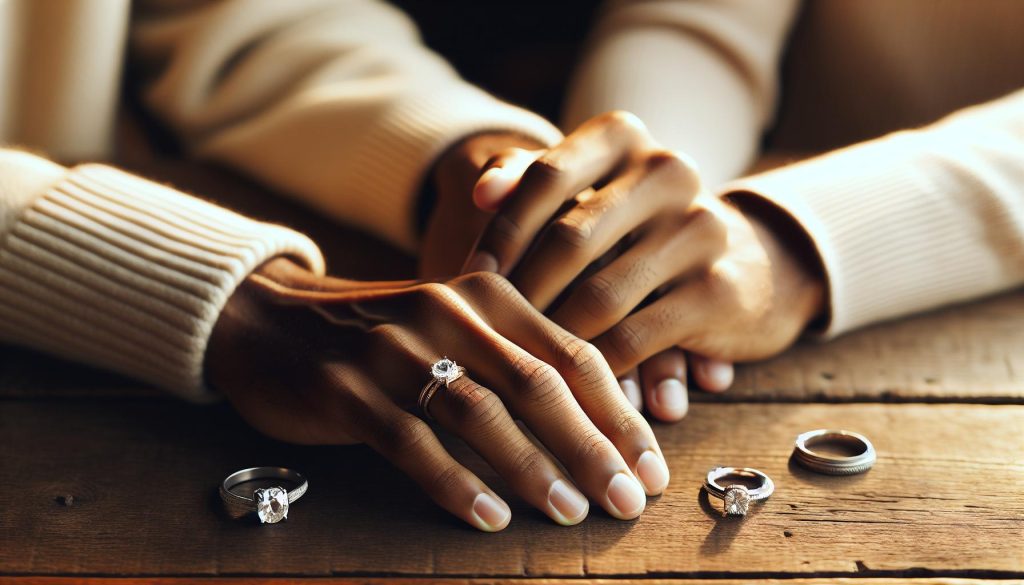
As you embark on the beautiful journey of engagement and marriage, understanding the distinction between the engagement ring and the wedding ring can enrich your experience. While often intertwined in romantic tradition, these symbols serve different purposes and hold unique meanings. The engagement ring, usually adorned with a sparkling stone, marks the promise of marriage, while the wedding ring, exchanged during the ceremony, symbolizes eternal commitment. Knowing these key differences can help you choose the perfect representations of your love. Dive deeper into this topic to uncover essential insights that will guide your decisions, ensuring that both rings reflect your unique love story beautifully.
What is an Engagement Ring: Meaning and Purpose
The promise of forever begins with a single, stunning ring-an engagement ring that symbolizes love, commitment, and the exciting journey that lies ahead. Traditionally, this ring marks the formal declaration of intent to marry, serving as a beautiful herald of a couple’s future together. Its historical roots trace back to ancient times when rings were exchanged as a representation of ownership and a binding agreement. However, in modern contexts, the engagement ring has evolved to symbolize a profound emotional connection, cherished memories, and hopes for a shared life.
An engagement ring often features a prominent gemstone, typically a diamond, which represents strength and durability. The choice of gem or design can reflect personal tastes, cultural backgrounds, and even the values of the couple. Popular styles range from classic solitaires to intricate halo settings, each telling a unique love story. The purpose of the engagement ring goes beyond mere adornment; it serves as a daily reminder of the commitment made and the love shared, being worn throughout the entire engagement period leading up to the wedding day.
In navigating the unique landscape of engagement rings, it’s essential to consider various factors. Couples often face questions about purchasing the right ring, with considerations like budget, personal style, and ethical sourcing coming into play. Many also find delight in the cultural significance of the ring, where traditions dictate specific features, colors, or materials. This journey of choosing an engagement ring is not just about the ring itself-it’s about celebrating love in its most symbolic form, making the ring a treasured token of shared dreams and aspirations for the future.
The Significance of the Wedding Ring
The wedding ring holds a unique and profound significance, acting as a cherished symbol of love and commitment that is exchanged during one of life’s most pivotal moments. Typically exchanged during the wedding ceremony, this ring represents not just a legal bond but also an emotional promise that one makes to their partner. Unlike the engagement ring, which signifies the intention to marry and often precedes the ceremony, the wedding ring is worn after the vows are exchanged and serves as a lifetime reminder of the union and shared journey.
Traditionally crafted from gold, platinum, or other durable materials, wedding rings come in various designs, often reflecting both the couple’s personal styles and their shared values. Many couples choose rings that complement their engagement rings, creating a cohesive look that tells their love story. Options range from plain bands to ornately designed styles set with gemstones, allowing for a broad spectrum of expressions reflecting both individual tastes and cultural traditions. The choice of material and design can be influenced by factors such as personal beliefs, budget considerations, and family customs, making the selection process deeply meaningful.
Emotional and Cultural Significance
Wearing a wedding ring is steeped in cultural and emotional significance. It serves as a daily reminder of the promises made during the wedding ceremony, representing not just love, but also loyalty and devotion. In many cultures, wearing the ring on the fourth finger of the left hand is believed to connect directly to the heart, enhancing its sentimentality. Moreover, engagement and wedding rings together can symbolize the journey of love from engagement through marriage, highlighting the growth and evolution of the couple’s relationship.
To ensure that these special pieces endure the test of time, proper care and maintenance are essential. Regular cleaning, occasional professional check-ups, and mindful wearing can keep the rings both beautiful and symbolic. Over time, rings may come to hold not only their physical beauty but also the memories and milestones shared between partners, thus enhancing their sentimental value.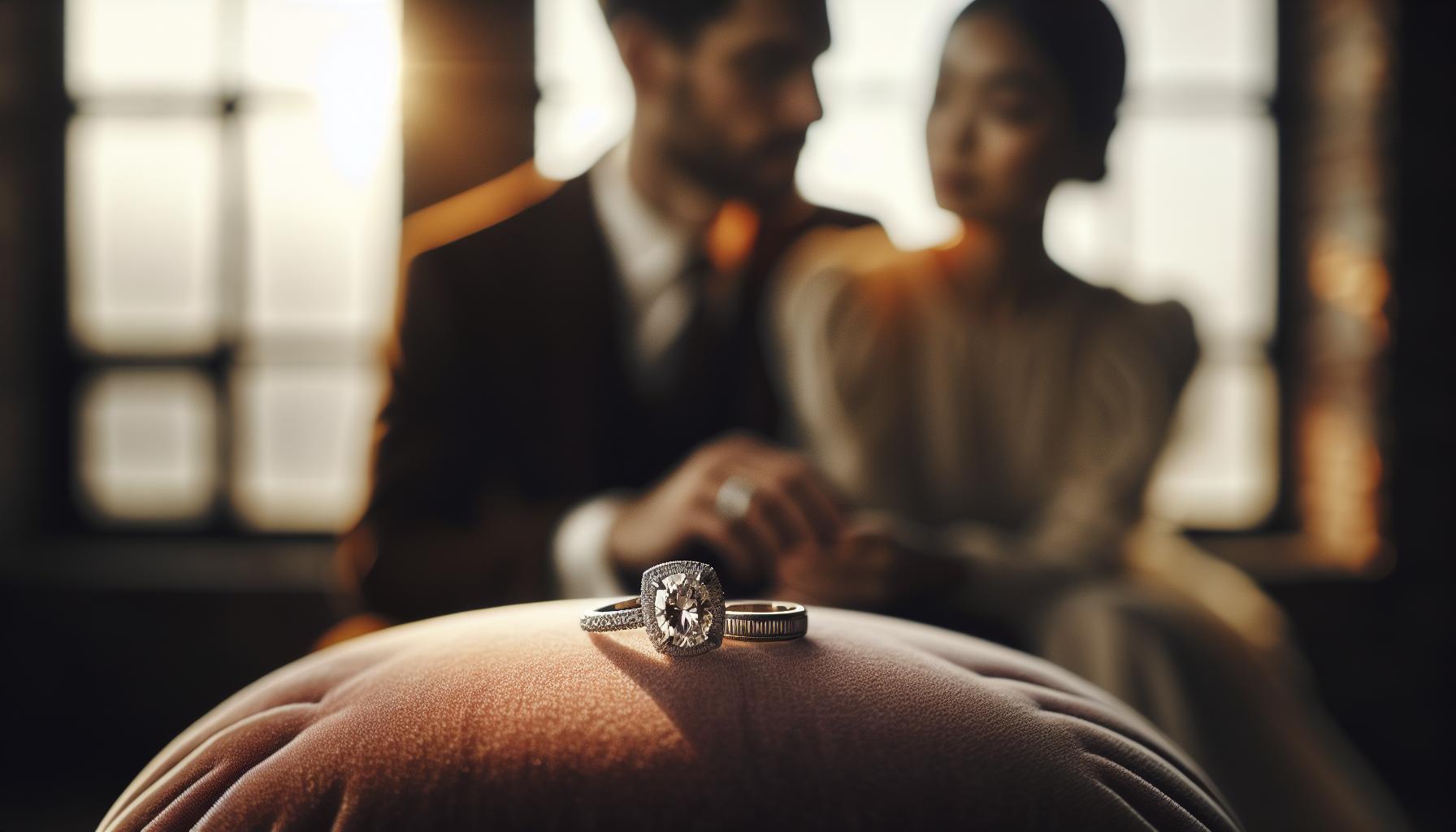
Key Differences Between Engagement and Wedding Rings
Engagement rings and wedding rings, while both significant symbols of love and commitment, serve distinct purposes in the journey toward marriage and beyond. Understanding these differences can enrich the experience of selecting and wearing these cherished pieces. The engagement ring marks the beginning of this journey. Typically more ornate and extravagant, it symbolizes the promise made during a marriage proposal, inviting your beloved to embark on a shared future. In contrast, the wedding ring signifies the actual union of two lives; it is exchanged during the wedding ceremony, representing a vow of fidelity and love.
Distinct Symbolism and Placement
The focal point of an engagement ring is often a single prominent stone, traditionally a diamond, symbolizing the strength and endurance of the couple’s commitment. It is usually worn on the fourth finger of the left hand, a tradition stemming from the belief that this finger has a vein directly leading to the heart. Conversely, wedding rings are usually simpler in design, often featuring a continuous band that symbolizes unending love. They can be plain or adorned with smaller stones, and they are also worn on the same finger as the engagement ring after the wedding ceremony.
Timing and Tradition
Engagement rings are presented before the marriage, usually during the proposal. This moment is steeped in romance and intention, a tangible token of a couple’s aspirations to unite in marriage. Myriad styles reflect personal taste: from vintage designs to modern minimalist aesthetics, these rings can be as unique as the love story they represent. In contrast, wedding rings are exchanged during the ceremony, embodying the couple’s promises to each other. They hold profound emotional weight as they are worn from that day forward, often seen as a daily reminder of the vows taken.
Cost Considerations
When planning to purchase these rings, budgeting considerations typically vary as well. Engagement rings often carry a higher price tag due to their complexity and the materials used-most prominently, diamonds and precious metals. Wedding rings, on the other hand, can range in prices, but they tend to be more affordable, allowing couples to allocate their budget strategically across their wedding plans.
Embracing the differences between engagement and wedding rings is vital to your celebration of love. Merely understanding the significance behind each can deepen the appreciation you have for the journey you and your partner are embarking on together. Choosing these rings should not be a source of stress but rather an exciting opportunity to reflect your mutual commitment and devotion.
Design Variations: Styles and Materials
When it comes to choosing rings that embody your love story, the array of designs, styles, and materials available can be both exhilarating and overwhelming. Engagement rings are often the more ornate of the duo, dazzling with intricate designs, while wedding rings traditionally offer a subtler charm. Both rings reflect the individuality of the couple, and selecting the perfect ones is a journey worth savoring.
Engagement rings typically shine with a central gemstone, often a diamond, that symbolizes commitment and love. The stone is available in various cuts, including the classic round brilliant, elegant princess, and vintage-inspired marquise. The band can be made from different metals such as classic yellow gold, modern white gold, or timeless platinum, each offering distinct aesthetic properties. More adventurous couples may explore rose gold or even alternative materials like tungsten or titanium for a modern twist. These variations not only appeal to personal styles but also symbolize the uniqueness of each relationship.
In contrast, wedding rings often prioritize simplicity, embodying an unbroken circle that represents everlasting love. They can feature clean lines or subtle embellishments. Couples have the option to select matching bands or personalizing them, incorporating engravings or small gemstones to reflect individual tastes. The choice of metal and finish-from polished to hammered-can further accentuate the significance of this cherished band. Popular options today include variations with a matte finish or rings that incorporate mixed metals to create a contemporary feel while still holding deep sentimental meaning.
As you embark on the journey of selecting your rings, remember that at the heart of these decisions lies the celebration of your union. Whether you lean towards traditional elegance or modern flair, focus on what resonates with your relationship. Explore retailers like Blue Nile, Jared, and Kay for inspiration and guidance in finding rings that tell your love story. Ultimately, the best choices will beautifully reflect not just your preferences, but also the journey you are about to embark on together.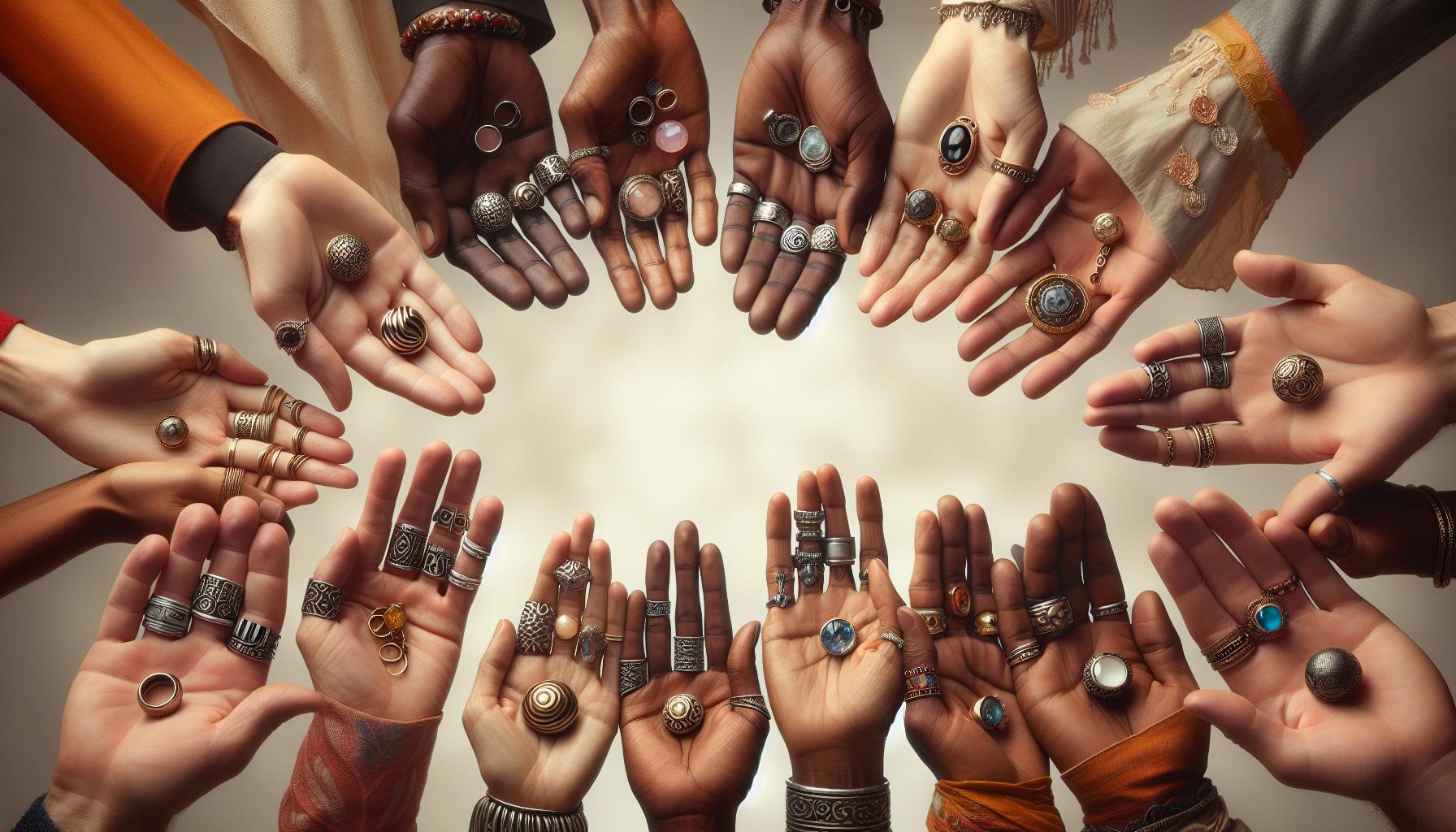
Cultural Traditions Surrounding Rings
The importance of rings in the journey of love transcends cultures and generations, embodying promises and commitments that unite couples across the globe. In various traditions, engagement and wedding rings hold distinct yet interrelated meanings, with their significance deeply rooted in the values and customs of each culture. Understanding these traditions not only enriches your planning experience but also helps you honor the legacy of love that has come before you.
In many Western cultures, the engagement ring is often worn on the fourth finger of the left hand, believed to have a direct connection to the heart through the “vena amoris,” or the vein of love. This tradition is not universally followed; for example, in some Eastern European countries, both engagement and wedding rings are typically worn on the right hand. Understanding these nuances can inform your choice and even inspire a blend of traditions that reflect your unique love story.
Moreover, the practice of gifting rings occurs in various forms around the world. In some cultures, families may engage in rituals where the bride’s family bestows jewelry upon the couple as part of the marriage arrangement. In contrast, in others, the groom’s family presents jewelry and rings to the bride. Couples can also honor heritage by incorporating elements from both their backgrounds, such as using specific stones, designs, or engravings that symbolize their respective cultures.
As you navigate the exciting journey of selecting rings, take time to consider the cultural traditions that resonate with you. Choosing rings that carry personal significance fosters deeper connections within your relationship. Sharing these traditions with friends and family can also create a sense of shared experience, making your celebration even more profound. Embrace this moment as an opportunity to blend the old with the new, infusing your rings with the love and history that have shaped your union, ensuring that your rings not only serve as beautiful symbols but also carry the weight of meaning for generations to come.
When to Purchase Each Ring
Planning the timing of purchasing engagement and wedding rings is a critical aspect of the journey to marriage, one that adds to the excitement of a couple’s romantic story. Understanding when to buy each ring can help reduce stress and ensure that you find the perfect pieces to symbolize your love.
Engagement rings are typically purchased before the proposal, as they are meant to be a surprise for the partner being proposed to. It’s essential to allot enough time for researching styles, setting a budget, and ultimately selecting the right ring that reflects your partner’s taste. Starting this process at least a couple of months before you plan to pop the question allows for a personal touch, whether that means customizing a design or setting the perfect diamond. This time frame also enables you to consult with family or friends if you feel uncertain about what to choose, ensuring the engagement ring holds meaningful significance.
On the other hand, wedding rings can be purchased closer to the wedding date. Many couples opt to buy wedding bands together, making it a joint experience that further strengthens their bond. It’s generally advisable to shop for wedding rings about two to three months before the wedding day. This timeline provides ample opportunity for adjustments, resizing, or any custom details you wish to incorporate. When choosing wedding bands, consider the styling and whether you want them to complement the engagement ring, as some wedding bands are designed to fit snugly against the engagement ring for a cohesive look.
Ultimately, the timing of these purchases is unique to each couple. Whether opting for a traditional engagement first or planning the rings together, cherishing the moments spent selecting these symbols of love is what truly matters. Personalizing your approach creates lasting memories that will accompany you as you celebrate your commitment together.
How to Choose the Perfect Rings
Choosing the perfect rings is a significant and exhilarating part of the journey to marriage, serving as a lasting symbol of your love and commitment. As you embark on this exciting quest, it’s essential to consider not just the aesthetic appeal but also the emotional weight each ring carries. The engagement ring is often seen as a statement of intention, a promise of the future, while the wedding ring symbolizes the union created in marriage. To make the selection process enjoyable and meaningful, start with a bit of self-reflection as well as discussions with your partner.
Begin by considering the personal styles of both partners. What kinds of jewelry do you typically wear? Do you lean towards traditional or modern designs? Exploring different styles, such as solitaires, halo settings, or vintage-inspired pieces, can be a delightful process. Websites like Kay, Blue Nile, and The Jewelry Exchange offer a wide range of options, from classic to contemporary designs, catering to various preferences and budgets. Engaging friends or family in this exploration can also provide valuable insights, making the process less overwhelming and more enjoyable.
Once you have an idea of your preferred styles, think about the materials and gemstones that resonate with you. Diamonds remain the classic choice, but many couples are exploring lab-grown options, which are often more budget-friendly and ethically sourced. Consider how precious metals like yellow gold, white gold, or platinum will complement your skin tone and lifestyle. If you both have a penchant for uniqueness, you might also explore alternative gemstones such as sapphires or emeralds, which carry their own distinct meanings.
Prioritizing comfort is another crucial aspect. Engagement rings and wedding bands are worn daily, so ensure that the design fits comfortably and is practical for your lifestyle. A low-profile setting might work best for someone with an active job or lifestyle, while more intricate designs may appeal to those who prioritize aesthetics over practicality. Allow time for resizing if necessary, especially if you plan to customize the rings. Keeping your budget in mind throughout this process is vital, so be sure to explore various options within your price range. Don’t hesitate to discuss customization options with jewelers, as many offer unique designs that can make your rings truly one-of-a-kind.
In this heartfelt journey of selecting your rings, remember that these pieces are more than mere jewelry; they are emblematic of your love story. Taking the time to choose thoughtfully will not only result in a stunning pair of rings but will also deepen your bond as you reflect on the significance of each symbol. Enjoy this celebration of your commitment and love as you navigate through the exciting world of engagement and wedding ring shopping together.
Pricing Insights: Engagement vs. Wedding Rings
When embarking on the delightful journey of choosing rings, understanding the financial landscape of engagement and wedding rings can make a significant difference. Engagement rings often carry a heftier price tag, reflecting their status as a romantic symbol of commitment and love. On average, many people suggest budgeting around two to three months’ salary for an engagement ring, but this is just a guideline. The cost can vary widely based on personal preferences, the ring’s design, and the materials used. Traditional diamond engagement rings can range from a few hundred to over ten thousand dollars, depending on the quality and size of the diamond as well as the intricacies of the setting.
Once the engagement ring is selected, the wedding ring, typically simpler in design and often made from matching materials, often follows as a purchase that can come at a varying price point. Generally, wedding bands may cost significantly less than engagement rings, as they often are not featuring large stones or elaborate settings. Many couples find that wedding bands can range from $300 to $2,000, allowing them to prioritize affordability. However, if the wedding band is designed to complement the engagement ring, there may be additional considerations that affect pricing.
When considering your budget, exploring alternative options can be beneficial. Here are some tips:
- Set a clear budget: Determine how much you are willing to spend on both rings, and stick to your plan.
- Consider styles: Simpler designs often reduce costs; however, unique custom designs can also be achieved within a reasonable budget.
- Shop around: Comparing prices at various jewelers, both online and in-store, allows you to find the best deal.
- Think about alternative materials: Metals like titanium, tungsten, or even lab-created diamonds can greatly reduce costs while maintaining beauty.
Ultimately, the most important aspect of your ring selection is the love and commitment it represents. The journey of selecting your engagement and wedding rings should be as joyous and meaningful as the marriage itself, blending personal style with budget considerations to celebrate your unique love story.
Symbolism and Sentimentality in Rings
Choosing rings is not just a matter of aesthetics; it reflects deep emotional ties and personal stories that resonate through the years. Each ring-both the engagement ring and the wedding band-carries profound symbolism. An engagement ring signifies a promise, embodying the initial commitment to a partnership filled with love and hope for a shared future. It is a tangible representation of the moment when two lives begin to intertwine, often chosen with care to reflect the recipient’s style and personality. The sparkle of a diamond, for instance, can symbolize the enduring light of love and the beauty of the journey ahead.
In contrast, the wedding band seals that commitment in a different way. It symbolizes the vows exchanged during the ceremony-the official moment of coming together as partners in life. The simplicity of a wedding band can signify the strength and continuity of the union, often worn daily to serve as a reminder of the devotion pledged. Together, these rings tell a story; while the engagement ring captures the excitement of a promise made, the wedding band signifies the journey that has begun, representing loyalty and lasting love.
Couples often have personal stories or traditions that influence their ring choices, further enhancing the sentimental value. For some, incorporating family heirlooms or unique designs brings added meaning, while others prioritize contemporary styles reflecting their personalities. As you navigate this decision, consider what your rings will symbolize for you-whether it’s capturing a moment in time, reflecting your love’s narrative, or cherishing the cultural significance tied to your relationship.
To add an extra touch of sentiment, engaging in the selection process together can forge an even deeper connection. As you explore various designs and materials, discussing the elements that resonate with both of you will create a shared experience that enriches the emotional significance of your rings. Remember, it’s not just about the look; it’s about the story you’re telling together, making your choice all the more special.
Care and Maintenance Tips for Your Rings
The enchanting journey of love often sparkles brightest through the rings that symbolize commitment, but just as important as their initial allure is how you care for them over time. Proper maintenance of both your engagement ring and wedding band ensures that they continue to shine and represent your love story beautifully. Remember, these are not just pieces of jewelry; they are cherished tokens of your journey together.
To keep your rings in pristine condition, it’s essential to adopt a regular cleaning routine. A gentle solution of warm water and mild dish soap is often sufficient. Soak your rings for about 20 to 30 minutes, then use a soft-bristled toothbrush to gently scrub hard-to-reach spots, particularly around the stone settings. Rinse them under lukewarm water and dry with a soft, lint-free cloth. This simple ritual can help maintain the beauty of the stones and settings, allowing light to refract beautifully, maximizing their brilliance.
Another crucial aspect of ring care is to schedule regular check-ups with a professional jeweler. This is especially important for engagement rings, which often feature intricate settings or delicate stones. A jeweler can check for loose stones or signs of wear and perform necessary repairs, ensuring that your rings stand the test of time. Additionally, consider having them professionally cleaned a couple of times a year-this enhances their sparkle and keeps them looking fresh and vibrant.
When it comes to everyday habits, be mindful of where and when you wear your rings. Activities such as swimming, exercising, or doing household chores can expose your rings to harsh chemicals or damage. It may be wise to remove your rings during these activities to prolong their lifespan. Furthermore, storing them wisely in a soft-lined box or individual pouches can prevent scratches and tangling with other pieces.
Embrace these practices, and you’ll not only preserve the physical beauty of your rings but also honor the love they represent. Every glance at your well-kept jewelry will serve as a joyful reminder of your journey together-a spark of love that continues to shine brightly amidst life’s adventures.
Frequently Asked Questions About Rings
Understanding the roles and meanings of engagement and wedding rings can help couples feel more confident in their choices as they embark on their journey together. Both types of rings symbolize love and commitment, yet they carry distinct meanings and traditions.
Engagement rings are typically given during a marriage proposal, representing a promise to marry and the start of a life partnership. They often feature a prominent diamond or gemstone, set amidst intricate designs, to signify the unique bond between partners. On the other hand, wedding rings, exchanged during the marriage ceremony, symbolize the official commitment of marriage and the continuation of that bond. They are usually simpler in design and may complement the engagement ring.
Common Questions About Engagement and Wedding Rings
- Can I wear my engagement ring and wedding band together? Yes, many brides choose to wear both rings together on the same finger. The engagement ring is often placed closest to the heart, followed by the wedding band.
- Is it necessary to choose matching styles for the rings? While some couples prefer coordinating designs, it’s entirely up to personal preference. Many opt for styles that reflect their individual tastes or heritage.
- Are there traditional forms for each type of ring? Yes, engagement rings traditionally feature a diamond or centerpiece stone, while wedding bands may vary in material and can be plain or embellished.
- When should I start shopping for rings? It’s advisable to begin your search a few months before your planned engagement or wedding date to ensure you have ample time for selection and any customization needed.
Selecting these meaningful symbols of love can be a delightful journey filled with personal expression and shared values. Embrace the process as you explore various styles, materials, and traditions, ultimately choosing rings that resonate with both of your hearts.
Alternatives to Traditional Engagement and Wedding Rings
In a world rich with personal expression, offer couples the opportunity to celebrate their love story in unique and meaningful ways. Whether driven by personal style, budget considerations, or a desire to break away from convention, many couples are exploring creative options that resonate with their shared values and experiences.
For those who feel a traditional diamond ring doesn’t reflect their relationship, consider gemstones such as sapphires, emeralds, or even lab-created stones that provide a stunning and often more affordable alternative. These stones can carry personal significance-like a favorite color or a cherished memory-that elevates the ring beyond mere adornment. Vintage rings, heirlooms, or custom designs can also imbue a great sense of history and connection, making the ring not just a piece of jewelry, but a symbol of legacy and continuity.
Additionally, couples increasingly embrace non-ring symbols of their commitment. Couples may opt for matching tattoos that signify their bond or choose unique items like bracelets or necklaces instead of traditional rings. This shift is often accompanied by a desire for authenticity and individuality, where the chosen symbols reflect the couple’s unique journey rather than adhering to societal expectations.
Ultimately, alternatives to traditional rings inspire couples to define their love’s narrative, embracing the notion that the most beautiful symbols of commitment are those that resonate deeply with their hearts, celebrating love in all its forms.
Frequently Asked Questions
Q: What is the primary difference between an engagement ring and a wedding ring?
A: The primary difference is that an engagement ring is typically given during a proposal, symbolizing a commitment to marry, while a wedding ring is exchanged during the wedding ceremony, signifying the official union. For more details, check the section on the “Key Differences Between Engagement and Wedding Rings.”
Q: Can you wear both engagement and wedding rings together?
A: Yes, it’s common to wear both rings together after the wedding. The engagement ring is usually placed on the finger first, followed by the wedding ring, symbolizing the journey from engagement to marriage. Explore more in the “Care and Maintenance Tips for Your Rings” section.
Q: Do engagement rings have to be diamonds?
A: No, engagement rings do not have to be diamonds. Many couples choose alternative gemstones like sapphires or emeralds based on personal preference, budget, or unique significance. Find more about design variations in our “Design Variations: Styles and Materials” section.
Q: What is the ideal time to purchase an engagement ring?
A: The ideal time to purchase an engagement ring is typically a few months before you plan to propose, giving you time to research styles and set a budget. For comprehensive tips, refer to our section on “When to Purchase Each Ring.”
Q: Is it necessary to keep the engagement ring after marriage?
A: While it’s not necessary to keep the engagement ring after marriage, many couples choose to retain both rings for sentimental reasons. It’s a personal choice that varies by individual. Learn more about symbolism in the “Symbolism and Sentimentality in Rings” section.
Q: How much should you spend on an engagement ring compared to a wedding ring?
A: The budget can vary widely, but a common guideline suggests spending about two to three months’ salary on the engagement ring, while wedding rings tend to be less expensive. For more pricing insights, see our “Pricing Insights: Engagement vs. Wedding Rings” section.
Q: What should I consider when choosing between an engagement ring and a wedding ring?
A: Consider personal style, lifestyle, and budget when choosing rings. Engagement rings often feature more intricate designs, while wedding rings are usually simpler. For detailed advice, check our “How to Choose the Perfect Rings” section.
Q: Are there cultural differences in engagement and wedding ring customs?
A: Yes, cultural customs greatly influence engagement and wedding ring practices, from types of stones to the significance of the rings. Different cultures have unique traditions that shape their jewelry choices. For more information, refer to our “Cultural Traditions Surrounding Rings” section.
Closing Remarks
Understanding the differences between engagement rings and wedding rings is crucial for making informed choices as you embark on your wedding journey. Remember, the engagement ring symbolizes your commitment, while the wedding ring represents the bond you share on your special day. If you have more questions about selecting the perfect rings or wish to dive deeper into wedding planning tips, be sure to check out our comprehensive guides on wedding rings and engagement ring styles.
Don’t miss out on the latest trends and expert advice-sign up for our newsletter to stay updated! Feel free to share your thoughts in the comments below or explore related topics like wedding traditions and ceremony planning. Your dream wedding awaits, and we’re here to help you every step of the way. Happy planning!