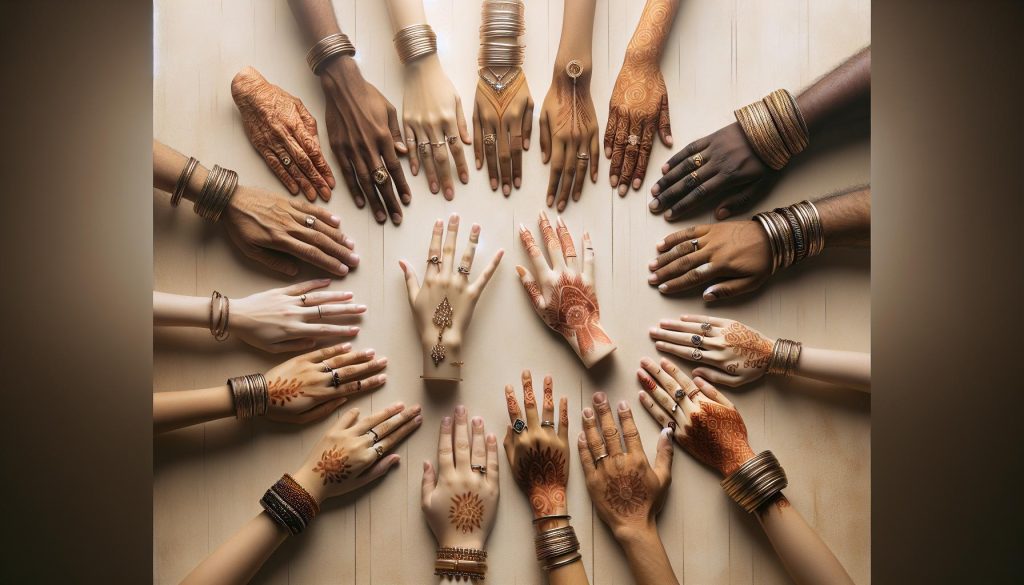
Choosing the right hand for your wedding ring is more than just a matter of style; it’s steeped in cultural traditions and personal significance. Did you know that different cultures celebrate love by wearing rings on various hands? Understanding where to wear your wedding ring can enhance your connection to your heritage and even spark meaningful conversations with friends and family. As you embark on your wedding planning journey, unraveling the customs surrounding wedding rings can help you make informed choices that resonate with your values and beliefs. From the left hand’s symbolism in Western cultures to the right-hand traditions found in others, this topic holds importance not just in etiquette but in expressing the beautiful union of love and commitment. Let’s delve into the fascinating world of wedding ring placement and discover how these traditions shape the way we celebrate love around the globe.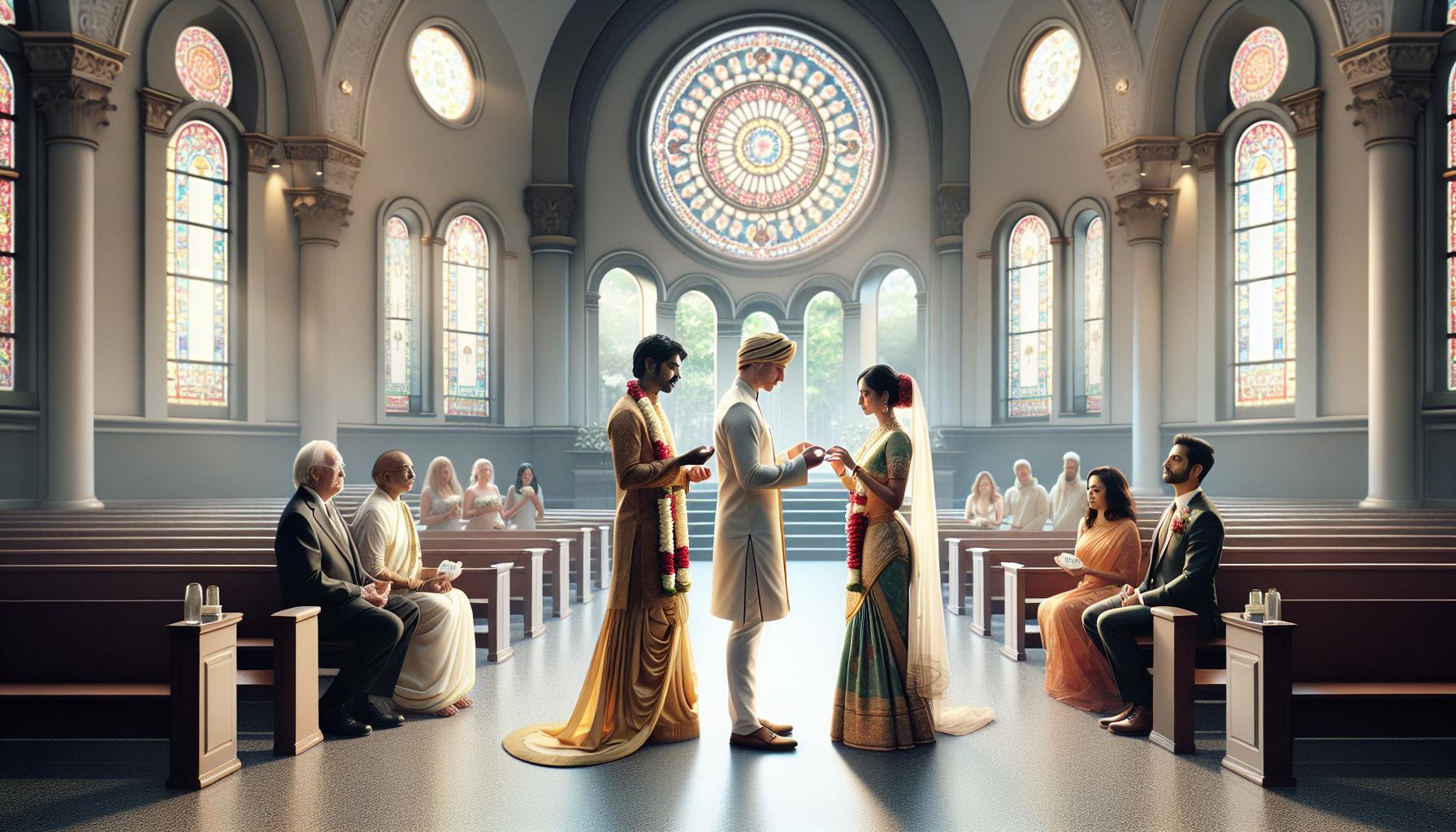
Understanding Wedding Ring Traditions Across Cultures
In the realm of love and commitment, the choice of which hand to wear a wedding ring on is steeped in traditions that vary widely across cultures. While many people in the Western world often sport their rings on the left hand, this isn’t a universal norm. Understanding these diverse customs not only enriches the wedding experience but also fosters a deeper appreciation for the shared meanings behind these symbols of love.
In various cultures, the left hand is typically associated with romantic commitment. The ancient Romans believed that a vein ran directly from the ring finger of the left hand to the heart, which they termed the “vena amoris” or vein of love. Conversely, other cultures, such as those in Eastern Europe and parts of Asia, often opt to wear wedding rings on the right hand. This choice can signify different things, from practicality to specific cultural backgrounds, highlighting the diverse perspectives on marital bonds.
Furthermore, certain religions and traditions carry significant weight regarding ring placement. In Jewish customs, for instance, the bride traditionally wears her wedding ring on the index finger during the ceremony and moves it to the ring finger afterward. This practice emphasizes the couple’s commitment through the act of placement, intertwined with their faith’s teachings.
Exploring these variations not only allows couples to honor their own heritage but also to create a unique narrative for their wedding ceremony. Choosing where to wear a wedding ring can become a cherished reflection of their love story, weaving together traditions that resonate with their identity and aspirations. Couples are encouraged to embrace whichever customs speak to them, uniting the symbolic act of wearing rings with their love’s individual journey.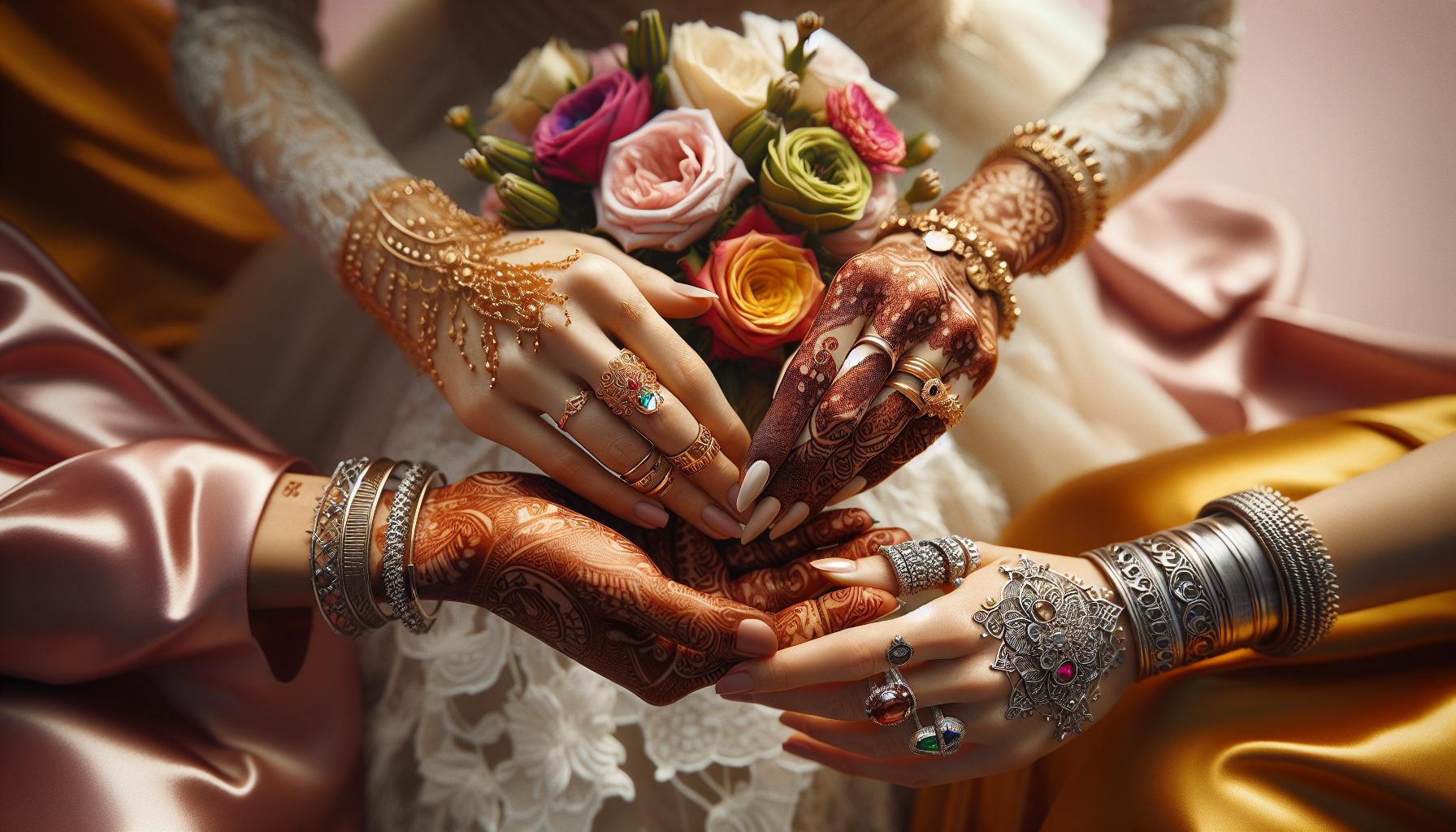
The Significance of Wearing Rings on Different Hands
In the beautiful tapestry of wedding traditions, the choice of which hand to wear a wedding ring on is more than a mere preference-it’s a rich reflection of history, culture, and personal beliefs. Understanding why certain cultures favor the left hand over the right (or vice versa) can offer couples a deeper connection to their own journey. This decision often symbolizes not just love and commitment, but also the unique identities and traditions the couple wishes to honor.
In many Western cultures, wearing a wedding ring on the left hand is a time-honored tradition. Typically, it’s believed this custom traces back to the ancient Romans, who identified the left ring finger as the “vena amoris,” the vein that runs directly to the heart. This idea of romance and intimacy is still cherished today, with many couples feeling that wearing their ring on this finger expresses their heartfelt commitment. However, this is not a universal sentiment.
On the other hand, numerous cultures choose to wear wedding rings on the right hand. For example, in Eastern European countries, the right hand is often seen as a symbol of strength and honor. In some countries, such as Russia and Poland, the right hand is preferred for the wedding ring as a way to reflect the union of two individuals in a more protected and secure manner. This distinction showcases the importance of taking into account family heritage and cultural narratives when deciding on ring placement.
Furthermore, personal agency in this decision cannot be overstated. Couples may find that incorporating elements from both traditions resonates more powerfully with their relationship. Choosing which hand to wear a wedding ring on can also be an opportunity to create a symbolic fusion of practices, representing the couple’s individuality while still honoring the traditions they admire. Whether opting for the left for love or the right for strength, what matters most is the sentiment behind the choice. Ultimately, this act of adorning oneself with a wedding ring is an enchanting ceremony in itself, a tangible emblem of love that encapsulates shared dreams and promises between partners.
Exploring Global Wedding Ring Customs and Variations
The world of wedding rings is as diverse as the cultures that cherish them, each tradition offering a unique perspective on love, commitment, and the sacred bond between partners. Exploring these customs reveals not only a rich tapestry of history but also the personal significance that these symbols carry for individuals and couples alike. As you journey through the process of selecting your wedding rings, consider how different cultures honor this beautiful tradition.
In many Mediterranean countries, particularly in Greece and Cyprus, couples exchange rings during the wedding ceremony, but here, the rings may be switched to the opposite hand after the ceremony. This act symbolizes the transition from unity during the ceremony to a partnership grounded in everyday life. Similarly, in Norway, it’s not uncommon for both partners to wear matching wedding bands, highlighting their shared commitment and love.
In India, the significance of wedding rings appears in various forms. Traditional Indian weddings might incorporate mangalsutra, a sacred necklace, along with rings exchanged during the ceremony. The mangalsutra serves not only as a symbol of marital status but also carries deeply spiritual meanings for the couple’s bond. Additionally, the placement of the ring can differ dramatically; some may choose to wear it on the left hand, while others are influenced by local customs that favor the right.
Notably, in Latin American cultures, the use of wedding bands often begins before the wedding day with engagement rings. Upon marriage, these rings are worn openly as a symbol of unity. In countries like Brazil, it’s common for couples to wear their engagement ring on the right hand and switch it to the left after the wedding, embracing a vibrant blend of practices that symbolize their journey.
Overall, the exploration of wedding ring customs and variations not only showcases the beauty of diverse traditions but also invites couples to create their own narrative. With so many unique perspectives to consider, engaging in discussions with family and friends about their customs can enrich your understanding and inspire meaningful choices as you prepare for this lifelong commitment. Ultimately, the path you choose should resonate with your values, love story, and the identities you wish to share together. Remember, your wedding ring is more than just a piece of jewelry; it is a symbol of love, commitment, and the beginning of your shared journey.
The History of Wedding Ring Placement
The practice of wearing wedding rings has a rich history that reflects deeper cultural meanings and traditions across the globe. In ancient Egypt, rings were a symbol of eternity, representing the endless cycle of life and love. This powerful imagery is believed to have influenced the modern custom of exchanging rings during wedding ceremonies, highlighting the commitment couples make to one another. Historically, these rings were made from materials available at the time, such as reeds and leather, evolving into the precious metals and stones that symbolize love today.
In many cultures, the hand on which a wedding ring is worn carries significant meaning. Traditionally, in Western societies, the wedding band is placed on the left hand, as it was once thought that a specific vein, the “vena amoris,” ran directly from the fourth finger to the heart. This custom has inspired couples to view their left hand as a direct connection to their love and commitment. In contrast, some cultures, including many Eastern and Mediterranean traditions, prefer to wear wedding rings on the right hand. This practice can signify a variety of beliefs, such as the importance of the right hand in rituals and as a symbol of strength and honor.
The notion of switching hands post-ceremony also carries a historical significance in various cultures. For instance, in Greece and Cyprus, many couples exchange their rings during the wedding ceremony but switch them to the left hand afterward, symbolizing the transition from a sacred commitment to a shared life. Similarly, in countries like Brazil, the engagement ring is often worn on the right hand and transferred to the left after the marriage, embodying the cultural blend of their journey together.
As we navigate these traditions, it’s essential for couples to reflect on what resonates with them personally. Whether embracing family customs, integrating diverse practices, or creating new ones, the placement of wedding rings offers a creative opportunity to weave individuality and shared values into the fabric of their union. Ultimately, your ring placement choice serves as a daily reminder of love’s profound bond, celebrating every moment of your shared journey.
Fingers and Their Meanings: Symbolism Explained
The hand on which a wedding ring is worn can carry a wealth of meaning, reflecting cultural traditions and personal beliefs. Each finger has specific symbolism that has evolved over time, intertwining with the rituals of love and commitment. Understanding these meanings can enrich the experience of choosing and wearing wedding rings, enhancing their emotional significance as symbols of unity.
The fourth finger of the left hand, commonly known as the ring finger, is traditionally associated with love and romance. This stemmed from the ancient belief in the “vena amoris,” or the vein of love, which was thought to connect this finger directly to the heart. By placing their wedding bands on this finger, couples celebrate their commitment in a gesture believed to anchor their love in a physical and emotional bond. Similarly, the right hand, often utilized in various cultures for wedding rings, symbolizes strength and protection, signifying a partnership built on mutual support and honor.
In many cultures, even the choice of fingers extends beyond the traditional placements. For example, some individuals in India wear wedding rings on their toes, rooted in the cultural significance of adornment being a part of marital status. This highlights the rich tapestry of meanings weaved into the act of wearing rings and adds an additional layer of personalization to each couple’s story.
As couples navigate their journey together, integrating their cultural contexts and personal stories into their ring selections fosters a deeper connection. Whether it’s adhering to time-honored traditions or creating their own meaningful practices, understanding the symbolism behind each finger can guide them in making choices that resonate with their shared values and visions for the future. Choosing the perfect finger for a wedding ring is not merely about tradition; it’s about celebrating love in a way that feels authentic to each unique partnership.
Left Hand vs. Right Hand: A Cultural Breakdown
The decision of which hand to wear a wedding ring on can evoke powerful emotions and signify profound cultural beliefs, making it a key part of many couples’ wedding journeys. While the left hand is renowned for its association with romantic tradition in places like the United States, various cultures celebrate the right hand as the preferred location for wedding bands, imbuing it with symbolism and meaning valuable to the couple’s identity.
In many Western cultures, particularly among Anglo-American traditions, it is customary to place the wedding ring on the left hand’s fourth finger, recognized as the ring finger. This practice is steeped in history, with roots tracing back to ancient beliefs about a vein that connected this finger directly to the heart-the “vena amoris.” In contrast, several countries, including Greece, Russia, and many Hispanic regions, favor the right hand for their wedding bands. For them, the right hand embodies strength and faithfulness, emphasizing the solid foundation of a marriage built on mutual support.
Different cultures have evolved unique customs that reflect their values and beliefs surrounding love and commitment. For instance, in German culture, couples may choose to wear their engagement rings on the right hand and then switch them to the left upon marriage. Similarly, in some regions of India, wedding rings are traditionally worn on toes, symbolizing adornment and status in marriage in a vibrant celebration of ritual.
As couples navigate these cultural intricacies, it’s essential to consider not only the traditions they resonate with but also how the symbolism behind each hand can reflect their unique partnership. Engaging in open conversations about these customs can elevate the emotional significance of their ring choice, allowing the couple to celebrate their love in a manner that feels true and meaningful to their shared journey. Whether favoring the left or the right, this choice becomes an intimate part of their love story, marking their commitment in a way that honors their personal beliefs and cultural heritage.
Jewish Traditions: The Ketubah and Wedding Ring
In Jewish wedding traditions, the intertwining of the Ketubah and the wedding ring creates a rich tapestry of commitment that embodies love, legal contract, and spiritual significance. The Ketubah, a beautifully crafted marriage contract, serves not only as a legal document outlining the husband’s responsibilities to his wife but also as a lasting reminder of their sacred vows. This contract is often displayed prominently in the couple’s home, symbolizing their commitment to uphold these promises throughout their married life.
During the wedding ceremony, the ring holds profound importance. Traditionally, the ring is placed on the bride’s finger by the groom as a symbol of his love and commitment. In Orthodox Jewish customs, it’s customary for the groom to declare, “Behold, you are consecrated to me with this ring, according to the laws of Moses and Israel,” as he places the ring on the bride’s index finger, demonstrating the seriousness and sacredness of the commitment being made. Interestingly, the bride then wears the ring on her right hand, reflecting the custom in many cultures where the right hand is associated with strength and fidelity.
Beyond the act of placing the ring, it’s essential to consider the type of ring chosen. Traditionally, the ring should be a simple band without stones or embellishments, emphasizing the pure intent of the union. However, contemporary couples often opt for rings that express personal style or hold special significance, such as incorporating meaningful stones or engravings. The choice of the ring can be a reflection of the couple’s unique journey, blending tradition with personal expression.
As couples prepare for their wedding day, engaging in discussions surrounding both the Ketubah and the wedding ring can enrich their understanding and appreciation of these traditions. This exploration allows couples to celebrate their heritage while also forging their own path in expressing their love and devotion. Embracing these customs can transform their wedding into a meaningful ceremony, steeped in tradition yet deeply personal, marking the beginning of a beautiful shared journey.
Anglo-American Practices: The Tradition of the Left Hand
In the Anglo-American tradition, the left hand holds a unique cultural significance when it comes to wedding rings. Many couples are enchanted by the symbolism of wearing a ring on the fourth finger of the left hand, often referred to as the “ring finger.” This practice is rooted in the ancient belief that a vein in this finger, dubbed the “vena amoris” or vein of love, directly connects to the heart. This romantic notion adds a deep layer of sentimentality to the act of exchanging rings, turning a simple accessory into an eternal bond of love and commitment.
As you dive deeper into wedding planning, consider how the left-hand tradition can enhance your ceremony. Couples typically choose rings that reflect their personal style and the nature of their relationship. Whether it’s a classic simple band or an elaborate design featuring intricate details or gemstones, the choice of ring is an expression of individuality. During the wedding ceremony, the exchange of rings is often accompanied by meaningful words or vows, solidifying the commitment made.
When selecting a ring, here are some thoughtful approaches to keep in mind:
- Consider Your Lifestyle: Choose a ring that aligns with your day-to-day activities. Couples involved in sports or manual labor may prefer a simpler, more durable band.
- Match Personal Styles: Collaborate on designs that blend both partners’ tastes, ensuring the rings represent your shared journey.
- Incorporate Meaningful Details: Engraving a special date, phrase, or symbol inside the band can create a personal touch that resonates for a lifetime.
The left-hand tradition not only stands as a symbol of love but it also encapsulates the unity of two individuals. This small yet meaningful detail can enhance the overall wedding experience, serving as a constant reminder of the vows exchanged. As couples navigate their wedding day, each glance at their left hand will evoke memories of joy, partnership, and commitment, anchoring them in the celebration of their love. Embrace this custom with excitement, and let it inspire the journey as you embark on a lifetime of shared adventures.
The Role of Engagement and Wedding Rings Together
The journey toward forever begins with the exchange of not just one, but two significant rings: the engagement ring and the wedding ring. These two symbols of commitment, while distinct, are intricately connected in their representation of love and partnership. Understanding their relationship can deepen the meaning behind these cherished tokens and enrich your wedding planning experience.
An engagement ring traditionally symbolizes the commitment to love and marry, often presented during a proposal. It is typically more ornate and may feature a dazzling center stone surrounded by diamonds or other gems, reflecting the individuality and style of the wearer. The act of gifting this ring marks not only a promise but also a joyous announcement of your intention to unite as partners for life. As your engagement progresses, this ring becomes intertwined with your personal love story, carrying the weight of memories and dreams for the future.
Once the wedding day arrives, the wedding ring takes center stage, often chosen to complement the engagement ring while embodying enduring love. During the ceremony, couples exchange wedding bands as a public affirmation of their vows, solidifying their commitment in front of loved ones. The act of placing the wedding band on each other’s fingers transforms these rings into a tangible reminder of your promises-a symbol that serves as a daily affirmation of your bond. For many couples, the experience of wearing both rings together can create a stunning visual representation of their shared life journey.
When selecting your rings, consider how they will look when worn together. Here are a few thoughtful tips to guide you:
- Choose Complementary Styles: Engage in discussions about your preferences to select rings that not only reflect personal tastes but also harmonize with each other. Layering an engagement ring with a wedding band can create a beautiful narrative.
- Explore Matching Metals: Matching metal types (gold, platinum, silver) and finishes can enhance the overall aesthetic, creating cohesion between the two rings.
- Prioritize Comfort: Since these rings will be worn daily, select designs and settings that are comfortable and practical for your lifestyle.
Embracing the union of engagement and wedding rings can add a profound layer to your wedding day, transforming it into an unforgettable celebration of love and partnership. Each glance at your rings will serve as a daily reminder of the promises you’ve made, fostering a bond that only grows stronger with time. As you embark on this exciting chapter together, let your rings symbolize not just the day of your wedding, but the beautiful journey that lies ahead.
Modern Trends in Wedding Ring Placement
In today’s diverse cultural landscape, wedding ring placement is evolving, reflecting a blend of traditional practices and modern preferences. While historical norms dictated which hand should bear the wedding band, contemporary couples are increasingly embracing personal choice, aesthetic appeal, and even practicality over convention. This shift opens up discussions about the significance of the rings, how they express individual identity, and their role in the modern love narrative.
One notable trend is the dual-ring tradition where couples opt to wear their wedding bands on different hands or at different locations on the same hand. This can symbolize equality and a shared partnership, allowing each partner to showcase their unique style. For example, some may choose to wear their wedding band on the left hand and their engagement ring on the right, creating striking visual contrasts and personal flair. Additionally, stackable rings are gaining popularity, allowing wearers to mix and match pieces that tell their love story while providing versatility in styling.
In many cultures, the left hand is still favored for wedding rings due to historical beliefs that this finger houses the “vena amoris,” or the vein of love, leading directly to the heart. However, in some regions, such as parts of Eastern Europe and South America, the right hand is the traditional choice, symbolizing marriage and commitment. Modern couples are keen to break from these conventions, showcasing their rings on whichever hand holds the most meaning to them. Whether prioritizing comfort, symbolism, or aesthetics, couples should feel empowered to make decisions that resonate with their journey together.
Ultimately, as wedding ring placement continues to evolve, couples are encouraged to reflect on what their rings represent and how they can customize their expression of love. This includes considering the flow of their daily lives, their engagement ring’s design, and their personal stories. Make these choices joyfully together, knowing that your rings will not only symbolize your commitment but also your shared journey and individuality-creating a beautiful blend of tradition and modernity that reflects your love story perfectly.
Spiritual and Religious Perspectives on Wedding Rings
In many spiritual and religious traditions around the world, wedding rings are more than just adornments; they carry profound meanings and symbolize the sacred covenant between two individuals. This sacred significance is expressed through various customs, rituals, and the materials used in crafting the rings, which often reflect deeper spiritual beliefs.
For example, in Christianity, wedding rings are exchanged during the marriage ceremony, symbolizing eternal love and commitment. The circular shape of the ring represents infinity, with no beginning and no end, echoing the belief that love should be everlasting. As the officiant blesses the rings, they are infused with spiritual significance, reinforcing the idea that the couple is united not only in body but also in spirit under divine watch.
In Jewish tradition, the wedding ring is a key component of the marriage ceremony, known as the Kiddushin. The groom presents the bride with a plain gold ring, signifying that she is worth more than all the riches in the world. The simplicity of the ring symbolizes the devotion of the couple, while the breaking of a glass at the end of the ceremony represents the fragility of relationships, serving as a reminder to treasure their bond.
Hindu weddings also feature the mangal sutra, a sacred necklace or ring that symbolizes the union of two souls. The husband ties it around the bride’s neck during the ceremony, signifying his commitment to protect her and their marital bond. This custom highlights the spiritual connection that underpins their marriage, prioritizing loyalty and fidelity above all.
The material used for the rings can also reflect religious beliefs. In many traditions, gold is favored due to its purity and durability, representing the lasting nature of the couple’s commitment. In contrast, some cultures may incorporate gemstones believed to bring protection or blessings to the union, emphasizing the importance of spiritual safeguarding in their married life.
Ultimately, in navigating , couples should consider what elements resonate most deeply with their beliefs and values. As they make decisions about design, materials, and the symbolic meanings behind their rings, they are not just selecting a piece of jewelry; they are cultivating a physical representation of their shared journey, steeped in love, faith, and commitment. By integrating these traditions into their wedding planning, couples create a ceremony that honors both their personal story and their spiritual connection, allowing their rings to reflect a harmonious blend of love and devotion.
Navigating Contemporary Challenges in Ring Traditions
Contemporary wedding ring traditions face a multitude of challenges, as couples navigate the fusion of personal preferences and cultural expectations. As society evolves, so do the interpretations of what wedding rings symbolize, prompting many to reconsider which hand the rings should grace and why. The age-old custom of wearing rings on the left hand, a practice rooted in belief concerning the “vein of love” leading from the fourth finger to the heart, can clash with modern values emphasizing individuality and inclusivity.
To find a harmonious balance, couples can explore diverse cultural practices and how they might resonate with their unique love story. For instance, while many Western traditions lean toward the left hand for engagement and wedding rings, other cultures, like those in Eastern Europe and some Asian countries, adopt the right hand as the preferred choice. Couples may choose to mix and match these customs, wearing engagement rings on one hand and wedding bands on the other, allowing for expression that feels authentic to them.
Here are some practical considerations to help couples navigate these contemporary challenges:
- Discuss Your Values: Start by engaging in open conversations about what the rings mean to each of you. Is it a representation of your promise, your love, or something deeply personal? Reflecting on these values can guide your decisions.
- Explore Family Traditions: Consider whether your families have specific rituals or customs related to the wearing of rings. Which traditions resonate most with your own beliefs, and how might you adapt them?
- Get Creative: Feel free to reinvent traditions to reflect your personalities. Whether it’s choosing unconventional materials or opting for unique ring placements, let your rings speak to who you are as a couple.
- Embrace Inclusivity: Recognize that your relationship may not fit neatly into one cultural box. Celebrate your diverse backgrounds by blending elements from various traditions into your wedding ring ceremony.
By approaching these decisions thoughtfully, couples can craft a wedding ring tradition that honors their love while allowing for individuality. In doing so, their rings become not only symbols of commitment but also cherished tokens that narrate the beautiful journey they’ve embarked on together.
FAQ
Q: Which hand do wedding rings go on in different cultures?
A: In many Western cultures, wedding rings are typically worn on the left hand, while in some Eastern and European countries, such as Greece and Russia, the right hand is favored. This variation highlights how cultural beliefs shape wedding ring traditions.
Q: Why do some cultures wear wedding rings on the right hand?
A: Some cultures believe the right hand symbolizes honor and respect. In countries like Germany and India, the right hand is reserved for wedding rings to reflect the significance of marriage and commitment, as discussed in the cultural breakdown section.
Q: What finger do wedding rings go on and why is it significant?
A: Wedding rings are generally worn on the fourth finger, known as the ring finger, believed to have a vein (the “vena amoris”) directly connected to the heart. This symbolism emphasizes love and emotional connection.
Q: When did the tradition of wearing wedding rings start?
A: The practice of wearing wedding rings dates back to ancient Egypt around 3000 BC, where rings made from braided reeds symbolized eternity. This historical context illustrates the long-standing significance of wedding rings in representing enduring love.
Q: How do modern trends affect wedding ring placement?
A: Modern trends see couples personalizing their ring placement; some choose to wear both engagement and wedding rings on the left hand, while others mix traditions. These choices reflect individual values and styles, as outlined in the discussion of contemporary challenges.
Q: Where can I find more information about specific wedding ring traditions?
A: For a comprehensive guide to wedding ring customs, including regional variations and symbolism, refer to the “Exploring Global Wedding Ring Customs and Variations” section of our article. This resource provides deeper insights into diverse practices.
Q: What should I consider when choosing a hand for my wedding ring?
A: When selecting a hand for your wedding ring, consider personal significance, cultural background, and comfort. This choice can reflect both sentimental value and personal style, making your wedding ring truly meaningful.
Q: Are there specific religious perspectives on wedding ring placement?
A: Yes, many religions hold unique views on wedding ring placement. For example, in Jewish tradition, the groom places the wedding ring on the bride’s index finger during the ceremony. Understanding these perspectives can enrich your wedding experience.
In Conclusion
As you navigate the beautiful traditions surrounding wedding rings, remember that the hand you choose for your ring can hold deep cultural meaning. Whether you’re honoring age-old customs or creating new memories, understanding these traditions enriches your unique love story. Embrace this moment and let it inspire your journey toward a joyful celebration.
For more insights on wedding planning, don’t miss our guide on ceremony traditions and etiquette, or explore different venue options to find the perfect backdrop for your special day. Ready to take the next step? Sign up for our newsletter to stay updated on wedding tips that make planning a breeze. Your dream wedding awaits-let’s make it unforgettable together!