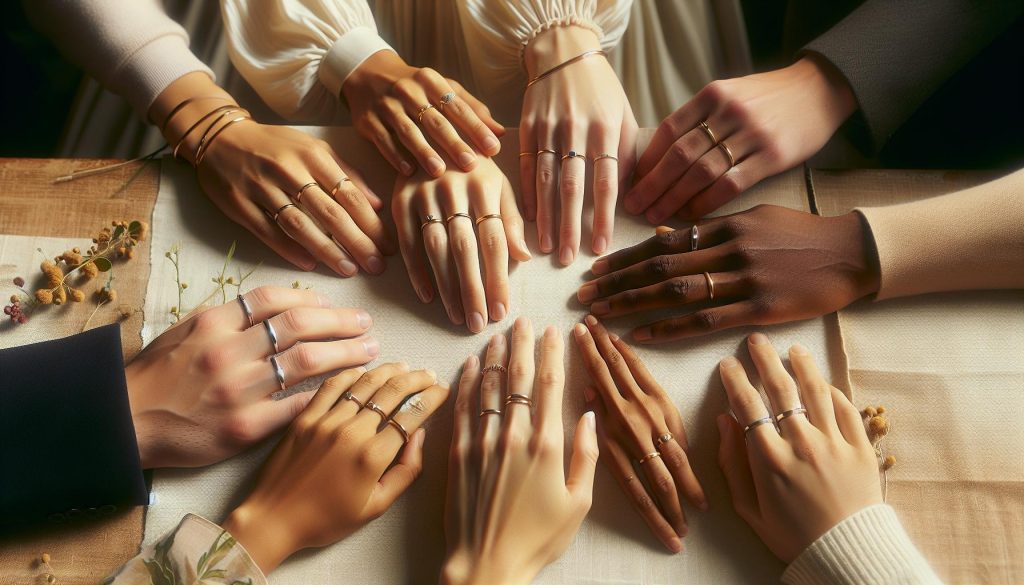
As you embark on the beautiful journey of wedding planning, an essential aspect to consider is where to wear your wedding band. Traditionally, many couples choose to place their rings on the fourth finger of the left hand, believing it connects directly to the heart. However, customs vary widely across cultures and personal preferences, leading to numerous interpretations of this cherished tradition. Understanding the significance behind these choices can help affirm your connection to your partner and enrich your wedding experience. This guide will explore the various traditions surrounding the placement of wedding bands, offering insights that resonate with your values and personal style. Join us as we delve into the rich tapestry of wedding traditions, ensuring you find the perfect fit for your celebration of love.
What Does Your Wedding Band Symbolize?
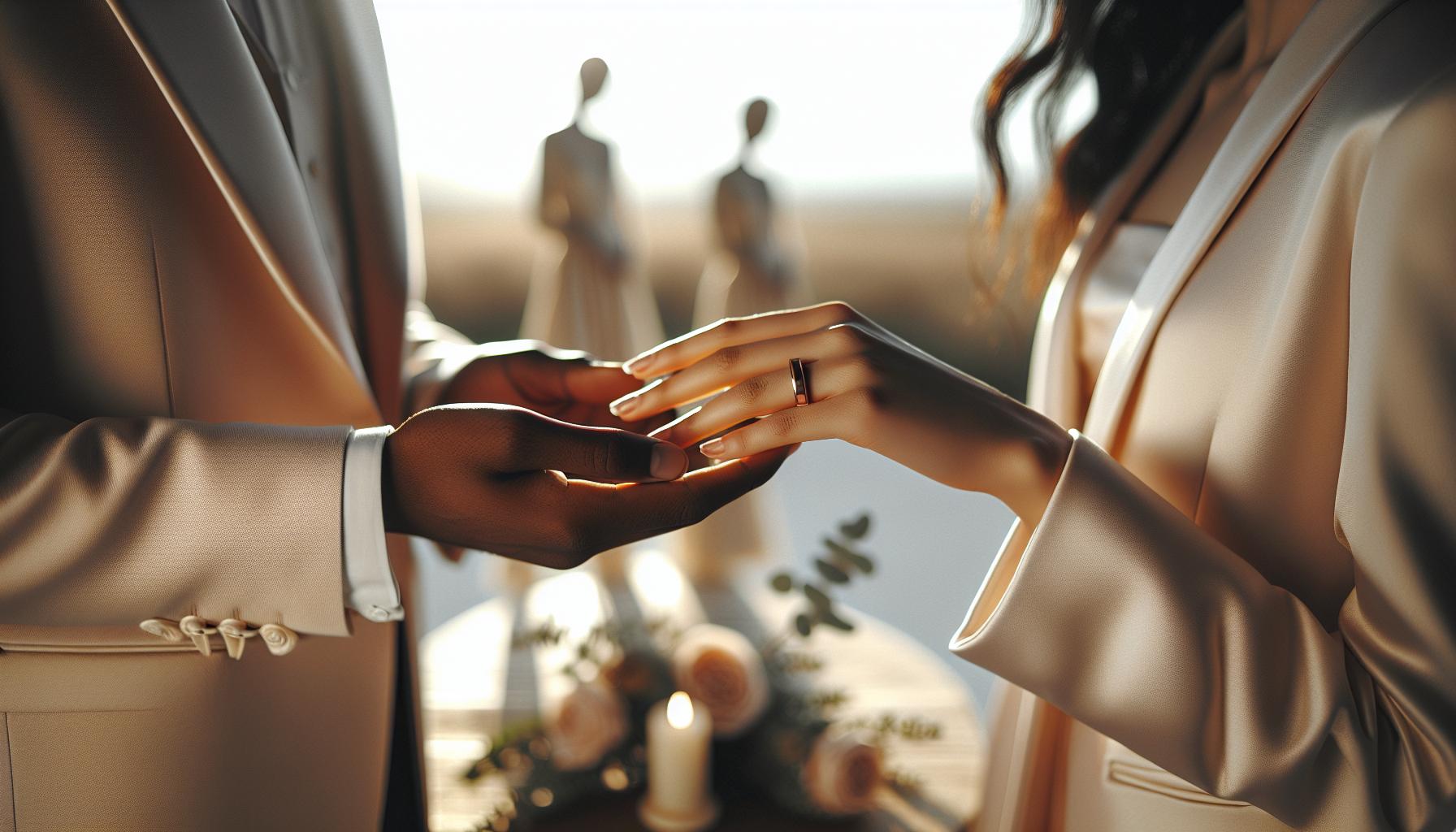
The wedding band, crafted from precious metals and often adorned with meaningful stones, symbolizes much more than a simple ornament; it is a profound declaration of love and commitment. This circular piece of jewelry represents eternity, with no beginning and no end, embodying the unbreakable bond between partners. The act of exchanging wedding bands during the ceremony serves as a ritual that reinforces the vows made to each other, marking the transition from single life to a shared journey of partnership and companionship.
For many, the wedding band signifies the promise of fidelity and loyalty. It is a constant reminder of the love that has been pledged and serves as an emblem of the sacrifices and joys that are part of married life. Couples often choose their bands to reflect their unique personalities and shared values, selecting designs that resonate deeply with their relationship. Whether opting for classic gold, modern minimalist styles, or rings embellished with personal touches, the selection process can elevate the significance of the band itself.
Additionally, wedding bands embody the cultural traditions and practices that underpin marriage across various societies. In some cultures, the ring is worn on the left hand, believed to have a direct connection to the heart, while others may prefer the right hand for symbolic reasons tied to local customs. Understanding the significance of these traditions can enrich the experience of choosing a wedding band, allowing couples to honor their heritage as they celebrate their love.
Ultimately, the wedding band serves as a cherished token, representing not just the love shared today, but the commitment to nurture and grow that love through all the seasons of life together.
Choosing the Right Hand for Your Wedding Band
is not just a matter of personal preference; it often carries deep symbolic meaning rooted in cultural traditions. In many cultures, the left hand is traditionally preferred for the wedding band because it is believed to be directly connected to the heart, referencing the ancient idea of the “vena amoris” or vein of love. Wearing the band on this hand is thought to symbolize a deep emotional connection and commitment. However, this practice is not universal; for example, countries like Germany and Russia often place the wedding ring on the right hand, emphasizing different cultural values surrounding marriage and loyalty.
When contemplating which hand to use, consider your personal beliefs and the heritage you wish to embrace. You might find it meaningful to wear your wedding band in accordance with your cultural customs, or alternatively, you might choose a more modern or personal approach. Couples increasingly prioritize individuality and shared narratives in their wedding planning. Take the time to discuss with your partner what resonates with both of you. Whether leaning more towards a traditional stance or carving your own path, this decision is an exciting opportunity to express your unique love story.
Development of personal traditions around wearing wedding bands is also prevalent in contemporary society. Many couples opt to switch their engagement ring to the right hand when they wear their wedding band on the left, blending the two elements to reflect their journey. Each choice highlights significant values behind commitment, whether you prefer adhering to tradition or favoring a more personalized style. Remember that the most profound aspect of wearing your wedding band lies in what it represents: a shared promise to love, cherish, and grow together through all walks of life.
Cultural Traditions Around Wedding Bands
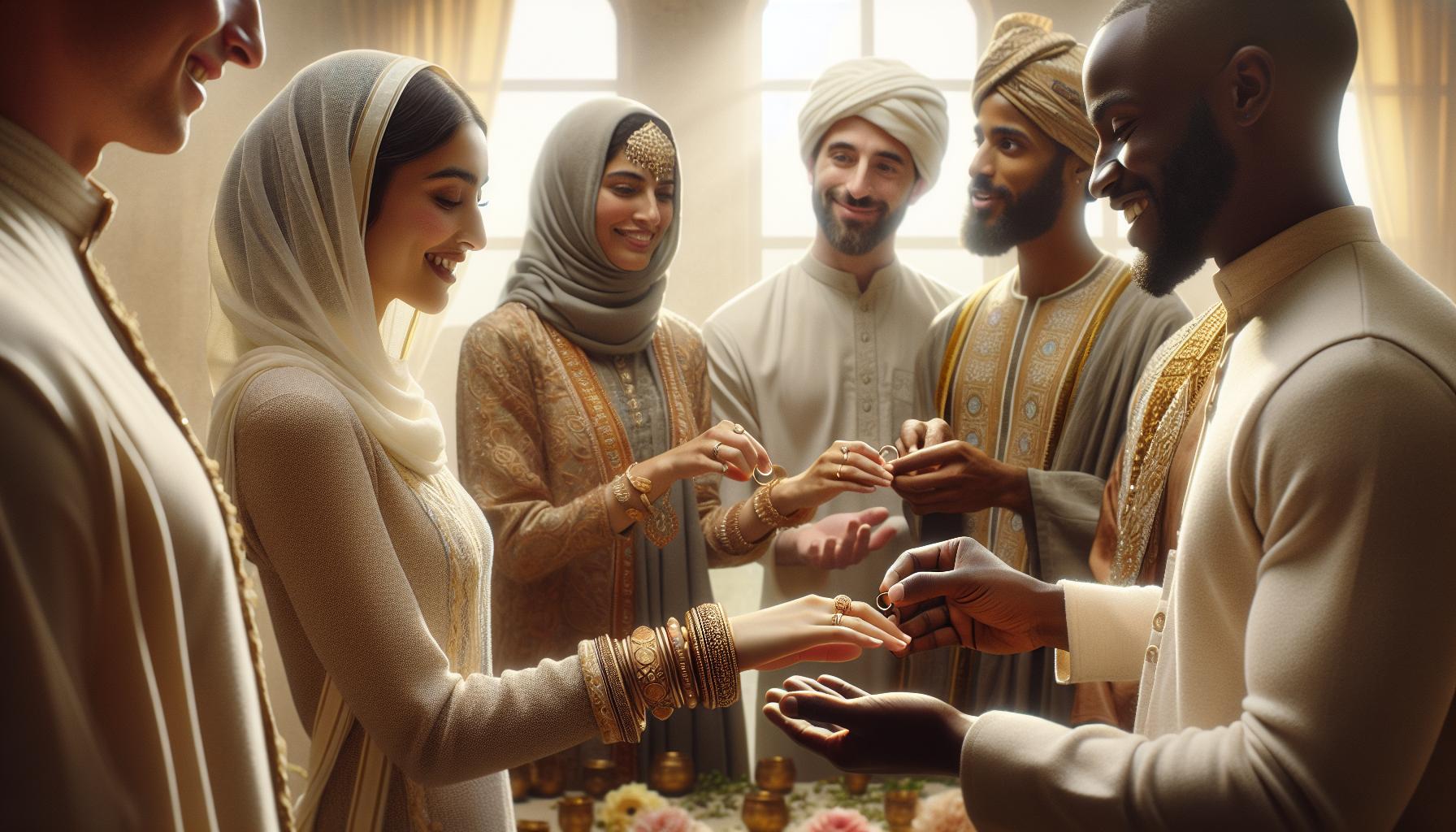
Many cultures have unique traditions surrounding the wearing of wedding bands that reflect deep-seated beliefs about love and commitment. While in North America and much of the Western world it is customary to wear the wedding band on the left hand-associated with the concept of the “vena amoris,” or vein of love-various regions uphold alternative practices based on their individual customs. For instance, countries like Germany and Russia typically place wedding rings on the right hand, symbolizing fidelity and loyalty in a distinct cultural context. This divergence emphasizes the rich tapestry of marriage beliefs across different societies.
In many Eastern cultures, notable variations exist as well. In some Indian traditions, the couple may exchange different types of rings that correspond to their respective family backgrounds, often blending jewelry with cultural meaning. In Jewish ceremonies, the bride traditionally receives a simple gold band placed on her index finger, later moved to the ring finger during the reception, blending both spiritual significance and practical observance. Such rich traditions allow couples to not only engage with their heritage but also forge new paths in their wedding practices.
When choosing which hand to wear your wedding band on, consider discussing with your partner the cultural heritage you both value or the modern customs that resonate more personally. This shared decision can be an intimate extension of your commitment to one another, encapsulating both your relationship and your unique backgrounds. Couples often find joy in creating new traditions together, which can enhance the significance of their wedding experience. Remember, whether you follow a time-honored tradition or establish a personal alternative, the essence lies in what the band signifies: a lasting promise of partnership and love through life’s journey.
Exploring the History of Wedding Band Placement
Throughout history, the placement of wedding bands has been steeped in rich symbolism and cultural significance, deeply rooted in various traditions. The notion that wearing a ring on a particular finger conveys a message of love and commitment has evolved over centuries, tracing back to ancient civilizations. For instance, the ancient Romans believed that the left hand was special because it was linked to the “vena amoris,” a vein thought to connect directly to the heart. This romantic belief solidified the Western tradition of wearing wedding rings on the left hand, emphasizing a direct connection between the ring and the profound emotions of love and attachment.
Meanwhile, in other cultures, alternative practices highlight the diversity in matrimonial symbolism tied to ring placement. In many Eastern European countries such as Germany and Russia, for example, the wedding band is traditionally worn on the right hand. This choice expresses fidelity and loyalty, indicating the bond between partners while also reflecting societal attitudes towards love and marriage. The historical significance of this practice underscores the cultural understanding that these gestures are not merely personal but also representative of communal values and shared beliefs.
Moreover, the specific placement of wedding rings can also serve practical purposes aligned with local customs. Some traditions accommodate both partners by encouraging them to wear their rings on the same hand or allowing the bride’s engagement ring to be worn above the wedding band. This flexibility can be seen in Jewish customs, where the wedding band is first placed on the bride’s index finger during the ceremony and later transferred to the ring finger during the reception. Such practices not only honor the moment but also reflect the dynamic nature of wedding traditions across different cultures.
With such a diverse history, couples today have the opportunity to honor these traditions or create their own unique narratives when it comes to wedding band placement. Whether opting for the classic left-hand positioning or exploring options that reflect personal and cultural significance, it’s essential to approach this choice with care and intent. After all, the decision transcends mere aesthetics; it is a profound expression of love, commitment, and the unique journey that each couple embarks upon together.
Left Hand vs. Right Hand: Key Differences
In the intricate tapestry of wedding traditions, the choice between wearing your wedding band on the left or right hand can be both personal and culturally significant. While many Western cultures favor the left hand, attributing its symbolism to the “vena amoris,” an ancient belief that links this side to love and emotion, other cultures embrace the right hand as the primary choice for showcasing commitment. This divergence offers couples a rich landscape of symbolism and personal choice, entwined with both romantic notions and cultural heritage.
When pondering which hand to choose, it’s important to consider the significance behind each option. The left hand is widely recognized in many parts of the world as the designated finger for engagement and wedding rings, largely due to its association with romantic love. Celebrating this tradition, couples often feel a sense of connection to generations past, as they partake in a longstanding custom that resonates with their love story. Conversely, the right hand’s use for wedding bands in various cultures, such as in Germany and Russia, reflects a different narrative emphasizing fidelity and societal acceptance. Here, wearing the ring on the right hand serves as a declaration of loyalty and unity, fostering a strong communal bond among those who share this practice.
Understanding Personal Preference
In deciding which hand feels right for you, consider personal sentiments. Some couples choose to align with family traditions or cultural influences, while others may find meaning in breaking away from conventions to establish their unique identity. Additionally, practical considerations such as lifestyle, comfort, and the style of the rings can inform this choice. For instance, if you tend to use your dominant hand for daily tasks, wearing the ring on the non-dominant hand may help preserve its integrity.
- In romantic traditions: Left hand emphasizes emotional connection and love.
- In loyalty traditions: Right hand signifies fidelity and community values.
This choice is intimately tied to your journey as a couple; whether you decide to showcase your commitment on the left or right can uniquely reflect your relationship’s essence. Ultimately, the best decision is one that resonates with you both, embodying the love and promise you’re celebrating while nurturing your shared vision for the future. Embrace your individuality and create a narrative that feels as lasting as the bonds you are forming together.
How to Decide Based on Personal Preference
Choosing the hand on which to wear your wedding band is a personal journey, reflecting not just cultural traditions but also the essence of your relationship. The decision can evoke feelings of connection, nostalgia, and even rebellion against societal norms; therefore, it’s essential to tune into your emotions and the significance this choice holds for you and your partner. As couples navigate this pivotal moment in their lives, the process should feel joyous and affirming, celebrating their unique love story while considering practical implications.
Begin by reflecting on your personal history and the influences that shape your identity as a couple. Do you have family traditions that lean towards one hand over the other? Are there cultural contexts that resonate deeply with you? Engaging in this dialogue can deepen your understanding of how these factors intertwine with your values. For example, some may feel a strong pull toward the left hand due to its association with romantic love, while others might be drawn to the right hand’s symbolism of loyalty and community, especially if they hail from cultures where this practice is prominent.
Practicality and day-to-day lifestyle can also play significant roles in your decision-making process. Wearing the wedding band on the less dominant hand can enhance comfort and reduce the wear and tear on the ring. For example, if one of you is left-handed and uses that hand more frequently for daily activities, it may be wise to opt for the right hand to prevent damage to the ring and any discomfort. Engage in discussions about what feels most comfortable and practical for both of you.
Ultimately, the most important aspect is to choose what feels right for you. Your rings should be an extension of your identity as a couple, a celebration of your journey together, and a daily reminder of the love you share. Regardless of whether you opt for the left or right hand, prioritize the meaning behind your choice-embrace the narrative that feels most authentically you, allowing for future deviations and unique expressions of love. By honouring your individual preferences and shared experiences, you’ll craft a celebration that is beautifully representative of your bond.
Engagement Ring Placement: What You Need to Know
When considering where to place your engagement ring, it’s essential to reflect on both tradition and personal significance. Traditionally, in many cultures, the engagement ring is worn on the fourth finger of the left hand, often referred to as the “ring finger.” The left hand is believed to be connected directly to the heart, borrowed from the ancient Roman belief that a vein from this finger runs to the heart, symbolizing love and commitment.
Yet, as couples navigate their unique relationship narratives, some may find themselves rethinking this convention. For those who choose to wear their engagement ring on the right hand, it can symbolize individuality and a break from tradition, showcasing a modern twist to an ancient ritual. Personal stories and family traditions can also play a pivotal role-aspects such as cultural backgrounds or inherited jewelry may influence the decision on which hand to use for the engagement ring.
Another important factor to consider is how the engagement ring will sit alongside the wedding band. Many brides choose to wear both rings stacked on the same finger, creating a beautiful display of their love story. If you plan on wearing both, think ahead about any practicalities, particularly regarding comfort and wear. Consulting with your jeweler to find the best fit and style can be helpful, ensuring your rings harmonize without compromising comfort.
The decision on engagement ring placement ultimately comes down to what feels right to you as a couple. Whether you adhere to tradition or embrace a modern twist, ensure that your choice resonates with your love and commitment. This special piece should symbolize your journey together, reflecting your individual and shared stories, making it a cherished emblem of your engagement.
Modern Trends in Wedding Ring Wearing
In contemporary wedding culture, couples are increasingly embracing personal expression in their choice of wedding bands. Gone are the days when tradition mandated the left hand as the sole placement for wedding rings; modern couples are redefining norms based on their individual identities and stories. This shift reflects broader cultural changes, where personalization and self-expression play significant roles in wedding planning.
One notable trend is the practice of wearing wedding bands on the right hand, which symbolizes a departure from tradition and highlights personal significance. For example, many who choose this path find meaning in showcasing individuality or cultural heritage, making the right hand a canvas for their love story. Couples are also experimenting with intricate stacking techniques, where both wedding bands and engagement rings are worn together on the same finger. This approach not only adds a unique flair but also allows for creative combinations of styles and metals that reflect each partner’s taste.
Another growing trend is the adoption of non-traditional materials and designs in wedding bands. Couples are exploring options like alternative metals, wood, or ethically sourced gemstones to align with their values or lifestyle. This leads to custom designs that can be as distinctive as the love story they represent, making each ring a unique emblem of commitment and unity.
Moreover, with the increasing influence of social media, couples share their unique wedding ring configurations, inspiring others to think outside the box. This community exchange encourages couples to explore various cultural perspectives on ring placement and styles, further broadening the conversation around what wedding bands symbolize. Ultimately, in this era of choice and genuine expression, the focus has shifted-what matters most is not just what hand the ring is on but how it resonates with the couple’s journey together.
What Do Different Countries Do? Global Perspectives
In wedding practices around the globe, the hand on which you wear your wedding band can reveal much about cultural traditions and personal beliefs. For instance, in many Western countries, it is customary to wear the wedding ring on the left hand, a practice rooted in the belief that the left hand contains the “vena amoris,” or the vein of love, which runs directly to the heart. However, this tradition varies notably across different cultures, each with its own unique customs and meanings.
Right Hand Traditions
In several Eastern European cultures, such as Russian and Polish traditions, the wedding band is typically worn on the right hand. This choice often symbolizes a commitment that is both personal and public. For example, in Greece, couples wear their wedding rings on the right hand post-ceremony, reflecting a sense of pride in their marital status. Similarly, in the Middle East, particularly in countries like Egypt, the right hand is preferred, emphasizing the significance of auspicious beginnings and blessings.
Symbolism and Significance
Beyond the decision of which hand to wear the ring on, the materials and styles also tell stories of cultural values and beliefs. For instance, in India, wedding rings are often crafted from gold, symbolizing wealth and prosperity, and are exchanged during vibrant ceremonies that highlight familial and societal bonds. These rings may occasionally be worn alongside intricate bangles, further enhancing the couple’s commitment through layered symbolism.
Conversely, some cultures engage in more unconventional practices. In South Africa, it is common for men to wear ‘engagement rings’ that are later exchanged for wedding bands during the ceremony. This parallel approach underscores the mutual commitment of both partners in a marriage, fostering equality within the relationship.
Modern Influences and Global Variations
With globalization and increased intercultural exchanges, couples are now blending these traditions in creative ways. Many modern couples opt for unique styles and placements that reflect their individual stories, irrespective of traditional norms. This trend is particularly noted in the United States and Western Europe, where personal expression through customized rings has become a powerful statement of love and unity.
As couples navigate their wedding planning journeys, understanding these global perspectives can enrich their experience and deepen their connection to the traditions they choose to honor. Embracing cultural diversity in wedding band customs not only strengthens one’s identity but can also create beautiful opportunities for shared meaningful celebrations, reflecting love that transcends borders.
The Significance of Wearing a Ring on the Ring Finger
Wearing a ring on the fourth finger of the left hand holds deep significance across many cultures, often representing a commitment that transcends time and tradition. This specific finger, commonly known as the “ring finger,” is traditionally associated with love, connection, and loyalty. The belief that this particular finger contains the “vena amoris,” or the vein of love directly connected to the heart, aptly emphasizes the emotional bond shared between partners. When a wedding band is adorned on this finger, it not only serves as a physical symbol of that promise but also as a daily reminder of the vows exchanged and the journey ahead.
In many Western cultures, the act of placing the wedding band on this finger during the ceremony is rich with symbolism. It signifies the couple’s union and their intent to support each other through life’s myriad challenges. Whether it’s a simple gold band or an extravagant diamond-studded design, the ring signifies an everlasting commitment, a promise that is cherished every day of their lives together. This emotional weight is beautifully captured in a couple’s choice of ring, as they often select styles that reflect their shared values, aesthetic preferences, and even the unique story of their relationship.
On the flip side, the choice of which finger to wear a wedding band can differ significantly based on regional customs and personal beliefs. For instance, while the left hand reigns supreme in many places, countries such as Germany and Russia prefer the right hand for wedding rings, showcasing the diversity of traditions that enrich this beautiful ritual. Couples today are increasingly blending these practices, thus highlighting their individual stories and experiences. As you select your rings, consider what makes each piece special, as each ring tells a tale of your love and commitment.
Ultimately, embracing the significance of wearing a wedding band on the ring finger can enhance your wedding experience, allowing you to connect more profoundly with the traditions and meanings behind your choice. Selecting a ring that resonates with both partners fosters a sense of unity, empowering you to express your love in a way that feels authentic and meaningful. Let this symbol of your bond evoke the joy, romance, and commitment that your special day embodies, setting the tone for a lifetime of shared experiences and adventures.
Combining Your Rings: Styles and Techniques
Finding the perfect way to combine rings can add an exquisite touch to your style, transforming your wedding band and engagement ring into a harmonious symbol of your love. Many couples choose to wear their wedding and engagement rings together, creating a stunning visual representation of their commitment. Understanding the best techniques and styles for combining your rings can elevate your personal aesthetic while maintaining the sentimental value each piece holds.
Style Combinations
When merging your wedding band and engagement ring, consider the following styles that not only complement each other but also reflect your unique love story:
- Interlocking Rings: Opt for a wedding band designed to fit perfectly with your engagement ring. This seamless look enhances both rings’ beauty, as they lock together elegantly.
- Stacked Styles: Stacking your rings allows for creative expression. Consider wearing multiple bands in varying widths or metals to create a bespoke look. Mixing gold with rose gold or platinum adds depth and serves as a daily reminder of your enduring love.
- Opposing Designs: If your engagement ring features intricate detailing, choose a simple band that draws attention to it without overwhelming. Conversely, if your engagement ring is minimalist, a diamond or gemstone-studded band can create a striking contrast.
Techniques for Wearing Together
Combining your rings isn’t just about aesthetics; it also involves a few practical considerations to keep your rings secure and comfortable:
- Comfort Fit: Ensure that both rings fit comfortably on your finger without excessive pressure. Consider having them soldered together for added security, as this prevents shifting and keeps your rings aligned.
- Placement Ordering: Traditionally, the wedding band is worn closest to the heart, placed directly on the finger followed by the engagement ring. Many find this placement meaningful as it symbolizes the foundation of their union.
- Maintenance Tips: Regularly check and maintain your rings’ settings to keep them safe from wear. A jeweler can offer advice on cleaning and polishing to ensure both rings sparkle beautifully.
This journey of merging your wedding band with your engagement ring should be as personal as the love it represents. Celebrate the ways they intertwine just as your lives do, and remember that every pairing tells a unique story reflecting the couple’s journey. As you explore your options and find the perfect combination, relish the opportunity to express your love in a style that is authentically yours.
Tips for Choosing the Perfect Wedding Band
Choosing the perfect wedding band is a significant step in your wedding journey, embodying the everlasting love and commitment you share. With so many styles, materials, and traditions associated with wedding bands, it’s essential to take a thoughtful approach to ensure your ring reflects not only your taste but also the profound meaning it carries.
Start by considering the style that resonates with you as a couple. Do you lean towards classic, vintage, or modern aesthetics? The band you choose should complement your engagement ring, enhancing its beauty while also standing out on its own. Consult with your partner to explore styles that reflect both your personalities-perhaps with intricate designs, simple elegance, or personalized engravings that tell your unique love story.
Next, pay attention to the material of the band. Metals such as gold, platinum, and titanium not only differ in appearance but also in durability and maintenance. For example, platinum is hypoallergenic and more resistant to scratching, making it an excellent choice for those with sensitive skin. Gold offers a variety of hues-yellow, white, and rose-allowing you to select what best complements your engagement ring. Remember to think about your lifestyle, as an active lifestyle may require a more durable material.
Additionally, consider your ring size and comfort, as you will wear your band daily. It’s wise to have your finger measured at different times of the day, as fingers can swell or shrink with heat and activity. A well-fitting band will feel comfortable and secure, allowing you to wear it with joy. You may also want to explore options for adding a bit of personalization, such as a unique engraving on the inside of the band. This could range from your wedding date to a significant phrase or the initials of you and your partner-a sweet reminder of your bond.
In the end, the wedding band you choose should be a delightful representation of your journey together, filled with emotion and cherished memories. As you weigh the options, let the excitement of this decision spark deeper conversations about your future and the life you’re building together. Embrace this opportunity to express your love stylishly and meaningfully.
Q&A
Q: Which hand is traditionally used for wearing wedding bands?
A: Traditionally, wedding bands are worn on the fourth finger of the left hand in many Western cultures. This practice is rooted in the belief that a vein, often referred to as the “vena amoris” or vein of love, runs directly from this finger to the heart, symbolizing love and commitment.
Q: Can I wear my wedding band on my right hand?
A: Yes, wearing a wedding band on the right hand is common in various cultures, such as in Germany and Russia. The choice of hand may depend on cultural significance or personal preferences, so it’s important to select what feels right for you and your partner.
Q: What do wedding band traditions vary by country?
A: Wedding band traditions can vary globally. In some cultures, including India, wedding bands may be worn on different fingers or hands based on local customs. Exploring global practices can enrich your understanding of wedding traditions and help you choose what resonates with you.
Q: Is there a specific order for wearing wedding and engagement rings?
A: Many prefer to wear the wedding band closest to the heart, followed by the engagement ring. This tradition emphasizes the wedding band’s significance, but it ultimately comes down to personal preference and style. You can explore options for combining your rings beautifully.
Q: Why do some people wear wedding bands on their left hand and engagement rings on their right?
A: Some choose to wear the wedding band on the left hand and the engagement ring on the right to signify their marital status while still honoring their engagement. This is a personal choice and may highlight individual or cultural practices around wedding jewelry.
Q: How can I incorporate family heirlooms into my wedding band tradition?
A: Incorporating family heirlooms into your wedding band tradition can add sentimental value. You might consider modifying an heirloom ring or combining stones to create a unique piece that honors family history while symbolizing your love.
Q: What is the significance of the ring finger in various cultures?
A: The ring finger often symbolizes commitment and love across cultures. In many societies, it serves as a designated space for wedding and engagement rings, signifying a bond that extends beyond mere legal marriage to a profound emotional connection.
Q: How should I choose a wedding band style based on cultural traditions?
A: When choosing a wedding band style, consider your cultural background and the significance of different designs or materials. Researching traditions can guide you in selecting a band that honors your heritage and personal tastes, making your wedding uniquely yours.
For more wedding insights, you can explore sections on the symbolism of your wedding band and modern trends in wedding ring wearing. Happy planning!
Final Thoughts
As you explore the traditions of wearing your wedding band, remember that the significance of this choice goes beyond aesthetic-it reflects your commitment. Whether you opt for the left or right hand, this symbol of love is meant to last a lifetime. Don’t miss out on enhancing your wedding experience! Dive deeper into essential wedding planning tips and advice by checking out our guides on how to choose the perfect wedding venue or wedding planning step-by-step.
Have more questions about wedding traditions or need assistance with practical details? Explore more of our resources to make your wedding planning journey seamless and enjoyable. Share your thoughts in the comments or subscribe to our newsletter for fresh insights that will keep you inspired and informed every step of the way. Your ideal wedding awaits-let’s make it memorable together!