When it comes to wearing your wedding ring, many couples find themselves wondering about the proper placement and traditions behind it. Did you know that the wedding band is traditionally worn closest to the heart? This age-old custom not only signifies the union of love and commitment but also raises questions about how to display these cherished symbols together. Understanding where to put your wedding ring is essential, as it reflects both personal style and adherence to meaningful traditions. Whether you’re newly engaged or just looking to refresh your knowledge, this guide will navigate you through the nuances of wedding ring placement, ensuring that you feel confident and inspired as you embark on your beautiful journey together. Discover the significance behind these heartfelt rituals and where your rings should sit to honor your love story.
Choosing the Right Hand for Your Wedding Ring
can be a deeply personal decision influenced by tradition, personal preference, and cultural significance. Typically, in many Western societies, the wedding ring is worn on the fourth finger of the left hand, a practice rooted in the belief that this finger has a vein (the vena amoris) directly connected to the heart. This romantic notion signifies the deep emotional and spiritual bond between partners. However, the choice of which hand to wear your ring on can also reflect individuality and cultural practices.
In some cultures, the right hand is the preferred choice for wearing wedding rings. For example, in countries like Germany, Norway, and India, brides and grooms wear their wedding bands on the right hand. This alternative can embrace a couple’s heritage or express a non-traditional view on love and partnership, making it crucial to choose based on what resonates with both partners. The decision may also be influenced by comfort; for instance, some find that the left hand is more comfortable, while others may find the right hand less restrictive.
Ultimately, the choice of hand is less about strict rules and more about the couple’s unique journey. When discussing this decision, be sure to engage in a heartfelt conversation where both partners can express their views. Considerations might include personal significance, ease of access for daily tasks, or how you want your love to be displayed to the world. Whatever you decide, ensure it feels right for both of you, as this choice is just another way to symbolize and celebrate your commitment to each other.
Understanding Ring Placement Traditions Across Cultures
Embracing the unique traditions surrounding wedding ring placement from various cultures adds depth and significance to a couple’s commitment. In many Western societies, the custom of placing the wedding ring on the left hand is widespread, rooted in the belief that this finger is directly connected to the heart through the vena amoris. However, the world is rich with diverse practices that reflect a myriad of cultural beliefs and values, showcasing love in different forms.
In Germany and Norway, for instance, it is customary for couples to wear their wedding bands on the right hand. This choice is often seen as a symbol of their lifelong commitment and companionship. Similarly, in India, many brides wear their wedding rings on the right hand, which aligns with traditional beliefs regarding purity and auspiciousness. For some cultures, the hand chosen for the wedding ring embodies a deep-rooted sentiment that reflects the community’s values and history. Such preferences provide couples the opportunity to celebrate their heritage while defining their personal union.
Fascinatingly, the choice of fingers and hands also varies within cultural contexts. In some Eastern European countries, couples may opt to wear their engagement rings on the right hand and transfer them to the left after the wedding. This practice symbolizes the transition from engagement to marriage, embracing a narrative of growth and commitment. Couples can find meaning in these traditions, making their ring placement not just a matter of aesthetics but a celebration of their unique journey together.
As couples navigate decisions about ring placement, it’s important to honor both personal preferences and cultural traditions. Engaging in meaningful conversations about each partner’s background can deepen the bond and ensure that the chosen placement resonates emotionally. After all, the way a couple chooses to wear their wedding rings becomes a beautiful representation of their love story, blending tradition with personal significance.
The Significance of Ring Placement and Symbolism
Placing a wedding ring is a deeply personal and symbolic act, representing not only the union of two hearts but also a continuous journey of love and commitment. The significance of where and how one wears their wedding ring cannot be overstated, as each choice often reflects beliefs and emotions uniquely tied to the couple’s heritage and personal values.
In many Western cultures, the tradition of wearing the wedding ring on the left hand is steeped in a romantic belief that this finger contains a vein leading directly to the heart, a sentiment known as the “vena amoris.” This connection symbolizes love, fidelity, and the profound bond forged through marriage. Conversely, in some countries such as Germany and Norway, the wedding ring is worn on the right hand, showcasing a different cultural representation of connection and partnership. This choice highlights the rich tapestry of wedding customs and the personal narratives that inform them.
Emotional and Cultural Connections
The placement of a wedding ring also serves as a daily reminder of one’s commitment, acting as a physical manifestation of love that can offer comfort and solace. Couples who engage in discussions about their cultural beliefs regarding ring placement often find that these conversations enhance their emotional bonds. For instance, incorporating elements of both partners’ traditions into their ring placement can enrich their shared love story, making it inclusive and multifaceted.
Moreover, understanding the symbolic implications can help couples navigate their decisions confidently. Whether choosing to deviate from tradition or embrace it fully, recognizing the significance of their choice fosters a deeper understanding of each other’s backgrounds and values. This mutual respect lays a strong foundation for their married life, weaving together personal and cultural threads into a beautiful narrative.
Through these choices, rings become not just jewelry but reminders of promises made, memories shared, and futures crafted together, proving that even something as small as a ring can carry immense significance in celebrating love.
Common Mistakes in Wedding Ring Placement
Wearing a wedding ring is a beautiful representation of your love and commitment, but mistakes in ring placement can lead to misunderstandings or even discomfort. Recognizing and avoiding common missteps can ensure that your wedding ring remains a cherished symbol throughout your marriage.
One frequent oversight is assuming that there’s a universal ‘correct’ finger on which to wear your wedding ring. While many cultures favor the left hand due to the “vena amoris” belief, others, like those in Germany and Norway, prefer the right hand for such a significant adornment. When couples blend traditions, it’s essential to discuss and understand each other’s cultural practices to harmoniously decide on placement. Open communication fosters respect and can even enhance your emotional connection.
Another common mistake involves failing to consider the fit of the ring during ceremonies or events. Rings that are too tight can cause discomfort, especially during times of excitement or heat. To avoid this, be sure to get your ring properly sized before the wedding day, and consider the day’s activities when wearing it. For example, if you know you’ll be engaging in physical activities, you might opt for a more secure fit or even leave the ring at home temporarily.
Additionally, some people neglect proper care in their choice of placement. Rings can get caught on clothing or other items, leading to scratches or damage. To maintain the ring’s beauty and integrity, it’s advisable to be mindful of where and how you wear it, especially during daily tasks or while enjoying hobbies. Adopting a simple care routine, like removing your ring when doing dishes or engaging in physical work, could greatly extend its lifespan.
By being aware of these common pitfalls, you can celebrate your love story without unnecessary distraction. Embrace the beautiful journey ahead, ensuring that your wedding ring continues to symbolize your love-protected and perfectly placed.
Proper Care for Your Wedding Ring Post-Ceremony
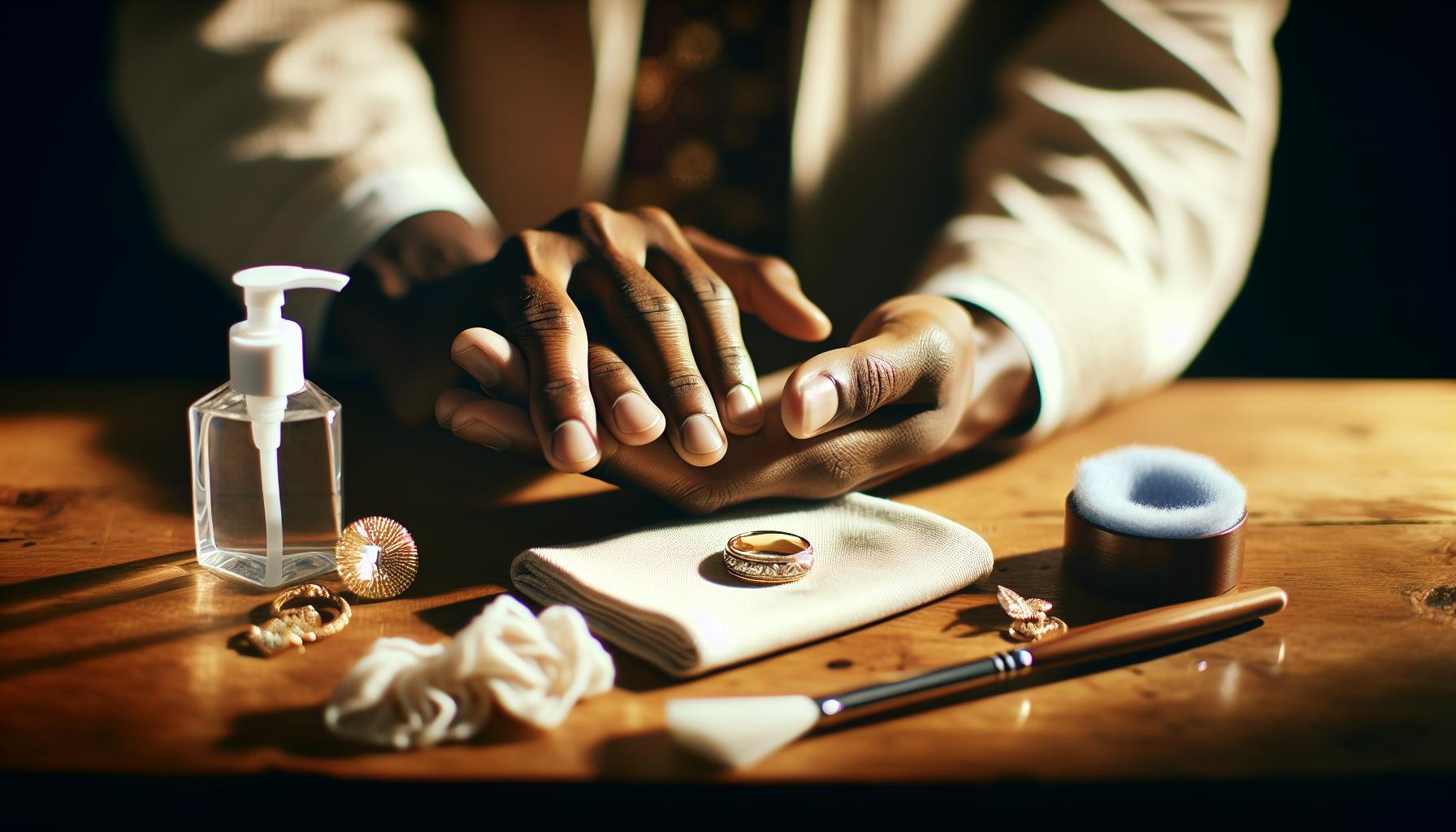
Wearing your wedding ring post-ceremony is a joyful affirmation of your love, but caring for it is equally important to keep that spark shining brightly. How you treat your ring will not only protect its physical beauty but also honor the commitment it represents. From routine maintenance to thoughtful wear habits, here’s how to keep your cherished symbol of love in its best condition.
Establish a Cleaning Routine
Maintaining a regular cleaning schedule is crucial for your ring’s longevity. While many couples may find themselves mesmerized by their new jewelry, remember that everyday activities can lead to buildup from lotions, soaps, or environmental elements. Aim for a light clean at least once a week using a gentle soap and warm water. Soak your ring for a few minutes, then gently brush with a soft toothbrush to remove any debris. Rinse thoroughly and dry with a soft cloth. For deeper cleans, consider professional maintenance every six to twelve months to hear the sparkle of expert care.
Mindful Wearing Practices
It’s essential to adopt mindful habits when wearing your wedding ring daily. Removing your ring during activities such as cooking, cleaning, or exercising can help prevent damage and keep its brilliance intact. A simple yet effective practice is to have designated spaces, such as ring dishes or trays, where your ring can rest safely when you’re engaged in tasks that could cause wear. Always be conscious of your surroundings-while you celebrate at events, ensure that the ring isn’t exposed to harsh chemicals, or get caught on clothing.
Safe Storage When Not in Use
Proper storage plays a pivotal role in maintaining your wedding ring’s integrity. When you’re not wearing it, opt for a soft pouch or a dedicated compartment in your jewelry box-this prevents scratches from other pieces. Avoid placing your ring in direct sunlight or damp places, as this can lead to tarnishing and other forms of deterioration. Creating a safe and respectful environment for your ring will reflect how much you value this beautiful symbol of your love.
By dedicating time and thought to the care of your wedding ring, you enhance not only its beauty but also the essence of the love story it represents. Treat it with the care and reverence it deserves, and it will serve as a constant reminder of your bond for many years to come.
Alternative Ring Placement for Unique Styles
When it comes to expressing love and commitment, your wedding ring is a powerful symbol-one that can be personalized in various ways to reflect your unique style and personality. Exploring alternative ring placements allows couples to infuse a touch of individuality into their wedding jewelry while staying true to the meaning behind the rings. Whether influenced by fashion trends, personal comfort, or cultural significance, there are several creative options to consider that can help you stand out while wearing your wedding ring.
One popular alternative is to wear the wedding band on the right hand, freeing the left hand for the engagement ring. This approach not only offers a fresh aesthetic but also serves to highlight the engagement ring’s design. Couples may choose to switch hands during special events or on anniversaries, making the rings feel like new each time. Additionally, some may prefer a stacked approach, where both rings adorn a single finger but are worn on different fingers entirely, allowing for more flexibility and uniqueness in how the rings are showcased.
For those who prefer to break from tradition completely, consider wearing the wedding band as a necklace or bracelet. This versatility celebrates the bond without adhering to conventional ring placement. Custom charm bracelets featuring your wedding band or personalized pendants with the ring’s gemstone create a stunning piece that celebrates your love story. Alternatively, opting for rings designed to be worn on non-traditional fingers-such as the middle finger or pinky-can present a modern flair while still maintaining the essence of the rings.
Ultimately, the best way to decide on alternative placements is to consider what feels authentic to you as a couple. Think about your lifestyle, personal tastes, and the message you want your rings to convey. Remember, your wedding ring’s placement does not have to conform to traditional norms; rather, it should be a reflection of your love story and the journey you’re embarking on together. Embrace the opportunity to express your individuality, and let your creativity guide you as you choose the perfect placement for your rings.
When to Remove Your Wedding Ring: Guidelines
There are certain moments in everyday life where removing your wedding ring becomes not just practical, but essential. Understanding when to do so can help you maintain both its beauty and your comfort. Whether you are cooking, exercising, or engaging in manual labor, certain activities can expose your ring to damage, dirt, or potential loss. By choosing the right times to remove your ring, you can ensure it remains a cherished symbol of your love story for years to come.
When to Consider Removing Your Wedding Ring
- While Cooking: Dealing with food, especially sticky or messy substances, can lead to grime buildup under the ring. Removing it can also prevent scratches from kitchen utensils.
- During Exercise: Physical activities can cause your fingers to swell and increase the risk of losing your ring. Alternatively, it could get caught on machines, leading to potential injury.
- When Engaging in Manual Labor: Whether during home improvement projects or any other type of heavy lifting, it’s wise to remove your ring to protect it from damage and ensure your safety.
- Swimming or Bathing: Water can sometimes make rings slip off, especially if they fit loosely. Moreover, exposure to chemicals in pools or hot tubs may tarnish or degrade certain metals.
- Cleaning: Household chemicals can be harsh and potentially damaging. Taking off your ring while using cleaners can prevent accidental exposure and damage.
Managing the delicate balance between safeguarding your ring and keeping it close to your heart is essential. In those moments when you decide to take it off, consider storing it in a designated place, such as a ring dish or a safe, to avoid misplacing it. This way, you can embrace each special moment without worry, knowing your wedding ring is both safe and well cared for until you can wear it again.
How to Safely Store Your Wedding Ring When Not Wearing
Finding the perfect way to store your wedding ring when you’re not wearing it can enhance its longevity and keep it looking as brilliant as the day you exchanged vows. A thoughtful approach to storage not only ensures it remains free from scratches and tarnish, but also adds a touch of personalization that reflects your unique love story.
When considering safe storage options, opt for a dedicated ring holder or dish-this could be a beautifully crafted ceramic dish, a small velvet-lined box, or even a luxurious glass ring holder. Placing your ring in a designated spot not only reduces the risk of misplacing it but also transforms this everyday action into a small ritual celebrating your commitment. For those who appreciate aesthetics, there are stunning options available, such as crystal ring holders from brands like Waterford, which combine beauty with functionality and can serve as a decorative piece in your home [[1]](https://www.waterford.com/en-us/collections/all-collections/wedding/wedding-ring-holder-1058258?srsltid=AfmBOoqvpAT5WWpKYOREsgJbTfKmsAFfQc_6BDN8XQWfov8I8yYBew_A).
Additionally, consider storing your ring in a secure space, such as a locked jewelry box or a safe, especially when you know it will be off for an extended period or during travel. It’s a good idea to keep a soft cloth nearby to wrap the ring in, preventing scratches from harder surfaces. Ensure that wherever you choose to store your ring, it is kept away from direct sunlight and humid environments, which can degrade certain metals over time. By maintaining this little sanctuary for your ring, you can celebrate the everyday beauty of your love while providing it a safe haven between wearings.
Tips for Adjusting Your Wedding Ring for Comfort
Adjusting a wedding ring for comfort is an essential part of ensuring that your special symbol of love not only looks beautiful but also feels right throughout your daily activities. Many couples envision wearing their rings endlessly, yet fluctuations in finger size due to factors like temperature changes, weight loss, or even hydration can lead to discomfort if not addressed. Understanding how to adjust your ring for comfort helps you cherish that connection without distractions.
To ensure your wedding ring fits perfectly, consider the following tips:
- Evaluate the Fit: Regularly check that your ring slips over your knuckle easily but doesn’t spin around too much when worn. If it feels overly tight or loose, professional sizing may be your best option.
- Temperature Awareness: Be mindful of your body temperature; fingers can swell in the heat and shrink in the cold. When planning outdoor activities or experiencing extreme weather, you may want to take off your ring if it starts to feel tight.
- Ring Guards: If resizing isn’t an immediate option, consider using a ring guard. These are temporary solutions that can be easily added to the inside of your ring, providing a snugger fit while maintaining the integrity of your band.
- Regular Care: Keep your fingers clean and moisturized to help maintain a proper fit. Accumulated dirt or moisture can cause your ring to feel tighter.
- Seasonal Adjustments: If you notice significant changes in your finger size with the seasons, appoint a jeweler for periodic adjustments to keep comfort and fit aligned throughout the year.
Incorporating these strategies into your routine not only enhances the longevity of your wedding ring but also allows you to wear this cherished symbol of love and commitment with ease. Storing these tips in your mind while planning your life together will ensure you’re always prepared to enjoy your beautiful ring comfortably!
Celebrating Your Love: Customizing Your Ring Placement
The magic of love often extends beyond a mere promise; it culminates in the touching ritual of placing your wedding ring. This simple yet profound act speaks volumes of the commitment shared between two individuals and can be beautifully personalized to reflect your unique journey as a couple. Customizing the placement of your ring can add layers of meaning and connection to the experience, transforming it into a symbol that truly celebrates your love story.
The choice of which finger and hand to wear your wedding ring on may seem straightforward, but it provides an opportunity to delve deeper into tradition and personal significance. In many cultures, the left hand is regarded as the correct choice due to the belief that a vein, often referred to as the “vena amoris,” runs directly to the heart. However, couples today are increasingly making choices that resonate more authentically with them. Whether that means wearing the ring on the right hand, switching hands on special occasions, or even opting for unconventional placements on a chain around the neck, the possibilities are as diverse as the love stories they represent.
Reflecting Individual Styles
Personalization in ring placement can also mirror individual styles and lifestyle needs. For example, those with active lifestyles may find it more comfortable to wear their wedding ring on a chain while saving the finger for special occasions. Additionally, stacking rings offers a stylish way to showcase engagement rings and wedding bands uniquely. Such approaches not only enhance aesthetic appeal but can also make daily life more practical.
Creating Your Own Traditions
Consider adding a twist by incorporating family heirlooms or meaningful tokens into your ring placement. Perhaps you can wear a family member’s ring on your right hand as a remembrance of those who came before you, while your wedding band remains on the left. This individualized practice creates a beautiful narrative that intertwines family history with your unique bond. Alternatively, you might choose to switch your ring’s placement at certain anniversaries or milestones, refreshing its symbolism as your relationship evolves.
Ultimately, the joy of customizing your ring placement lies in celebrating the love you share-determining what feels right for you both and embracing the traditions or modifications that resonate with your hearts. Every decision infuses your wedding ring with deeper meaning, creating a tangible link to your love story that can be cherished for a lifetime. Embrace the journey, and allow that special piece of jewelry to reflect not just your commitment but the vibrant journey you are embarking on together.
Engagement vs. Wedding Ring: Placement Differences
The distinction between an engagement ring and a wedding ring goes beyond mere appearance; it delves into tradition, symbolism, and personal preference. Traditionally, an engagement ring is gifted during a proposal, representing the promise of marriage and carrying significant emotional weight. Typically adorned with a prominent stone, it often stands out as a symbol of love and commitment. In contrast, the wedding ring is exchanged during the marriage ceremony itself, symbolizing the union between partners. This ring is often simpler in design, meant to complement the engagement ring rather than overshadow it.
When considering where and how to wear these rings, many opt to wear the wedding ring beneath the engagement ring on the ring finger of the left hand. This placement is rooted in the belief that wearing the wedding band closest to the heart symbolizes the deep commitment shared between partners. However, couples today are increasingly adopting a variety of styles and preferences that resonate more with their individual stories. Some choose to wear their engagement ring alone or on a different finger altogether, while others might stack their rings for a more personalized look.
The choice of ring placement can also be influenced by practical considerations. For instance, individuals with active lifestyles may prefer to remove their engagement ring during rigorous activities, opting to wear their wedding band only in day-to-day situations. In such cases, storing the engagement ring safely until special occasions can preserve its brilliance and meaning.
Ultimately, understanding the distinctions in placement and symbolism between engagement and wedding rings allows couples to create a relationship dynamic that feels unique and personal. Embracing these choices not only honors tradition but also allows couples to define their own journey together, making their love story as beautiful and distinctive as the rings they wear.
Incorporating Family Heirlooms: Placement Ideas
Incorporating a family heirloom into your wedding ring setup not only adds a touch of nostalgia but also strengthens the emotional connection to your family’s legacy. These cherished pieces can serve as a beautiful reminder of love stories that came before you, making your ceremony even more meaningful. When considering how to best showcase a family heirloom within your wedding ring placement, there are various creative and thoughtful ways to honor its history while ensuring it complements your unique style.
One popular method is to wear the heirloom ring on the same finger as your engagement and wedding rings. If the heirloom carries significant sentimental value, placing it under your wedding band might enhance its symbolism, representing your family’s love uniting with your new life together. This traditional approach respects the ring’s history and allows it to be a part of your daily life, shimmering next to your modern pieces.
If the heirloom is particularly ornate or large, consider using it as a centerpiece of a stackable design. Stacking rings allows for personalization, where you can mix and match various styles and gemstones. For instance:
- Wear the heirloom on your middle or index finger for a bold statement.
- Pair it with simpler bands on your left hand to allow it to shine.
- Create a theme around the rings, such as colors or metal types, to unify them visually.
Another option is to incorporate the heirloom into your wedding day jewelry. For example, consider using the family ring as part of a necklace or bracelet, which adds a touch of elegance while still showcasing its rich heritage. Wearing it during your ceremony or reception can serve as a beautiful tribute to your family.
Ultimately, finding the right placement for your heirloom not only honors its history but also adds depth to your personal love story. By embracing this meaningful piece, you celebrate both your own journey and the generations of love that have come before you, creating a wedding day filled with connection and significance.
Faq
Q: What is the best hand to wear a wedding ring on?
A: Traditionally, wedding rings are worn on the fourth finger of the left hand in many Western cultures. However, some cultures prefer the right hand. Consider personal preference and cultural significance when deciding.
Q: Can I wear my wedding ring on a different finger?
A: Yes, wearing your wedding ring on a different finger is perfectly acceptable. Many choose to wear it on the right hand or even on another finger altogether for comfort or style. Just ensure it feels right for you.
Q: How should I care for my wedding ring to maintain its appearance?
A: To keep your wedding ring looking its best, regularly clean it with a gentle soap and water solution. Avoid harsh chemicals and take it off during activities that could cause damage. For detailed care tips, refer to our section on proper care for your wedding ring.
Q: What are some common mistakes to avoid in ring placement?
A: Common mistakes include wearing the wedding ring on the wrong hand or finger and not considering comfort. Additionally, neglecting to adjust for size changes over time can lead to discomfort. Explore our section on common mistakes for further insights.
Q: Is it acceptable to wear my wedding ring and engagement ring on different hands?
A: Yes, it’s absolutely acceptable! Many couples opt to wear them on different hands or even stack them on the same finger. The most crucial factor is that it feels right for you.
Q: When should I take off my wedding ring?
A: It’s advisable to remove your wedding ring during activities like swimming, cooking, or cleaning to prevent damage. For specific guidelines, check our section on when to remove your wedding ring for more insights.
Q: How can I customize my ring placement for a unique look?
A: Customizing your ring placement can involve stacking with other rings, wearing on alternative fingers, or incorporating design elements. Explore our tips for celebrating your love by customizing your ring placement for unique styles.
Q: What should I do if my wedding ring doesn’t fit correctly?
A: If your wedding ring is uncomfortable or doesn’t fit properly, consider resizing it at a jeweler. It’s essential for both comfort and safety, especially if it feels too loose or tight. Refer to our tips on adjusting your wedding ring for comfort for more information.
Concluding Remarks
As you embark on your lifelong journey together, remember that the placement of your wedding ring is not just a matter of style; it’s a beautiful symbol of love and commitment. Choose carefully and wear it proudly on the fourth finger, alongside your engagement ring, if you desire. If you have any remaining questions about wedding ring traditions or etiquette, we invite you to explore our detailed guides on Wedding Ring Styles and Engagement Ring Versus Wedding Ring for further insights.
Don’t forget to subscribe to our newsletter for more expert tips and inspiration that will help you enjoy every moment of your wedding planning journey. Each detail, from the rings on your fingers to the vows you’ll exchange, deserves your love and attention. Delve deeper into our resources, connect with fellow brides, and share your wedding planning journey with us. The love story continues, and your perfect day is just around the corner!