When it comes to your wedding day, the perfect dress is only the beginning; ensuring it fits flawlessly is just as crucial. Wedding dress alterations can significantly impact both your comfort and confidence as you walk down the aisle. Generally, you might expect to invest between $250 and $450 for these essential adjustments, but costs can vary based on the gown’s complexity and details such as lace and beading. Understanding what to anticipate not only helps you budget appropriately but also alleviates any concerns about finding the right fit. As your journey to “I do” unfolds, navigating the costs and processes of alterations with knowledge will empower you to make decisions that align with both your vision and your budget. Let’s explore the ins and outs of wedding dress alterations, breaking down the costs and services to help you step into your big day with assurance and joy.
Understanding Wedding Dress Alterations: An Overview
When stepping into the enchanting world of wedding dress alterations, it’s essential to understand the journey that will tailor your gown into a perfect fit. Your wedding dress is not just an item of clothing; it’s a symbol of love, commitment, and a beautiful day to remember. Achieving that ideal fit often requires special attention, and alterations play a pivotal role in transforming a beautiful gown into a breathtaking masterpiece that complements your unique shape and style.
Bridal alterations generally require a series of fittings to ensure your dress hugs your curves perfectly and feels comfortable as you step into your most memorable moments. During these fittings, skilled seamstresses will assess the dress and make adjustments based on your body type and any design specifics you want to incorporate. While some might consider alterations a daunting task, they can be genuinely exciting as you watch your vision come to life with each adjustment. It’s not just about resizing; it includes making design modifications, adjusting hems, and ensuring that every detail falls beautifully into place.
As you prepare for the alteration process, communication is key. Be open about what you love or want to change in your dress, and don’t hesitate to seek advice from your tailor. Most brides find that three fittings are typical to complete the adjustments necessary for a flawless fit. It’s important to plan ahead, considering your wedding date and allowing ample time for these alterations. With patience and collaboration with your alterations specialist, your dress will become a true reflection of you, ready to be showcased as you take your walk down the aisle.
Key Factors Influencing Alteration Costs
When it comes to the enchanting process of wedding dress alterations, understanding the specific factors that influence costs can make a significant difference in your budgeting and planning. Each gown is unique, and its alterations are no less so, meaning several elements come into play when determining how much you might spend to achieve that perfect fit.
One of the primary factors is the complexity of the alterations needed. Simple adjustments, such as hem shortening or minor adjustments to the bodice, typically incur lower costs compared to more intricate changes that may involve redesigning a neckline, altering sleeves, or adding additional support structures, such as bustles or boning. The labor time needed for each specific task can greatly affect the price. A straightforward hem may take only one fitting and an hour of work, while more complex alterations may require multiple appointments and hours of skilled labor.
The type of fabric plays a crucial role as well. Delicate materials like lace, silk, or chiffon require extra care, which might increase the cost due to the specialized skills needed to handle them without causing damage. Fabrics that are more challenging to work with demand a higher price for both the risk involved and the technical expertise required.
Skilled Labor and Location
The expertise of the tailor or seamstress is another significant determinant. Experienced professionals with a strong reputation will often charge more for their services. Investing in a skilled tailor can lead to higher-quality results, making it worthwhile for some brides. Additionally, the geographical location influences pricing; urban areas with a higher cost of living may see steeper prices compared to smaller towns or rural locations.
Furthermore, don’t overlook any additional fees that might arise during the alteration process. This could include fees for rush orders if your timeline is tight, or charges for extra fittings if your body shape changes leading up to the wedding day. Being transparent and communicative with your tailor helps ensure all potential costs are discussed upfront.
By understanding these factors and budgeting accordingly, you can make informed decisions that complement your wedding planning journey, ensuring that your dress not only looks stunning but feels just as magical on your special day.
Common Wedding Dress Alterations You Might Need
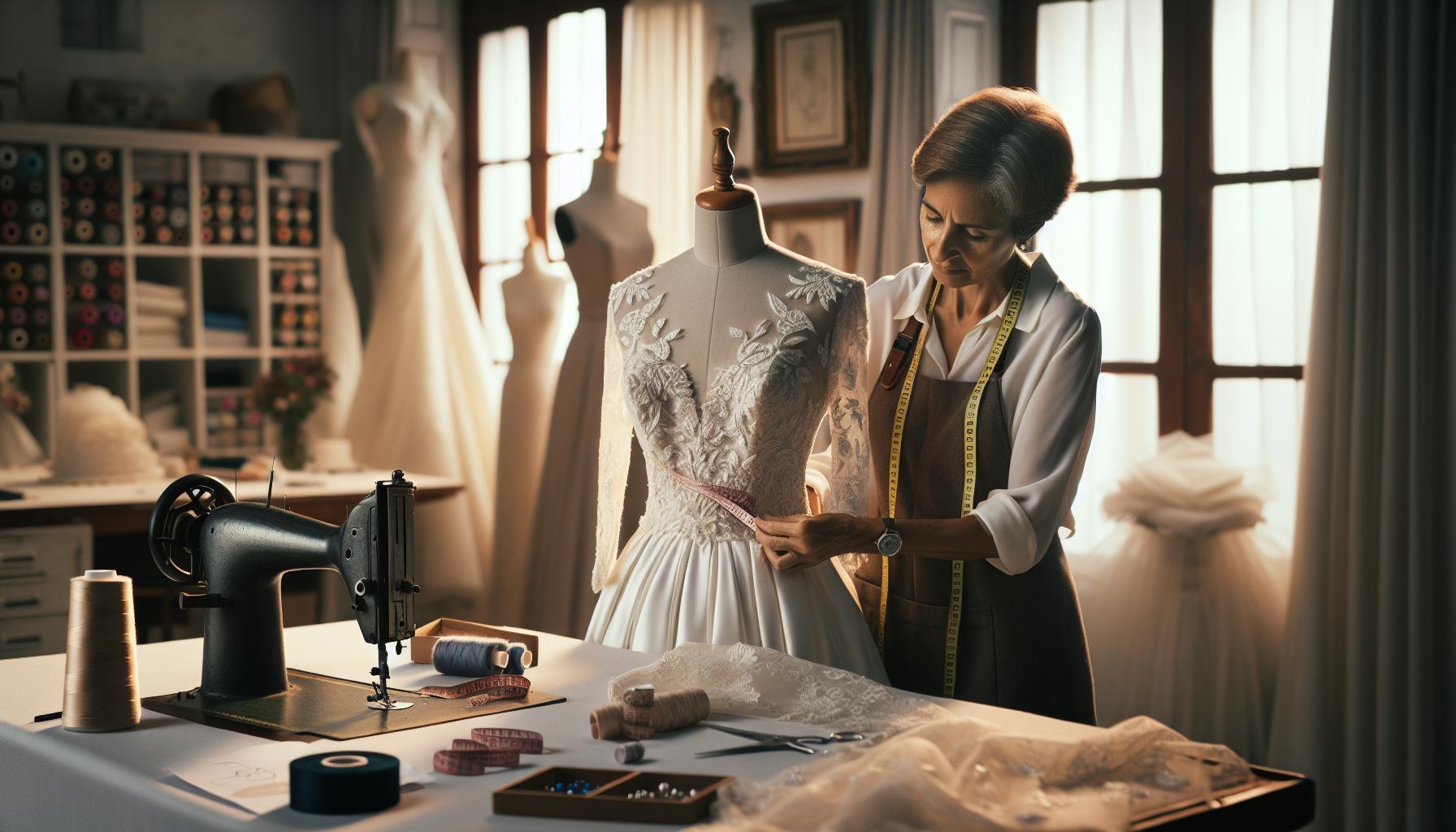
Every bride dreams of stepping down the aisle in a gown that fits her perfectly, radiating beauty and confidence on one of the most magical days of her life. However, achieving that dream look often requires a bit of tailoring to ensure the dress contours flawlessly to the body’s unique shape. Understanding the typical alterations you might need can help set the stage for an uplifting experience rather than a stressful one.
Among the most common adjustments is hem length, which can range from a simple shortening to a more elaborate layer of fabric bustle to accommodate ease of movement during the reception. Many gowns are sold with standard lengths, and customizing this aspect ensures that your dress beautifully frames your shoes and complements your height. Additionally, taking in or letting out seams may be necessary to achieve the ideal fit around the bodice or waistline, especially if your body shape has changed since purchase.
Another popular alteration involves adjusting sleeve length or style, whether it’s transforming off-the-shoulder looks to capped sleeves or vice versa. For brides who choose dresses with train details, adding a bustle is often essential, allowing for a seamless transition from ceremony to dancing without the hassle of tripping over fabric. Additionally, modifications to the neckline, whether deepening or raising, can dramatically change the dress’s overall aesthetic and enhance your personal style.
These alterations not only improve fit but also elevate the dress’s visual appeal and comfort. Engaging with a professional tailor who understands your vision is essential, as a skilled artisan can make your dress not just beautiful but also uniquely yours, ensuring that when you say, “I do,” you feel like the best version of yourself. By preparing ahead and discussing these common adjustments with your tailor, you pave the way for a fitting journey that feels just as joyous as the wedding day itself.
Average Costs of Specific Alterations

When it comes to achieving the perfect fit for your wedding gown, understanding the costs associated with specific alterations is crucial. Brides often find themselves asking, “What can I expect to spend?” Knowing typical price ranges can ease the planning process and help budget effectively, allowing you to focus on the joy of your upcoming nuptials.
Understanding the average costs can give you a clear perspective. Here’s a breakdown of alterations typically needed, along with their average costs:
Average Costs Breakdown
| Alteration Type | Average Cost |
|---|---|
| Hem Length Adjustment | $100 – $300 |
| Taking in or Letting Out Bodice | $75 – $200 |
| Sleeve Modification | $50 – $150 |
| Bustle Addition | $75 – $200 |
| Neckline Adjustment | $50 – $150 |
| Beading or Lace Addition | Varies significantly |
Each dress is unique, and so are its alteration needs. Here are a few examples to illustrate how costs can vary based on the complexity of the work. Shortening a hem might range from a simple cut for a straight gown to a more detailed bustle for a ball gown, which requires additional planning and time. Similarly, adding or adjusting beading or lace detail requires skill and can lead to varied pricing due to the materials and labor involved.
In general, you can expect to budget between $250 and $450 for standard alterations, although more intricate designer gowns may incur higher fees due to intricate designs and embellishments[[1](https://www.sewweddingdress.com/much-wedding-dress-alterations-cost/)]. It’s advisable to consult with your tailor to receive a personalized quote after they assess your gown-this way, you can avoid any surprises on your wedding journey.
Ultimately, investing in quality alterations is a step toward not just ensuring a perfect fit but also making you feel radiant on your special day. Your wedding dress should not only reflect your style but also allow you the freedom to move with grace and confidence.
Additional Fees: What to Watch Out For
When preparing your wedding dress for its big debut, it’s essential to navigate the nuances of alteration costs, especially when it comes to potential additional fees that can arise unexpectedly. As you dive into the exciting world of wedding planning, staying informed about these extra expenses can help you budget more effectively and avoid any financial surprises along the way.
One significant area where extra charges might creep in is during the initial consultation. Some tailors charge a fee for consultations, particularly if you bring them a non-standard or complex dress requiring special attention. Additionally, the cost of materials for alterations can add up quickly. If your tailor needs to source fabric to match your gown, or if you want specific embellishments like lace or beading added, these can significantly increase your overall alteration costs. Ensure you discuss these details upfront to avoid last-minute changes to your budget.
Another point to consider is the timeline of your alterations. Rush fees are common if you’re on a tight schedule, requiring your dress to be completed sooner than standard turnaround times. Always confirm the tailor’s timeline policy and associated costs, as these fees can range from 20% to 50% of the total alteration cost. Furthermore, if you’re planning multiple fittings-which are often necessary for achieving that perfect fit-be prepared that some tailors may charge for each additional fitting after the initial one.
Finally, be mindful of the fine print in any agreement regarding your alterations. Some tailors may have policies regarding no-shows for fittings or last-minute cancellations that can lead to forfeited fees. Clear communication and understanding of these potential additional costs can not only save you money but also smooth the overall process, allowing you to focus on the joy of your upcoming celebration in style!
Choosing the Right Alterations Tailor for You
Finding the perfect alterations tailor can be a transformative experience in your wedding planning journey, elevating your bridal gown from beautiful to breathtaking. Selecting a skilled alterations professional is crucial because they will help you achieve that flawless fit essential for feeling confident and radiant on your special day. Here’s how to navigate this important decision with ease and assurance.
To begin with, consider recommendations from friends, family, or bridal boutiques. Reviews and personal experiences can provide invaluable insight into a tailor’s skills and customer service. Once you have a few names in mind, conduct initial consultations-many tailors offer these for free or a nominal fee. This initial meeting is an opportunity for you to gauge their expertise, ask about their experience with different dress styles, and discuss your vision for your gown. Pay attention to how they communicate; a tailor who listens attentively and values your input is more likely to understand your needs.
When visiting potential tailors, it’s beneficial to bring along photos of your gown and some ideas of the alterations you envision. This approach not only helps the tailor visualize your desired outcome but also enables them to provide a more accurate cost estimate. As you assess their capabilities, don’t hesitate to inquire about their previous work. A professional who can showcase a portfolio of successful alterations will instill confidence in their craftsmanship.
Furthermore, it’s essential to discuss timelines openly. It’s wise to ensure that the tailor can accommodate your schedule without rushing the alterations. Understanding their process for fittings and adjustments is vital. Some tailors may allow multiple fittings as part of their service, while others may charge for each session, so be sure to clarify these details before committing.
In conclusion, choosing the right alterations tailor is about more than just cost; it’s about finding a partner in your wedding journey who will support you in creating the perfect look. Trust your instincts, communicate your desires clearly, and prioritize someone who reflects your style and values. With the right tailor by your side, you can take a deep breath and focus on cherishing the joy of your upcoming celebration, knowing your dress will fit like a dream.
Timing Your Alterations: Scheduling Tips
Timeliness is critical when it comes to wedding dress alterations, as the last thing you want is to feel rushed or stressed about your gown right before your big day. A well-planned alteration schedule allows for multiple fittings and adjustments, ensuring that your dress fits flawlessly. Ideally, alterations should begin at least three months before your wedding date. This timeframe provides ample opportunity for adjustments and a final fitting without the pressure of looming deadlines.
Here are some scheduling tips to keep in mind:
- Book Early: As soon as you have your dress and a tailor in mind, schedule your first fitting. Many skilled seamstresses book clients well in advance, especially during peak wedding seasons.
- Factor in Fittings: Expect to have at least two to three fittings. The first fitting helps the tailor understand the foundational adjustments needed, while subsequent fittings fine-tune the details. Make sure to allow time between fittings for any necessary adjustments.
- Be Mindful of Changes: Body changes are common in the months leading up to the wedding due to stress or lifestyle adjustments. Keep your tailor informed of any significant changes in your size so they can modify their approach if needed.
- Plan for Emergencies: Life is unpredictable! Schedule a buffer week or two in case any unexpected issues arise with your dress, such as needing more involved alterations or delivery delays.
Additionally, communicating openly and honestly with your alterations tailor about your timeline can help. Many tailors are accustomed to working under time constraints and can advise you on the best approach to take, while still achieving your vision for the dress. This collaborative spirit is not only reassuring but vital for a smooth alteration process, allowing you to focus on the joy of wedding planning rather than the logistics of your gown. Remember, a perfectly fitted dress waiting for you adds to the excitement and anticipation of your beautiful day.
DIY Alterations: Pros and Cons
Considering altering your wedding dress by yourself can be an enticing option for many brides-to-be, especially those looking to save on costs or inject a personal touch into their gown. However, embarking on DIY alterations comes with both sweet rewards and potential pitfalls. If you choose to explore this route, be mindful of the balance between creativity and the unique intricacies of bridal wear that can affect your dress’s final look.
Starting with the positives, DIY alterations can be financially beneficial. Professional tailoring can be costly, and taking some matters into your own hands can significantly reduce your overall expenses. Additionally, the process allows you to infuse personal flair, making modifications that speak to your taste and style. Small changes, like adjusting the hemline, creating a personalized bustle, or adding embellishments, can certainly elevate your gown into a reflection of your unique personality.
On the flip side, DIY alterations carry substantial risks. Wedding dresses are often made from delicate fabrics that require specific techniques and tools to ensure an impeccable finish. A misstep, such as cutting too much fabric or improperly sewing seams, can compromise the dress’s structure and overall appearance. Furthermore, if significant alterations are required, the task may be too complex for a novice, leading to unintended damages that could necessitate professional intervention anyway. It is crucial to consider your skill level and the complexity of the alterations needed before diving in.
In terms of planning, allow ample time for your DIY project. Like professional alterations, effective DIY alterations may also require multiple fittings and adjustments, and the last thing you want is to be rushed, risking the gown’s integrity. Gather all necessary tools beforehand, and do not hesitate to seek help from friends or family who may have sewing experience. Above all, remember that your wedding day is about love and celebration, so invest time into ensuring your alterations process is enjoyable rather than stressful. Ultimately, whether you choose to go the DIY route or work with a professional, your wedding dress should make you feel nothing less than radiant on your special day.
Saving Money on Dress Alterations
Finding ways to save money on dress alterations can ease the financial strain of wedding planning, allowing you to allocate funds to other exciting aspects of your celebration. An essential starting point is to understand the scope of alterations you might need. By assessing your dress closely and identifying areas that require adjustment before taking it to a tailor, you can avoid unnecessary costs. Simple fixes, such as adjusting the hem or adding a bustle, may be less expensive than altering complex details like corsets or intricate beading.
Engaging friends or family members with sewing skills can also provide a cost-effective solution. They may be willing to help you with minor alterations, resulting in a beautiful gown customized just for you without the added expenses of professional tailoring. Even if you opt for professional help for the main alterations, utilizing your loved ones’ skills can trim costs significantly. Remember, however, to ensure that those you ask for assistance have experience with garment construction to guarantee a polished finish.
Moreover, shopping smartly can greatly impact the cost of alterations. Choosing a pre-owned wedding dress in need of minor adjustments may save you money upfront and reduce how much you spend on alterations later. Vintage dresses, in particular, often require only small tweaks to make them fit perfectly while exuding charm and character. Don’t forget to compare prices between bridal boutiques and independent seamstresses; independent alterations can sometimes be more affordable while still offering high-quality work.
Finally, if possible, consider bundling services with your alterations. Some bridal boutiques offer packages that include alterations with the purchase of the dress. This can lead to substantial savings compared to paying for alterations separately. Always ask about any promotional rates or discounts, especially if you have multiple pieces needing adjustments. By being resourceful and strategic, you can revel in the excitement of your wedding day while feeling confident in a gown that fits beautifully and comfortably, all without breaking the bank.
Bridal Boutique vs. Independent Seamstress: Cost Comparison
Choosing between a bridal boutique and an independent seamstress for your wedding dress alterations can significantly impact both your budget and the overall outcome of your gown. Bridal boutiques often provide a full-service experience, including the initial purchase of the dress and personalized alterations, which can simplify the process. These establishments typically have in-house seamstresses who are familiar with their specific dress lines, ensuring that the fit is precisely tailored to the gown’s construction. However, this comprehensive service often comes at a premium; alterations at a boutique can range from $100 to $600, depending on the complexity of the changes needed.
On the other hand, independent seamstresses may offer a more budget-friendly alternative. Many independent tailors charge between $50 to $300 for alterations, but the savings shouldn’t be your only consideration. Seeking out a skilled independent seamstress can also lead to unique stylistic recommendations that might not be available at larger boutiques, providing personalized attention and sometimes a more flexible approach to fitting. Just like any industry, the level of expertise can vary widely among independent tailors, so it is crucial to seek recommendations or read reviews to find someone with a proven track record.
When weighing these options, consider not just the costs but also the kind of experience you want. If you crave an intimate, tailored experience and have specific ideas for customization, an independent seamstress could be the right choice. However, if you value the convenience and reassurance of a boutique’s established processes and staff, then a bridal boutique’s alterations may suit you better. It’s advisable to book consultations with both types of services early in the planning process to gather insights on their offerings and get estimates tailored to your specific gown. Ultimately, selecting the right option will enhance your beautiful wedding day, ensuring you can walk down the aisle in a gown that reflects your unique style and fits impeccably.
How to Prepare Your Dress for Alterations
Preparing your dress for alterations is a crucial step in ensuring that you look your absolute best on your wedding day. Taking the time to properly ready your gown can make a world of difference in achieving that perfect fit. Start by ensuring your wedding dress is clean and free from any dirt or stains. This not only helps the tailor to see the fabric better but also preserves the integrity of your gown during the alteration process. Remember, most alterations are typically done on a clean dress, as any blemishes could interfere with the precision of the work.
Next, it’s important to wear the proper undergarments when you bring your dress for fitting. This means the type of bra you plan to wear on the big day, as well as any supportive shapewear. These elements can dramatically affect how the gown will sit on your body. Consider bringing along your chosen accessories, such as a veil or belt, so you can see how they will look together and make any necessary tweaks during the fitting.
Communicating your vision is equally pivotal. Have a clear idea of how you want your dress to fit-whether it’s more fitted in certain areas or perhaps a different length. Don’t hesitate to bring along inspiration images or notes about alterations you desire. The more information you provide, the better your tailor can understand your needs and make informed suggestions. Also, consider addressing any specific concerns you have, such as areas where you feel the dress may need extra attention.
To ensure a smooth alteration process, schedule your appointment well in advance of your wedding day. Ideally, this should be at least 8 to 12 weeks prior, giving ample time for adjustments and any additional fittings. When you arrive for your appointments, be patient and open to feedback from your tailor; their expertise can be invaluable in helping you achieve your dream look. Ultimately, the attention you give to preparing your dress will not only enhance the final result but also deepen your excitement as you approach the walking down the aisle moment.
Real Wedding Stories: Alteration Experiences and Advice
Brides across the globe often find that wedding dress alterations can be both a journey of excitement and a source of anxiety. The experience of altering a beloved gown is uniquely personal and can lead to heartwarming stories of transformation and triumph. Many brides have shared their journey not only to achieve the perfect fit but also to embrace the emotional significance behind their dress.
One bride recounts her experience of purchasing a vintage dress that was two sizes too big. Initially overwhelmed by the thought of drastic alterations, she sought the advice of a seasoned tailor. With patience and skilled hands, the tailor skillfully reshaped the gown, emphasizing her curves while preserving its vintage charm. This transformative journey, which she lovingly describes as a collaborative artistic process, not only left her with a dress that fit like a glove but also fostered a deep connection with the tailor who understood her vision. The sentimental value of the gown grew immensely as it was not merely a dress, but a beautifully tailored piece reflecting her taste and personality.
Another bride shared her experience with an unexpected alteration mishap. On the day of her final fitting, she discovered that her dress had been slightly damaged during transit. With the wedding just a week away, panic set in. Fortunately, her alterations tailor quickly identified a solution that involved layering lace and embellishments, creating a stunning new design. The experience taught her about the importance of open communication and trust with her tailor, turning what could have been a disaster into a dazzling triumph.
Through these stories, many brides emphasize the importance of preparation and clear communication with their tailors. Bringing inspiration images, discussing fit preferences, and being open to the tailor’s suggestions can lead to surprising and delightful results. Embrace the journey of alterations, as it is a vital step towards wearing a dress that not only looks amazing but feels like a true reflection of your love story on one of the most important days of your life.
Remember, every wrinkle and stitch carries its own story, and your dress will reflect the love and care invested in it, making you feel beautiful as you step into a new chapter.
Frequently asked questions
Q: How much should I budget for wedding dress alterations?
A: Budgeting for wedding dress alterations typically ranges from $100 to $600, depending on the complexity and type of changes needed. It’s wise to factor in this cost early in your wedding planning to avoid surprises.
Q: What are the most common types of wedding dress alterations?
A: Common wedding dress alterations include hemming, taking in or letting out the bodice, shortening straps, or adjusting the neckline. Each alteration type varies in cost, so discuss your needs with your tailor to get a precise quote.
Q: Do bridal boutiques charge more for alterations than independent seamstresses?
A: Yes, bridal boutiques often charge more for alterations than independent seamstresses. While boutiques may offer specialized experience, independent seamstresses typically provide more competitive pricing. Compare options for the best balance of quality and cost.
Q: Can I negotiate alteration costs with my tailor?
A: While it’s not common to negotiate costs directly, discussing your budget and expectations with your tailor may lead to options or compromises that work for both parties. Building a good rapport can sometimes result in a more personalized service.
Q: What factors can increase the cost of wedding dress alterations?
A: The cost of wedding dress alterations can increase based on the dress design, fabric type, and specific alterations needed. Intricate designs or heavy fabrics often require more time and expertise, raising overall costs.
Q: How early should I schedule my wedding dress alterations?
A: Schedule your wedding dress alterations at least 2-3 months before your wedding date. This allows ample time for fittings and adjustments without added stress. Early scheduling ensures your dress fits perfectly for your big day.
Q: Are there additional fees I should be aware of when getting alterations?
A: Yes, additional fees can occur for rush alterations, special requests, or fabric customization. Always ask your tailor for a detailed breakdown of potential costs to avoid any surprises.
Q: Is it possible to do DIY wedding dress alterations?
A: DIY wedding dress alterations are possible, but they require sewing skills and the right tools. If you’re not confident, consider hiring a professional to avoid costly mistakes that could affect the fit and look of your gown.
To Wrap It Up
As you embark on your wedding planning adventure, understanding the costs of wedding dress alterations is crucial for ensuring that you look and feel your best on your big day. From a typical range of $250-$450 for standard gowns to potentially higher costs for designer pieces, knowing these factors will help you budget effectively and choose the right alterations for your needs. If you’re still uncertain about what to expect, consider visiting our detailed guides on bridal gown selection and fitting tips to streamline your process.
Don’t leave your dream gown to chance-reach out for a personalized consultation today! Enhance your bridal experience by exploring related content on evening gown alterations and expert tips for choosing the perfect dress. Share your thoughts below, and let us help you navigate every detail of your wedding journey. Your perfect day awaits, so dive deeper into our resource-rich site and get inspired!