When it comes to your wedding dress, the perfect fit is essential for feeling beautiful on your special day. However, many brides face the reality that their dream gown may require alterations-a common concern that can impact overall wedding budgets. Understanding the costs associated with altering your dress is vital for planning a seamless celebration. In this guide, we’ll delve into the various factors that influence alteration prices in 2025, ensuring you have the information you need to make informed decisions. Whether you’re adjusting the hem, taking in the bodice, or adding intricate details, being well-prepared can help you feel confident and satisfied as you prepare to say “I do.” Read on to discover everything you need to know about wedding dress alterations and how to make your gown uniquely yours.
How Wedding Dress Alteration Prices Vary by Location

Selecting the perfect wedding dress is a thrilling journey filled with dreams and plans, but many brides often find themselves navigating the complexities of dress alterations that can vary significantly by location. Understanding regional price differences is essential, as area-specific factors such as local cost of living, demand for dressmakers, and average pricing standards can greatly influence alteration costs. For instance, urban areas with a higher cost of living, like New York City or San Francisco, can charge anywhere from $200 to $600 for comprehensive alterations, while smaller towns may see prices as low as $100 to $300.
Additionally, specific regions may have tailored alterations suited to prevalent styles or fabric demands that further affect pricing. For example, in cities renowned for haute couture fashion, alterations might come with a premium due to the expertise required to work with delicate fabrics or intricate designs. Conversely, in areas where brides favor more straightforward styles, costs may be lower due to reduced complexity in the alterations process.
To give a clearer picture, here’s a snapshot of typical alteration prices across various locations:
| Location | Average Price Range |
|---|---|
| Urban Centers | $200 – $600 |
| Suburban Areas | $150 – $400 |
| Rural Regions | $100 – $300 |
By recognizing these trends and statistics, brides can better budget for their alterations and seek out skilled seamstresses in their locality. Remember, while cost is an important factor, the quality of work and the comfort of the seamstress should also weigh heavily in your decision-making process. Opting for a local expert familiar with wedding dresses not only ensures a perfect fit but enhances the overall excitement leading up to your big day.
Understanding the Types of Wedding Dress Alterations
When embarking on the magical journey toward your wedding day, understanding the various types of dress alterations is essential for ensuring that your gown fits perfectly and flatters your silhouette. Each bride has her unique vision, and alterations allow you to transform a beautiful dress into one that feels tailor-made just for you. Knowing what alterations are available helps you prioritize what adjustments might be necessary to bring your dream dress to life.
One of the most common adjustments is the hemline alteration. Whether your dress needs to be shortened to avoid tripping down the aisle or lengthened for a more dramatic look, a skilled seamstress can make these adjustments seamlessly. There are also fit alterations, which might include taking in or letting out the bodice and waist of the dress to ensure a snug yet comfortable fit. This is particularly important for brides who anticipate weight fluctuations before the big day.
Another aspect to consider is the type of neckline or sleeve adjustments. If you’re dreaming of a strapless look or a more structured sleeve, this can often be accomplished with alterations. A seamstress will evaluate the fabric and construction to ensure that these changes enhance the beauty of your dress. Additionally, intricate details like adding or removing beading or embellishments can transform the overall look, bringing in your personal style while maintaining that bridal elegance.
Lastly, don’t forget about bustling, which is crucial for those flowing train designs. Properly bustling your dress allows you to move freely during the reception, providing elegance without hindering your celebration. By understanding these types of alterations, you can communicate effectively with your seamstress, ensuring a collaborative process that results in a stunning final product-one that reflects your unique style as you walk down the aisle.
Factors Influencing the Cost of Wedding Dress Alterations
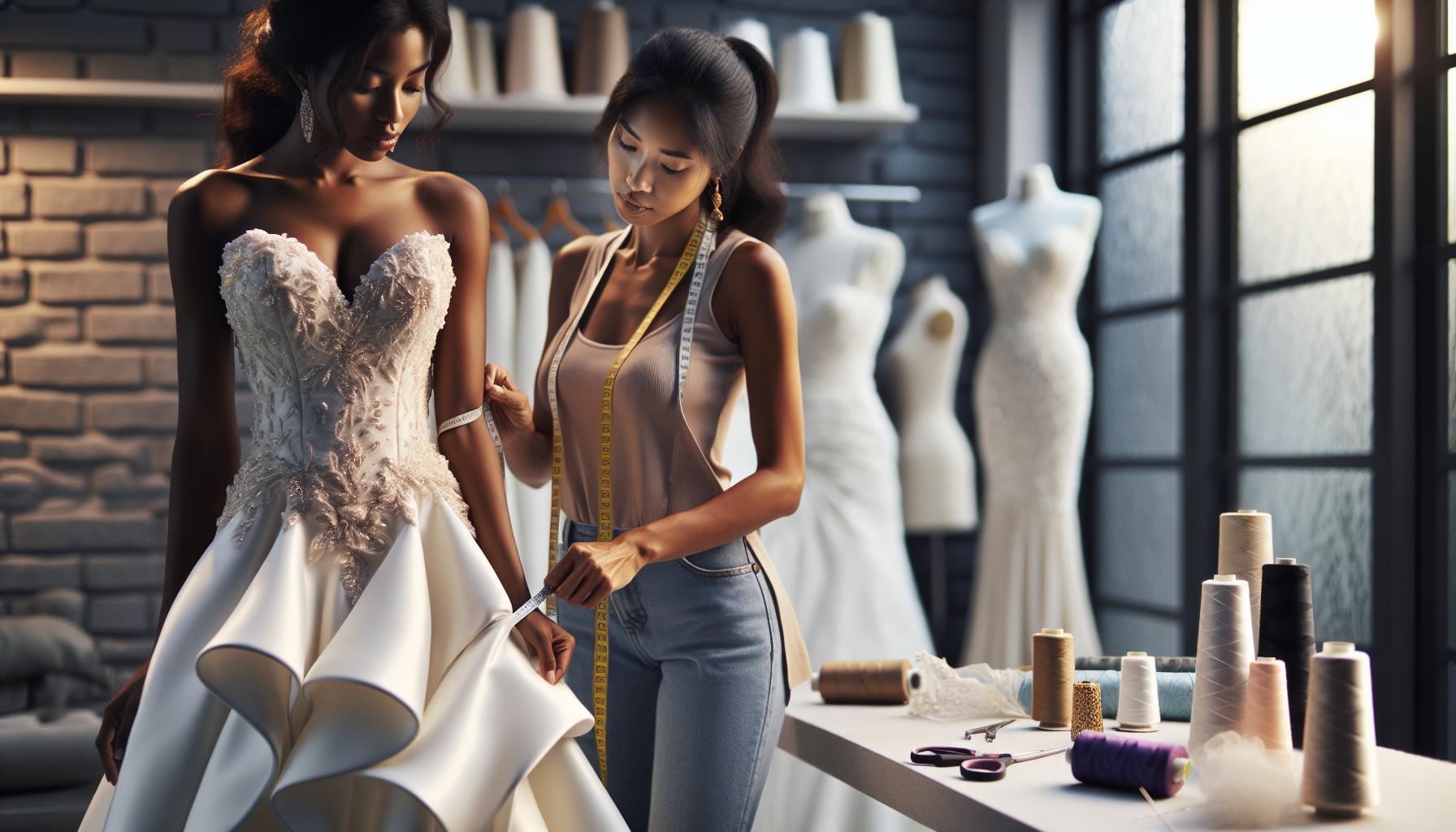
When navigating the enchanting journey of wedding planning, understanding the factors that influence alteration costs can help you set a realistic budget and ensure your dream gown fits perfectly. Alteration prices often vary based on several key considerations, making it essential for brides to know what to expect as they prepare for their special day.
One of the most significant aspects affecting costs is the type of alterations needed. Basic adjustments like hemming or taking in seams are generally more affordable than complex transformations, such as changing a gown’s entire neckline or adding intricate beading. Additionally, the complexity of your dress-from the fabric type to the presence of layered components or embellishments-can have a direct impact on labor costs. For instance, a silk gown with lace layers may require more time and expertise compared to a simpler polyester dress.
Moreover, geographic location plays a crucial role in pricing. In urban areas with higher costs of living, alteration prices might be substantially more than those in more rural settings. Additionally, the expertise of the seamstress can also dictate pricing; renowned tailors with substantial bridal experience often charge a premium for their skills, so considering their portfolio and reviews is vital.
Lastly, don’t overlook the timing of your alterations. Last-minute requests often result in higher fees due to expedited services, so it’s wise to plan your fittings in advance. By understanding these factors, you can communicate effectively with your seamstress and make well-informed decisions that ensure your dress is nothing short of magical on your wedding day.
As you embark on this beautiful journey, remember that every dollar spent on alterations is an investment in making your wedding vision a reality, allowing you to shine with confidence and joy as you celebrate your love.
Average Price Ranges for Common Alterations

As you embark on the magical journey of preparing for your wedding, understanding the costs associated with wedding dress alterations is essential. Altering a wedding dress can transform your gown into the perfect fit, ensuring you feel confident and beautiful on your special day. While it’s crucial to find a skilled seamstress, knowing the average price ranges can help you budget effectively and make informed decisions.
Many alterations come with standard price ranges, which can fluctuate based on geographic location and the expert tailoring involved. Here’s a breakdown of common alterations and their typical costs:
| Type of Alteration | Average Price Range |
|---|---|
| Hemming | $50 – $150 |
| Taking in sides/seams | $40 – $120 |
| Altering the train | $75 – $200 |
| Adding or removing straps | $30 – $100 |
| Adjusting the neckline | $50 – $150 |
| Adding a bustle | $50 – $150 |
| Custom embellishments (like beading) | $100 – $300 |
It’s important to note that these prices may vary depending on the complexity of your gown and the skill level of your seamstress. For example, a simple hem on a straightforward dress will typically cost less than intricate adjustments on a heavily embellished or structured design. As such, if you’re working with a gown made from delicate fabrics like silk or adorned with lace, expect the prices to lean toward the higher end of these ranges due to the increased time and expertise required.
When considering your alteration budget, it’s also wise to account for extra costs that may arise from unexpected adjustments. During fittings, your seamstress may suggest additional changes for comfort or aesthetic reasons that could enhance your overall look. Embracing these suggestions can lead to an even more stunning appearance on your big day, making every penny spent on alterations a worthy investment in your joy and confidence as you walk down the aisle.
How to Budget for Wedding Dress Alterations

As you navigate the blissful journey of wedding planning, budgeting for alterations on your wedding dress is a crucial step that can ensure your gown fits flawlessly. Understanding the costs associated with these modifications can help you embrace any necessary adjustments without the stress of unexpected expenses. A well-prepared budget allows you to focus on the excitement of choosing the perfect dress and can transform your ensemble into a true reflection of your personal style.
To effectively manage your alteration budget, start by estimating the average costs based on common adjustment types. Most bridal alterations fall within a range that could be reasonably accounted for as part of your overall wedding expenditures. Consider the following price ranges for typical alterations:
| Type of Alteration | Average Price Range |
|---|---|
| Hemming | $50 – $150 |
| Taking in sides/seams | $40 – $120 |
| Altering the train | $75 – $200 |
| Adding or removing straps | $30 – $100 |
| Adjusting the neckline | $50 – $150 |
| Adding a bustle | $50 – $150 |
| Custom embellishments (like beading) | $100 – $300 |
It’s also wise to earmark additional funds for potential last-minute adjustments that may arise during fittings. Perhaps your seamstress offers beneficial recommendations that enhance your gown’s style or improve its fit. By leaving some wiggle room in your budget, you can ensure you’re prepared for these valuable enhancements, transforming your gown in ways that make you feel even more radiant on your special day.
Lastly, consider gathering recommendations and reviews for seamstresses in your area to ensure you receive quality work for your investment. A professional with a strong reputation will not only meet your expectations but can also provide insights into the specific alterations your unique dress might require. By integrating these practical considerations, you can approach your wedding preparations with confidence, knowing that every detail – including your dress – is taken care of with love and precision.
Tips for Choosing the Right Bridal Seamstress
Choosing the right bridal seamstress is a pivotal step in ensuring that your wedding dress exudes elegance and fits you perfectly as you walk down the aisle. With so many professionals available, it’s essential to navigate this choice with care and consideration. Start by gathering recommendations from friends, family, or wedding planners who may have insightful experiences to share. Personal referrals can often lead you to talented seamstresses who have already proven their skills and attention to detail.
When interviewing potential seamstresses, view these meetings as a partnership. Communication is key; you should feel comfortable expressing your ideas and concerns. Consider asking about their previous work and requesting to see before-and-after photos of past bridal alterations. A good seamstress should be able to guide you through the types of alterations necessary for your specific dress, highlighting their previous successes with various fabrics and styles.
It’s also beneficial to discuss your budget upfront. Understanding the standard pricing for alterations in your area will equip you to make informed decisions. Seamstresses often have set protocols; ask about their fee structure for different types of adjustments to ensure there are no surprises later on. For instance, average costs for common alterations can range from $50 to $300 depending on the complexity and materials involved.
Lastly, consider logistics such as location, fitting schedules, and turnaround times. A seamstress who is conveniently located can save you time and stress, allowing for more fittings if necessary. Establish a timeline for when you’ll need the alterations completed, and ensure they can accommodate that schedule. By working together openly and collaboratively, you can create the ideal fit for your wedding day, ensuring you feel as radiant as you look. Remember, every detail matters, and with the right seamstress by your side, your dress will be one of the standout features of your unforgettable day.
When to Start Alterations Before the Wedding Day
Starting your wedding dress alterations early is crucial to ensuring a stunning fit on your big day. Typically, you should aim to begin alterations at least two to three months before your wedding. This time frame allows for multiple fittings without the stress of last-minute adjustments, ensuring you feel confident and beautiful in your gown.
When planning your alteration timeline, consider the following key aspects:
- Initial Fitting: Schedule your first fitting as soon as your dress arrives, especially if it was custom ordered. This will help identify major adjustments that need to be made.
- Midway Check: A follow-up fitting about four weeks before the wedding helps catch any issues that may have arisen, allowing the seamstress to fine-tune the fit.
- Final Fitting: Plan for a final fitting approximately one to two weeks ahead of the wedding day. This ensures any last-minute changes can be accommodated.
Flexibility is key; many seamstresses recommend allowing for two to three appointments to achieve the perfect fit. Keep in mind that unexpected changes in body shape, whether from stress or dietary habits leading up to your wedding, may necessitate additional adjustments. Embracing this timeline not only alleviates stress but also allows you to enjoy the experience of seeing your dream dress evolve until it fits you like a glove. The excitement of slipping into your impeccably tailored gown will make all the logistical planning worth it, further enhancing the joy of your wedding day.
Signs Your Dress Needs Professional Alterations
Your wedding dress is not just a garment; it embodies the dreams and aspirations you hold for your special day. However, achieving that perfect fit can sometimes be a delicate process. Knowing when to seek professional alterations can save you from potential wardrobe malfunctions and ensure you look your absolute best as you walk down the aisle.
If you notice any of the following signs, it may be time to consult a skilled bridal seamstress:
- Baggy or Loose Areas: If your dress feels loose around the bust, waist, or hips, it may cause unwanted sliding or discomfort. A professional can expertly take in these areas to create a snug, flattering fit.
- Lifting or Sagging Hem: If the hem of your dress is dragging on the floor or sitting too high above your ankles, it’s crucial to have it adjusted. A dress that dances awkwardly can detract from your overall presence.
- Strap Issues: If your straps are too long, causing the bodice to hang improperly, or too short, leading to discomfort, an alteration can bring harmony back to your silhouette.
- Bunching or Gaping: Look out for any fabrics that bunch up or gaps in the bodice that reveal more of you than intended. These issues can typically signal the need for a lining adjustment or a tailored fix.
In addition to these physical indicators, emotional signs play a role, too. If you feel uncertain or uncomfortable in your dress, trust your instincts. This is a beautiful occasion, and your attire should reflect your personal style while allowing you to feel confident.
Proactive alterations not only ensure comfort but enhance your overall bridal experience. Your wedding day deserves every detail to be enchanting, and finding the right seamstress to address these signs is your first step toward that dream dress fitting like a glove. Celebrate the journey to your wedding day with confidence, knowing that even the most beautiful dresses often benefit from a little expert love and care.
What to Consider for Unique or Custom Dresses
When it comes to unique or custom wedding dresses, the journey to a perfect look is as intricate as the gown itself. Custom designs often reflect personal styles and visions, but achieving that flawless fit can present unique challenges, particularly when it comes to alterations. Understanding these nuances not only helps in navigating the alteration process but also ensures that your one-of-a-kind dress enhances your beauty on your special day.
In special cases, the fabric choice can significantly impact alteration costs. For instance, luxurious fabrics like silk or lace may require more delicate handling and specialized techniques. When discussing adjustments with your seamstress, be sure to communicate your vision clearly. This ensures that they can employ the right methods, whether it’s a gentle hemline adjustment or more complex reshaping of the bodice. A well-versed seamstress in dealing with custom pieces will recognize these subtleties, guiding you through the costs associated with each type of fabric.
Another key consideration is the design features of your dress. Detailed embellishments, intricate sleeves, or unique necklines not only add to the beauty of the garment but can also complicate alterations. For example, if your gown has a heavily beaded bodice, adjusting it may require additional time and skill, which can affect the overall price. Therefore, identifying these elements upfront will prepare you for the potential adjustments and associated costs.
When budgeting for unique or custom dress alterations, it’s prudent to have a clear idea of what modifications may be needed. Keep in mind that more intricate alterations can lead to higher labor costs. Allocate a portion of your budget specifically for these services to avoid any unexpected expenses. By planning ahead and having open discussions with your tailor, you can ensure that your beautiful gown becomes a reflection of your dreams, tailored impeccably for your unforgettable day.
The Impact of Wedding Dress Fabrics on Alteration Costs
Choosing the right fabric for your wedding dress is not just about style; it significantly influences alteration costs as well. Certain fabrics require special techniques when adjusting, which can lead to varying expenses associated with the alteration process. For example, delicate materials like silk or chiffon demand an expert touch because they are more prone to fraying or damage. A seamstress skilled in handling such fabrics will typically charge more, reflecting the level of expertise required.
One of the key factors to consider is how the fabric interacts with the design of the dress. Heavily embellished gowns, whether adorned with intricate lace or sparkling sequins, can present unique challenges during alterations. The time and skill needed to carefully work around these embellishments can increase labor costs significantly. On the other hand, fabrics that are easier to manipulate, such as cotton or poly-blend, may incur lower alteration fees.
The structure of the dress also plays a crucial role. For instance, structured fabrics like taffeta or organza may hold their shape well but can be challenging to alter if the design necessitates taking in seams or changing the silhouette. In contrast, softer fabrics, while easier to manipulate, can require more careful handling to keep their flowing lines intact during adjustments.
When planning for alterations, it’s wise to have a conversation with your bridal seamstress early on. Sharing insights about your fabric choice and the specific adjustments you envision allows them to provide accurate estimates and valuable advice tailored to your gown. By understanding how fabric affects alteration costs, you can budget accordingly and ensure your dream dress fits flawlessly on your special day.
Additional Costs: Accessories and Undergarments
Planning for a wedding is filled with excitement, but as you dive into the details, it’s essential to remember that your stunning gown isn’t the only element that requires careful consideration. Accessories and undergarments are vital components of your bridal ensemble and can significantly influence the overall cost. The right undergarments not only enhance your silhouette but also contribute to the fit and comfort of your dress.
When thinking about additional costs, choose undergarments wisely-consider seamless options or specially designed bridal shapewear, which can range from $50 to over $200 depending on the brand and material. Additionally, don’t forget about accessories like a beautiful veil, ornate hairpieces, or a standout pair of shoes that can elevate your look. These items can come with their own price tags, often ranging from $100 to several hundred dollars, depending on the designer and materials chosen. Each of these elements plays a crucial role in how your dress looks and fits from the moment you put it on to when you walk down the aisle.
It’s also important to account for potential alteration needs for these accessories. For instance, if your chosen shoes are significantly higher than expected, you might need to tweak the length of your gown. Similarly, if you opt for a dramatic veil, adjustments might be necessary to ensure it complements your dress without overshadowing it. Always communicate with your bridal seamstress about these accessories during your fittings, allowing her to adjust and recommend changes that maintain harmony across your entire wedding look.
In short, budgeting for your wedding dress means more than just the dress itself. By considering the costs of undergarments and accessories, you can create a cohesive and stunning bridal ensemble that makes you feel as beautiful as you look, ensuring that you radiate joy and elegance on your special day.
Frequently Overlooked Alteration Expenses
Wedding dress alterations can often surprise brides with additional costs that may not have been initially considered. As the day approaches, it’s vital to be aware of these hidden expenses to ensure your dream gown fits perfectly without breaking the budget. While most brides plan for basic alterations like hem adjustments or taking in seams, there are several overlooked aspects that can significantly impact the overall alteration costs.
One of the most frequently underestimated costs involves the need for a bustle. After the ceremony, brides often want to lift the train of their gown, making it easier to move and dance during the reception. The bustle can require careful planning and additional stitching, which may not have been factored into the initial alteration estimate. Depending on the complexity of the bustle design, this could add anywhere from $50 to several hundred dollars to your overall alteration bill.
Moreover, don’t forget about the intricate details that can add to the cost. If your gown features delicate beading or lace, repairs or adjustments may require specialized techniques or additional materials, which can escalate expenses quickly. Small modifications like adjusting strap lengths or altering neckline shapes are often necessary as well, and these are not always included in the base quote. Each of these elements creates unique challenges and should be discussed thoroughly with your seamstress.
Accessories also play a role in alteration costs that often goes unseen. If your chosen shoes or jewelry require specific adjustments to your gown, or if you’ve added a veil or other adornments, you may need to account for these during your fittings. Maintaining a cohesive look means allowing room for additional adjustments, which your seamstress can help determine during the fitting process.
By recognizing these , you can enter your fittings better prepared and more confident in your budgeting. Remember that clear communication with your bridal seamstress about your vision and any accessories is crucial to ensure your flawless bridal look comes together beautifully on your special day.
FAQ
Q: How much should I expect to pay for wedding dress alterations in 2025?
A: In 2025, the average cost for wedding dress alterations typically ranges from $150 to $600, depending on the complexity of the adjustments needed. For more detailed insights, check the section on average price ranges in your article.
Q: What are the most common wedding dress alterations and their costs?
A: Common alterations include hem adjustments (around $100), bust adjustments ($50-$150), and taking in the sides ($75-$150). Each alteration can vary based on your location and the dress fabric. For a full breakdown, refer to the section on average price ranges in your article.
Q: How can I save money on my wedding dress alterations?
A: To save money, consider scheduling your alterations early to avoid rush fees, and choose a seamstress affiliated with your dress shop, as they often have competitive prices. Additionally, seek recommendations for skilled seamstresses who may offer better rates. Explore budgeting tips in your article for more strategies.
Q: When is the best time to start wedding dress alterations?
A: It’s recommended to start alterations at least 2-3 months before your wedding. This allows ample time for fittings and adjustments without the stress of last-minute changes. For more on timing, see the section on when to start alterations in your article.
Q: What should I avoid when choosing a bridal seamstress?
A: Avoid selecting a seamstress solely based on price; prioritize their experience and reviews. Ensure they have expertise in working with wedding dresses, specifically. For more tips on choosing the right bridal seamstress, reference that section in your article.
Q: How do different wedding dress fabrics impact alteration costs?
A: Fabrics such as silk or lace may require more expertise and time to alter, potentially increasing costs. Heavier fabrics may also affect the alteration price due to their complexity. For more details on fabric considerations, refer to the section in your article discussing fabric impacts.
Q: What happens if my wedding dress doesn’t fit properly?
A: If your dress doesn’t fit properly, it’s crucial to address this with a professional seamstress promptly. They can assess and make necessary alterations to ensure it fits perfectly on your wedding day. See the section on signs your dress needs alterations for further guidance.
Q: Are there additional costs I should expect beyond basic alterations?
A: Yes, anticipate potential extra costs for accessories like veils or undergarments if they require adjustments as well. Be mindful of these overlooked expenses by reviewing that section in your article.
The Conclusion
As you embark on your wedding planning journey, understanding the costs associated with altering your wedding dress is crucial for making informed decisions. Whether you’re tailoring your dream gown to perfection or seeking advice on best practices, remember that investing in alterations can ensure your dress fits beautifully on your special day. Don’t leave it to chance! Explore our guide for common questions on wedding dress alterations and what budgets to expect.
For more insights, check out our detailed articles on evening gown alterations and wedding dress reviews to help you with your planning. We invite you to share your thoughts or experiences in the comments below! Ready to dive deeper? Subscribe to our newsletter for tips and exclusive offers as you prepare for your unforgettable celebration. Your dream wedding is within reach-let’s make it a reality!