Tim Burton’s enchanting masterpiece, “Corpse Bride,” invites viewers into a whimsical world where love transcends life and death. Released in 2005, this stop-motion animated film intertwines romance with dark humor, captivating audiences and critics alike. As we delve into its launch and reception history, we uncover the significance of its unique storytelling and artistic style that resonates with both lovers of fairy tales and fans of gothic artistry. Understanding the film’s journey not only adds depth to your appreciation of this beloved classic but also provides insights into its cultural impact and evolution within the animation genre. Join us as we explore the moments that shaped “Corpse Bride” into a cinematic gem that continues to inspire and intrigue, ensuring it holds a cherished place in the hearts of many.
When Did Corpse Bride Premiere: A Timeline
The unique and enchanting world of Corpse Bride took its first steps into the limelight with its premiere on September 23, 2005, at the prestigious Toronto International Film Festival. This premiering event marked a significant moment for Tim Burton’s vision of combining stop-motion animation with gothic romance. The film came to theaters for a wider audience on October 21, 2005, where it began captivating viewers with its distinct style and poignant narrative.
As the film rolled out across various regions, it quickly gained attention not only for its artistic merit but also for its captivating storytelling. Audiences were drawn into a tale that intertwined love, loss, and a dash of dark humor, all masterfully conveyed through Burton’s signature artistic flair. Building on the traditional themes of a wedding gone awry, the film offered a fresh take on the notions of love and commitment, which resonated strongly with viewers of all ages.
In the weeks and months following its release, Corpse Bride not only made waves in the animation category but also sparked discussions about its artistic techniques and emotional depth. As fans flocked to theaters, early reviews highlighted its stunning visuals and innovative craftsmanship, paving the way for a cult following that continues to celebrate its unique charm to this day.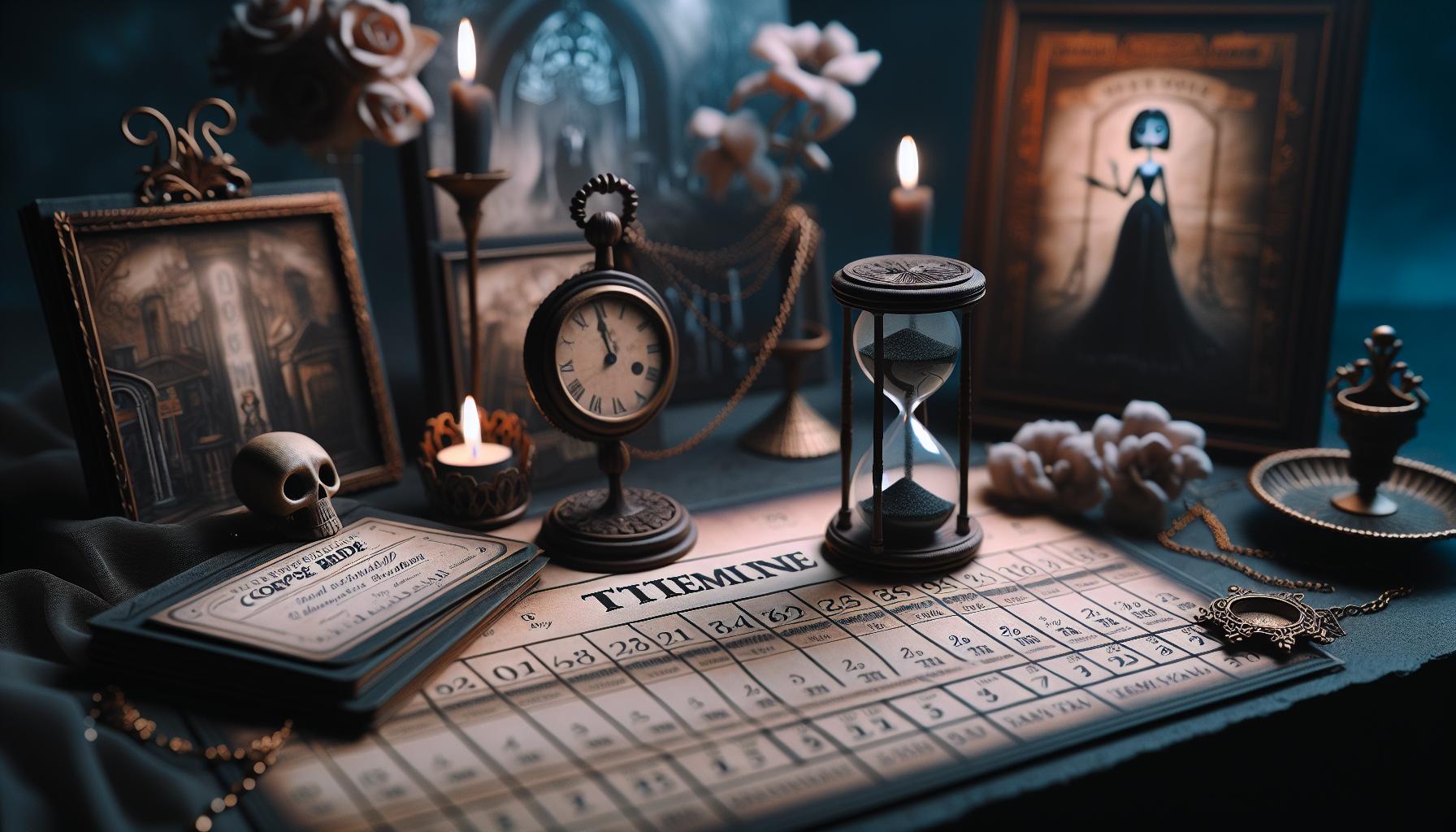
The Cultural Impact of Corpse Bride on Animation
The enchanting world of animation has witnessed numerous transformative moments, but few have left as indelible a mark as Corpse Bride. Released in 2005, this Tim Burton masterpiece not only captivated audiences with its visually stunning stop-motion techniques but also redefined the parameters of animated storytelling. With whimsical yet dark narratives, the film opened the door for animated features to explore deeper, more complex themes, resonating with both children and adults alike.
A notable aspect of its cultural impact is how Corpse Bride blended gothic aesthetics with traditional fairy tale elements. This fusion inspired a wave of animated films that followed, pushing creators to experiment beyond conventional narratives. The film’s adeptness at intertwining themes of love, loss, and redemption has inspired subsequent projects to tackle similar objectives while embracing a broader emotional spectrum. For instance, animated films like Frankenweenie and The Boxtrolls, which feature unique narrative styles and visual artistry, owe part of their inspiration to Burton’s pioneering approach in Corpse Bride.
The film’s legacy also expanded through its influence on merchandise, fan conventions, and even cosplay. Its distinctive characters and memorable scenes have become staples at fan events, showcasing the film’s ability to create a devoted community. Inspired by the film’s memorable imagery and narrative, fans express their affection through artwork, fan fiction, and social media engagement, further embedding Corpse Bride into pop culture.
Lastly, in terms of industry recognition, it highlighted the viability of stop-motion animation in a predominantly CGI-driven landscape. Studios began to take note of this art form’s potential for unique storytelling, encouraging innovative projects and reviving interest in handcrafted animation methods. This ripple effect has allowed animated storytelling to flourish in diverse directions, engaging audiences with art that celebrates both technological advancements and artisanal craftsmanship. As a result, Corpse Bride has not only solidified its place in animation history but has also inspired creators to continue pushing the boundaries of the genre.
Critical Reception: How Did Corpse Bride Perform?
The release of Corpse Bride in 2005 marked a significant entry in the realm of animated films, celebrated for its unique aesthetic and poignant storytelling. Tim Burton’s distinct vision resonated with audiences, as the film combined gothic charm with deeper themes such as love, loss, and redemption. Critics and filmgoers alike appreciated the film’s artistry, particularly the stunning stop-motion animation that Burton is known for. The film opened to positive reviews, receiving an array of accolades for its visual style and emotional depth.
Upon its premiere, Corpse Bride garnered an impressive 84% approval rating on Rotten Tomatoes, indicating strong enthusiasm from both critics and audiences. Many praised the film’s imaginative storytelling, with notable mentions of its characters, particularly the titular corpse bride Emily, voiced by Helena Bonham Carter. Critics highlighted the film’s ability to blend light-hearted romance with darker elements effectively, creating a narrative that engaged viewers on multiple levels. The film was often described as a whimsical yet haunting exploration of love and longing, enriching the animated genre with its narrative complexity.
In terms of awards, the film was recognized in multiple categories, including an Academy Award nomination for Best Animated Feature. It also claimed a number of other honors in various film circles, keeping the spotlight on its artistic achievements. The critical acclaim and audience appreciation reflected not only the film’s quality but also its influence on future animated films, prompting a resurgence of interest in stop-motion projects in the years that followed.
Overall, Corpse Bride performed admirably in the film market and resonated deeply within popular culture. Its combination of a rich narrative, stunning visuals, and thematic depth solidified its place as a beloved classic, thus affecting how animation could be perceived and made in Hollywood, ensuring its legacy would inspire creators for years to come.
Box Office Success: Financial Performance Analysis
The journey of *Corpse Bride* at the box office is a testament to the film’s unique appeal and the enduring power of Tim Burton’s signature style. Upon its release on September 23, 2005, the film opened with a strong performance, grossing approximately $19 million in its debut weekend, a solid start for a stop-motion animated feature. This initial success highlighted not only the interest in Burton’s work but also the growing acceptance of unconventional animated films among mainstream audiences.
By the end of its theatrical run, *Corpse Bride* had earned over $118 million worldwide, which was a remarkable achievement given its production budget of $40 million. The financial performance was further buoyed by positive word-of-mouth and the film’s unique blend of romance and gothic themes, which resonated with diverse audiences. The film’s compelling visuals and storytelling captivated viewers, leading to sustained box office interest well beyond its opening weekend.
Factors Influencing Box Office Performance
Several factors contributed to *Corpse Bride*’s financial success:
- Tim Burton’s Fanbase: Burton’s established following played a significant role. Fans eagerly anticipated his take on the animated format, leading to a built-in audience keen to see the film upon release.
- Innovative Animation Techniques: The film showcased impressive stop-motion animation, distinguishing it from traditional animation styles and attracting viewers interested in its artistic approach.
- Strategic Marketing: The promotional campaign cleverly highlighted the film’s unique aesthetic and storyline, generating buzz through visually striking trailers and merchandise that resonated with both children and adults.
- Critical Acclaim: Positive reviews elevated the film’s profile and encouraged viewers to see it in theaters, as critics praised its visual artistry and emotional depth.
The combination of these elements not only solidified *Corpse Bride* as a box office success but also laid the groundwork for a resurgence of interest in stop-motion animation, influencing future projects in the genre and reinforcing the viability of unique storytelling in animated films. The film’s financial achievement reflects its broader cultural impact, ensuring that *Corpse Bride* remains a beloved classic in the canon of animated cinema.
Behind the Scenes: The Making of Corpse Bride
The creation of Corpse Bride was a masterclass in stop-motion animation, reflecting Tim Burton’s distinctive gothic style infused with whimsical charm. This enchanting film was born from a combination of passion, creativity, and innovative techniques, setting a new standard for animated storytelling. Inspired by a Russian folktale, Burton’s vision was realized through the meticulous craftsmanship of a dedicated team that took several years to bring the film to life.
Production began in 2003 and was heavily influenced by Burton’s earlier work on The Nightmare Before Christmas. The animation process was painstakingly detailed, involving the construction of over 200 puppets, each requiring intricate designs and movements. The animators employed a technique known as “replacement animation,” where each facial expression and gesture of the puppets was created using various interchangeable parts, allowing for precise and expressive motion. Remarkably, every minute of film took approximately a week to animate, showcasing the dedication and artistry of the team involved.
The shimmering visuals, combined with Danny Elfman’s hauntingly beautiful score, enveloped the audience in the film’s unique world, straddling the line between the live-action and animated realms. The art design drew inspiration from 19th-century European styles, enhancing the film’s gothic aesthetic while remaining accessible to viewers of all ages. Moreover, the seamless integration of light and shadow added depth and intrigue, further showcasing Burton’s mastery of visual storytelling.
In addition to the artistic contributions, the voice talent played a vital role in bringing the characters to life. With Johnny Depp lending his voice to Victor and Helena Bonham Carter portraying the titular Corpse Bride, the performances added layers of emotion and complexity to the narrative. This collaborative effort not only resulted in a visually stunning piece but also created a profound connection with audiences, allowing them to experience love, loss, and the afterlife in a manner that was both unique and deeply relatable. Ultimately, Corpse Bride stands as a testament to the power of creative storytelling, forever etched into the legacy of animated cinema.
Character Analysis: Compelling Figures in Corpse Bride
In the spellbinding world of Corpse Bride, each character is meticulously crafted, offering viewers an engaging exploration of love, longing, and the complexities of choice. At the heart of this gothic tale is Victor Van Dort, a nervous and earnest young man, whose journey reflects the struggle between societal expectations and personal desires. Voiced by Johnny Depp, Victor embodies the archetypal groom torn between two worlds: his obligations in the living realm and his unexpected bond with the mysterious Emily, the Corpse Bride. His transformation throughout the narrative showcases how true love can flourish even in the darkest of circumstances.
Emily, portrayed by Helena Bonham Carter, is a compelling figure who captures the audience’s hearts with her tragic backstory and whimsical charm. As the titular character, she is not merely a spectral bride but a representation of the unfulfilled desires and the yearning for acceptance in a world that marginalized her. Emily’s ethereal grace juxtaposed with her tragic past presents a poignant commentary on the nature of love and loss. Her character’s journey helps to emphasize important themes of self-discovery and redemption, as she seeks solace and understanding amid her haunting circumstances.
The supporting characters also play vital roles in enriching the narrative tapestry. For instance, the scheming and self-serving Lord Barkis, who attempts to exploit Emily’s past, introduces conflict that propels the storyline forward. His character is a deliberate contrast to Victor’s genuine affection, highlighting the different motivations that can drive human interactions-love versus exploitation. Similarly, the interactions between Victor and the lively, yet unassuming, Victoria Everglot, his intended bride from the living world, add layers of complexity, showcasing the nuances of love-both idealized and real.
As viewers navigate their way through this beautifully animated tale, they encounter characters who are not just figures in a story but reflections of larger themes about the human experience-highlighting the inevitable intersections of life and death, love and loss. The profound character dynamics invite audiences to reflect on their relationships, choices, and the legacies that shape their lives. The engaging character arcs in Corpse Bride are a testament to Tim Burton’s skill in crafting narratives that resonate beyond the screen, leaving a lasting impact on anyone who dares to dream of love, even amidst the shadows.
Themes Explored: Love, Loss, and Legacy in Corpse Bride
In the hauntingly enchanting world of *Corpse Bride*, love manifests in its most unconventional forms, illustrating how deep emotions can transcend even the boundaries of death. Tim Burton’s masterpiece intricately explores the intertwining themes of love, loss, and legacy, captivating audiences with its gothic charm. Central to this narrative is the poignant relationship between Victor Van Dort and Emily, the Corpse Bride. Through their connection, the film suggests that love is not merely the pursuit of romance within the constraints of the living world but a complex journey that includes loss, sacrifice, and acceptance. Their bond emphasizes that genuine affection can flourish even amidst the shadows of heartbreak, transforming sorrow into a legacy that resonates with the living.
The theme of loss is poignantly portrayed through Emily’s character, a bride abandoned by love in life yet seeking solace in the afterlife. Her tragic backstory serves as a reflection of unfulfilled dreams and the yearning for belonging, offering a profound commentary on the effects of loss-how it can mark us, yet also propel us toward self-discovery. As Emily navigates her relationship with Victor, her narrative becomes one of redemption, suggesting that through recognizing and addressing our pain, we can forge meaningful legacies. The film artfully demonstrates that loss is not just an end but a catalyst for growth and transformation, inviting viewers to embrace their own experiences of love and grief.
As couples embark on their wedding journeys, the themes of love, loss, and legacy echo in their planning processes. Just like Victor and Emily, engaged couples are often faced with navigating emotional landscapes, where expectations and reality converge. Drawing inspiration from *Corpse Bride*, couples can find solace in knowing that even amidst challenges, their unique love stories will shape their individual legacies. Here are practical reminders for couples as they plan their celebrations:
- Embrace the Journey: Acknowledge that planning a wedding is not just about the event itself but a shared experience that deepens your bond.
- Honor Memories: Consider incorporating personal touches that honor loved ones or memories alike, making the day reflective of your journey together.
- Stay True to Yourselves: Just as Victor and Emily stay genuine to their feelings, ensure your wedding reflects your values and shared vision.
- Celebrate Every Moment: Recognize that each aspect of planning-from selecting invitations to choosing the venue-is part of your legacy together.
In this way, *Corpse Bride* leaves a lasting influence, reminding us that love, in all its forms, not only dictates our choices but also enriches our legacies, encouraging couples to craft heartfelt celebrations steeped in authenticity and connection.
Comparative Analysis: Corpse Bride vs. Similar Films
The enchanting world of *Corpse Bride*, with its unique blend of love and death, invites comparisons to other films that explore similar themes. Tim Burton’s darkly whimsical animation stands out amongst other gothic romantic narratives, firmly establishing a visual and emotional aesthetic that resonates deeply with audiences. For instance, *The Nightmare Before Christmas*, another Burton classic, shares a distinct visual style and musical integration while delving into the complexities of love and acceptance. Both films feature characters who navigate the boundaries between the living and the dead, yet *Corpse Bride* emphasizes emotional depth through its poignant exploration of regret and redemption.
Contrasting with more conventional romantic animations like *Enchanted*, which follows a fairy tale princess thrust into the real world, *Corpse Bride* maintains a richly layered narrative that melds humor with haunting melancholy. While *Enchanted* provides a light-hearted view of romance and happiness, celebrating modern love’s whimsical moments, *Corpse Bride* dives into the complexities of love entwined with loss, showcasing characters like Victor and Emily who confront their grief and mistakes. In this sense, *Corpse Bride* serves as a reminder that true love often requires an understanding of sorrow and sacrifice, offering a more nuanced approach to romantic storytelling.
Character Depth and Development
Examining character complexity reveals how *Corpse Bride* excels over more surface-level narratives. Emily, for instance, is not merely a ghost seeking vengeance but a tragic figure whose backstory elicits sympathy and understanding. In contrast, films like *Hotel Transylvania*, while amusing, often stick to comedic archetypes without delving into the emotional realities of their characters. This depth allows viewers to resonate more profoundly with Emily’s journey, turning her sorrow into a catalyst for connection and understanding.
In terms of aesthetics, *Corpse Bride*’s stop-motion animation offers a distinct innovation that sets it apart from CGI-heavy films like *Frozen*. The tangible artistry in *Corpse Bride* enhances its gothic charm, engaging viewers in a world that feels both enchanting and eerie. This stylistic choice not only enriches the visual experience but also underscores the film’s thematic focus on love that transcends even death, inviting couples to reflect on their own connections amid the chaos and beauty of wedding planning.
As couples consider their wedding journeys, they might find parallels in these films’ exploration of love. Engaging with the depth of narrative in *Corpse Bride* could inspire them to reflect on their authentic love stories. Whether planning a whimsical-themed wedding akin to *The Nightmare Before Christmas* or incorporating elements of gothic beauty as seen in *Corpse Bride*, couples are encouraged to embrace the richness of their unique journeys. By weaving personal narratives and shared experiences into their celebrations, they can create a wedding atmosphere that resonates with authenticity and connection, mirroring the heartfelt themes so beautifully depicted in these animated masterpieces.
Fan Reactions: Community and Fandom Response
The reaction from fans and the broader community to Corpse Bride has been nothing short of passionate and deeply engaged. Following its release in 2005, the film resonated with audiences who were captivated by its unique aesthetic and poignant storytelling. As viewers across various platforms expressed their admiration, social media became a vibrant space for fan art, cosplay, and discussion surrounding the characters and themes. The haunting visuals combined with a richly emotional narrative empowered fans to explore their own experiences with love and loss, creating a personal connection to the film.
Engaging with the film’s themes of romance and melancholy, many fans found Corpse Bride to be a source of inspiration in their wedding planning. Couples have embraced the gothic elements of the film, incorporating its ethereal aesthetics into their celebrations. From themed decorations to choosing wedding attire that reflects the striking visual style of Emily and Victor, fans have taken to crafting their special day with a touch of Burton-esque charm. The whimsical, yet poignant motifs of love intertwined with loss invite couples to consider their own stories, making it more than just a cinematic experience, but a foundational influence on their journey of commitment.
In addition to aesthetic inspiration, the film’s character arcs have sparked insightful discussions within the fandom. Characters like Emily are celebrated not just as figures of gothic beauty but as representations of complex emotional journeys. The community often engages in conversations about personal growth and the lessons learned through sorrow, reflecting a shared appreciation for the film’s deeper messages. These dialogues have birthed a multitude of online forums and dedicated fan pages, serving as platforms for sharing stories, fan theories, and interpretations of the themes present in Corpse Bride.
Ultimately, the enduring impact of Corpse Bride on fans illustrates how deeply a film can resonate beyond its runtime. The community’s response underscores a celebration of love in all its forms, reminding us that every wedding journey can be uniquely beautiful, reflective of individual stories filled with challenges, triumphs, and profound emotions. By drawing inspiration from such narratives, couples are encouraged to embrace the authenticity of their love, making their special day a true reflection of their shared journey, much like the heartfelt themes woven throughout Tim Burton’s enchanting creation.
Legacy of Corpse Bride: Lasting Influence in Film
The enchanting tales of love and loss woven into Tim Burton’s Corpse Bride have left a radiant mark on the cinematic landscape since its release in 2005. This stop-motion masterpiece not only captivated audiences with its distinctive visual style and hauntingly beautiful score but also carved a niche that continues to influence the animation genre and wedding aesthetics. The film’s unique blend of gothic charm and emotional depth resonates with viewers, creating a legacy characterized by its innovative storytelling and artistic execution.
One of the most noteworthy influences of Corpse Bride is its impact on wedding culture. Couples worldwide have embraced the film’s ethereal motifs, incorporating elements of gothic romance into their celebrations. From color palettes inspired by Emily’s striking blue hues to intricate invitations that echo the film’s whimsical illustrations, the film has sparked a surge of creativity among bridal parties. Many have chosen to pay homage to the film by designing themed weddings-transforming venues into enchanting realms reminiscent of the film’s surreal world. This trend elevates Corpse Bride beyond mere entertainment, positioning it as a cultural touchstone for couples looking to infuse their events with unique personality and sentimentality.
Moreover, the film’s exploration of complex emotions surrounding identity, love, and loss has instigated crucial discussions in both animation and broader cinematic narratives. Character arcs, such as that of Emily, showcase a profound understanding of human emotions, leading to nuanced portrayals of relationships that resonate with enthusiasm from diverse audiences. This depth encourages modern filmmakers to delve into more complex, often darker themes, ultimately shaping narratives that are rich in substance and universality.
The influence of Corpse Bride is not only visible in aesthetics and themes but also evident in the way it inspires burgeoning animators and storytellers. As a hallmark of stop-motion animation, the film demonstrates the artistry involved in creating emotive characters and immersive worlds, fueling the next generation of animators to experiment with similar techniques. In both its artistic merit and cultural relevance, Corpse Bride stands as a testament to the power of storytelling, leaving an indelible footprint on film history and wedding inspirations alike. As couples continue to celebrate their love stories, the essence of Corpse Bride lives on, encouraging creative expression and heartfelt celebrations of love.
Creating the Soundtrack: Music in Corpse Bride
The music in *Corpse Bride*, masterfully composed by Danny Elfman, elevates the film’s gothic romance and whimsical tones, leaving a lasting impact on both audiences and the cinematic landscape. Elfman’s enchanting score and poignant songs breathe life into the emotional core of the story, marrying visual artistry with sound in a way that mirrors the film’s central themes of love, loss, and yearning. The soundtrack not only propels the narrative forward but also enhances the character arcs, particularly that of Emily, whose tragic beauty is perfectly captured through song.
Each musical number in *Corpse Bride* carries its own weight. The opening song, “According to Plan,” introduces Victor and sets the stage for the complex love triangle that follows. Songs like “Roses of the Dead” illustrate Emily’s haunting past and deep desires, infusing her character with depth and relatability. Such emotional resonance in the tracks invites couples planning their own weddings to consider incorporating similar themes into their celebrations. Music from the film could serve as a poignant backdrop or inspiration for ceremonies, blending together elements of tradition with the enchantment of gothic romance.
To create a wedding soundtrack that echoes the magic of *Corpse Bride*, couples might explore the following tips:
- Mix Classic and Modern: Consider integrating classic love songs with modern interpretations or themed arrangements that reflect your personalities.
- Include Personal Favorites: Identify music that resonates with your journey as a couple; perhaps a song that played during your first date or has particular significance.
- Suggestions for Ceremony Music: Choose instrumental pieces, such as pieces from Elfman’s score, to maintain an elegant atmosphere while conveying emotion.
- Fun Reception Soundtrack: Select upbeat tracks to keep the energy alive during the reception; you might even include “What’s This?” for a playful nod to the film’s magical undertones.
Embrace the spirit of *Corpse Bride* as you craft a unique soundtrack that not only complements your wedding day but also celebrates your love story. Whether you choose to echo the film’s eerie beauty or draw upon its rich thematic tapestry, let the music guide you in weaving a narrative that resonates with both joy and depth, making your celebration one that echoes long after the final note fades.
Awards and Nominations: Recognition in the Industry
Tim Burton’s Corpse Bride not only captivated audiences with its unique visual style and hauntingly beautiful storytelling but also garnered significant recognition within the industry, earning several awards and nominations. Upon its release in 2005, the film’s artistic merit was immediately praised, leading it to be nominated for the Academy Award for Best Animated Feature. This nomination was a testament to its innovative stop-motion animation techniques, which are signature to Burton’s style, and rivaled the most successful animated films of the time.
In addition to the Oscar nod, Corpse Bride received accolades from various film critic circles and festivals. It won the Best Animated Feature award from the San Diego Film Critics Society and was recognized at the Golden Globes. Such recognition highlights how the film resonated with both audiences and critics, ultimately establishing its place in cinematic history as a landmark achievement in animation.
Beyond the awards, Corpse Bride‘s influence on subsequent animation films cannot be overstated. Its gothic aesthetic and emotional depth inspired a new wave of filmmakers to explore themes of love and loss through animation. The film’s unique blend of darkly whimsical storytelling and stunning visual appeal has cemented it as a beloved classic, often revisited in discussions about the evolution of animated films. As you navigate your wedding planning, consider drawing inspiration from such artistic masterpieces. Much like how Corpse Bride beautifully intertwines music and narrative, you can weave personal stories and cherished tunes into the fabric of your special day, creating a celebration as unforgettable as the film itself.
Q&A
Q: When was “Corpse Bride” officially released?
A: “Corpse Bride” was officially released in theaters on September 23, 2005. This stop-motion animated film was directed by Tim Burton and has since gained a cult following due to its unique visual style and storytelling.
Q: What was the reception of “Corpse Bride” at its premiere?
A: “Corpse Bride” received a positive reception at its premiere, praised for its animation, direction, and music. Critics highlighted its dark yet whimsical tone, aligning with Tim Burton’s aesthetic. Many audiences appreciated its emotional depth and artistic creativity.
Q: How did “Corpse Bride” perform at the box office?
A: “Corpse Bride” performed well at the box office, grossing approximately $118 million worldwide against a budget of $30 million. Its success demonstrated the viability of animated films that embrace darker themes, contributing to the resurgence of stop-motion animation.
Q: What awards did “Corpse Bride” receive after its release?
A: “Corpse Bride” received several awards and nominations, including an Academy Award nomination for Best Animated Feature. It was celebrated at various film festivals for its animation craftsmanship and received recognition for its score by composer Danny Elfman.
Q: What impact did “Corpse Bride” have on animation?
A: “Corpse Bride” significantly influenced animation by showcasing the potential of stop-motion storytelling. Its distinct style and narrative themes have inspired other filmmakers and contributed to a revival of interest in artistic animation techniques within the industry.
Q: Are there notable fan reactions to “Corpse Bride”?
A: Fans have expressed a strong emotional connection to “Corpse Bride,” often citing its unique blend of romance and dark humor. Many appreciate the film’s aesthetic and music, leading to a vibrant community of art, fan fiction, and discussions surrounding its themes.
Q: How does “Corpse Bride” compare to Tim Burton’s other works?
A: “Corpse Bride” shares thematic and stylistic elements with other Tim Burton films, such as “The Nightmare Before Christmas.” Both films explore love, loss, and identity through a gothic lens, featuring visual trademarks reflective of Burton’s distinctive storytelling techniques.
Q: What themes are prevalent in “Corpse Bride”?
A: Key themes in “Corpse Bride” include love, loss, and the struggle for acceptance. The film explores the complexities of relationships and the journey of finding one’s identity, offering a poignant commentary on the nature of love and connection, even beyond death.
In Summary
As we wrap up our exploration of “When Was Corpse Bride Released: Film Launch & Reception History,” it’s clear that this animated classic has left an indelible mark on the hearts of audiences worldwide since its release. If you’re passionate about Tim Burton’s unique storytelling and artistry, make sure to check out our articles on the filmmaking process behind Corpse Bride and the evolution of stop-motion animation.
Want to dive deeper into the enchanting world of animated films? Subscribe to our newsletter for the latest insights and updates! Whether you’re a longtime fan or new to Burton’s whimsical universe, there’s always more to discover-let your curiosity lead the way. Have thoughts or favorites from the film you’d like to share? We invite you to leave a comment below and join the conversation. Your journey into the magic of cinema is just beginning!