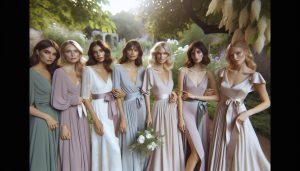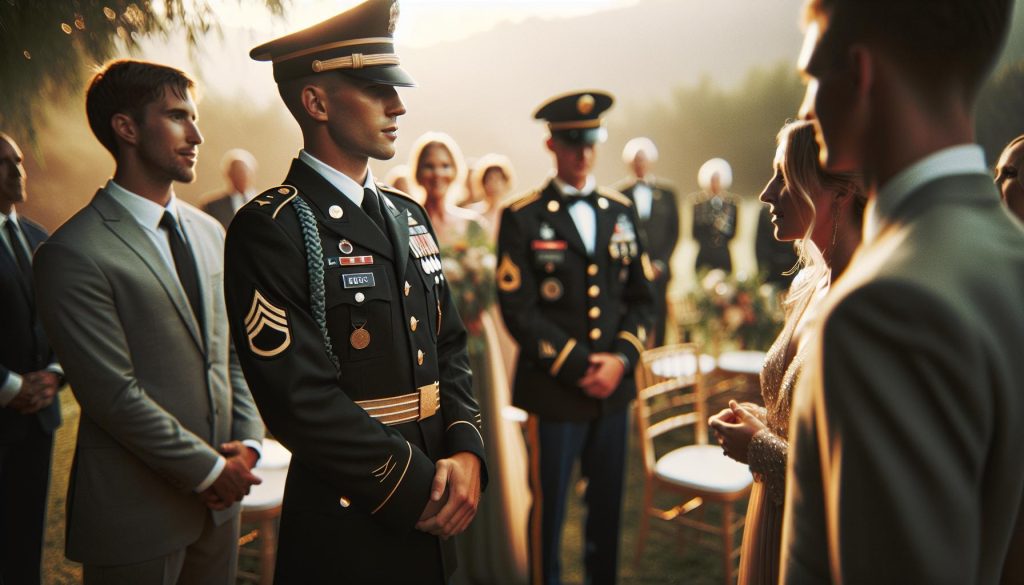
When it comes to weddings, the attire you choose can hold significant meaning and tradition, especially for those in military service. Army dress uniforms not only symbolize honor and commitment but also add a unique flair to the wedding celebration. Understanding the protocols surrounding their use is essential, as it helps ensure that you respect both military traditions and the couple’s vision for their big day. Whether you’re the groom, a member of the wedding party, or a guest, knowing when and how to wear your uniform can enhance the event’s significance. Dive into this guide as we explore the nuances of wearing army dress uniforms to weddings, including etiquette, timing, and personal touches that make the attire delightful yet respectful.
Considerations for Wearing Army Dress Uniforms at Weddings
Wearing an Army dress uniform to a wedding is a powerful symbol of honor and commitment, weaving together the threads of military tradition and love. The sight of a soldier in full uniform can evoke admiration and respect from all attendees, creating a memorable visual impact on the special day. However, there are several important considerations that couples and military personnel should keep in mind to ensure that this honor is conveyed appropriately and aligns with the wedding joy.
First, understanding the type of uniform required for the occasion is essential. The Army offers different dress uniforms, such as the Army Service Uniform (ASU) and the Evening Dress Uniform, each serving a distinct purpose. While the ASU is appropriate for daytime weddings, the Evening Dress Uniform, which resembles a tuxedo, is suited for formal evening ceremonies. It’s crucial to clarify dress codes beforehand to avoid any confusion or breaches of tradition.
Moreover, couples should consider the overall theme and formality of their wedding. Integrating military elements into the ceremony can enhance the significance of wearing a uniform. For example, if the wedding features military traditions-like a sword arch during the recessional-having service members in uniform adds an authentic touch that honors their service. Couples should also remember to communicate their wishes regarding attire in their invitations, ensuring guests understand and respect the military customs involved.
In terms of guest interaction, it’s essential to approach the presence of military attire with respect and awareness of the roles they play. When active-duty military personnel or veterans are part of the wedding party, recognizing their status and contributions enhances the celebration’s spirit. Simple gestures, such as an acknowledgment during speeches or a salute during formal toasts, can elevate the military presence and reinforce the significance of their service amidst the wedding festivities. Overall, wearing an Army dress uniform at a wedding can create a beautiful amalgamation of love and pride, resonating deeply with all present.
Understanding Military Dress Codes and Their Significance
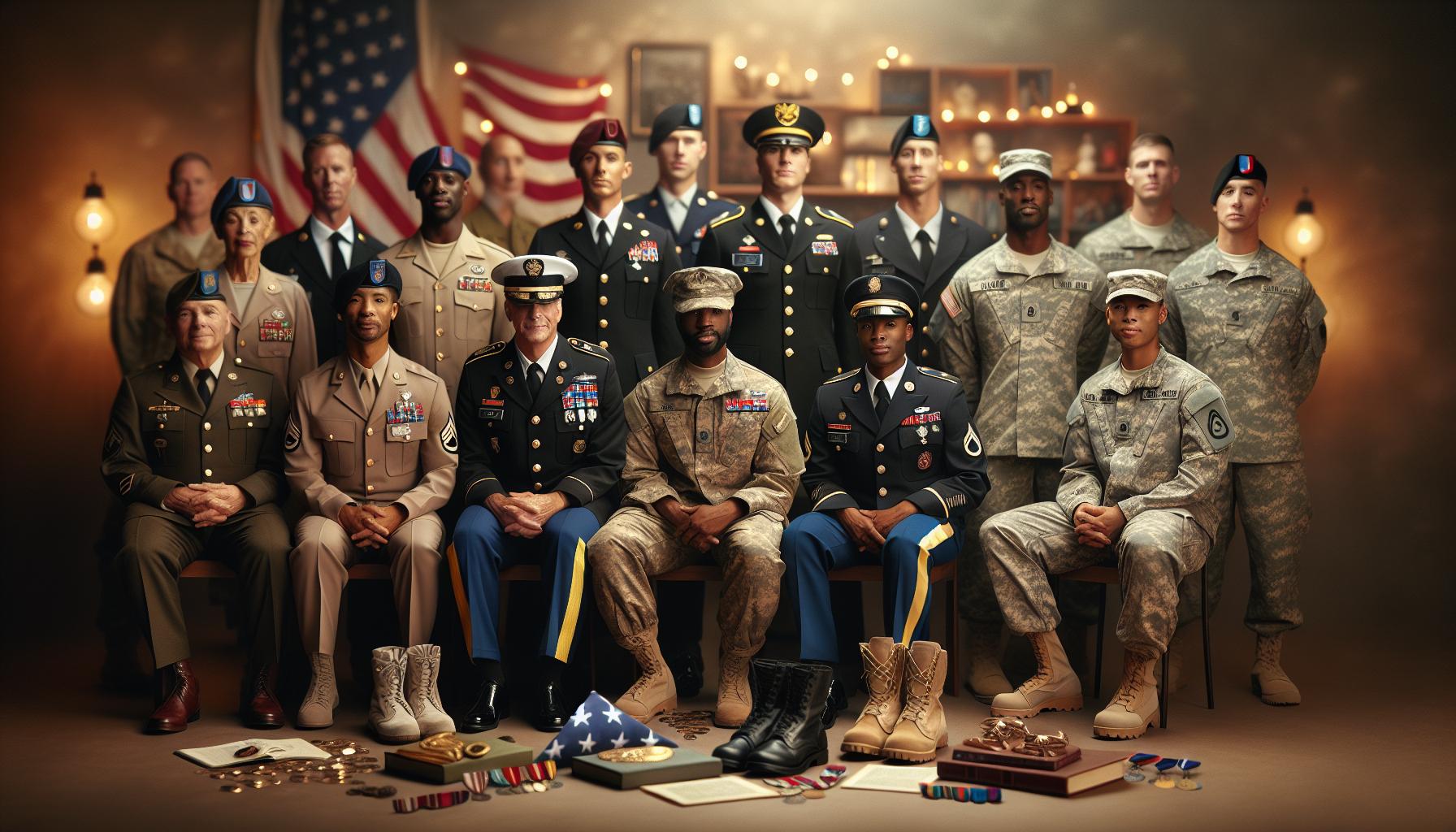
The elegance and distinction of wearing an Army dress uniform at a wedding not only elevate the ceremony but also represent a deep-rooted connection to military traditions and values. Understanding military dress codes is essential for couples planning to incorporate this honorable attire into their celebration. Each uniform serves a specific purpose, making it vital to choose the right one to match the tone and formality of the wedding. The Army Service Uniform (ASU) is a common choice for daytime events, while the Evening Dress Uniform, reminiscent of a tuxedo, is more appropriate for formal evening ceremonies.
It’s not just about looking sharp; the significance of these uniforms reflects the dedication and service of active-duty personnel and veterans. The colors, insignia, and even the arrangement of medals tell a story of commitment and sacrifice. Therefore, when considering military attire, couples should aim to respect these traditions by ensuring all participants are aware of the appropriate dress codes and the meanings behind them. Clear communication on invitations about the dress code can help guests appreciate the significance and maintain decorum.
Incorporating military elements into wedding rituals, such as a sword arch or military-themed décor, can deepen the overall experience, weaving together love and honor in a unique way. For instance, a couple might opt for a traditional military send-off, where married service members create a pathway for the newlyweds, forever linking their journey with the legacy of service. By thoughtfully selecting how and when to include military uniforms, couples can craft a celebration that resonates with both their personal love story and the broader values of camaraderie and commitment that the military represents.
When Is It Appropriate to Wear Military Uniforms?
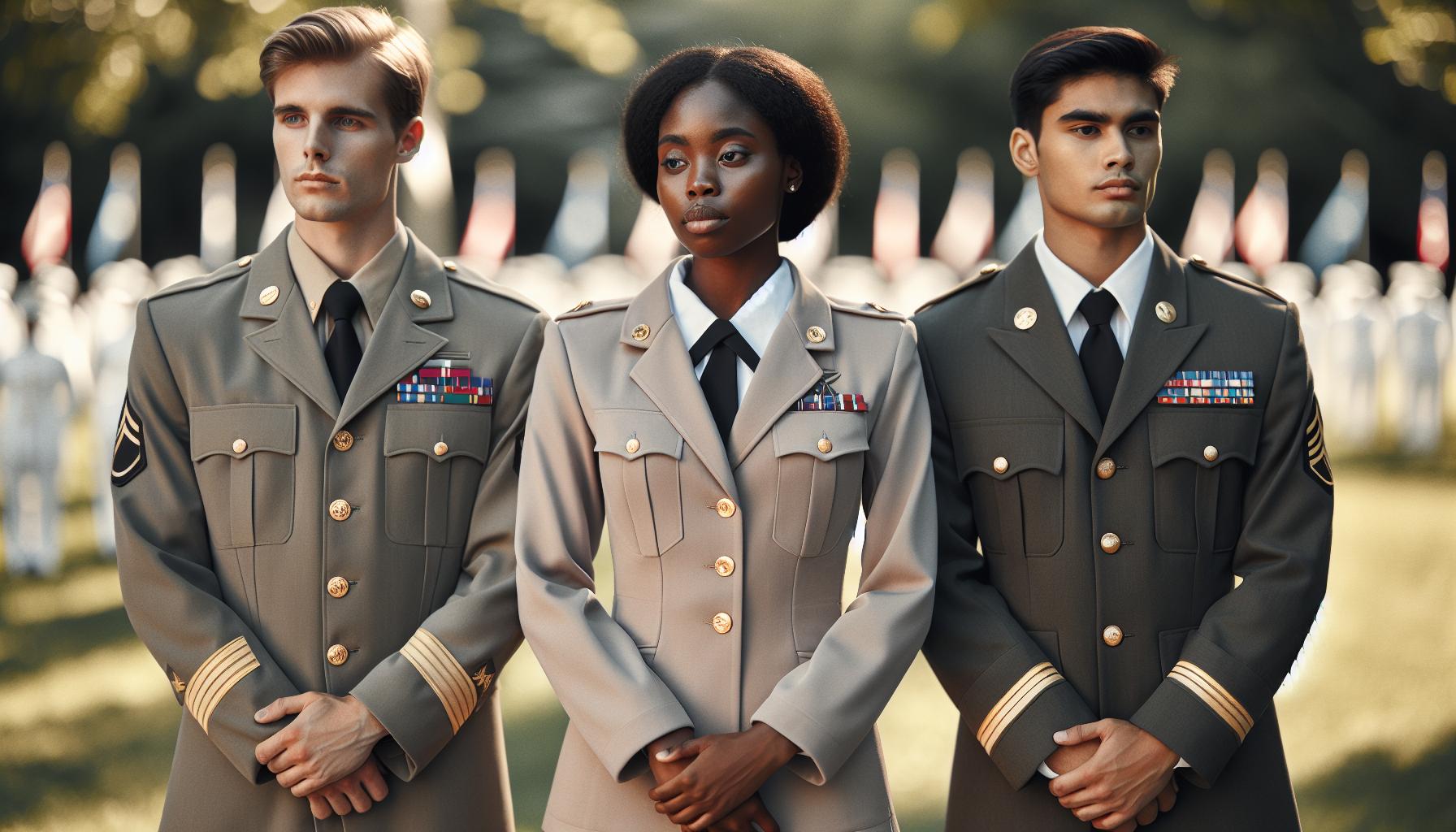
Wearing a military uniform at a wedding is not just about looking splendid; it symbolizes honor, commitment, and tradition, making it a heartfelt choice for both the wearer and the couple. Understanding when it is appropriate to don an Army dress uniform involves considering several factors, including the couple’s wishes, the formality of the event, and the type of military service of the individuals involved. While weddings are generally joyous occasions, they are also steeped in various customs and protocols that respect the military’s legacy.
For weddings where one or both partners are active-duty or retired military personnel, it’s typically appropriate to wear a military uniform. This can take many forms depending on the event’s setting. For formal ceremonies, such as those held in churches or upscale venues, the Evening Dress Uniform is a fitting choice, exuding elegance in a way akin to traditional evening wear. Conversely, the Army Service Uniform (ASU) works well for daytime or less formal gatherings. When in doubt, aligning the uniform choice with the couple’s preferred dress code is vital; a quick chat with them can clarify expectations.
In addition to the couple’s preferences, the nature of the wedding itself plays a significant role. If the event includes elements such as a sword arch or other military traditions, actively involving service members in uniform would further enhance the ceremony’s connection to military heritage. For civilian weddings, it is still respectful and encouraged to invite service personnel to wear their uniforms, honoring their service while celebrating love. Encourage clear communication regarding the dress code on invitations, as this helps set the tone for the event and honors the military tradition appropriately.
Ultimately, integrating Army dress uniforms into wedding celebrations not only showcases the beauty of tradition but also interlaces profound respect for both the institution of marriage and military service. By thoughtfully considering these factors, couples can create a meaningful experience that reflects their values and honors their journey together.
Cultural and Regional Variations in Uniform Usage
Cultural influences and regional customs play a significant role in how military uniforms are perceived and utilized during weddings. The decision to wear an Army dress uniform can vary significantly based on local traditions, cultural significance, and the personal values of the couple involved. For instance, in communities with a strong military presence, it’s commonplace for military personnel to don their dress uniforms at weddings not only to honor their service but also to exemplify the spirit of unity and commitment associated with marriage.
In many Southern states, where military traditions are deeply rooted, weddings often feature elaborate ceremonies that reflect both civilian and military customs. Here, a uniform may not only be a personal choice but also a representation of local pride and heritage, particularly during formal events where traditional elements such as a saber arch are integrated. Conversely, in more urban settings, the approach may be less formalized. Couples might opt for a subtle acknowledgment of military service rather than full ceremonial gear, reflecting the contemporary blending of cultures and a more personalized interpretation of their celebration.
Regional Dress Variations
Different regions also have diverse practices concerning uniform selection at weddings. In places like California and New York, where military presence is widespread but service members may also come from diverse backgrounds, the choosing of a uniform may incorporate unique styles that resonate with both military etiquette and local cultures. In these settings, the couple may encourage service members to wear their uniforms, ensuring that attire aligns harmoniously with the overall wedding theme.
- Southern Weddings: Often feature military traditions heavily incorporated, including full dress uniforms for all service members involved.
- Urban Celebrations: May lean towards a more informal approach, where wearing a uniform is a personal choice rather than a strict protocol.
- Multicultural Weddings: Can blend military and cultural attire, allowing for a creative expression of identity.
Ultimately, couples planning to celebrate their union alongside military traditions should consider how regional customs may influence their decisions. Engaging with those familiar with local practices can provide valuable insight, ensuring that both military and cultural elements are honored appropriately. By bridging these traditions, couples can create a wedding that truly reflects their unique journey, embodying respect for both their love and the legacies of their service.
Guest Etiquette: How to Respect Military Traditions
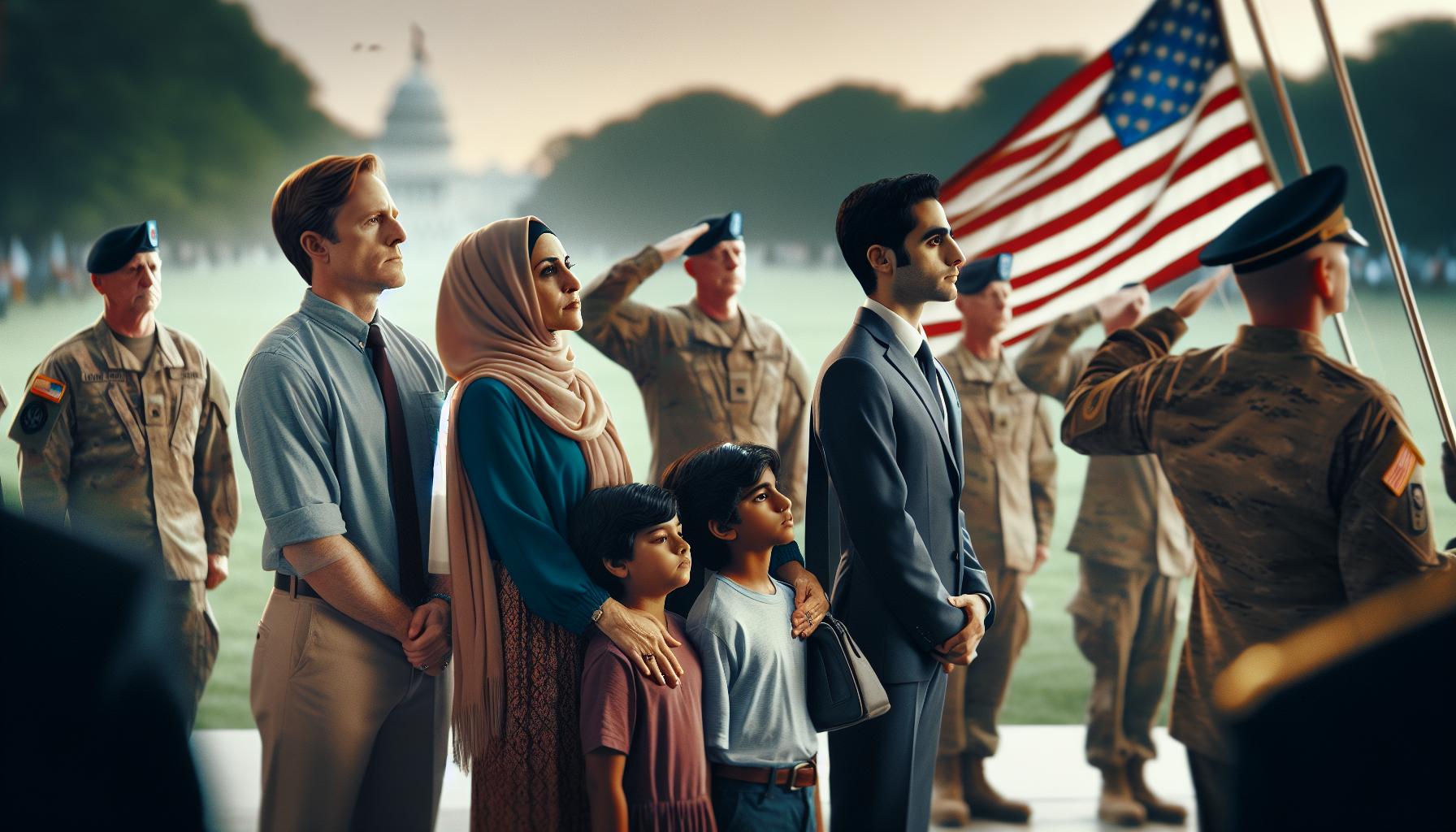
When attending a wedding where military traditions are highlighted, understanding proper guest etiquette becomes paramount. Embracing the solemnity and honor associated with military service not only pays respect to the marrying couple but also fosters unity among all attendees. Guests are encouraged to familiarize themselves with any specific traditions highlighted in the wedding invitation or discussed with the couple, ensuring their participation aligns with both military protocols and the couple’s vision for their special day.
Dressing appropriately is one of the most immediate ways guests can show respect for military traditions. For those invited to a wedding featuring military attire, it’s helpful to adhere to the theme, which may include wearing formal or semi-formal outfits in subdued or patriotic color palettes. For women, elegant dresses or skirts that respect the occasion’s decorum are advisable, while men can opt for dark suits or dress uniforms if applicable. This conscious effort to dress in harmony with military customs helps create a cohesive atmosphere and honors the couple’s dedication to service.
Moreover, the presence of active-duty military members may introduce unique elements to the ceremony, such as a saber arch or music from military bands. Guests should be ready to participate in these traditions respectfully. For instance, knowing when to stand during special announcements or transitions and understanding the significance of specific rituals can enhance the overall experience. Additionally, attentive behavior, such as refraining from inappropriate conversation during solemn moments, shows honorability toward those serving in the military.
Lastly, acknowledging the significance of military service through thoughtful gestures can elevate the atmosphere of celebration. Some guests might consider personalized gifts that reflect the couple’s military background or contributing to a nonprofit that supports veterans in their name. Taking these considerations into account assures that all attendees are not just honoring the couple but also the values of resilience, commitment, and love that tie both military and marital unions together. This sensitivity toward military traditions within the wedding space creates not only a memorable event but cultivates a true sense of camaraderie among guests, well-wishing the couple in their new journey together.
Choosing the Right Type of Army Dress Uniform
When it comes time to don that distinguished Army dress uniform for a wedding, choices reflect a blend of tradition, personal style, and the formal nature of the event. Selecting the perfect uniform not only showcases respect for military traditions but also enhances the pageantry of the celebration. Bear in mind that each uniform may come with its own set of guidelines regarding wear and occasion, so familiarity with these can be paramount.
The Army dress uniform consists primarily of two main types: the Army Blue Service Uniform and the Army Dress Uniform (or mess uniform). The Army Blue Service Uniform is characterized by its tailored blazer, blue trousers, badges, and a necktie, projecting a polished and formal look that suits most wedding ceremonies. This uniform is versatile enough to be worn during day or evening weddings, allowing personnel to step into the spotlight with pride and formality. Conversely, the Army Dress Uniform often features more elaborate detailing and is typically reserved for evening events, especially when the invitation suggests formal attire.
When selecting the right type of uniform, consider the following factors:
- Time of Day: Morning weddings might be best complemented by the Army Blue Service Uniform, while evening events lend themselves to the more sophisticated look of the mess uniform.
- Venue Duration: Outdoor weddings or more casual receptions may call for the service uniform, ensuring comfort during both the ceremony and subsequent festivities.
- Dress Code Specifics: Always check the invitation for any explicit dress code; some weddings might specify a formal or black-tie dress code, guiding your uniform choice accordingly.
- Your Role: Consider if you are part of the wedding party or a ceremonial participant. Those with specific duties might be required to wear the full dress uniform to align with military decorum.
It’s essential to maintain the uniform in immaculate condition, adhering to grooming standards, including polished shoes and neatly arranged insignia. By thoughtfully selecting the appropriate type of Army dress uniform, military personnel not only honor their commitment to service but also celebrate the love that unites the couple, infusing the wedding with a spirit of honor and camaraderie.
Common Misunderstandings About Military Uniforms at Events
Weddings are a time of joy and celebration, often bringing with them a mix of traditions and expectations, especially when military uniforms are involved. One common misunderstanding is the perception that any military uniform is appropriate for all types of ceremonies. In reality, the selection of uniform should always take into account the specific event, time of day, and dress code outlined in the invitation. For example, while the Army Blue Service Uniform may be ideal for daytime or semi-formal weddings, the more ornate Army Dress Uniform is better suited for formal evening events. Understanding this distinction can help avoid any missteps that might detract from the dignity of the occasion.
Another myth surrounding military uniforms is the idea that they should only be worn by those actively serving. In fact, veterans and retired service members may also don their dress uniforms to honor the occasion. This serves not only as a testament to their service but also adds an extra layer of significance to the celebration, allowing all members of the military family to participate in the day’s festivities. It’s important for couples to communicate with their guests regarding the appropriate dress code for military attendees, ensuring everyone understands what’s expected of them.
Additionally, there’s often confusion about the significance of medals and insignias when wearing uniforms to weddings. Some individuals may believe that all decorative elements are optional, but in reality, these insignias convey important aspects of military service and should be proudly displayed according to regulations. Understanding proper insignia etiquette not only honors one’s service but also reflects well on the couple hosting the wedding.
Lastly, it’s crucial to recognize that wedding attire is a reflection of the couple’s style and cultural background. Integrating military elements into the wedding theme should be done thoughtfully, respecting both the military traditions and the couple’s vision. Including military customs, such as a formal salute during the ceremony, can provide a unique and memorable touch that honors service while celebrating love-creating a heartfelt event that resonates with all in attendance.
Engaging with these nuances fosters an atmosphere of respect and joy at weddings where military uniforms play a key role, bridging traditions with personal expression and community spirit.
Memorable Ways to Incorporate Military Themes into Weddings
Weddings provide a unique opportunity to blend personal love stories with cherished traditions, and incorporating military themes can add a profound sense of honor and sentimentality to the celebration. Whether you’re an active-duty service member, a veteran, or simply a couple looking to infuse military tradition into your special day, there are numerous heartfelt ways to do so.
One of the most striking ways to incorporate military themes is through the wedding attire. Consider featuring a *sword arch* during the ceremony or having members of the wedding party don their military dress uniforms. This not only creates a visually stunning entrance but also serves as a tribute to the couple’s military roots. You could also opt for *military-style bouquets*, incorporating elements like fabric from uniforms or symbolic charms that represent your military service, grounding your floral arrangements in personal significance.
The venue plays a crucial role as well. Choose decor that nods to military life, such as table centerpieces adorned with medals, insignias, and other military memorabilia. Incorporate the colors of the military branch being honored into your color scheme, ensuring it feels cohesive and meaningful. For a more casual approach, consider using army camouflage patterns in subtle ways, such as in the *wedding cake design* or invitation stationery.
Unique Ceremony Elements
Integrating meaningful rituals can amplify the military theme throughout the ceremony. Including a *moment of silence for fallen comrades* or a special reading that highlights service and sacrifice can be both emotional and powerful. If both partners have served, consider performing a *military handfasting*, where you symbolically tie your lives together using military cords, demonstrating a commitment not only to each other but to your shared values and experiences.
Another unforgettable touch is to involve the wedding guests in honoring your service with a *military toast*. Encourage attendees to raise glasses in salute, sharing sentiments regarding sacrifice, love, and community. You might also incorporate a *flag display*, correctly showcasing your branch’s flag prominently at the venue, or even a *presentation of colors* can evoke a proud atmosphere.
By thoughtfully weaving military themes into your wedding, you create not only a memorable occasion but also a heartfelt tribute to love, commitment, and service. Engage in this beautiful blending of personal expression and tradition, allowing your unique story to shine against the backdrop of military valor and spirit.
Tips for Couples Inviting Active-Duty Military Guests
Celebrating a union that embodies love, commitment, and sacrifice can be particularly meaningful when active-duty military guests are part of the ceremony. When inviting these esteemed individuals, it’s important to respect their unique lifestyle, which can often include unpredictable schedules and obligations. Understanding their perspective can help you craft an invitation that’s not only heartfelt but also practical.
Be sure to communicate clearly about the date and time of your wedding well in advance. Many service members may have duty commitments that could affect their availability, so offering as much notice as possible will enhance their chances of attending. Including RSVP details early on can also assist in managing your guest list effectively, as military personnel often require time to coordinate travel and leave requests.
Accommodating Military Etiquette is another crucial aspect. It’s a lovely gesture to acknowledge their service contextually in your wedding program. You might even consider requesting that guests wear their dress uniforms if they are comfortable doing so, as this can add a special touch to the celebration. Additionally, recognize any protocol they might be subject to regarding travel and availability, and be flexible with your arrangements to accommodate these factors.
If you wish to include any military traditions or elements in your ceremony, consider asking for their input. They may have valuable insights or suggestions that could enhance the service and make it even more special. Engaging your military guests not only shows respect but also builds camaraderie, honoring their contributions to your special day. With thoughtful planning and consideration, you can create a wedding atmosphere that celebrates love, unity, and the spirit of service.
Wedding Party Roles: Including Military Members Properly
Including military members in your wedding party not only adds a sense of honor to the ceremony but also creates a unique dynamic that celebrates both love and service. When planning your wedding, it’s essential to approach the roles of military guests with sensitivity and respect. This can ensure that they feel valued and appreciated while maintaining the integrity of their service.
When designating roles for military members in your wedding party, be mindful of the appropriate dress uniforms they should wear. The Army Dress Blues, for instance, may be suitable for formal ceremonies, while the Army Green Service Uniform could be more appropriate for less formal occasions. By consulting with them about their uniform options, you can facilitate a coordinated look that enhances the overall aesthetic of your wedding.
Furthermore, consider traditional military customs when assigning responsibilities. For example, if you have service members among your groomsmen or bridesmaids, they may be accustomed to specific protocol, such as saluting or marching. These elements can be woven into your ceremony to honor their background. It’s also thoughtful to have a designated point person for military guests to ensure they understand their roles and can participate fully without confusion or added stress.
Incorporating military traditions into your wedding can be a beautiful tribute, crafting moments that resonate with both your love story and the commitment of your military guests. Whether it’s a special march down the aisle, a sword arch, or even an honoring of fallen comrades during your vows, these traditions can add depth to your celebration. By recognizing and valuing the contributions of military friends and family, you’ll create a wedding atmosphere that is not just a celebration of your union, but also a heartfelt acknowledgment of service and sacrifice.
Navigating Dress Codes for Military and Civilian Attendees
When planning a wedding that includes military guests, understanding the intricacies of dress codes for both military and civilian attendees can elevate the entire affair. Military uniforms carry significant meaning, representing honor, dedication, and service. Acknowledging this importance while ensuring that all guests feel comfortable and appropriately dressed is key to creating a balanced atmosphere of celebration and respect.
It’s essential to first specify the dress code in your invitations. Clearly stating whether the event is formal or semi-formal allows all guests to make informed choices regarding their attire. For military members, traditional uniforms such as the Army Dress Blues or the Class A uniform should be encouraged for formal events. Conversely, if the ceremony leans toward a more relaxed vibe, the Army Green Service Uniform may suffice. Engaging in discussions with your military guests beforehand can ensure they choose the uniform that best fits the occasion.
For civilian attendees, it’s important to create a harmonious look that complements the military presence. Suggesting a color palette can help unify the overall aesthetic of the wedding party. Including instructions about appropriate attire can guide guests to select outfits that are respectful yet stylish-dressy cocktail attire or formal evening wear are typically safe choices. Additionally, reminding everyone to avoid wearing bright colors or flashy accessories can help maintain the dignity of the military uniforms on display.
Navigating the dynamic between military and civilian attire also opens opportunities for shared experiences. Consider hosting a pre-wedding gathering where military customs can be explained to civilian guests. This not only fosters understanding but also enhances the wedding’s overall enjoyment by ensuring everyone feels included and knowledgeable about the traditions represented at the celebration. Remember, each attire choice, from the wedding couple to the military guests, contributes to a beautiful tapestry of love, service, and shared joy.
Honor and Protocol: Saluting Traditions in Weddings
When military personnel attend weddings, the ceremony often transforms into a moment steeped in honor and tradition, exemplified by the customs of saluting. For those who wear uniforms, these rituals are not just formalities; they are a recognition of discipline, respect, and the commitment to service. As couples plan their ceremonies, understanding when and how saluting should occur is essential to honoring both military traditions and the joyous spirit of the occasion.
Typically, saluting is reserved for specific moments during the wedding, most notably during the arrival and departure of the couple or military officials. For instance, as the newlyweds make their entrance or exit, service members in attendance may stand at attention and salute, paying tribute to the significance of the event. This beautiful gesture reinforces the values of respect and love shared on such a momentous day. It is crucial for couples to communicate these moments clearly to both military and civilian guests so that everyone can participate in the tradition meaningfully.
Furthermore, civilians attending military weddings can show their respect by observing these saluting protocols without interruption. By maintaining a quiet decorum during these moments-standing respectfully or taking a moment of silence-they honor the traditions present without overshadowing the couple’s celebration. Couples might consider including brief reminders of these customs in their wedding programs, providing context for less familiar guests.
Creating an atmosphere where military and civilian cultures blend seamlessly can enhance the overall wedding experience, fostering connections and shared respect among all attendees. When the shooter tradition is appropriately incorporated, it symbolizes not just military protocol, but the love and honor that underpins the union being celebrated, capturing the essence of both military service and the essence of love.
Faq
Q: Can you wear an army dress uniform to a civilian wedding?
A: Yes, you can wear an army dress uniform to a civilian wedding, especially if you are actively serving or representing the military. It is a sign of respect and honor; however, ensure that the couple is comfortable with military attire being part of their special day.
Q: What is the proper protocol for wearing a military uniform at a wedding?
A: The proper protocol includes wearing the uniform correctly, adhering to regulations specific to your branch, and ensuring you follow any specific dress code set by the couple. It’s also respectful to seek their permission beforehand, particularly regarding how military attire fits into their wedding theme.
Q: Are there any restrictions for military personnel wearing their uniforms at social events?
A: Military personnel generally must adhere to the Uniform Code of Military Justice (UCMJ) when wearing uniforms at social events. It’s essential to ensure that the occasion is appropriate and does not conflict with service policies regarding public appearances.
Q: What type of army dress uniform is appropriate for a wedding?
A: The appropriate army dress uniform for a wedding typically includes the Army Service Uniform (ASU) or the Class A uniform. Ensure that all medals and insignia are worn correctly, reflecting your rank and service while maintaining a neat appearance.
Q: How should military guests respect wedding etiquette?
A: Military guests should ensure their attire aligns with the wedding’s dress code, be punctual, and adhere to any ceremonial traditions, such as saluting or standing at specific times. It’s polite to inform the couple about your military involvement and any specific traditions you plan to observe.
Q: Is it common for military members to wear uniforms at weddings?
A: Yes, it’s common for military members to wear uniforms at weddings, particularly if they are part of the wedding party or have been given a special invitation. This gesture is a way to honor military traditions and can enhance the wedding’s overall atmosphere.
Q: Can family members of military personnel wear uniforms to weddings?
A: Family members of military personnel typically do not wear military uniforms unless they are serving members themselves. However, they can honor military traditions by incorporating symbolic gestures or attire that recognizes their loved one’s service.
Q: Should you coordinate with the couple before wearing military attire at their wedding?
A: Yes, coordinating with the couple before wearing military attire is advisable. This consideration ensures the couple is comfortable with military representation and allows for any necessary adjustments based on the wedding theme or atmosphere.
To Conclude
As you finalize your wedding plans, remember that the choice to wear an Army dress uniform is not just about protocol-it’s about honoring tradition while celebrating love. Whether you’re a service member or a guest, understanding the nuances of military attire can enhance the meaningfulness of your special day. Don’t hesitate to explore our detailed guides on wedding etiquette and attire selection to ensure every aspect of your celebration reflects your unique style and values.
Feeling inspired? Dive deeper into our resources about ceremony traditions and invitation etiquette to make informed decisions that resonate with your vision. Ensuring that every detail is perfect can transform your day into a truly memorable experience, so take action now! Share your thoughts or questions in the comments below, and connect with others navigating their wedding journeys. Your love story deserves to shine brightly, and we’re here to support you every step of the way!