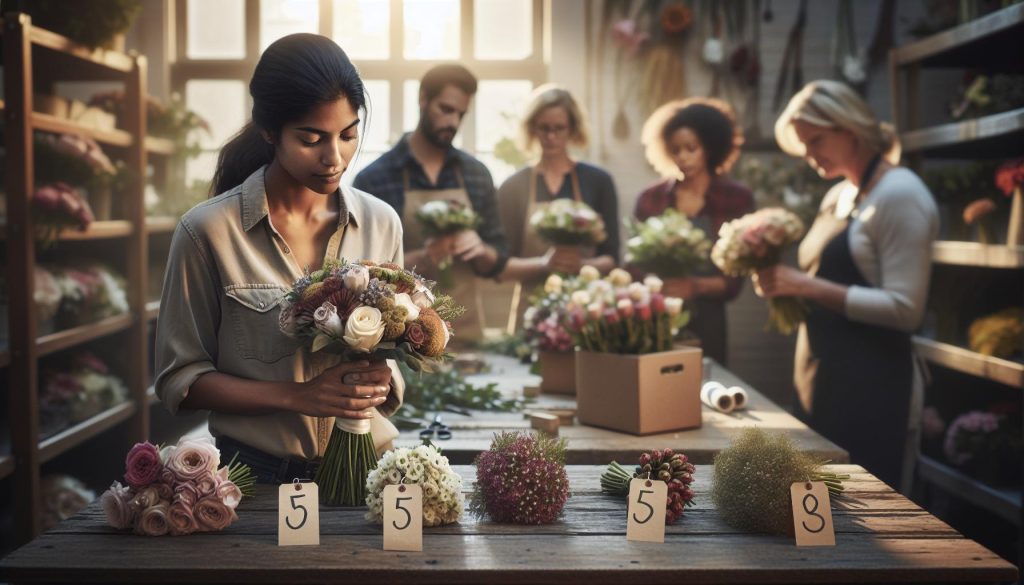
As you embark on the beautiful journey of planning your wedding, the bouquet you carry on your special day often stands as a symbol of your love story. While the average cost of wedding bouquets can vary dramatically based on factors like floral choices, design, and seasonal availability, it’s essential to understand what influences these prices. This guide will break down the key considerations behind bouquet pricing, helping you budget effectively while still achieving the stunning floral aesthetic you envision. Whether you dream of a romantic cascade of blooms or a simple, elegant arrangement, knowing the costs involved enables you to make informed decisions. Join us as we explore the nuances of bouquet pricing, ensuring that your wedding flowers reflect your personal style without breaking the bank.
Determining the Cost of Wedding Bouquets: Key Factors
The cost of wedding bouquets can vary widely based on several key factors that every couple should consider. First and foremost, the type of flowers you choose plays a significant role in determining price. Exotic blooms or seasonal favorites like peonies or gardenias may command higher prices, especially if they are out of season. Additionally, the size and style of the bouquet will affect costs; elaborate, cascading bouquets often require more flowers and labor compared to simple, handheld arrangements.
Another crucial element to keep in mind is the location of your wedding. Specific regions may have distinct floral availability and pricing; urban areas, for example, often experience higher costs due to transportation and demand. The choice of venue can also influence pricing-indoor venues might have restrictions or specific arrangements that could affect the overall cost of your flowers.
When deciding between custom and pre-made bouquets, understand that customized creations may carry a premium because of the personalized service and unique design aspects. However, opting for pre-made bouquets from local florists or wholesalers may offer a more budget-friendly alternative without sacrificing beauty.
Lastly, remember to factor in various hidden costs such as delivery fees, setup charges, and taxes, which can all accumulate quickly. By understanding these key influences on bouquet costs, couples can make informed decisions that align with their wedding vision and budget.
Average Price Range: What to Expect
As couples embark on the enchanting journey of wedding planning, understanding the price range for wedding bouquets is crucial. The average cost of a bridal bouquet typically falls between $100 and $350, but various factors can significantly influence the final price. For instance, simpler arrangements using in-season flowers may be on the lower end of the spectrum, whereas extravagant bouquets featuring rare or out-of-season blooms can reach or exceed the higher end. It’s essential to tailor your floral budget to reflect both your dream aesthetic and financial comfort.
When considering your bouquet budget, envision the bridal bouquet not just as a floral design but as a component of your overall wedding vision. Bouquets in the $150 to $250 range often feature beautiful combinations of seasonal flowers, making them both visually striking and cost-effective. Couples seeking a more personalized touch may find themselves springing for custom designs, which can elevate the price but also allow for unique artistry that tells their love story. For those looking for additional floral elements, such as bridesmaid bouquets, boutonnieres, or centerpieces, it’s wise to expand the floral budget accordingly, sometimes doubling the initial estimate.
It’s also worth noting that pricing can vary geographically. Weddings in metropolitan areas where florists face higher operating costs typically yield pricier bouquets compared to those found in small towns. Keeping these nuances in mind will help ensure that every bloom reflects not just your individual style but also stays within your budget, making your special day all the more memorable. Embrace the process, enjoy selecting the perfect flowers, and let each choice blossom into a beautiful celebration of love.
The Impact of Flower Types on Bouquet Pricing
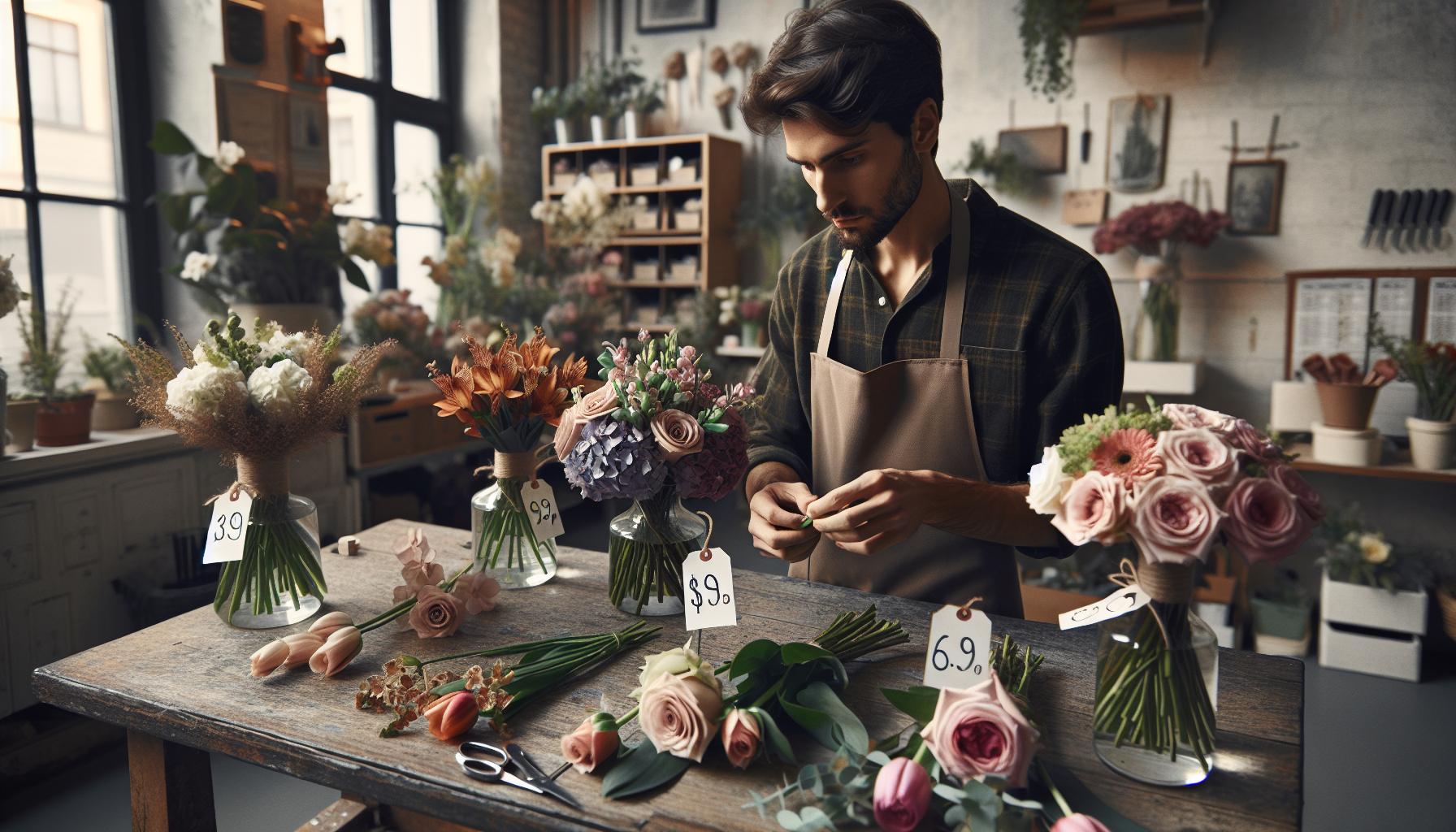
When it comes to planning your dream wedding, understanding how different flower types can affect your bouquet’s pricing is crucial. The stunning blooms that capture a couple’s personality and style can vary dramatically in cost depending on their availability, seasonality, and uniqueness. Couples should be aware that while certain flowers express romance and elegance, they can also influence the overall floral budget significantly.
Factors Influencing Flower Pricing
Different flowers come with varying price tags, largely influenced by their growing conditions and seasonality. For instance, classic choices like roses, daisies, and lilies tend to be more affordable and accessible year-round. In contrast, luxurious blooms, such as peonies, gardenias, and orchids, often command higher prices due to their limited availability or specific growing conditions. Here are some key considerations:
- Season: Flowers that are in-season will typically cost less. For example, tulips are plentiful in spring and can be more economical than off-season varieties.
- Rarity: Exotic and rare blooms can quickly drive up costs. For instance, a bouquet featuring rare heirloom varieties or imported flowers can elevate your overall floral expenditure.
- Quality: Consider the quality and source of the flowers. Organic and sustainably sourced flowers usually come at a premium, reflecting their ethical cultivation practices.
Popular Flower Types and Their Costs
To help visualize the pricing differences based on flower types, here’s a table detailing common wedding flowers and their typical price ranges:
| Flower Type | Estimated Price per Stem |
|---|---|
| Roses | $2 – $10 |
| Peonies | $10 – $20 |
| Sunflowers | $2 – $5 |
| Orchids | $15 – $30 |
| Lilies | $5 – $15 |
By understanding these dynamics, couples can make informed decisions about their bouquets without sacrificing their vision. For example, if your heart is set on a particular flower, consider incorporating it as an accent among more affordable varieties. This approach not only brings elegance to your bouquet but also keeps costs manageable, allowing for the infusion of personal touches that celebrate your unique love story. Whether aiming for a classic garden style or a modern floral arrangement, being mindful of flower choices ensures that you not only stay under budget but also create a wedding atmosphere that feels authentically yours.
Location Matters: How Venue Influences Costs

Choosing a wedding venue is one of the most significant decisions couples will make during their planning journey, and it can impact not only the ambiance and style of the wedding but also the overall costs associated with bouquets and floral arrangements. The location of your venue can dramatically influence the availability and prices of flowers, as well as the logistics involved in transporting them. For instance, if you’re planning an outdoor celebration in a rural setting, sourcing flowers might require more time and effort compared to a city venue, where florists are more readily accessible.
Delivering beautiful bouquets to a venue far from the florist can escalate costs due to transportation fees and the need for a longer delivery window to ensure freshness. Additionally, some regions may have seasonal flowers that are more plentiful and affordable, while others might require shipping blooms from distant locations, inflating prices. For example, rustic venues set in picturesque countryside settings may offer lush local flora, allowing for more budget-friendly bouquet options, whereas high-end venues in metropolitan areas might require sourcing more exotic, imported flowers that could come at a premium.
Consider also the overall design aesthetic of your venue. Weddings at elegant ballrooms might call for sophisticated floral arrangements that match the opulence of the space, whereas casual, intimate settings might benefit from wildflowers or simple greenery. This alignment not only enhances the visual harmony of the event but can also guide you in prioritizing specific floral types that suit your budget. Staying mindful of your venue’s style while keeping your budget in check can ensure that your bouquets not only complement your wedding’s theme but also fit within your financial framework.
Finally, remember that some venues offer all-inclusive packages that may include basic floral arrangements, which can help simplify planning and potentially reduce costs. Always ask about any floral services or partnerships the venue might have with local florists that could provide opportunities for bulk discounts. By considering these factors, couples can make informed choices about their bouquet needs that truly reflect their vision without compromising on their budget or style.
Custom vs. Pre-made Bouquets: A Pricing Comparison
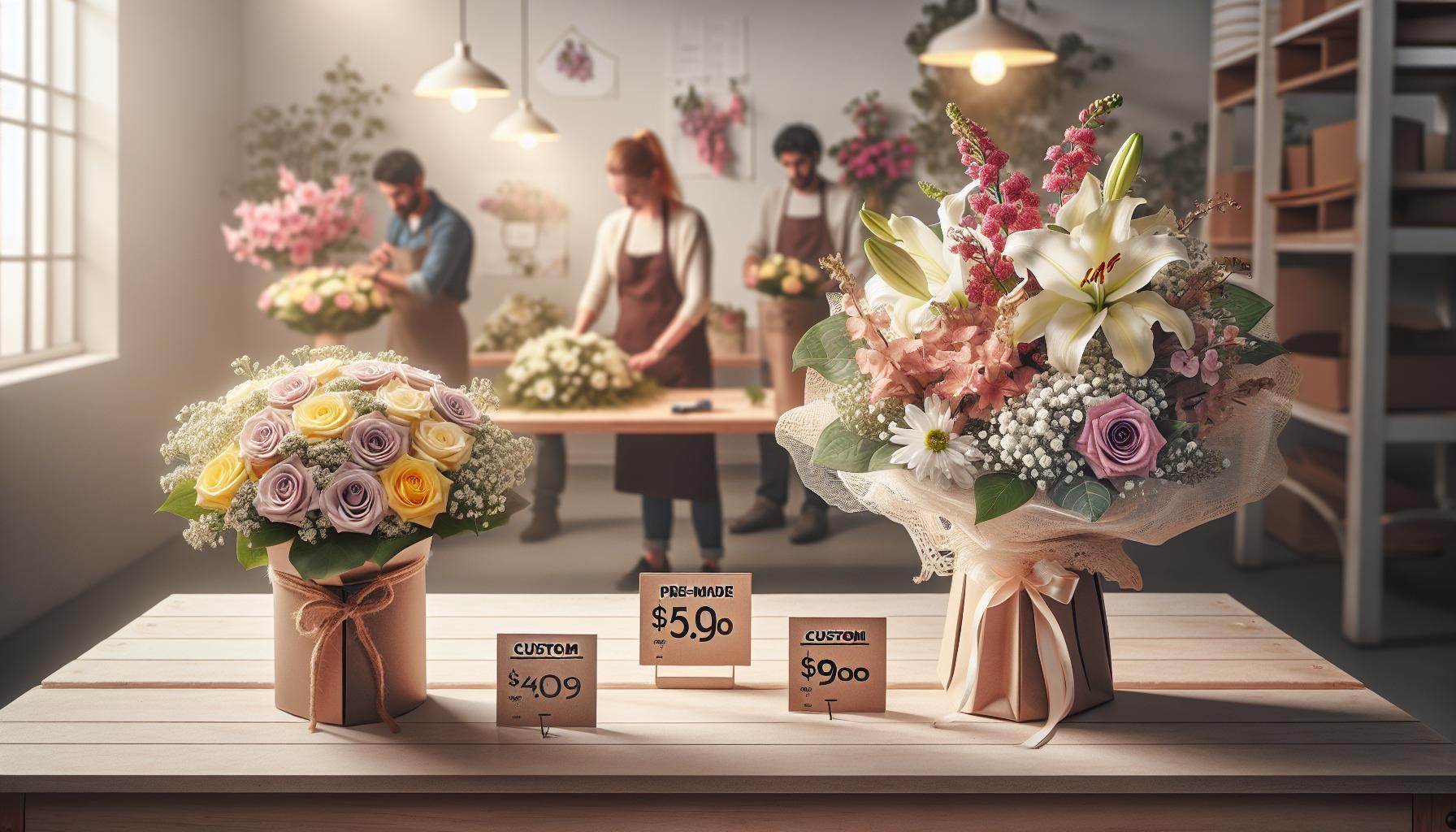
When it comes to selecting the perfect bouquet for your wedding day, the choice between custom and pre-made options can significantly influence both your floral design and budget. Customized bouquets allow for a personal touch that can beautifully reflect your style, incorporating your favorite flowers, colors, and even sentimental items, such as family heirlooms or custom ribbons. However, this personalization comes at a price; bespoke floral arrangements often range from $200 to $500 or more, depending on the complexity, flower types, and the florist’s reputation.
On the flip side, pre-made bouquets offer a more budget-friendly alternative, typically priced between $75 to $200. These are often designed around popular flower combinations and seasonal blooms, which can make them more readily available and less expensive. However, choosing a pre-made bouquet may limit your options for personalization and unique arrangements that tell your love story. For those looking for elegance on a budget, some retailers offer beautiful pre-made bouquets that can still capture the essence of your wedding theme.
For couples torn between the two options, it may be worth considering a hybrid approach: customizing key elements of your floral design while incorporating pre-made items. For instance, you might opt for a stunning custom bouquet for the bride, while utilizing pre-made bouquets for the bridal party. This approach not only helps in managing costs but also allows for a unique wedding aesthetic that feels coherent and special.
Ultimately, the decision should align with your vision for your wedding day while keeping your budget in check. Whether it’s the allure of custom designs or the practicality of pre-made bouquets, what truly matters is the joy and love that bloom on your special day.
Understanding Seasonal Variations in Pricing
The delicate beauty of wedding bouquets isn’t just about the flowers themselves; it’s also highly influenced by the seasons. Understanding how seasonal variations impact pricing can save couples significant money while still ensuring stunning floral arrangements on their special day. Certain flowers are readily available and at their peak during specific times of the year, directly affecting their cost. For instance, opting for roses in spring or peonies in early summer can be more budget-friendly, as these flowers flourish during their respective seasons. On the contrary, sourcing out-of-season blooms like orchids in fall or winter may elevate costs substantially due to shipping and handling, transforming your bouquet into a splurge rather than a sensible choice.
Flower Availability by Season
To help navigate seasonal selections, consider the following breakdown of popular wedding flowers and their peak seasons:
| Flower | Peak Season |
|---|---|
| Roses | Spring, Summer, Fall |
| Peonies | Late Spring, Early Summer |
| Dahlias | Summer, Fall |
| Orchids | Winter, Early Spring |
| Lilies | Summer |
| Sunflowers | Summer, Early Fall |
By choosing flowers that are in season during your wedding date, you can not only reduce your overall floral budget but also enjoy the freshest blooms. Furthermore, many florists have local flower connections, so sourcing regional blooms can also reduce delivery costs and ensure a more eco-friendly approach to your wedding arrangements.
Maximizing Your Floral Budget
Planning your bouquet around seasonal availability is just one way to maximize your budget. Consider mixing seasonal flowers with a few exotic blooms to keep your bouquet unique without breaking the bank. For example, using locally sourced, in-season greenery as a base while adding a few sprigs of off-season florals can create a stunning visual contrast at a lower cost. Also, keep in mind holidays or significant local events that might influence flower prices due to increased demand; this awareness can be instrumental in avoiding potential pitfalls that could inflate your wedding budget.
Ultimately, seasonal awareness adds another layer of insight into the planning of your wedding bouquet, helping couples find the perfect balance between beauty, personal expression, and cost-effectiveness. Engage in thoughtful conversations with your florist to explore your options, ensuring your bouquet not only aligns with your vision but also harmonizes gracefully with your budgetary goals.
Budgeting Tips for Your Wedding Bouquet
When planning your wedding bouquet, keeping an eye on your budget can make a significant difference in your overall costs while ensuring you still have that stunning arrangement on your special day. By approaching your bouquet planning with a strategic mindset, you can enjoy beautiful flowers that align with your financial goals without compromising on style.
Start by setting a realistic budget for your bouquet based on your overall floral budget. Typically, bouquets can range from $50 to several hundred dollars, depending on the flower types, bouquet complexity, and florist expertise. To maximize value, consider asking your florist for a breakdown of costs associated with different options. This enables you to understand where your money goes and how you can adjust aspects to fit your financial plan better. For instance, you might find that substituting a few premium flowers with seasonal alternatives can have a positive impact on your total cost.
Another wise strategy is to explore local florists who understand regional demand and seasonal availability. Establishing relationships with florists in your area can lead to insider tips on cost-saving alternatives and might even yield unadvertised discounts. Don’t hesitate to express your desires and budget constraints – many florists appreciate open communication and can work with you to create a beautiful bouquet that won’t break the bank. Also, be sure to consider flowers that have a longer vase life, ensuring that your bouquet remains beautiful for not just the big day, but also the days that follow.
Lastly, keep an eye out for any DIY opportunities. Creating your bouquet can be a memorable experience and may significantly reduce costs. Research local flower markets or consider combining floral arrangements with other decorative elements like greenery, which is often less expensive yet can add richness and dimension to your bouquet. If you choose this route, allocate ample time for planning and practice-nothing beats the joy of crafting something personal to use as you walk down the aisle.
By carefully navigating through your bouquet budgeting journey, you can create a beautiful statement piece that resonates with your wedding’s joy and romance while remaining mindful of your finances. Remember, it’s all about blending creativity with practicality to make your wedding dreams come true without the financial worry.
Hidden Costs: What You Need to Know
When planning your wedding bouquet, it’s easy to fixate on the upfront costs, yet hidden expenses can sneak up and mar your budget if you’re not vigilant. Understanding these potential additional costs can help you avoid surprises and ensure that every aspect of your floral arrangement fits seamlessly within your financial plan. From delivery fees to service charges and beyond, being equipped with knowledge is your best strategy for maintaining control over your expenses.
One common hidden cost is the delivery fee, which many florists charge for bringing your beautiful blooms to the venue. This can vary greatly depending on the distance and time involved. Always ask your florist if there are any additional charges for delivery and whether they offer package deals that include setup. Another area where costs can creep in is the service charge for assembling bouquets and other arrangements. While some florists include these in the base price, others may list it separately, which can increase your final bill.
Additionally, consider the importance of proper care for your flowers before and during the event. If your bouquet requires special handling, such as refrigeration or specific transportation arrangements to keep it fresh, this can lead to extra costs. It’s wise to discuss these logistics with your florist to ensure you’re on the same page regarding care and preservation.
Potential Cost Breakdown
| Item | Estimated Cost |
|---|---|
| Delivery Fee | $50 – $150 |
| Setup Fee | $25 – $100 |
| Service Charge | 10% – 20% of total |
| Special Handling | $20 – $50 |
In addition to these logistical costs, you may also want to account for potential alterations after you receive your bouquet. If changes need to be made to the arrangement upon delivery to fit the overall aesthetic of your day, this could involve extra charges. Lastly, remember that tips for the florist or delivery personnel, while not mandatory, are appreciated and can add up if you employ multiple services. By staying informed and asking the right questions, you can pave the way for a smoother, more joyous wedding planning experience, ensuring that your bouquet reflects the beauty and happiness of your special day without unexpected financial burdens.
DIY Bouquets: Cost-Effective Alternatives
Creating your wedding bouquet can be a thrilling and meaningful way to express your style while also keeping costs manageable. DIY bouquets have become increasingly popular, serving not only as a budget-friendly alternative but also as a delightful personal project. Engaging family and friends in the crafting process can turn what might be a simple task into a cherished memory. Imagine spending a sunny afternoon in your backyard, laughter and love surrounding you as you create something special that reflects your unique romance!
To begin crafting your own bouquet, first, consider your flower options. Seasonal flowers typically cost less and come in a wider variety. For example, if you’re planning a summer wedding, daisies, sunflowers, and peonies can add vibrancy without breaking the bank. To further enhance your bouquet, you might include foliage, wildflowers, or even dried elements which are on-trend and can be sourced affordably. Visiting local farmers’ markets or flower wholesalers can yield fantastic finds, often at significantly lower prices than traditional florists.
Here are some helpful tips to ensure your DIY bouquet is both stunning and cost-effective:
- Plan Ahead: Create a cohesive vision of what you’d like and sketch a rough design. This will guide your choices while flower shopping.
- Practice Your Skills: Before the big day, practice making a few sample bouquets. This will help you refine your technique and boost your confidence.
- Gather Supplies: You’ll need floral tape, wire, a cutting tool, and a vase or bouquet holder. Having everything prepared in advance will streamline the process.
- Involve Others: Enlist the help of creative friends or family members. Not only does this save time, but it also adds joy and shared experience to your wedding planning journey.
Lastly, don’t forget to account for how to keep your creations fresh! After you’re done assembling your bouquet, place it in water and store it in a cool area until it’s time for the ceremony. If you’re getting married during a hot season, consider wrapping stems in a damp cloth to keep them hydrated until you’re ready to walk down the aisle. With thoughtful planning and a touch of creativity, your DIY bouquet can be not just a cost-effective solution, but a beautiful reflection of your love story.
Hiring a Florist vs. DIY: Pros and Cons
Choosing between hiring a florist and crafting your own bouquet is a pivotal decision in the wedding planning journey that can shape not only your budget but also the overall experience of creating your dream wedding. Each option carries its unique advantages and potential drawbacks that can influence your choice. By weighing these pros and cons, you can make a decision that aligns perfectly with your vision, resources, and emotional needs.
When hiring a professional florist, you’re investing in their expertise and creativity. Florists bring years of experience in designing stunning arrangements that can elevate your wedding’s aesthetic. They have access to a vast array of flower varieties and can create custom designs that beautifully reflect your wedding theme. Plus, they can handle all logistical concerns, from sourcing flowers to ensuring everything is delivered and set up on your special day. However, this convenience comes at a price, which can be a significant part of your wedding budget. Hiring a florist can range from several hundred to thousands of dollars depending on the intricacy of your designs and the types of flowers chosen.
On the other hand, creating your bouquet yourself can be a rewarding and personal experience. It offers the chance to infuse your personality into your arrangements and can serve as a memorable activity to share with friends and family. DIY bouquets can greatly minimize costs, especially if you utilize seasonal flowers or source them from local markets. However, the trade-off is the time commitment required for planning, shopping, and assembling your bouquet. Additionally, if you’re not experienced in floral design, achieving the desired look and quality may pose a challenge, potentially resulting in frustration rather than joy.
Ultimately, the choice revolves around what matters most to you-whether it’s the peace of mind that comes with hiring a skilled professional or the sentimental value of handcrafting something unique. Consider your budget, your aesthetic preferences, and the kind of experience you want leading up to your wedding day. Whatever you decide, each option offers a beautiful way to mark the beginning of your wedding journey, ensuring your celebration is as special as the love it represents.
Choosing the Right Bouquets for Different Wedding Themes
When planning your wedding, the bouquet is more than just a floral arrangement; it’s a symbol of your love and a key element that can enhance your wedding theme. Choosing the right bouquets requires an understanding of how various styles, colors, and flower types align with your selected theme. Imagine walking down the aisle, your bouquet impeccably complementing your wedding colors and décor-it’s a vision worth crafting.
For a romantic beach wedding, opt for light, airy blooms that mirror the ocean’s hues, such as soft pastels or whites. Consider using flowers like peonies, garden roses, and delicate sea lavender, all gently tied with flowing ribbons that mimic the breezy atmosphere. On the other hand, for a rustic barn wedding, embrace wildflowers and foliage that reflect the natural surroundings, incorporating vibrant sunflowers or dahlias paired with burlap and lace elements to encapsulate that charming and laid-back feel.
Classic Elegance
For a timeless event, such as a classic church ceremony, elegant white and blush arrangements with lush greenery create a sophisticated look. Roses, calla lilies, and orchids can deliver a lush, high-end aesthetic. Avoid heavy bouquets; instead, opt for cascading arrangements that add a touch of opulence while still appearing delicate and airy.
Modern Minimalist
If your wedding theme is modern and minimalist, strategically chosen bouquets can play a pivotal role. Think about monochromatic designs featuring a single type of flower, such as white tulips or striking anemones, arranged in a sleek, geometric vase or tied with a simple ribbon. This clean approach emphasizes the beauty of the flowers themselves while aligning perfectly with a minimalist aesthetic.
Collectively, consider the overall ambiance and message you wish to convey through your chosen flowers. A unified approach to bouquet selection not only enhances your wedding theme but also creates stunning visuals for your photographs, capturing the essence of your special day. As you explore various options, keep your vision and style front and center-after all, your wedding bouquet should reflect your unique love story while fitting seamlessly into the beautiful tapestry of your celebration.
Maximizing Value: Getting the Most from Your Budget
Finding the perfect bouquet for your wedding is not only about its beauty but also about how well it fits within your overall budget. With some thoughtful planning and creative strategies, you can maximize the value of your floral investment without compromising on style or impact. Understanding how to allocate your budget effectively can make the bouquet selection process both enjoyable and financially manageable.
One effective strategy is to prioritize your spending on elements that will enhance the visibility of your bouquet. The bridal bouquet is typically the most photographed piece of floral decor, so invest more in it than in the bridesmaids’ bouquets. Consider opting for more budget-friendly flowers for the bridesmaids while choosing a statement piece for yourself that reflects your personal style. This way, you achieve a stunning focal point without overspending.
A keen understanding of seasonal flowers can also lead to significant savings. By selecting blooms that are in season, you can capitalize on lower prices and better availability. For instance, peonies and lilacs are beautiful but can be expensive off-season. Instead, choose seasonal alternatives such as dahlias or sunflowers during the summer months. This approach not only enhances your budget but also encourages creativity and adaptability in your floral choices.
Incorporating elements like greenery, which can often be more affordable than flowers, can further elevate your bouquet without inflating your budget. Lush foliage can add volume and texture while reducing the number of costly blooms needed. Consider using eucalyptus, ferns, or other greenery to create a more dynamic and organically styled bouquet.
Finally, don’t overlook the possibility of collaborating with a local florist to create a custom bouquet that fits your budget. Many florists appreciate the opportunity to work with clients on a custom basis and can provide suggestions on how to achieve the look you want at a cost that feels comfortable. Engaging in open communication about your budget can lead to innovative solutions that keep your bouquet stunning while keeping expenses in check.
With these thoughtful approaches, you can enjoy the process of selecting your wedding bouquet, ensuring it not only complements your theme but also aligns beautifully with your financial goals. Embrace the thrill of creating your bridal look, knowing each choice reflects your unique love story.
Q&A
Q: What is the average cost of a wedding bouquet?
A: The average cost of a wedding bouquet typically ranges from $100 to $300. Factors such as flower type, arrangement style, and florist expertise can influence pricing. For specific details, refer to the “Average Price Range: What to Expect” section of the article.
Q: Why do different types of flowers affect bouquet prices?
A: Different flower types affect bouquet prices due to factors like availability, seasonal cost fluctuations, and demand. High-end blooms like peonies or orchids generally cost more than common flowers like daisies or roses. Explore the “The Impact of Flower Types on Bouquet Pricing” section for more insights.
Q: How can I save money on wedding bouquets?
A: To save money on wedding bouquets, consider DIY options, choose seasonal flowers, or select simpler arrangements. Additionally, comparing florist quotes can help manage your budget. Check out the “Budgeting Tips for Your Wedding Bouquet” for more cost-saving strategies.
Q: What are hidden costs associated with wedding bouquets?
A: Hidden costs can include delivery fees, setup charges, or extra costs for bouquet preservation. Always clarify all potential fees with your florist. The “Hidden Costs: What You Need to Know” section of the article provides a deeper understanding of these expenses.
Q: How does venue location influence bouquet prices?
A: Venue location can significantly influence bouquet prices due to delivery costs and local flower availability. Urban areas may have higher costs compared to rural settings. For a comprehensive view, see “Location Matters: How Venue Influences Costs” in the article.
Q: Are custom bouquets worth the extra cost?
A: Custom bouquets can be worth the extra cost if you have a specific vision or desire unique flowers not found in standard arrangements. They allow for personalization, which can enhance the overall wedding theme. More comparisons can be found in the “Custom vs. Pre-made Bouquets: A Pricing Comparison” section.
Q: When is the best season for affordable wedding bouquets?
A: The best season for affordable wedding bouquets is typically spring or fall when many flowers are in bloom. Seasonal flowers tend to be less expensive and fresher. Discover more about this in “Understanding Seasonal Variations in Pricing.”
Q: What are the pros and cons of hiring a florist versus DIY bouquets?
A: Hiring a florist offers expertise and quality assurance, while DIY bouquets can save money and allow personalization. Weighing the “Hiring a Florist vs. DIY: Pros and Cons” can help you make the best decision for your needs.
Key Takeaways
Now that you have a comprehensive understanding of wedding bouquet costs, remember that the right bouquet can enhance your special day without breaking the bank. With factors such as flower type, seasonality, and arrangement style influencing prices, it’s essential to plan ahead and explore options that fit your vision and budget. Curious about wedding venue options that suit your style? Check out our guide on the best wedding venues in California and Los Angeles for more inspiration.
Don’t forget to join our newsletter for the latest wedding planning tips and tools to make your journey even smoother. Whether you’re ready to choose your floral arrangements or research ceremony traditions, we have resources to support you every step of the way. Share your thoughts in the comments-what’s been your biggest bouquet inspiration? Let’s keep the conversation going as you plan the wedding of your dreams!