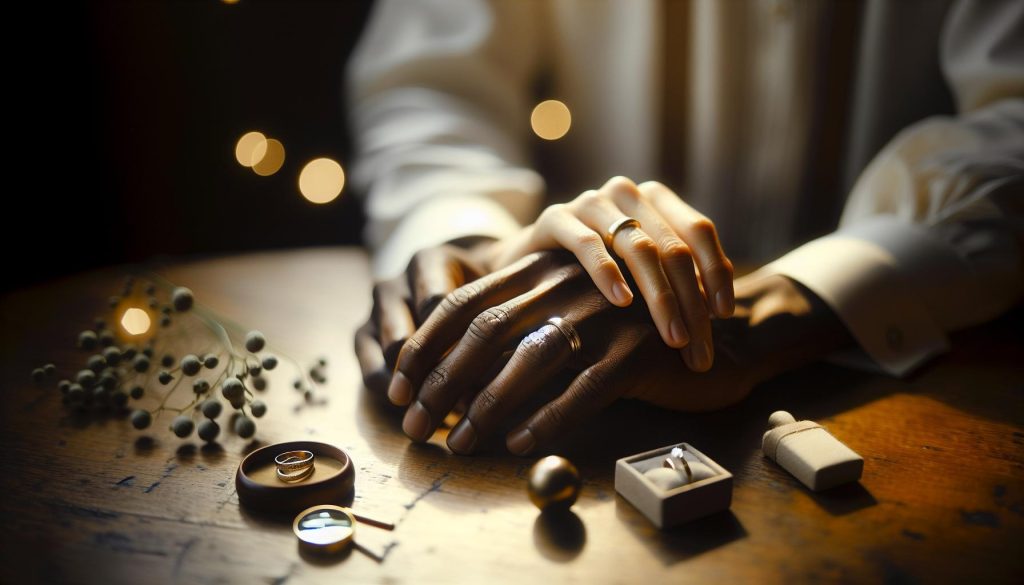
When it comes to wedding planning, the cost of the ring often weighs heavily on engaged couples. Did you know that the average wedding ring can range significantly, with prices that vary based on materials, design, and brand? Understanding the financial commitment involved in choosing the perfect ring is crucial for budget-conscious couples who want to balance their dreams with reality. This guide will break down the costs of wedding rings, helping you navigate choices that align with your style and budget. Together, we’ll explore various options, from classic designs to unique custom pieces, ensuring you find a ring that celebrates your love without breaking the bank. Prepare to embark on this exciting journey, as we unveil what you need to know about your future symbol of commitment!
Understanding the Average Cost of Wedding Rings
The journey to find the perfect wedding ring is not only about choosing a beautiful piece of jewelry but also about understanding the investment behind it. On average, couples can expect to spend anywhere from $1,000 to $5,000 on wedding rings, a range that can vary significantly based on various factors such as design, material, and brand. The allure of a stunning ring often leads to deeper emotional connections, representing love and commitment that goes beyond mere price tags.
When considering the costs associated with wedding rings, it’s important to reflect on the materials used, such as gold or platinum, and the intricacy of the design. Customization can also play a significant role in pricing; bespoke rings that incorporate personal touches or unique gemstones may come with higher costs due to their craftsmanship. As couples navigate the selection process, they may find that benefits such as warranties or free maintenance offered by jewelers can sweeten their investment.
Understanding that engagement rings typically command a higher price than wedding bands can also guide couples in allocating their budget wisely. Engagement rings often feature gemstones, particularly diamonds, which are prized for their quality and size, consequently raising their cost. In contrast, wedding bands usually align more closely with couples’ budgetary plans and preferences, focusing on simpler designs or enduring materials that reflect their lasting commitment. Balancing personal style with budget considerations will ensure that couples not only find a ring that they adore but also make a thoughtful financial decision.
Key Factors Influencing Wedding Ring Prices
When embarking on the journey of choosing wedding rings, it’s essential to understand the various factors that influence their prices. Couples often find themselves enchanted by the beauty of a ring, but the intricacies behind its cost can significantly impact their decision-making. The average wedding ring price can vary widely, with essential elements such as material, design, and craftsmanship playing pivotal roles in determining the overall cost.
Materials Matter
The choice of material is one of the primary factors influencing the price of wedding rings. Common options include:
- Gold: Available in various karats (14k, 18k, etc.), the higher the karat, the more pure gold it contains, leading to higher prices. Yellow, white, and rose gold styles each offer distinct aesthetic appeals.
- Platinum: Known for its durability and rarity, platinum typically comes with a higher price tag, often preferred by couples seeking a lasting investment.
- Alternative metals: Options like titanium or tungsten may provide a more budget-friendly alternative, with unique styles and durability.
Design and Craftsmanship
The complexity of the ring’s design significantly affects its cost. A simple band may be more affordable, while intricate designs featuring filigree work, settings, or multiple stones can increase the price substantially. Custom rings that incorporate personal elements, such as engravings or unique gemstones, often necessitate skilled craftsmanship, making them more expensive. Couples might consider:
- Custom vs. Pre-made: Custom designs might be pricier but provide a one-of-a-kind piece that embodies personal significance.
- Stone selection: The choice of center stone, especially if opting for high-quality diamonds or other precious gems, can drastically raise the ring’s cost.
Brand Reputation
The brand and its reputation can also impact prices. Well-known jewelers and luxury brands typically charge more for their pieces, associated with quality assurance, heritage, and superior service. However, local artisans or boutique shops can offer exquisite options that respect budget constraints while still providing quality craftsmanship.
Making informed choices while keeping budgetary considerations in mind will ensure that couples not only find a ring that resonates with their love story but also appreciate the investment they are making for a lifetime. Balancing personal style with these key factors can transform the process into an enjoyable and meaningful part of wedding planning.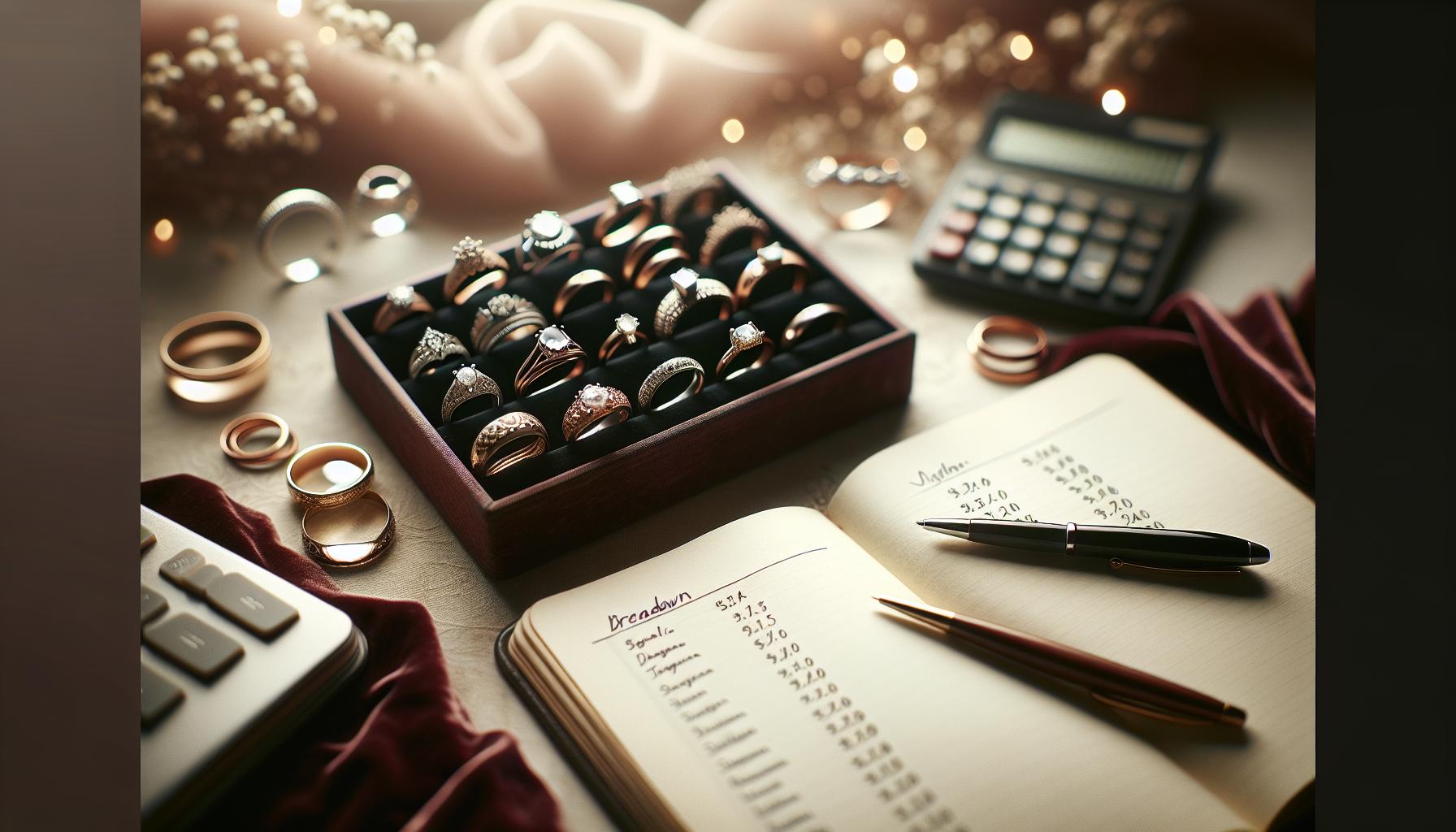
Breakdown of Wedding Ring Styles and Their Costs
Choosing the perfect wedding ring is not just about the aesthetics; it involves understanding various styles and their associated costs. With a myriad of options available, couples can easily feel overwhelmed when determining which ring best symbolizes their love and commitment. From classic designs to contemporary masterpieces, each style carries its unique price point influenced by materials, craftsmanship, and brand reputation.
Classic Styles
The traditional solitaire ring remains a timeless favorite, often featuring a single diamond set on a simple band. This style typically ranges from $1,000 to $5,000 depending on the diamond’s size and quality. Couples might also consider a three-stone ring, symbolizing the past, present, and future, which can vary in price from $2,500 to $10,000, especially if premium stones are used.
Modern Designs
For those who wish to break away from tradition, modern styles include tension-set rings or unique geometric shapes. These designs often use alternative materials such as rose gold or black rhodium, typically falling within the $1,500 to $6,000 range. The intricacies of the design, including custom engravings or mixed metals, can further influence the pricing, with bespoke options often starting at around $3,000.
Precious Metal Choices
The choice of metal significantly impacts cost. Gold remains a popular choice, with prices varying by karat weight. For instance, 14k gold rings might range from $800 to $3,000, while platinum rings, known for their durability and luster, can create investment pieces starting from $1,500 upwards. Alternative metals like titanium or tungsten present budget-friendly options, often costing between $300 and $1,200, making them enticing for those looking to save without sacrificing style.
Conclusion
Ultimately, understanding the breakdown of wedding ring styles can simplify your decision-making process. By aligning your personal preferences with your budget, you can explore various options that not only fit your financial plans but also resonate deeply with your love story. Whether you choose a classic diamond or a contemporary design, the sentiment behind the ring transcends its monetary value, representing a beautiful commitment that you will cherish for a lifetime.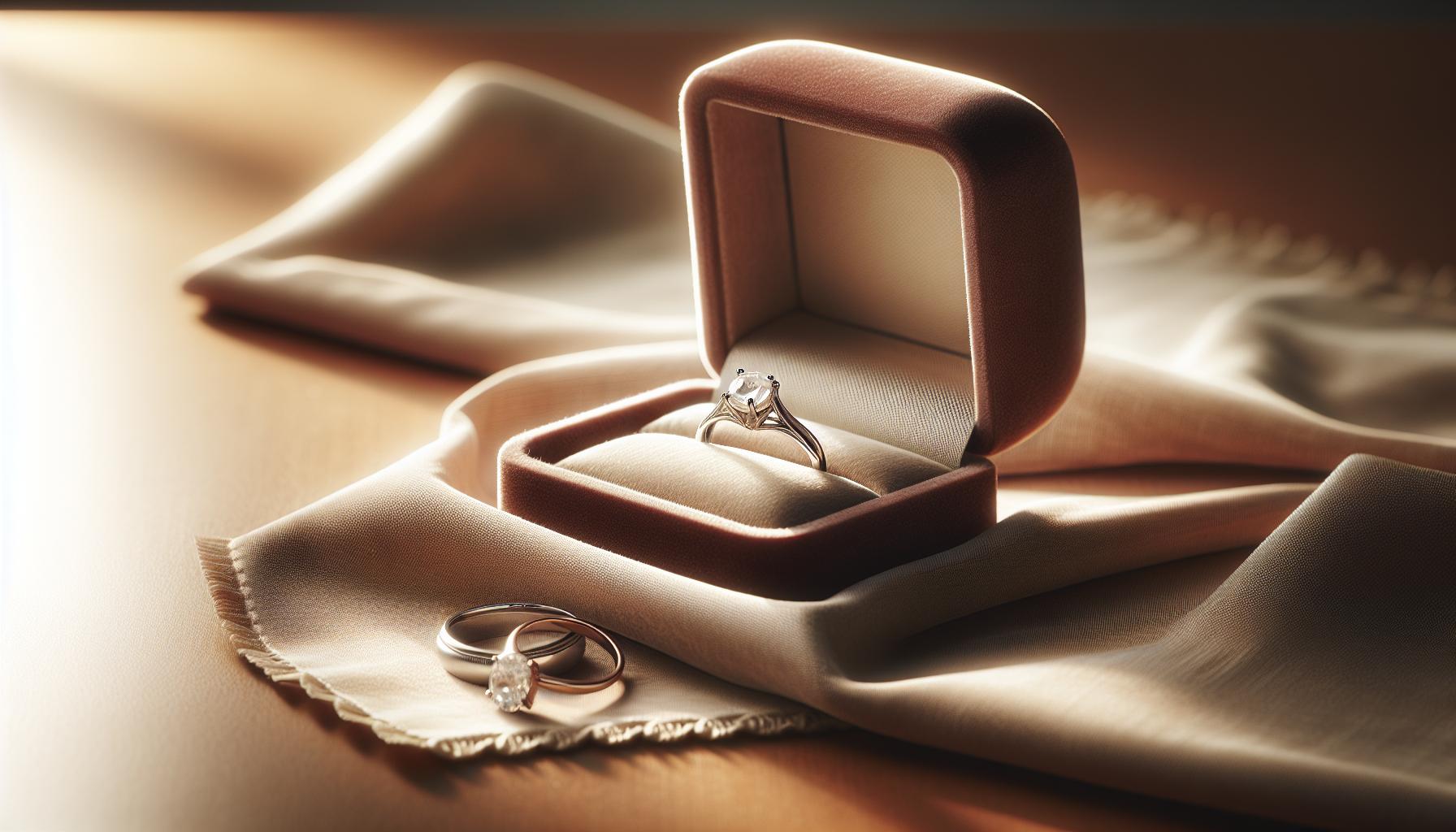
Average Spending on Engagement Rings vs. Wedding Bands
When embarking on the journey of selecting wedding rings, understanding the financial landscape can significantly ease the stress of wedding planning. Engagement rings often take center stage in discussions about wedding jewelry, and understandably so. These rings symbolize a commitment, embodying the love and promise shared between partners. On average, couples in the U.S. spend about $6,000 on engagement rings, although there is a wide range, with prices typically spanning from $1,000 to $20,000. The variation can be attributed to factors such as the choice of gemstone, carat weight, and overall design intricacies. This investment signifies a monumental step in a couple’s relationship-one that’s remembered for a lifetime.
In contrast, wedding bands generally have a more modest price tag. The average spend on wedding bands is around $1,000 to $3,000 per ring, depending on the materials and design. Often, these rings are simpler in design and may incorporate less expensive metals like white gold or platinum, making them a practical option for couples looking to be budget-conscious without sacrificing style. When choosing wedding bands, many couples also consider matching sets or personalized engravings, which can add sentimental value without significantly increasing costs.
When planning your budget, it’s essential to align your ring choices with your overall wedding expenses. Take a moment to reflect on what truly resonates with you as a couple. Whether you opt for a traditional diamond engagement ring paired with a classic gold band or explore unique alternatives like lab-grown diamonds or handmade designs, the rings you select should reflect your personalities and partnership. As you navigate these decisions, remember that love is at the heart of this investment, and each ring tells your unique story.
Ultimately, finding a balance between your desires and budget will ensure that your wedding rings not only symbolize your commitment but also fit comfortably within your financial plan, allowing you to focus on the more joyous aspects of wedding planning.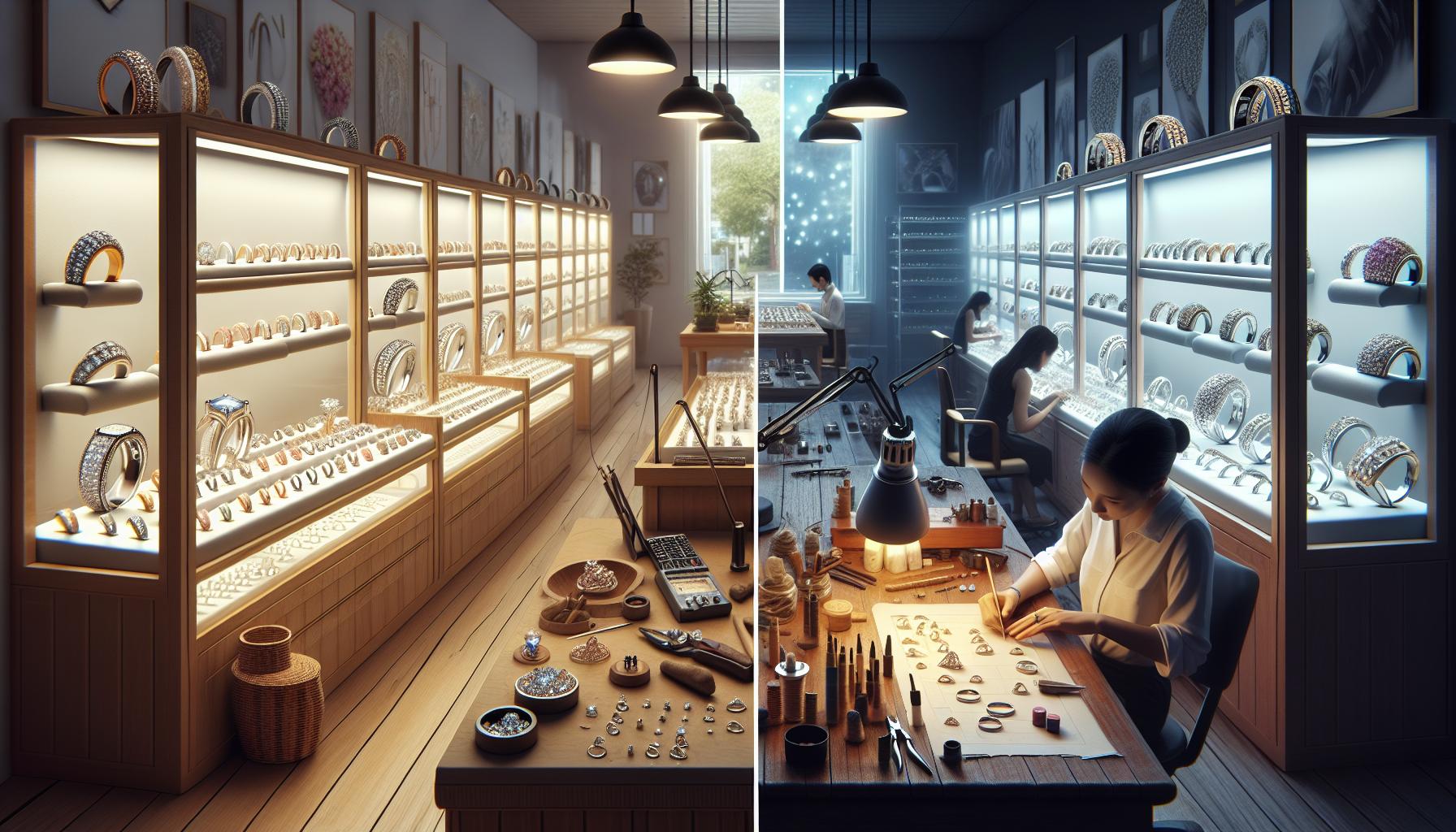
Where to Buy Wedding Rings: Retailers vs. Custom Jewelers
Selecting the perfect wedding rings is not just about the metal and stones; it’s also about where you choose to purchase them. The choice between traditional retailers and custom jewelers can greatly influence both your experience and your budget. Retailers often offer a wide array of pre-designed rings, backed by the security of established brands. These stores can provide a one-stop shopping experience, allowing you to browse multiple styles and prices under one roof, with the added benefit of promotions or financing options that can ease the financial burden of your purchase. However, you may find that many of these rings lack the personal touch that a custom piece would offer.
On the other hand, custom jewelers excel in creating unique pieces tailored to your exact specifications. This can be particularly appealing for couples wishing to incorporate personal elements or family heirlooms into their rings. Custom designs often go beyond the conventional, allowing you to choose everything from the type of metal to the specific gemstones, creating a piece that truly symbolizes your love story. Additionally, engaging with a jeweler in the design process can lead to a meaningful and intimate experience, enhancing the sentimental value of the rings.
When deciding where to buy, consider these key factors:
- Budget: Retailers may offer more affordable options, especially during sales, while custom pieces typically come with a premium for the artistry and labor involved.
- Style Preferences: If you have a specific vision, a custom jeweler is likely your best bet. Retailers can provide a solid variety, but the options may feel limited compared to what a skilled artisan can create just for you.
- Time Commitment: Custom pieces require more time to design and create, so make sure to factor this into your wedding timeline. Retailers often have rings available for immediate purchase, which can be a blessing if you’re on a tight schedule.
- Experience: The journey of finding your wedding rings should be enjoyable. Consider which environment makes you feel more comfortable-whether it’s the bustling atmosphere of a retailer or the personal touch of a custom shop.
Ultimately, whether you lean towards a traditional retailer or a bespoke custom jeweler, what matters most is that the rings reflect your love and commitment. The thoughtful process of selecting these symbols of your union should bring joy, excitement, and a sense of connection to your wedding journey. Each choice you make, from the design to the purchase location, should resonate with who you are as a couple, making your wedding rings treasured tokens that celebrate your unique story.
Alternative Engagement and Wedding Ring Options
Exploring engagement and wedding ring options beyond traditional diamonds can lead to unique choices that resonate with personal values and aesthetics. Many couples today are embracing alternative styles that reflect individuality, sustainability, and budget considerations. From vintage finds to innovative materials, the array of options is vibrant and diverse.
One popular alternative is using moissanite, a stunning gemstone that offers brilliance similar to diamonds but at a fraction of the cost. As a lab-created option, moissanite is not only ethically sourced but also environmentally friendly. Another intriguing choice is vintage or antique rings, which carry history and character, allowing couples to connect with the stories of the past while making a bold personal statement. Many thrift stores and specialized jewelers curate collections of these timeless pieces, often at more accessible price points.
For those who wish to incorporate meaning into their rings, consider using colored gemstones like sapphires, emeralds, or rubies, which can symbolize various qualities and attributes-blue for fidelity, green for growth. Each gemstone can be chosen not only for its beauty but for the unique significance it holds for the couple. Furthermore, couples are increasingly turning to lab-grown diamonds, which provide the same aesthetic as mined diamonds while adhering to ethical standards of production. These options open the door to creativity while ensuring that the rings align with modern values of sustainability and integrity.
Ultimately, the journey to find the perfect ring should be as personal as the love story it symbolizes. With so many alternatives available, couples can choose pieces that reflect their shared values and individual styles, making their engagement and wedding rings truly one-of-a-kind expressions of their commitment.
Financing Your Wedding Ring: Tips and Options
Planning the perfect wedding is an exciting time filled with dreams and a vision of love. However, one aspect that can create a bit of tension is the financial side-especially when it comes to selecting the perfect wedding rings. Understanding how to finance your wedding ring can empower you to make choices that align with both your romantic aspirations and budgetary realities.
There are several options available for couples looking to finance their wedding rings that can make the shopping experience enjoyable rather than stressful. Credit options such as store credit cards often provide promotional financing, allowing you to spread payments over time, sometimes without interest if paid within a certain period. Alternatively, many jewelers offer in-house financing plans, which can be tailored to your budget and timeline. Taking the time to compare rates and terms can lead you to the best option for your individual circumstances.
Before committing to a financing option, it’s wise to assess your financial situation first. Creating a clear budget for your wedding ring(s) can help prevent overspending. Consider setting aside a specific amount each month leading up to your wedding. This savings plan can be a perfect way to generate excitement and get you closer to your goal. Remember, the perfect ring doesn’t always have to be the most expensive; thoughtful design and meaningful symbolism can create a ring that resonates with your love story.
Additionally, don’t forget the potential of choosing more affordable materials or gemstones. Options like lab-grown diamonds or alternative stones can offer significant savings while still providing the beauty and elegance you desire. Emphasizing the emotional value of your choice ensures that no matter the financial strategy, what truly matters is the love and commitment your ring symbolizes. In the end, financing your wedding ring ought to be a stress-free experience that complements the joyous journey ahead.
Jewelry Insurance: Protecting Your Investment
When you finally find that perfect wedding ring, a symbol of love and commitment, it’s essential to consider safeguarding your treasured piece through jewelry insurance. Many couples, overwhelmed with wedding planning, often overlook this critical step, assuming that their rings are secure just because they are precious. However, a lovely twist of fate or a moment of carelessness can turn joyous memories into unforeseen expenses. Imagine, for instance, losing a ring on your honeymoon or experiencing a break due to wear over the years; such losses can mar what should be a delightful journey into matrimony.
To protect your investment, consider investing in a jewelry insurance policy. Here’s what to keep in mind:
- Types of Coverage: Look for policies that cover loss, theft, damage, and mysterious disappearance. This ensures you are fully supported regardless of the situation.
- Valuation Document: Before obtaining insurance, get an appraisal from a certified gemologist. This professional evaluation outlines the ring’s value, which will determine your coverage amount.
- Policy Deductibles: Understand the deductible amount you will bear in case of a claim. Opt for a deductible that fits your financial capacity while still providing enough coverage for your ring.
- Special Considerations: Some policies cover only the ring’s material value, while others also consider sentimental value. Clarify details to ensure you have the right coverage for your needs.
Remember, insurance isn’t just about the monetary worth; it also embodies the cherished moments your ring represents. Celebrating your love with a beautiful ring does not end with the purchase; protecting its value through insurance completes your wedding journey. Taking this step reinforces the commitment you’ve made to each other-the grit and foresight to ensure your love can withstand the tests of time. Your wedding ring can be as unique as your love story, and maintaining both is key to your happily ever after.
Understanding Lab-Grown vs. Natural Diamonds
When it comes to choosing the perfect diamond for your wedding ring, the decision often boils down to lab-grown versus natural diamonds. Did you know that lab-grown diamonds exhibit the same physical and chemical properties as mined diamonds? This makes lab-grown options an increasingly popular choice for couples wishing to celebrate their love with both beauty and conscience.
Lab-grown diamonds are created in controlled environments using advanced technology that replicates the natural diamond-forming process. Because of this, they typically cost 20-40% less than their natural counterparts while offering remarkable clarity and brilliance. Choosing a lab-grown diamond allows you to allocate more of your budget toward additional design elements or perhaps even that dreamy venue you’ve been eyeing!
On the other hand, natural diamonds possess a unique allure that many find hard to resist. Their scarcity often drives higher prices, and each one carries a story of its own-formed over billions of years deep within the Earth. Natural diamonds have a proven track record of holding their value over time, making them a more traditional investment for those who see their ring as a symbol of enduring love.
Both diamond types come with their own benefits and considerations, and deciding which is right for you might also depend on personal values, ethical priorities, and budget. Here’s a quick comparison to help you in your decision-making:
| Feature | Lab-Grown Diamonds | Natural Diamonds |
|---|---|---|
| Cost | 20-40% less expensive | Higher price due to rarity |
| Value Retention | Generally high value retention | |
| Environmental Impact | Considered more sustainable | Mining has environmental consequences |
| Emotional Significance | Modern and innovative | Timeless and traditional |
Ultimately, whether you choose a lab-grown or a natural diamond, what matters most is the love and commitment that the ring represents. Make this decision together, and you’re sure to create a piece that reflects your unique journey as a couple, blending beauty, significance, and personal values into an everlasting symbol of your love. Embrace this part of your wedding planning journey, knowing that each choice can bring you closer to a celebration that truly feels like “you.”
The Emotional Value of Wedding Rings Beyond Price
The journey of selecting wedding rings transcends far beyond a mere financial transaction; it embodies the essence of love, commitment, and shared dreams. Each ring signifies a cherished promise, a tangible representation of emotional connection that couples will carry throughout their lives. When choosing a ring, it’s essential to remember that the emotional value it holds often far outweighs its monetary cost.
Consider how a wedding ring tells a unique story-each scratch and sparkle represents milestones in your relationship. From the first spark of attraction to the joyful days of engagement and beyond, the ring encapsulates memories that will last a lifetime. Every time you glance at your ring, you’re reminded not only of the love you have for each other but also of the vows you made to support, cherish, and grow together.
Building a Legacy
The significance of a wedding ring can also extend to future generations. Many couples opt for heirloom pieces, incorporating family history into their engagement and wedding bands. Imagine passing down a ring to your children or having it reimagined to fit their style, infusing your family narrative into their love stories. This legacy aspect lends profound emotional weight to something that aspires to represent infinite possibilities, evolving through each couple’s unique journey.
In addition to its historical resonance, couples today often express their individuality through the choice of materials, designs, and gemstones. Whether it’s a simple gold band, a vintage-inspired piece adorned with intricate filigree, or a modern design featuring lab-grown diamonds, these choices underscore the personal values and stories of each couple. As you navigate the vast landscape of wedding rings, remember that the ultimate objective is to select a piece that resonates with both of you and encapsulates the unique bond you share.
As you plan your wedding, consider not only the financial implications but the stories your rings will tell and the emotions they will convey. Celebrate the love that has led you to this point and embrace the significance of your chosen rings as both a symbol of your commitment and a piece of your shared history.
Cultural Considerations in Wedding Ring Choices
Selecting wedding rings is not just a personal choice but a reflection of cultural significance and family traditions. Across different cultures, the meanings and customs surrounding wedding rings can vary immensely, offering unique perspectives that enrich the experience of selecting the perfect band. For many, the ring symbolizes eternal love and commitment, but the materials, styles, and placement of the rings can carry distinct cultural implications that deserve thoughtful consideration.
In various traditions, the choice of metal and gemstone holds social or religious significance. For instance, in many Western cultures, gold is the most popular choice for wedding bands, symbolizing wealth and prosperity. In contrast, some Eastern traditions advocate for silver or platinum due to their permanence and value. Additionally, certain cultures incorporate specific gemstones believed to bring luck or happiness, such as sapphires in royal traditions. Couples should take the time to explore the cultural meanings behind different materials and designs, as these choices can enhance the emotional connection attached to the rings.
There’s also a rich variety of customs regarding how the rings are worn. In many Western cultures, the wedding band is worn on the fourth finger of the left hand, stemming from the belief that this finger has a vein directly connected to the heart. Meanwhile, in countries like Germany and Russia, the wedding band is often worn on the right hand. Understanding these customs not only helps couples to honor their heritage but also allows them to make informed decisions that resonate with their beliefs or family legacies.
Moreover, many modern couples are embracing alternative styles and designs that reflect their personalities and values. This can include eco-friendly materials, lab-grown diamonds, or custom designs that highlight a couple’s journey together. Such choices provide a meaningful way to celebrate individuality while honoring cultural norms. Couples should feel empowered to blend traditional elements with contemporary choices, ensuring their rings are not just tokens of love but also powerful symbols of their unique story together.
Ultimately, being open to exploring cultural preferences in wedding ring choices allows both partners to infuse their personal narratives and family histories into a shared symbol of commitment. This journey can become a beautiful part of their wedding planning, enriching their union with deeper meanings and inspiring connections.
Tips for Negotiating and Saving on Wedding Rings
When it comes to wedding rings, love and symbolism often take center stage, but that doesn’t mean budgeting shouldn’t be part of the equation. Understanding the art of negotiation and saving can lead to significant advantages, allowing couples to embrace their dream rings without sacrificing financial stability. Here are some practical strategies to help make the most of your investment while ensuring those cherished symbols of commitment meet both emotional and budgetary needs.
Start with thorough research. Knowledge is your best ally. Explore various retailers and check online platforms for pricing comparisons on wedding rings. Often, prices can vary significantly across retailers, including local jewelry stores and larger online retailers. By making a list of preferred styles and materials, couples can approach discussions with a clearer picture of what to expect price-wise. Additionally, don’t shy away from discussing your budget openly when visiting jewelers. Most jewelers will appreciate the honesty and may guide you towards options that fit your financial plan.
Another savvy strategy is to ask about promotions and discounts. Many jewelers run seasonal sales, or they may offer deals on bundles that include engagement rings with wedding bands. Timing your purchase around major sales events or holidays can lead to substantial savings. Furthermore, consider exploring custom designs. While the idea of custom work might sound expensive, collaborating with a jeweler on a unique piece can sometimes be more affordable than purchasing a pre-made ring, especially if you incorporate alternative materials or stones.
Leverage options such as financing plans or layaway systems, which can ease the immediate financial burden. Many shops and online retailers offer these it’s important to compare interest rates and terms so that you’re not caught off guard later. Lastly, don’t overlook the potential for negotiation. Bargaining for a better price is common in jewelry sales. If you find the perfect ring but it’s slightly over budget, don’t hesitate to ask if there’s flexibility in the price; a simple question could lead to unexpected discounts or added perks, like free sizing or an extended warranty.
By integrating these techniques into your wedding ring planning, you’ll not only find beautiful rings that resonate with your love story but also embrace the journey to marriage without the weight of financial stress. Celebrate this once-in-a-lifetime moment knowing you navigated the financial side with care and creativity, making it a joyous part of your wedding journey.
Frequently asked questions
Q: What is the average cost of a wedding ring in 2025?
A: In 2025, the average cost of a wedding ring typically ranges from $1,000 to $4,000, depending on factors such as the material, design, and whether it includes gemstones. For a detailed understanding, explore the key factors influencing wedding ring prices.
Q: How can I save money on wedding rings?
A: To save money on wedding rings, consider shopping during holiday sales, comparing prices from various retailers, or opting for alternative metals like tungsten or silicone. Additionally, you might explore financing options or seek out discounts for your wedding party, as discussed in our tips for negotiating and saving on wedding rings.
Q: What factors influence the cost of wedding rings?
A: The cost of wedding rings is influenced by the metal type (platinum, gold, etc.), design complexity, the presence of gemstones, and brand reputation. Custom designs will generally cost more due to the artistry involved. For more insight, visit our section on key factors influencing wedding ring prices.
Q: How do engagement ring costs compare to wedding bands?
A: Engagement rings generally cost more than wedding bands, with average engagement ring prices around $5,000, while wedding bands typically range from $1,000 to $2,000. This cost difference reflects the inclusion of larger or more valuable stones in engagement rings, as addressed in our comparison of average spending on engagement rings vs. wedding bands.
Q: Are lab-grown diamonds cheaper than natural diamonds?
A: Yes, lab-grown diamonds are typically 20-40% cheaper than natural diamonds, allowing couples to save money while still securing a quality stone. For more details on this topic, check our section on understanding lab-grown vs. natural diamonds.
Q: What is a good budget for wedding rings?
A: A good budget for wedding rings ranges from $1,500 to $3,000 total, but it ultimately depends on personal preferences and financial situations. Setting a budget that accommodates both partners’ expectations can enhance the buying experience. For budgeting tips, refer to our financing your wedding ring section.
Q: When is the best time to buy wedding rings?
A: The best time to buy wedding rings is during sales events around holidays or engagement season (November through February). Shopping during these times can lead to significant savings and promotions. Explore these opportunities in our where to buy wedding rings section.
Q: How can cultural traditions affect wedding ring prices?
A: Cultural traditions can influence wedding ring prices through specific preferences for materials, designs, or ceremonies that dictate more luxurious options. Understanding these factors can help couples make informed choices. Dive deeper into this topic in our section on cultural considerations in wedding ring choices.
To Conclude
Choosing the right wedding ring is a significant step in your love journey, and understanding the average costs can empower you to make an informed decision. Now that you’re equipped with insights into price ranges and factors influencing costs, don’t wait to explore more about how to choose the perfect ring that reflects your unique love story. Check out our detailed guides on wedding planning essentials like understanding different types of wedding bands and tips for budgeting your engagement ring.
Feeling overwhelmed? Join our newsletter for expert tips and resources that simplify everything from ring selection to vendor coordination. Your dream wedding is within reach, and we’re here to help you every step of the way! Dive deeper into your wedding planning journey and discover ways to make your big day memorable. Share your thoughts in the comments below – we love hearing your ideas! Remember, the adventure has just begun, so let’s keep exploring together!