
When it comes to wearing a wedding ring, cultural meanings can vary widely across the globe. In many Western cultures, the left hand is traditionally chosen for wedding bands, symbolizing love, commitment, and a lifelong bond. However, in some cultures, the right hand holds significance, often reflecting different traditions and beliefs. Understanding these practices can deepen your connection to your own wedding ceremony and enrich your appreciation for the diverse customs that celebrate love. As you prepare for this momentous occasion, it’s essential to explore these cultural nuances, ensuring that your choice of hand resonates with your values and the love story you are creating. Join us as we unravel the cultural significance behind the hand that holds your wedding ring, guiding you toward a more meaningful celebration of your union.
Cultural Significance of Wedding Ring Placement
The placement of wedding rings carries profound cultural significance, often intertwined with symbolism, tradition, and emotional resonance. In many cultures, the act of wearing a wedding ring expresses commitment, love, and fidelity. The finger on which the ring is placed can indicate various meanings, rooted in historical practices and societal norms. For instance, the choice of the left hand is prevalent in many Western cultures, where it is believed that a vein in this finger, dubbed the “vena amoris,” directly connects to the heart, reinforcing the romantic bond between partners.
However, these customs vary globally. In some Eastern European countries, such as Russia and Ukraine, it is customary to wear wedding rings on the right hand, symbolizing a commitment to one’s partner while emphasizing the role of family and community. This divergence highlights the rich tapestry of wedding ring traditions, where each culture adds its unique interpretation and depth to the ritual.
Among various religions, the symbolism of wedding rings can also change significantly. For example, in Jewish tradition, the simple gold band signifies purity and is often placed on the bride’s index finger initially, later switching to the ring finger after the ceremony. Embracing these customs allows couples to honor their heritage and cultural identity while crafting their own personal narratives within the shared experience of marriage.
As modern society evolves, couples often choose to blend traditions with contemporary choices, selecting styles and placements that resonate with their identities. Therefore, understanding the cultural significance behind wedding ring placement not only enhances one’s appreciation of the ritual but also invites a thoughtful dialogue about love, commitment, and the beautiful diversity of human expression in relationships.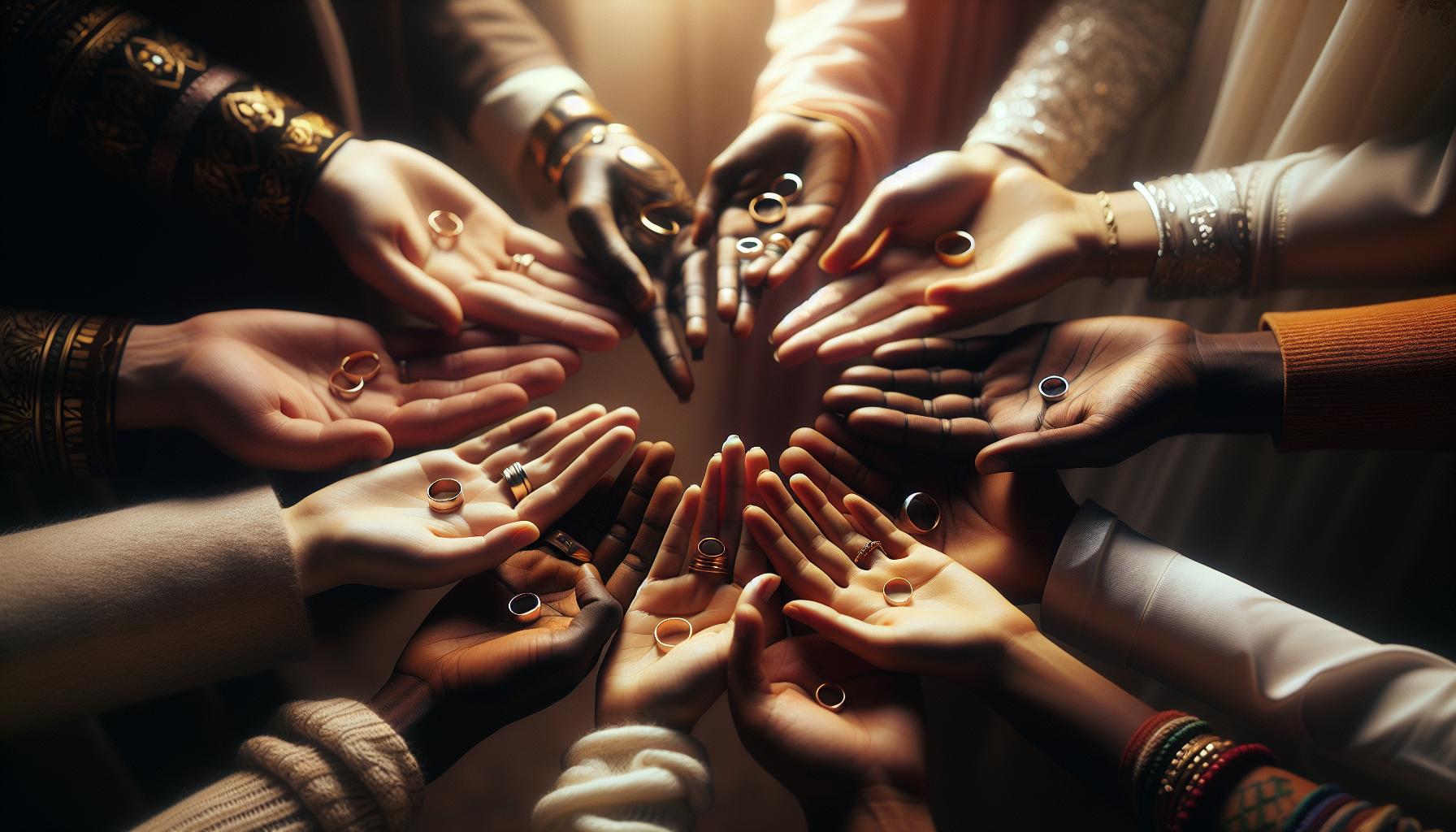
Understanding Wedding Ring Traditions Worldwide
The tradition of wearing wedding rings is steeped in history and cultural significance, providing a beautiful reflection of love and commitment across the globe. In many Western cultures, couples don their rings on the left hand, a choice rooted in the belief that this hand houses the “vena amoris,” or vein of love, that leads directly to the heart. This connection adds a romantic layer to the symbolism of the ring, as each glance at the sparkling band on the fourth finger serves as a daily reminder of the bond shared.
However, this practice varies widely among different cultures. In Eastern European nations, such as Russia and Poland, couples often wear their wedding rings on the right hand. This divergence symbolizes the importance of community and family ties, indicating that marriage is as much a union between families as it is between partners. It highlights the collective support system surrounding the couple, emphasizing that marriage transcends the individual relationship.
Religious customs also influence the way wedding rings are worn and understood. In Islamic traditions, for instance, gold rings are typically avoided for men, as they are seen as a form of ornamentation exclusive to women. Instead, men may choose silver or other materials, while women often wear gold rings on the right hand. In Jewish ceremonies, the ring is traditionally a simple band of gold, which can denote purity, and is placed on the bride’s index finger during the ceremony, before being moved to the ring finger afterward. Each of these customs enriches the tapestry of wedding ring traditions, offering unique insights into the values and beliefs of different societies.
Understanding these diverse traditions is crucial for couples navigating their wedding journey, as it allows for a meaningful celebration that resonates with their personal beliefs and backgrounds. By appreciating the myriad ways that love is symbolized through ring placement, couples can choose a practice that honors both tradition and their individual love story, creating a lasting mark of their union.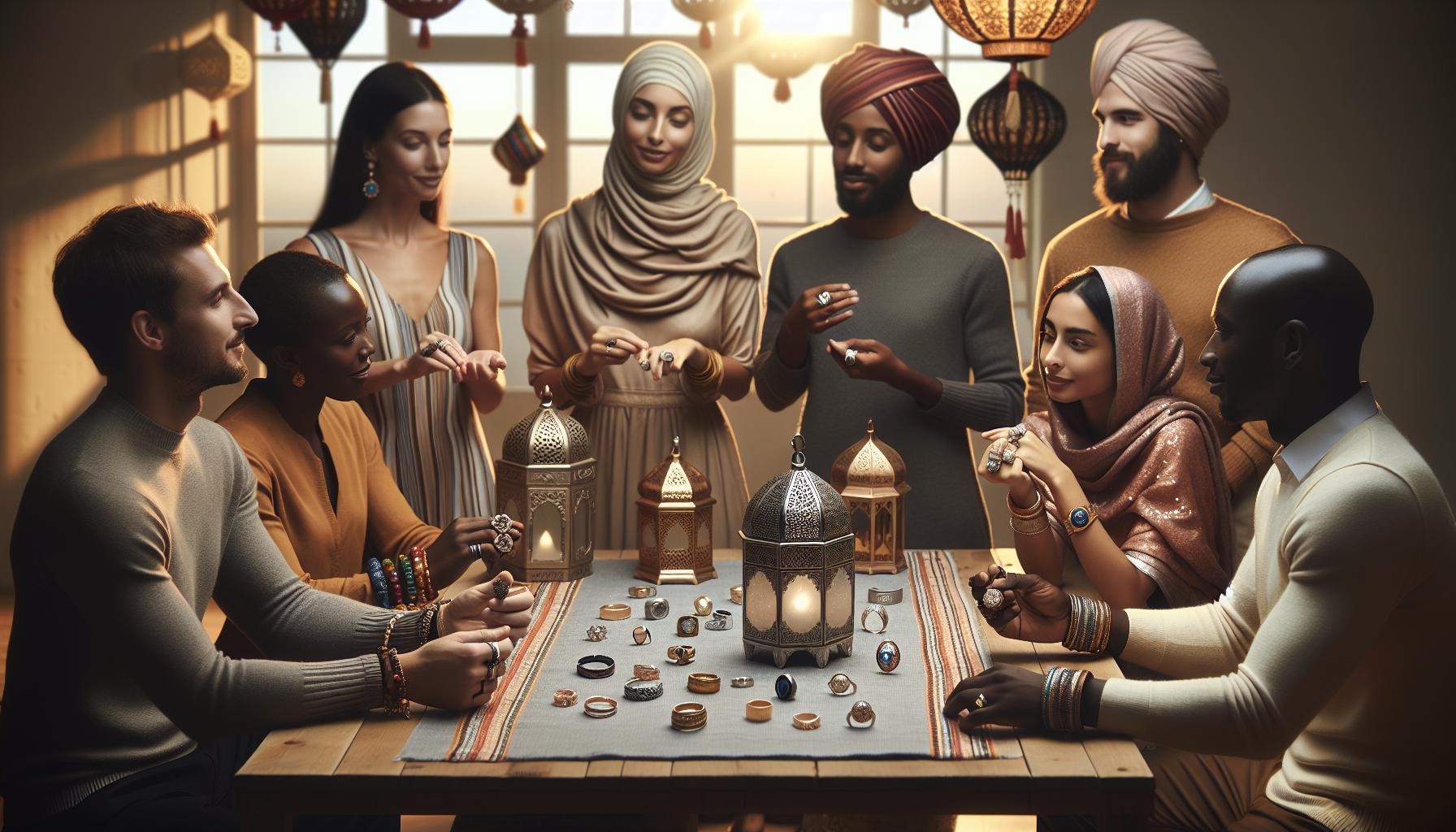
The Meaning Behind Left Hand vs. Right Hand
In the world of wedding rings, the hand upon which the ring is placed carries deep significance, shaping not just individual choices but also cultural identities. The left hand is typically the chosen location for wedding rings in many Western cultures, rooted in the ancient belief of the “vena amoris,” or the vein of love, which was thought to lead directly to the heart. This romantic notion has established a tradition where couples wear their rings on the fourth finger of the left hand, symbolizing a direct connection to love and commitment. Each time a couple glances at their ring, it serves as a gentle reminder of their vows and the deep bond they share.
Conversely, the right hand holds its own unique value, particularly in cultures such as those found in Eastern Europe, including Russia and Poland. Here, wedding rings are primarily worn on the right hand, representing a different set of values. This tradition emphasizes the couple’s connection to family and community, highlighting marriage as a union between not just the individuals but also their families and broader social circles. By placing their rings on the right hand, couples honor the collective support systems that surround their relationship, showcasing the importance of interdependence in their marital journey.
Each choice of hand brings its own set of traditions, often influenced by religious beliefs. For instance, in Islamic culture, it is common for men to avoid gold rings, considering them inappropriate, while women typically wear gold on their right hand. In contrast, Jewish traditions dictate that the ring may first be placed on the bride’s index finger during the ceremony before she moves it to the more traditional ring finger, signifying a transition from the public declaration of love to the intimate bond. These variations illustrate that while the choice of hand can be deeply personal, it is also imbued with cultural, familial, and spiritual significance.
In selecting which hand to wear your wedding ring on, couples are encouraged to reflect on their personal beliefs, familial traditions, and the cultural context in which they live. This unique decision can be a deeply affirming part of the wedding journey, allowing couples to celebrate their love in a way that resonates personally and honors the traditions they hold dear. Whether you choose the left or the right hand, the ultimate goal remains the same: to signify a profound commitment to one another, surrounded by love and support.
Variations in Wedding Ring Customs Across Religions
The rituals surrounding wedding rings extend beyond mere adornment; they weave a complex tapestry of tradition and significance, often influenced by religious beliefs. For many faiths, the choice of which hand to wear the wedding ring on embodies deeper spirituality and cultural identity. Understanding these variations not only enriches your wedding experience but also honors the diverse customs that celebrate the union of two lives.
In Christianity, the symbolic act of exchanging rings is often accompanied by prayers and blessings. Many Christians traditionally wear their wedding rings on the left hand, underscoring a belief in the left-hand ring finger being directly connected to the heart, as reiterated in the popular saying “I love you with all my heart.” The concept is meant to deepen the sacred union between spouses, with the ring serving as a continuous reminder of their vows. In contrast, some Orthodox Christians choose to exchange rings on the right hand, highlighting their connection to faith and tradition.
Meanwhile, in Jewish ceremonies, the significance of the ring extends to its physical description and the act of giving. The groom traditionally presents a simple band-without stones or elaborate designs-during the ceremony, which is a symbol of the pure and eternal nature of their love. Interestingly, the bride may initially receive the ring on her index finger before moving it to the ring finger, signifying a transition from public commitment to private intimacy. The use of an unadorned band is also steeped in symbolism; it represents harmony and wholeness.
In Islamic cultures, the choice of the type of ring and its placement also varies. While many Muslim grooms may opt for simple, often silver rings, it is common for brides to wear gold rings, typically placed on the right hand. In some interpretations, it is advised that men avoid gold entirely, as it is seen as inappropriate. This reflects broader Islamic principles regarding wealth and humility. The ring, regardless of its material, becomes a cherished token that signifies not just marital commitment but also faith in a shared future.
By exploring these customs, couples can gain insight into how their personal beliefs and cultural backgrounds influence their wedding ring choices. This not only allows them to make informed decisions on the placement of their wedding rings but also fosters a connection to their ancestry and spiritual roots, enriching the journey of love they embark upon together. Whether you find meaning in the elegance of a simple band or the richness of intricate designs, the choice of ring and its placement becomes a beautiful expression of personal and collective heritage.
How Different Cultures Celebrate Marriage Rings
The celebration of marriage rings varies tremendously across cultures, each infusing their unique customs and significance into the ritual of exchanging these enduring symbols of love. From the moment couples slip on their rings, they engage not just in a tradition but also weave their own narratives enriched by their backgrounds. Understanding how diverse cultures celebrate marriage rings can deepen your appreciation for this cherished custom and help you find meaningful ways to incorporate these practices into your own wedding experience.
In many Western cultures, wedding rings are typically exchanged during the ceremony, often accompanied by heartfelt vows. The rings symbolize an unbreakable bond between partners and are usually worn on the left hand, specifically the fourth finger, based on the belief that this finger contains the “vena amoris” or vein of love. However, this tradition might take on different nuances; for example, some couples might choose to have matching bands or select gemstones that hold personal significance, adding a layer of individuality to the timeless promise.
In contrast, Indian wedding customs are rich with symbolism and vibrant ceremonies. The “mangalsutra,” a sacred necklace adorned with gold and black beads, holds significant importance, paralleling the role of the wedding ring in Western cultures. Throughout the wedding, the groom ties this necklace around the bride’s neck, signifying their union. This act, often accompanied by prayers, transforms the mangalsutra into a lasting emblem of their marriage. Additionally, these traditions often extend into the post-wedding period, where brides might wear elaborate bangles that signify auspiciousness and marital status.
In various African cultures, the exchange of rings may include traditional elements like beaded necklaces, which convey familial ties and cultural heritage. The rings themselves may be made from locally sourced materials, reflecting a couple’s connection to their roots and community. In this context, the rings are not just personal tokens but also represent the intertwining of families and community, celebrating not just the couple’s love but also their shared cultural identity.
As you navigate your own wedding planning journey, consider incorporating elements from these various cultural practices. Whether it’s selecting a ring that resonates with your heritage, blending traditions from both families, or even crafting new rituals that reflect your unique love story, the way you celebrate your marriage ring can enhance your celebration. Embrace this opportunity to create an experience that honors the diverse richness of marital customs while establishing your path as a couple. Each choice becomes a beautiful affirmation of your love, encapsulating the essence of your relationship and the journey you are embarking on together.
Modern Trends in Wedding Ring Choices
In a world where individuality reigns supreme, modern couples are redefining their wedding ring choices with creativity and personal expression. This shift reflects a broader cultural movement, where traditional rituals blend seamlessly with contemporary values, allowing for a celebration that resonates deeply with each couple’s identity. From unconventional materials to design personalization, today’s wedding rings are as unique as the love stories they symbolize.
Many couples are opting for custom designs that incorporate personal touches-think engravings of meaningful phrases or symbols that hold special significance. Additionally, unique gemstones are becoming increasingly popular as alternatives to traditional diamonds. Couples are often drawn to gems like sapphires, emeralds, or even lab-created stones that not only reflect their style but also accommodate budgetary considerations while standing as a testament to their commitment. As sustainability increasingly influences consumer choices, eco-friendly rings made from recycled materials or ethically sourced gemstones gain traction, aligning love with care for the planet.
Moreover, the choice of wearing wedding rings on different hands has also evolved. While the left hand remains traditional in many Western cultures, some modern couples choose to wear rings on the right hand, representing a more progressive take on unions, especially in cultures where this has traditionally signified marriage. This choice often reflects a desire to celebrate diversity in marital expressions, embracing personal beliefs and backgrounds that shape their love story.
As you embark on your wedding planning journey, consider these trends not just as options, but as opportunities to express who you are as a couple. A wedding ring is not purely an accessory; it’s a daily reminder of the promises made and the love shared. Whether you select a classic band, a colorful gem, or a bespoke piece crafted to tell your story, allow your choices to inspire joy and authenticity in your union. With each decision, create a narrative that celebrates all the nuances of your relationship, making your wedding ring a true reflection of your journey together.
The Psychology of Ring Placement and Commitment
The placement of a wedding ring is more than just a stylistic choice; it embodies deep psychological significance tied to commitment and societal norms. When couples choose whether to wear their rings on the left or right hand, they navigate not only personal preferences but also inherited cultural meanings that shape their union’s symbolism. This decision can influence the way partners perceive their relationship and how others view their commitment.
Psychologically, the act of wearing a ring-especially a wedding band-serves as a continual affirmation of a couple’s vows. It acts as a constant reminder, a tactile symbol of their promise to each other. For many, the left hand, traditionally reserved for wedding rings in many Western cultures, is associated with the heart and emotions-a connection rooted in the belief that the left hand has a special vein, the “vena amoris,” that leads directly to the heart. This romantic notion reinforces feelings of love and interconnectedness in relationships. Conversely, wearing the ring on the right hand may symbolize a modern interpretation of love, embracing equality and individuality-where commitment is celebrated, but the norms can be rewritten.
Furthermore, the choice of hand can relate to broader trends in how relationships manifest today. As couples explore identities beyond traditional roles, wearing a wedding ring on the right hand can symbolize a balanced partnership, not just a romantic engagement. This choice often resonates with those who cherish independence and wish to express their unique narrative, reflecting a marriage that honors both individuality and partnership.
This interplay of cultural significance and personal meaning is pivotal for couples navigating their wedding plans. When choosing ring placement, partners should consider their values, cultural backgrounds, and how these choices resonate with their shared story. Ultimately, the decision around where to wear a wedding ring is an opportunity to express commitment, challenge norms, and embrace a journey that encompasses both tradition and modernity. As such, it becomes a celebration of their unique love-a daily reminder of the promises made and shared aspirations for the future.
Historical Evolution of Wedding Ring Customs
The enchanting tradition of wedding rings has evolved through centuries, weaving together past and present to create a rich tapestry of meaning and significance. From the ancient Egyptians to modern couples, the act of exchanging rings has signified love, commitment, and unity. In historical contexts, wedding bands were often crafted from materials such as braided reeds or iron, symbolizing strength and eternal connection. Their circular shape represented eternity, reinforcing the idea that love knows no beginning or end.
In many cultures, the left hand has become the preferred digit for ring placement, which can be traced back to a romantic belief in the “vena amoris” or “vein of love.” This notion, stemming from ancient Roman times, suggested that a vein ran directly from the fourth finger of the left hand to the heart, symbolizing a deep emotional bond between partners. This practice gradually spread through Europe, becoming the standard in many Western traditions. However, the right hand has also held significance in various cultures, often seen as a symbol of equality and partnership, especially in countries where this tradition is rooted, such as several Eastern European nations and among certain religious practices.
Moreover, the historical significance of wedding ring placement goes beyond materials and symbolic meanings; it has been heavily influenced by social norms and expectations of gender roles. In some cultures, the ring represents not only the commitment of love between partners but also a form of identity and status. As societies evolved, so too did the meaning behind the rings. Modern interpretations are becoming increasingly diverse, with couples now embracing individual styles and personal stories through unique choices in their wedding rings.
Ultimately, understanding the can deepen the appreciation for this age-old tradition. As couples today navigate their wedding planning, they should feel inspired by the rich history that envelops their choices, whether opting for traditional left-hand placements or modern interpretations on the right hand. This journey allows them to honor cultural significance while also infusing their personal touch, crafting a narrative that is uniquely their own.
What to Consider When Choosing Ring Placement
Choosing the perfect hand for your wedding ring is a decision imbued with personal and cultural significance. The placement of a wedding ring can symbolize your enduring love, connection, and ultimately, your unique relationship. While many couples gravitate towards the traditional left hand as a nod to historical beliefs like the “vena amoris,” it’s essential to consider what resonates with you and your partner on a deeper level.
As you contemplate your choice of ring placement, think about the following factors:
- Cultural Background: Your heritage may significantly influence your decision. Different cultures have distinct customs regarding ring placement. For example, in certain Eastern European countries, the right hand is often preferred, symbolizing equality and mutual commitment.
- Personal Preference: Reflect on how you feel about each option. Does the idea of wearing your ring on the left evoke the classic romanticism of love’s deep connection, or do you feel drawn to the modern interpretations often associated with the right hand? Your intuition should guide you here.
- Comfort and Practicality: Consider your daily activities and lifestyle choices when selecting which hand to wear your ring. If you use your hands frequently for work or hobbies, you may find it more comfortable to wear the ring on the hand that feels less active or more protected.
- Future Considerations: Think about how this choice may evolve over time. Some couples may decide to wear their rings on the left hand during their ceremony and later move them to the right for various reasons, such as personal significance or to accommodate additional rings. Being flexible can honor your journey together.
Ultimately, the decision of which hand to wear your wedding ring on should resonate with your shared values and experiences. Celebrate your unique love story through this small yet meaningful choice, allowing your ring placement to embody not just tradition, but also your relationship’s narrative and commitment. Embrace this opportunity to make a conscious choice, adding an extra layer of intimacy to your wedding planning journey.
Debunking Myths About Wedding Ring Fingers
Much like love itself, the customs surrounding wedding ring placement can be steeped in myth and misconception. For instance, one prevalent myth is that wearing a wedding ring on the left hand is universally accepted, while the right hand is reserved for the unmarried. In reality, this belief is largely a Western perspective. In many cultures, such as in parts of Eastern Europe and South America, the right hand symbolizes commitment and is often the hand of choice for wedding rings, representing equality and shared responsibility in marriage. Understanding these nuances helps couples appreciate the rich tapestry of wedding traditions around the globe.
Another common misunderstanding is that the choice of ring finger dictates the depth of commitment in a relationship. Some believe that a ring worn on the left hand corresponds to a more serious bond, while the right hand may denote a casual or temporary relationship. However, what truly matters is the personal significance attached to the ring and its placement. Couples today are making choices based on their own stories and identities rather than solely adhering to traditional standards. Whether they opt for a classic left-hand placement or a contemporary right-hand style, the essential element is the love and connection the ring symbolizes.
Additionally, some people may think that specific rings can only be worn on certain fingers due to tradition. For example, the idea that engagement rings should only adorn the left hand can be limiting. There’s a growing trend among couples to mix and match their adornments, wearing engagement and wedding rings on different hands or fingers to reflect their unique styles. This personal expression is encouraged, allowing couples to reflect their individuality and shared journey.
As you explore the various traditions and customs surrounding wedding ring placement, remember that the most critical aspect is what resonates deeply with you and your partner. Your choices should celebrate your love story, unhindered by myths or outdated norms. Embrace the opportunity to create your own narrative, steering clear of one-size-fits-all answers and focusing instead on the meaningful journey you wish to embark on together.
Personal Stories: Unique Wedding Ring Experiences
The journey of choosing wedding rings is often as unique as the couples themselves, filled with personal stories that reflect their values and cultural meanings. Every decision made about the placement of their rings can hold a special significance, weaving a narrative that transcends traditional norms. For example, a couple of mixed heritage-one from a background where the ring is worn on the left hand and the other from a tradition favoring the right-chose to wear their wedding rings on their right hands. This decision not only honored their roots but also symbolized their commitment to equality and partnership in their marriage.
Another couple shared how they embraced the idea of non-traditional ring placements by opting for matching tattoo bands on their ring fingers. The tattoos signify a permanent commitment and reflect a modern take on marriage that resonates with their lifestyle and beliefs. This choice led them to redefine what wedding rings meant for them, allowing for personal interpretation while including elements of tradition and modernity.
Consider the story of a bride who inherited her grandmother’s ring, which was originally worn on the right hand. Instead of switching it to the left, she chose to honor her heritage and keep the family tradition alive. For her, the meaning behind the hand selection was interwoven with love, family history, and a commitment to the values her grandmother instilled in her. This deeply personal touch turned her wedding ring into a cherished heirloom, symbolizing not just her love but also a link to her past.
These examples reveal that the placement of wedding rings is not merely about adhering to customs but is also an opportunity for couples to craft their own narratives. As they navigate the myriad choices in front of them, couples are encouraged to explore what resonates with them personally-be it through tradition, innovative adaptations, or a blend of both. Every story reflects a journey of love and commitment, celebrating the diverse ways that couples express their bonds through the symbolism of their rings.
Tips for Choosing the Right Wedding Ring Side
Choosing the right hand for your wedding ring is a deeply personal decision, influenced by cultural traditions, personal preferences, and even lifestyle. The placement of wedding rings has historical roots, yet today’s couples have the freedom to express their individuality through this choice. Whether you lean towards the left hand steeped in Western tradition or the right hand popular in various cultures, consider what resonates most with you and your partner as you embark on this exciting journey together.
When deciding which side to wear your wedding ring, it’s essential to reflect on the cultural significance that may impact your choice. For instance, in many Western cultures, the left hand symbolizes love and is often associated with the idea that the left ring finger has a direct connection to the heart. Conversely, some cultures use the right hand for this purpose, as seen in parts of Eastern Europe and South America. Understanding the meanings behind each choice can add depth to your decision, enriching the story of your union.
Another important consideration is your comfort and lifestyle. Think about your daily activities and how you use your hands. If you frequently engage in manual labor or sports, you might prioritize comfort and durability in your ring choice, which could influence which hand you wear it on. Additionally, consider whether you plan to wear your engagement ring alongside your wedding band. Some couples choose to stack their rings on one hand, while others may prefer to keep them on separate hands for visual balance and style.
Ultimately, the most significant factor should be what feels right for you both as a couple. Discuss openly about your preferences, and don’t hesitate to explore various options, including unique placements such as wearing the ring on a different finger or even incorporating non-traditional styles like tattoo rings. Allowing your relationship’s narrative to dictate your choices ensures that the rings, and their placement, serve as a true reflection of your love and commitment. Embrace this moment of connection; after all, it’s about celebrating your union in a way that feels wholly yours.
Frequently asked questions
Q: What is the significance of wearing a wedding ring on the left hand?
A: Wearing a wedding ring on the left hand is rooted in the belief that the left-hand ring finger has a direct vein leading to the heart, symbolizing love and commitment. This custom is prevalent in many Western cultures and signifies a deep emotional connection in the marriage.
Q: Are there cultures that wear wedding rings on the right hand?
A: Yes, in several cultures, such as in Germany, Russia, and some countries in Eastern Europe, wedding rings are traditionally worn on the right hand. This custom may reflect different cultural beliefs about marriage and partnership, emphasizing unique customs and traditions in various regions.
Q: What do wedding ring placement variations signify in different religions?
A: Different religions have unique practices regarding wedding ring placement. For instance, in Jewish traditions, the wedding ring is typically worn on the index finger during the ceremony before switching to the ring finger. Understanding these variations helps couples honor their religious customs and familial traditions during their celebrations.
Q: When should couples consider changing which hand the wedding ring is on?
A: Couples may consider changing the hand their wedding ring is worn on due to personal preferences, cultural influences, or special circumstances, such as pregnancy or changes in lifestyle. Regularly discussing such matters can enhance understanding and strengthen their bond.
Q: Why do some people choose not to wear a wedding ring at all?
A: Some individuals opt not to wear wedding rings for various reasons, such as personal comfort, lifestyle choices, or financial considerations. Others may view their commitment as more than a physical symbol, focusing instead on emotional bonds. Open communication is key to understanding these perspectives.
Q: What is the symbolism behind a wedding ring’s design and material?
A: The design and material of wedding rings often carry significant symbolism. For example, gold represents purity and eternity, while diamonds symbolize strength and durability. Couples should select rings that resonate with their values and love story, enhancing their shared commitment.
Q: How do modern trends affect traditional wedding ring customs?
A: Modern trends are influencing traditional wedding ring customs by incorporating unconventional designs, mixed materials, and personalized engravings. Many couples are now choosing rings that reflect their individual style and beliefs, challenging the conventional expectations of wedding jewelry.
Q: What should couples consider regarding cultural meanings when choosing a wedding ring?
A: Couples should consider cultural meanings by researching relevant customs and practices that resonate with them. This could involve selecting appropriate materials or design elements that honor their heritage, allowing them to celebrate their union respectfully and meaningfully.
In Retrospect
As you embark on the beautiful journey of love and commitment, understanding the meanings behind wedding ring placement is just the start. Each culture offers unique traditions that add depth and significance to your special day. Whether you choose to wear your wedding ring on the left or right hand, what matters most is the love it represents. If you’re eager to dive deeper into wedding planning, explore our comprehensive guides on wedding rings, romantic proposal ideas, and expert tips for selecting the perfect venue to make your event unforgettable.
Don’t let uncertainty hold you back-take the next step in your wedding planning adventure! Consider signing up for our newsletter for exclusive insights, or check out our popular articles on wedding etiquette and reception ideas. Feel free to share your thoughts in the comments below; your experiences could inspire others in their own wedding journeys. Let your love story shine as brightly as your ring!