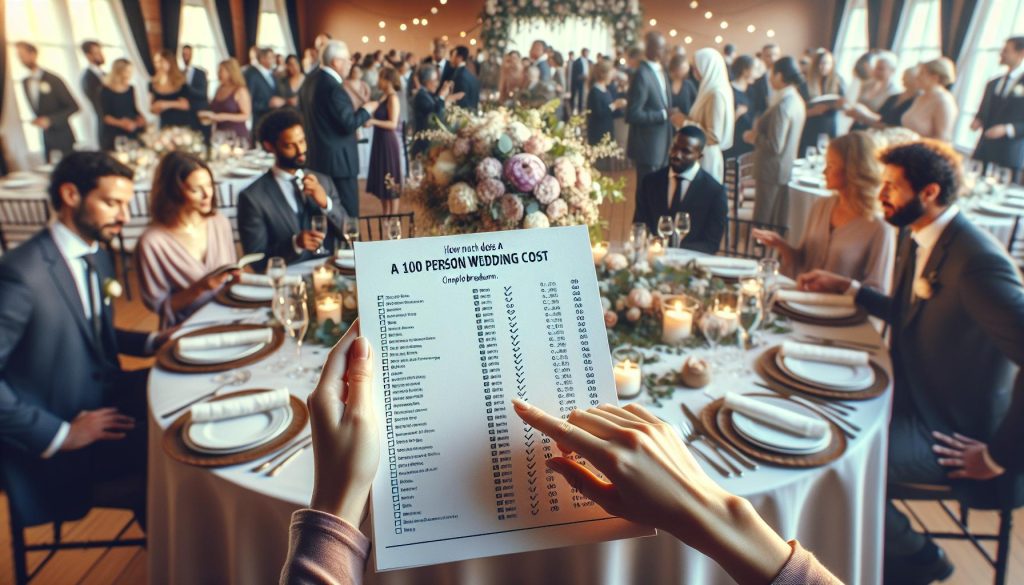
Planning a wedding can be both exhilarating and daunting, especially when it comes to budgeting for a celebration with 100 guests. Did you know that the average cost of a wedding can vary significantly based on location, guest count, and personal choices? Understanding how much a wedding of this size might cost is crucial for couples seeking to balance dream elements with financial reality. This detailed breakdown will help you navigate the different expenses, from venue rentals to catering, ensuring you prioritize what truly matters on your special day. As you embark on this beautiful journey, let’s explore the essential cost factors, empowering you to make informed decisions while keeping the magic alive. Dive in to uncover the insights that will transform your wedding planning experience into a joyful celebration of love!
Understanding the Average Costs of a 100-Person Wedding
Understanding the financial landscape of a wedding can be both exciting and daunting, particularly for a guest list of around 100 people. To put things in perspective, the average cost of a wedding in the U.S. can range significantly depending on factors like location, venue choice, and personal preferences. Generally, couples can expect to invest between $20,000 to $30,000 for a 100-person wedding, but this can soar to well over $40,000 if opting for premium services and venues. The beauty of celebrating with 100 guests lies in the sweet spot it creates – intimate enough for personal connections but large enough to create a vibrant atmosphere.
Every wedding is unique, and understanding the breakdown of key expenses associated with a 100-person wedding is critical for effective budgeting. The major expense categories generally include:
- Venue Costs: This can account for a significant portion of your budget. Beautiful venues and locations often have a starting fee that may range from $3,000 to $10,000. Remember to factor in costs for any additional services the venue may offer, such as setup and cleanup.
- Catering and Bar: Expect to spend about $50 to $150 per plate, depending on whether you choose a buffet or plated meal, plus beverage costs. A simple calculation might identify a catering budget of $5,000 to $15,000.
- Decorations and Floral Arrangements: Creating the right ambiance is vital. Costs can vary widely, but budgeting around $2,000 to $5,000 should allow for beautiful floral and decor selections.
- Photography and Videography: Capturing those moments is priceless yet necessary. Professional photography services can range from $2,500 to $5,000 or more for full coverage.
- Attire and Accessories: With a wedding dress, tuxedos, and accessories, you might budget between $1,500 to $3,000.
- Invitations and Stationery: Quality invites can add up, generally costing around $400 to $1,200, depending on design and printing costs.
- Entertainment: Hiring a DJ can fall between $1,000 to $2,500, while live bands often exceed this range.
- Wedding Planner Fees: Engaging a planner can simplify the process, usually costing 10-15% of your total budget.
Among these expenses, couples must be vigilant about hidden costs such as gratuities, additional service fees, and overtime charges that can sneak up unexpectedly. Money-saving tips might include negotiating with vendors, opting for off-peak times, or simplifying the guest list.
Navigating these aspects can transform wedding planning from a tedious task into an enriching journey filled with joy and anticipation. Embrace the process, remember the love at the core of the celebration, and keep an eye on those budgetary details to create a day that reflects both your style and your dreams.
Breakdown of Key Wedding Expenses
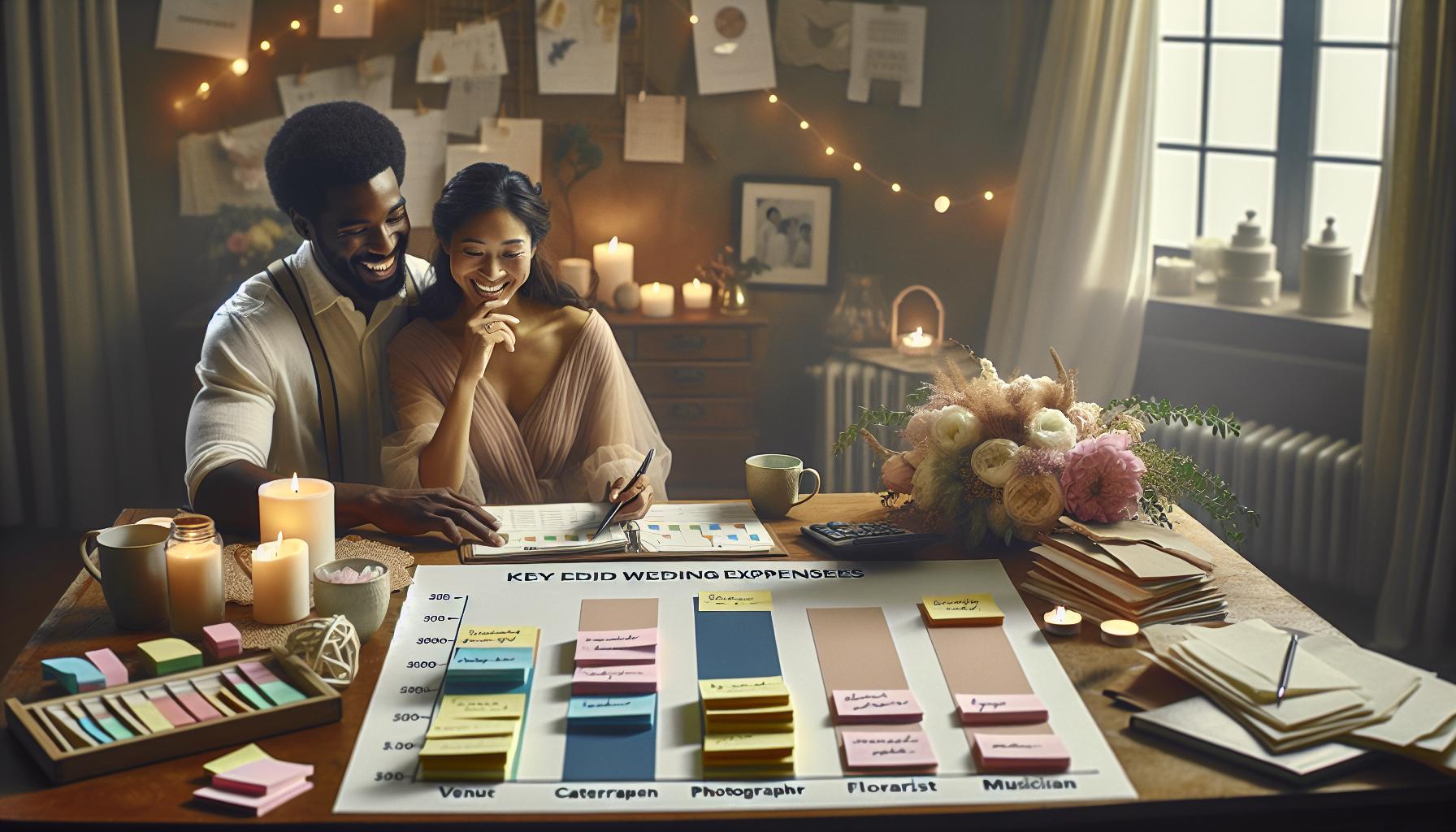
Understanding how to allocate your budget for a wedding can feel like piecing together a beautiful mosaic. With a guest list of around 100 people, it’s essential to break down the costs into manageable sections to bring your vision to life. Each component plays a crucial role in the overall celebration, allowing you to tailor your event to your preferences while keeping an eye on your finances. Here’s a detailed look at the that will help you formulate a realistic budget.
Venue Costs
The venue is often one of the most significant expenses and sets the stage for the entire event. Expect to spend between $3,000 and $10,000 for a beautiful site that suits your style, whether it’s a rustic barn, a beachfront location, or a grand ballroom. When calculating this expense, consider additional costs such as setup, cleanup, or any packages that include catering or decorations.
Catering and Bar
Food and drink can directly influence not only your budget but also your guest’s experience. A typical cost ranges from $50 to $150 per plate, depending on the meal style-buffet, plated service, or family-style-and the complexity of the menu. Therefore, a rough estimate for catering could be anywhere from $5,000 to $15,000. Don’t forget to add beverage costs; whether you choose a full open bar, a signature cocktail, or a simple wine and beer option, per-person drink costs vary widely.
Decorations and Floral Arrangements
Creating an inviting atmosphere is key to enhancing the celebratory spirit of the day. Budgeting around $2,000 to $5,000 can empower you to select stunning floral arrangements, centerpieces, and other decor that reflect your wedding theme. Consider DIY projects or seasonal flowers to save costs while still enriching the visual aesthetic.
Photography and Videography
Your wedding day will pass by quickly, but good photography ensures those cherished moments are preserved forever. Investing in professional services can range from $2,500 to $5,000 or more, depending on the package you choose. Consider hiring a videographer to capture the day on film, which can add to the joy of reliving those memories.
Attire and Accessories
Finding the perfect outfits for your special day is a delightful part of wedding planning. Budgeting between $1,500 to $3,000 will often cover the wedding dress, tuxedos, shoes, and accessories. To ensure a balance between style and expenses, consider shopping during sales, renting attire, or even borrowing pieces from friends or family.
Invitations and Stationery
Your invitations set the tone for your event and should reflect your style while providing essential information. Depending on design and material, costs can range from $400 to $1,200. Digital invitations can also be a stylish alternative that cut down on printing costs.
Entertainment
Keeping your guests engaged with exceptional entertainment is essential. Hiring a DJ typically costs between $1,000 to $2,500, while live bands can significantly exceed this range depending on the group’s experience and popularity. Consideration should also be given to additional entertainment options, how they align with your vision, and how they will fit within the overall budget.
Wedding Planner Fees
For those overwhelmed by the intricacies of planning, hiring a wedding planner can be invaluable. Typically charging 10-15% of your total budget, a planner can help navigate vendors, timelines, and logistics, providing peace of mind in the lead-up to your special day.
Navigating these fundamental components allows couples to plan effectively and enjoy the process. Remember to account for hidden costs like gratuities and overtime charges, and keep an eye on ways to save, such as negotiating with vendors or choosing an off-peak date. Embrace the journey of crafting a beautiful reflection of your love, ensuring every decision contributes to an enchanting celebration surrounded by friends and family.
Venue Costs: Finding the Perfect Spot
Selecting the right venue for your wedding can feel like finding the missing piece in a beautiful puzzle. It is not just a location; it sets the tone for your entire celebration and shapes the experience for you and your guests. With a budget for approximately 100 guests, you should anticipate spending anywhere from $3,000 to $10,000 depending on factors such as the venue’s style, amenities, and location.
When searching for the perfect spot, consider what atmosphere you want to create. Venues vary greatly-from charming rustic barns to elegant ballrooms, and scenic beachfronts. Each location naturally comes with its own unique costs that can include a rental fee, which may cover tables and chairs, or additional charges for setup and cleanup services. Be sure to ask about what is included and whether there are additional costs for things like sound systems or catering kitchens.
Important Considerations
Before securing your venue, here are some essential factors to keep in mind:
- Accessibility: Ensure your chosen location is convenient for your guests, with ample parking or proximity to accommodations.
- Availability: Popular venues can book months or even years in advance, so check available dates early!
- Catering Options: Some venues offer in-house catering or preferred vendor lists, which can simplify your planning process and sometimes even save money.
- Seasonality: Choosing an off-peak season can not only save costs but provide a more intimate experience with potentially fewer events on the same day.
Budgeting also means preparing for hidden costs that may arise during the planning process. Taxes, service charges, and gratuities are often overlooked until the final bill comes. When itemizing your budget, stay vigilant to ensure you don’t exceed your financial plan.
Ultimately, finding the perfect venue is about mapping your vision and values as a couple, while staying within budget. With thoughtful research and careful consideration, you can create an enchanting atmosphere that reflects your love story beautifully.
Catering and Bar: Budgeting for Food and Drink

The culinary experience at your wedding is much more than just a means of sustenance; it’s a celebration of love, culture, and creativity that sets the stage for memorable interactions amongst your guests. With a guest list expected to be around 100 people, budgeting for food and drink is a crucial component of your overall wedding expenses. Typically, couples spend anywhere from $7,000 to $15,000 on catering alone, depending on the type of service, menu selections, and the overall style of the reception.
Choosing between a plated dinner, buffet, or cocktail-style reception can greatly influence your budget and the atmosphere of the celebration. Buffets, while cost-effective, can create a casual vibe that encourages mingling, while plated dinners often feel more formal and offer a curated experience. Alternatively, a cocktail-style reception, featuring various appetizers and hors d’oeuvres, can add a fun and modern touch-perfect for encouraging socializing. Regardless of the chosen style, always communicate with your caterer about portion sizes to ensure no one leaves hungry.
When it comes to beverages, consider including both alcoholic and non-alcoholic options. The average cost of alcohol for a wedding can vary based on whether you choose an open bar, a cash bar, or a limited bar with specific drink selections. If you’re on a budget, offering a signature cocktail inspired by your love story can add a personal touch while keeping costs down.
In addition, don’t overlook the costs associated with bar service, such as bartender fees and any necessary permits for serving alcohol. Keeping a detailed list of all the food and drink components-including taxes, tips, and service charges-will help you stay organized and avoid hidden costs. As you navigate this delightful process, keep in mind that your choices should reflect your personalities and the essence of your relationship, creating an unforgettable dining experience that resonates with your love and celebrates the moment.
Decorations and Floral Arrangements: Setting the Mood
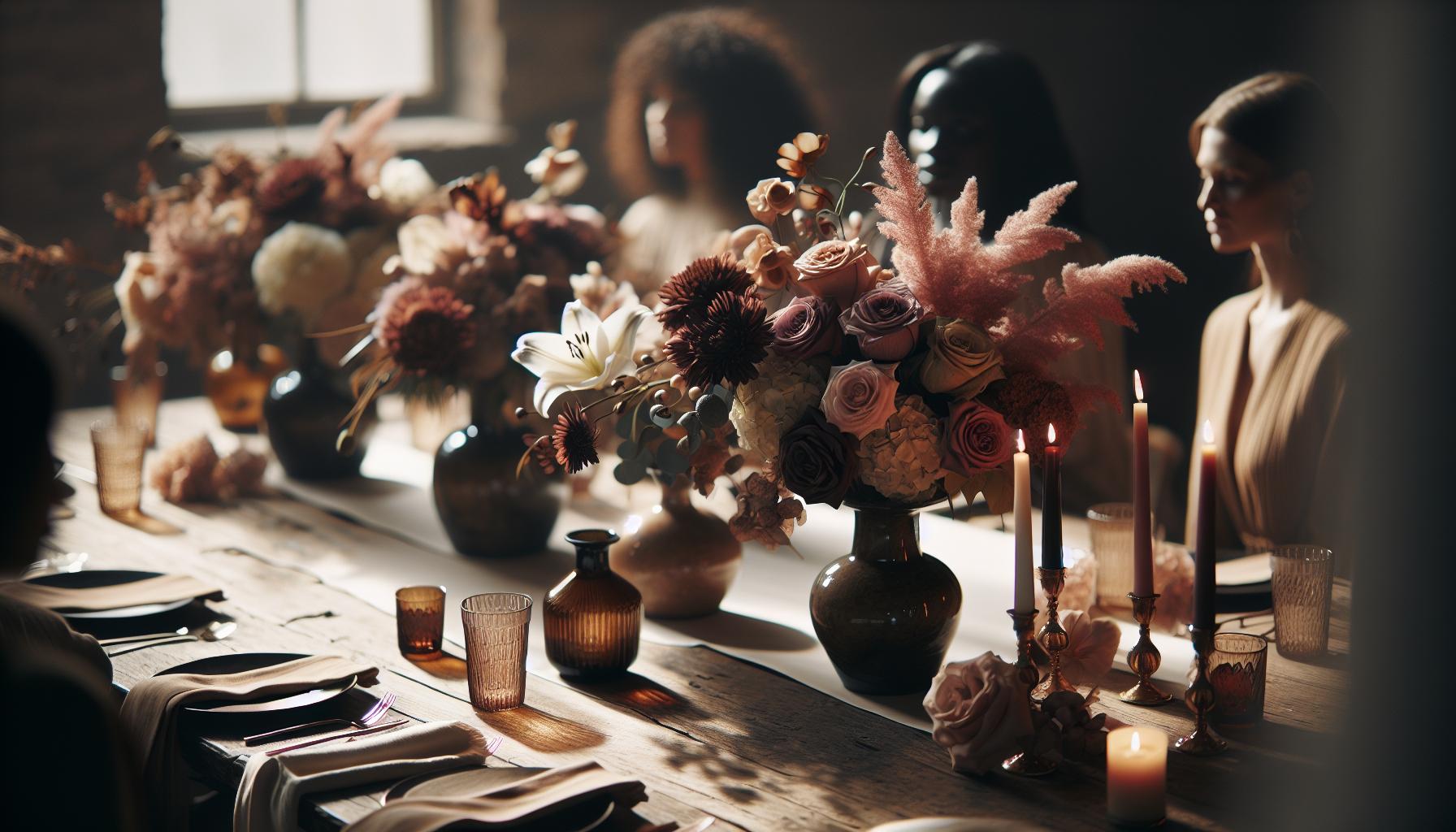
Elevating the ambiance of your wedding is essential, and this is where decorations and floral arrangements shine. With a guest list of around 100 people, your décor choices will set the scene and enhance the emotional experience of your celebration. Couples often allocate between $2,000 and $10,000 for decorations and flowers, but the final amount will depend on the style, venue, and personal preferences.
To create a cohesive look, start by choosing a color palette that reflects your personality and the season of your wedding. Consider incorporating elements that resonate with your love story-whether it’s a favorite color, meaningful symbols, or themes that speak to both of you. Here are some decoration ideas to inspire your creativity:
- Centerpieces: Utilize floral arrangements, candles, or unique items that represent you as a couple. Tall centerpieces can draw the eye upward, while low arrangements allow guests to converse across the table.
- Aisle Décor: Enhance your ceremony space with lanterns, petals, or floral arches that guide your guests’ attention to the most important moment of your day.
- Backdrop and Photo Areas: Consider creating a stunning backdrop for the ceremony or reception that doubles as a photo booth, using draped fabrics, floral installations, or custom signage.
When it comes to floral arrangements, choose seasonal flowers to keep costs manageable while enhancing the beauty of your venue. Work with a florist to design arrangements that complement your color scheme and the style of your wedding, whether it’s rustic, elegant, or bohemian. Always communicate your budget clearly; many florists are willing to offer ideas that fit within your limits without sacrificing quality.
Finally, don’t forget that lighting plays a crucial role in setting the mood. Simple string lights or lanterns can create warmth and enhance the overall atmosphere of your wedding. Consider renting or purchasing uplights to accentuate architectural features of your venue or to highlight areas such as the dance floor, creating a magical, inviting space for your celebration.
Your decorations and floral arrangements are much more than mere embellishments; they are an opportunity to express your unique love story and create an inviting atmosphere that leaves a lasting impression on your guests. Let your creativity flow as you plan a setting that will be both stunning and memorable, making your wedding day truly special.
Photography and Videography: Capturing Your Day

Capturing the essence of your wedding day through photography and videography is an investment that allows you to relive those magical moments for years to come. As you plan for a wedding with around 100 guests, setting aside approximately $3,000 to $5,000 for professional photographers and videographers can yield stunning results, reflecting the uniqueness of your celebration. Finding the right team is essential, as they will skillfully document every laughter, tear, and dance move, transforming fleeting moments into everlasting memories.
When selecting a photography and videography package, consider the style that resonates with you as a couple. Do you prefer a classic, posed approach, or are you enchanted by the artistry of candid shots? It’s beneficial to view portfolios, ask for recommendations, and set up meetings with potential vendors. During these consultations, discuss your vision and any specific moments you want captured, such as emotional first looks or exuberant dance breaks. A good photographer will not only take stunning images but will also make you feel at ease, ensuring genuine smiles and heartfelt interactions throughout the day.
Creating a Wedding Day Timeline
A well-thought-out timeline is crucial in maximizing the effectiveness of your photography and videography. Allocate specific times for getting ready, formal portraits, and candid shots during the ceremony and reception. Here’s a simple breakdown:
- Getting Ready: 2-3 hours before the ceremony
- Ceremony: 30-60 minutes
- Formal Portraits: 1 hour following the ceremony
- Cocktail Hour: 1 hour; ensure the photographer captures guests mingling
- Reception: 4 hours including the grand entrance, speeches, first dances, and cake cutting
Communicate your timeline with your vendor to ensure seamless coordination, allowing them to plan for key moments without interruption. Whether it’s capturing the intricacies of your wedding attire or the laughter shared amongst friends, your photographer and videographer will be primed to seize every opportunity.
Post-Wedding Considerations
After the wedding, you will want to eagerly await the final edits-this often takes several weeks. Make sure to inquire about the delivery methods, whether digital, prints, or a beautifully crafted album, and discuss how many hours of video they will provide. Some couples choose to opt for a highlight reel as well as full-length footage, ensuring they have a condensed version to share with friends and family.
By prioritizing photography and videography, you are not only securing a keepsake of your wedding day but also an invaluable part of your love story. Each photo and clip will evoke memories and emotions, perpetually tying you back to one of the most significant moments of your lives together. Invest wisely in this aspect of your planning, and your memories will be as vivid as the day itself.
Attire and Accessories: Choosing the Right Outfits
Selecting the perfect outfits for your wedding is an exhilarating part of the planning process that sets the tone for your celebration and reflects your unique love story. Whether you envision a chic, elegant affair or a relaxed, bohemian gathering, the attire you choose establishes a beautiful backdrop against which your memories will unfold. As you prepare for a wedding with around 100 guests, budgeting for your attire, accessories, and those of your wedding party can greatly influence your overall wedding expenses.
When considering the attire for your special day, it’s essential to account for a few key components: the wedding dress or suit, accessories, alterations, and attire for the wedding party. Depending on your style and budget, wedding dresses can range from $1,000 to $3,000, while suits can start around $200 and go up significantly based on brand and customization. Accessorizing is just as important-think shoes, jewelry, and veils that complement your look. Quite often, the little details make a big impact, and these can add anywhere from $100 to $500 to your apparel budget.
Bridal Party Attire
Your wedding party plays a vital role in your celebration, and coordinating their attire can create a cohesive visual aesthetic for your wedding day. Informal gatherings may have the maids and groomsmen in matching outfits or coordinated colors that align with your theme. Remember to factor in the costs for these outfits, which can typically range from $100 to $300 per person. Discuss options for renting versus purchasing attire, as renting can often save you money while still achieving a polished, stylish appearance.
Inclusive Attire Choices
Celebrating your love means embracing all the truths of your journey, including the diverse backgrounds and styles of your loved ones. Be open to allowing your bridal party to express their individuality within a unified theme. This can make everyone feel more comfortable and excited on your wedding day. For instance, consider permitting different dress styles for bridesmaids while maintaining a common color palette, or allowing groomsmen to choose their ties and socks to personalize their looks. This inclusivity can enhance the joy and excitement leading up to your celebration.
In preparing for your wedding day, remember that your outfits are not merely clothing; they are a powerful form of expression that creates lasting memories. Embrace the journey of finding the right outfits, and relish in the wonderful moments that each choice brings. Whether you decide on classic elegance or contemporary flair, your attire will embody the spirit of love that fills the air on your special day.
Invitations and Stationery: Communicating Your Style
Crafting the invitations and stationery for your wedding is an opportunity to express your unique style and set the tone for your celebration. With a guest list of around 100, it’s essential to create a cohesive look that reflects your personality and vision as a couple. Remember that your invitations are not just practical items-they’re the first glimpse your loved ones will have into your wedding day, so it’s important to make them memorable and reflective of your relationship.
When planning your stationery budget, consider the various elements involved. Invitations typically range from $2 to $20 each, depending on the design intricacy, printing method, and materials used. Don’t forget to account for additional items, such as save-the-date cards, RSVP cards, menu cards, and thank-you notes. A well-rounded budget for stationery can fall between $300 to $1,500, depending on the variety and quality of items you choose.
Choosing the Right Style
Select a theme, color palette, or motif that mirrors the overall aesthetic of your wedding. This could range from elegant cursive fonts for a formal affair to whimsical illustrations for a casual celebration. Popular styles include:
- Classic Elegance: Use formal language, serif fonts, and traditional layouts.
- Bohemian Flair: Incorporate natural elements, hand-drawn illustrations, and a relaxed layout.
- Modern Minimalism: Emphasize clean lines, ample white space, and sans-serif fonts.
Including personalized touches-such as a meaningful quote, a custom logo, or even a photo of the two of you-can make your invitations stand out even more. Remember to choose quality materials that reflect the time and effort you’ve put into planning, as luxurious paper can elevate the perception of your whole celebration.
Invitation Etiquette
Ensure you follow proper etiquette when crafting your invitations. Here are some tips to consider:
- Timing: Send your invitations six to eight weeks before the big day.
- RSVP Details: Make it easy for guests to respond by providing clear instructions-consider including a deadline for responses.
- Address with care: Use clear, handwritten (or beautifully printed) addresses to add a personal touch.
Once your invitations are sent, track responses to anticipate your headcount, which will help inform decisions for catering, seating, and other logistics as your special day approaches. By thoughtfully addressing your invitations and ensuring they communicate your style, you create excitement for the upcoming celebration while also honoring the love that brought you and your partner together.
Entertainment: Keeping Guests Engaged
Creating an unforgettable atmosphere for your guests is a key element in celebrating your special day, particularly when you’re planning for approximately 100 attendees. Think of the entertainment as the heartbeat of your wedding-it’s what keeps spirits high and the energy flowing. From live bands that set the mood with soulful melodies to interactive activities that spark laughter and joy, the right entertainment can elevate your wedding from a mere event to an enchanting experience.
When selecting entertainment, consider the vibe you want for your celebration. A live band or DJ can provide a lively dance floor, drawing guests to the music and keeping them engaged throughout the night. If you’re looking for something a bit unique, consider hiring performers such as magicians or caricature artists who can mingle with guests, adding an element of surprise and fun. For the more adventurous couples, interactive games or photo booths can create lasting memories while breaking the ice among guests who may not know each other.
Budgeting for Entertainment Costs
Entertainment can vary greatly in price, depending on your choices. Hiring a DJ typically ranges from $800 to $2,500, while live bands can range from $1,500 to $7,000 or more, depending on their experience and the number of members in the group. To optimize your budget, consider hosting some of your own entertainment. You might curate a playlist of your favorite songs for an informal setup or arrange for friends with musical talents to perform.
Creating an Engaging Schedule
Additionally, create a timeline that includes entertainment highlights throughout the evening. Think about incorporating special dances such as a bouquet toss, cake cutting, or a grand entrance to help structure the flow of the night and keep guests excited and engaged. With a well-planned entertainment schedule, you’ll not only keep guests entertained but also ensure that everyone enjoys the pivotal moments of your love story.
Ultimately, the goal of your wedding entertainment is to reflect your personalities and foster connection among your guests, making it a day filled with laughter, love, and joyous memories. By thoughtfully considering your options and planning the flow of entertainment, you can create a festive atmosphere that resonates with everyone and makes your wedding truly special.
Wedding Planner Fees: Evaluating the Value
When considering the myriad details involved in planning your dream wedding, the role of a wedding planner can often transform what might seem overwhelming into a seamless, joyful experience. Engaging a professional can ultimately save you both time and stress, allowing you to focus on the aspects of your special day that are most meaningful to you. With an estimated average cost of hiring a wedding planner ranging from $1,500 to $10,000, many couples find themselves weighing the value of this investment against managing everything on their own.
One of the key benefits a wedding planner brings is their extensive network of trusted vendors. This insider knowledge can lead to better deals and the reassurance that you’re working with reliable professionals. For example, a planner can help you secure a stunning venue, not just by their negotiation skills but also by knowing which ones can accommodate the specific needs of a 100-person guest list. Furthermore, they can guide you through essential vendor interactions, ensuring that contracts reflect your vision and budget accurately.
In addition to logistical support during the planning process, a wedding planner is invaluable on the big day itself. They handle any issues that arise so you can revel in the moment rather than worrying about potential hiccups. From managing the timeline to ensuring that all vendors arrive on time, their expertise can prevent stress and allow you to fully embrace each precious moment with your loved ones. The peace of mind they provide can make all the difference in how much you enjoy your celebration, making the investment in their services not just financially justifiable, but emotionally enriching as well.
Ultimately, the decision to hire a wedding planner depends on your personal style, budget, and comfort level with planning. Whether you’re dreaming of a lavish affair or a cozy gathering, having a professional at your side can enhance the overall experience, leaving you with lasting memories of joy and love.
Hidden Costs and Budget Considerations
When planning a wedding, especially for a guest list of 100, it’s essential to anticipate costs that may lurk just beneath the surface, waiting to surprise unsuspecting couples. Understanding these hidden expenses can empower you to create a financial roadmap that aligns with your vision while avoiding overwhelming stress. From gratuities to overtime fees, many elements contribute to the final tally of your special day-knowing what they are can help you budget more effectively.
One area often overlooked is the gratuity for vendors. While it’s common to tip service providers such as catering staff, photographers, and musicians, many couples forget to budget for these additional costs. Typically, tips can range anywhere from 15% to 20% of the total service cost. Moreover, be sure to factor in any service charges included in vendor contracts, which can add substantially to your overall expenditure without appearing as an explicit line item.
Another potential budget buster is the venue’s policies on extra hours or late departures. Many venues and vendors charge overtime fees if your celebration runs longer than agreed upon, so ensure to discuss likely timelines beforehand and be aware of last-minute changes. Similarly, security fees or cleanup costs imposed by the venue can easily slip through the cracks during initial negotiations but can significantly inflate your budget after the fact.
Moreover, don’t forget about the ceremony permits if you’re planning to tie the knot in a public park or unique outdoor location. The costs can range significantly based on location and permit type, potentially adding hundreds to your budget. Lastly, the unforeseen emergency fund, typically recommended to cover around 5-10% of your total budget, can be invaluable for those unexpected purchases or last-minute needs that arise during the planning process.
To prepare for these hidden costs, consider creating a detailed wedding budget checklist that delineates the numerous potential expenses, both direct and indirect. By doing your due diligence and keeping a close eye on these often-ignored factors, you can approach your ceremony and celebration with confidence, ensuring that your special day is as magical as you envisioned-without financial regret.
| Hidden Cost | Estimated Cost |
|---|---|
| Gratuity for Vendors | 15-20% of service cost |
| Venue Overtime Fees | $500 – $1,500 |
| Security Fees | $200 – $500 |
| Ceremony Permits | $50 – $300 |
| Emergency Fund | 5-10% of total budget |
By being proactive about hidden costs and budgeting for them, you increase the chances of enjoying every moment of your wedding day without the nagging worry of finances, making way for a celebration steeped in joy and lasting memories.
Tips for Saving Money on Your Wedding Budget
In the exciting journey of planning your wedding, where every detail matters, finding ways to save money without compromising on your vision can make all the difference. In fact, many couples have found success in creatively cutting costs while still crafting a day that feels uniquely theirs. Certain strategies can help facilitate budget savings across various aspects of your wedding, allowing you to allocate your finances where they truly matter.
One of the most effective ways to trim expenses is by exploring off-peak wedding dates. Venues often offer significant discounts for weddings held during the less popular months or on weekdays. By choosing a date that is less in demand, you can not only secure a beautiful venue at a lower price but also enjoy a more intimate atmosphere as many guests may be more available during these times. Additionally, consider simplifying your guest list. Celebrating with close family and friends can create an emotionally rich environment, allowing you to allocate more resources toward enhancing the experience for those who matter most.
When it comes to decor, think outside the box by embracing DIY elements. Crafting your own centerpieces, bouquets, or favors can inject your personality into the wedding while helping to save on florist costs. Collaborate with talented friends or relatives who can lend their skills, whether that’s arranging flowers, baking a delectable cake, or even curating a playlist for the reception. Furthermore, choosing a venue that requires minimal decoration-such as a scenic park or garden-can significantly reduce decor expenditures, letting the natural beauty of your surroundings take center stage.
Catering can also be a major cost factor, but there are ample opportunities for smart savings. Opt for a buffet-style meal instead of a formal sit-down dinner. Not only does this often reduce costs, but it also creates a relaxed atmosphere where guests can mingle and select their preferred dishes. Additionally, consider serving seasonal foods, which are typically less expensive and can showcase local flavors. Pairing your meals with signature cocktails instead of a full open bar can also cut costs while still delighting your guests with a fun, personalized touch.
By taking these thoughtful approaches, you can transform your wedding day into a meaningful and memorable celebration without succumbing to financial stress. Ultimately, marrying your dreams with smart budgeting will not only create a day filled with joy but also lay a strong foundation for your future together.
Q&A
Q: What is the average cost of catering for a 100-person wedding?
A: The average cost of catering for a 100-person wedding typically ranges from $4,000 to $10,000, depending on the menu and service style. Consider a buffet to reduce costs or opt for local caterers for more affordable options. For a detailed breakdown, see the “Catering and Bar” section.
Q: How much should I budget for a wedding venue for 100 guests?
A: Expect to budget between $3,000 to $10,000 for a wedding venue hosting 100 guests. Prices vary widely by location, season, and amenities offered. Research venues that fit your style and include hidden cost factors in your planning. For more tips, check the “Venue Costs” section.
Q: What unexpected expenses should I consider for a 100-person wedding?
A: Unexpected expenses may include overtime fees for vendors, additional rentals (like linens and chairs), and potential last-minute changes. It’s wise to set aside 10-15% of your budget for these unforeseen costs. Explore “Hidden Costs and Budget Considerations” for more insights.
Q: How can I save money on a 100-person wedding?
A: To save money, consider a less popular wedding date, limit your guest list, DIY decorations, or choose local vendors. Prioritizing your budget categories can also lead to significant savings. For effective tips, refer to the “Tips for Saving Money” section.
Q: What are the essential services needed for a 100-person wedding?
A: Essential services include a venue, catering, photography, entertainment, and attire. Depending on your preferences, you might also invest in a wedding planner. For a complete breakdown of services, visit the “Breakdown of Key Wedding Expenses” section.
Q: How much should I allocate for wedding decorations for 100 guests?
A: Allocate approximately $1,500 to $3,000 for decorations. Costs vary based on the complexity and materials used. Consider utilizing seasonal flowers or simple decor elements to stay within budget. For decor ideas, see “Decorations and Floral Arrangements.”
Q: What type of entertainment is appropriate for a wedding of 100 guests?
A: Popular entertainment options include live bands, DJs, or even solo musicians. Depending on your choice, entertainment costs can range from $800 to $3,000. Explore different engagement activities in the “Entertainment” section for more options.
Q: Is it necessary to hire a wedding planner for a 100-person wedding?
A: Hiring a wedding planner is not necessary but can ease stress and help manage your budget effectively. Planners often save couples money through vendor discounts and expert negotiation. For more details on this topic, refer to the “Wedding Planner Fees” section.
Final Thoughts
As you embark on planning your 100-person wedding, understanding the costs involved is just the beginning. Remember, every choice you make-from venue to catering-can greatly influence your overall budget. For those of you still exploring flavors and styles, check out our guides on wedding tips and tricks to ensure a seamless planning experience, and don’t miss our helpful step-by-step wedding planning checklist to keep you organized.
If you’re feeling overwhelmed or have lingering questions about your wedding budget, consider subscribing to our newsletter for expert insights delivered directly to your inbox. Join our community of couples ready to celebrate love and create unforgettable memories, and share your thoughts in the comments below! Your dream wedding is within reach-let’s make it happen together!