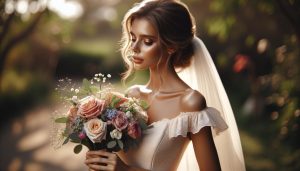
Creating your own flower bouquet for your wedding can be a deeply personal and rewarding experience, adding a touch of uniqueness to your special day. Not only does it allow you to choose blooms that reflect your style and personality, but it can also save money in what can be an expensive wedding budget. As you embark on this creative journey, you may wonder where to start or what materials you’ll need. Rest assured, this DIY guide will walk you through each step, helping you craft a stunning bouquet that looks professional while celebrating your love story. From selecting the perfect flowers to wrapping them beautifully, you’ll find practical tips and inspiring ideas that ensure your bouquet is both beautiful and meaningful. So, let’s dive in and discover how to bring your floral vision to life!
Choosing the Right Flowers for Your Wedding Bouquet
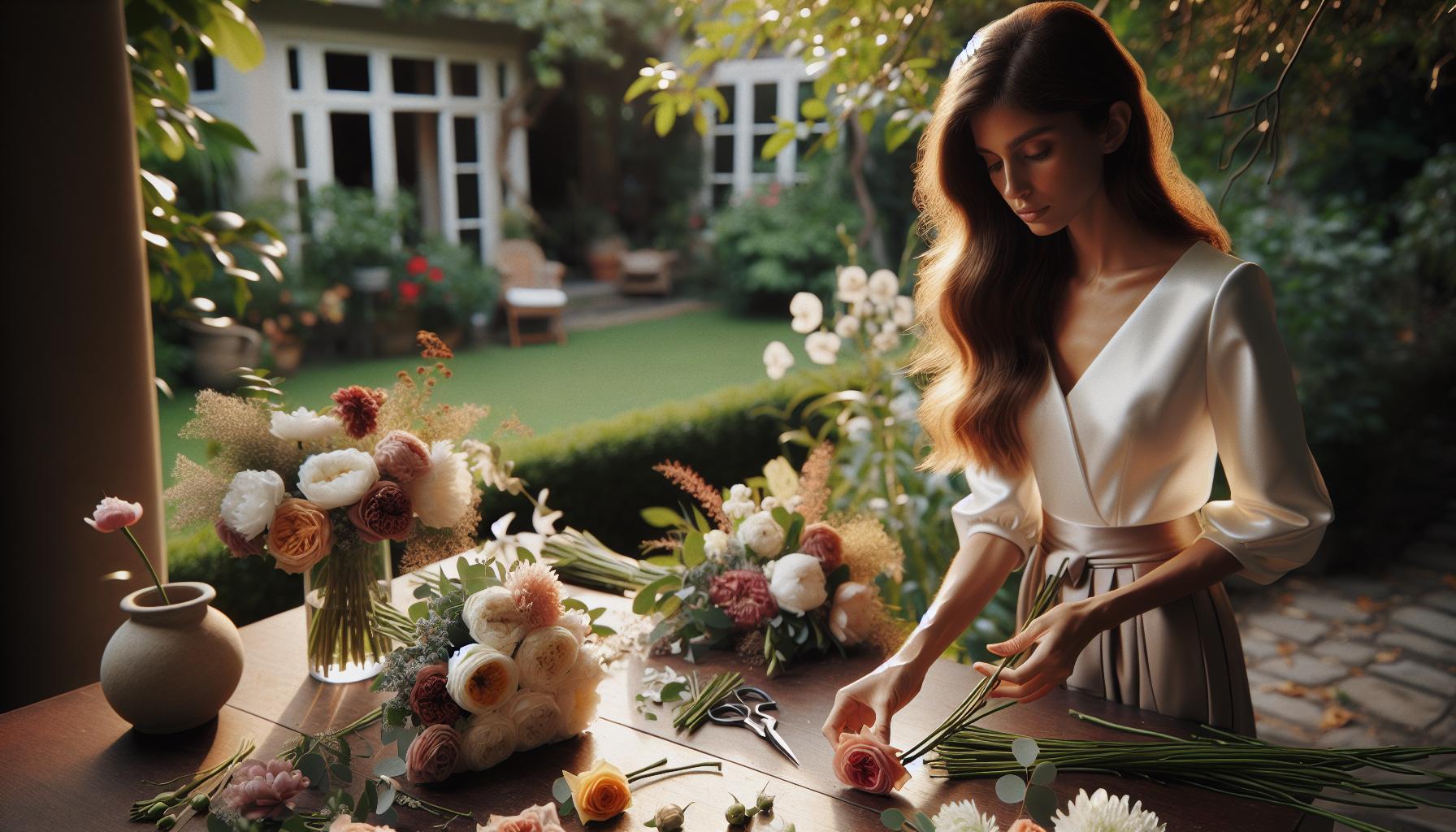
Choosing the perfect flowers for your wedding bouquet can feel overwhelming, but it’s also one of the most exciting aspects of wedding planning. Flowers hold much emotional significance, symbolizing love, beauty, and new beginnings. When selecting your blooms, think about not only your personal style but also how the colors, shapes, and scents will complement the overall atmosphere of your wedding.
Start by considering your wedding theme and color palette. For a romantic garden wedding, soft pastels such as blush peonies, white roses, and lavender might be an ideal choice. Alternatively, if you are planning a more modern, vibrant celebration, bold colors like deep purple orchids, orange ranunculus, or rich red dahlias can make a striking statement. Don’t forget the significance of seasonal blooms, as flowers in season not only look fresher and more vibrant but often come at a more affordable price.
It’s also essential to reflect on the bouquet’s shape and size. A lavish cascading bouquet filled with a variety of textured blossoms can add drama, while a simple, round bouquet made from uniform flowers often brings an elegant touch. Think about how these choices resonate with your personality and the style of your dress and reception. Remember, this bouquet is a key accessory on your special day, meant to reflect your unique love story.
Essential Tools and Materials for DIY Bouquets
Creating a DIY wedding bouquet can be a labor of love, allowing you to infuse your unique style and personal touches into one of the day’s most cherished symbols. To achieve a professional-looking bouquet, it’s essential to have the right tools and materials on hand. Gathering these items ahead of time not only makes the process smoother but also enhances your confidence in your floral arrangement skills.
Begin with the basic tools you’ll need during the assembly. A sharp pair of floral snips or pruning shears is crucial for making clean cuts on your stems, which promotes better hydration and longer-lasting blooms. You’ll also want rubber bands, floral tape, and possibly wire to secure the stems tightly and form the bouquet’s shape. A bucket filled with fresh water is vital for keeping your flowers hydrated as you work. To add a touch of elegance to your bouquet, have a beautiful ribbon ready for wrapping the stems at the end.
When it comes to materials, select the flowers and greenery that resonate with your wedding theme. Aim for a diverse selection-this can include line flowers, filler flowers, and focal blooms to create a dynamic composition. Incorporating different textures and shapes adds depth to your arrangement. If you have a seasonal flower in mind, remember to check with local florists or farmers to ensure you’re selecting blooms that look vibrant and fresh. Additionally, greenery like eucalyptus or ferns can beautifully soften the look and add a lush backdrop to your chosen flowers.
Finally, ensure you’ve prepared an appropriate workspace. A clean, flat surface where you can arrange your bouquet comfortably will help you visualize and create without interruption. Consider putting on your favorite playlist to make the process enjoyable. With the right tools and materials, you’ll not only create a stunning bouquet, but also make lasting memories preparing it for your special day.
Step-by-Step Guide to Creating a Stunning Bouquet
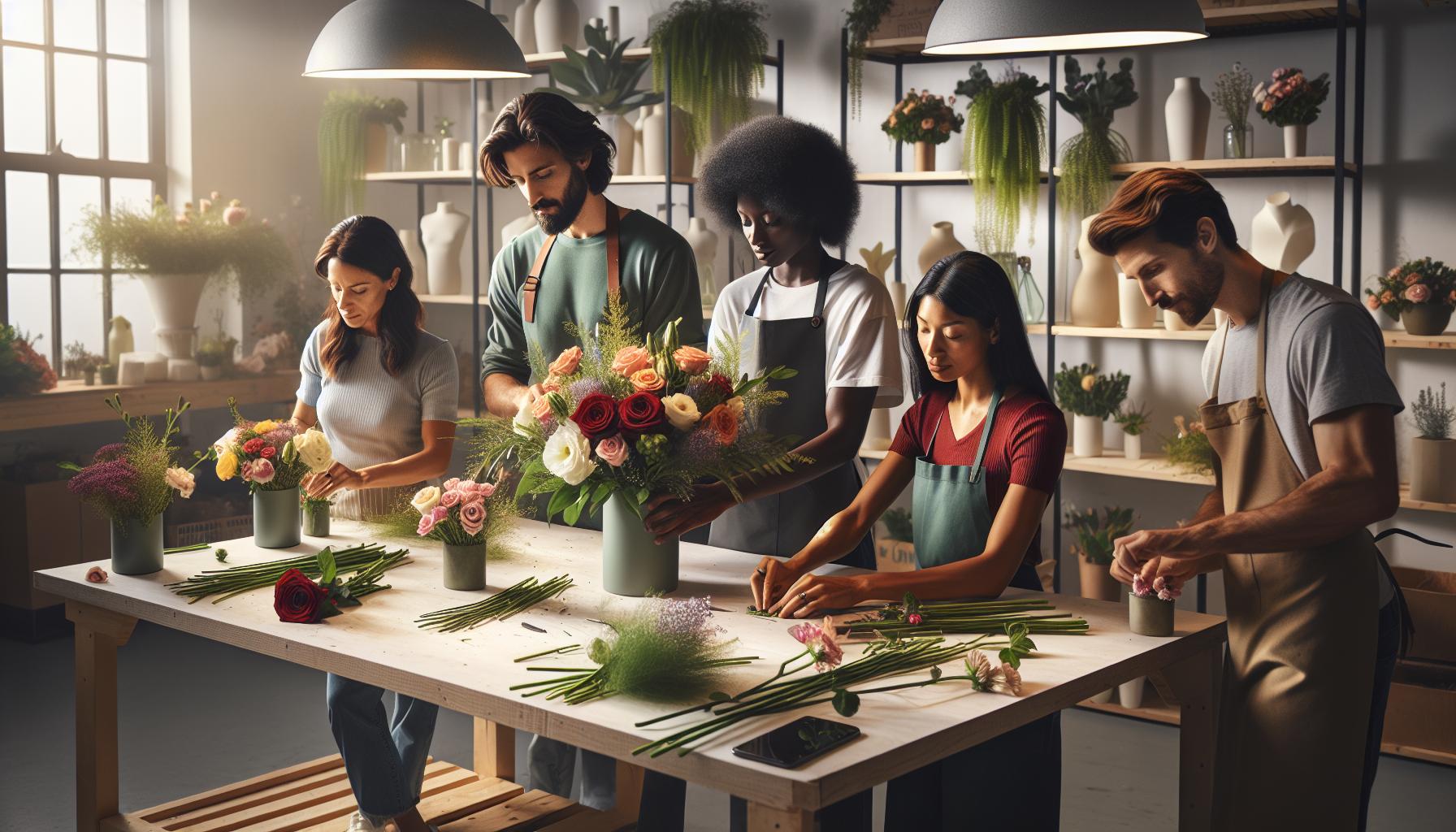
Creating a breathtaking wedding bouquet is a rewarding experience that adds a personal touch to your special day. The process begins long before you start gathering blooms; it’s about envisioning the overall feel and style you wish to embody. To create a stunning bouquet that is not only beautiful but also uniquely yours, follow these step-by-step instructions.
Start by gathering all your tools and materials in one place to keep the process organized. Ensure you have your choice of flowers, which should include a mix of focal, line, and filler flowers to create depth and visual interest. Before you begin, condition your flowers: trim the stems at an angle and place them in water for at least a couple of hours to ensure they’re hydrated and fresh. This crucial step ensures that your blooms last longer once arranged.
Once your flowers are prepped and ready, begin by selecting your largest blooms as the focal points. Hold one flower in your hand and start adding smaller flowers around it to build a balanced design. Use the spiral technique for this; gradually rotate the bouquet as you add flowers in a circular motion. Aim for varying heights and cluster smaller blooms together among the larger ones. Don’t be afraid to include textures and greens to create visual contrast and fill gaps. As you work, keep stepping back to assess the overall shape and balance; a well-rounded bouquet can often be achieved by adjusting your arrangement as you go.
When your bouquet feels complete, secure the stems tightly using rubber bands and wrap them with floral tape. This will help maintain the shape and hold everything together. Finally, finish your bouquet with a beautiful ribbon tied around the stems, allowing some to cascade down for an elegant look. Once your bouquet is beautifully wrapped, place it in a vase with a bit of water to keep it fresh until the big moment arrives. With these steps, you’re not just creating a bouquet; you’re crafting a piece of art that reflects your love story.
Choosing Your Bouquet Style: Traditional vs. Modern
Choosing your bouquet style can significantly influence the overall aesthetic of your wedding, making it essential to understand the contrast between traditional and modern approaches. A traditional bouquet often invokes classic romanticism, featuring timeless flowers such as roses, lilies, or peonies arranged in structured, symmetrical designs. Typically bound by elegant lace or satin, this style embodies nostalgia and formal elegance, making it a favorite choice for those embracing traditional wedding themes. The charm of a classic bouquet lies in its familiarity and the emotional connection it can evoke, often reminiscent of family weddings or historical nuptials.
In contrast, a modern bouquet embraces a more eclectic and avant-garde spirit. With a focus on unique flower combinations, asymmetrical shapes, and unexpected elements like succulents or wildflowers, modern bouquets are tailored to reflect individual personalities. They often play with texture and color palettes that break the mold of traditional hues, giving couples the freedom to express their unique vision. For instance, a bold statement might include tropical flowers paired with earthy foliage, creating a vibrant contrast that stands out in more relaxed or non-traditional wedding settings.
To help you decide between these styles, consider the overall theme and feel of your wedding. Reflect on what resonates with you and your partner-do you favor the romance of tradition, or does a contemporary twist align better with your personalities? Additionally, consulting with your floral designer can provide you with insights into how different styles can be combined to create a cohesive look that honors both traditions and modernity. Ultimately, your wedding bouquet should not only complement your attire and venue but also tell your love story, providing a lasting reflection of your day.
As you embark on this exciting journey, remember that the beauty of wedding planning lies in representing who you are as a couple. Allow your bouquet to be a meaningful extension of that-whether it’s through classic lines or modern flair, each petal can narrate a part of your shared story.
Color Schemes and Floral Combinations for Weddings
Choosing the right color scheme and floral combinations for your wedding bouquet can transform your vision from a concept into a stunning centerpiece of your celebration. The colors you select can evoke emotions, set the tone for your wedding, and even tell a story about your love journey. As you plan, consider how each hue harmonizes with the overall theme of your wedding, the season, and your personal style.
A practical approach to color selection is to start with a base color that resonates with you and your partner. This color can be derived from your wedding theme, bridal party attire, or even your favorite shades. Once you have your base color, you can explore complementary and accent colors that enhance it. For example, if you choose a soft blush as your primary color, consider pairing it with darker shades like burgundy or navy to add depth. This can be achieved through the flowers themselves, as well as the surrounding greenery and filler elements like eucalyptus or ferns.
When it comes to floral combinations, there are countless possibilities to explore. Here are some popular combinations that work beautifully together:
- Romantic Pastels: Soft pink roses, white peonies, and lavender accents create a dreamy, romantic feel.
- Vibrant Tropicals: Bright hibiscus, orange orchids, and yellow lilies create an eye-catching bouquet perfect for a summer wedding.
- Classic Elegance: Red roses, white calla lilies, and hints of greenery for a timeless, sophisticated look.
- Earthy Tones: Creamy dahlias, terracotta roses, and juniper berries for a rustic, natural aesthetic.
Don’t forget to consider the seasonal availability of your chosen flowers, as this can significantly impact both your budget and flower freshness. Utilizing local and seasonal blooms not only supports sustainable practices but can also enhance the beauty of your bouquet.
Embrace the opportunity to personalize your bouquet further by incorporating small elements that hold personal significance, such as your favorite flower or colors that represent your heritage. Ultimately, your wedding bouquet should reflect your unique style and celebrate the love you share.
Seasonal Flowers: What’s in Bloom When?
There’s a special kind of magic in choosing seasonal flowers for your wedding bouquet. By selecting blooms that are naturally in season at the time of your wedding, you not only enhance the beauty of your arrangements but also ensure freshness, rich colors, and a connection to the natural rhythms of nature. This thoughtful approach can add an authentic and personal touch to your special day, making it even more memorable.
As you embark on this floral journey, consider the following seasonal favorites:
Spring
Spring is synonymous with renewal and vibrant blooms. Popular choices include:
- Peonies: Known for their lush, full blossoms, they’re a symbol of romance.
- Roses: Available in various colors, they add a classic touch.
- Freesia: With their delicate scent and beautiful shapes, they can add elegance.
Summer
The warmth of summer brings forth a lively array of flowers:
- Sunflowers: Bold and cheerful, perfect for rustic themes.
- Dahlias: Available in myriad colors and sizes, they add texture to bouquets.
- Lavender: Not only fragrant but also adds calming hues to arrangements.
Fall
Embrace the rich, earthy tones of autumn with:
- Chrysanthemums: A staple in fall weddings, bringing warmth and color.
- Maple Leaves: Adding natural beauty to bouquets in vibrant red and orange.
- Rudbeckia: Their deep yellows and browns evoke the essence of fall.
Winter
Although winter may seem a subtle season for flowers, there are still stunning options:
- Anemones: Their striking dark centers and gentle petals create a winter wonder.
- Amaryllis: A statement flower that exudes elegance and festivity.
- Carnations: They bloom in winter, offering versatility and longevity.
By aligning your bouquet with seasonal blossoms, you not only celebrate the beauty of nature but also create a harmonious blend with your wedding theme and surroundings. This choice supports local florists and sustainable practices, ensuring your wedding blooms are fresh, vibrant, and eco-friendly. Ultimately, selecting in-season flowers will help you craft a stunning bouquet that resonates with love, joy, and the beauty of your wedding day.
Adding Personal Touches: Unique Floral Elements
Creating a wedding bouquet allows for a delightful opportunity to express your unique love story, and incorporating personal touches can truly transform your arrangement from ordinary to extraordinary. By weaving in elements that hold special significance or reflect your style, you not only enhance the aesthetic appeal but also imbue your bouquet with memories and meaning. Consider incorporating elements that resonate with you both, ensuring your bouquet tells your unique story.
One way to personalize your bouquet is by adding family heirlooms such as brooches or other small tokens. These can be pinned onto your bouquet for a touch of vintage charm and emotional connection. Each piece can represent a cherished family member, keeping their memory close to your heart on your special day. You might also consider incorporating fabrics, such as a piece of lace from your mother’s wedding dress or a colored ribbon that reflects your wedding theme, adding texture and depth.
In addition to sentimental items, think about favorite colors or motifs that resonate with your relationship. Perhaps you both share a love for the ocean-adding seashells or even shades of blue and white could reflect your shared memories by the sea. You might also incorporate unique floral accents that speak to your personality; for example, if you love gardening, include herbs like rosemary or thyme, which not only smell wonderful but can also add an earthy touch.
Lastly, be sure to consider floral arrangements that represent your cultural heritage or travel experiences together. Incorporating flowers that have particular significance in your family traditions or that you encountered on special journeys can create a bouquet that’s not just beautiful but also rich in storytelling. Embrace the creativity and joy in crafting a bouquet that not only enhances your appearance on your wedding day but also serves as a beautiful reminder of your journey together, filled with personal touches and heartfelt details.
Caring for Your Flowers Before the Big Day
Ensuring that your flowers remain vibrant and fresh until your big day is a crucial part of your wedding preparations. The beauty and health of your bouquet can significantly impact your photos and overall wedding aesthetic, making the task of caring for your blooms not just practical but essential. Here are some practical tips to help your flowers thrive right up until you walk down the aisle.
First and foremost, storage is key. Upon receiving your flowers, remove any packaging and place them in a clean, cool environment. Ideally, they should be stored in a refrigerator or a cool room, away from direct sunlight and heat sources. Make sure to provide them with fresh, clean water in buckets or vases to keep them hydrated. Change the water daily to prevent bacterial growth; adding flower food can also help to nourish the blooms and enhance their longevity.
Preparation for Arranging
Before you put together your bouquet, it’s important to prepare the flowers to ensure they are at their best. Use a clean pair of floral snips to trim the stems at an angle, which allows for better water absorption. As you prepare each flower, remove any leaves that would be submerged in water to prevent decomposing plant matter from contaminating the water. Consider re-hydrating dried flowers or blooms that may have started to wilt, as this can sometimes revive them and restore their beauty.
Timing Your Assembly
Timing is critical when it comes to assembling your bouquet. Aim to create your bouquet as close to the wedding day as possible, ideally within 24 hours before the ceremony. If you need to assemble it earlier, keep it hydrated and stored properly to maintain freshness. Just before the ceremony, you can mist your bouquet with water to provide a refreshing sheen and keep the blooms plump.
Incorporating little details, such as using a floral preservative or wrapping the stems in a damp cloth before bundling them, can also help retain moisture. By following these careful steps, you’ll ensure your gorgeous arrangement remains radiant and ready to accompany you on your special day, reflecting the love and joy that this occasion brings.
Common Mistakes to Avoid When Making Bouquets
Creating your wedding bouquet should be a joyous endeavor, a chance to reflect your style and love. However, it’s easy to stumble into common pitfalls that can dampen that excitement. By being aware of these potential missteps, you can ensure your bouquet turns out beautifully and enhances your special day.
One frequent mistake is underestimating the importance of preparation. Begin by assembling all your materials in advance, including your flowers, tools, and any needful accessories. Rushing through the process without a clear plan often leads to frustration. Another error is failing to condition the flowers properly before arranging them. Trimming the stems at an angle and removing any leaves that will be submerged can significantly improve their longevity and appearance. Skipping this step can result in wilting blooms and a less-than-stellar bouquet when it’s time to walk down the aisle.
It’s also essential to consider flower placement. Many DIY bouquet makers cluster flowers too tightly, missing the opportunity to create an inviting, lush look. A bouquet that has some spacing and variation in height will deliver a more dynamic and refined appearance. Furthermore, neglecting color theory is a common oversight. Using colors that clash or don’t complement each other can detract from the overall aesthetic. Instead, stick to a cohesive color scheme that matches your wedding palette, incorporating varying shades and textures to add depth.
Lastly, don’t ignore the impact of humidity and temperature on your flowers. Forgetting to mist your blooms or properly store them in a cool location can lead to drooping and deterioration as the ceremony approaches. By planning your assembly and storage wisely, you can keep your bouquet fresh and radiant. By steering clear of these common mistakes, you’ll not only save yourself stress but also create a stunning bouquet that reflects your unique love story and sets the tone for your beautiful celebration.
How to Match Your Bouquet with Wedding Attire
Choosing the perfect bouquet is not just about flowers; it’s a thoughtful reflection of the couple’s style and the wedding’s overall theme. A well-matched bouquet can elevate the attire of the bride, bridesmaids, and even the groom, creating a harmonious visual experience. To ensure that the bouquet complements the wedding attire beautifully, consider the following aspects.
One key factor is color coordination. Start by reviewing the wedding color palette. If the bride’s gown is white or ivory, opt for classic floral combinations that play against these neutral tones, like soft pinks, rich reds, or even vibrant blues. For bolder colors, consider using flowers in shades that either match or provide a striking contrast, enhancing visual interest. Ensure that the tones in the bouquet mirror or complement the hues found in the bridal party attire; for instance, if the bridesmaids wear deep emerald green dresses, incorporating white and green flowers can create a cohesive look.
Another vital aspect is formality. The style of the bouquet should mirror the formality of the attire. A romantic, loose bouquet filled with wildflowers may suit a casual or barn wedding beautifully but might clash with a formal ball gown. On the other hand, a sleek and structured bouquet pairs well with a more elegant dress style, enhancing the sophisticated vibe of the ensemble. Consider the scale of the bouquet as well; a petite bouquet can beautifully accent slender silhouettes, while larger bouquets can make a statement alongside fuller skirts.
Additionally, don’t forget to reflect on any personal touches or unique elements that represent the couple’s journey or family heritage. This could mean incorporating specific flowers that symbolize love or friendship, or even adding meaningful accessories to the bouquet, such as a piece of family jewelry or a fabric swatch from a cherished garment. These subtleties can make the bouquet not only a stunning visual piece but also a deeply personal one.
Finally, ensure that the bouquet’s style aligns with the overall theme of the wedding. For a rustic, outdoor wedding, consider using wildflowers and natural textures like twine or burlap to tie the arrangement together. For a vintage-themed event, opt for flowers such as garden roses or peonies and elegant ribbons to evoke a sense of nostalgia.
Creating a bouquet that resonates with both your attire and the essence of your wedding day can be a deeply rewarding experience, allowing couples to express their unique love story while embracing the beauty of their special celebration.
Tips for Transporting Your Bouquet Safely
Transporting your wedding bouquet safely is crucial for ensuring that your floral masterpiece remains as stunning as it was on the day it was created. The last thing you want is to arrive at the venue only to find your bouquet wilting, damaged, or out of water. Here are essential tips to help you protect your precious flowers during transit, keeping them fresh and beautiful for the big moment.
Firstly, consider the temperature. Flowers are sensitive to heat, so make sure to transport them in a climate-controlled environment. If you’re driving, keep the car’s air conditioning on, and if you’re flying, carry the bouquet in a cool, insulated container. To prevent overheating, avoid leaving the bouquet in direct sunlight or in a hot vehicle. Ideally, transport the bouquet as close to the wedding time as possible.
Next, hydration is key. Before transport, cut the stems at an angle and place them in a container of water for at least a couple of hours. This allows the flowers to absorb water and remain fresh. If you’re on the go, wrap the stems in a damp paper towel and secure them with plastic wrap or a plastic bag. This will help maintain moisture, but remember to remove any wrapping right before the ceremony to give your flowers the best chance to breathe.
Additionally, ensure that the bouquet is placed in a stable position during transport to prevent bruising or damage. Use a sturdy box or vase that allows the bouquet to stand upright. Cushion the blooms with tissue paper or soft fabric to avoid shifting, especially if you’re traveling a longer distance. Arriving early at the venue can also provide you with extra time to make any last-minute adjustments and ensure your bouquet is looking its best.
By following these simple tips, you can celebrate your wedding day with confidence, knowing that your bouquet will be as radiant and lovely as the love it represents. Embrace the journey, and allow your beautiful blooms to shine brightly on your special day.
Preserving Your Wedding Bouquet After the Ceremony
After saying “I do,” many couples find themselves wanting to preserve the beauty of their wedding bouquet, transforming it from a fleeting moment into a lasting memento of love and commitment. Flowers symbolize romance and joy, and capturing their elegance can serve as a beautiful reminder of your special day. Whether you want to create a stunning display for your home or have a sentimental keepsake, there are a variety of methods to preserve your bouquet that can fit both your style and budget.
One of the most popular methods for preserving wedding bouquets is through pressing. This technique allows the flowers to lay flat, showcasing their intricate designs and colors. To start, simply pluck the blooms from the stems and place them between sheets of parchment paper, then stack heavy books on top to apply pressure. Leave them for a few weeks until completely dried. After they are pressed, you can frame them in a shadow box or arrange them creatively on a scrapbook page. These pressed flowers can be a stunning display that brings a whimsical touch to any room.
Other Preservation Options
If you desire a more three-dimensional preserve, consider drying your bouquet by hanging. Gather the flowers together and tie the stems with string. Hang them upside down in a cool, dry place away from direct sunlight. This method preserves the structure of the flowers beautifully, and the dried bouquet can be displayed elegantly in a vase or used in a decorative arrangement.
For those looking to make an artistic statement, epoxy resin can be a breathtaking option. This method encapsulates the flowers in a clear, durable resin, allowing you to create stunning keepsakes such as coasters, ring dishes, or even unique decorative art. Companies specializing in this type of preservation can help turn your bouquets into functional art pieces, ensuring that the memories of your big day remain bright and vivid.
Professional Services
If DIY isn’t your style, consider reaching out to professional preservation services. Many florists and preservation specialists offer packages that include various preservation techniques, from drying and pressing to creating shadow boxes. These services can provide you with beautifully crafted displays that require minimal effort on your part while ensuring the process is handled with care and expertise.
Preserving your bouquet is not just a trend; it’s an opportunity to keep the memories of your wedding day alive in your home. Whether you choose to press, dry, or encapsulate your flowers, each method offers a unique way to celebrate your love story and the vibrant beauty of your special day. Enjoy the process, and let your preserved bouquet be a daily reminder of your commitment and the joy of that beautiful wedding day.
Q&A
Q: What flowers should I use to create a DIY wedding bouquet?
A: To create a beautiful DIY wedding bouquet, consider using a combination of seasonal flowers that reflect your wedding colors. Popular choices include roses, peonies, hydrangeas, and lilies. For added texture, incorporate fillers like eucalyptus or baby’s breath. Refer to the section on “Choosing the Right Flowers for Your Wedding Bouquet” for further guidance.
Q: How much should I budget for a DIY wedding bouquet?
A: A DIY wedding bouquet can range from $30 to over $200, depending on flower choices and quantity. Budget carefully by selecting in-season blooms and using fillers to enhance volume without significantly increasing costs. Check “Essential Tools and Materials for DIY Bouquets” to get more cost-effective ideas.
Q: When is the best time to make a DIY wedding bouquet?
A: It’s best to make your DIY wedding bouquet one to two days before your wedding to ensure freshness. Store the bouquet in water and keep it in a cool location until the big day. For tips on caring for your flowers, see “Caring for Your Flowers Before the Big Day”.
Q: How do I secure my DIY bouquet properly?
A: Secure your DIY bouquet by tightly wrapping the stems with floral tape and then a decorative ribbon, ensuring the flowers are anchored well. Use wire or additional tape to secure any smaller elements. For a step-by-step guide, refer to “Step-by-Step Guide to Creating a Stunning Bouquet”.
Q: Can I use artificial flowers for my wedding bouquet?
A: Yes, artificial flowers make for a durable and everlasting option, particularly if you want to keep your bouquet as a keepsake. Choose high-quality synthetic blooms for a realistic look. Explore “Adding Personal Touches: Unique Floral Elements” for more ideas on incorporating artificial flowers.
Q: How do I match my DIY bouquet with my wedding theme?
A: To match your DIY bouquet with your wedding theme, choose flowers and colors that complement your color scheme and venue decor. Use a mix of styles and sizes to enhance the aesthetic. For more details, check “Color Schemes and Floral Combinations for Weddings”.
Q: What tools do I need to create a DIY wedding bouquet?
A: Essential tools for creating a DIY wedding bouquet include floral scissors, floral tape, ribbon, and a sturdy base like a bouquet holder. Familiarize yourself with the necessary materials by reading “Essential Tools and Materials for DIY Bouquets”.
Q: How can I preserve my wedding bouquet after the ceremony?
A: To preserve your wedding bouquet, consider air drying or pressing it. You can also use silica gel for a more vibrant finish. For detailed techniques, visit “Preserving Your Wedding Bouquet After the Ceremony”.
To Wrap It Up
As you embark on the journey of creating your very own DIY wedding bouquet, remember that your personalized touch will make your big day even more special. By following our guide, you’ve unlocked the secrets to crafting a beautiful arrangement that reflects your unique style and vision. Don’t wait to start planning; gather your materials, choose your favorite flowers, and let your creativity shine!
For more helpful tips on wedding planning, check out our articles on wedding ceremony traditions and choosing the perfect attire. If you’re interested in enhancing your bouquet with seasonal blooms, explore our guide on selecting the best flowers by month. Be sure to subscribe to our newsletter for exclusive content and advice tailored just for you. Share your bouquet creation with us in the comments below, and let the celebration of your love continue!