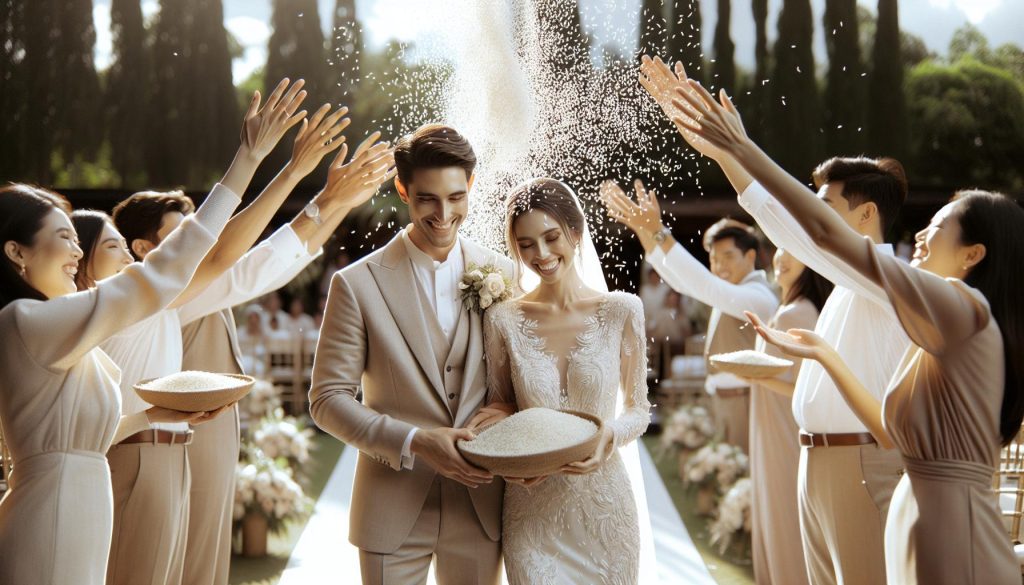
As a delightful tradition that graces weddings around the world, throwing rice symbolizes fertility, prosperity, and the blessings of abundance for the newlyweds. This charming custom, rooted in ancient practices, captures the emotions of love and joy shared by family and friends. Understanding the origins of why we throw rice at weddings not only enriches your appreciation of this beautiful moment but also connects you to the tapestry of traditions that make weddings so special. The act of tossing rice speaks to the hopes and dreams of the couple as they embark on their journey together. Join us as we explore the fascinating history behind this time-honored practice, unraveling the significance that lies in every handful of rice, and discover how it continues to resonate in modern celebrations.
Cultural Significance of Throwing Rice at Weddings
The tradition of throwing rice at weddings is a beautiful symbol of abundance and fertility, representing the couple’s hopes for a prosperous marriage. This joyful act serves not only as a celebratory gesture, but it also connects deeply with the rich tapestry of cultural practices aimed at blessing newlyweds. Historically, rice has played a significant role in ceremonies across various civilizations, embodying the idea of sustenance and fertility.
Celebratory Significance
Weddings are milestones that mark the beginning of a new chapter, and rice throwing acts as a poignant reminder of the community’s support. Guests gathering to shower the couple with rice reflect a group investment in the couple’s future happiness and prosperity. This ceremonial act fosters a sense of togetherness, as friends and family unite in wishing the couple a life filled with abundance, joy, and love.
Cultural Practices
Globally, rice is often associated with fertility and prosperity, making it an ideal component of wedding celebrations. For instance, in many Asian cultures, rice has been a staple at weddings not only for its nutritional value but also for its symbolic meaning. Couples may even have rice-themed decorations or favors to further enhance this symbolism and create a cohesive theme throughout their wedding festivities.
Ultimately, throwing rice holds significant cultural importance, serving as a visual representation of good wishes and communal blessings. It is an act that transcends individual celebrations, weaving together a narrative of hope and abundance that resonates across cultures, unifying generations in the joyous celebration of love.
Historical Origins of the Rice-Throwing Tradition

The tradition of throwing rice at weddings is steeped in centuries of history, symbolizing blessings of fertility and prosperity for the newlyweds. Originating in ancient agricultural societies, where rice was a vital staple food, this practice reflects a deep connection to the earth’s bounty and the hope for a fruitful union. In many cultures, rice was not merely food but a sacred offering made during significant life events, particularly marriage, underscoring the union’s importance for future generations.
Throughout history, various communities have tied the act of throwing rice to rituals aimed at assuring a couple’s success and happiness in their married life. For instance, in ancient Rome, grains like wheat were used, which later evolved into the use of rice in many regions, as rice became more readily cultivated and associated with good fortune. This gradual transition highlights the adaptable nature of wedding customs while maintaining their core significance.
The rise of rice as a wedding tradition spans across continents, from the rice toss in Asian cultures to similar practices in parts of Europe and the Americas. In these traditions, guests throwing rice symbolize support from the community, wishing the newlyweds an abundance of children and a prosperous life. As societies evolved, so did the ways weddings were celebrated, but the essence of wishing well with rice or similar grains remained important.
Today, as couples consider how to honor this tradition, it provides not only a connection to history but an opportunity to personalize their wedding experience. With many modern guidelines celebrating diversity in customs, couples can incorporate the rice-throwing tradition in ways that align with their values, be it through environmentally friendly alternatives or region-specific variations. Embracing this historical practice offers couples a chance to honor their heritage while still making the joyous occasion their own.
Variations of the Rice Tradition Worldwide
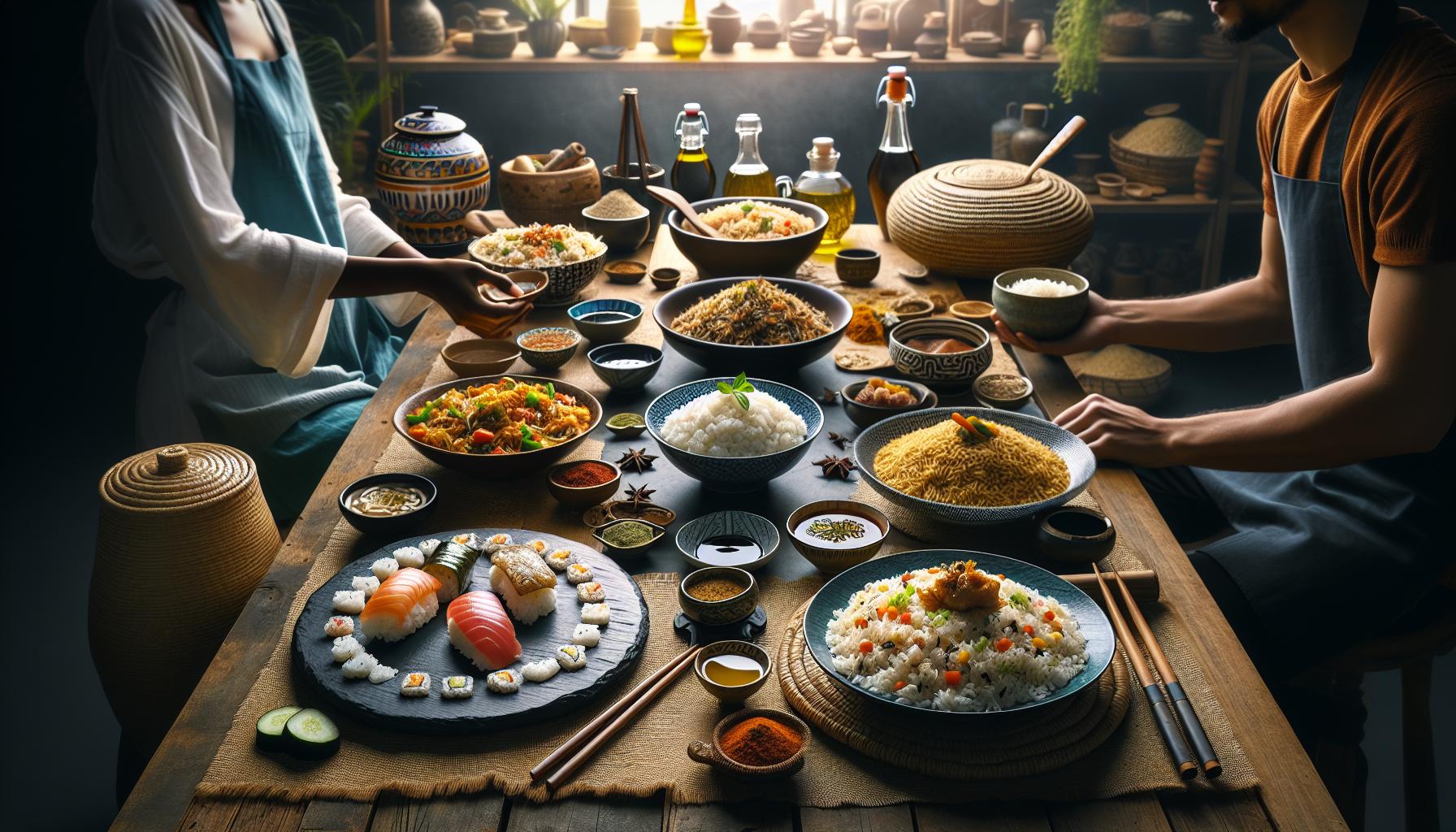
The tradition of throwing rice at weddings is not only a beautiful gesture of love and well-wishing but also varies dramatically across different cultures, each with unique customs and meanings. Whether it’s the sound of rice cascading down upon the newlyweds or the vibrant colors of flowers symbolizing fertility, these practices create a joyful atmosphere filled with cultural significance.
In many Asian cultures, particularly in China, the act of throwing rice is accompanied by specific rituals that reflect deeper meanings. Here, the rice represents prosperity and good fortune. During weddings, guests may also toss red dates, longan, or lotus seeds alongside rice, each symbolizing happiness and abundance in the couple’s future. This multifaceted approach is reflective of a richer cultural tapestry, where every element is carefully chosen to convey blessings for fertility and prosperity.
In contrast, in various European regions, different grains or seeds have historically taken the place of rice. For example, in some parts of Italy, guests might use dried flower petals to shower the couple, while in others, wheat is tossed. This version emphasizes sustenance for future generations, resonating with the agricultural roots of many marriage customs. In Scotland, the tradition of “first-footing,” where guests present the couple with gifts like bread, salt, and a piece of coal, further marks blessings for abundance in their new life together.
Meanwhile, in regions like Latin America and among some Indigenous cultures, the use of seeds is prominent. For instance, in certain Mexican weddings, corn might be used in the rice’s place, symbolizing sustenance and fertility while paying homage to ancestral practices. This diverse tapestry of customs highlights the universal intention behind the act: a heartfelt wish for love, abundance, and fertility shared by a community.
These variations not only reflect the unique cultural contexts but also provide couples the opportunity to personalize their ceremonies. Whether choosing the traditional rice toss, incorporating local customs, or opting for a modern twist such as biodegradable confetti or flower petals, the essence of unity and blessing remains at the heart of these beautiful traditions. Couples embarking on their wedding journeys can embrace these rich customs to create memorable and meaningful experiences that resonate with their heritage and community.
Symbolism Behind Rice as a Fertility Offering
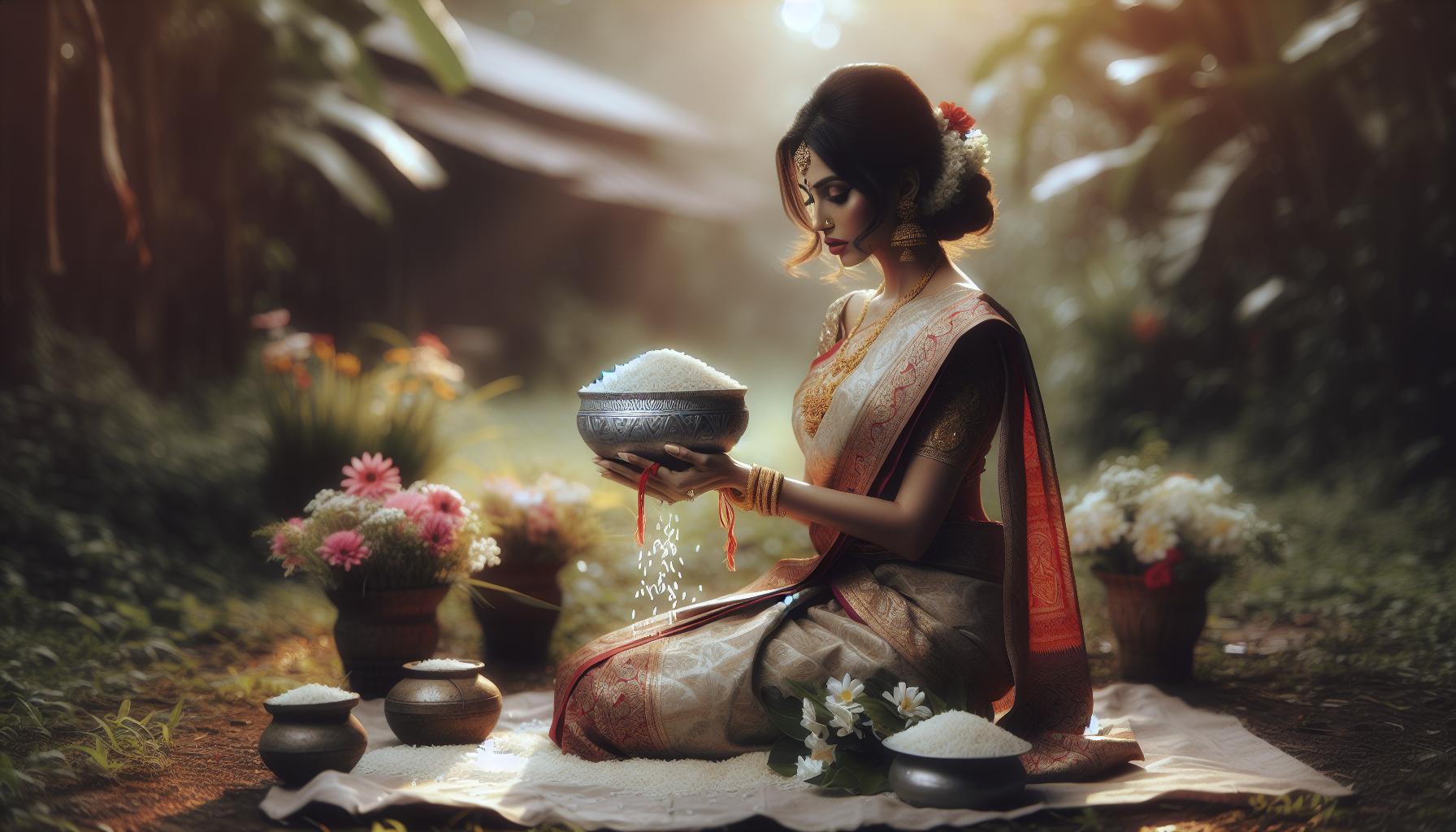
The symbolism of rice as a fertility offering during weddings is steeped in cultural traditions that celebrate the union of two lives and the hope for abundance. Throughout history, rice has been viewed not merely as a food staple but as a powerful symbol of fertility, growth, and prosperity. This idea can be traced back to agricultural societies where rice, as a crop, represented sustenance and sustenance generation, reflecting the couple’s commitment to nurturing their future together.
In many cultures, the act of throwing rice over the newlyweds signifies much more than just well-wishing; it embodies the communal hope for the couple’s fruitful life ahead. For instance, in certain Asian traditions, rice is associated with prosperity and is often accompanied by other symbols of fertility, such as lotus seeds or dates. The gesture of scattering rice not only signifies the couple’s transition into a new life but also serves as a reminder to the community of their shared role in nurturing the couple’s budding relationship.
Additionally, the vibrant imagery of rice cascading over the couple encapsulates the joyful spirits of their family and friends, embodying collective blessings of abundance and future happiness. The act of tossing rice is often seen as an invitation for prosperity to rain down on the newlyweds, creating a protective and supportive environment that allows their love to flourish. Couples can embrace this tradition by authentically connecting with its cultural significance and perhaps personalizing it by incorporating local grains or seeds reflective of their heritage.
As modern couples plan their weddings, understanding the roots of these traditions can inspire them to integrate meaningful practices into their ceremonies. Whether choosing to uphold the rice-throwing tradition with actual grains, or opting for more contemporary alternatives like flower petals or biodegradable confetti, the essence remains the same: celebrating the love and unity of two individuals while inviting blessings of fertility and abundance into their lives.
How Rice Tradition Evolved Over Time
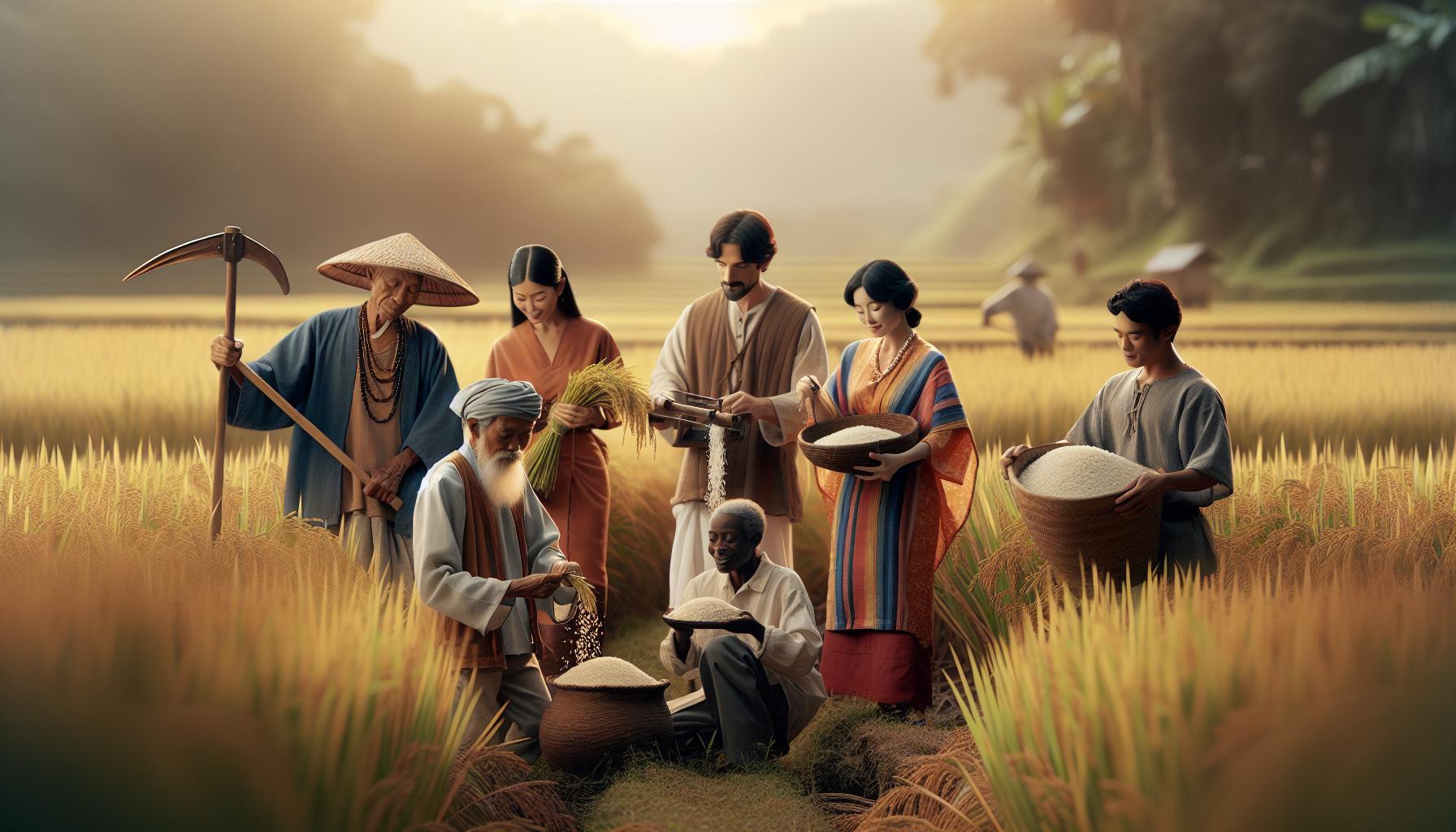
In the evolving tapestry of wedding customs, the act of throwing rice has undergone a fascinating transformation over the centuries. Initially rooted in the agrarian practices of ancient civilizations, this charming ritual emerged as a symbol of fertility and prosperity, reflecting the hope for an abundant life together. As societies progressed, so did the contexts in which rice was tossed-an act of communal celebration, blending cultural significance with personal expression.
Historically, rice throwing can be traced back to various cultures where it was believed that the act of scattering rice would ward off evil spirits and grant the couple blessings for a fruitful union. In many Asian cultures, this tradition signifies prosperity and is often complemented by local symbols of abundance, such as flower petals or grains unique to the region. As the world became increasingly interconnected, couples began adopting diverse elements from various cultures, enriching the rice-throwing custom with new meanings and practices.
The modern weddings of today have seen substantial shifts toward more imaginative interpretations of this beloved tradition. With concerns about the environmental impact of throwing actual rice-noting potential harm to wildlife like birds or breaking the grains into inedible pieces-many couples now opt for eco-friendly alternatives. Biodegradable confetti, flower petals, and lavender provide not only a stunning visual display but also a more sustainable approach to celebrating love. Additionally, the trend of “personalized throws” allows couples to incorporate elements that reflect their unique relationships, such as using grains significant to their heritage or favorite floral scents.
In this evolving landscape, the essential meaning remains steadfast: a collective wish for happiness, health, and prosperity that transcends time and culture. Couples planning their weddings today are encouraged to explore the rich history of rice tossing while considering the modern embrace of sustainability and personal storytelling. Ultimately, this cherished tradition can be an enchanting part of your wedding ceremony, offering a beautiful way to celebrate love surrounded by family and friends.
Modern Alternatives to Rice: Trends and Choices
The wedding ceremony is a tapestry of customs and rituals, and the tradition of throwing rice has long held its place as a time-honored practice symbolizing fertility and prosperity. However, as awareness grows regarding environmental impact and changing societal norms, couples are increasingly opting for modern alternatives that not only capture the joy of celebration but also align with sustainable practices. This evolution in tradition offers a wealth of creative options that go beyond the simplicity of rice.
Among the most popular substitutes are biodegradable confetti, flower petals, and dried lavender. These materials not only enhance the visual aesthetic of the ceremony but also echo the same sentiments of beauty and hope traditionally associated with rice. For instance, flower petals-whether from roses, daisies, or locally sourced blooms-infuse an aromatic and colorful element to the day’s festivities. Similarly, dried lavender carries a delightful fragrance that evokes a sense of calm and serenity, making it a romantic choice. Couples can even select petals or colors that reflect their wedding palette, adding a personal touch to this joyous moment.
The rise of eco-friendly options also introduces couples to more unconventional choices that can make a unique statement.
- Herbal throw: Instead of scattering rice, guests can toss aromatic herbs like rosemary or thyme, symbolizing love and loyalty while adding a fragrant sensory experience.
- Feathers: Light and airy, feathers can create a whimsical atmosphere as they float gently in the air, leaving a magical feeling throughout the venue.
- Seed packets: Offering guests packets of wildflower seeds to toss not only celebrates the couple’s union but also promotes future growth and beauty in the environment, making it a thoughtful gift that lasts far beyond the wedding day.
Moreover, personalization is at the heart of modern wedding trends. Couples can curate their throw experience by using items that reflect their unique love story, cultural backgrounds, or shared hobbies. For example, incorporating grains or flowers significant to family heritage can deepen the meaning of this celebratory act. Couples might even invite their wedding party to take part in the preparation, allowing them to contribute creatively to the wedding day, further reinforcing the bond between friends and family.
Embracing these innovative alternatives not only enriches the wedding experience but also signals a couple’s commitment to sustainability and responsible celebration. As traditions continue to evolve, integrating personal flair with a nod to the environment ensures that your wedding will be memorable, meaningful, and aligned with contemporary values. This choice empowers couples to celebrate their love story while being mindful stewards of the space they inhabit, creating lasting memories filled with joy, laughter, and beauty.
Debunking Myths About Throwing Rice
The tradition of throwing rice at weddings is often shrouded in misunderstandings, leading to a variety of myths that can influence couples’ decisions regarding this beloved ritual. One prevalent myth is that throwing rice causes harm to birds, as it’s commonly assumed that the grain expands in birds’ stomachs and leads to fatality. In reality, this assumption is unfounded; birds can digest rice just like any other grain. In fact, many types of birds consume rice in their natural diets without any ill effects.
Another common misconception is that throwing rice may lead to additional chaos and mess for the newlyweds. While preparation is key to any wedding, guests can quickly learn to toss rice in an organized and celebratory manner. With clear instructions and perhaps even a designated throwing area, rice can be scattered in a joyful, low-maintenance way that enhances the visual beauty of the moment without creating excessive cleanup afterward.
Moreover, some couples might shy away from rice due to the belief that it’s outdated or out of style. Though its origins date back centuries, the act of tossing rice remains a charming and meaningful gesture, embodying blessings for prosperity and fertility. To modernize this tradition, couples can opt for creative twists on the classic rice toss, such as incorporating colorful confetti or eco-friendly alternatives that reflect personal values or aesthetic choices.
Finally, a frequently overlooked aspect of the rice-throwing tradition is the role of the guests in making the ritual meaningful. While many couples focus on the visual elements of their ceremonies, the participation of loved ones adds a depth of connection and joy to the occasion. Encouraging friends and family to share in the experience fosters a sense of unity and celebration that transcends the ceremony itself, creating cherished memories for everyone involved. Embracing this time-honored tradition, despite the myths that surround it, can enhance not just the wedding day, but the connections that bind families and friends together in love.
Environmental Impact of Using Rice at Weddings
The environmental impact of rice-throwing traditions at weddings can often spark lively debates among couples who want to balance celebration with sustainability. Most commonly, rice is viewed as a biodegradable and natural element that can decompose and enrich the soil. This traditional practice, valued for its symbolism of abundance and fertility, also carries implications for the surrounding environment, which are important to consider in today’s eco-conscious society.
One major aspect couples should contemplate is the ecological effects of their choice of rice. While the act of tossing rice is largely benign, using excessive quantities can lead to temporary littering that detracts from the natural beauty of wedding venues, especially in outdoor settings. To minimize waste, couples can designate smaller areas for the toss or provide controlled portions of rice to guests, ensuring an organized and eco-friendly celebration. Additionally, some regions have specific guidelines on public spaces regarding the use of rice; therefore, it’s always good to check local regulations.
The allure of using rice can also be substituted with more contemporary and environmentally friendly alternatives. Couples looking to create a visual spectacle without the potential for waste can consider options such as dried flower petals, biodegradable confetti, or even seed packets that guests can plant later. These alternatives not only reduce litter but also contribute to the environment in a positive way, as they can encourage the growth of new life.
Finally, by involving guests in the decision-making process and explaining the significance of chosen materials, couples can foster a sense of community and stewardship over the environment. Inviting friends and family to participate in the discussion about eco-friendly options not only enriches the wedding experience but also empowers everyone to contribute to a more sustainable future. As the celebration unfolds, these thoughtful choices can help couples enjoy their special day while still honoring their commitment to protecting the planet for generations to come.
Guest Participation: Who Throws and When?
As the ceremony unfolds and the couple takes their first steps together as newlyweds, there’s an air of excitement and joy that allows guests to participate in a delightful age-old tradition: tossing rice. This cherished act not only symbolizes the couple’s prosperity and fertility but also expresses the love and support of family and friends. Understanding who takes part in this joyful moment and when it happens can help couples cultivate a sense of inclusion, ensuring that everyone present feels involved in marking this significant life event.
- The Bride and Groom: Typically, it’s the couple who initiates the ritual, stepping out from the ceremony venue to face their guests. They share a moment of joy that invites everyone to join in celebrating their union.
- Wedding Party: Close friends and family, often standing just off to the side, can be encouraged to join in the rice toss. Their participation reflects their roles as supporters and confidants in the couple’s journey.
- Guests: All attendees, from distant relatives to childhood friends, are invited to grab a handful of rice (or the chosen alternative) and toss it as the couple passes by. This inclusive moment encapsulates the essence of community spirit, showing the collective wishes for the couple’s future.
The timing for the toss usually occurs immediately following the couple’s exit from the ceremony. This moment is often preceded by a brief announcement or cue from the officiant, signaling that it’s time for the guests to partake in this celebratory act. For couples seeking a structured approach, consider providing small bags of rice (or alternatives) at each guest’s seat, ensuring that everyone is well-prepared to contribute to this beautiful tradition.
Incorporating guest participation into the rice toss can elevate the overall experience, creating lasting memories. It fosters connection as everyone unites to shower the couple with blessings. Couples might also opt for personal touches, such as using a specific type of rice that holds significance or sharing anecdotes about why this tradition resonates with them, further enriching the moment and allowing guests to feel even more invested in the celebration.
Ceremony Logistics: Timing the Rice Toss
As the moment draws near for the newlyweds to embark on their shared journey, the anticipation builds not only for the couple but also for their beloved guests. Timing the rice toss is a pivotal element that can enhance the overall wedding experience, enveloping the ceremony in a spirit of joy and celebration. Traditionally, this delightful act occurs right after the couple makes their grand exit from the ceremony venue, symbolizing the start of their new life together. This joyous moment is the perfect opportunity for all attendees-friends, family, and loved ones-to express their blessings and support.
The key to a smooth and memorable rice toss lies in clear communication. A brief announcement from the officiant or wedding planner is often used to cue guests, ensuring everyone is prepared to participate. This can be paired with engaging visuals, such as signs indicating that it’s time to toss rice, creating a seamless transition from the ceremony to the celebratory atmosphere. For an even more structured approach, consider placing small bags of rice or alternatives at each guest’s seat. This not only enhances the visual appeal of the setting but also allows every guest to feel part of the moment, fostering a sense of unity and shared joy.
Timing is also important in terms of the pace of the toss. Giving guests a few moments to gather and prepare allows for a more energetic and enthusiastic display of rice throwing. Couples can encourage creativity by inviting guests to toss rice in different ways-some may choose to throw in handfuls, while others might prefer to let a few grains float gently through the air. To make the experience even more personal and memorable, couples can share a quick story about the significance of this tradition right before the toss, drawing everyone into the narrative and further enriching the celebration.
By thoughtfully considering the logistics of timing the rice toss, couples can elevate this traditional ritual into a spectacular display of love and support, turning it into a joyful crescendo of their wedding day that guests will cherish forever.
Best Practices for Incorporating Rice Traditions
As you plan your wedding, incorporating the rice-throwing tradition can create an enchanting moment that symbolizes joy and prosperity as the couple begins their new life together. To ensure a seamless and memorable experience, consider several best practices that respect the tradition while enhancing the overall celebration.
Engage Your Guests
Make the rice toss interactive by involving your guests. A simple yet effective approach is to provide each guest with small bags of rice or eco-friendly alternatives at their seats, ready for the toss. Not only does this enhance the visual appeal of your ceremony space, but it also fosters a sense of community and participation among friends and family. You might also include a brief note explaining the significance of the rice-throwing tradition on the bags, encouraging everyone to take part in this special moment.
Timing Is Everything
The timing of the rice toss is crucial to creating an impactful experience. Typically, this joyful moment occurs just as the couple exits the ceremony. Consider coordinating with your officiant or wedding planner to announce the toss, ensuring guests are informed and ready. Allow a moment for guests to gather around the couple, building excitement and anticipation. This not only enhances the ceremony’s energy but also allows for a more personalized experience-the couple can pause to embrace the cheers and best wishes from loved ones.
Personalize the Experience
To make the tradition truly your own, think about weaving personal stories or traditions into the moment. Before the toss, share a quick anecdote about why you chose to include rice in your celebration or the origins of the tradition in your family. This storytelling not only connects your guests to the significance of the moment but also adds a heartfelt touch, transforming a simple act into a cherished memory.
Consider Modern Alternatives
While throwing rice is a beloved tradition, consider modern alternatives that may align better with your wedding’s aesthetic or your environmental values. Options like flower petals, lavender, or biodegradable confetti can add a beautiful visual element while symbolizing the same blessings you wish to convey. Whatever you choose, ensure your selection holds meaning for you as a couple.
Incorporating the rice-throwing tradition into your wedding can be a beautiful moment brimming with love and community. By engaging your guests, timing the toss strategically, personalizing the experience, and considering modern alternatives, you can create a memorable and meaningful celebration that honors this timeless custom.
Personalizing Your Rice-Throwing Experience
Incorporating the rice-throwing tradition into your wedding can be a delightful way to celebrate your union while also making the moment uniquely yours. One enchanting method of personalizing this age-old practice is to connect it with your love story or family history. For instance, if you have a beloved recipe passed down through generations that features rice, consider sharing a bit about its significance during your ceremony. This could be a sweet note in your program or a short speech right before the toss, letting your guests in on the stories that make this act meaningful to you.
Another engaging approach is to customize the type of rice or alternative you use based on cultural or personal preferences. Many couples opt for jasmine or basmati rice for its fragrance and beauty, while others may consider colorful rice mixes to create a visually stunning effect. For a modern twist that respects the environment, think about using dried flowers, confetti shaped like hearts, or even bubbles. Each of these choices can reflect your personality as a couple, turning a simple toss into a vivid expression of your shared journey.
Creating an atmosphere of involvement can further enhance the personalization of this tradition. Handing out small, decorative bags filled with chosen rice or alternatives and sharing the traditional significance with your guests adds an interactive element that fosters connection. You might also invite the oldest or the youngest guests to participate first, or even ask family members to join in a small circle as a way of honoring those who have inspired your love.
Consider also including a themed element that ties into your overall wedding decor, such as colors or motifs from your invitations or centerpieces, allowing the rice toss to harmoniously blend with the ambiance of your celebration. These thoughtful touches not only pay homage to the essence of the rice-throwing tradition but also create lasting memories, making the moment special not just for you but for everyone witnessing this celebration of love.
Frequently asked questions
Q: Why do people throw rice at weddings?
A: People throw rice at weddings as a symbolic gesture wishing the couple prosperity, fertility, and a fruitful life together. The practice originates from ancient cultures where rice was associated with abundance and fertility, making it a fitting blessing for newlyweds.
Q: What is the history behind the rice-throwing tradition?
A: The rice-throwing tradition dates back centuries, with roots in ancient agricultural societies that viewed rice as a symbol of fertility and abundance. It’s believed to have evolved from various cultures, each incorporating their own customs and meanings associated with fertility and prosperity.
Q: Are there cultural variations of the rice-throwing tradition?
A: Yes, there are many cultural variations of the rice-throwing tradition. In some cultures, alternatives like flower petals or birdseed are used, while others might employ confetti or bubbles, adapting the tradition to their specific customs and beliefs about blessings.
Q: What does rice symbolize in wedding ceremonies?
A: Rice symbolizes fertility and prosperity in wedding ceremonies. It is often seen as an offering for the couple to enjoy a fruitful relationship and family life, embodying hopes for abundance and good fortune in their marriage.
Q: How has the rice-throwing tradition evolved over time?
A: The rice-throwing tradition has evolved from a focus on fertility and agricultural blessings to a celebration of love and joy. Some weddings now incorporate alternative materials due to environmental concerns, reflecting a modern understanding of sustainability while maintaining the spirit of the tradition.
Q: What modern alternatives to rice are popular at weddings?
A: Popular modern alternatives to rice at weddings include flower petals, bubbles, birdseed, and confetti. These options provide a visually appealing and often eco-friendly way to celebrate the couple’s new journey while retaining the essence of the traditional rice toss.
Q: Is throwing rice at weddings environmentally friendly?
A: While rice is biodegradable, its impact on wildlife can be a concern, as some birds can be harmed by consuming dry rice. Alternatives like flower petals or biodegradable confetti offer environmentally friendly options for couples wishing to uphold the tradition without negative repercussions.
Q: When is the best time to throw rice during a wedding ceremony?
A: The best time to throw rice is typically right after the couple exits the ceremony, during the recessional. This moment captures their joy and celebration, allowing guests to participate in a festive farewell as they step into their new life together.
The Conclusion
As you embark on your wedding planning journey, understanding the rich traditions behind customs like throwing rice can add meaningful depth to your celebration. This time-honored practice symbolizes fertility and prosperity, making it a beautiful way to welcome the newlyweds into their next chapter. If you found this exploration enlightening, don’t miss our guides on the significance of other wedding traditions and tips for selecting the perfect venue to host such moments-learn more about the best wedding venues in Dallas or San Diego for your dream day.
Feeling inspired? Join our newsletter for more timeless wedding insights and practical planning strategies tailored to your unique style, ensuring every detail reflects your love story. Dive deeper into your wedding planning with us and discover the joy in every step!