Your wedding bouquet is more than just a beautiful accessory; it’s a symbol of love, joy, and the memories of your special day. Preserving those radiant flowers allows you to hold onto that magic long after the event has passed. Whether you’re looking to keep your bouquet for nostalgic reasons or as a keepsake for future generations, knowing how to properly preserve your flowers is essential. In this guide, you’ll discover five effective methods to ensure your wedding blooms remain vibrant and cherished for years to come. Let’s embark on this enchanting journey to safeguard the memory of your love story through the beauty of preserved flowers.
How to Choose the Right Method for Preserving Wedding Flowers
Choosing the right method to preserve your wedding flowers is an essential step in creating lasting memories of your special day. With a variety of techniques available, it’s important to consider the look you envision, the type of flowers you’re using, and your personal preferences. Start by reflecting on how you want to display your preserved flowers-whether in a shadow box, as part of a floral arrangement, or perhaps as a decorative piece on your wall can significantly influence your choice of preservation method.
One popular option is air drying, which works beautifully with hardy flowers like eucalyptus, statice, and lavender. This method is simple and cost-effective, allowing the natural beauty of the blooms to shine through while retaining a rustic charm. If you’re looking for vibrant colors and more delicate flowers, consider using silica gel. This technique can maintain the fresh appearance of your flowers and is particularly effective for roses and tulips. For those who prefer a more artistic flair, pressing flowers offers a flat and elegant way to transform blooms into artworks that can be used in cards or framed pieces.
As you explore your options, think about your wedding theme and decor. If your style leans towards vintage, you might enjoy pressed flowers that can be easily incorporated into handmade crafts. Conversely, if you appreciate a modern aesthetic, dried arrangements with cascading elements can complement your home decor beautifully. Whichever method you choose, taking the time to consider these factors will help ensure that your preserved flowers are not just keepsakes, but cherished reminders of your wedding day that reflect your love story.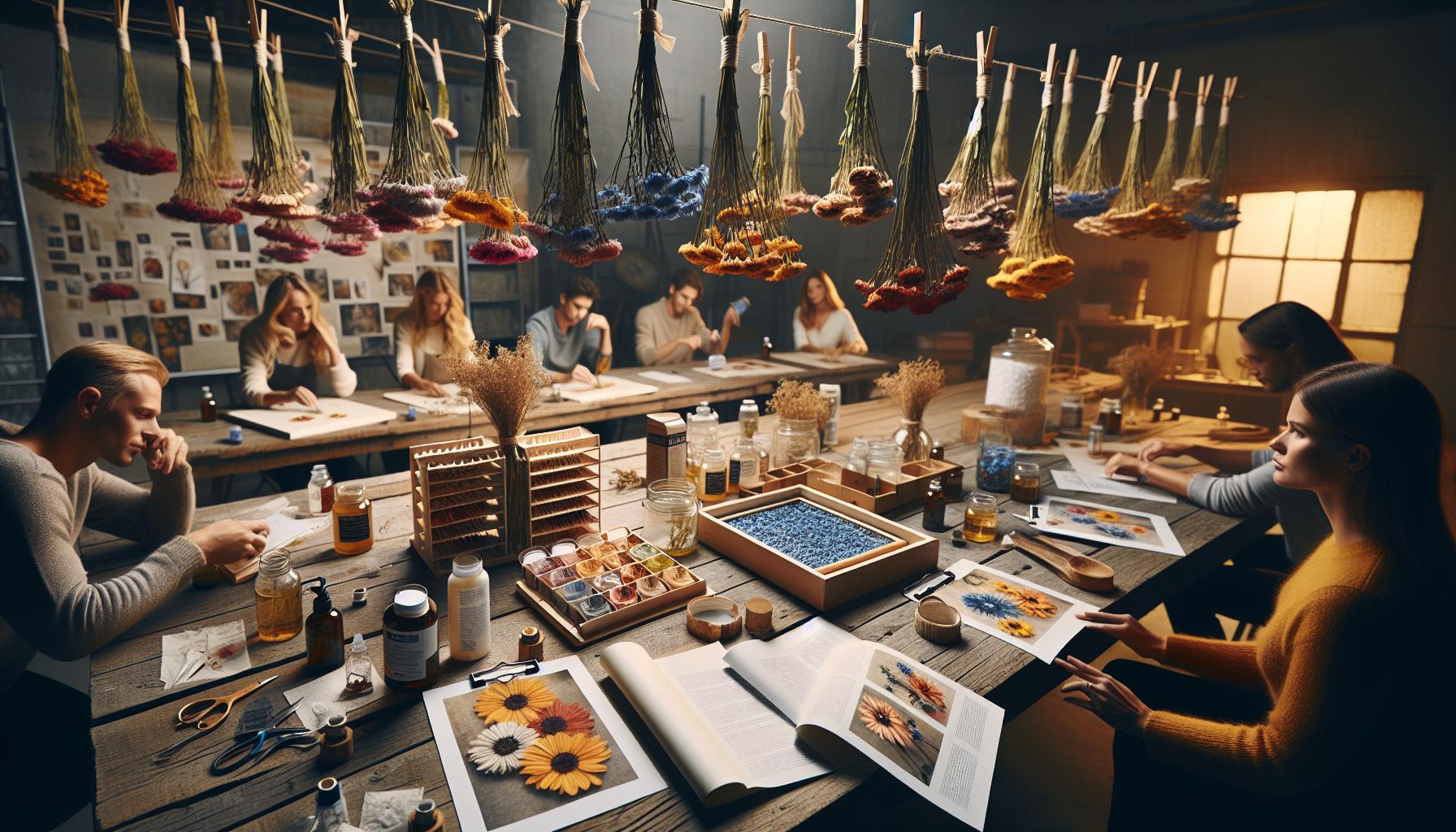
The Timeless Art of Drying Flowers: Techniques and Tips
The beauty of dried flowers transcends seasons, allowing cherished memories from your wedding day to last a lifetime. By effectively drying your wedding flowers, you can capture their essence and create timeless keepsakes that remind you of the love and joy celebrated on your special day. This enchanting process not only preserves the beauty of your blooms but also enhances them, giving your décor a rustic, romantic feel that’s perfect for any home.
To begin, air drying is one of the simplest and most popular methods for preserving flowers, particularly for hardy varieties like lavender, eucalyptus, and statice. Gather your beautiful blooms and remove any excess leaves to focus the drying on the flowers themselves. Bundle small groups and tie them together with twine or string. Hang them upside down in a dark, dry area-this prevents fading and ensures they dry evenly. In about two to three weeks, you’ll have stunning dried flowers that retain their shape and character.
For those who want to get a little more technical, using silica gel can yield excellent results, particularly with delicate flowers. This method preserves the color and shape of flowers like roses and tulips. Start by submerging the flower heads in silica gel within a container. Slowly pour the gel around the flowers, making sure to cover them completely. Seal the container and let it sit for about three to seven days, checking periodically. Once dried, gently brush off any excess powder for a beautifully vibrant flower ready to be displayed.
Each method offers its unique charm, ensuring that your preserved flowers resonate with your style. By incorporating dried flowers into your home décor-whether displayed in a glass cloche, incorporated into a shadow box, or arranged in a beautiful vase-you create lasting reminders of your joyous occasion. As you embark on this journey of preservation, remember to embrace the process, allowing it to reflect your unique love story. Celebrate the moments and the blooms, knowing they will forever symbolize the beautiful beginning of your life together.
Using Silica Gel: A Beginner’s Guide to Flower Preservation
Using silica gel for flower preservation is an art that captures the beauty of your wedding blooms with remarkable vibrancy and detail. This method allows delicate flowers like roses and tulips to retain their stunning colors and shapes long after the wedding day festivities have ended. Engaging in this creative process not only results in breathtaking keepsakes but also provides a meaningful way to relive memories tied to your special day.
To get started, you’ll need a few essential materials: silica gel, a container with a tight-sealing lid, and your fresh flowers. Begin by selecting flowers that hold special significance for you-perhaps those used in your bouquet or centerpieces. Carefully remove any leaves from the stems, as excess foliage can affect the preservation process. Then, gently cut the stems to your desired length.
Steps for Using Silica Gel:
- Fill the container with a layer of silica gel, about 1-2 inches deep.
- Place the flower heads into the silica gel, ensuring they sit upright and don’t touch each other.
- Gradually pour more silica gel around and over the flowers until they are fully covered, ensuring there are no air pockets left.
- Seal the container tightly to prevent moisture from entering.
- Let the flowers sit undisturbed for approximately three to seven days, checking periodically to determine when they are fully dried. You’ll know they’re done when they feel firm and no longer squishy.
- Once ready, carefully remove the flowers from the silica gel, tapping off any excess powder gently. Consider using a soft brush for a more delicate touch.
As you unwrap your preserved blooms, celebrate the magic of this process-it’s not just about the technique; it’s also a beautiful reminder of a day filled with love, laughter, and cherished moments. These preserved flowers can now be incorporated into home decor, displayed in a shadow box, or used in a custom-made bouquet to relive those cherished memories daily. Whether showcased on your mantel or in an elegant glass vase, these treasures serve as everlasting symbols of your love story, bringing joy to your home for years to come.
Pressing Flowers: A Step-by-Step Approach
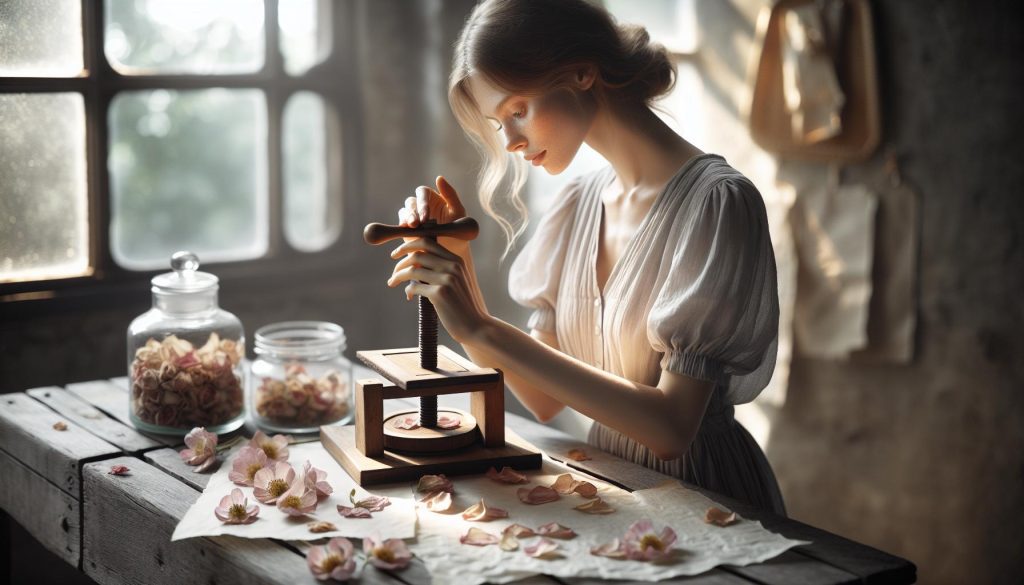
Pressing your wedding flowers is a romantic way to preserve their beauty while creating a tangible reminder of your special day. This method is ideal for flat blooms like daisies, pansies, and violets, yielding gorgeous slices of nature that can be displayed in photo albums, framed art, or even incorporated into handmade cards. The process of pressing flowers captures their delicate essence, allowing you to cherish their beauty for years to come.
To get started, gather your chosen blooms and materials. You will need absorbent paper (like parchment or coffee filters), a heavy book or flower press, and, optionally, some weights to ensure even pressure. Choose flowers at their peak freshness for the best results, as wilting or damaged blooms won’t yield the vibrant outcome you desire.
Steps for Pressing Flowers
- Select and Prepare Your Flowers: Choose flowers that reflect the spirit of your wedding day. Trim the stems, removing any excess foliage, and arrange them to your liking.
- Place in Paper: Lay your flowers between two sheets of absorbent paper. Make sure they are flat and not overlapping to avoid distortion.
- Pressing: Carefully place the paper with flowers inside a heavy book. If using weights, place them on top to secure even pressure. This step is crucial for preserving the flowers’ shape.
- Wait: Allow the flowers to dry undisturbed for approximately two to three weeks. The exact timing may vary based on humidity and flower type, so check periodically.
- Review Your Artwork: Once dried, gently remove the flowers from the paper. They should be crisp and flat, preserving the elegance you aim for.
Once the flowers are pressed and dried, the creative possibilities are endless. Consider arranging them in a shadow box with mementos from your wedding, or frame them alongside a photo from the day. This not only elevates your home décor but also keeps those memories alive in a meaningful way. Each glance at your pressed flowers will transport you back to the love and joy of your celebration, reminding you of the beauty that surrounded you on your special day.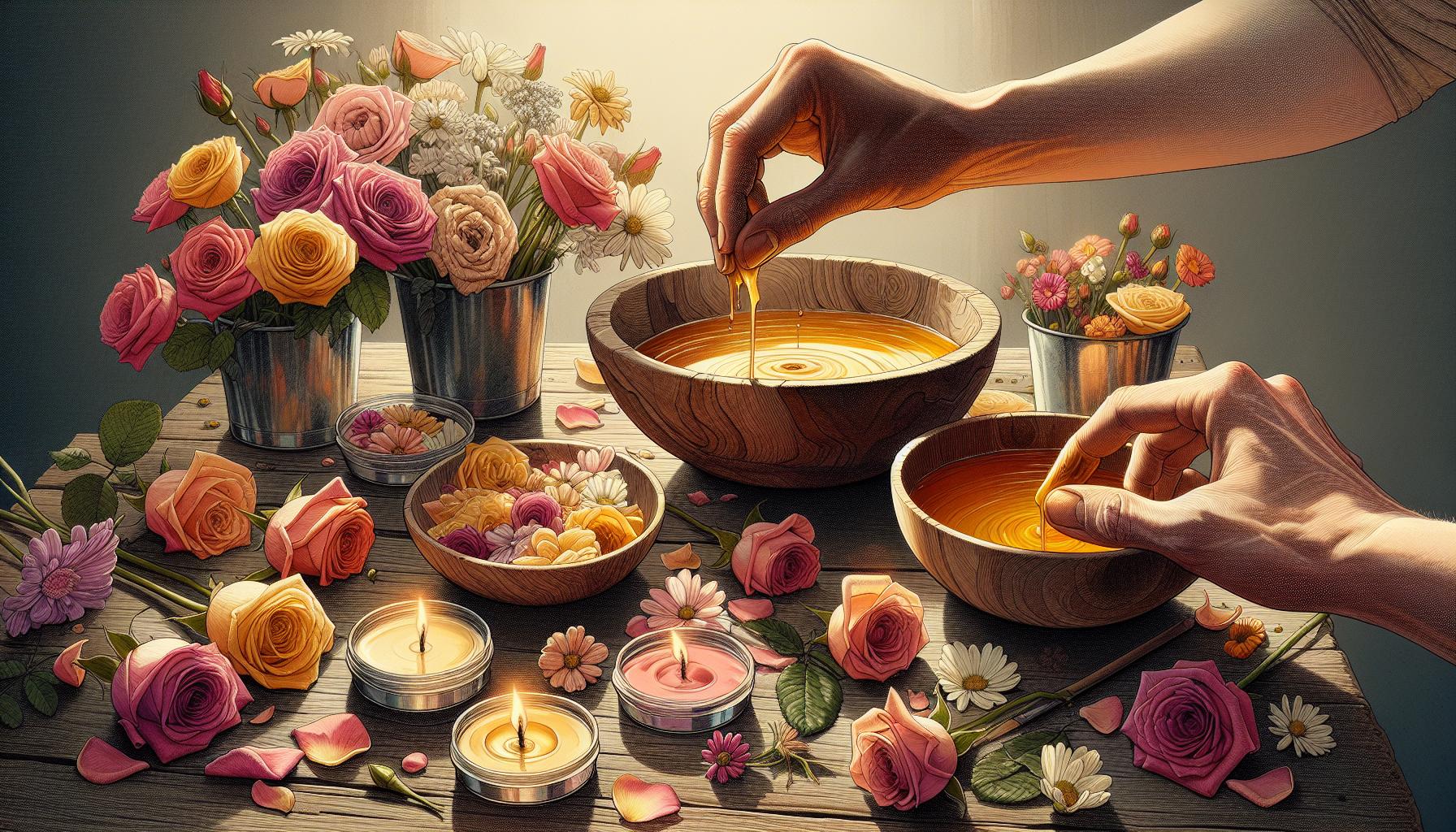
Waxing Flowers: A Unique Preservation Method
The gentle art of waxing flowers invites couples into a delightful preservation technique that beautifully preserves the vibrancy and form of their wedding blooms. Waxing is particularly effective for flowers with a waxy texture, such as tulips and roses, allowing them to maintain a fresh appearance and original colors for years. This method not only protects the delicate petals from dust and decay but also adds a subtle sheen, enhancing their overall charm-a perfect representation of the love celebrated on your special day.
To begin the waxing process, gather your materials: paraffin wax, a double boiler (or a makeshift version using two pots), and a pair of tweezers or tongs. Start by melting the paraffin wax slowly over low heat in the double boiler, creating a smooth pool ready for dipping. Once the wax is fully melted, it’s time to prepare your flowers. Ensure they are clean and free of excess moisture; a quick pat-down with a soft cloth or paper towel will suffice. Carefully dip each flower into the melted wax, allowing it to coat evenly. Hold it for a few moments to let the excess wax drip off before placing the flower on a sheet of wax paper to cool and harden.
Key Benefits of Waxing Flowers
- Preservation of Color: Waxing helps maintain the original colors of flowers, giving them a fresh and vibrant look long after your wedding day.
- Protection from Dust and Moisture: A wax coating seals the flowers, preventing dust accumulation and keeping them safe from moisture that can lead to decay.
- Visually Appealing Finish: The glossy sheen of waxed flowers adds a beautiful touch, enhancing their appearance as a keepsake.
While waxing offers incredible benefits, be mindful of the types of flowers you choose, as not all will hold up well under wax. It’s also essential to account for the possible scent changes post-waxing, as some blooms may emit different aromas. However, with careful selection and the right technique, waxing can transform your wedding flowers into timeless treasures, perfectly encapsulating the magic of your love story. Consider displaying waxed flowers in elegant shadow boxes or as part of a centerpiece in your home, allowing these treasures to serve as perennial reminders of your joyous celebration.
Creating Beautiful Keepsakes: Floral Arrangements with Dried Flowers
The enchanting beauty of dried floral arrangements can transform wedding flowers into timeless keepsakes, allowing couples to cherish the memories of their special day for years to come. By thoughtfully selecting and arranging dried flowers, you can create stunning displays that encapsulate the essence of your wedding, reflecting both your unique style and the love you celebrated. Not only do these arrangements serve as beautiful décor in your home, but they also become a poignant reminder of the joy and commitment of your wedding day.
To begin crafting these delightful keepsakes, consider starting with the flowers that hold the most significance to you. Here are some popular blooms that dry well and evoke lasting memories: roses, lavender, statice, and baby’s breath. The drying process can vary; while some flowers maintain their shape and color remarkably well, others may require more care. A commonly used method is to hang flowers upside-down in a cool, dark place to preserve their natural form and color. This technique not only ensures a stylish finish but can also add a rustic charm to your arrangements.
Once your flowers are dried, you can get creative with the arrangements. Consider using different materials like wooden boxes, glass jars, or elegant vases that resonate with your wedding theme. Mixing various textures and colors will add depth to your bouquet. Incorporate dried foliage, such as eucalyptus or ferns, to complement your blooms and enhance the visual appeal. You might also want to add personal touches such as ribbons, lace, or even handwritten tags, which can capture heartfelt quotes or dates that hold special meaning.
Tips for Stunning Dried Floral Arrangements
- Balance and Symmetry: Ensure that your arrangement feels harmonious by balancing larger flowers with smaller ones to create a visually pleasing display.
- Experimenting with Heights: Play with varying heights in your arrangement to draw the eye and create a more dynamic presentation.
- Layering Elements: Layering different elements can enhance texture; combining smooth petals with rougher foliage creates interest.
- Secure Properly: Use floral foam or a sturdy base to keep the arrangement stable, ensuring that your creation will stand the test of time.
As you embark on this creative journey, remember that the beauty of dried flowers lies not just in their aesthetic but also in the memories they represent. By incorporating your wedding flowers into beautiful arrangements, you create lasting mementos that celebrate love and life. Every glance at these lovely creations will evoke cherished memories, keeping the spirit of your wedding alive in your heart and home.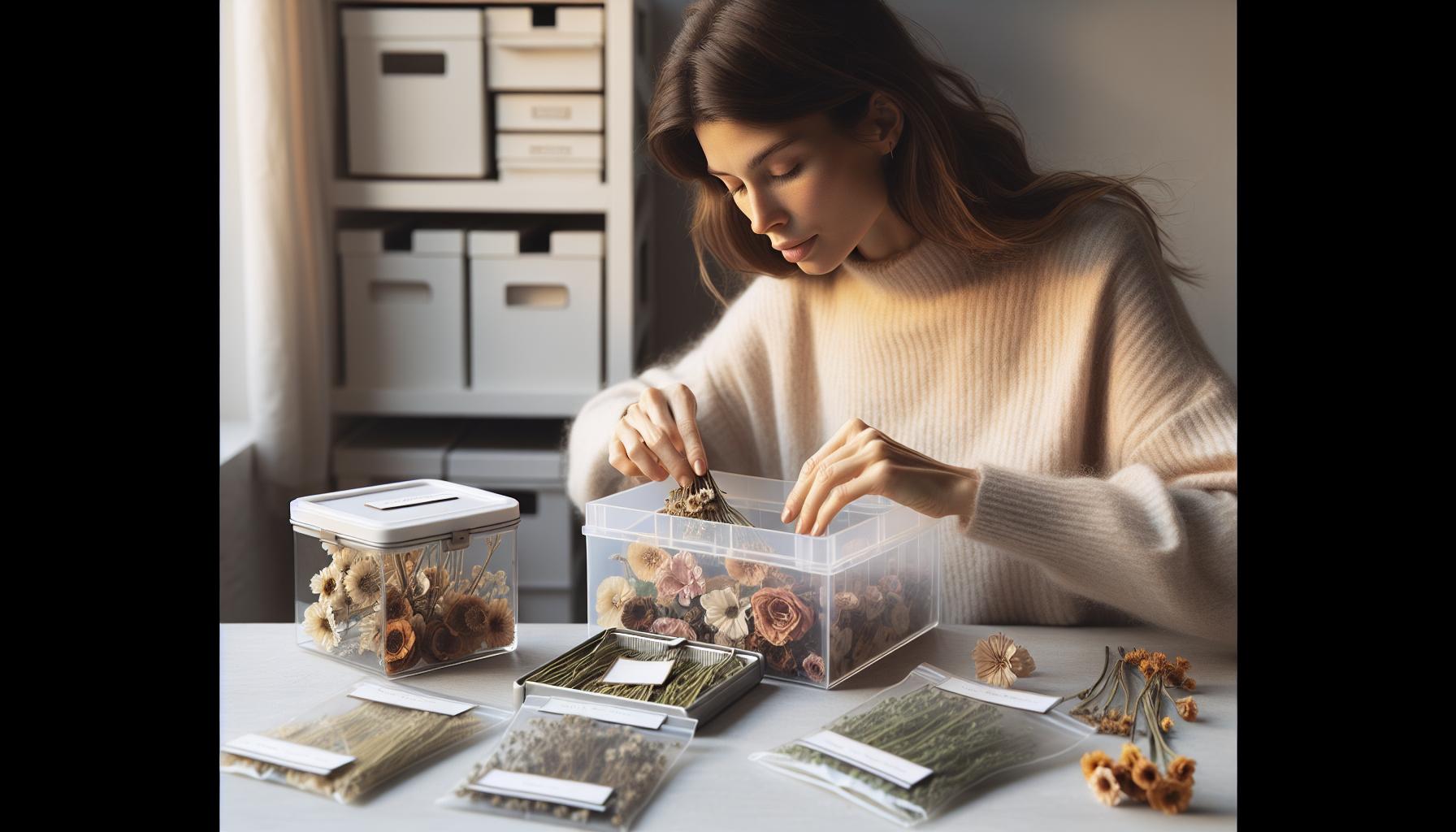
Storing Preserved Flowers: Best Practices for Longevity
To ensure that your preserved wedding flowers remain a beautiful reminder of your special day, it’s crucial to store them properly. Just as your flowers were selected with love and care, their storage should reflect that sentiment. The right storage techniques not only maximize their lifespan but also maintain their visual appeal, safeguarding those cherished memories for years to come.
The first step in proper flower storage is to choose an appropriate location. Ideally, preserved flowers should be kept in a cool, dry space, away from direct sunlight and moisture, which can lead to fading or mold. Consider utilizing an airtight container, such as a glass display box or a shadow box, to protect your flowers from dust and environmental factors. If your bouquet is fragile or has more delicate blooms, wrapping individual flowers in acid-free tissue paper before placing them in the container can offer additional protection.
Moreover, controlling the environment where your flowers are displayed is essential. Aim to maintain a stable humidity level, ideally around 40-50%. You can use silica gel packets or moisture-absorbing crystals in the storage container to help regulate moisture levels. This not only prevents the blooms from becoming limp but also helps in maintaining their vibrant colors. Regularly check the condition of your flowers, and if you notice any signs of deterioration, consider re-drying them or seeking professional preservation services to refresh their appearance.
Finally, while storing your flowers, think about how you might want to display them in the future. Arranging them in a way that suits your home decor can make them a constant source of inspiration and joy. Display them in a shadow box on your wall, or create a centerpiece for your dining table. By integrating your preserved flowers into your home, you create a lasting testament to your wedding day that continues to evoke love and nostalgia.
In summary, proper storage of preserved flowers not only helps maintain their beauty but also protects the invaluable memories they represent. With careful attention to their environment and thoughtful display choices, your wedding flowers can flourish as heartfelt reminders of your commitment for many years ahead.
Creative Ways to Display Preserved Flowers in Your Home
Preserved flowers are not just mementos; they are timeless treasures that encapsulate the essence of your wedding day. Infusing your home with these beautiful representations of your love story can add a unique touch to your decor, creating a space that feels both personal and romantic. Here are some creative ways to display your cherished wedding flowers, allowing their beauty to flourish long after the last dance of your special day.
Shadow Boxes and Glass Domes
One of the most popular methods for showcasing preserved flowers is using shadow boxes or glass domes. These provide a stunning, protective environment that not only enhances the beauty of the flowers but also serves as an eye-catching centerpiece. Arrange your flowers alongside other keepsakes from your wedding, such as a photo or ribbon from your bouquet. This adds depth and context, transforming your display into a poignant reminder of your love story.
Wall Art
Turn your preserved flowers into one-of-a-kind wall art. Frame them in a deep-set frame, using a complementary background color to highlight their vibrancy. You can either arrange the flowers in a single frame, creating a focal point, or make a series of smaller frames for a gallery wall effect. These art pieces not only celebrate your wedding day but also bring warmth and personality to your walls.
Floral Wreaths and Garlands
For those who adore a more rustic or bohemian aesthetic, consider creating floral wreaths or garlands. These can adorn doors, mantels, or even used as a table runner. You can weave your preserved flowers with natural materials like twigs or burlap, combining the organic appeal of nature with the elegance of your preserved bouquet. This display option is especially beautiful during holiday seasons, adding a touch of romance to your festive decor.
Table Centerpieces
Use your preserved flowers to create elegant table centerpieces. Consider placing them in a vintage vase, or a more modern glass container to suit your dining style. Adding candles or fairy lights can add an enchanting allure, enhancing the atmosphere during mealtime. This is an excellent way to celebrate anniversaries or romantic dinners at home, keeping the essence of your wedding day alive with every glance.
In conclusion, leveraging your preserved flowers into your home decor is a beautiful way to keep the memories of your wedding alive. Each display method can reflect your personal style and allow you to celebrate your love story continually. Have fun experimenting with these ideas, and let your creativity shine as brightly as your special day!
Common Mistakes to Avoid in Flower Preservation
When it comes to preserving the beautiful blooms from your wedding day, avoiding common pitfalls is essential to maintain their beauty and essence long after the confetti has settled. Many couples, in the excitement of their nuptials, overlook important details that can impact the quality of their preserved flowers. By steering clear of these mistakes, you can ensure that your mementos will carry the fragrance of love for years to come.
One major mistake to avoid is waiting too long to initiate the preservation process. Flowers are at their prime immediately after the ceremony, and delaying preservation can lead to wilting and deterioration. Ideally, aim to dry or send your flowers within 24 hours to keep them looking fresh. Proper timing is paramount-the sooner you act, the better your results will be.
Another common error is not considering the specific needs of different flower types. Not all flowers dry or press equally well; for example, delicate blossoms like peonies tend to lose their shape, whereas sturdier blooms like roses hold up nicely. Familiarize yourself with the characteristics of your chosen flowers to select the most suitable preservation method. To help you choose, here are a few popular options:
- Air Drying: Suitable for straw flowers, lavender, and eucalyptus.
- Silica Gel: Works best for more fragile flowers like daisies and tulips.
- Pressing: Excellent for flat flowers such as pansies and violets.
Additionally, failing to prepare your flowers correctly can lead to unsatisfactory preservation. Ensure that all blooms are clean, well-hydrated, and free of any pests before starting the drying process. Vegetative matter, like leaves and stems, may release moisture and lead to mold or decay, so trim unnecessary foliage to achieve the best results.
Lastly, neglecting to store preserved flowers in appropriate conditions can diminish their lifespan and vibrancy. Keep your flowers away from direct sunlight and humidity to prevent fading and mold growth. Opt for a cool, dry place for storage, and consider using glass containers or shadow boxes that offer protection while allowing you to admire your cherished keepsakes.
By availing yourself of these insights and avoiding common missteps, you can create lasting memories that celebrate the beauty of your wedding day. Let your love story bloom beautifully through these preserved treasures, enriching your home with their splendor for years to come!
Expert Tips for Customizing Your Preservation Method
When planning to preserve your wedding flowers, customizing your method to fit your unique blooms and style can transform ordinary petals into extraordinary keepsakes. A personal touch not only enhances the sentimental value but also ensures your selected preservation technique highlights the beauty of your chosen flowers. Here are some expert tips to help you tailor your approach, ensuring your floral memories remain vibrant and meaningful for years to come.
Understanding the specific characteristics of your flowers is essential. For instance, flowers with sturdy petals such as roses and lilies can be air-dried or preserved in resin, while more delicate blooms like peonies may require gentle handling and silica gel for best results. Consider conducting a little research or consulting with a floral preservation expert to decide the most appropriate method based on your bouquet’s flower types.
Next, think about the aesthetic you want to achieve. If you envision a romantic, rustic display, pressing flowers into a keepsake book can create a beautiful and timeless effect that complements vintage décor. Alternatively, encasing flowers in resin allows for a modern flair where your blooms can be transformed into coasters or decorative blocks. If you’re leaning toward a more traditional approach, consider drying your bouquet and then artfully arranging the dried flowers in a shadow box to create a striking focal point in your home.
For added creativity, why not mix methods? Combining pressed flowers with dried arrangements can yield stunning results that tell a visual story of your wedding day. You might create a beautiful centerpiece using dried flowers while framing pressed flowers as wall art. Personalizing your preservation also means considering color and texture; adding elements like ribbons from your wedding attire or keepsakes from your ceremony will enhance the emotional resonance of your preserved blooms.
Finally, don’t forget to document the preservation process! Create a small photo album or scrapbook that features both your beautiful blooms and the techniques used to preserve them. This narrative not only encapsulates the joy of your wedding day but also serves as a conversational piece for years to come. By thoughtfully customizing your preservation method, you can celebrate your love story in a way that is as unique and timeless as the memories you cherish.
Incorporating Preserved Flowers into Wedding Décor
Incorporating preserved flowers into your wedding décor is a beautiful way to celebrate your special day while creating lasting memories. These unique pieces not only reflect the essence of your wedding but also offer stunning visual appeal that can enhance any setting. By using methods like drying, pressing, or resin preservation, you can transform your bouquet into an artful statement that extends beyond your wedding day.
Imagine adorning your reception tables with elegant centerpieces made from your preserved bouquet. A simple glass vase filled with dried flowers can bring a rustic charm that complements a country or vintage theme. Alternatively, consider creating small arrangements for guest tables or using them to line the aisle, reminding everyone of that magical moment when you walked down toward your beloved. These touchpoints help interweave your love story throughout the event.
Creative Display Ideas
- Shadow Boxes: Develop a striking focal point by arranging preserved flowers in a shadow box. This method not only protects your blooms but also allows for creative customization with backgrounds that reflect your wedding colors or themes.
- Framed Floral Art: Create beautiful wall art by pressing flowers and framing them. Hang these pieces in your home as a nostalgic reminder of the joy of your big day.
- Guest Book Alternative: Incorporate small pressed flowers into a guest book where family and friends can sign next to your dried blooms, creating a unique keepsake that combines well wishes with memories.
Personal Touches
Adding personal elements to your preserved floral arrangements can make them even more special. Incorporate items such as:
- Ribbons or lace from your wedding dress
- Photos from your engagement or first meeting
- Special quotes or memories written on accompanying cards
These thoughtful details not only elevate the aesthetic but deepen the emotional connection to your décor. You can also ask your florist for recommendations on which flowers will hold up best over time or consult a preservation expert to help you craft displays that resonate with your style.
By incorporating preserved flowers into your wedding décor, you not only enhance the beauty of your celebration but also create treasured keepsakes that tell the story of your love. Each preserved bloom is a tangible memory, reminding you and your guests of the love and joy that surrounded your wedding day.
How to Plan for Flower Preservation on Your Wedding Day
Planning for the preservation of your wedding flowers is an essential part of capturing the magic of your special day. Flowers symbolize love and beauty, so it’s no wonder you’ll want to keep them vibrant long after the vows have been exchanged. To ensure your blooms are preserved with care and finesse, start by selecting a preservation method that suits your style and preferences. Whether you’re enamored with the idea of drying, pressing, or resin filling, early attention to detail will help create lasting memories.
First, coordinate with your florist to set aside your bridal bouquet or any special floral arrangements you want preserved. Discuss the types of flowers you’ll be using, as some varieties hold up better in the preservation process than others. Fragrant species like lavender or delicate blooms like peonies are often good choices. After the ceremony, aim to hand over your flowers to a trusted preservation expert within 4-6 hours. To facilitate this, consider designating a close friend or family member as your “flower steward” who can ensure your arrangements reach a professional promptly.
Once you’ve selected your preservation method, set aside a space in your home where the blooms can be safely stored before they are processed. This area should be cool and dry, helping to maintain their freshness until they can be handled. For those who choose to use silica gel, framing, or resin techniques, refer to your preservation service for specific recommendations on best practices to prepare your flowers for the journey that lies ahead.
Remember to document the process! Capturing photos of your flowers in their preserved forms can be a fan-favorite memento. Consider turning it into a creative activity that engages your wedding party, transforming preservation into a shared experience filled with laughter and joy. With careful planning and consideration, you can ensure that your flowers will not only be beautiful reminders of your wedding day but also cherished heirlooms for years to come.
Frequently Asked Questions
Q: What is the best method to preserve wedding flowers?
A: The best method depends on the type of flowers used. Common methods include air drying, silica gel drying, pressing, waxing, and using resin. Each method has unique benefits, so consider the look you desire, the flower type, and how you want to display them [1[1].
Q: How long do preserved wedding flowers last?
A: Preserved wedding flowers can last from several months to many years, depending on the preservation method used and care taken. Proper storage and display can significantly enhance longevity. Ensure to keep them out of direct sunlight and humidity [2[2].
Q: When should I preserve my wedding flowers?
A: Ideally, wedding flowers should be preserved as soon as possible after the ceremony. This prevents wilting and ensures the best results. If you’re using a preservation service, schedule this shortly after the event [3[3].
Q: Can I preserve flowers in a bouquet?
A: Yes, you can preserve an entire bouquet using methods like air drying, pressing, or silica gel. Be sure to remove excess foliage to reduce moisture, and consider how you want to display the bouquet afterwards to select the best preservation method [1[1].
Q: What flowers are suitable for preservation?
A: Suitable flowers for preservation include roses, lilies, and hydrangeas. These tend to hold their shape and color well. Avoid flowers with high water content, like daisies and poppies, as they may not preserve as effectively [2[2].
Q: How can I incorporate preserved flowers into my home décor?
A: Preserved flowers can be used in various ways, such as in shadow boxes, frames, or as part of centerpieces. Consider grouping them with complementary decor items or displaying them in a prominent location to celebrate your special day [3[3].
Q: What are common mistakes to avoid when preserving flowers?
A: Common mistakes include not preparing the flowers properly or using too much moisture during preservation. Ensure the flowers are fresh and dry before starting the process to prevent mold and decay [1[1].
Q: Can I use preserved flowers for wedding arrangements?
A: Yes, preserved flowers can be used for wedding arrangements and can even be a beautiful addition to bouquet designs or table settings. They offer long-lasting beauty and a unique touch for your special day [2[2].
The Way Forward
Preserving your wedding flowers is not just about keeping a memory alive; it’s a celebration of your love story that deserves to be cherished for years to come. Whether you choose to air-dry, press, or use a professional service, each method can effectively retain the beauty of your blooms. Don’t wait too long after your big day; the sooner you start the preservation process, the better the results!
For more insights on how to incorporate your preserved flowers into your home decor, or to explore professional preservation services that guarantee quality, check out our guides on decorating with wedding keepsakes and the best flower preservation experts. If you’re feeling inspired, consider signing up for our newsletter to receive the latest tips and exclusive offers. Share your thoughts in the comments below-how do you plan to preserve your wedding memories? Your journey is just as special as your flowers; let’s make it unforgettable!