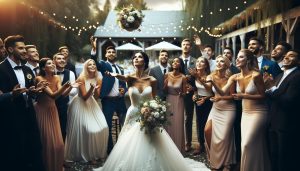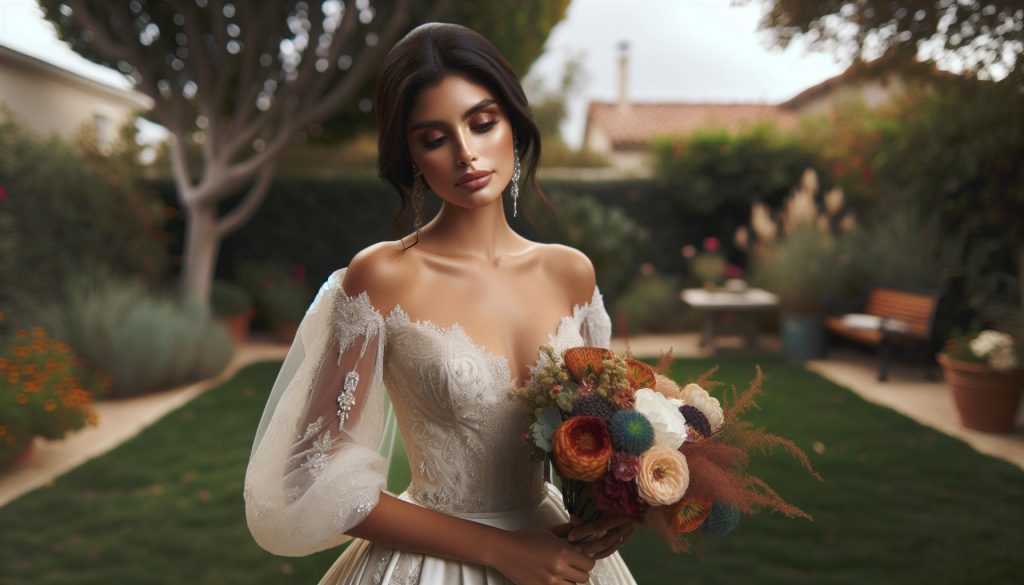
As wedding season approaches, understanding the language of love becomes essential, especially if you’re planning a bilingual celebration. In this guide, we explore how to say “bride” in Spanish, a fundamental term for any couple navigating their wedding plans. Knowing the right vocabulary not only enhances your communication but also deepens your connection to cultural traditions, making your big day even more meaningful. Whether you’re trying to honor your heritage or simply want to impress your Spanish-speaking guests, mastering essential wedding terms will empower you to embrace the richness of your wedding journey fully. Dive in to discover key phrases and tips that will help you create a celebration filled with joy and love!
How to Say “Bride” in Spanish: A Simple Guide
The term for “bride” in Spanish is “novia.” This word not only encapsulates the essence of the bride in a wedding ceremony but also carries cultural significance in Spanish-speaking communities around the world. In many Hispanic cultures, the novia symbolizes hope, love, and new beginnings, reflecting the joyous nature of marriage. Couples planning their special day often find themselves immersed in both the language and the traditions that elevate the meaning of their union.
When discussing weddings, the term “novia” is frequently used alongside other essential vocabulary, such as “novio” (groom) and “boda” (wedding). Understanding these terms is crucial for anyone involved in wedding planning, whether they’re writing invitations or communicating with vendors. As you prepare for a bilingual wedding, incorporating the language into your planning process can add a personal touch to the celebration, delighting guests and honoring cultural roots.
To enhance your wedding vocabulary further, consider familiarizing yourself with expressions that are commonly used during ceremonies and celebrations. Phrases like “Felicidades a los novios” (Congratulations to the couple) or “Que vivan los novios” (Long live the newlyweds) are perfect for toasts and well-wishing. Embracing these linguistic nuances will not only enrich your wedding experience but also allow you to connect deeply with guests and loved ones in a shared celebration of love and commitment.
Common Spanish Terms for Wedding Vocabulary
When diving into the enchanting world of weddings, particularly in Spanish-speaking cultures, it’s essential to familiarize yourself with the vibrant vocabulary that encapsulates the experience. Understanding these terms not only enriches your wedding planning journey but also enhances the overall celebration, allowing for deeper connections with family and friends. From romantic declarations to essential elements of the ceremony, each term carries its own unique flair and significance.
Here are some fundamental Spanish terms every couple should know when planning a wedding:
- Novio: The groom, embodying his role alongside the novia.
- Boda: The term for wedding itself, representing the union of two individuals.
- Padrino: The best man, often a close friend or relative who supports the groom.
- Madrina: The maid of honor, typically a supportive figure for the bride.
- Banquete: The banquet or reception, where guests gather to celebrate with food and merriment.
- Votos: The vows exchanged between the couple during the ceremony, symbolizing their commitment.
- Ramo: The bridal bouquet, a beautiful arrangement held by the bride as she walks down the aisle.
- Altar: The altar, a sacred space where the couple exchanges their vows.
Equipped with these vocabulary essentials, couples can not only plan their ceremonies but also engage meaningfully with guests who may share their cultural backgrounds. For instance, when crafting invitations, incorporating these terms can add an authentic touch, fostering excitement and connection among families. Remember, every word contributes to a narrative that celebrates love, unity, and the special culture that envelops the occasion. Embrace the joy and beauty of wedding planning, and let these terms guide you in celebrating your love story!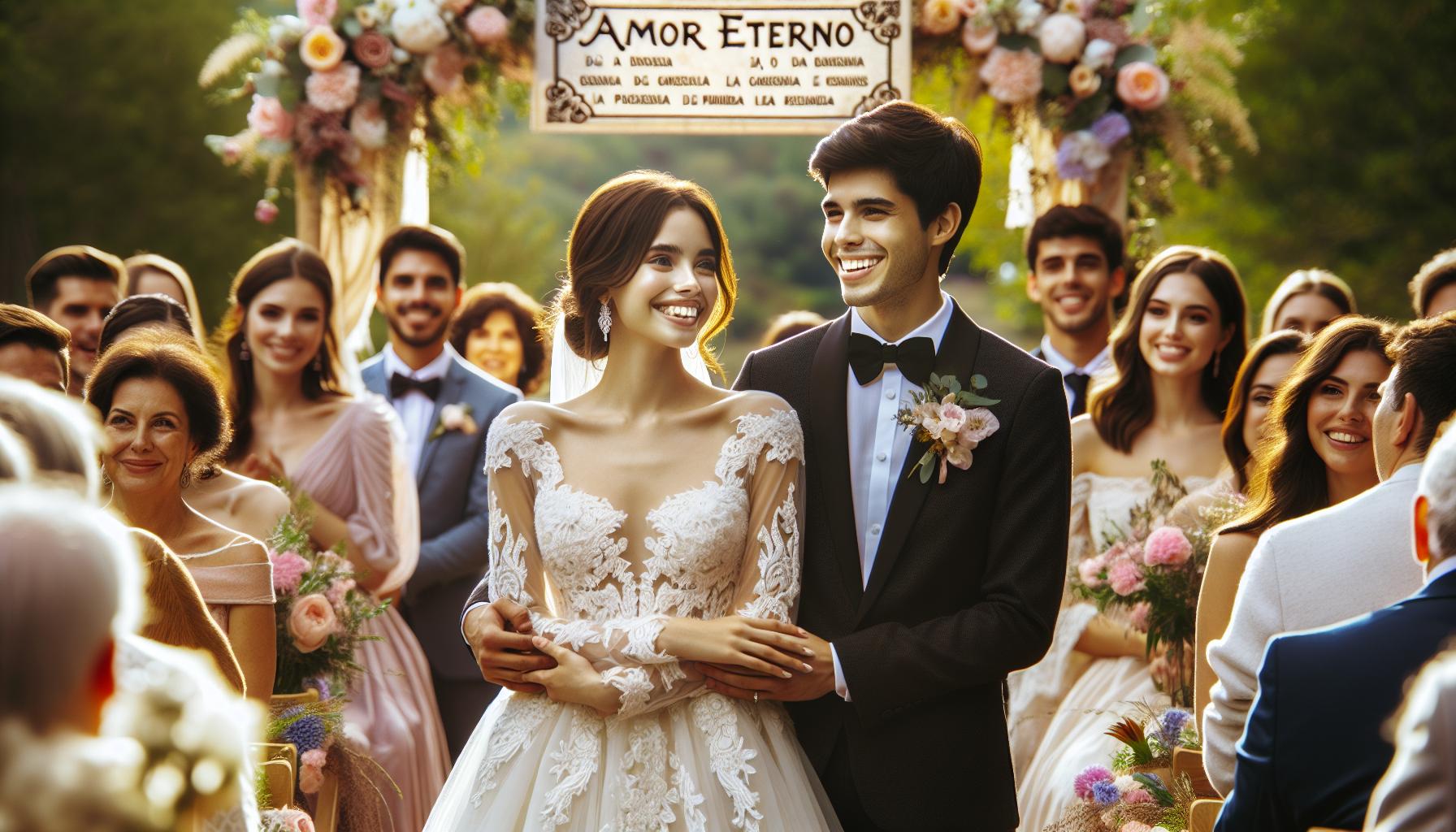
Cultural Significance of the Bride in Hispanic Weddings
Weddings in Hispanic cultures are rich with tradition, and the role of the bride, or “novia,” is particularly significant. The bride’s presence embodies not only personal love and commitment but also the values, customs, and family ties that define her heritage. Her journey to the altar often encapsulates a beautiful blend of familial honor, cultural rituals, and individual expression, reflecting her readiness to embark on a shared life with her partner.
The importance of the novia extends beyond the ceremony itself; she often serves as a focal point of the wedding festivities. From the moment she chooses her wedding dress to when she walks down the aisle, each detail highlights her personality and connection to her roots. Many brides incorporate traditional attire that may feature regional patterns or colors symbolizing love and prosperity. Love for her family is also celebrated, as she may choose to include something borrowed, something blue, or heirlooms from relatives, underscoring the support and traditions passed through generations.
A common practice in Hispanic weddings is the “lazo” ceremony, where a symbolic cord or wreath is placed around the couple, representing their union and commitment to each other. In this context, the novia not only embraces her personal identity but also becomes an integral part of a greater familial and cultural narrative. This blending of individual and collective significance highlights the emotional depth of the ceremony and the richness of their shared future.
Moreover, the cultural significance of the novia is often reflected in the celebrations that follow the nuptials. During festivities, traditional dances and music may take center stage, allowing the couple to showcase their heritage while emphasizing the joy of their union. As guests engage in these celebrations, they honor the cultural roots that shaped the couple, making the bride an essential figure in bridging family ties and cultural identities. Understanding the novia’s role helps not only in planning the wedding but also in appreciating the profound connections that marriage fosters within Hispanic communities.
Essential Wedding Phrases for Spanish Speakers
Weddings are a joyous occasion filled with love, family, and heartfelt expressions, and mastering the language can enhance the experience immensely. For Spanish speakers or those participating in a Hispanic wedding, knowing a few essential phrases can elevate the celebration and foster connections with the couple and their families. Here are some key phrases that will help navigate the wedding festivities.
Start with the basics that embody the spirit of the event and demonstrate respect for the culture. For example, expressing your congratulations is tactile, as you might say, “¡Felicidades!” (Congratulations!) and toasting to the couple’s happiness, use “¡Salud!” (Cheers!) while raising your glass. These simple phrases foster an inviting atmosphere conducive to celebration.
As you navigate the wedding day, familiarize yourself with the terms that are frequently used during the ceremony and reception, such as “Dama de honor” for maid of honor, “Padrino” for best man, and “Ceremonia” for the ceremony itself. It may also be meaningful to compliment the bride with “Te ves hermosa” (You look beautiful) or the groom with “Te ves elegante” (You look dapper). These expressions not only convey admiration but also deepen emotional connections among guests.
Recognizing the significance of traditions within Hispanic weddings can further enrich communication. Phrases like “El lazo” (the lasso) and “La ceremonia del vino” (the wine ceremony) refer to traditional rituals that can often be part of the wedding experience. Understanding these terms allows guests to participate more meaningfully.
Lastly, remember to engage in joyful interactions with the couple’s families and friends, using phrases like “Espero que disfruten de la fiesta” (I hope you enjoy the party) and “¡A bailar!” (Let’s dance!) to share in the excitement and ensure everyone feels included. With these phrases in your repertoire, you are well-equipped to celebrate not only the love shared between the bride and groom but also the rich cultural tapestry underpinning their union.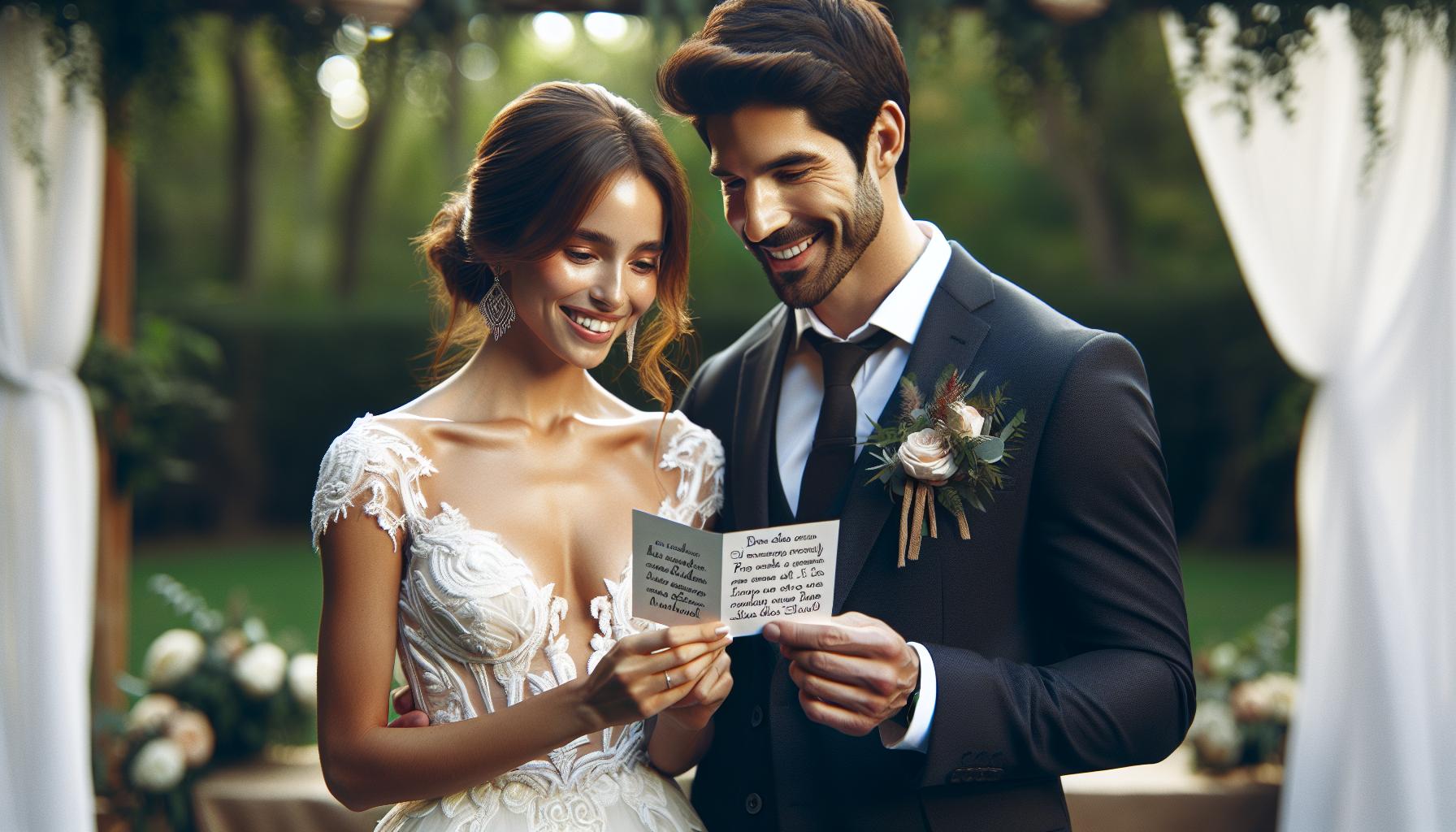
Understanding Gendered Language in Spanish Weddings
In the vibrant tapestry of Spanish-speaking cultures, understanding gendered language is crucial, especially during weddings where traditional roles reflect broader societal norms. The Spanish language, rich and intricate, assigns gender to its nouns and corresponding adjectives, which extends to wedding terminology. The significance of gendered language can be a delightful exploration, connecting you more deeply to the event and its participants.
A key example is the term “novia,” which means bride, and is inherently feminine. In contrast, the groom is referred to as “novio,” illustrating how language reflects the identities and roles within a marriage ceremony. Such distinctions don’t just stop at the couple; wedding party members also have gendered titles like “dama de honor“ (maid of honor) and “padrino” (best man). Recognizing these terms helps honor the individuals’ roles and fosters a respectful and inclusive environment.
As you navigate the complexities of planning or attending a Spanish wedding, pay attention to how gendered language influences interactions and the narrative of the celebration. For instance, invitations often need to be worded to reflect the gender identities of those being invited or mentioned. When crafting invitations or even toasts, using proper gendered language not only enhances clarity but also shows the utmost respect and thoughtfulness toward the traditions being observed.
Finally, embracing gendered language includes understanding broader cultural implications. In many Spanish-speaking countries, wedding traditions reflect deep-rooted customs regarding family and roles. For example, while preparing for the wedding, phrases like “la familia de la novia” (the bride’s family) and “la familia del novio“ (the groom’s family) highlight these connections. Learning and using such gendered terms allows you to engage more meaningfully in conversations, ultimately enriching your experience and celebrating not just love, but also the cultural diversity of the occasion.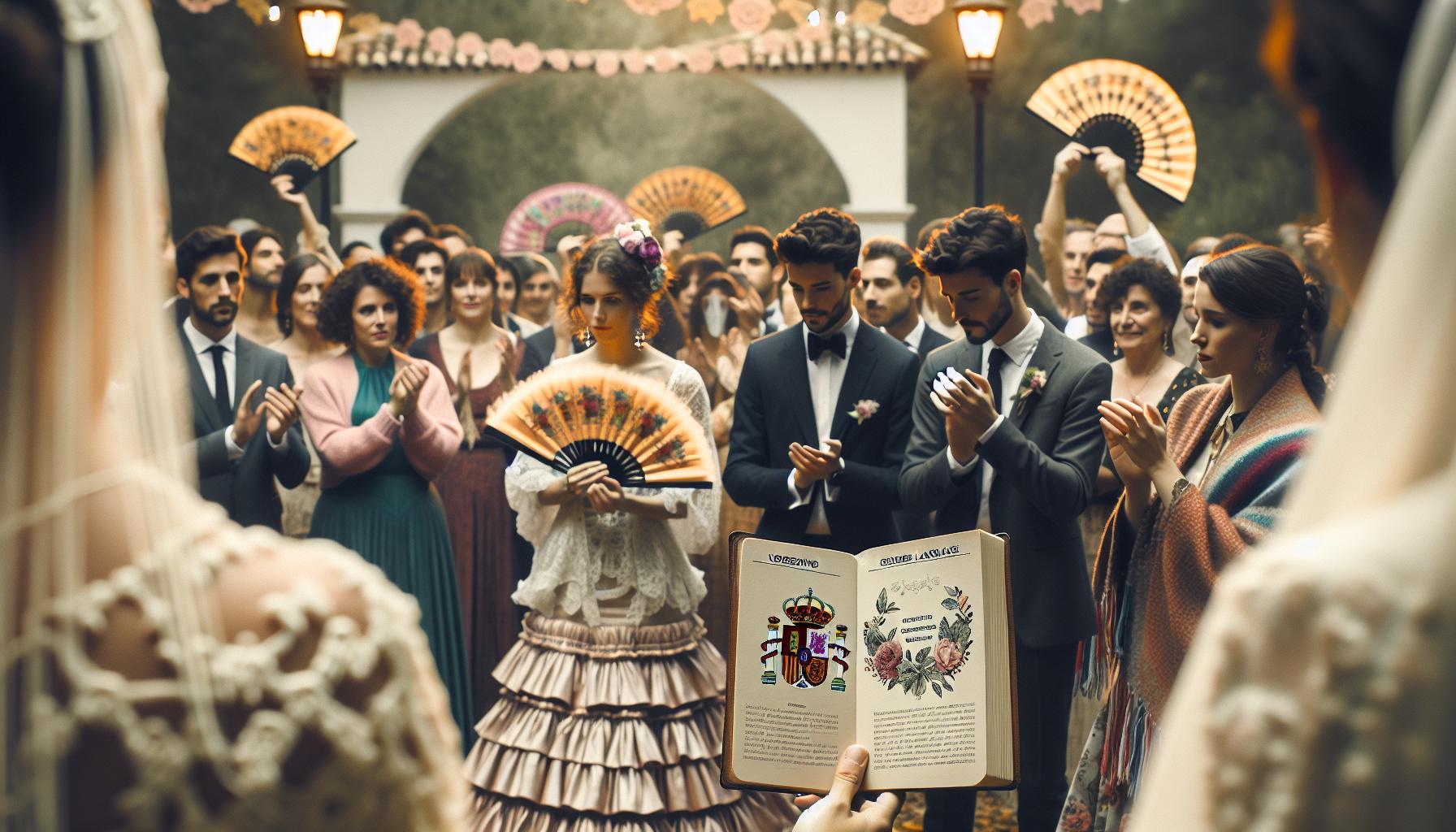
Helpful Tips for Translating Wedding Invitations
Translating wedding invitations from English to Spanish can be a delightful yet challenging task that sets the tone for your special day. It’s not just about direct translations; conveying the same sentiment and cultural nuances is equally important. To ensure your invitations not only inform but also resonate with your guests, consider a few essential tips that will make your translations meaningful and appropriate.
First and foremost, understanding the context and tone of your invitations is crucial. Whether you envision a formal affair or a relaxed celebration, the language used reflects this. For example, phrases like “Nos complace invitarte a la boda de“ (We are pleased to invite you to the wedding of) set a formal tone, while “¡Ven a celebrar con nosotros!” (Come celebrate with us!) adds a friendly flair. Aligning your message with the atmosphere of your event will ensure clarity and excitement among your guests.
Additionally, pay close attention to the gendered nature of the Spanish language, especially when referring to the couple. While “bride” translates to “novia”, the word for “groom” is “novio”. Be consistent and accurate in identifying family roles; it’s common to say “La familia de la novia” (The bride’s family) and “La familia del novio” (The groom’s family) when listing hosts. Such details not only honor the individuals involved but also emphasize cultural traditions that may be significant to your guests.
When crafting the translation, also consider adding a personal touch that reflects your story as a couple. Including a brief quote or phrase that is meaningful to both of you, perhaps in both English and Spanish, can add a layer of intimacy to the invitations. For example, using a romantic phrase such as “Juntos para siempre” (Together Forever) can infuse warmth and excitement into your invitation while bridging the language gap for diverse guests.
Lastly, always seek feedback from a fluent Spanish speaker or a professional translator to ensure accuracy and cultural relevance. Simple mistakes can lead to misunderstandings or misinterpretations that may distract from the joy of your celebration. With careful attention to language and cultural nuances, your invitations can beautifully reflect not only the details of your wedding day but also the warmth and excitement of this new chapter in your life.
Popular Spanish Wedding Traditions and Customs
Weddings in Spanish-speaking cultures are rich with traditions that celebrate love and community, showcasing a beautiful blend of family values, religious customs, and joyous celebrations. For couples planning their wedding, understanding these traditions can not only enrich the ceremony but also honor the cultural significance of the occasion.
One of the most cherished traditions is the use of symbolic items during the ceremony. For instance, the “lazo,” a braided ribbon or cord, is often placed around the couple’s shoulders or waists during the ceremony, representing their union and commitment. Another important element is the “arrha,” which consists of 13 coins given by the groom to the bride, symbolizing prosperity and the couple’s shared responsibilities. These customs highlight the strong emphasis on family and partnership in Hispanic weddings.
When it comes to the celebration, the “serenade” or “mariachi” performance is a staple in many Hispanic cultures. The groom often surprises the bride with a song performed outside her home before the wedding day, setting a romantic tone for the festivities. Following the ceremony, the reception usually features lively music, dancing, and traditional dishes that reflect the couple’s heritage, making it a truly memorable experience.
Additionally, many Hispanic weddings incorporate specific rituals, such as the “first dance” that may be preceded by a dance featuring the couple’s family. This not only honors the families involved but also encourages everyone to participate in the celebration, adding to the festive atmosphere. Understanding these traditions invites couples to infuse their own stories into the celebration, creating a personalized and culturally rich experience for themselves and their guests.
Incorporating these customs into wedding planning not only pays homage to heritage but also enriches the celebration, making it a communal event filled with love, joy, and shared memories. Embracing these practices allows couples to create a wedding day that resonates deeply with familial bonds and cultural roots, ensuring that their special day is not just an event, but a cherished memory for everyone involved.
Key Roles in a Wedding Ceremony Explained
The roles of individuals in a wedding ceremony are pivotal in creating a meaningful and memorable experience. Each participant not only contributes to the celebration but embodies the love and commitment being shared. Understanding these roles can enhance the ceremony’s flow, making the day smoother and more enjoyable for everyone involved.
Key Participants in the Ceremony
- Bride (Novia): The bride is the centerpiece of the wedding, often adorned in a beautiful gown and a veil. In Hispanic cultures, she might carry a bouquet made of intricately designed flowers, symbolizing purity and love. The bride’s journey down the aisle is not just a walk; it is a moment filled with anticipation and joy.
- Groom (Novio): Standing at the altar, the groom eagerly awaits his bride. Traditionally, he may wear a tuxedo or suit reflecting the wedding theme, and he plays a crucial role in the vows exchanged, symbolizing his commitment and love for the bride.
- Officiant (Oficiante): This person is responsible for conducting the ceremony. In many Hispanic weddings, the officiant may be a religious figure or a civil authority, who guides the couple through the vows and pronounces them married.
- Maid of Honor (Dama de Honor): The maid of honor supports the bride throughout the planning and ceremony. Traditionally dressed in a gown that complements the bride’s, she assists with the bouquet and may hold the bride’s train during the ceremony.
- Best Man (Padrino): Similar to the maid of honor, the best man supports the groom. He may assist in planning the honeymoon or take care of the wedding rings during the ceremony, representing loyalty and friendship.
- Bridal Party ( Corte de Honor): This group, including bridesmaids and groomsmen, plays a supportive role, standing beside the couple as they take their vows. They often participate in pre-wedding events, making the journey to the altar a shared effort.
Family Roles
The family, especially parents, help set the tone for the ceremony. Many customs reflect the cultural significance of family in Hispanic weddings. The father of the bride often walks her down the aisle, symbolizing giving away his daughter. This moment can be incredibly emotional and signifies their support as she embarks on this new journey.
The inclusion of parents from both sides during the ceremony may also involve participation in the blessings or lighting candles, showcasing the unity of two families coming together.
Understanding these roles, along with their cultural significance, can help couples design their ceremony with intention and meaning. Each participant has a distinct role that honors love and community, weaving a rich tapestry of experiences that will be cherished for years to come. Embracing these traditions not only enhances the wedding day but also ensures that each moment resonates with shared joy and presence.
Must-Know Spanish Vocabulary for Wedding Attire
Planning the perfect wedding is a journey filled with love, excitement, and creativity, and choosing the right attire is a significant part of that process. Understanding the vocabulary associated with wedding attire in Spanish not only helps to communicate effectively but also enriches the cultural experience of your special day. From the wedding gown to accessories, having a grasp of the terms can enhance your confidence while shopping or coordinating with your wedding party.
When it comes to the bride’s attire, the term “vestido de novia” (bride’s dress) holds utmost importance. In many cultures, this dress symbolizes purity and new beginnings, and in Hispanic traditions, it can come in various styles, from classic white dresses to vibrant colors that represent different cultural backgrounds. Alongside the gown, the “velo” (veil) often completes the bridal look, adding an air of elegance and tradition. Brides may also wear a “tiara” or “diadema” (tiara/crown) to symbolize their royal status on this special day.
For the groom, the essential attire is referred to as “traje” (suit), which can vary significantly in style and color based on personal preference and cultural influences. Every groom should also cherish the significant role of the “corbata” (tie) or “pajarita” (bow tie), which serves as a perfect finishing touch to the overall ensemble.
The bridal party’s attire also plays a crucial role in the wedding’s aesthetic. “Dama de honor” (maid of honor) dresses typically complement the bride’s attire, while “padrinos” (best men) and “padrinos de boda” (groomsmen) often coordinate in suits that mirror the groom’s look.
To smooth the wedding planning process, here are some additional vocabulary terms that may be particularly helpful:
- Zapatos de novia: Bridal shoes
- Accesorios: Accessories (earrings, necklaces)
- Boda de destino: Destination wedding
- Ramo de novia: Bridal bouquet
Equipped with this vocabulary, couples can confidently select their wedding attire, ensuring each piece reflects their personal style and the significance of the day. Embrace the adventure of assembling the perfect wardrobe for your wedding, paying homage to traditions while celebrating your unique love story.
Food and Drink Vocabulary for Celebrations
Delicious flavors and beautiful presentations transform a wedding reception into a memorable feast that celebrates love and unity. Food and drink are central to creating an inviting atmosphere, allowing guests to bond and relish the joy of the occasion. Understanding the vocabulary associated with wedding cuisine in Spanish will not only enrich your planning but also deepen your appreciation of the cultural nuances involved.
When discussing the culinary elements of a wedding in Spanish, a few key terms will become essential. Start with “banquete” (banquet), which refers to the grand meal served at the reception. A traditional wedding banquet often includes various courses, from “entrantes” (appetizers) like “tortilla Española” (Spanish omelette) to main courses such as “paella” (a famous rice dish).
For beverages, understanding the term “vino” (wine) is crucial, as many Hispanic weddings feature selections of both red and white wines to complement the meal. It’s also common to include a “brindis” (toast) during the reception, where guests raise their glasses in celebration, often enjoying sparkling wine or a local favorite like “cava.”
It’s also important to consider desserts, which play a significant role in Hispanic wedding culture. Look for terms like “pastel de boda” (wedding cake) and “dulces” (sweets), with options that range from traditional “churros” to regional specialties that reflect the couple’s heritage.
Making your culinary choices even more special can involve intricacies such as having a “buffet” style meal or a seated dinner. Understanding the difference is valuable: “bufé” implies guests serve themselves, encouraging mingling and a relaxed atmosphere, while “cena servida” (served dinner) often conveys more formality.
Equipped with this vocabulary and knowledge, you’ll be able to curate a delightful menu that enhances your wedding experience. Involve your loved ones in the selection process to create a shared celebration that honors not only your love but also your cultural backgrounds. This careful attention to food and drink will ensure that every bite and sip is a memorable part of your beautiful journey together.
Essential Etiquette Tips for Spanish Weddings
Weddings are joyous occasions filled with rich traditions and customs, especially in Hispanic cultures where the bride holds a central, celebrated role. As you plan your wedding, keeping a few essential etiquette tips in mind will ensure that you navigate this beautiful journey smoothly and honorably.
First and foremost, understanding the importance of the guest list is crucial. Traditionally, the couple’s families play significant roles in determining who is invited, which can include extensive family and friends. It’s respectful to consult with both families when creating the guest list to honor relationships and traditions. Additionally, it’s considered polite to send invitations well in advance, ideally 6 to 8 weeks prior to the wedding, allowing guests to plan accordingly, especially if they need to travel.
When it comes to the attire, the bride typically dons a stunning white dress, symbolizing purity, while the groom typically wears formal attire that complements the bride. Guests are expected to dress elegantly, adhering to any dress codes mentioned in the invitation. If you’re a guest, avoid wearing white or ivory to ensure the bride stands out on her special day. Traditionally, a well-dressed guest is a mark of respect towards the couple and the gravity of the celebration.
Additionally, be mindful of the timeline and true spirit of the ceremony. In many Hispanic weddings, protocols such as “la hora loca” (the crazy hour) add celebratory flair to the festivities later in the event. Knowing the schedule helps you fully engage in the various rituals, including the blessing of the couple or sharing special dances. Don’t forget, participating actively in the reception, such as joining in traditional dances, expresses your support and joy for the newlyweds.
Gift-giving also holds cultural significance; cash is often preferred to help the couple begin their new life together. If you’re unsure, a small personalized gift that reflects the couple’s taste is always appreciated. Lastly, always express your gratitude by sending thank-you notes post-wedding, a polite gesture that strengthens relationships and acknowledges your guests’ efforts.
Incorporating these etiquette tips will not only make your wedding planning experience more straightforward but also ensure that your celebration is infused with the love and respect that characterize beautiful Hispanic weddings. Embrace the joy, the culture, and the significance of every little detail as you create unforgettable memories with family and friends.
Celebrating Love: Key Spanish Romantic Phrases
Celebrating love is a universal theme, and in Spanish-speaking cultures, romantic phrases convey deep emotions that can enhance the beauty of wedding celebrations. Incorporating these expressions into your wedding vows or toasts can add a heartfelt touch that resonates with both the couple and their guests. Here are some must-know romantic phrases that will elevate the ambiance of any wedding.
One of the most iconic phrases is “Te amo” (I love you), which serves as a powerful declaration in the context of marriage. When combined with thoughtful gestures, such as serenading your partner during a reception or writing it in a heartfelt note, it becomes not just a phrase but an enduring promise. Other variations like “Eres mi todo” (You are my everything) or “Eres el amor de mi vida” (You are the love of my life) beautifully capture the depth of romantic feelings.
Romantic Toasts and Wishes
When toasting at weddings, capturing the essence of love in Spanish can be a wonderful way to express your admiration for the couple. Consider phrases like:
- “Por siempre juntos” (Together forever)
- “Que el amor nunca falte” (May love never be lacking)
- “A su amor eterno“ (To their everlasting love)
These toasts not only celebrate the union but also set a tone of joy and togetherness for everyone present.
Incorporating into Wedding Vows
Many couples choose to incorporate Spanish phrases into their wedding vows, blending traditions and personal expressions. Such vows might include sentiments like “En este día, prometo amarte y honrarte por siempre” (On this day, I promise to love and honor you forever). Such declarations enhance the solemnity and romance of the occasion, leaving a lasting impression on everyone who witnesses the exchange.
Examples of Romantic Quotes for Invitations or Signs
Lastly, adding romantic quotes to wedding invitations or decorative signs at the venue can set the mood and theme. Consider using:
- “El amor es un sueño que se vuelve realidad” (Love is a dream that comes true).
- “Contigo, todo es posible” (With you, everything is possible).
These words not only highlight the spirit of the day but also provide inspiration for the couple as they embark on their journey together.
Embracing these romantic phrases can enhance your wedding experience, creating beautiful moments and memories steeped in the rich tapestry of love expressed through language. Whether you’re planning a traditional ceremony or a modern celebration, these words will unite hearts and elevate the joyous occasion of saying “I do.”
Q&A
Q: What is the Spanish word for bride?
A: The Spanish word for “bride” is “novia.” This term is widely used in Spanish-speaking cultures and is essential for understanding wedding-related conversations.
Q: How do you say “groom” in Spanish?
A: “Groom” in Spanish is translated as “novio.” Knowing both terms-“novia” for bride and “novio” for groom-is crucial for discussing weddings in Spanish.
Q: What are some common phrases used in Spanish weddings?
A: Common phrases in Spanish weddings include “¡Felicidades!” (Congratulations!), “Que vivan los novios!” (Long live the couple!), and “Beso!” (Kiss!). Incorporating these phrases can enhance your participation in a Spanish-speaking wedding.
Q: How do you wish someone a happy wedding in Spanish?
A: You can say “¡Felicidades en su boda!” which means “Congratulations on your wedding!” This phrase is perfect for expressing joy to newlyweds in Spanish-speaking environments.
Q: What cultural significance does the bride hold in Hispanic weddings?
A: The bride holds a significant cultural role in Hispanic weddings, often symbolizing family honor and the continuity of traditions. Her attire and arrival can reflect cultural heritage, adding depth to the ceremony.
Q: What is the significance of the bridal attire in Hispanic weddings?
A: Bridal attire in Hispanic weddings is rich with cultural symbolism, often featuring traditional white dresses, lace, and other intricate designs. This attire signifies purity and the importance of the wedding ceremony.
Q: What are key considerations for translating wedding invitations into Spanish?
A: When translating wedding invitations into Spanish, ensure to use culturally appropriate phrases and honorifics. Specify the date, time, and venue clearly, and refer to the sections on “Helpful Tips for Translating Wedding Invitations” for more details.
Q: How can I participate in a Spanish wedding if I don’t speak the language?
A: To participate in a Spanish wedding, familiarize yourself with key phrases, common customs, and the wedding vocabulary. Being open to learning and showing respect for traditions will enhance your experience even if you are not fluent in Spanish.
In Summary
As you embark on your wedding planning journey, understanding essential vocabulary like “bride” in Spanish enriches your celebration and helps you connect with traditions that matter. Don’t stop here-explore our comprehensive guides on wedding attire selection and the intricacies of invitation etiquette to enhance your planning experience. Feeling overwhelmed? Our step-by-step resources are designed to simplify every stage of your wedding preparations.
Act now by signing up for our newsletter to receive exclusive tips and resources tailored for couples like you. Join the conversation by leaving a comment or sharing your own insights; we love hearing your wedding stories! Remember, planning can be a joyful adventure filled with love and excitement. Let us be your trusted partner, helping you navigate every detail from selecting the perfect wedding rings to honoring the customs that celebrate your unique journey.