

Love stories can emerge in the most unexpected places, and the documentary “Is Prison Brides Streaming – Unconventional Wedding Stories” captures these unique narratives like never before. This captivating series explores the heartfelt journeys of couples who navigate love amidst the challenges of incarceration. With weddings often being a symbol of hope and commitment, these stories invite viewers to consider the resilience of love in the face of adversity. Whether you’re planning your own wedding or simply curious about diverse relationship experiences, this topic highlights the importance of understanding love’s multifaceted nature. Join us as we delve into the stories that challenge societal norms while celebrating the triumphs of love and connection in unconventional settings.
Is “Prison Brides” Available for Streaming?

The exploration of unconventional wedding stories, particularly in the context of prison brides, opens a window to a world filled with hope, resilience, and love against all odds. While specific streaming options for “Prison Brides” might vary over time, couples looking to delve into these touching narratives can typically find such content on popular platforms like Netflix, Hulu, or even through specialty networks that focus on personal stories and reality TV. It’s advisable to check these services frequently as availability can change, or consider reaching out to the service providers directly for the most current information regarding specific titles or similar content.
Moving beyond logistics, these weddings often revolve around deeply emotional journeys. For many, the act of planning a marriage while one partner is incarcerated brings unique challenges. From selecting an appropriate venue, such as correctional facilities equipped for weddings, to navigating legal requirements, couples must prepare thoughtfully. Practical steps may include handling visitation regulations, securing necessary permissions from prison authorities, and understanding the specific dress codes mandated for such occasions.
Family and friends play a pivotal role in supporting the couples through this unconventional journey. Resilient love stories often interweave the personal growth experienced by both partners, revealing how they strengthen their bond amidst adversity. Celebrations may look different under these circumstances, but they remain meaningful and rich with symbolic gestures, whether it’s the exchange of simple yet significant tokens of affection or heartfelt vows spoken in the presence of a few supportive witnesses.
In essence, whether one is searching for streaming content related to “Prison Brides” or experiencing the emotional depth of planning a wedding behind bars, it’s an opportunity to reflect on love’s capacity to thrive, even in the most trying situations. Such narratives resonate universally, inviting everyone to appreciate the diverse forms that love and commitment can take.
Exploring the Concept of Prison Weddings
Tying the knot within the confines of a prison may seem unconventional, but for many couples, it’s a powerful testament to their love and commitment. The concept of prison weddings captures a unique narrative where love triumphs over adversity, offering hope and resilience. As love stories unfold behind bars, they reveal an emotional journey filled with challenges, but also with significant moments of joy and connection that defy the limitations of physical separation.
Planning a wedding in a correctional facility requires a comprehensive understanding of the specific regulations and dynamics involved. To embrace this journey, couples can follow these essential steps:
- Understanding Venue Regulations: Research the specific prison’s policies regarding wedding ceremonies. Some facilities have designated areas for weddings, while others may require a large group to enforce various security protocols.
- Navigating Legalities: Secure the necessary approvals and documentation in advance. This typically includes permission from prison authorities and may also involve a formal application process.
- Attire Considerations: Select appropriate wedding attire that complies with the facility’s dress code. It’s essential to align with regulations while still allowing for personal expression on this special day.
- Guest List Planning: Keep the guest list intimate and manageable. Often, only a few family members and friends can attend due to security protocols, so choose those who can provide support.
- Symbolic Gestures: Consider the significance of exchanging simple yet powerful tokens, such as wedding bands or personalized letters, which foster connection even in a restrictive environment.
The bond formed during this process can be incredibly enriching. Couples often find themselves growing together as they face and overcome the challenges that come with planning a wedding behind bars. Whether through heartfelt conversations during visits or shared dreams about a future outside the prison walls, each moment contributes to a deeper understanding and appreciation of one another.
In the face of societal stigmas and the inherent challenges of jail life, prison weddings tell the story of love’s ability to persevere. Such ceremonies resonate beyond traditional wedding experiences, inviting participants to reflect on love’s multifaceted nature. Ultimately, whether it’s a simple gathering or an emotionally charged exchange of vows, couples demonstrate that even the most unconventional settings can be transformed into beautiful celebrations of commitment and unity.
Unique Love Stories Behind Prison Walls
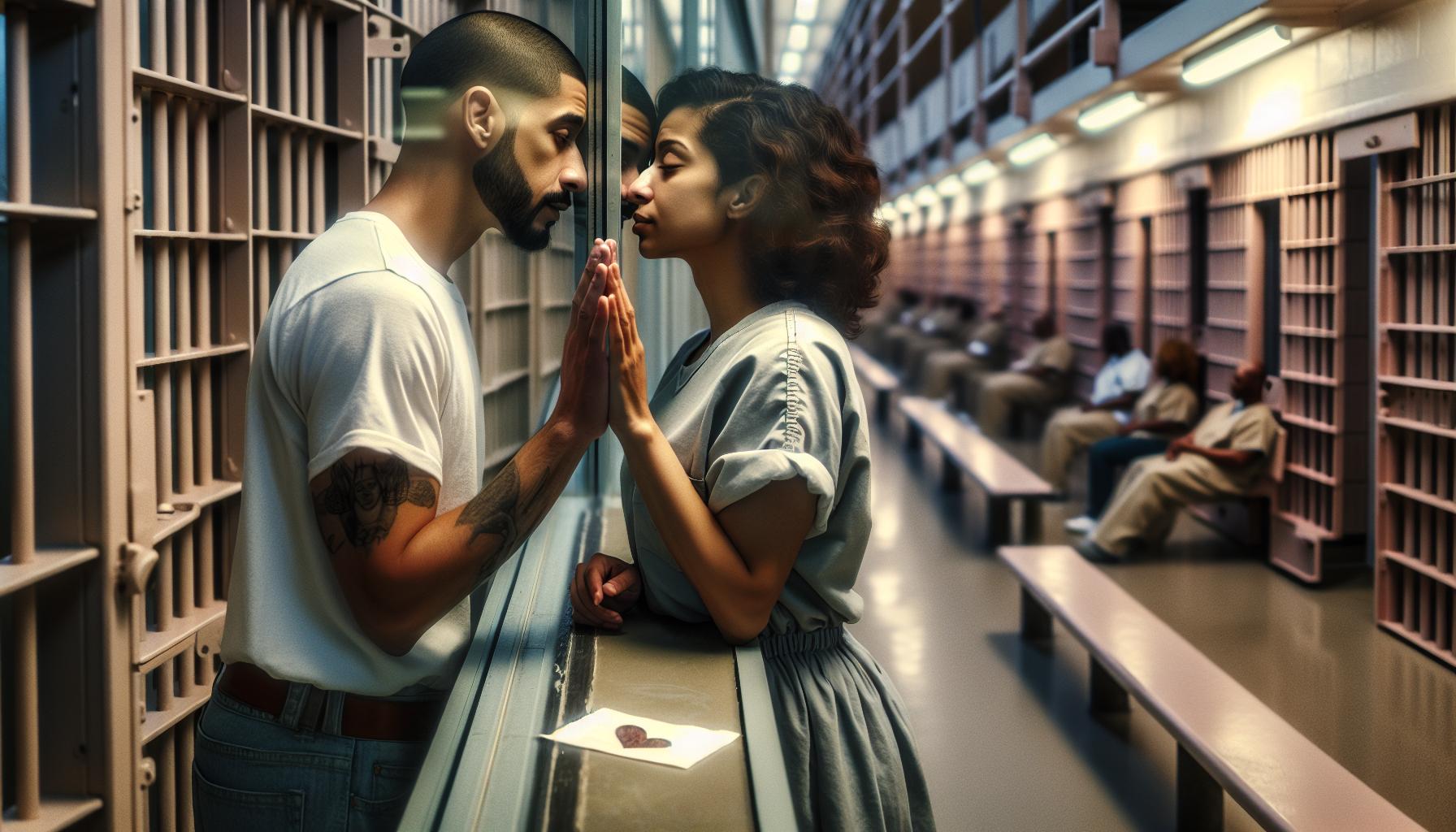
Amidst the stark confines of prison walls, where hope often feels scarce, incredible love stories bloom, showcasing the resilience of the human spirit. Each unique bond forged within these challenging environments tells a tale of commitment that defies societal expectations. Couples navigate not only the logistical hurdles of planning a wedding behind bars but also the emotional complexities that accompany their love. These stories serve as reminders that love can flourish even in the most unconventional circumstances.
For many, the journey begins with letters exchanged during visits, evolving into heartfelt connections that foster trust and understanding. These couples often share dreams about a future beyond the prison gates, finding solace in each other’s presence, even when separated by walls. One remarkable story recounts how a couple, initially strangers, found their paths intertwined through mutual friends, leading to a resilient partnership. Over countless phone calls and visits, their bond deepened, culminating in a wedding that transformed an austere visiting room into a sanctuary of love and vow exchanges.
Planning a wedding in such an environment requires an acute awareness of specific rules and regulations, yet it also allows for deep personal expression within a constrained space. Couples often incorporate meaningful traditions tailored to their shared experiences. Whether it’s choosing to write personalized vows that echo their unique journey or selecting a song that carries sentimental value, these elements add layers of significance to their ceremony. For many, the act of celebrating love under challenging circumstances becomes a powerful symbol of their commitment, promising endurance even after the ceremony concludes.
As these couples step into their new lives together, they face the inevitable challenges of reintegrating into society. Yet, their stories inspire hope-proving that even amidst stigma and complication, love has the power to heal, unite, and transcend barriers. By embracing their unusual love stories and sharing them with the world, these couples not only celebrate their commitment but also challenge societal perceptions of love, marriage, and the human capacity to overcome adversity. Each unique narrative stands as a testament to love’s ability to thrive in the most unlikely places, inviting others to appreciate the beauty and profundity of such unions.
The Emotional Journey of a Prison Bride

Amid the emotional turbulence of waiting for a partner’s release, a prison bride embarks on a unique journey, filled with love, hope, and challenges. The process of planning a wedding in such an unconventional setting can evoke a spectrum of emotions, from joy to anxiety. Couples face the reality of limited physical contact and navigate the logistical complexities of prison rules, all while dreaming of their life together beyond the walls that separate them.
Understanding the Emotional Landscape
Each love story in the realm of prison weddings is imbued with resilience. Many prison brides experience an evolution of emotions that often begins with initial excitement and planning, giving way to moments of doubt and fear. Questions about societal perception, acceptance, and the realities of life post-release can loom large. It’s crucial for brides to take a step back and recognize that these emotions are part of a deeply personal journey. Engaging in supportive communities, open communication with their partner, and seeking guidance from those who have similar experiences can provide essential support.
The planning process itself can be a source of tremendous emotional fulfillment. As couples draft their vows, share memories, and discuss their shared future, they strengthen their bond. This emotional engagement is vital, allowing both partners to express their commitment in a manner that transcends the physical limitations of their situation. Thoughtful personalization of the wedding event can also enhance the emotional significance, where small tokens or unique traditions represent their journey together.
Planning with Heart: A Practical Guide
To navigate the complexities of planning a prison wedding, consider these key steps:
- Research Regulations: Each correctional facility has its own protocols for wedding ceremonies. Understanding these regulations will help couples prepare effectively.
- Communicate Clearly: Ensure that both partners maintain open lines of communication regarding expectations and emotional needs throughout the planning process.
- Incorporate Personal Touches: From selecting a meaningful song to creating a shared vow that reflects your specific journey, personalizing the wedding can deepen emotional connections.
- Prepare for Aftermath: Consider the emotions that will arise after the wedding day, including the transition back into everyday life. Discuss plans for continuing your relationship positively post-incarceration.
Ultimately, is a testament to the human spirit’s capacity for love and commitment, even in the most unimaginable circumstances. Embracing this unique path encourages couples to focus on what truly matters: the profound bond they share and the life they intend to build together, no matter the obstacles they face.
Legal Aspects of Weddings in Prison
Navigating the intricacies of legal regulations surrounding weddings in prison can initially seem daunting, yet understanding these rules is essential for couples wishing to celebrate their love in this non-traditional setting. Each correctional facility has distinct policies governing weddings, often influenced by security protocols and established state laws. To embark on this journey, couples must begin by thoroughly researching the specific regulations of the correctional institution where the ceremony will take place. Familiarizing oneself with these rules ensures smoother planning and helps avoid unexpected complications on the day of the wedding.
Before anything can proceed, obtaining the necessary permissions is crucial. Typically, the couple will need to submit a request for a marriage license to the appropriate authorities within the prison system. This may involve submitting forms and documentation proving the identities of both partners. It’s wise to allow plenty of time for this process, as approvals can take anywhere from a few days to several weeks. Couples may also want to consider reaching out to legal aid organizations familiar with prison wedding regulations, as they can provide valuable insights and assistance.
On the day of the ceremony, logistics will differ greatly from a typical wedding. One essential consideration is the presence of witnesses, as most facilities require them to be present for the ceremony to proceed. Additionally, wedding attire is often subject to strict guidelines. While some prisons may allow brides to wear specially approved dresses, other facilities might restrict attire to standard clothing. Understanding these guidelines early on can help couples personalize their ceremony while adhering to safety protocols.
Furthermore, it’s important for couples to prepare for the emotional aspects that accompany a wedding in such a unique environment. During the ceremony, communication with staff, security clearances, and the potential for limited physical contact can influence the overall experience. Being mentally and emotionally prepared for these factors can help ensure that the day remains a special celebration of love, even in the midst of restrictions. Ultimately, approaching the legal aspects of a prison wedding with careful planning and a positive mindset allows couples to focus on the profound commitment they share, paving the way for a joyous union despite the unique challenges they face.
Planning Your Unconventional Wedding Day
Planning a wedding within the unique confines of a prison can be as equally thrilling as it is challenging. Couples embarking on this unconventional journey find that love truly knows no bounds, transforming a traditionally joyous occasion into a story of resilience and commitment. With the right planning, these ceremonies can be splendid moments of celebration even amidst the complexities of a correctional facility.
Firstly, understand the specific requirements of the facility where the wedding will take place. Since each prison has its own set of regulations, it’s vital to contact the administrative office to gather all necessary information regarding legal paperwork, security procedures, and any restrictions on attire and decor. This foundational knowledge not only ensures compliance but also helps in crafting a meaningful ceremony. Here are a few factors to consider:
- Marriage License: Begin by applying for a marriage license according to state requirements. This often necessitates submitting personal information and carrying out background checks.
- Attire Guidelines: Many facilities allow brides to wear approved dresses, while grooms may have to adhere to standard prison uniforms. Clarifying these details will allow for as much personalization as possible.
- Witness Requirements: Determine how many witnesses are permitted and their roles during the ceremony. Planning for this aspect ensures everyone understands their responsibilities.
The emotional terrain of a prison wedding cannot be overlooked. Couples should prepare for potential restrictions, such as limited physical contact and the presence of prison staff during the ceremony. To create an intimate yet celebratory atmosphere, consider incorporating personalized elements that resonate with both partners. This could include heartfelt vows, meaningful readings, or using simple decorative touches that reflect their journey together.
Lastly, remember that although the setting might be unconventional, the essence of the wedding remains sacred. Couples should focus on the significance of their vows and the commitment they are making to each other. Celebrating love in this unique context can be an incredible experience, offering profound insights into resilience and devotion, and serving as a beautiful testament to their relationship against all odds.
Cultural Perspectives on Marriage in Prison
One of the most compelling aspects of marriage in a prison setting is the myriad of cultural perspectives that shape these unique unions. In many societies, marriage symbolizes not only a commitment between two individuals but also the weaving together of families and communities. In the context of incarceration, this traditional view is beautifully complex. Cultural norms dictate how love is expressed and celebrated, and when these norms intersect with the realities of prison life, the result is often an extraordinary blend of hope and hardship.
Different cultures have their interpretations of love and marriage, shaping how couples navigate their relationships, especially behind bars. For instance, in some cultures, the idea of a prison wedding may elicit stigma or raised eyebrows. Yet, for others, it’s seen as a testament to resilience and loyalty, where partners stand steadfast in their commitment regardless of the environment. This cultural juxtaposition informs how individuals plan their nuptials, from choosing symbols that hold significance within their heritage to selecting vows that honor their journey together.
Furthermore, supportive family involvement can play a vital role in these marriages, often emphasizing the communal aspect of love even within restrictive environments. Family members frequently participate as witnesses, supporters, and mediators, bridging the gap between the outside world and the couple’s reality. Couples might incorporate traditional rituals, like specific songs or dances they would perform if circumstances were different, to infuse their ceremony with cultural meaning while still adhering to prison regulations.
Couples planning prison weddings should also consider the emotional weight of these celebrations. Each culture brings a unique set of practices and expectations, with many couples finding creative ways to reflect their identities during the ceremony. Whether through the sharing of culturally significant food during the reception or dressing in attire that reflects their heritage, these elements serve to reinforce their bonds in a challenging environment. Ultimately, exploring these cultural perspectives not only enriches the wedding experience but also affirms the couple’s identity and shared heritage, creating a narrative of love that triumphs over adversity.
Real-Life Stories: Interviews with Prison Brides
Stepping into the world of prison weddings reveals a multitude of unique and heartwarming love stories that transcend the confines of walls. Each bride’s journey is filled with complexities and depth, reflecting their courage and resilience amidst societal challenges. These narratives showcase not only the couples’ unwavering love but also their determination to celebrate their union in a setting unlike any other.
One inspiring interview with a bride named Sarah captures the essence of hope in her situation. She met her fiancé during a visiting day at the penitentiary and found herself drawn to his kindness and humor. Their love blossomed through letters, becoming stronger through shared dreams of a life together beyond bars. When planning their wedding, Sarah emphasized personal touches, like crafting her own bouquet from yellow roses to signify friendship and love. “I wanted it to be a symbol of our bond, something that could withstand any circumstance,” she shares. Such personalized details often transform the otherwise stark prison environment into a backdrop of intimacy and warmth.
Another poignant story comes from Jessica, who explains the emotional significance of her wedding day. Due to facility rules, the ceremony was limited to just a handful of family members and inmates, yet it became an unforgettable event. “The day was about more than just us getting married; it was about declaring our love in front of the people who matter the most,” Jessica reflects. Prior to the ceremony, she collaborated with prison staff to ensure that traditions such as exchanging rings and sharing vows were honored, focusing on what these rituals meant to her and her partner, even within the walls of a prison.
Through these interviews, it becomes clear that women marrying inmates often confront social stigma; however, many embrace their roles as advocates of love and hope. They gather strength from each other, forming communities that support their unique journeys. Sharing stories and experiences allows them to navigate the complexities of relationships entwined with incarceration, fostering a sense of belonging and resilience.
For those considering this unconventional path, learning from real-life stories can provide invaluable insights. Embrace every moment of your planning, focus on the elements that resonate with your shared journey, and remember: love in its purest form knows no bounds, not even those set by society. Each prison wedding tells a story of hope, commitment, and the unyielding human spirit, making them not just ceremonies, but powerful testaments to enduring love.
Coping with Social Stigmas After the Wedding
Navigating the social landscape after a wedding, especially one held behind prison walls, can be exceptionally challenging. Couples often face scrutiny and prejudgment from friends, family, and society at large. Understanding this reality helps in coping effectively with these stigmas and reaffirming the love that brought them together. One proactive approach is to cultivate a strong support network of loved ones who accept and understand the unique circumstances of your relationship. Engaging with other couples who have experienced similar journeys can also provide a vital outlet for sharing feelings and strategies, reinforcing that love thrives even in the most unconventional settings.
Communication plays a crucial role in managing social stigma post-wedding. Couples should focus on fostering open dialogues with those in their lives, addressing concerns and misconceptions. For instance, educating family and friends about the life circumstances that led to the incarceration can help mitigate misunderstanding; sharing stories about the relationship’s evolution can humanize the experience and shift perspectives. Utilizing social media judiciously can also solidify communal bonds, as sharing positive moments, like anniversaries or visits, can showcase the relationship’s authenticity and joy, countering any negativity.
Additionally, it is essential to embrace the journey together and celebrate the milestones. Establishing personal traditions, such as celebrating the anniversary of the wedding day with special rituals or creating a memory book of shared experiences, can not only strengthen the couple’s bond but also serve as a reminder of the love that transcends societal barriers. Considering participation in community activities or advocacy work can also be empowering; it shifts focus away from stigma and allows couples to contribute positively to societal perceptions of relationships involving incarcerated individuals.
Ultimately, while the road may have its hurdles, the foundation of love, trust, and understanding enables couples to face challenges head-on. By creating a network of allies, fostering open communication, and finding joy in shared experiences, couples can not only cope with stigmas but also flourish in their relationship, proving that their love story is a testament to resilience and commitment.
Tips for Supporting a Married Inmate
Supporting a married inmate requires a delicate balance of understanding, compassion, and practical actions that highlight the strength of your bond, even when physical distance is a challenge. As couples navigate life post-wedding-whether celebrated within prison walls or in a more traditional setting-the support from friends, family, and the community plays a pivotal role in fortifying this unique relationship.
First and foremost, maintain open lines of communication with your spouse. Regular letters, phone calls, or even video visits, if available, not only keep the emotional connection alive but also provide an outlet for sharing daily experiences and feelings. Create a routine-for instance, setting aside specific days for letters or phone calls-so both partners anticipate and cherish these moments. Personal touches, like sending photos or sharing snippets of daily life, can bridge the emotional gap and keep the marital bond strong.
Creating a Supportive Network
Having a robust support network that includes understanding friends and family can be invaluable. Here are some effective strategies:
- Educate your community: Share information about incarceration and the unique challenges faced by couples in similar situations. This can foster empathy and support from those who may not understand your circumstances.
- Join support groups: Engage with others who share similar experiences. Support groups can provide an avenue to voice concerns and share triumphs, lessening feelings of isolation.
- Encourage healthy friendships: Surrounding yourself with positive and supportive individuals contributes to emotional well-being, making it easier to cope with the unique challenges of your relationship.
In addition to emotional support, practical matters can greatly enhance the lives of those married to an inmate. Sending care packages, staying organized with legal documentation, or even planning for potential visits can positively affect your partner’s morale. It can be helpful to carve out time for special gestures, such as planning themed care packages that reflect their interests or needs, highlighting the thought and love behind your actions.
Fostering Long-Term Connection
Staying committed to an inmate’s well-being also involves planning for the future together. Here are a few tips:
- Discuss future goals: Use this time to dream together about life after incarceration. Setting goals for when they are released can strengthen resolve and hope.
- Engage in creative outlets: Whether through writing, drawing, or engaging in shared hobbies, staying connected creatively can preserve and deepen your bond.
- Celebrate milestones: Acknowledge anniversaries, birthdays, and other significant dates. Plan meaningful celebrations, however small, to reinforce your love and commitment despite the distance.
Your dedication to sustaining the relationship will manifest in countless ways, from emotional resilience to practical endeavors that uplift both partners. By extending unconditional support and cultivating a rich network of understanding individuals, you not only enrich your spouse’s life within incarceration but also lay a strong foundation for a flourishing partnership to come.
Celebrating Love in Uncommon Circumstances
Amid the challenges that come with planning a wedding in the unconventional setting of a prison, couples find creative ways to celebrate their love. These unique unions transform constraints into opportunities, allowing couples to craft meaningful ceremonies that reflect their shared hopes and commitment. While traditional weddings often revolve around grandeur and elaborate details, prison weddings focus on intimacy and the power of connection, making every moment count.
To begin planning a prison wedding, understanding the specific regulations and logistics is crucial. Couples should start by reaching out to the facility to learn about permissible wedding dates, the number of guests, and requirements for officiants. This insight will guide the entire planning process and allow couples to focus on personalization within the confines of the rules. Even in a prison setting, brides can choose a simple yet beautiful dress, while grooms may opt for tailored attire that reflects their personality. Creating a cohesive theme, whether it be through colors or selected decorations, adds a personal touch that symbolizes the couple’s journey.
Communication plays a vital role in coordinating a successful prison wedding. Couples should establish clear lines of dialogue with facility staff to ensure that all details align with regulations. Regular visits can serve as planning sessions, where couples discuss their vision and collaborative ideas on decor, guest lists, and ceremony flow. Emphasizing meaningful details-such as incorporating personal vows or selecting poignant readings-can add depth to the experience. This will help cement a lasting memory, showcasing resilience and love amid challenges.
Supporting one another emotionally is just as important as handling logistics. This journey is filled with a range of emotions, from excitement to anxiety, and sharing these feelings can strengthen the bond. Couples can use letters or phone calls to express their hopes and reassure one another during the lead-up to the ceremony. These exchanges not only keep the romance alive but also emphasize the significance of the commitment they are making to each other. Celebrating love in such uncommon circumstances requires creativity, patience, and unwavering support-which ultimately leads to a powerful testament to their relationship.
The Future of Relationships After Incarceration
Building a future after incarceration can often feel daunting, yet for many couples who have navigated the unique landscape of a prison wedding, it also holds profound potential for growth and resilience. As they step into married life, couples find themselves embarking on a journey filled with new chapters, both challenging and joyous. The experiences that drew them together in unconventional circumstances often serve as a sturdy foundation for a partnership built on empathy, understanding, and shared dreams.
Communication remains key in these early stages. Open dialogue about emotions, expectations, and fears is crucial, especially as challenges may evolve post-incarceration. Couples should prioritize regular check-ins, whether through phone calls, letters, or in-person visits. Sharing thoughts on adapting to life outside prison can foster unity and help both partners navigate the transition more smoothly. For instance, discussing career goals, housing arrangements, and family dynamics can alleviate uncertainties and create a sense of shared purpose.
Financial considerations may also play a significant role in the future of these relationships. Couples might face unique financial situations, such as managing debts or finding stable income sources. Together, they can devise realistic budgets and savings plans that reflect their aspirations for the future. If one partner is starting a new job or returning to education, the other’s support in fostering that growth can strengthen the relationship and provide a sense of partnership.
Additionally, as they weave back into everyday life, it’s essential for couples to create a supportive network outside their relationship. Engaging with family, friends, or support groups can offer additional layers of encouragement and understanding, providing perspectives and experiences that enrich their journey. Being mindful of social stigmas is also important; facing external judgments as a couple can be challenging, but it’s an opportunity to reinforce their commitment to one another. Couples should celebrate their milestones, however small, and build a narrative of resilience that embraces their unique love story. Ultimately, embracing the future with hope, strength, and love can lead to an enriching relationship that blossoms in the face of adversity.
Q&A
Q: Is “Prison Brides” available for streaming on popular platforms?
A: Yes, “Prison Brides” is available for streaming on platforms like Hulu and Amazon Prime Video. Check these services for the availability of the full series and subscribe if you haven’t already for access to this unique look at unconventional weddings.
Q: What is the premise of “Prison Brides”?
A: “Prison Brides” showcases the heartfelt and complex stories of women who marry incarcerated individuals. The series highlights the emotional journeys, challenges, and triumphs of these unique relationships, providing viewers with a perspective on love behind bars.
Q: When did “Prison Brides” first premiere?
A: “Prison Brides” first premiered in 2015, giving an insightful look into the world of weddings that take place within prison walls. Its unique content has sparked discussions about love and commitment in challenging circumstances.
Q: Are there any documentaries similar to “Prison Brides”?
A: Yes, if you enjoyed “Prison Brides,” you might like “Love After Lockup” or “Married at First Sight.” Both documentaries explore unconventional relationships and marriage dynamics, offering various perspectives on love under extraordinary conditions.
Q: How can I find episodes of “Prison Brides”?
A: You can find episodes of “Prison Brides” by searching on streaming platforms like Hulu or checking Amazon for purchase or rental options. Additionally, some cable networks may air re-runs, so keep an eye on their schedules.
Q: Why are prison weddings becoming more popular?
A: Prison weddings are becoming more popular due to evolving societal perceptions of love and commitment, even in difficult situations. Many couples seek to solidify their relationships legally, navigating unique challenges that come with incarceration.
Q: What legal requirements are needed for a prison wedding?
A: Legal requirements for a prison wedding typically include obtaining a marriage license, meeting specific visitation rules, and approval from prison authorities. It’s essential to research the regulations of the specific correctional facility beforehand.
Q: Where can I learn more about the lives of prison brides?
A: To learn more about the lives of prison brides, consider reading personal testimonials, watching interviews, or exploring articles and documentaries that focus on their stories. Our article provides insights into real-life experiences of these brides.
The Way Forward
As you explore the fascinating world of “Is Prison Brides streaming – Unconventional Wedding Stories,” remember that love knows no barriers, even behind prison walls. This unique narrative captivates like no other, shedding light on the extraordinary journeys of those who dare to love against all odds. Don’t miss out-check your streaming service today to dive into these heartfelt stories that challenge traditional norms and inspire empathy.
Looking for more insights into unconventional weddings? Explore our articles on unique ceremony ideas and planning tips, or discover how to create meaningful wedding experiences that resonate with your love story. Ready to take the next step in your wedding planning? Sign up for our newsletter to get expert advice and inspiration delivered straight to your inbox. Your dream wedding awaits-embrace the journey!


