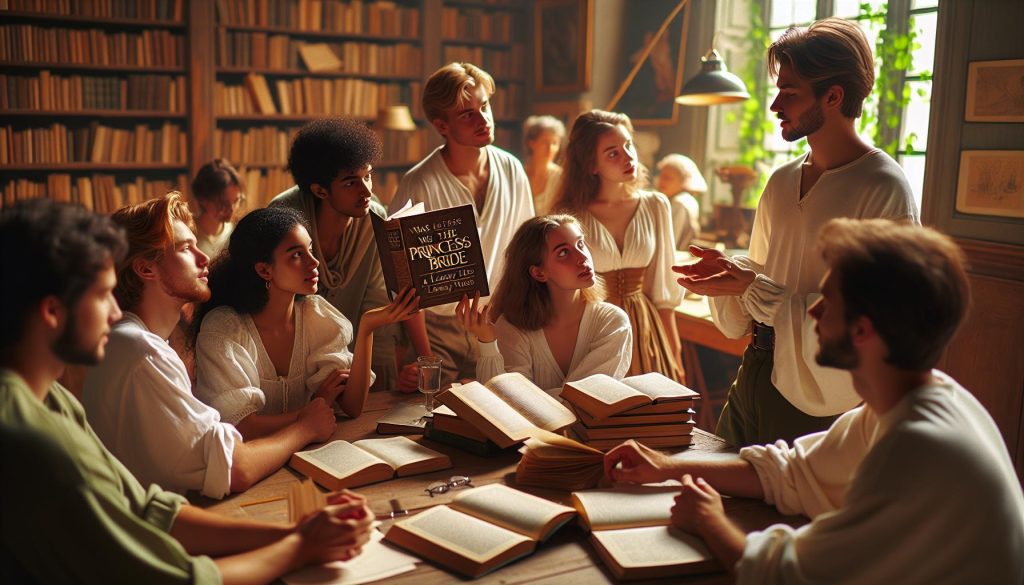
Did you know that the beloved film “The Princess Bride” is based on a novel? William Golden’s “The Princess Bride: S. Morgenstern’s Classic Tale of True Love and High Adventure” captivates readers with its enchanting blend of romance, adventure, and wit. But what makes this story resonate deeply with so many fans? Understanding its literary origins not only enriches our appreciation of the film but also connects us to the timeless themes of love and courage woven throughout the narrative. Join us as we explore the fascinating journey from page to screen, delving into the book’s creation, its unique storytelling style, and how it continues to inspire generations. Whether you’re a die-hard fan or new to this classic tale, there’s much to discover about the roots of this cherished story.
Literary Origins of The Princess Bride Revealed
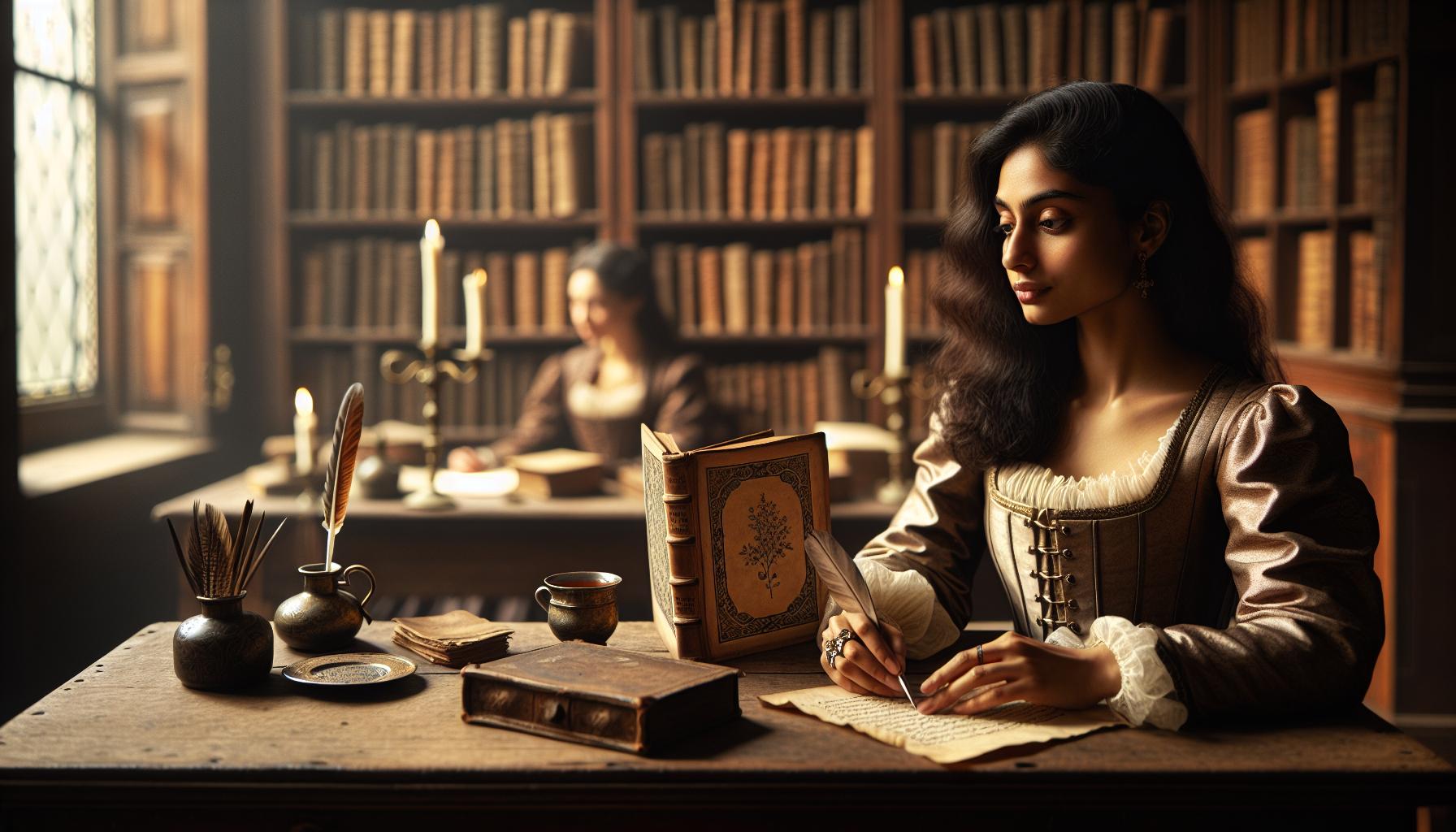
The origins of “The Princess Bride” are steeped in a tapestry of storytelling that marries whimsy with profound depth. While many may recognize the 1987 film adaptation as a beloved classic, the roots of this tale run much deeper into the creative landscape of William Goldman’s imagination. Goldman, a renowned novelist and screenwriter, presents his work as an abridged version of S. Morgenstern’s purported original manuscript, which he claims to have discovered in his youth. This playful framing device invites the reader into a rich narrative experience, blending reality with eager fiction. Goldman weaves his own childhood memories into the fabric of the story, drawing inspiration from tales he created for his daughters, who requested narratives filled with “princesses” and “brides”1.
As a unique twist, Goldman introduces a layer of satire and parody that is not immediately apparent. While elements of classic fairytales are apparent-such as the dashing hero, love stories, and duels against insurmountable odds-the novel simultaneously pokes fun at these tropes, elevating it beyond a traditional fantasy narrative. This duality is what makes the story resonate with so many, catching both the hearts of dreamers and the intellect of critics2.
Goldman’s creative process involved infusing the narrative with humor and insight, making it accessible to readers of all ages. The playful character names, such as Buttercup and Prince Humperdinck, are as endearing as they are memorable, contributing to the charm that has captivated audiences through generations. It’s a narrative that feels both timeless and uniquely Goldman’s, blending his personal reflections and family history into a story that is undeniably universal3.
Ultimately, the narrative’s legacy is rooted not only in its literary origins but also in the way it continues to inspire a sense of adventure, love, and affection for storytelling itself. Whether read or watched, “The Princess Bride” stands as a testament to the power of narrative to transcend time, reminding us all of the magic inherent in great tales.
Understanding William Goldman’s Role as Author
William Goldman masterfully bridges the gap between reality and fantasy, enriching his narrative with a unique self-awareness that sets “The Princess Bride” apart from traditional fairy tales. By presenting the story as a purported abridgment of S. Morgenstern’s original tale, Goldman invites readers into an imaginative world where he is both the narrator and a character. This clever framing device not only adds layers to the storytelling but also emphasizes Goldman’s role as a creator who understands the essence of both storytelling and satire. Throughout the book, he deftly manipulates the familiar fairy tale tropes, turning them on their head while simultaneously paying homage to them.
Goldman’s background and experiences shine through in his writing style, which is rich with humor and a deep understanding of human emotion. His ability to infuse comedy into even the most dire situations-whether it be a wrestling match with a giant or the trials of true love-illustrates his belief that adventure and romance should always carry an element of joy and levity. Characters like Westley and Buttercup are not merely archetypes; they are crafted with depth and relatable imperfections that resonate with readers of all ages. This accessibility makes the story feel intimate and universal at the same time.
Moreover, Goldman’s narrative choices reflect his personal history and values. He wrote “The Princess Bride” in part for his daughters, creating a world where they could revel in the excitement of love and adventure. This personal touch imbues the tale with warmth and sincerity, allowing readers to feel a connection not just to the characters, but also to the author himself. His innovative approach to storytelling, filled with playful banter, footnotes, and asides, invites readers to engage more deeply with the text. It’s easy to see why Goldman’s work has captivated generations, intertwining humor and heart in a way that celebrates the magic of storytelling.
In doing so, Goldman has left an indelible mark on literature and popular culture. His role as the architect of “The Princess Bride” has established him as a significant figure in the realm of fantasy and adventure, inspiring both readers and filmmakers to explore the whimsical and the profound within the realms they create. Through Goldman’s imaginative lens, “The Princess Bride” not only tells a story of love and valor but also serves as a reminder of the rich complexity of human experience itself, reaffirming the power of a good story to transcend time and resonate with audiences everywhere.
Key Themes and Story Elements in the Book
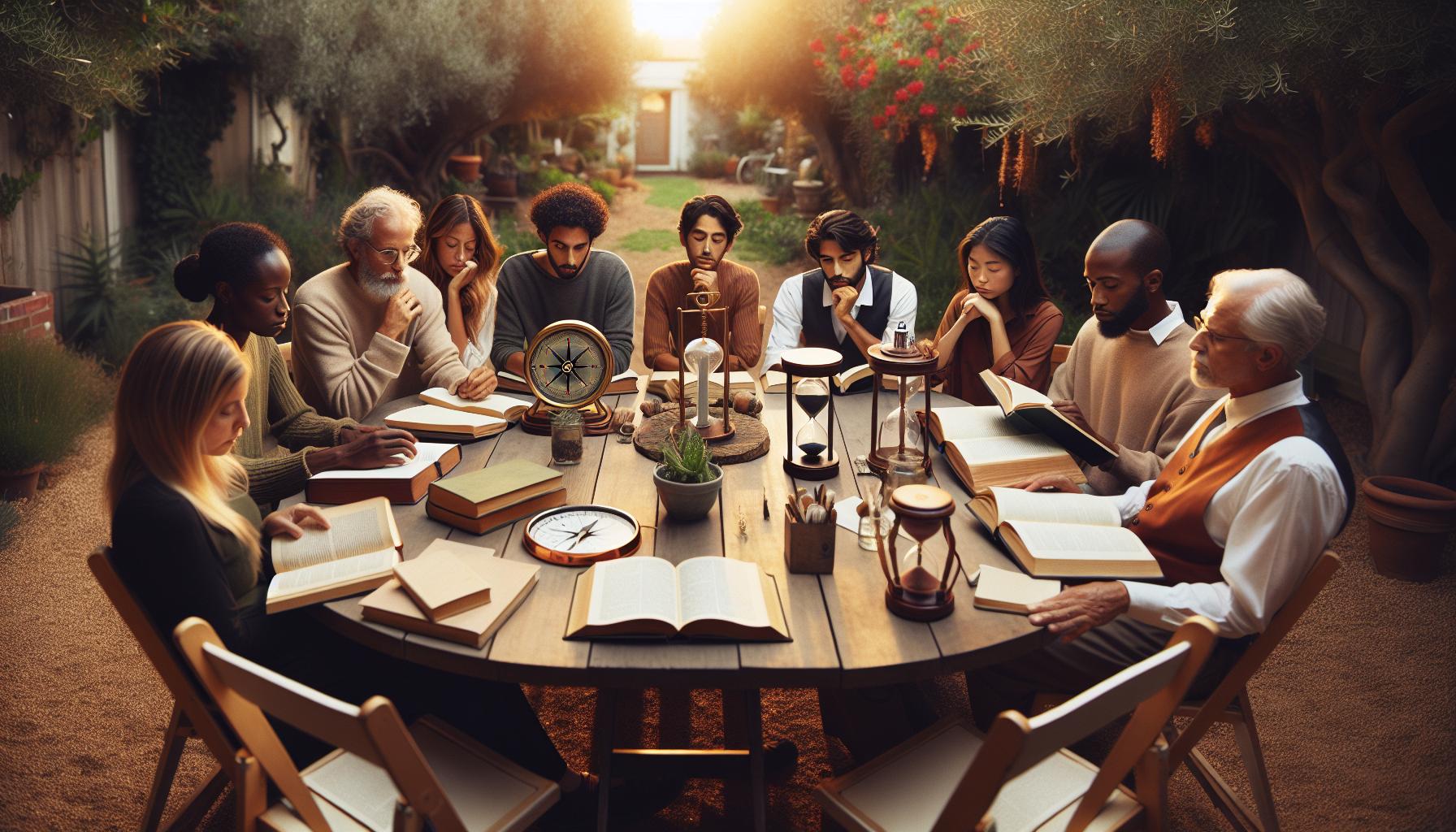
The essence of “The Princess Bride” lies in its rich tapestry of themes that intertwine adventure, love, and the absurdity of life. At its core, the narrative celebrates true love’s perseverance, vividly depicted through the trials faced by Westley and Buttercup. Their love story unfolds against a backdrop of fantastical events, emphasizing that genuine connection can withstand even the most daunting challenges. This theme resonates deeply with readers, showcasing how love drives individuals to bravery and selflessness, and in turn, brings out their best selves.
In addition to love, the book playfully explores the concept of adventure and the hero’s journey. Goldman’s clever parody of traditional fairy tale archetypes allows readers to experience a sense of nostalgia while also providing fresh perspectives. The quests for victory-be it defeating a giant, outsmarting villains, or gaining true love-reflect life’s unpredictable nature and the importance of resilience. As characters navigate through humor and danger alike, they teach us that the journey is as significant as the destination.
The interplay between humor and seriousness stands as another vital theme, where Goldman masterfully uses wit to elevate the narrative. It conveys the message that adversity does not have to be grim; instead, moments of levity can enable characters-and by extension, readers-to process challenges more effectively. This juxtaposition serves to remind us all that life can often be a paradox, filled with both tragedy and comedy, and that seeing the humor in difficult situations can be a powerful tool for coping.
Moreover, the use of narrative framing and metafiction elevates the storytelling experience. By presenting “The Princess Bride” as an abridged version of S. Morgenstern’s expansive tale, Goldman invites readers to engage with the text playfully. This self-awareness not only adds depth but also encourages a dynamic relationship between the author and the audience, making the readers co-contributors to the unfolding adventure. Such literary devices serve to challenge readers’ expectations and deepen their investment in both characters and plot.
In summary, “The Princess Bride” is not merely a story about adventure and romance; it is an exploration of the multifaceted nature of life. Through its enduring themes of love, adventure, humor, and the complexity of narratives, it encourages readers to find joy in challenges and highlights the importance of human connections. In a world that often feels chaotic, Goldman’s work serves as a heartwarming reminder of the wonders inherent in love and storytelling.
Comparisons: Book vs. Movie Adaptation

The adaptation of “The Princess Bride” from page to screen remains a treasured example of how literature and cinema can beautifully intertwine. William Goldman’s novel, published in 1973, is imbued with a rich layer of humor and self-awareness that sets it apart from many traditional fairy tales. The film adaptation, directed by Rob Reiner in 1987, managed to capture much of this essence while also making necessary changes that have sparked countless discussions among fans of both formats.
One of the most notable differences lies in the depth and development of certain characters. For instance, while the film features memorable performances from actors like Cary Elwes (Westley) and Robin Wright (Buttercup), the novel allows for a more nuanced understanding of characters like Inigo Montoya and Vizzini. In the book, readers gain insight into each character’s motivations and backstory, enhancing the emotional stakes of their adventures. The film, on the other hand, focuses more on visual storytelling and snappy dialogue, which means some of the rich character explorations are necessarily condensed.
Moreover, Goldman’s unique narrative style involves a playful metafictional element, presenting the story as an abridged version of “S. Morgenstern’s” original work. This framing device adds a layer of irony and humor, allowing readers to engage with the text in an innovative way. The film somewhat retains this sense of playfulness through its opening and closing scenes, where the grandfather reads to his sick grandson, yet it does not delve into the full depth of Goldman’s commentary on storytelling and romance. Instead, it streamlines these elements to fit the cinematic format, opting for a more straightforward narrative approach that emphasizes adventure and romance.
Selected Comparisons Between the Book and the Movie
- Character Development: The book provides richer backstories for supporting characters, enhancing their emotional depth.
- Narrative Structure: The novel’s metafictional style invites readers to engage more deeply with themes of love and storytelling, which the film touches on but does not explore fully.
- Humor and Wit: While both formats are humorous, the book often layers its jokes with clever commentary, while the film uses visual and situational comedy to appeal to a broader audience.
- Visual Representation: The film adapts fantastical elements and battles visually, bringing a different dimension to Goldman’s imaginative descriptions.
In summary, both the book and the film adaptation of “The Princess Bride” have their unique charms and strengths. While the film provides a delightful visual experience filled with humor and adventure, the novel offers a richer, more intricate narrative experience that caters to those who appreciate the nuances of character and story. This blend of mediums allows “The Princess Bride” to endure as a beloved tale, inviting endless interpretations and discussions amongst its fans.
How The Princess Bride Became a Cult Classic
The phenomenon that is “The Princess Bride” showcases a magical blend of romance, adventure, and humor, all of which contributed to its rise as a cult classic. It is not merely a story; it’s an experience that resonates deeply with audiences of all ages. The film, which was adapted from William Goldman’s 1973 novel, initially had a lackluster box office reception but quickly found its footing in the home video market. This transition transformed it from a modest film into a beloved treasure, capturing the hearts of viewers and igniting a passionate fanbase that continues to grow decades later.
This cult status can largely be attributed to its quotable dialogue and unforgettable characters. Memorable lines like “As you wish” and “Inconceivable!” have become ingrained in pop culture, often quoted or referenced in various contexts. The eccentric yet relatable cast, featuring characters like the cunning Vizzini, the formidable Inigo Montoya, and the charming Westley, allows audiences to find themselves in the story, fostering a sense of attachment and loyalty. Furthermore, the clever mix of genres-a family-friendly adventure that also parodies fairy tale conventions-ensures it has something for everyone.
The film’s clever pacing and whimsical storytelling were laid out by Goldman in his original novel, which playfully critiques traditional storytelling techniques. By framing the story as an “abridged” version of a fictitious text, Goldman invites readers and viewers to engage with his narrative innovatively. As the film retained much of this playful spirit, it maintained a connection to audiences who appreciate a self-aware approach to storytelling. This nuanced understanding of love and bravery, interspersed with humor and wit, deepens the allure for fans who relish in exploring its themes.
Finally, the community that has sprung up around “The Princess Bride” played a vital role in its cult classic status. From annual screenings to lively discussions on fan forums, this engagement keeps the spirit of the story alive. Fans of the film celebrate its unique blend of adventure and romance, often sharing their favorite moments or quoting scenes, thus carrying on the legacy of an unforgettable tale across generations. Ultimately, “The Princess Bride” endures not just as a movie or book but as a shared experience that continues to inspire and entertain.
Impact of The Princess Bride on Pop Culture
The enduring charm of “The Princess Bride” extends far beyond its initial release, embedding itself as a cornerstone of pop culture since its debut in 1987. The film’s remarkable ability to bridge generations through its combination of humor, adventure, and romance has solidified its status as an iconic work. With memorable quotes like “As you wish” and “Inconceivable!” peppered throughout various facets of modern culture, it is clear that the film has transcended its origins as a book. These phrases frequently emerge in today’s conversations, social media posts, and even in wedding vows, showcasing the film’s widespread influence.
The adaptation of William Goldman’s novel into a film not only brought the story to a wider audience but also played a pivotal role in recreating the fairy tale genre for contemporary viewers. By melding whimsical storytelling with sharp wit, it signified a turning point in how fairy tales could be perceived-transforming traditional narratives into something relatable and self-aware. This has inspired countless filmmakers and writers to explore similar themes, blending heartfelt stories with satirical elements, thereby diversifying the representation of fairy tales in literature and cinema.
Fans have also contributed to the cultural significance of “The Princess Bride” by creating engaging communities where they analyze and celebrate the film. Conventions, cosplay, and fan art are just a few ways enthusiasts keep the narrative alive, continually introducing it to new audiences who fall in love with its charm. Online forums and social media groups serve as platforms where fans discuss theories, dissect dialogues, and revisit the film’s greatest moments, ensuring its legacy thrives with each passing year. This communal celebration has fostered a sense of belonging and nostalgia, making “The Princess Bride” a shared experience that resonates deeply within pop culture.
Ultimately, the impact of “The Princess Bride” on popular culture is multifaceted-spanning beyond just films and books into real-life interactions and societal norms. Its delightful fusion of adventure and romance, combined with humor and wit, has not only earned it a permanent place in the hearts of its audience but also paved the way for a new era of storytelling where fairy tales can be both magical and refreshingly modern.
Exploring Fan Theories and Interpretations

The enduring fascination with “The Princess Bride” has sparked a multitude of fan theories that explore its narrative, characters, and even unconventional interpretations. These theories allow fans to delve deeper into the story, often revealing layers that many may not have initially noticed, creating a rich tapestry of shared exploration among its audience. One notable theory suggests that the beloved “Battle of Wits” scene, where Wesley and Vizzini engage in a battle of intellect over poisoned wine, was less about the wine itself and more about Wesley’s cunning. Some theorists posit that he didn’t poison either glass, indicating a clever ploy where Vizzini was instead incapacitated by the powder Wesley blew into his face-altering our understanding of that pivotal moment and showcasing Wesley’s tactical brilliance [1].
Furthermore, the intricacies of the film’s timeline have led fans to propose intriguing theories about its historical context. For instance, there is speculation that the events of “The Princess Bride” may take place no earlier than 1788, due in part to Vizzini’s comments regarding Australia as a land populated by troublemakers-this date coinciding with the first British fleet’s journey to Australia. Such interpretations not only broaden the scope of the film’s world but also invite audiences to reflect on the interplay between historical facts and the magical narrative of the story [3].
Among the vast landscape of fan interpretations, the relationship between the characters, their motivations, and the underlying messages is frequently analyzed. For instance, theories about Buttercup’s character often revolve around her agency and choices throughout the narrative. Fans discuss whether her journey reflects more than just a classic love story, exploring themes of self-identity and transformation intertwined with her love for Westley. Additionally, discussions on the film’s meta-narrative-wherein the book serves as a story within a story-further enrich the viewing experience, prompting audiences to reflect on the role of storytelling itself. This dynamic interaction between the narrative and its audience fosters a vibrant community that actively engages with and expands upon the world requested in Goldman’s work.
Through these discussions, fans not only celebrate their love for “The Princess Bride” but also contribute to its legacy, keeping the magic alive and sparking interest in new audiences. These theories and interpretations exemplify how a single story can evolve through collective imagination, ensuring that this tale of adventure, romance, and comedy continues to delight and inspire for generations to come.
Behind the Scenes: Adapting Literature for Film
Transforming literature into film is a delicate and innovative dance, requiring a careful balance between captivating storytelling and the constraints of cinematic storytelling. William Goldman’s The Princess Bride serves as a prime example of this nuanced adaptation. The novel, rooted in rich characterizations and whimsical tales crafted for his daughters, finds its marriage of narrative and visual artistry in Rob Reiner’s beloved 1987 film.
For any adaptation, understanding the heart and soul of the source material is vital. Goldman, who authored both the book and screenplay, brought a unique perspective that ensured fidelity to the text while embracing cinematic possibilities. He meticulously picked key scenes and dialogue that resonate with audiences, elevating the dialogue’s charm and wit-elements intrinsic to the story’s appeal. In transitioning from page to screen, it was crucial to retain Goldman’s sharp humor and satirical edge, vital components that define the narrative itself.
Several processes underpin the adaptation from book to film that contribute to its success. First, identifying pivotal plot points and character arcs helped focus the film’s narrative flow, ensuring viewers remained engaged with the story’s fantastical and romantic elements. Utilizing visuals to convey emotions, like the iconic cliffside duel between Inigo Montoya and Count Rugen, captures the romanticized adventure that the book encapsulates. Additionally, the film’s casting played a crucial role; characters like the charming yet cunning Westley and the feisty Buttercup brought the story to life, reflecting the same depth and complexity found in the original text.
Moreover, the film industry can often impose limitations, such as budgetary constraints and runtime restrictions, which require bold decisions about what to include or exclude. For instance, while the book explores deeper subplots and character histories, the film condenses these aspects without losing the overarching narrative’s charm. This balancing act not only honors the original work but also enhances its accessibility for audiences, allowing them to savor a timeless tale that transcends generations. By bringing the spirit of the book to life, The Princess Bride remains a testament to the power of effective adaptation, showcasing how literature can beautifully unfold on the silver screen.
The Legacy of The Princess Bride in Literature
Despite its whimsical storyline and comedic tones, William Goldman’s The Princess Bride has left an indelible mark on the literary landscape. There is a certain charm in how this narrative transcends the simple fairy tale formula, blending adventure, romance, and satire into a multifaceted work that resonates with readers across generations. The book’s unique structure, framed as a “story within a story,” allows Goldman to interject personal anecdotes and commentary, creating a deeper connection with the audience while playfully critiquing genre conventions. This meta-narrative approach not only entertains but also encourages readers to reflect on the nature of storytelling itself.
Goldman’s legacy is particularly evident in how The Princess Bride has inspired countless authors and creators to explore similar themes of love, adventure, and self-awareness. The satirical treatment of classic tropes empowers new writers to operate within or even subvert traditional narratives. For example, the book’s dialogic wit and character-driven humor have paved the way for a more contemporary grasp on parody and fantasy, where characters are often imbued with self-referential awareness.
Moreover, The Princess Bride has become a vital part of discussions around the adaptation of literature to film. By capturing the essence of Goldman’s original prose, Rob Reiner’s film has not only made the story accessible to a broader audience but has sparked interest in fantasy literature as a whole. As new generations discover both the book and its cinematic counterpart, Goldman’s work continues to inspire adaptations and reimaginings across various media, cementing its relevance well beyond the confines of traditional literary circles.
In a world ripe for reimagination and reinterpretation, the enduring appeal of The Princess Bride also reminds us of the power of fairy tales. Its blend of adventure, romance, and humor encapsulates the essence of these tales, showcasing their ability to evolve while still reflecting timeless themes. As readers and viewers engage with Goldman’s enchanting narrative, they are reminded that the stories we cherish are not just tales of knights and princesses but mirrors reflecting our own quests for love, dreams, and identity in an ever-changing world.
Similar Works Influenced by The Princess Bride
The impact of William Goldman’s The Princess Bride extends far beyond its own pages, heralding a new wave of storytelling that blends whimsy with satire. Its clever melding of humor, adventure, and romance has inspired a plethora of works that echo its unique style. Writers and creators from various genres have since adopted Goldman’s playful approach, encouraging them to challenge traditional narratives and create richly layered tales.
Among the most notable works influenced by The Princess Bride is Gregorick’s The Last Unicorn, which similarly balances humor with poignant themes of love and loss. Like Goldman, Peter S. Beagle employs a meta-storytelling technique, inviting readers into a world where fairy-tale conventions are both honored and subverted. This blend of earnestness and irony captures the essence of what makes The Princess Bride resonate, showcasing that fantasy can explore deeper themes while remaining entertaining.
Another inspired piece is the Shrek franchise, which revolutionized animated fairy tales by infusing them with sharp wit and satirical references. Much like Goldman’s novel, Shrek takes beloved story elements and turns them on their head, offering viewers a comedic yet heartfelt exploration of love, friendship, and the quest for identity. This intertextual play continues to shape modern storytelling in film and literature, demonstrating the fertile ground from which imaginative narratives can sprout.
Additionally, the cult classic Ella Enchanted by Gail Carson Levine captures similar themes of adventure and romantic enchantment, layered with a distinctive humor that engages younger audiences while reminding adult readers of the inherent silliness in fairy tales. Levine’s work reflects a conscious effort to subvert traditional roles and tropes found in classical stories, much like Goldman’s intention to critique the genre through a heartfelt narrative.
In the realm of graphic novels, Clyde Fans by Seth offers a contemplative twist on traditional story arcs, utilizing humor and intricate character development to enhance emotional depth. Its exploration of relationships echoes the nuanced connections celebrated in The Princess Bride, compelling readers to reflect on their own journeys while being entertained.
Ultimately, The Princess Bride has solidified its role as both a key text and a shimmering beacon for storytellers seeking to blend humor with heart. As its influence continues to ripple through the literary and cinematic landscape, creators are empowered to break free from conventional boundaries, crafting tales that invite both levity and introspection.
Author William Goldman’s Other Notable Works
William Goldman’s literary prowess extends far beyond the whimsical and adventurous world of *The Princess Bride*. His ability to weave humor, irony, and heartfelt storytelling across various genres has left an indelible mark on literature and film. Notably, Goldman is recognized for his intricate storytelling style, exemplified in some of his other acclaimed works.
Notable Works
One of his most significant contributions is the novel *Marathon Man* (1974), a gripping thriller that explores themes of trust and betrayal within the context of international espionage. The book was so well-received that it was adapted into a major film starring Dustin Hoffman and Laurence Olivier, further pushing Goldman into the spotlight of Hollywood screenwriting.
Another remarkable piece of Goldman’s work is the novel *The Princess Bride: S. Morgenstern’s Classic Tale of True Love and High Adventure*, which cleverly parodies fairy tales and classic adventure narratives. This novel showcases his skill in blending narrative styles, graceful humor, and engaging plot twists that keep readers riveted.
Goldman also penned *Butch Cassidy and the Sundance Kid* (1966) and *All the President’s Men* (1974), both of which highlight his ability to capture real-life characters and events with a blend of fiction and factual storytelling. These works not only garnered critical acclaim but also won multiple awards and significantly contributed to contemporary American cinema.
Screenwriting Success
Throughout his career, Goldman became one of Hollywood’s most sought-after screenwriters, contributing to numerous beloved films. His screenplay for *The Stepford Wives* (1975) examines themes of gender roles and conformity in suburban America. Additionally, he adapted *Misery* (1990) from Stephen King’s novel, which received both commercial success and critical acclaim for its compelling narrative and character development.
Goldman’s mastery of dialogue and ability to craft engaging, dynamic characters propelled his stories into the realm of classic literature and film. His unique blend of humor and insight into the human condition not only made individual works resonate with audiences but also helped to redefine narrative styles across multiple platforms.
With a legacy that celebrates the art of storytelling, William Goldman’s other notable works serve as a testament to his innovative approach, and they continue to inspire writers, filmmakers, and audiences alike.
The Enduring Appeal of Fairy Tales in Cinema
Fairy tales have enchanted audiences for centuries, and their mesmerizing qualities continue to thrive in modern cinema, as demonstrated by the beloved classic The Princess Bride. This film, adapted from William Goldman’s novel, is a testament to the timeless allure of fairy tales, as it marries whimsical storytelling with universal themes of love, adventure, and heroism. The emotional resonance and fantastical elements present in fairy tales engage viewers, inviting them to escape reality and enter a world where anything is possible.
The endurance of fairy tales in cinema can be attributed to several compelling factors. Firstly, fairy tales provide rich archetypes and relatable characters that connect with audiences across generations. The Princess Bride artfully embodies this through its memorable characters-like the valiant Westley and the resilient Buttercup-who navigate a landscape filled with giants, pirates, and true love. Their journeys inspire viewers to believe in hope and courage, lessons that transcend time and culture.
Moreover, the blending of humor and adventure in fairy tales resonates with both children and adults, making them appealing to a broad audience. The ironic yet heartfelt dialogue in The Princess Bride brilliantly captures this dual appeal, illustrating how humor can coexist with crucial life lessons. This unique combination allows for storytelling that is not only entertaining but also prompts introspection about morals, choices, and relationships.
The visually captivating aspects of fairy tales further enhance their cinematic magic. Stunning landscapes, enchanting costumes, and thrilling action sequences transport viewers into immersive worlds. In The Princess Bride, spectacular duels and imaginative settings compel the audience, making them feel as if they are part of the adventure. This sensory engagement fosters a deeper emotional connection, ensuring that these stories linger in the hearts and minds of viewers long after the credits roll.
In conclusion, , exemplified by works like The Princess Bride, lies in their ability to weave together beloved archetypes, humor, and visual splendor, ultimately creating a rich tapestry that resonates across time. As filmmakers continue to draw inspiration from these age-old stories, audiences can expect to see the fairy tale tradition flourish, maintaining its cherished place in modern storytelling.
Q&A
Q: Is The Princess Bride a book or a movie?
A: The Princess Bride originated as a book written by William Goldman in 1973. The beloved film adaptation was released in 1987, capturing the charm and whimsy of the original narrative while introducing it to a broader audience.
Q: Who wrote the original book of The Princess Bride?
A: The original book of The Princess Bride was written by William Goldman. He not only penned the novel but also adapted it for the film, influencing its iconic status in both literature and cinema.
Q: What is the central theme of The Princess Bride?
A: The central theme of The Princess Bride revolves around true love and adventure. It explores the challenges and trials of love through a fantastical narrative filled with humor, romance, and heroic quests.
Q: How does the book differ from the movie adaptation of The Princess Bride?
A: The book provides a more detailed background on the characters and includes additional subplots not featured in the movie. While both mediums capture the essence of the story, the novel delves deeper into themes and narrative voice that differ from the film’s pacing.
Q: Were there any significant changes made when adapting The Princess Bride for film?
A: Yes, notable changes occurred during the film adaptation, including the omission of certain characters and subplots from the book. The film streamlined the narrative to fit a more concise format, focusing on key plot points and maintaining comedic timing.
Q: What makes The Princess Bride a classic?
A: The Princess Bride is considered a classic due to its unique blend of adventure, romance, and humor. Its quotable dialogue, memorable characters, and rich storytelling have solidified its place in pop culture and inspired generations of fans.
Q: Did William Goldman write any other notable works?
A: Yes, William Goldman is known for other notable works, including “Marathon Man” and “Butch Cassidy and the Sundance Kid.” His contributions to literature and screenwriting have earned him accolades in both fields.
Q: Why should I read The Princess Bride book if I’ve seen the movie?
A: Reading The Princess Bride provides a richer experience, offering deeper insights into characters and additional narrative layers. Fans of the movie will appreciate how Goldman’s unique storytelling style enhances the overall tale.
Closing Remarks
The journey through the origins of “The Princess Bride” highlights the fascinating intersection of literature and cinema, showcasing how a beloved book transformed into a timeless film. If you enjoyed exploring these literary roots, dive deeper into our articles about the film’s themes, character analysis, and its cultural impact. Remember, understanding its backstory enriches your viewing experience, so don’t hesitate to share your thoughts or favorite moments in the comments below!
While you’re here, consider signing up for our newsletter to receive more insights into literary adaptations and related film analyses directly to your inbox. Whether you’re curious about other movies based on books, or you want to uncover hidden gems in classic literature, our site is a treasure trove for enthusiasts like you. Let your exploration continue-there’s always more to discover!