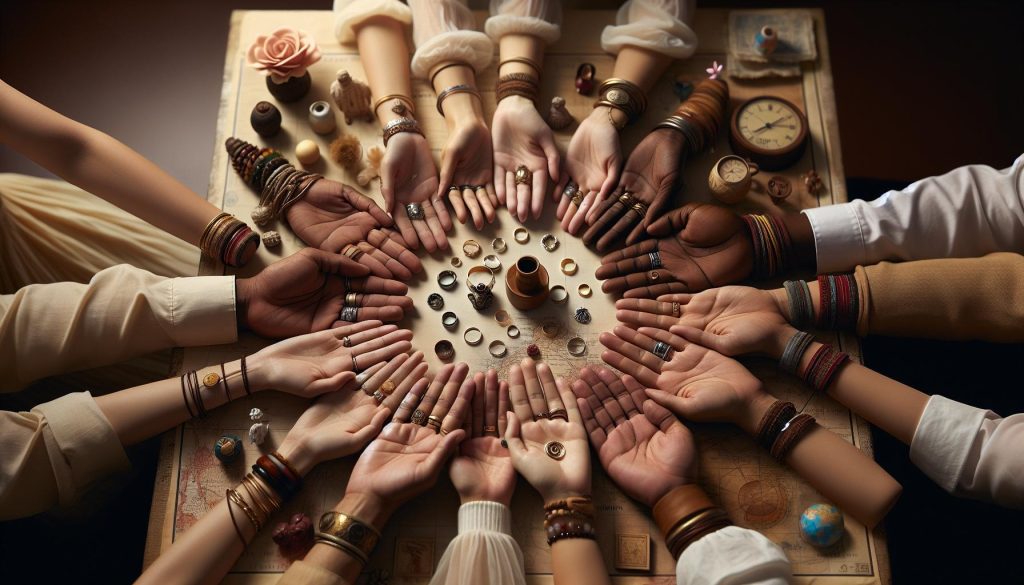
When it comes to wedding rings, the hand on which you wear them can hold rich cultural significance. In many cultures, the left hand is chosen for the wedding ring, while others prefer the right. This fascinating tradition raises questions about symbolism, heritage, and personal preference. As couples embark on their journey of planning a wedding, understanding these customs can provide meaningful insight, allowing for choices that resonate deeply with their beliefs and values. Whether you’re honoring family traditions or crafting your own path, exploring the global perspectives on the wedding ring can enrich your ceremony and strengthen the bonds of love you’re celebrating. Dive into this exploration of hand symbolism worldwide to discover which tradition aligns with your heart.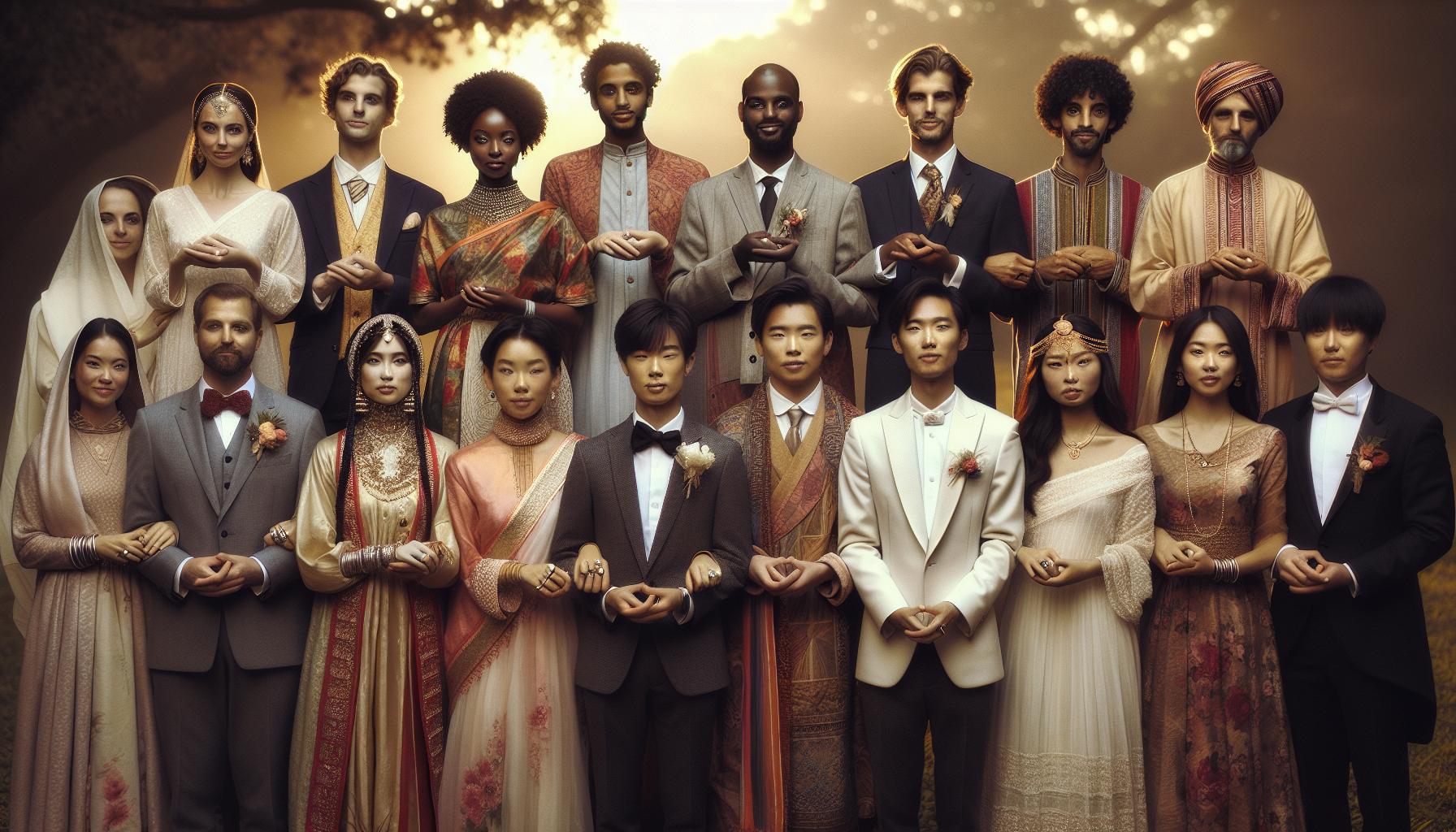
Understanding Wedding Ring Traditions Around the World
Understanding the significance of wedding ring traditions across various cultures adds a rich layer of meaning to this timeless symbol of love. The act of exchanging rings is often viewed as a public declaration of commitment, but the beliefs surrounding which hand to wear them on can vary widely. For example, in many Western cultures, the wedding ring is traditionally worn on the left hand’s fourth finger, often referred to as the “ring finger.” This practice is grounded in the belief that this finger contains a vein directly connected to the heart, symbolizing an eternal love. In contrast, some Eastern European countries, such as Russia and Poland, embrace the custom of wearing wedding rings on the right hand, which can signify different cultural values regarding marriage and commitment.
Cultural interpretations extend beyond simple placement; each tradition possesses unique rituals and symbols. In certain Native American cultures, a finger is adorned with a ring made of braided grass or leather to signify a promise of love and fidelity, reflecting a deeper connection to nature and the spiritual world. Meanwhile, in Indian weddings, the necklace or ring represents not just marital union but also the responsibilities and roles each partner assumes within their life together. Rings might also be worn on different occasions and can be replaced with other adornments like toe rings or bangles that carry similar significance.
These traditions frequently evolve, adapting to modern practices while keeping their core symbolism intact. In current times, couples often blend cultural backgrounds, creating personalized ceremonies that respect both heritages. This fusion could manifest in dual-ring ceremonies or custom designs that feature elements from both cultures, ultimately embodying a unique celebratory spirit of unity.
Couples today also find themselves questioning old customs, such as whether to adopt modern, nontraditional ring options or materials. The introduction of sustainable and ethically sourced materials into wedding ring designs reflects a broader contemporary emphasis on social responsibility. Inspired by these changing perspectives, many couples seek to choose rings that not only represent their love but also align with their values. Whether rooted in ancient customs or modern interpretations, the journey of selecting the perfect wedding ring becomes a beautiful reflection of a couple’s unique love story, filled with meanings that resonate deeply with their individual experiences and shared dreams.
Which Hand for Your Wedding Ring?
In many cultures, the decision of which hand to wear a wedding ring on carries profound meaning and varies widely based on tradition and belief systems. While couples in Western societies often place the ring on the left hand, many Eastern European nations and certain Middle Eastern cultures prefer the right hand. For couples embarking on their wedding journey, understanding these customs can enhance the significance of their chosen practices and foster a deeper appreciation of their commitment.
Wearing the wedding ring on the left hand is deeply rooted in the Western belief that this hand contains the “vena amoris,” or the vein of love, that runs directly to the heart. This romantic notion celebrates the physical and emotional connection that the ring symbolizes. However, in many Eastern cultures, such as in Russia and Poland, the right hand serves as the preferred location for wedding rings. This tradition often signifies values surrounding fidelity and the couple’s readiness to embrace their new life together, reflecting unique cultural perspectives on marriage.
As couples navigate their wedding planning, it’s essential to consider not only their cultural backgrounds but also personal preferences. Some may choose to honor their heritage by adhering to traditional practices, while others might opt for a blend of influences from both partners. This fusion of customs can beautifully reflect the couple’s unique journey, infusing their wedding celebrations with meaningful rituals that celebrate their love story.
Ultimately, regardless of the hand chosen, the essence of the wedding ring lies in its representation of love, unity, and commitment. Whether donned on the left or right hand, the ring serves as a daily reminder of the promises exchanged and the journey they are embarking upon together. Embracing the diversity of these traditions can empower couples to create a personalized approach that resonates with their shared values and desires, paving the way for a celebration filled with love and joy.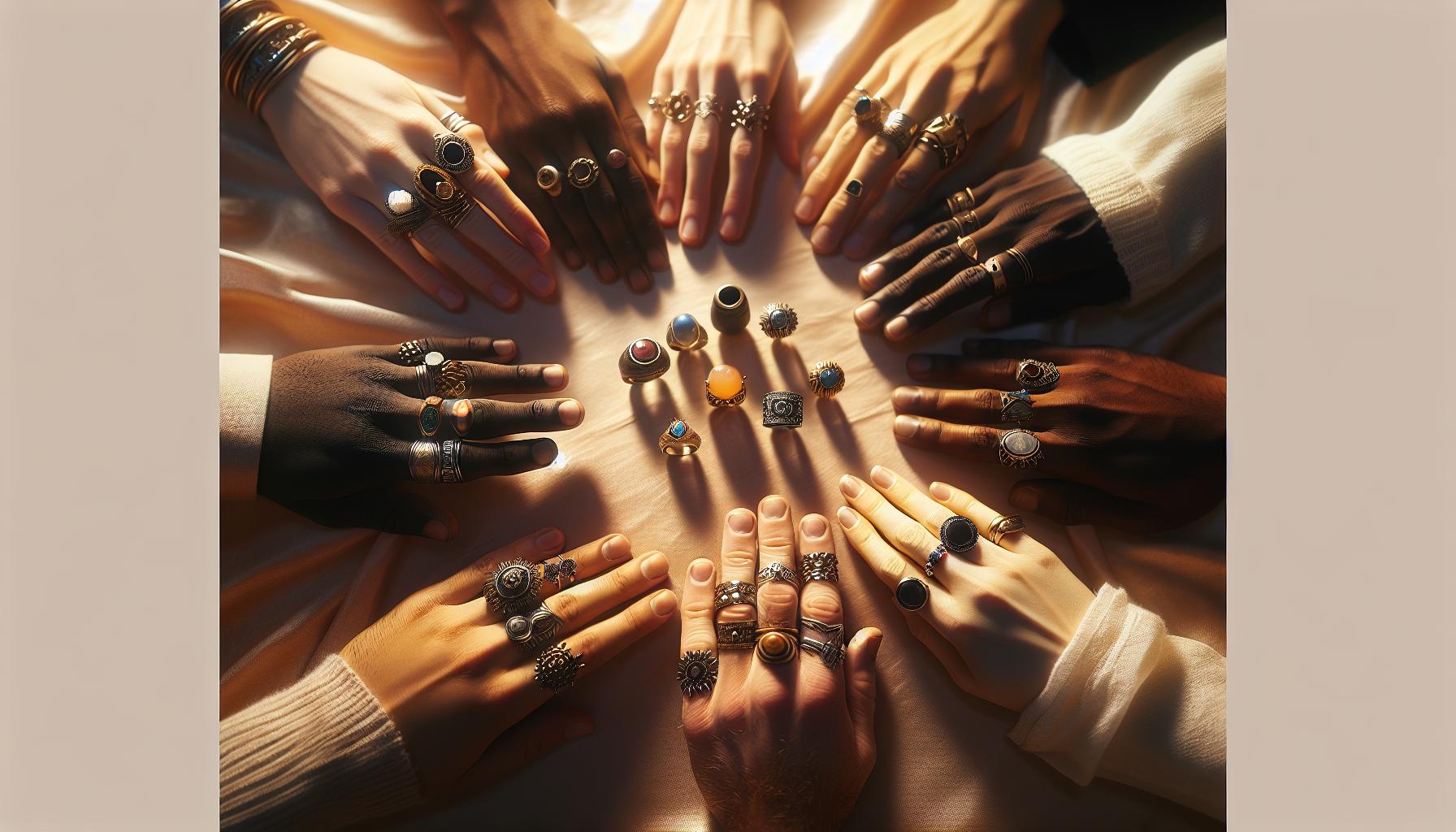
The Symbolism of Ring Placement in Different Cultures
The placement of a wedding ring holds profound cultural significance and is imbued with symbolism in societies worldwide. In many cultures, the choice of hand can convey deep emotional connections and values. For instance, in Western traditions, placing the ring on the left hand is widely accepted due to the belief that it is connected to the “vena amoris,” or the vein of love, which is thought to run directly to the heart. This romantic notion emphasizes the physical and emotional bonds between partners, reinforcing the idea that their love is eternal and heartfelt.
In contrast, several cultures prefer to wear their wedding rings on the right hand. For example, in countries like Russia, Poland, and Greece, the right hand symbolizes different aspects of marriage, such as fidelity and the couple’s readiness to embark on their new life together. This practice can also be seen as a reflection of the union of two individuals, with the right hand being traditionally associated with trust and loyalty. In some Middle Eastern countries, the right hand is considered a purer hand and is thus favored for significant rituals and displays of commitment like marriage.
When planning your wedding, understanding these diverse customs can enhance your celebration and the meanings behind your choices. Couples from different backgrounds may choose to honor their respective traditions or create a blend of practices that resonate with their shared values. This thoughtful integration of customs will not only make the ceremony more meaningful but will also allow both partners to feel represented in their commitment to each other.
Ultimately, the significance of ring placement transcends mere tradition-it is about creating a deeper, shared understanding of love and commitment. Whether you opt for the left or the right hand, embracing this symbolic choice allows couples to craft a narrative that celebrates their journey together while respecting the rich tapestry of global traditions.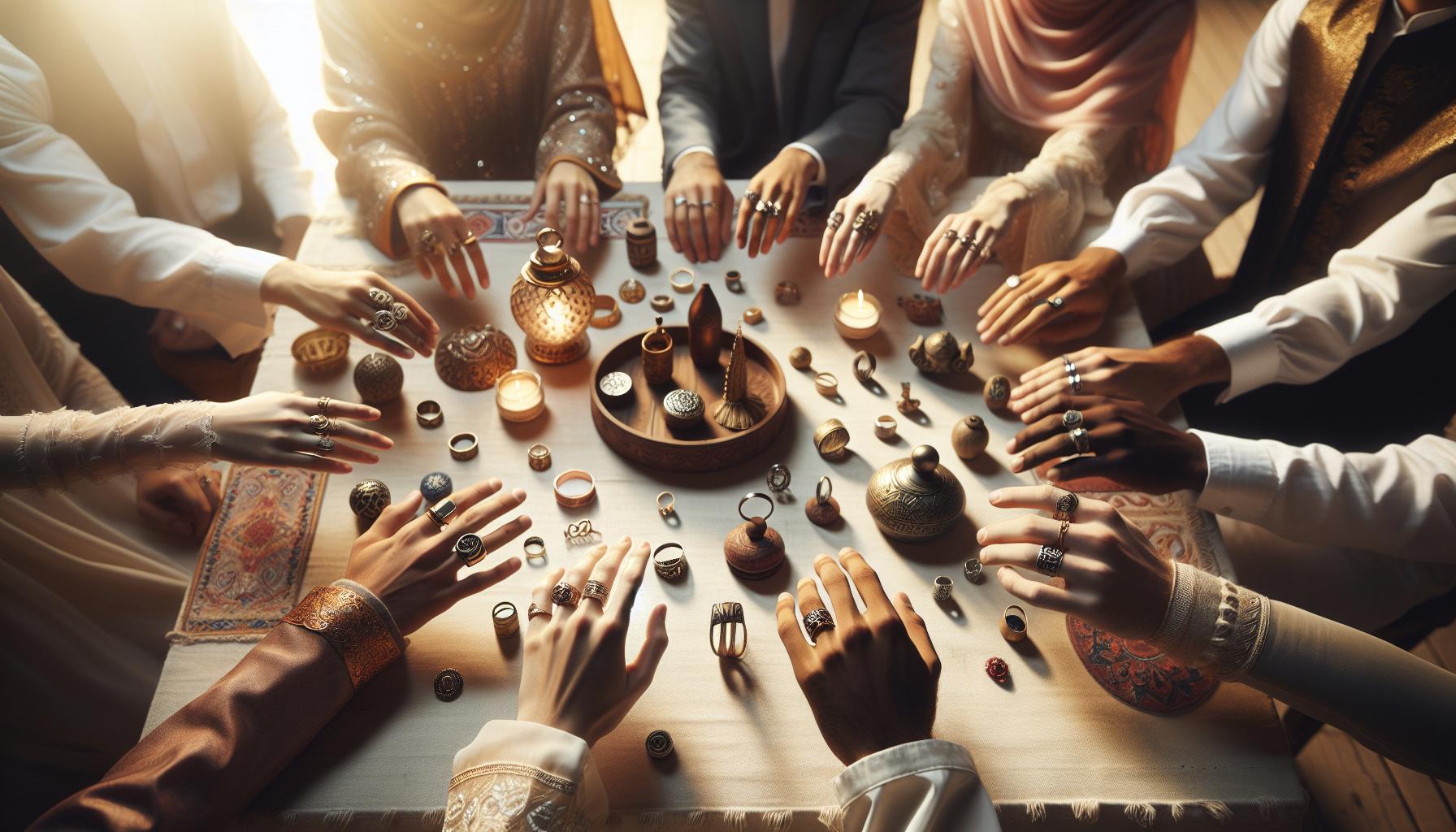
Countries with Unique Wedding Ring Customs
When it comes to wedding ring customs, different countries offer a fascinating array of traditions, each reflecting unique cultural values and beliefs about love and commitment. Understanding these variations can add a rich layer of meaning to your own wedding planning and ring selection.
In many Eastern European countries, wearing the wedding ring on the right hand is the norm, symbolizing loyalty and fidelity. For instance, in Russia, it is traditional for couples to exchange rings in a ceremony, where both wear their wedding bands on the right hand. This custom signifies the union of two people and their mutual support as they embark on their journey together. Additionally, many Russian weddings include the ceremonial gifting of a ring that may have been passed down through generations, imbuing the exchange with historical significance.
In Germany, the wedding traditions present a delightful twist. Couples often wear their engagement rings on the left hand leading up to the wedding, and afterward, the wedding band is moved to the right hand. This change represents the transition from engagement to marriage, highlighting a couple’s commitment to each other as they take on new responsibilities and roles within society. Similarly, the Philippines showcases a unique custom in which couples choose to wear their wedding rings at the ceremony, and they are often engraved with significant symbols, such as intertwined hearts or meaningful phrases, to further personalize their union.
Meanwhile, in India, marriage is not merely a personal bond, but a sacred commitment that calls for special rituals, including the exchange of wedding rings adorned with elaborate designs. While many couples might choose to wear rings on the left hand, it is common to place the ring on the right hand as well. This reflects the deeper significance of union and respect toward both families involved in the marriage. The placement often represents specific family ties and social customs, further emphasizing the cultural importance of marriage beyond just the couple.
These diverse customs are a beautiful celebration of love across different cultures. By honoring and incorporating these unique traditions, couples can not only reflect their individual stories but also share a piece of their heritage with their loved ones. As you explore your own wedding ring choices, consider the traditions that resonate with you, and remember that the most important aspect is the love and commitment your ring symbolizes.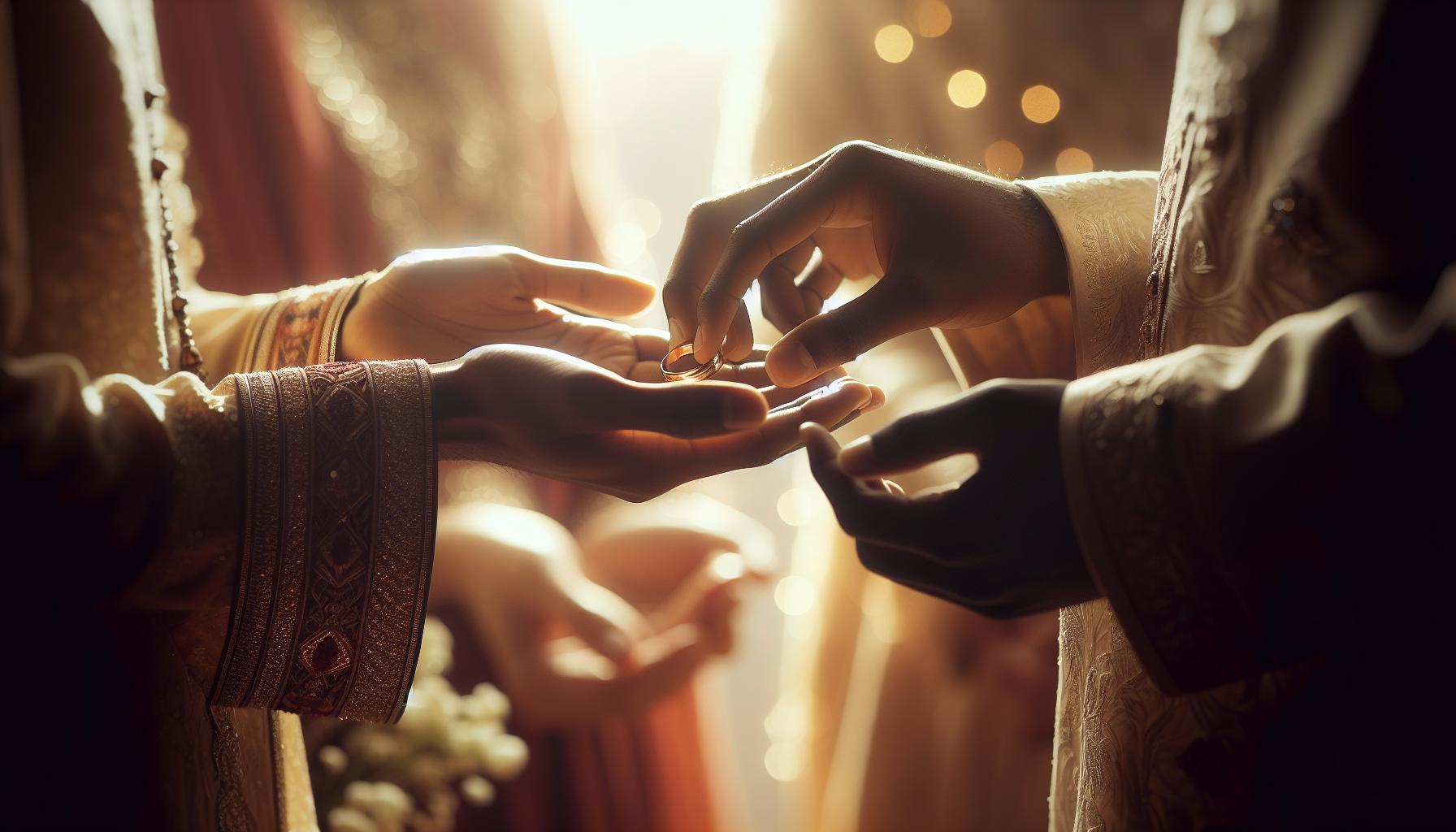
Rituals Surrounding Wedding Ring Exchanges
To many, the act of exchanging wedding rings is one of the most poignant moments in a ceremony, symbolizing an everlasting commitment and love. Around the world, this ritual is celebrated through unique customs and traditions that embody the essence of the culture they originate from. Understanding these rituals not only enhances your wedding experience but also allows you to incorporate meaningful elements that resonate with your shared journey.
In Mexico, couples often exchange rings just before their wedding vows in a colorful ceremony known as “la ceremonia de unión.” This involves not only the rings but also the couple’s loved ones, who may offer blessings and support, surrounding the couple in a moment of communal love. The rings themselves, frequently made of gold, represent the strength and permanence of their union.
Across the seas in Japan, the wedding ring exchange is incorporated into the Shinto ceremony. Couples traditionally present their rings as part of a ritual called “san-san-kudo,” where they take three sips each from three cups of sake. This act represents the joining of two families, emphasizing harmony and balance. The act of ringing, combined with this ritual, harmonizes their love with the blessings of the spirits and family.
Many Indian weddings involve a lavish exchange of rings, often accompanied by intricate rituals like the “Saptapadi,” where couples take seven steps together, each promising love and support. After this ceremony, the couple may exchange rings on both hands, highlighting their commitment not just to each other but to their families and heritage. The rings chosen for these exchanges often feature elaborate designs that symbolize the couple’s journey and the merging of their families.
In cultures like the United States, ring exchanges take place during the wedding vows, often accompanied by heartfelt promises. This moment signifies the transition from engaged individuals to a married couple, with rings presented as a tangible affirmation of their dedication. Many couples also choose to personalize their rings with engravings of meaningful dates, phrases, or symbols representative of their love story.
By embracing and adapting these diverse rituals, couples can create a ceremony that reflects both their love and the richness of their backgrounds. Including these treasured customs allows not just for a celebration of love, but for a deep connection to one’s cultural roots, adding layers of significance to the exchange of wedding rings. As you plan your own ceremony, consider how these traditions can inspire you, reminding you that every ring tells a story-yours.
Popular Materials for Wedding Rings Globally
The choice of materials for wedding rings not only reflects individual style but also resonates with deeper cultural significances that span the globe. Traditionally, wedding rings have been emblematic of love and commitment, and the materials used often hold their own unique meanings. In the quest for the perfect symbol of love, couples explore various options that embody their relationship and heritage.
Gold, with its enduring reputation, has been the classic choice in many cultures. Its malleability and luster make it incredibly appealing, signifying wealth and prosperity. Gold is often associated with the sun and its life-giving importance, thereby enhancing the symbolism of marriage as a union that radiates warmth and vitality. Wedding bands might be crafted from 14k or 18k gold, with higher karat weights offering a richer hue.
Another popular material is platinum, known for its unparalleled durability and rarity. This precious metal is favored for its luxurious feel and sheen. Due to its strength, platinum rings can withstand the rigors of daily wear, making it an ideal choice for couples seeking longevity in their commitment symbol. Moreover, platinum is hypoallergenic, offering a safe option for those with sensitive skin.
In recent years, alternative materials have gained popularity as couples look for unique expressions of their identities. For example, rings made from wood, ceramics, or even tungsten are becoming increasingly common. Wooden rings bring an organic touch, often handcrafted and incorporating personal elements like engravings or embedded stones. Tungsten, known for its scratch-resistant properties, offers a modern and robust feel, perfect for those who lead an active lifestyle.
Choosing the right material for a wedding ring is a deeply personal journey, inviting couples to reflect on their values, lifestyle, and shared experiences. Whether opting for classic gold, luxurious platinum, or unique alternatives, the material should resonate with the love it symbolizes. As you embark on your wedding planning journey, exploring these options can help ensure that your ring is not only beautiful but meaningful-an everlasting reminder of your commitment.
The Evolution of Wedding Ring Traditions
The significance of wedding rings has evolved profoundly through the ages, reflecting the shifting values and customs of societies around the world. Dating back to ancient Egypt, where they were crafted from woven reeds and leather, the ring symbolized eternity and the unbreakable bond between partners. This enduring symbol of love has transformed dramatically over the centuries, integrating precious metals and gemstones, each imbued with unique meanings and representations of additional cultural significance.
In medieval Europe, wedding rings became associated with the cherished virtues of faithfulness and loyalty. The introduction of the ring as an official symbol of marriage was further solidified by the Catholic Church in the 13th century, which dictated its use during the marriage ceremony. This period also saw the transition from simple bands to more ornate designs featuring diamonds and other precious stones, which were believed to hold protective qualities.
As cultures intertwined through exploration and globalization, wedding ring traditions began to adopt and adapt various practices to reflect diverse customs and identities. For instance, in some Asian cultures, the use of two rings-a wedding band and an engagement ring-became commonplace, symbolizing the journey of love. In contrast, many African cultures embrace the use of traditional materials, such as cowhide or handcrafted metals, often allowing couples to express their heritage and personal stories through the rings they choose.
Today, the evolution continues with a shift towards personalization and inclusivity. Couples now often opt for unique materials such as rose gold, ethically sourced stones, or even alternative designs like non-metal bands made from wood or silicone. This modern approach embraces individual expression, ensuring that every couple can find a ring that perfectly encapsulates their love story. As such, is not just about the physical representation of marriage but also about celebrating the diverse narratives and values that couples honor in their lifelong commitments.
Modern Twists on Traditional Ring Practices
As couples seek to define their unique love stories, many are finding creative ways to incorporate personal elements into their wedding ring choices. This shift reflects a broader trend towards personalization, where traditional practices are infused with modern touches that resonate more deeply with individual couples. For instance, instead of adhering strictly to the classic choices of precious metals like gold or platinum, many are now exploring alternative materials such as wood, silicone, or recycled metals, fostering environmental sustainability while also telling a story.
Couples are increasingly opting for custom designs that reflect their shared interests, hobbies, or experiences together. This could mean incorporating specific symbols, birthstones, or even using family heirlooms that hold sentimental value. Such choices not only showcase a couple’s unique identity but also honor their heritage and family history, thus marrying the past with the present in a meaningful way.
The rise of social media platforms has also played a pivotal role in shaping modern ring practices. Couples are sharing their ring journeys online, inspiring others to break from convention and create truly distinctive pieces. The popularity of non-traditional engagement rings, like those featuring quirky shapes or unconventional stones, encourages couples to take creative liberties, stepping away from standard designs in favor of pieces that speak to their individuality.
Additionally, the concept of “ring stacking,” where multiple rings are worn together, has gained traction, allowing couples to combine multiple styles and materials, creating a layered look that is both fashionable and evocative. This modern twist not only provides flexibility in style but also represents different aspects of a relationship, from engagement to wedding to anniversaries, all symbolically connected through the rings worn together.
Ultimately, these modern interpretations of traditional ring practices provide an opportunity for each couple to craft a narrative that is intimately theirs. As you embark on this exciting journey, remember that your wedding rings can be as unique as your love story-an emblem of your special connection that will endure through the years.
Debunking Myths About Wedding Rings
In the realm of wedding rings, myths and misconceptions abound, often leading to confusion during an already joyous occasion. Understanding the truths behind these myths can empower couples to make informed decisions that truly reflect their love and values. One common myth is that the wedding ring must always be worn on the left hand. While many Western cultures follow this tradition, numerous others, including some Eastern European and Latin American cultures, favor the right hand as the more appropriate place for rings. This distinction draws from historical and cultural beliefs surrounding marriage, illustrating that personal choice and cultural background should guide this decision rather than rigid tradition.
Another prevalent misconception is that the engagement ring should be worn on the same finger as the wedding ring. In fact, many couples opt to wear their wedding band closest to their heart, moving their engagement ring to the outer finger. This shift not only symbolizes the union of marriage but also creates a beautiful stacked look that has become increasingly popular. Couples are encouraged to choose their ring arrangement based on comfort and personal style rather than adhering to a singular belief about how rings should be worn.
Furthermore, many people might believe that the type of metal chosen for a wedding ring must follow specific rules, such as only gold or platinum, due to traditional expectations. However, contemporary couples are breaking away from these constraints with a variety of materials. From alternative metals like titanium and palladium to unique options such as wood or even silicone for practicality, the possibilities are nearly endless. Embracing non-traditional materials not only allows couples to express their individual styles but also fosters inclusivity for those who may have metal allergies or a preference for sustainable choices.
Ultimately, the journey to finding the perfect wedding ring should be dictated by love and personal meaning rather than outdated myths. Couples should feel empowered to create a ring ritual that resonates with their unique story, celebration, and values. As you plan your wedding, liberate yourself from conventional ideas, and celebrate the love that is distinctly yours!
Choosing the Perfect Wedding Ring for You
Choosing the right wedding ring transcends mere aesthetics; it’s about finding a piece that resonates with your love story and aligns beautifully with your personal style. Many couples today seek rings that reflect their individuality and values, allowing their choice to incorporate both traditional elements and modern flair. Start by considering what you truly want in a ring. The style, metal, and design should speak to who you are as a couple.
Consider Your Lifestyle
Take into account your daily activities and lifestyle when selecting a ring. If you lead an active life, you might want to choose a sturdy metal like platinum or titanium. Consider a low-profile setting to minimize snagging. Alternatively, soft metals like gold may not hold up as well under rigorous conditions but can be more comfortable to wear.
Explore Various Styles and Customs
The beauty of modern wedding rings lies in their diversity. While some couples prefer classic diamonds, others are opting for colored gemstones or unique materials like wood or recycled metals. Explore different settings and stones by visiting jewelers or exploring online galleries to find what captures your heart. Many cultures have distinctive ring styles and customs, so don’t hesitate to integrate elements from various traditions that resonate with you.
Set a Budget That Works for You
Your budget plays a crucial role in choosing the perfect wedding ring. There’s a wide range of options available, from luxurious designer pieces to more affordable yet stunning alternatives. Remember, the emotion and significance behind the ring far outweigh the price tag. Consider shopping during sales or exploring custom options, where artisans can create a unique piece that fits your budget without sacrificing personal touches.
In the end, the journey of selecting a wedding ring should be a celebration of your love-the uniqueness of your relationship captured in a beautiful symbol. Whether you choose a traditional gold band or a modern alternative, trust your instincts and find something that feels right for both of you, marking the beginning of a beautiful new chapter together.
Cultural Influences on Wedding Ring Designs
Wedding rings, often seen as a universal symbol of love and commitment, carry unique cultural influences that shape their designs and significance in various societies. From the choice of materials to the styling of the rings, these elements are deeply rooted in tradition and the symbolism associated with marriage.
In many Western cultures, the classic diamond engagement ring has become a staple, popularized in part by marketing campaigns that emphasize its rarity and beauty. However, different cultures celebrate love with alternative gems and designs. For instance, in some Asian cultures, red is considered a lucky color, prompting couples to choose rings adorned with rubies or even jade, which represents harmony and balance. Furthermore, Scandinavian customs often incorporate intricate knot designs and symbols of eternity, reflecting an enduring bond.
Regional Variations
The design of wedding rings varies not just in material but also in structure based on regional practices. In the Middle East, for example, it’s common for men to wear wedding bands as a symbol of their commitment, contrasting with more traditional Western practices where only women typically wear engagement rings.
- Europe: Couples may choose matching band styles, often in gold or platinum, that signify their unity.
- Africa: Different tribes have unique customs; some use leather or woven materials, reflecting cultural heritage and craftsmanship.
- India: Intricate designs in gold rings often feature engravings that tell a story or signify family lineage.
These differences enhance the romantic notion that wedding rings are more than just jewelry; they embody profound cultural narratives and traditions passed down through generations.
Modern Trends
In today’s multicultural society, many couples blend various traditions into their wedding ring choices. This fusion allows for a creative expression of their love story, often resulting in unique rings that incorporate elements from both partners’ heritages. Couples increasingly choose sustainable materials or custom designs that reflect their values, preferences, and shared experiences.
As you embark on the journey of selecting a wedding ring, remember that each choice, from the stone to the band shape, is a reflection of your personal love story. Consider integrating elements from different cultures that resonate with you as a couple, honoring various traditions while establishing your unique legacy.
How to Honor Traditions in Your Wedding Planning
To weave tradition into your wedding planning, consider how the placement of wedding rings varies across cultures, reflecting deep-seated values and histories. For instance, in many Western countries, the ring is worn on the fourth finger of the left hand, symbolizing love and union. However, in countries like Russia and India, the right hand takes precedence, hinting at a blend of personal beliefs and cultural nostalgia. Embracing these customs can transform your ceremony into a tapestry of shared values and renewed traditions, providing a unique backdrop for your union.
One way to honor these rich traditions is by incorporating specific rituals from both partners’ heritage. You might choose to exchange rings during the ceremony, accompanied by meaningful vows or readings that highlight your cultural backgrounds. For example, some cultures include specific chants or blessings during the exchange, which can add layers of significance to the moment. Consider integrating symbols that resonate with you; perhaps selecting rings that feature traditional designs or materials from your respective heritages. This not only honors your family histories but also creates a tangible representation of your love story.
Additionally, think about including elements that may be family heirlooms, such as a ring from a grandparent or a piece of jewelry that carries sentimental value. This practice not only enhances your connection to family traditions but also builds a bridge between generations, underscoring the importance of love and commitment that spans across time. Many couples today also personalize their rings with engravings that may reflect significant dates, phrases, or names, ensuring that each piece is truly unique.
As you navigate this joyful journey, don’t hesitate to communicate openly with one another about the traditions that resonate with you. Make a list of customs from each culture that you both feel passionate about. By blending these elements thoughtfully, you create a celebration that honors your roots while paving the way for new traditions that are uniquely yours, enhancing the significance of your wedding day.
Frequently Asked Questions
Q: What does it mean if you wear your wedding ring on your right hand?
A: Wearing a wedding ring on the right hand often signifies different traditions, typically in cultures such as Russia and Germany. This practice can denote marriage, but its meaning may vary by region and personal choice. Understanding these nuances can enhance your wedding planning experience.
Q: In which countries is the wedding ring worn on the right hand?
A: Countries like Germany, India, and Russia traditionally wear wedding rings on the right hand. This custom contrasts with many Western cultures, where the left hand is preferred. Each culture has its significance behind this choice, reflecting deeper traditions in wedding ceremonies.
Q: Why do some cultures have unique wedding ring customs?
A: Unique customs often stem from historical, religious, or cultural influences. These traditions symbolize love and commitment but can differ significantly across regions, adding a rich tapestry of meaning to weddings worldwide. Exploring these differences can enrich your understanding of global wedding practices.
Q: How do I choose the right hand for my wedding ring?
A: Choosing the right hand for your wedding ring depends on personal preference and cultural traditions. Consider your background and future spouse’s customs, and feel free to choose what resonates most with your relationship. This decision is ultimately yours to make.
Q: Are there any special rituals when exchanging wedding rings?
A: Yes, many cultures have rituals associated with exchanging wedding rings, such as blessing the rings or specific placement on the hand. These rituals can add emotional significance to your ceremony. Explore various customs to make your wedding unique and meaningful.
Q: Why do some people choose to wear wedding rings on their right hand instead of the left?
A: The choice to wear wedding rings on the right hand often reflects cultural practices or personal beliefs. In some cultures, the right hand symbolizes strength and honor, making it a preferred choice for a wedding ring. Understanding the reasons can help honor traditions during your ceremony.
Q: What are common misconceptions about wedding ring placement?
A: Common misconceptions include the belief that all cultures place wedding rings on the left hand, or that not adhering to this norm signifies an unconventional relationship. In reality, wedding ring placement varies widely and is influenced by various cultural practices and personal choices.
Q: How can I incorporate global ring customs into my wedding?
A: To incorporate global ring customs, research different traditions and choose elements that resonate with you and your partner. Consider an exchange ceremony that honors specific practices, or select a ring design that incorporates symbols from various cultures. This approach personalizes your ceremony and celebrates diversity.
To Conclude
As you embark on your wedding journey, understanding the significance of which hand to wear your wedding ring is just one of many delightful traditions to explore. Each culture offers unique customs, adding depth and meaning to your celebration. With your newfound insights, it’s the perfect time to consider how these traditions resonate with your own love story.
Don’t stop here-delve deeper into related topics like “Choosing the Perfect Wedding Venue” or “Wedding Ring Care Tips” to enrich your planning experience. These resources will empower you to make informed decisions that reflect your style and values.
Ready to take the next step? Sign up for our newsletter for the latest tips, trends, and exclusive content that will make your wedding planning smoother and more enjoyable. Embrace the adventure ahead; your dream wedding is within reach!