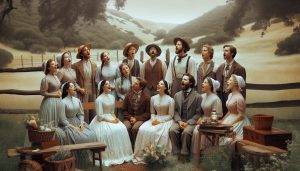
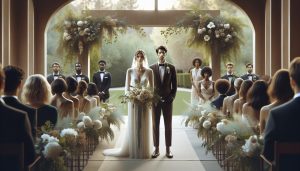
In a world marked by love and sacrifice, the term “war bride” evokes powerful emotions and rich traditions. Traditionally, a war bride is a woman who marries a member of the military during wartime, often facing unique challenges of distance, cultural differences, and uncertainty. Understanding the military wedding traditions surrounding these unions sheds light on their significance and the deep connections forged amidst turmoil. As couples embark on their wedding planning journey, exploring these heartfelt traditions can offer inspiration and wisdom, making each celebration even more meaningful. Join us as we delve into the captivating world of war brides and the enchanting customs that honor their love stories in extraordinary circumstances.
What is a War Bride? Understanding Their Significance
A war bride is a woman who marries a member of the military during times of war, often under unique circumstances that reflect both the intensity of military life and the social changes occurring during conflict. These unions hold significant emotional and cultural value, representing a blend of love, resilience, and the hope for peace amidst turmoil. War brides often navigate the challenges of long-distance relationships, cultural differences, and the uncertainties of military life, forging connections that can outlast separation and uncertainty. Their stories are a testament to love’s ability to flourish even in the most trying times.
Throughout history, the concept of war brides has evolved, particularly during major conflicts such as World War I and World War II, when soldiers traveled far from home. This phenomenon not only highlights the personal relationships that result from war but also illustrates broader societal shifts, as families and communities adapt to the realities of a changing world. The significance of war brides extends beyond personal narratives; they are emblematic of the sacrifices made by families and the strength required to build a life together amidst the chaos of conflict.
These marriages often incorporate unique traditions, shaped by both military customs and individual cultural backgrounds. For instance, ceremonies may reflect a fusion of rituals that acknowledge both the military context and the personal heritage of the bride and groom. The beauty of these unions lies in their ability to celebrate not only love but also the intricate tapestry of cultures that define military families.
In conclusion, the stories of war brides resonate with those who appreciate the strength of love and the enduring bonds formed in the face of adversity. As military couples plan their weddings, recognizing the significance of such narratives can inspire them to create meaningful ceremonies that honor their journeys and the broader context of their shared lives.
Historical Context of War Brides in Military Weddings
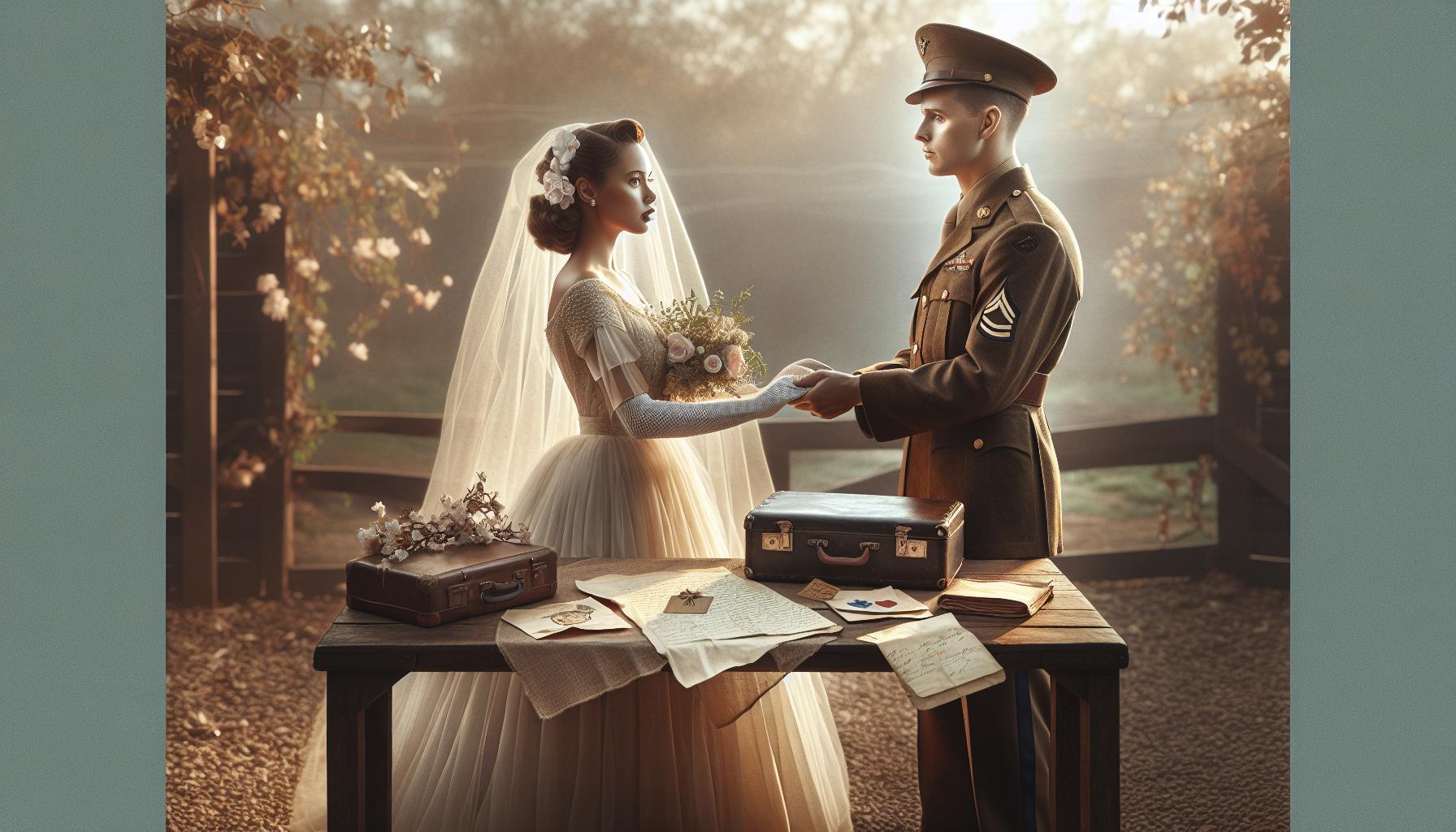
War brides have a rich historical significance that goes beyond mere marriage; they symbolize resilience and love amidst the backdrop of conflict. Their stories particularly flourished during major conflicts such as World War I and World War II, when military personnel were deployed far from their homes and established intimate relationships with local women. The resulting unions not only created families across national and cultural lines but also reflected broader societal changes. These marriages often broke conventions of the time, intertwining personal narratives with historical events that reshaped societies.
The phenomenon of war brides highlighted how the trials of war could lead to unexpected intimacy and connection. Women from various countries married soldiers, sometimes even during their service overseas, mingling diverse cultural customs and practices. For instance, American and British soldiers marrying local women in Europe, or Australian troops tying the knot with women in the Pacific, marked significant cross-cultural exchanges. These unions were celebrated in numerous ways, from combining wedding traditions-such as incorporating elements of the bride’s heritage into the military customs-to showcasing how love can bridge geographic and cultural divides.
The historical context of war brides is not just defined by the personal lives of those involved but also serves as a reflection of the changing norms surrounding marriage and gender roles. With many men away on military duty, women often took on more significant roles in their communities, leading to shifts in societal expectations. Thus, military weddings that included war brides frequently became a celebration of independence and shared struggle, symbolizing a defiance of the ordinary under extraordinary circumstances.
Planning a military wedding can draw from this rich historical tapestry. Couples can honor their unique journeys by incorporating elements from their backgrounds or the history of war brides into their ceremonies. Whether it’s choosing traditional songs associated with a particular culture or using décor that resonates with the stories of resilience and hope, these small details can make a significant impact. As you embark on your wedding planning journey, remember the powerful narratives behind these unions that reflect not just personal love stories but also the broader themes of perseverance and unity in the face of adversity.
Common Traditions Associated with Military Weddings
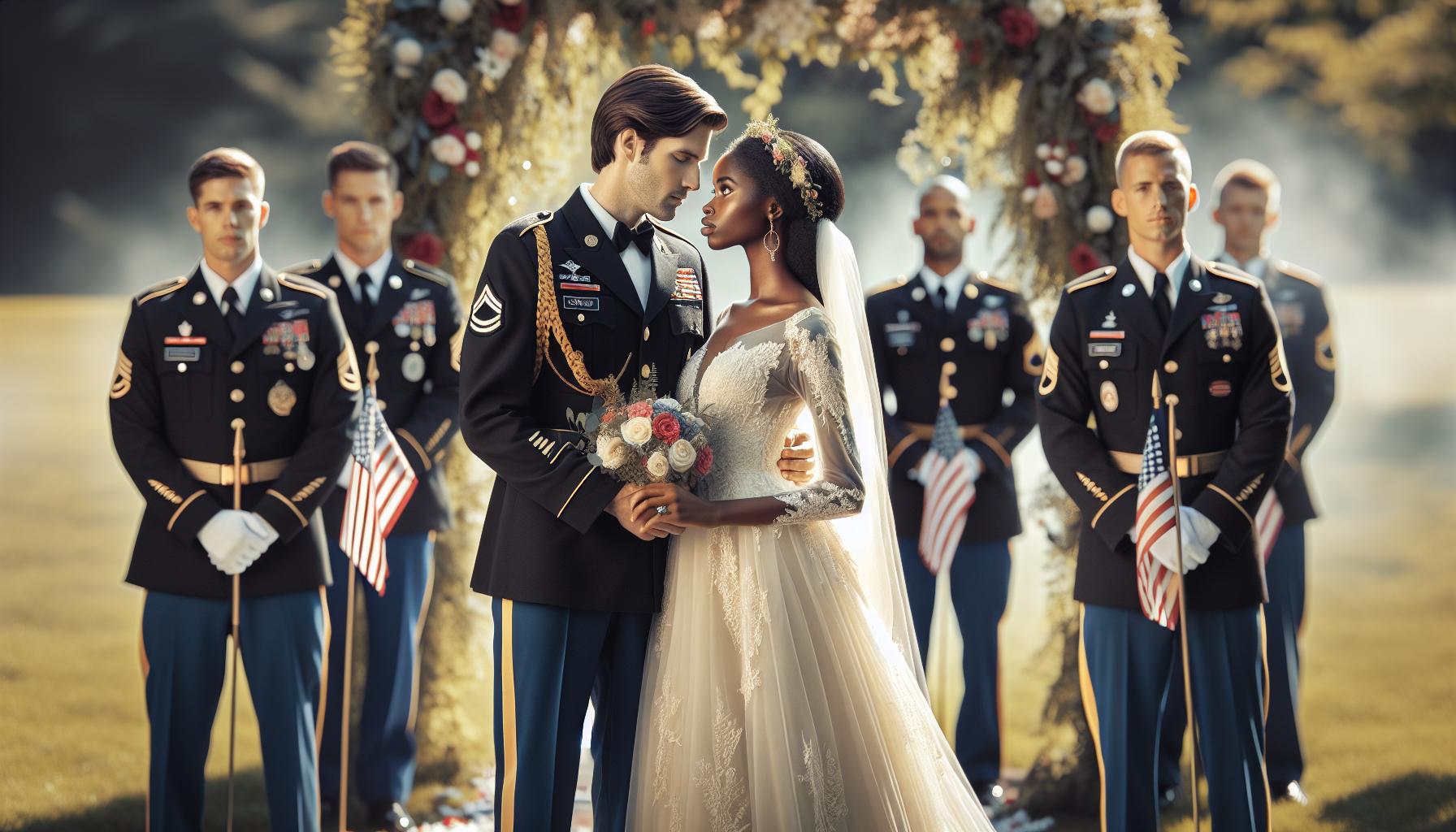
Military weddings are deeply rooted in tradition, blending ceremonial richness with the unique experiences of service members and their loved ones. These celebrations often include specific customs that not only honor the couple’s love but also reflect the military heritage and the sacrifices involved in service. One of the most cherished traditions is the saber arch, where members of the military form a tunnel of crossed swords or sabers for the couple to pass under, signifying protection, honor, and the transition into married life.
Another prominent aspect of military weddings is the use of military dress uniforms. The groom, and sometimes the bride, may wear their service dress, with medals and insignia displayed proudly. This not only showcases their commitment to their country but also adds a level of formality and honor to the event. Couples often incorporate the national anthem or military hymns during the ceremony, further emphasizing the blend of nationalism and personal devotion.
As families gather to celebrate, the inclusion of traditional elements can lead to beautiful fusions. For example, the couple might choose to have a first dance that reflects both their backgrounds – a mix of military and cultural music. In addition, toasts are commonly made by military colleagues and family members, celebrating not only the couple but also the values of teamwork and camaraderie that military life entails.
Finally, deployment traditions significantly shape the dynamics at military weddings. Many couples choose to plan their ceremonies around deployment schedules, which may require flexibility and creativity in wedding planning. Special mementos or tokens from deployments, such as calling cards or service items, can also be incorporated into the ceremony, serving as poignant reminders of the couple’s journey together.
Military weddings foster a strong sense of community and shared values, making the experience highly personalized. Couples are encouraged to draw inspiration from these traditions while also infusing their unique styles and stories into their celebrations, ultimately making their wedding not just an event, but a cherished memory that honors both love and service.
Cultural Variations in War Bride Practices
The journey of war brides is a deeply emotional and complex one, rich with cultural significance that varies profoundly across different societies. These brides not only represent the merging of lives but also the blending of cultures, creating unique traditions that reflect their backgrounds and the international nature of military service. From the British Isles to the United States and beyond, each nation has adopted customs for their war brides that celebrate love while honoring their service members’ sacrifices.
In many Western countries, such as the United States and Canada, war brides from World War II are celebrated for their resilience and bravery. These women often faced challenges, including immigration hurdles and societal stigma. To honor their heritage, weddings might feature traditional elements from their home countries alongside military customs. For instance, a British war bride may include something blue from her traditional wedding attire while embracing American military wedding customs, resulting in a ceremony that speaks to both her past and present.
Eastern traditions also come into play, where cultural practices can significantly differ. For example, in Japan, a war bride may incorporate Shinto rituals into her wedding while also embracing Western elements. This could include wearing a shiromuku (traditional white kimono) for the ceremony and changing into a Western-style gown for the reception, representing her transition from one culture to another. Such ceremonies create a rich tapestry of customs, where the bride’s dual heritage shines brightly.
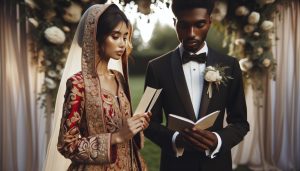
Moreover, the emotional stories tied to these unions can profoundly shape the wedding experience. Couples often incorporate personal narratives into their ceremonies, from sharing the history of how they met in the context of war to utilizing symbols of their respective cultures. For example, they might exchange vows in multiple languages or incorporate unique cultural rites that honor their families.
Additionally, the sense of community in military weddings is particularly strong among war brides. Family and friends play crucial roles in creating a supportive atmosphere, helping couples navigate the complexities of merging cultures. This support fosters an environment for creativity, encouraging couples to personalize their ceremonies through rituals that hold significance for both families.
Ultimately, the highlight the beauty of love during turbulent times. Every wedding becomes a unique narrative that blends traditions, honors sacrifices, and celebrates the enduring spirit of those who unite across boundaries. For couples planning their military wedding, embracing these diverse influences can enrich their celebration, making it a testament to both their love and their shared journey.
Emotional Stories of War Brides and Their Journeys
The journey of a war bride is often a poignant tale of love forged in the fire of conflict, laden with emotional depth that transcends borders and cultures. These women have navigated the complexities of wartime romance, facing not only the uncertainty of their partners’ fates but also the trials of relocating to new countries. Each story holds a wealth of experiences that enrich the broader narrative of military weddings. For instance, a woman from England may recount her whirlwind romance with a soldier stationed overseas during World War II, detailing the moment their eyes locked amidst the chaos, a moment that forever changed her life.
Their weddings often reflect this intricate blend of personal history and cultural significance. Many war brides choose to include elements of their heritage in the ceremonies. For example, a Scottish war bride might wear a family tartan as part of her wedding attire, symbolizing her roots, while also incorporating military traditions, such as a bagpipe performance, which enhances the celebration’s emotional resonance. These choices serve as powerful reminders of their unique paths and the sacrifices made along the way, intertwining their distinct backgrounds into the fabric of their new lives.
Supporting this emotional journey are the families and communities surrounding these couples. In many cases, the wedding day becomes a communal celebration of resilience and unity, where loved ones witness the merging of histories and futures. For example, a wedding might take place in a family home, filled with photographs and mementos that speak to the couple’s journey, allowing guests to partake in the tapestry of their story. The emotional support from family and friends often helps war brides overcome societal barriers and immigration challenges, fortifying their resolve during a period of remarkable transition.
As couples plan their military weddings, incorporating personal narratives can be a meaningful way to honor their journeys. Sharing their stories during the ceremony, perhaps through a short speech or a video montage, can deepen the emotional connection for those in attendance, transforming the event into a heartfelt reminiscence of not just the couple’s love story, but a broader acknowledgment of love’s power amidst adversity. Embracing the rich history and emotional weight of their union not only celebrates their love but also honors the resiliency and hope that comes with being a war bride.
The Role of Family and Community in Military Weddings
The fabric of military weddings is richly woven with the love and support of family and community, creating an atmosphere where joy triumphs over the strains of separation and conflict. Family members often take on active roles in the planning stages, anchoring the couple with their wisdom and experience. For instance, a mother might personally craft the bridal bouquet, stitching together personal mementos that symbolize family bonds and shared history. This hands-on approach not only strengthens ties but also results in a more intimate wedding experience, where every detail tells a story.
Community involvement can be especially pronounced in military weddings. Friends and neighbors often come together to offer assistance, whether it’s organizing decorations, hosting the bridal shower, or even volunteering as a part of the wedding party. These moments cultivate a sense of belonging and shared purpose, reinforcing the ideals of resilience and support that define military life. For example, local veteran organizations may step in to honor the couple with a ceremonial arch or display, intertwining military respect with personal celebration.
As the day unfolds, the presence of family and friends elevates the ceremony, turning it into a heartfelt reminder of unity and love. Emotional support is paramount; a grandparent may share cherished stories of love during wartime, adding depth and reflection to the celebrations. Moreover, incorporating traditional rites from both families can enrich the wedding. A traditional dance or special reading may reflect the couple’s diverse heritages, creating an inclusive atmosphere that invites all attendees to participate in the union.
In planning their wedding, military couples should embrace the role of family and community as essential partners in the process. Here are a few strategies to enhance this involvement:
- Open Communication: Maintain a dialogue with family members about responsibilities, preferences, and contributions.
- Delegated Tasks: Identify specific tasks that can be entrusted to family or friends, ensuring they feel valued in the planning process.
- Incorporate Traditions: Blend customs from both families within the ceremony to reflect diverse heritages, making everyone feel included.
- Acknowledge Contributions: Consider dedicating a moment during the reception to thank those who helped make the day special, reinforcing the notion of community support.
With their families and communities by their side, military couples can transform their wedding into a celebration of love that transcends borders, embodying the strength and solidarity that characterize their unique journeys.
Tips for Planning a Military Wedding Ceremony
Planning a military wedding ceremony is a unique journey that beautifully blends tradition, love, and the strength of community support. Couples preparing for this special day should consider how military customs can enhance their ceremony while making it distinctly their own. Embracing the spirit of unity and honor that military weddings symbolize can lead to an unforgettable celebration that is both personal and profound.
To start with, selecting a venue that reflects the couple’s personalities and honors military traditions can create a memorable backdrop. Consider venues such as military chapels, historical buildings, or outdoor spaces with significant emotional or personal value. Once the venue is established, it’s essential to create a detailed timeline for the ceremony. This should include everything from the procession to the vows, ensuring a smooth flow on the day itself. Including customary elements like the arch of swords or a special military insignia can add a meaningful touch to the ceremony.
When it comes to attire, the couple should embrace both tradition and individuality. The bride might consider wearing a dress that incorporates elements of military flair, such as a sash in her partner’s branch colors. Meanwhile, the groom can be resplendent in his uniform, which not only looks stunning but also represents service and commitment. Discussing attire with family members can also evoke cherished traditions, such as wearing a family heirloom or incorporating a specific color scheme that honors military heritage.
Vendor Coordination is another vital aspect of planning. Ensure that all vendors are familiar with military protocols, especially when arranging floral displays or photography. This can help avoid any unintentional breaches of etiquette. Couples should also keep in mind to choose wedding rings that have special significance; for instance, including military designs or symbols can personalize the rings further.
Finally, incorporating gifts and celebrations that honor military camaraderie is a lovely way for couples to celebrate their love. Consider requesting guests to make donations to military charities instead of traditional gifts, reflecting the couple’s values and the support of their community. From thoughtful tokens for guests to personalized wedding favors that carry a military theme, every detail can resonate with the couple’s journey and the sacrifices made by those who serve.
By integrating these elements into the wedding planning process, couples can create a ceremony that is not just a wedding but a celebration of resilience, commitment, and love shaped by the experiences of military life. The journey of wedding planning becomes a shared adventure, bringing family and friends together to support a couple whose bond is strengthened by shared history and future hopes.
Choosing Attire: Traditional vs. Modern War Bride Styles
Choosing the perfect attire for a military wedding is an opportunity to blend tradition with personal expression, creating a memorable look that honors both the couple’s love story and their military heritage. The concept of a “war bride” has evolved over the decades, encompassing a range of styles from the classic to the contemporary. Each choice offers a unique way to embrace the significant backdrop of the couple’s journey, reflecting both sentiment and service.
When selecting a wedding dress, brides often face the delightful challenge of choosing between traditional and modern styles. Traditional war bride attire often emphasizes elegance and modesty, featuring gowns with lace or embroidery, symbolizing purity and commitment. A classic option could include a A-line or ball gown silhouette that allows for movement and grace, often adorned with embellishments that reflect the colors of the groom’s military branch. Many brides choose to add personal touches by incorporating accessories like veil lengths or heirloom jewelry, which can carry deep family significance.
On the other hand, modern war brides might opt for more contemporary silhouettes, such as sleek mermaid styles or jumpsuits that convey a sense of sophistication and boldness. The use of non-traditional fabrics, like satin, tulle, or even incorporating military-inspired materials, can create a stunning contrast that honors both elegance and military aesthetics. Considerations such as detachable trains or statement sleeves can also add a unique flair to the attire, offering a fresh twist on timeless designs.
Groom’s Attire: Bridging Tradition and Modernity
Grooms have their own set of choices that straddle traditional military uniforms and modern tailored suits. Wearing a formal military uniform can evoke profound pride and respect, reflecting commitment and honor. Some grooms might find opportunities to personalize their uniforms with insignia or rank badges that signify their service. For those who prefer a non-military look, a well-tailored suit in colors that complement the bride’s attire can be just as stunning, especially if it incorporates subtle elements tied to military themes, such as a pocket square in a shade that mirrors the bride’s accessories or a custom lapel pin.
Ultimately, the choice of attire for a military wedding should resonate with both partners’ identities, marking their shared journey while celebrating their unique love. Couples are encouraged to brainstorm together, perhaps even visiting boutiques that specialize in both military and traditional wedding attire, ensuring a balance that feels right for them. Each detail, from the fabric to the accessories chosen, can serve as a powerful reminder of the couple’s commitment to each other and their shared support of military values, turning their wedding day into a cherished historical event of their own.
Wedding Etiquette for Military Couples
Planning a wedding as a military couple can be a beautiful blend of traditions and modern practices, especially when honoring the unique role of the military in your love story. Understanding the nuances of wedding etiquette in this context will ensure a respectful and memorable celebration for you and your loved ones.
When it comes to invitations, it’s important to make sure that everyone’s address is accurate, especially for service members who may be stationed away from home. Sending invitations well in advance is essential; consider mailing them at least eight weeks prior to the wedding date to accommodate any travel plans. Include clear details regarding the ceremony and reception, especially if there are military customs involved, as this helps guests know what to expect.
Dress Code is another crucial element. Military couples often integrate traditional uniforms into their wedding attire, which can evoke deep feelings of pride and honor. If you decide to wear a military dress uniform, ensure that the attire adheres to your branch’s regulations. Guests may also be informed if military attire is encouraged or if a formal dress code is being observed.
In terms of ceremony traditions, incorporating military rituals such as the arch of swords is a symbolic way to honor your service. Additionally, understanding that certain traditions may vary according to each branch of the military can be beneficial; you might include the singing of an armed forces hymn or a moment of silence to honor fellow service members.
Finally, gift etiquette should also be thoughtfully considered. While the couple often registers for gifts, it’s nice to acknowledge the unique circumstances of military life. Consider suggesting donations to a charity that supports service members or military families as an alternative to physical gifts. Engaging with personal stories or experiences associated with military life can also add depth to your celebration, making it a truly collective experience that honors those who have served.
Remember, the joy of your wedding day ultimately lies in the celebration of your love and the blending of histories, whether at an intimate ceremony or a grand reception surrounded by cherished family and friends. Enjoy the journey of planning, and embrace the unique stories that shape your day.
Gifts and Celebrations for Military Wedding Guests
The celebration of love and commitment between military couples is a momentous occasion that extends beyond just the newlyweds; it encompasses an entire community of family and friends. As guests attending a military wedding, understanding the unique customs and thoughtful gift-giving practices can enhance the experience and honor the couple’s journey.
When selecting a gift for a military wedding, consider the couple’s lifestyle and the distinct challenges they may face due to military service. While traditional gifts like kitchen appliances or home décor are always appreciated, personal and meaningful options often resonate more deeply. Here are some thoughtful gift ideas that reflect their military lifestyle and create lasting memories:
- Customized Keepsakes: Items such as engraved photo frames or a personalized wedding album can beautifully commemorate their special day.
- Experience Gifts: Providing a gift certificate for a romantic getaway, spa day, or an adventure can help the couple relax and enjoy time together amidst a hectic schedule.
- Charitable Donations: In lieu of a physical gift, consider making a donation to a charity that supports veterans or military families, aligning with their values and experiences.
- Personalized Ornaments or Home Decor: Customized decorations that signify their service together create a homey touch that lovingly reflects their military bond.
Celebrations at military weddings can also include special events such as receptions or themed gatherings. These occasions often blend military traditions with celebratory elements, leading to joyous festivities. Guests should come prepared for various experiences, from witnessing the time-honored “arch of swords” ceremony to enjoying a lively reception complete with dancing, toasts, and heartfelt speeches. Embracing the unique elements of military weddings-like wearing cocktail attire that aligns with military decorum-shows respect and enhances the overall celebratory spirit.
Above all, being present for a military couple on their wedding day is a beautiful way to honor their commitment to each other and their service. Whether through thoughtful gifts or joyous celebrations, guests have the opportunity to play a significant role in the couple’s journey, making the day truly unforgettable.
How to Incorporate Personal Traditions into Your Military Wedding
When planning your military wedding, infusing personal traditions can transform your special day into a heartfelt celebration that honors both your shared love and unique backgrounds. Consider how to weave in elements that reflect your heritage, family customs, or cherished memories. Whether it’s incorporating a particular song into your processional, using heirloom decor, or including a traditional ceremony unique to your culture, these touches can create deeper connections for you and your guests.
Celebrating Heritage Through Rituals
You might cherish the idea of honoring your family’s cultural heritage during the ceremony. For instance, if you come from a community with rich wedding traditions, such as a specific handfasting ritual or a unity ceremony, integrating these can create a fusion of experiences that pay homage to your roots. Discuss these options with your partner to find meaningful rituals that resonate with both of you.
Incorporating Family Heirlooms
Utilizing heirloom items can be another beautiful way to integrate personal traditions. Perhaps your grandmother’s wedding ring is something you wish to wear, or you may have a family Bible to incorporate into the ceremony. Displaying photographs of family weddings can form a beautiful remembrance table that pays tribute to the past while celebrating your future together.
Personalizing Vows and Traditions
Writing your vows is an intimate opportunity to express your love’s unique aspects and the journey you’ve shared till now. Additionally, if there’s a particular song or reading that holds significant meaning for you as a couple, include it in your ceremony. Think about unique ways to personalize your ceremony to reflect your love story – maybe even incorporating a fun tradition, like a dance or a special toast during the reception that symbolizes your couple’s journey.
Whatever personal traditions you choose to include, the most important aspect is that they resonate with you and your partner. By blending your past with your hopes for the future, your wedding will not only celebrate your union but also the rich tapestry of experiences and stories that brought you together. Take the time to reflect on what matters most to both of you, and let those insights guide your decisions, ensuring your wedding day feels authentic and genuinely representative of your love.
Resources and Support for Military Couples and Families
Planning a military wedding can come with its unique set of challenges, but the rewards of creating a memorable and meaningful ceremony are immense. Military couples and their families can benefit immensely from various resources and support systems designed to ease the journey from engagement to the big day. From community networks to military support organizations, engaging with these resources can enhance your wedding experience and help keep the focus on what truly matters: celebrating your love.
Engaging with local chapters of military spouse organizations or veteran communities offers couples valuable resources that extend beyond wedding planning. By connecting with experienced military families, couples can gain insight into traditions, etiquette, and logistical considerations specific to military weddings. These groups often host events, provide checklists, and even offer workshops that can transform a potentially overwhelming process into an enjoyable experience.
Planning your wedding amidst military obligations can also be easier with the help of wedding planners who specialize in military ceremonies. These professionals understand the intricacies of uniform codes, deployment schedules, and family dynamics that come into play, ensuring your celebration respects military traditions while reflecting your personal style. Additionally, some planners may offer discounts or services tailored to military couples, making it easier to enjoy the wedding of your dreams within your budget.
As you approach your military wedding, consider utilizing digital platforms focused on military life. Websites and forums dedicated to military spouses provide spaces for couples to ask questions, share experiences, and gather inspiration. Social media groups can connect you with others who are in or have gone through similar situations. Whether you’re seeking advice on incorporating traditional elements or want tips for succeeding in a marriage that may face distance due to deployment, these electronic communities can be invaluable.
Finally, keep in mind the emotional support available through counseling services offered by military organizations. These services often address the unique challenges spouses face during wedding planning and beyond, such as the impact of deployment on relationships. Taking advantage of such resources can provide a solid foundation for your marriage, ensuring that you and your partner are equipped to navigate both the joyous and challenging moments together. Balancing love with the realities of military life can be rewarding, and you don’t have to do it alone-there’s a community out there ready to support you every step of the way.
FAQ
Q: What are the challenges faced by war brides during and after the war?
A: War brides often face significant challenges, including cultural adjustments, separation from family, and societal stigma. Additionally, they may deal with the emotional toll of war and the complexities of international relocation, often requiring support from community networks or resources outlined in our article on family roles in military weddings.
Q: How did war brides influence post-war societies?
A: War brides played a crucial role in shaping post-war societies by introducing new cultural elements and fostering understanding between different nations. Their experiences often led to changes in immigration policies and contributed to evolving gender roles, which can be further explored in the historical context section of our article.
Q: What role do traditions play in military weddings today?
A: Traditions in military weddings help symbolize commitment and honor, often reflecting the couple’s military background. These traditions create a sense of belonging and continuity, which you can see in practices discussed in our common traditions section.
Q: Are there specific etiquette rules for military wedding guests?
A: Yes, military wedding guests should adhere to specific etiquette, such as dress codes that honor military uniforms and protocols for greeting service members. These details are crucial for respecting the couple’s military ties, as we cover in the wedding etiquette section.
Q: How can couples personalize their military wedding to honor their unique story?
A: Couples can personalize their military wedding by incorporating elements that reflect their journey, such as themed decorations or family heirlooms. Customized vows or special readings can also add a personal touch, which is discussed in our section on incorporating personal traditions.
Q: Why do military couples often prefer to marry quickly?
A: Military couples may choose to marry quickly due to deployment schedules, uncertainty, and the desire for stability during turbulent times. Quick weddings can also allow families to come together, which is addressed in our resources and support section of the article.
Q: What is the significance of military engagements in war bride traditions?
A: Military engagements often symbolize resilience and commitment during times of uncertainty. They highlight the unique bonds formed between service members and their partners, which is explored in the emotional stories of war brides discussed in the article.
Q: How do cultural backgrounds influence military wedding traditions?
A: Cultural backgrounds significantly shape military wedding traditions, reflecting diverse practices, beliefs, and values. This influence manifests in attire, rituals, and ceremonies that can vary widely, as elaborated in our cultural variations section.
Key Takeaways
As we reflect on the enduring legacy of war brides and the unique military wedding traditions, it’s clear that these stories of love transcending challenges are as poignant today as ever. Whether you’re planning your own military wedding or simply exploring the fascinating customs that accompany them, there’s plenty more to discover. Dive deeper into our comprehensive guides on wedding attire selection and invitation etiquette to ensure every detail is perfect for your special day.
Don’t forget to sign up for our newsletter for the latest insights and tips on navigating all stages of wedding planning! If you have any questions or want to share your own experiences, we’d love to hear from you in the comments below. By embracing these traditions, you not only honor the past but also help to craft a beautiful future. Continue exploring our site for more wedding wisdom that makes your planning journey as joyful and seamless as possible!