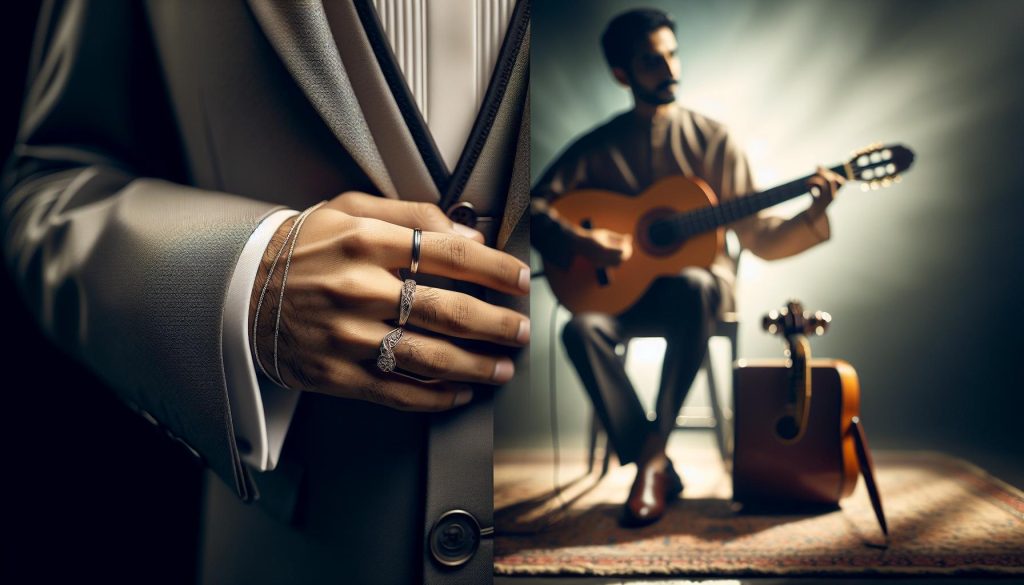
When planning a wedding, couples often find themselves grappling with both the musical and symbolic significance of a “wedding band.” Did you know that the term can refer to both the live musical ensemble that creates the magical atmosphere on your special day and the precious ring that represents your eternal commitment? Understanding these dual meanings can enhance your wedding planning experience, ensuring you seamlessly blend your musical preferences with thoughtful choices in jewelry. As you embark on this beautiful journey toward your wedding day, it’s essential to explore these vital elements, helping you select the perfect band, whether it be a talented group of musicians or the exquisite rings that will adorn your fingers for a lifetime. Dive in with us to discover how to harmonize these two components of your celebration, making your day not only unforgettable but also deeply meaningful.
Understanding the Concept of a Wedding Band
The concept of a wedding band holds a sacred place in the hearts of couples, blending tradition and personal significance in ways that go beyond mere symbolism. Whether it’s the lively strumming of a band at the reception or the exchanging of precious rings during the ceremony, the essence of a wedding band is deeply intertwined with love, commitment, and celebration. Couples often see their choice of music and rings not only as a form of expression but as lasting representations of their unique journeys together.
When considering music for your wedding, it’s essential to recognize that the ambiance created can set the tone for the entire event. Live wedding bands, for instance, can breathe life into the celebration, captivating guests with their performances and enhancing the emotional atmosphere. Couples looking to hire a band should think about their preferences and the vibe they want to cultivate. Similarly, when selecting wedding rings, the style, material, and design should resonate with the couple’s taste and reflect their relationship, making it a treasure that will be cherished for a lifetime.
It’s also important to understand the cultural significance attached to wedding bands. Across different cultures, the act of exchanging rings can signify various commitments and promises, while music can play a crucial role in rites and festivities, providing a communal experience that resonates with collective joy. Couples should approach these choices-whether they lean towards traditional elegance or modern flair-as meaningful steps in their wedding journey, laying a foundation for their life together.
In navigating these decisions, it’s beneficial to engage in conversations with your partner about your shared values and stylistic preferences. This can lead to meaningful choices that reflect not just who you are individually, but the vibrant union you are creating. Being intentional about these elements ensures that every note played and every ring worn signifies the love and commitment that binds you, creating memories that last well beyond the wedding day.
The Different Types of Wedding Bands Explained
Choosing the right wedding band can be an exhilarating yet overwhelming experience for couples. With an array of styles, materials, and designs available, understanding the different types of wedding bands can help you find the perfect symbol of your love. Wedding bands come in a variety of forms, each catering to unique preferences and tastes.
Classic Wedding Bands
These are the most traditional style of wedding bands, typically made from precious metals such as gold, platinum, or white gold. Classic bands often feature a simple, polished design that symbolizes timeless love. Their understated elegance makes them a favorite among couples who appreciate minimalism.
Diamond and Gemstone Wedding Bands
For couples looking to add a touch of sparkle, bands adorned with diamonds or colored gemstones are an excellent choice. These rings can range from subtle accents to full-on halo designs, ensuring they stand out as unique pieces of jewelry while still representing the bond of marriage. The choice of stones can also hold personal meanings, with various gems symbolizing love, fidelity, or even the month of your wedding.
Mixed-Metal Bands
Embracing a more modern aesthetic, mixed-metal bands creatively combine different metals like rose gold with yellow or white gold. This option is perfect for those who want to reflect their individual personalities in their wedding jewelry. Additionally, mixed-metal rings offer the versatility to complement various styles of engagement rings.
Customized Wedding Bands
For couples wishing to make a truly personal statement, custom wedding bands allow for a one-of-a-kind design that captures your shared journey. This option could incorporate engravings, unique patterns, or even a shared symbol that holds significance in your relationship. Collaborating with a jeweler can turn your dream design into a reality.
Each of these types presents an opportunity to express your love, commitment, and individuality. As you explore the options, consider not only your style but also the stories each choice can tell about your relationship. Your wedding band will be a cherished piece of jewelry, a lasting reminder of the beautiful journey you embark upon together.
Choosing the Right Wedding Band for Your Style
Choosing a wedding band is a significant decision, as it embodies your commitment and personal style. The ideal band should not only reflect your aesthetic preferences but also resonate with your love story. With numerous styles available, you can explore options that range from timeless classics to innovative designs, ensuring your selection feels authentic to you and your partner.
When embarking on this journey, consider the following factors that might guide your decision-making process:
Personal Style
Understanding your personal style is crucial when selecting a wedding band. Are you drawn to traditional elegance or modern sophistication? For those who appreciate understated luxury, classic wedding bands crafted from gold, platinum, or white gold offer a timeless appeal. On the other hand, if uniqueness speaks to you, consider incorporating diamonds or gemstones into your design to reflect your personality.
Complementing the Engagement Ring
For couples who already have an engagement ring, it’s essential to think about how the wedding band will harmonize with it. If your engagement ring features intricate detailing, a simpler band may create a balanced look. Conversely, if your ring is understated, you might opt for a more luxurious band with embellishments to make a statement. Finding synergy between these two pieces can create a stunning bridal set that showcases your love story beautifully.
Your Lifestyle
Consider your daily lifestyle when choosing a band. If your day-to-day involves manual labor or active hobbies, a durable metal or a lower profile ring might be advisable. Additionally, mixed-metal bands can offer a modern touch while allowing flexibility to match various attire. Custom designs can also serve this purpose, giving you a truly unique ring that withstands the test of time both physically and stylistically.
Ultimately, as you navigate this exciting chapter, remember that your wedding band should resonate with your individual taste and shared history. Allow it to symbolize not just your union, but also the exquisite journey you and your partner are embarking upon together. Embrace this decision-making process as part of your love story, creating a cherished emblem of your commitment.
Wedding Rings vs. Wedding Bands: Key Differences
The distinction between wedding rings and wedding bands often leads to confusion, yet understanding these differences can help couples make informed choices as they embark on their journey together. While these terms are frequently used interchangeably in casual conversation, they signify different pieces of jewelry that carry unique meanings and traditions in the realm of weddings.
Wedding rings, typically characterized by elaborate designs featuring stones, engravings, or intricate settings, are considered a symbol of engagement. They are often gifted during the proposal, encapsulating the promise of marriage and love. This symbolizes a deeper commitment and is usually worn by the recipient on a specific finger. The engagement ring often stands out with more elaborate details, reflecting the personality and style of the wearer.
On the other hand, a wedding band is simpler, designed to complement the engagement ring or stand alone as a symbol of the marriage itself. Traditionally, wedding bands are exchanged during the wedding ceremony as a public declaration of love and commitment between partners. Their understated elegance often mirrors the couple’s shared values and commitment, making them a timeless representation of their union. Couples may opt for matching bands or choose different styles to express their individuality while remaining connected in their choice.
Here are some key points to consider when distinguishing between the two:
- Purpose: Wedding rings signify the proposal and the promise of marriage, while wedding bands symbolize the bond formed when exchanging vows during the ceremony.
- Design: Wedding rings often feature more intricate designs or stones, whereas wedding bands tend toward simplicity and elegance.
- Tradition: The engagement ring precedes the wedding band in the commitment timeline, marking a proposal, whereas the band is exchanged at the wedding ceremony as a pledge of fidelity and love.
Understanding these distinctions not only helps in choosing the right pieces of jewelry to represent your love but also ensures that each holds its unique place in the celebration of your journey together. Embrace the meanings behind these symbols, and let them enhance the joy of your wedding planning adventure.
The Cultural Significance of Wedding Bands
A wedding band is not merely a piece of jewelry; it’s a symbol steeped in rich history and cultural significance. This small circle of metal represents an unbroken bond between partners, transcending mere aesthetics to embody the very essence of love and commitment. Traditionally, the circular shape of a wedding band signifies eternity, reflecting the endless love that a couple promises to share. Across various cultures, these rings serve as powerful reminders of vows exchanged and the profound journey that couples undertake together.
also varies around the world, highlighting different customs and traditions. In many Western cultures, the exchange of wedding bands during the ceremony is a pivotal moment, representing the couple’s shared commitment to one another. In some cultures, specific materials carry unique meanings; for instance, gold often symbolizes wealth and prosperity, while silver may represent clarity and purity. Moreover, some couples choose to engrave their bands with special messages or dates, personalizing their symbols of love and making them even more meaningful.
Global Traditions
Different cultures celebrate the exchange of wedding bands in distinct ways:
- Indian Traditions: In many Indian weddings, the wedding band is often accompanied by other forms of exchange, such as mangalsutra – a sacred necklace worn by brides as a mark of their marital status.
- Jewish Customs: According to Jewish tradition, the wedding band must be plain and without embellishments, signifying that the love it represents is pure and uncomplicated.
- Chinese Ceremonies: In Chinese culture, couples may opt for double happiness symbols or the number eight etched into their wedding bands, both of which carry auspicious meanings for love and fertility.
Ultimately, stretches beyond the ceremony. Couples often view their bands as a daily reminder of their commitment, wearing them through each triumph and challenge in their shared lives. As couples plan their weddings, understanding the rich layers of meaning behind the wedding band can help inform their choices, allowing them to select symbols that resonate with their personal beliefs and cultural backgrounds. Embracing these traditions can enhance the beauty of the wedding experience, setting the stage for a future filled with love and connection.
Trends in Wedding Band Designs for Modern Couples
Though wedding bands are traditional symbols of love and commitment, modern couples are reimagining these timeless tokens in imaginative ways. As wedding fashions evolve, so too does the range of options available for couples seeking bands that reflect their unique personalities and styles. In recent years, there has been a noticeable shift toward more personalized and diverse designs, allowing couples to express their individuality while still commemorating their union.
One exciting trend is the incorporation of alternative metals beyond the traditional gold and platinum. Materials like titanium, tungsten, and palladium offer durability and unique aesthetics, appealing to adventurous couples who appreciate a modern twist. Additionally, the rise in popularity of eco-friendly and ethically sourced materials meets the desires of couples who prioritize sustainability. Wood inlays or recycled metals not only look distinctive but also carry a message of environmental consciousness.
Another captivating development is the trend towards customization. Couples are increasingly opting for bespoke designs that incorporate personal elements, such as engravings, birthstones, or motifs that reflect their relationship. This trend encourages couples to work closely with jewelers to create bands that tell their unique love story. Designs featuring intricate patterns, mixed metals, and even geometric shapes provide distinctive flair while maintaining the fundamental symbolism of wedding bands as eternal circles of love.
Couples are also leaning towards non-traditional styles that break away from conventional designs. For instance, some are choosing stackable bands that can be worn together to create a layered look, allowing for versatility in styling. Others may opt for wider bands adorned with gems or artistic elements that stand out visually. The use of color-through gemstones or enamel-is becoming increasingly popular, inviting couples to express emotions or thematic elements tied to their relationship.
Ultimately, as modern couples redefine their wedding bands, they balance tradition with innovation, forming pieces that resonate deeply with their identities. This evolving landscape of wedding band design encourages couples to explore their visions while celebrating the enduring significance of their commitment.
How to Care for Your Wedding Band
The sparkle of your wedding band signifies the beautiful journey of love and commitment you’ve embarked upon together. To ensure that this cherished symbol remains radiant, it is essential to care for it with thoughtfulness and attention. Your wedding band, whether it’s a simple gold band or an intricate design with gemstones, can withstand the test of time with proper care and gentle handling. Here are some practical tips to keep your wedding band looking its best.
Regular Cleaning
Routine cleaning is key to maintaining your wedding band’s luster. Depending on your lifestyle, it’s wise to clean your band every few weeks or at least once a month. You can use a simple solution of warm water and mild dish soap. Soak your ring for about 20-30 minutes, then gently scrub it with a soft toothbrush to dislodge any dirt or grime. Rinse well and pat dry with a clean, soft cloth.
Avoiding Harsh Chemicals
While your wedding band is designed to last, harsh chemicals found in cleaning products, lotions, and perfumes can tarnish its shine and weaken its structure. Always put your ring on after applying beauty products, and take it off when performing household chores. If your band features gemstones, be extra cautious as some stones are more delicate than metal and can easily be damaged.
Protective Measures
Consider removing your wedding band during activities that could expose it to excessive wear or potential damage, such as exercising, swimming, or gardening. If your lifestyle is active, consider investing in a silicone or alternative material band for those times when you’re engaging in physical activities. This way, you can protect the original band from scratches and dings while still showing your commitment.
Professional Maintenance
Regular visits to a professional jeweler should be part of your wedding band care routine. Most jewelers recommend getting your ring checked at least once a year. This not only includes cleaning but also inspecting the settings and ensuring that any stones are secure. Your jeweler can polish the band to remove scratches and restore its original shine.
By committing to these simple yet effective care practices, you can ensure that your wedding band continues to shine brightly, just as the love it represents. Every time you look at your ring, may it remind you of the beautiful moments you’ve shared and those yet to come, sparkling with the promise of a love everlasting.
The History and Evolution of Wedding Bands
The tradition of wedding bands has deep historical roots, stretching back thousands of years to signify a couple’s commitment to one another. The earliest known use of wedding rings dates back to ancient Egypt, where they were crafted from braided reeds and other natural materials. These simple bands symbolized eternity, as circles have no beginning or end, embodying the everlasting love and bond shared between two individuals. As civilizations evolved, so did the materials and craftsmanship of these symbols of love.
In ancient Rome, the use of metal-particularly iron-became prevalent, reflecting a shift towards more durable materials that signified strength and stability within the relationship. By the time of the Renaissance, gold and precious stones became the standard for wedding bands, emphasizing not only commitment but also the social standing of the couple. The rise of intricate designs and personalized engravings during this period introduced a new level of sentimentality, making each band a unique representation of the couple’s love story.
Over the centuries, the tradition continued to evolve. The Victorian era saw the introduction of elaborate designs, often inspired by nature, with motifs like flowers and leaves symbolizing growth and unity. Meanwhile, the 20th century brought a focus on individualism with the rise of various styles reflecting personal tastes-ranging from simple gold bands to extravagant diamond-studded creations.
Today, couples have an array of choices, both in terms of materials and designs, reflecting modern values of love and commitment. This evolution is not just about aesthetics; it’s a celebration of love in its many forms. From traditional metal styles to non-traditional options such as silicone bands for active lifestyles, the wedding band continues to adapt to the changing dynamics of relationships, artfully bridging the past with the present and affirming the promise of a shared future. The wedding band remains a timeless expression of love-a cherished piece of jewelry that resonates with meaning and memory.
Incorporating Music into Your Wedding Ceremony
Music has an extraordinary power to evoke emotions and create a memorable atmosphere, making it an essential element of a wedding ceremony. Integrating music into your nuptial celebration not only sets the tone but also enhances the overall experience, transforming moments into cherished memories. As you plan your wedding, consider how music can reflect your unique love story and resonate with your guests, creating an intimate and enchanting ambiance.
Begin by choosing a musical theme that aligns with your relationship’s personality. Think about songs that hold special memories for you as a couple-whether they remind you of your first date, your favorite movie, or simply evoke the emotions you wish to share on this significant day. Collaborate with musicians or a DJ who can bring your vision to life, ensuring they understand the overall mood you want to create throughout the ceremony. Selecting a mix of classical, contemporary, and your personal favorites can engage a diverse audience, catering to various tastes while still emphasizing your individual style.
During the ceremony, music plays a pivotal role in marking critical moments. Consider a beautiful arrangement of traditional wedding music for the processional, setting a romantic tone as you walk down the aisle. For the recessional, you might opt for something more upbeat and celebratory, signaling the joy of your union. Live musicians, such as a string quartet or a solo guitarist, can add a personal touch, creating a warm and inviting atmosphere that recorded music may not achieve. Don’t forget about the importance of sound quality, especially in outdoor settings-investing in proper audio equipment ensures that every note is heard clearly and beautifully.
To further personalize your ceremony, think about incorporating songs that honor your cultural heritage or family traditions. For example, if you come from different backgrounds, blending musical elements can symbolize the merging of your lives. Regularly communicate with your officiant about music selections and their timing, ensuring they complement the flow of the ceremony seamlessly. Ultimately, the goal is to orchestrate a musical experience that not only honors your love but also leaves a lasting impression on all who witness your vows.
Popular Music Genres for Wedding Celebrations
Imagine your wedding day, filled with laughter, love, and unforgettable memories, while the perfect soundtrack enhances every moment. Choosing the right music genre for your wedding celebration is vital, as it sets the tone for the day and creates an inviting ambiance for your guests. From moving ballads during the ceremony to lively beats that keep everyone dancing at the reception, selecting a variety of musical styles can transform your event into a truly memorable occasion.
When considering your wedding music, you may wish to explore a range of popular genres to find what resonates with you and your partner. Here are a few beloved choices:
Classical
Ideal for ceremonies, classical music adds an air of elegance and sophistication. Consider traditional pieces like Pachelbel’s Canon in D for the processional or Ave Maria during a reflective moment. These timeless compositions evoke deep emotions and set a romantic theme.
Jazz
Jazz brings a vintage charm that can lighten any atmosphere. Whether you opt for a classic jazz quartet or a lively big band, this genre can create an intimate setting during cocktail hour and make for an impressive dance floor as the night progresses. Songs like “At Last” by Etta James strike the perfect balance between romance and celebration.
Pop
To resonate with a younger audience, incorporate popular music from artists like Ed Sheeran or Bruno Mars. Uplifting tracks such as “Perfect” or “Marry You” are fantastic choices for both first dances and fun group celebrations, captivating your guests and encouraging them to join in on the fun.
Country
If your love story leans toward a rustic or outdoor theme, country music might be the ideal genre. Heartfelt ballads or upbeat hits from stars like Luke Bryan or Kacey Musgraves provide a warm, genuine vibe. Choose songs like “God Gave Me You” for meaningful moments and danceable tracks like “Chicken Fried” for lively festive celebrations.
Rock
For couples who want to make a bold statement, rock music can energize your reception. From classic hits to contemporary anthems, the right rock songs can appeal to your inner rockstar, making it unforgettable. Think of tracks like “Sweet Child O’ Mine” for the first dance or an exhilarating playlist to keep your guests on their feet.
Choosing from these music genres can ignite passion and joy throughout your wedding celebration. Remember to personalize your playlist with songs that hold special meaning for you as a couple, ensuring your wedding is a reflection of your unique love story. Whether you opt for live musicians or a DJ, being intentional about your musical selections will enhance your big day, creating beautiful memories that last a lifetime.
Creating the Perfect Wedding Playlist
Creating a wedding playlist is an exciting opportunity to express your unique love story through music. Your playlist will not only set the mood for your ceremony and reception but also create cherished memories for you and your guests. Consider this: the right song can bring a smile, evoke tears of joy, or even get everyone dancing. Here’s how to craft the perfect soundtrack for your big day.
Start by categorizing the music for different segments of your celebration. Your ceremony typically needs to convey emotion and significance, while the reception should promote joy and celebration. Here are some essential categories to consider:
- Ceremony: Think about the atmosphere you want to create. Options like Pachelbel’s Canon in D for the processional or Ave Maria during a special moment can evoke the right feelings.
- First Dance: Select a song that resonates with your relationship. Consider songs that have personal meaning, whether romantic ballads or upbeat tunes that describe your journey together.
- Dancing: Prepare an array of upbeat tracks to get everyone on the dance floor. Think about a mix of genres and eras to keep all of your guests engaged and dancing.
- Reception Highlights: Use fun tracks for your cake cutting, bouquet toss, and other moments. Effective songs can energize these pivotal points throughout the event.
Another important element is to honor your families’ traditions. Incorporate songs that celebrate your heritage, whether that includes special dance tracks or notable cultural pieces that align with your family’s background. For instance, you might include traditional folk music or meaningful dances that reflect your roots, offering a sense of inclusivity and nostalgia.
Finally, tailor the playlist to suit your crowd; consider the tastes of your guests when choosing music. If a majority of your friends and family enjoy a specific genre, make space for those preferred sounds to elevate the atmosphere. This approach not only personalizes your wedding experience but also encourages everyone to join in the fun, facilitating connections among your attendees.
melds creativity with careful planning, ultimately celebrating your love story while creating lasting memories for everyone involved. Don’t hesitate to revisit the list over time-details can evolve, and new songs may resonate with you as your love story continues to unfold!
Choosing Live Music vs. DJ Services for Your Wedding
The choice between live music and DJ services for your wedding can greatly influence the atmosphere and overall experience of your special day. Both options have their unique advantages and appeal, leaving couples with important decisions to make that reflect their style, budget, and vision for the celebration.
Benefits of Live Music
Opting for live music can create an intimate and vibrant ambiance that recorded music often cannot replicate. A talented band or ensemble adds a personal touch to the festivities, engaging with guests and setting an energy that can fluctuate based on the mood of the crowd. From string quartets serenading during the ceremonial moments to energetic bands getting everyone on the dance floor, live music offers versatility and spontaneity. For example, a live band can perform unique renditions of your favorite songs, creating memorable moments that resonate deeply with you and your guests.
On the downside, live music typically comes at a higher cost than recorded music. Additionally, you may have fewer song options unless you’ve discussed a specific playlist with the musicians, as they may not have every song you desire readily available.
The Appeal of DJ Services
DJ services, on the other hand, tend to be more budget-friendly and can offer an extensive library of music that allows for a fully customized playlist. With the ability to mix in and out of different genres and eras seamlessly, DJs can maintain the energy and momentum of the party throughout the night, adapting to the crowd’s response. This flexibility makes it easy to create an eclectic atmosphere that caters to all age groups, ensuring that everyone feels included in the celebration.
A significant advantage of hiring a DJ is their knowledge of music trends and crowd engagement techniques. An experienced DJ knows how to read the room, transitioning smoothly between songs to keep guests dancing. They often provide additional services such as MC duties, making announcements, and coordinating special moments like the first dance or bouquet toss.
Making the Right Choice
To determine which option is best for your wedding, consider your personal preferences, guest dynamics, and budget. Here are a few questions to guide your decision-making:
- Your Style: Does a lively band that gets everyone involved align with your vision, or would you prefer the dynamic range of a DJ?
- Guest Preferences: What music styles do your family and friends enjoy? What will keep them dancing all night long?
- Budget: How much are you willing to allocate for music? Live performers often demand higher fees than DJs.
- Experience: How important is having a unique and personalized performance versus an extensive repertoire of songs?
In essence, whether you lean towards live music or a DJ, recognize that both have the potential to elevate your wedding excitement, acting as the beating heart of the celebration. Choose the option that resonates most with you and your partner, ensuring that your day reflects your love story beautifully and memorably.
Q&A
Q: What is the difference between a wedding band and an engagement ring?
A: A wedding band is typically a simple ring worn during the wedding ceremony, while an engagement ring usually features a prominent gemstone and symbolizes a couple’s intention to marry. For a deeper understanding of their significance, see the section “Wedding Rings vs. Wedding Bands: Key Differences.”
Q: Why do couples traditionally wear wedding bands?
A: Couples wear wedding bands as a symbol of their eternal love and commitment. The circular shape represents the idea of no beginning and no end. Explore more about the meaning of these adornments in “The Cultural Significance of Wedding Bands.”
Q: What are common materials used for wedding bands?
A: Wedding bands can be made from various materials, including yellow gold, white gold, rose gold, platinum, and alternative materials like titanium or tungsten. Each material offers a unique aesthetic and durability, which you can learn more about in “The Different Types of Wedding Bands Explained.”
Q: How do music choices impact a wedding ceremony?
A: Music plays a vital role in setting the tone and atmosphere of a wedding ceremony. Choices should reflect the couple’s personality and relationship, making it a memorable experience for guests. For tailored music selections, refer to “Incorporating Music into Your Wedding Ceremony.”
Q: When is the best time to choose wedding music?
A: It’s ideal to select wedding music about three to six months before the big day. This allows sufficient time for creating playlists and coordinating with vendors. For assistance with this process, check out “Creating the Perfect Wedding Playlist.”
Q: How can a couple personalize their wedding band?
A: Couples can personalize their wedding bands through engraving, choosing unique designs or materials, or creating custom shapes that reflect their individuality. Explore personalization options further in the section “Choosing the Right Wedding Band for Your Style.”
Q: What popular music genres work best for wedding celebrations?
A: Popular wedding music genres include classic love songs, contemporary pop, jazz, and even cultural music that reflects the couple’s heritage. For a deeper dive into music styles, refer to “Popular Music Genres for Wedding Celebrations.”
Q: Can a wedding band double as a fashion accessory?
A: Yes, wedding bands can be stylish and fashionable, often designed to match a couple’s overall aesthetic. Many bands now incorporate unique designs, gemstones, or engravings that enhance their aesthetic appeal. Discover current trends in the article section “Trends in Wedding Band Designs for Modern Couples.”
Closing Remarks
As you embark on your wedding planning journey, understanding the distinction between a wedding band as music and as jewelry is crucial in creating a memorable celebration. Whether you’re selecting the perfect ring or curating a soundtrack that resonates with your love story, each choice is significant. Don’t miss our guides on choosing the perfect wedding rings and tips for hiring the best wedding band to ensure every detail is harmoniously aligned.
Now is the time to secure every element of your special day! Explore more of our resources and make informed decisions that reflect your unique style. Have questions or tips to share? We’d love to hear from you in the comments! Remember, this journey is about celebrating love-let’s make it extraordinary together! For expert advice on ceremony traditions, check out our comprehensive planning guide, and don’t forget to sign up for our newsletter to stay updated on the latest tips and trends in wedding planning. Your perfect wedding awaits!