
Picture this: your wedding day is a whirlwind of love, laughter, and emotion, yet without a well-structured timeline, it can quickly turn chaotic. A wedding timeline serves as your roadmap, detailing each hour’s events to ensure a seamless flow from morning preparations to the final dance. Understanding how to create an effective schedule fosters not only excitement but also reduces stress, allowing you to cherish every magical moment. As you navigate through this guide, you’ll discover essential tips to customize your timeline, ensuring your special day unfolds beautifully while accommodating your unique style, traditions, and traditions. Let’s dive in and transform your wedding day into a perfectly orchestrated celebration!
Understanding the Importance of a Wedding Timeline
A well-structured timeline is the backbone of a successful wedding day, making it an essential tool that transforms a flurry of excitement into a seamless celebration. Think of it as the map guiding both you and your guests through every moment of this significant day. Without a clear timeline, even the most beautifully planned events can turn chaotic, leading to missed moments and increased stress. Setting a timeline allows couples to communicate effectively with vendors, bridal parties, and family members, ensuring everyone knows their roles and responsibilities throughout the day.
By , couples can prioritize key events, allocate sufficient time for each activity, and remain flexible. Consider the various components involved in a wedding, from pre-ceremony preparations to the vibrant festivities that follow. For instance, planning ample time for hair and makeup can prevent a rushed vibe before the ceremony, allowing for those cherished pre-wedding moments of joy and connection. Furthermore, including buffer times in the schedule can address unexpected events, such as a late arrival of guests or last-minute nerves, ensuring that minor hiccups don’t spoil the celebration.
A comprehensive wedding timeline serves as more than just a schedule-it’s a guide that helps maintain the flow of events, from the processional to the last dance. It can ease the minds of the involved parties and, perhaps most importantly, allow the couple to truly savor their special day without constant worry about what comes next. Whether organizing a quaint outdoor gathering or a grand ballroom affair, tailoring the timeline to fit the unique essence of the celebration allows for a more intimate and personalized experience.
Creating Your Wedding Day Schedule

Creating a well-structured schedule for your wedding day not only alleviates stress but also ensures that each precious moment unfolds seamlessly. Envision your celebration as a beautiful tapestry woven together with loved ones, laughter, and unforgettable memories. The art of crafting a wedding day schedule lies in the balance between detailed planning and the joy of spontaneity-because while it’s essential to keep things running smoothly, it’s equally important to bask in the magic of the day as it unfolds.
To begin, it’s prudent to start outlining your schedule several months in advance. Gather your wedding party and key vendors-such as your photographer, caterer, and florist-to collaboratively map out a realistic timeline. Here are some essential elements to include:
- Getting Ready: Allocate ample time for hair, makeup, and wardrobe changes. Consider the number of people in your party and any potential delays.
- Ceremony Timing: Ensure that your ceremony start time aligns with sunset if you’re planning an outdoor wedding, allowing for stunning photographs.
- Cocktail Hour: Use this time for guests to mingle while you take those cherished couple photos. An hour is typically ideal, but adjust based on your venue’s guidelines.
- Reception Events: Plan the order of toasts, first dances, and cake cutting. Consistency in timing keeps the energy up and guests engaged.
- Post-Reception: Plan for send-off details-consider a sparkler exit or balloon release for a grand farewell.
Incorporate buffer times throughout to ease the flow, acknowledging that delays can and do happen. This cushioning allows for unexpected occurrences, like guests arriving late or if the cake needs an emergency fix. Just as important is sharing this schedule with your vendors and wedding party to ensure everyone is on the same page. Distributing printed or digital copies can help maintain organization leading up to and throughout the day.
Lastly, remember that your wedding day is a reflection of the love you share. Embrace flexibility and let responses to the unexpected foster spontaneity. Sometimes the most beautiful moments come from unplanned occurrences that create lasting memories, reinforcing the essence of your celebration. By thoughtfully curating a day that balances both structure and freedom, you’ll set the stage for a truly magical experience that resonates with love and joy.
Essential Wedding Timeline Elements

Crafting a wedding timeline is akin to weaving together a beautiful quilt; each element plays an integral part in creating a harmonious day filled with cherished memories. To ensure a smooth flow and joyful experience, several essential components must be meticulously planned and organized. These elements not only enhance the overall enjoyment of the day but also help manage the many moving parts involved in pulling off a successful wedding celebration.
Getting Ready
Begin with the preparations that set the tone for the day. Allocate sufficient time for beauty rituals, wardrobe fittings, and any other pre-ceremony activities. Consider the size of your wedding party; larger groups will naturally require more time. It’s wise to start this process several hours before your ceremony-this allows everyone to relax, enjoy the moment, and mitigate any delays that may arise.
Ceremony Timing
Next, focus on the timing of your ceremony. If you’re planning an outdoor celebration, coordinating with sunset can provide a breathtaking backdrop for your vows. Communicate with your officiant about the duration of the ceremony and any specific customs or rituals you wish to include, ensuring that everything flows smoothly and feels authentic.
Cocktail Hour
Once the “I do’s” have been exchanged, turn your attention to the cocktail hour. This is a delightful opportunity for your guests to mingle, while you and your partner capture those must-have couple photos. About an hour is typically recommended for this portion, but be sure to check in with your venue-some may have specific guidelines you’ll want to adhere to.
Reception Events
As the evening unfolds, the reception becomes the highlight of the celebration. Create a detailed plan for key events such as toasts, first dances, and the cake cutting. Establishing a clear order helps maintain energy and engagement among guests, ensuring that each moment is savored and celebrated.
Post-Reception
Finally, don’t overlook the details of your send-off! Plan for how you want to exit the celebration-whether it’s a sparkler departure, a brief farewell toast, or a balloon release. Communicate these plans clearly with your team so they can help orchestrate the farewell.
By incorporating these essential elements into your timeline, you’ll not only ease any potential stress but also create an inviting atmosphere filled with joy and connection. Always remember to infuse your personality and love story into the schedule, making it uniquely yours as you celebrate the beginning of your lifelong journey together.
Hour-by-Hour Breakdown: Ceremony to Reception

Planning the timeline for your wedding day is like laying out the perfect itinerary for a grand adventure. Each moment is an opportunity to celebrate love, laughter, and connection, and the key to ensuring everything flows seamlessly lies in a well-structured hour-by-hour breakdown. From the early morning preparations to the last dance of the night, every detail contributes to the overall experience, creating lasting memories for both you and your guests.
Morning: Pre-Ceremony Preparations
Kick off the day by allowing ample time for hair and makeup. An ideal start time is around 6-8 hours before your ceremony. If the ceremony begins at 4 PM, a 9 AM start for the bridal party is optimal. This time frame accommodates any delays and provides enough moments for laughter and bonding. Consider scheduling wardrobe fittings, perhaps even including a light breakfast for the bridal party. This time will be invaluable for relaxation before the whirlwind of the day begins.
Afternoon: Ceremony Timing
Aim for a 15-minute buffer before the ceremony starts. Guests typically arrive early, allowing them to settle in while you prepare for the big moment. If your ceremony commences at 4 PM, plan to start gently ushering guests in by 3:30 PM. Coordinate with your officiant to understand how long the ceremony will last, which can vary from a brief 20 minutes to a more elaborate setup of an hour or more, especially with included rituals or readings.
Evening: Reception Events
Immediately following the ceremony, transition smoothly into the cocktail hour that typically lasts one hour. Use this time for photos with family and friends. Guests will appreciate a well-timed mix of passed hors d’oeuvres and a cash bar or open bar setup. This is your chance to savor those special moments as a newlywed couple, creating a perfect lead into the reception.
Once the cocktail hour wraps up, make your grand entrance into the reception. If celebrating at 6 PM, kick off the first dances, speeches, and toasts right away-this keeps energy levels high and sets a jubilant tone. Planning essential reception activities like the cake cutting and bouquet toss around the 7 PM mark also allows for unexpected delays or necessary pauses.
| Time | Event |
|---|---|
| 9:00 AM | Bridal party starts hair and makeup |
| 1:00 PM | Final touch-ups and get dressed |
| 3:30 PM | Guests arrive at ceremony venue |
| 4:00 PM | Ceremony begins |
| 4:30 PM | Cocktail hour starts |
| 5:30 PM | Reception begins |
| 6:00 PM | First dances and toasts |
| 7:30 PM | Cake cutting and bouquet toss |
| 8:30 PM | Last call with music winding down |
| 10:00 PM | Send-off celebration begins |
In this timeline, flexibility is crucial; unforeseen delays can happen, but with a structured schedule, you’ll have the grace to adapt without losing the essence of joy. As you navigate through the celebrations, infuse your unique love story into each segment, ensuring that every moment-from the grand to the intimate-is a fitting reflection of your romance. With these guidelines, your wedding day will unfold like a beautiful story, captivating everyone in attendance and creating a treasured narrative that you’ll reminisce about for years to come.
Pre-Ceremony Preparations: Getting Ready on Time
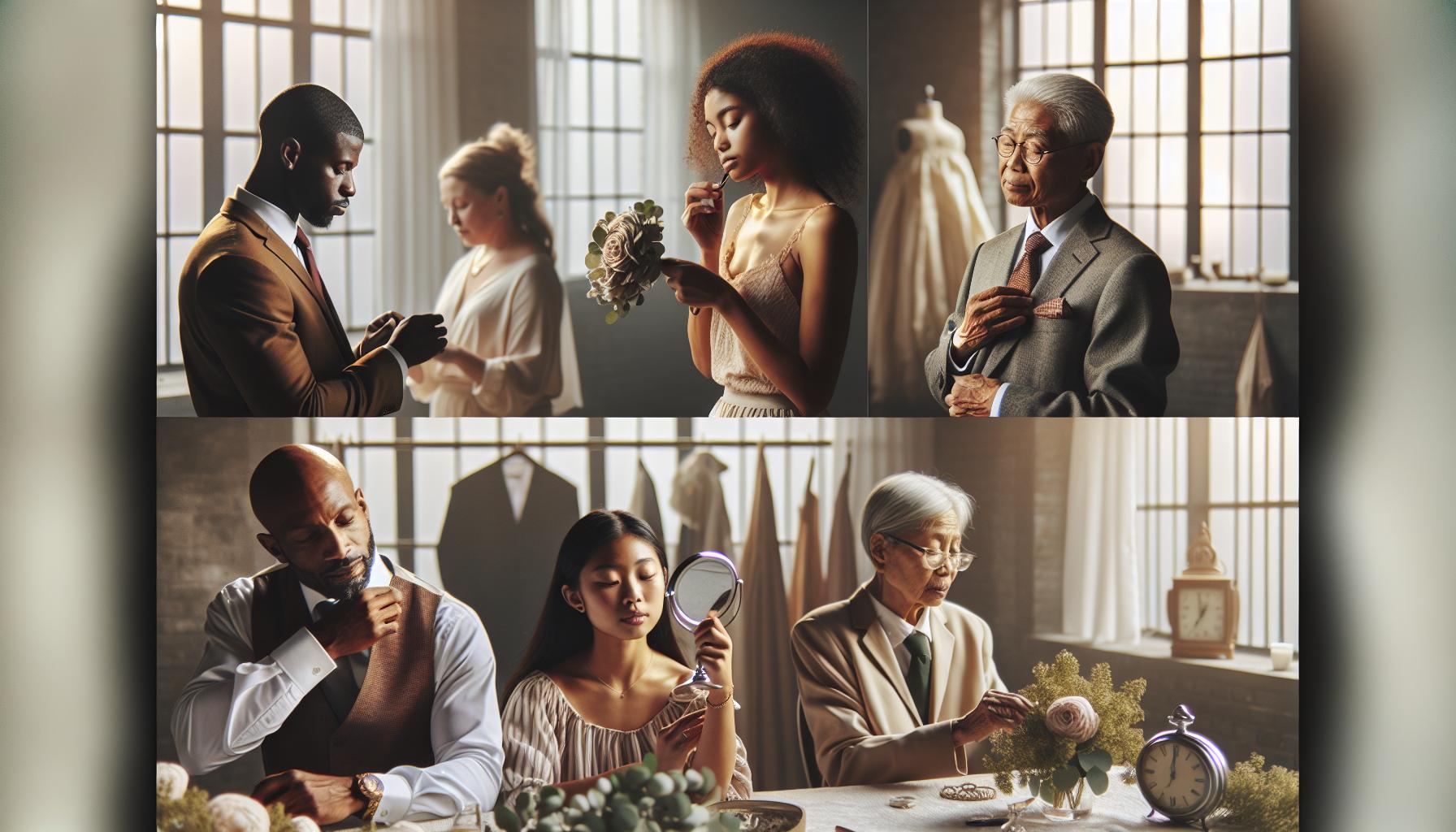
The morning of your wedding day is brimming with excitement, anticipation, and sometimes a sprinkle of nerves. This crucial time sets the tone for the rest of the day’s celebrations, making careful planning essential. Starting your day early-typically around six to eight hours before the ceremony-allows the bridal party ample opportunity to prepare without the stress of time constraints. If your ceremony is set for 4 PM, aiming for a 9 AM start lets everyone breathe and enjoy those special moments leading up to the big event.
Create a detailed schedule to ensure everyone knows their roles and the timing of key moments. Begin by organizing hair and makeup appointments, ideally with everyone getting their touches done within the same window. Incorporate time for wardrobe fittings and even a light breakfast to nourish the bridal party. This shared time reflects the unity and joy of the day, turning what could be a hectic morning into a memorable bonding experience. A checklist can help keep everyone focused and on track, avoiding any last-minute scrambles.
An effective timeline should also acknowledge the 15-minute buffer before guests arrive. This gentle cushion accommodates any last-minute alterations or calming moments needed. After all, the goal is for you and your loved ones to soak up every joyful aspect of the celebration. Remember, laughter and love are best enjoyed when everyone feels ready-physically and mentally. This sacred time before the ceremony not only prepares you to walk down the aisle but also allows for deep breaths and reflection on all that the day signifies.
In summary, embracing the preparations before the ceremony as a series of joyful moments can transform the day’s energy. When everyone is aligned, and the timeline has space for flexibility, you can truly enjoy the transformation into married life, with every laugh and joyous moment woven into the fabric of your wedding story. Keep your hearts full and your minds clear, as this is just the beginning of a beautiful journey together.
Timing the Ceremony: Processional and Vows
The moment of the ceremony is often described as the heart of a wedding day-a beautiful blend of anticipation, emotion, and joy. This is where two families become one, and love fills the air in a way that is both profound and transformative. Careful planning at this stage is critical to ensure that the processional and vows unfold seamlessly, allowing everyone to soak in these precious moments without disruption.
To begin with, establishing a clear sequence for the processional sets the tone. Typically, the order may include the wedding party, siblings, parents, and finally, the couple. Each participant should know where they need to be and when, which can eliminate confusion on the day of. A common recommendation is to have music cues that guide the processional, enhancing the atmosphere while signaling to each member when it’s their turn to walk down the aisle. This could be a traditional piece like Wagner’s “Bridal Chorus” or a modern song that reflects the couple’s unique story.
Once at the altar, the transition to the vows is pivotal. Couples often choose to personalize their vows, which may take a little more time to prepare but can add a deeply meaningful touch to the ceremony. It’s a lovely idea to rehearse this part; this way, both partners feel comfortable and confident expressing their feelings before their loved ones. Additionally, incorporating a moment of silence or a shared breath between vows allows for reflection and the realization of the commitment being made.
Essential Tips for the Ceremony Timing
- Rehearsal: Organizing a rehearsal a few days prior is invaluable. It not only familiarizes everyone with their roles but also helps the officiant pinpoint the timing required for various segments.
- Time Estimation: Typically, the processional can take about 5 to 10 minutes, depending on the number of participants and the distance they need to walk. Allocating around 15-20 minutes for the actual vows, including readings or musical performances, can also keep things flowing smoothly.
- Buffer Time: Just like the pre-wedding preparations, factor in buffer time for the ceremony. This might mean allowing an extra 10-15 minutes to account for any unexpected delays, such as last-minute wardrobe adjustments or a sentimental moment that may extend the vows.
By crafting a thoughtful timeline, couples can ensure that each cherished moment at the altar is fully experienced, capturing the essence of love and commitment. After all, this special occasion represents not just the union of two individuals but the beginning of a shared journey, filled with love, laughter, and countless beautiful memories.
Cocktail Hour: Making the Most of This Time
The cocktail hour is often a pivotal segment of the wedding day, bridging the gap between the ceremony and the reception while providing guests a chance to mingle and celebrate the couple in a relaxed setting. This delightful interlude allows for the atmosphere to evolve from the forms of the ceremony to the exuberance of the festivities ahead. Thoughtful planning during this hour can enhance the overall experience, ensuring that both the couple and their guests feel cherished and engaged.
To make the most of the cocktail hour, consider arranging a variety of entertainment options. Live music, such as a string quartet or a jazz trio, can infuse the ambiance with elegance and charm, while a DJ can inject energy into the space. Alternatively, interactive elements like photo booths or lawn games can encourage guest interaction and create joyous moments that are perfect for capturing in photos. Knowing the interests of your guests can inform these choices, catering to their tastes and preferences.
Additionally, food and beverages play a significant role in setting the tone for the hour. Offering a selection of signature cocktails can add a personal touch, and pairing them with an array of hors d’oeuvres can leave a lasting impression. Consider including both vegetarian and non-vegetarian options to accommodate different dietary preferences. If your venue allows, a fun twist could be a “tasting station,” featuring small samples of various cuisines that reflect both the couple’s background and the wedding theme. Remember, the goal is to keep guests satisfied and entertained while the newlyweds partake in photography or enjoy some quieter moments together.
Finally, ensuring that the cocktail hour runs smoothly is crucial. Coordinate with your planner or venue staff to confirm the timeline and any necessary transitions, like announcing the end of the cocktail hour to signal the start of the reception. This diligent orchestration will help avoid any rushed moments and create a seamless flow for both the couple and their guests, allowing everyone to relish this special time together.
Reception: Key Events and Timing Strategies
The reception is the vibrant heart of your wedding day, where the joyful celebration of love comes to life. Carefully orchestrating key events during this portion of the day not only keeps the energy flowing but also creates memorable moments that couples and guests alike will cherish. To ensure a seamless experience, it’s essential to have a defined timeline that outlines when various activities will take place, allowing everyone to savor the day without feeling rushed.
Start by planning the grand entrance of the newlyweds, a moment that sets the tone for the rest of the evening. This typically occurs after guests are seated, right before dinner is served. A well-timed entrance can incorporate meaningful elements, such as a special dance routine or a unique introduction that reflects your personalities. Following the entrance, you’ll want to schedule key events such as the blessing of the meal, toasts, and cake cutting. Timing is crucial here; allowing sufficient space between these events avoids a crammed schedule, granting everyone time to enjoy their meal and socialize.
Another important aspect of the reception is the dance schedule. Traditionally, the couple’s first dance is one of the highlights, usually kicking off the dancing segment of the evening. Following this, consider inviting parents and then the entire wedding party to join in. Keeping a flow to these dances not only keeps guests engaged but also creates opportunities for joyful interactions, as guests will often gather on the dance floor to celebrate with the couple. Allow for some fun transition time; perhaps a spotlight song that gets everyone up and moving can ignite energy in the room.
Don’t forget about the final moments of the reception, which are just as vital as the openings. Plan a grand send-off that reflects your style as a couple, whether that’s sparklers, confetti, or bubbles. This not only creates a picturesque ending but also gives guests a chance to shower their love as you embark on your new journey together. A smooth handoff to cleanup is essential as well; coordinating with your venue staff to manage this transition ensures that you can enjoy the end of the night without the stress of logistics.
Timelines can be a source of anxiety, so embrace the flexibility they offer. When unexpected delays or changes arise-a late vendor or an extended dance session-trust that a little spontaneity can add to the uniqueness of your celebration. Ultimately, the focus should be on love, laughter, and creating unforgettable memories as you celebrate your union with those who mean the most to you.
Post-Reception: Managing Send-Off and Cleanup
As the final moments of your enchanting celebration approach, the send-off becomes a moment filled with love, hope, and new beginnings. Picture this: you and your partner, enveloped in smiles, stepping into your new life as your guests cheer you on with sparklers, bubbles, or a shower of confetti. A thoughtfully orchestrated send-off not only creates a memorable visual but also serves as a beautiful conclusion to your wedding day narrative, a reminder to everyone present that love has triumphed.
To ensure a smooth send-off, planning is essential. Start by communicating with your venue about the timing and logistics involved. You want to coordinate your exit with the end of the reception to maintain momentum for your guests. Timing your send-off to coincide with dusk can also add a magical touch, enhancing your photos with an ethereal glow. If you’re opting for elements like sparklers or fireworks, check any local regulations and coordinate with your vendor to ensure safety and compliance.
Expert Tips for a Memorable Send-Off
- Choose Your Elements Wisely: Reflect on what best represents you as a couple. Options range from traditional rice or flower petals to more modern choices like smoke bombs or lanterns. Each option carries its own vibe, so select what resonates most with your personality and style.
- Involve Your Guests: Encourage guests to participate by providing materials ahead of time. If you’re using sparklers, for example, you can have them waiting on tables. This way, everyone is prepared and excited to participate when the moment arrives.
- Capture the Moment: Arrange for a photographer (or even a videographer) to be present for your send-off. These moments are fleeting and filled with emotion-the last chance to capture the joy of your celebration before you embark on your new adventure together.
Cleanup Coordination
While the send-off marks the end of the festivities, it’s also important to facilitate a smooth transition for cleanup. Here are a few strategies to consider:
- Designate a Point Person: Choose someone from your wedding party or a trusted friend to oversee the cleanup. This alleviates stress for you and ensures tasks are managed efficiently.
- Communicate with Your Venue: Understanding what your venue provides regarding cleanup can greatly influence your plan. Confirm what you need to take care of and what is handled by the staff.
- Pack Personal Items Ahead of Time: Create a checklist before the wedding day for items that need to be packed up at the end. This can include decorations, leftover favors, and gifts. Consider enlisting a few close friends to help gather these items, ensuring you leave with all the essentials.
In the hustle and bustle of wedding planning, it’s easy to overlook the end of the day, but with thoughtful planning and a positive outlook, managing your send-off and cleanup can be a joyous conclusion to a day full of love and celebration. Embrace these moments; they’re a part of your unique story, intertwining preparation with spontaneity, and making for unforgettable memories.
Tips for Flexibility: Handling the Unexpected
When it comes to planning a wedding, flexibility is key to navigating the unexpected, whether it’s a sudden rain shower, a tardy vendor, or a wardrobe malfunction. Embracing a mindset that is adaptable is crucial for ensuring that your day remains one of joy and love. After all, weddings are about celebrating your relationship, and sometimes, those unforeseen moments can lead to the most memorable stories.
To prepare for surprises, consider creating a contingency plan for various scenarios. For instance, if your ceremony is outdoors, have an alternate indoor location lined up or arrange for a stylish tent. Discuss these backup options with your venue and vendors ahead of time so everyone knows what to do if complications arise. Additionally, keep an emergency kit on hand that includes essentials like safety pins, stain remover, and extra make-up, so you feel equipped to handle any quick fixes that may be necessary throughout the day.
It’s also wise to allocate extra time in your schedule for important events. When creating your timeline, consider cushioning the transitions between different segments, such as allowing an extra 15 minutes for guests to arrive at the reception or for your wedding party to do a final touch-up before the photos. This buffer will give you the breathing room needed to adjust your plans without the stress of running behind schedule. Furthermore, having a trusted friend or family member in charge of this flexibility can help you stay calm and focused on enjoying your celebration.
Lastly, maintaining a positive attitude is essential. When things go awry, remind yourself that these moments will become cherished memories in your wedding story. Whether it’s laughing about a wardrobe mishap or dancing in the rain, the little hiccups make your day truly unique. Surround yourself with supportive loved ones who can uplift the atmosphere and help you navigate any unexpected twists, allowing your wedding day to unfold beautifully, no matter what happens.
Vendor Coordination: Ensuring Everything Runs Smoothly
Coordinating with your vendors is a critical part of ensuring a seamless wedding day, transforming your vision into a beautiful reality. The effectiveness of this coordination has a ripple effect on every aspect of the celebration-from the flow of the ceremony to the excitement of the reception. A well-structured wedding timeline not only guides your day but also serves as a vital communication tool with all your vendors, helping everyone understand their roles and responsibilities.
Communicate Clearly and Early
To kick off smooth vendor coordination, initiate contact with all your vendors well in advance. Share your finalized wedding timeline with them, ensuring they know what to expect and when. Host a pre-wedding meeting or call to discuss the schedule, key moments, and any unique elements that require extra attention. For example, if you’re incorporating a cultural tradition, let your caterer know when to prepare specific dishes, or inform your photographer about special moments you’d like captured, such as a first look or family traditions.
- Send a comprehensive timeline: Include arrival times, important rituals, and any other special instructions.
- Check-in before the big day: Confirm details and address any last-minute changes that may arise.
- Designate a point person: Assign a reliable friend or family member to coordinate with vendors on the day itself, freeing you to enjoy every moment.
Stay Flexible and Open
On your wedding day, the unexpected can happen, so be prepared to adapt. Share your philosophy of flexibility with your vendors beforehand, reinforcing that while the timeline serves as a guide, you understand adjustments may be necessary. For instance, if a vendor runs late, reassure them of your support and maintain a lighthearted attitude. Consider having a point of contact-such as a wedding planner or a trusted friend-whose responsibility is to resolve any coordination issues without bothering you, which will allow you to cherish the celebrations without unnecessary stress.
Fostering Relationships
Building a rapport with your vendors can also enhance the day’s overall experience. Thank them for their hard work, remain approachable, and communicate your appreciation throughout the planning process. A positive relationship will motivate them to go above and beyond to ensure everything runs seamlessly. For instance, a friendly rapport with your caterer might lead to special dishes or personalized touches, while a good relationship with your photographer might yield creative suggestions for capturing those fleeting moments.
By prioritizing effective vendor coordination and leveraging the power of communication, flexibility, and relationship-building, you can create a wedding day that flows effortlessly, allowing you to fully embrace the joy of your celebration. Every detail, from the first look to the final dance, deserves your undivided attention, and with the right planning and vendor support, your dream day can become a stunning reality.
Cultural and Traditional Variations in Wedding Timelines
A wedding day is often a beautiful tapestry of cultural significance and personal tradition, reflecting the couple’s shared values and heritage. As you create your timeline, it’s essential to consider how various cultural and traditional elements can influence the flow of the day. These variations not only enrich the celebration but also foster connection and authenticity, from the type of ceremony you choose to the rituals that mark significant moments.
Different cultures have their unique customs that could directly impact the timing of events throughout your wedding day. For instance, in a traditional Hindu wedding, the ceremony can be a multi-day affair filled with various rituals such as the Mehndi, Sangeet, and the actual wedding ceremony, each with its dedicated timeline. In contrast, most Western weddings follow a more consolidated schedule, often encompassing all key events in one day, from the ceremony to the reception. Recognizing these distinctions can help you create a more personalized timeline that respects and celebrates your cultural heritage while also accommodating modern considerations.
When incorporating cultural or familial traditions, it’s important to build them into your timeline thoughtfully. For example, if your family has a tradition of a “unity ceremony,” such as lighting a unity candle or a sand ceremony, include this in your post-ceremony events so that all guests understand its significance. Communication with your officiant and vendors about these elements ensures that everyone is prepared, helping you capture the essence of these moments through photography and videography.
Ultimately, a well-structured wedding timeline that incorporates cultural elements can harmonize various traditions while coordinating seamlessly with the day’s events. Whether you’re honoring your cultural roots or blending them with your partner’s customs, this thoughtful approach will lead to a more meaningful and joyful celebration. Embrace the unique tapestry of your backgrounds, and let each tradition guide you as you navigate your wedding day, making it even more memorable.
FAQ
Q: What is a wedding timeline and why is it important?
A: A wedding timeline is a detailed schedule that outlines every event of the wedding day, helping to coordinate activities smoothly. It ensures all vendors, guests, and participants are aligned, minimizes stress, and enhances the overall flow of the day. For more on its significance, check out the section on Understanding the Importance of a Wedding Timeline.
Q: How can I create an effective wedding day schedule?
A: To create an effective wedding day schedule, start by identifying key events and their durations, such as the ceremony, reception, and photos. Allocate buffer times to accommodate any delays and share the schedule with vendors. For detailed steps, refer to the Creating Your Wedding Day Schedule section.
Q: What are the essential elements to include in a wedding timeline?
A: Essential elements in a wedding timeline include the rehearsal, getting ready time, ceremony start, cocktail hour, reception events (such as speeches and first dances), and send-off. Each of these helps maintain order and ensures everyone knows where to be and when.
Q: When should I finalize my wedding timeline?
A: Finalizing your wedding timeline should ideally be done 4-6 weeks before the wedding. This allows for adjustments with vendors and ensures all parties are informed. Keeping your timeline flexible is important for handling any last-minute changes.
Q: How do I account for unexpected delays in my wedding timeline?
A: To account for unexpected delays, incorporate buffer periods between major events in your wedding timeline. Aim for 15-30 minutes of extra time, especially after the ceremony. This helps keep the day on track and allows for a more relaxed experience.
Q: What should I consider for timing during the ceremony?
A: When planning the timing during the ceremony, consider factors like the duration of vows, music selections, and the processional order. Coordination with your officiant and musicians ensures everything flows smoothly. More details are covered in the Timing the Ceremony section.
Q: How can I effectively plan my cocktail hour?
A: To effectively plan your cocktail hour, consider the duration, location, and activities to keep guests engaged. Ensure it begins promptly after the ceremony to allow for a seamless transition. Engage your guests with light entertainment or games during this time.
Q: What are the key events to include in the reception timeline?
A: Key events to include in the reception timeline are the couple’s entrance, toasts, first dances, dinner service, cake cutting, and any planned entertainment. Clear planning helps ensure that your special moments are highlighted and enjoyed by your guests.
To Wrap It Up
As you embark on the joyful journey of planning your wedding day, having an effective timeline in place is crucial for seamless transitions and cherished moments. By following our detailed hour-by-hour guide, you’ll ensure that no special moment is overlooked, allowing you to savor every aspect of your celebration. For further support, explore our resources on wedding vendor coordination and invitation etiquette-both vital elements for crafting the day of your dreams.
Ready to take the next step? Dive into our comprehensive guide on wedding ceremony traditions to enrich your planning experience and make meaningful choices. Don’t forget to join our newsletter for the latest tips and insights to help navigate the exciting phases ahead. Your perfect wedding day awaits-allow us to stand by you, turning your vision into reality. Feel free to share your thoughts or questions in the comments below; we love hearing from you!