Choosing how to wear your engagement and wedding rings can be both exciting and perplexing. Did you know that many couples are unsure about the correct order of their rings during the ceremony? Understanding which ring goes on first is crucial not only for maintaining wedding traditions but also for expressing your love story uniquely. This decision can reflect personal values and cultural customs that resonate with you and your partner. As you navigate this delightful stage of your wedding planning, it’s important to feel confident about the significance behind these symbols of commitment. Read on to discover the elegant practices surrounding ring placement, ensuring your special day reflects your love and intentions beautifully.
Which Ring Goes on First: Engagement vs. Wedding Band?
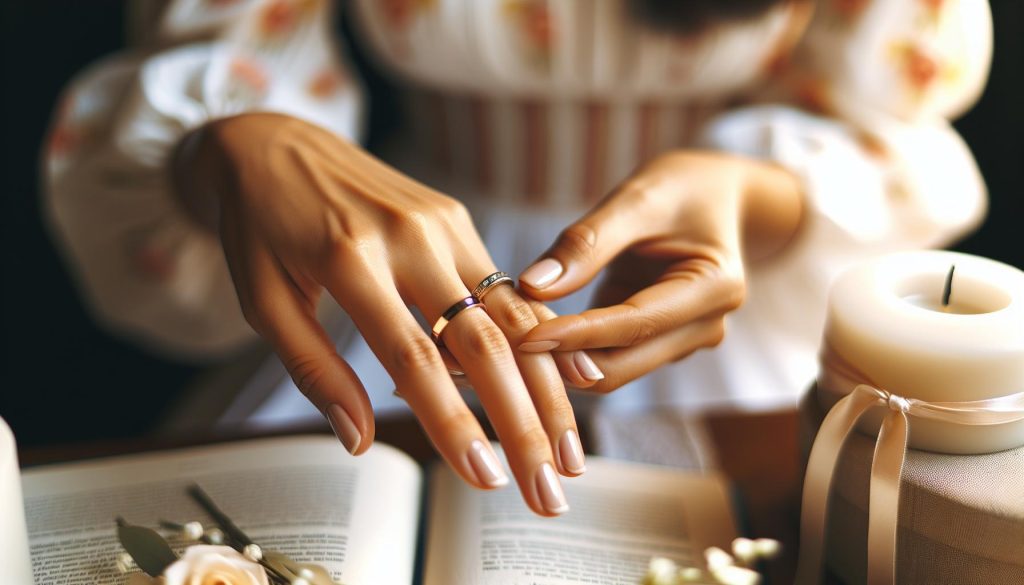
Wearing wedding rings is a meaningful tradition, but many couples find themselves wondering about the correct order for their engagement and wedding bands. The engagement ring typically goes on first, symbolizing the promise made before marriage, while the wedding band is placed on top during the ceremony, representing the formal bond of matrimony. This practice allows for a beautiful visual representation of your journey together, starting from the engagement to the wedding day.
When it comes to the actual placement, it’s often a matter of comfort and personal preference. Some opt to wear the wedding band closest to their heart for sentimental reasons, while others prefer the engagement ring on top for aesthetic appeal. The ring configurations can also depend on the design of each band. If both rings are designed to sit flush against each other, combining them can create a stunning stack.
For those considering non-traditional approaches, there’s plenty of room for creativity. Some couples choose to forgo the traditional stacking order entirely, especially if their style leans more rustic or eclectic. In some cultures, the engagement ring is worn on the right hand, while the wedding band occupies the left. Ultimately, the decision should reflect both partners’ styles and sentiments, creating a joyous celebration of their union.
In essence, there’s no strict rule-only love and personal expression guiding your choices. Embrace the process and enjoy each step toward your perfect wedding day.
Understanding the Symbolism of Each Ring
When you wear an engagement ring, it isn’t just a stunning piece of jewelry; it carries profound symbolism. At its core, the engagement ring signifies a promise-a commitment to love and partnership that precedes marriage. Traditionally, this ring is adorned with a dazzling diamond or similar gemstone, representing purity and the strength of the bond you are about to forge. Couples often find that the engagement ring serves as a reminder of this pivotal moment in their relationship, encapsulating shared dreams for the future.
On the other hand, the wedding band symbolizes the vows exchanged during the ceremony and represents eternal love. It is often simpler in design, meant to complement the engagement ring, serving as a physical manifestation of the promises made to one another on your special day. The circular shape of the band, with no beginning or end, embodies the idea of everlasting love and commitment. Its placement above the engagement ring further emphasizes the significance of the vows taken.
Understanding the symbolism behind each ring is essential for many couples when deciding which goes on first. It’s common to wear the engagement ring during the engagement period, reflecting the anticipation and excitement leading up to the wedding. During the ceremony, the wedding band is placed on top, signifying that the vows take precedence and solidify the union. However, personal preferences and cultural practices can also influence how you choose to wear your rings. Whether you follow tradition or create your unique style, what matters most is the meaning that each ring holds for your relationship, transforming them into cherished symbols of your journey together.
The Tradition Behind Ring Placement
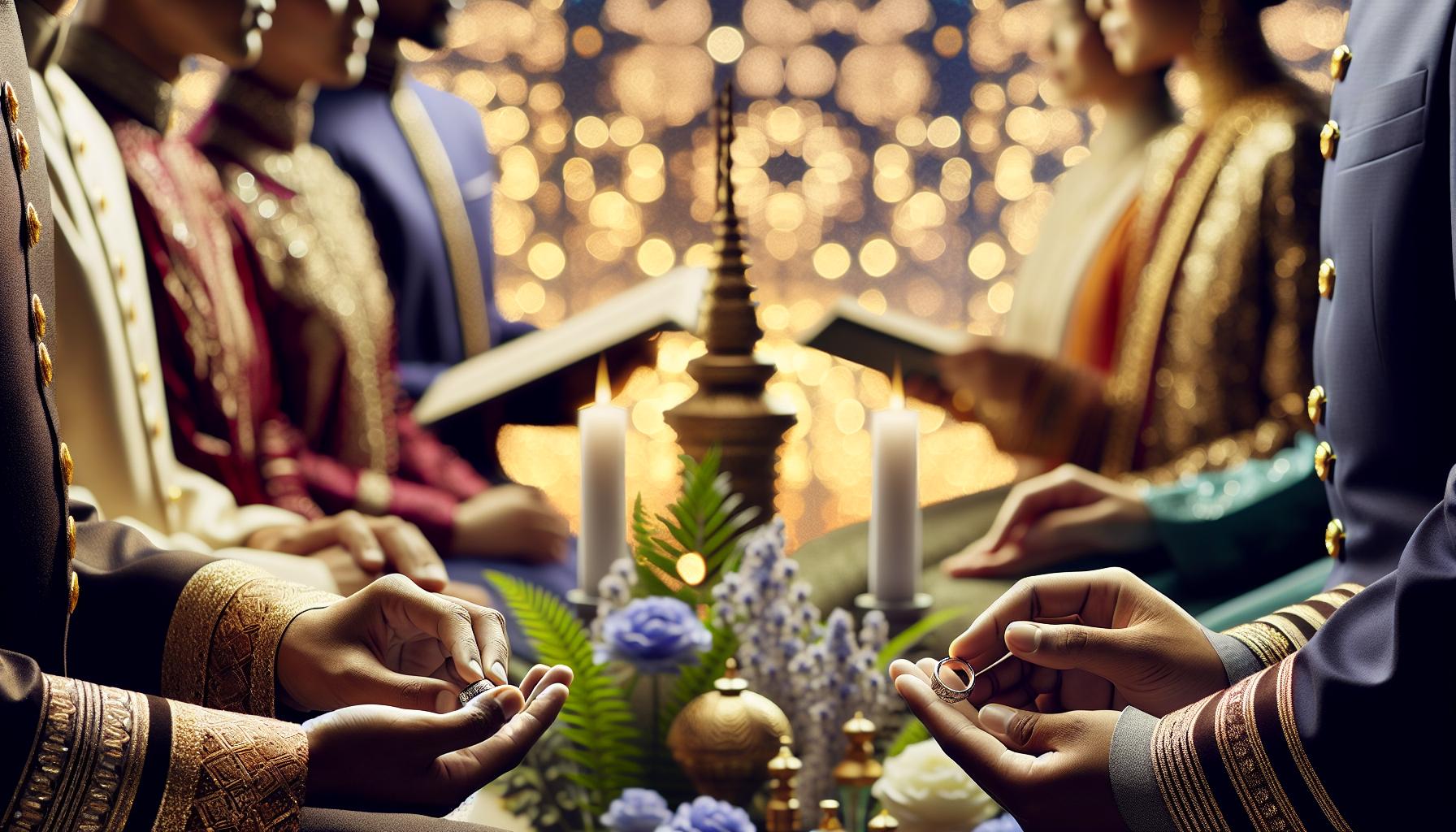
The significance of ring placement during the wedding and engagement process is steeped in tradition and rich symbolism. When it comes to the order of wearing your rings, cultural customs and personal preferences play integral roles. Typically, couples wear the engagement ring during the engagement period, showcasing the journey of love and commitment leading up to the wedding. This ring is worn on the fourth finger of the left hand, famously known as the “ring finger,” where it is believed a vein runs directly to the heart, signifying deep emotional ties.
During the wedding ceremony, the wedding band is placed atop the engagement ring. This act embodies the ritual of uniting two lives into one, elevating the significance of the vows exchanged on that day. The wedding band, often simpler and more understated than the engagement ring, represents the eternal nature of love-its circular form a lasting symbol of never-ending commitment. Many couples choose to rotate their rings after the ceremony, so the wedding band remains closest to their heart, symbolizing its primacy over time.
Although these traditional practices are widely observed, the beauty of modern weddings lies in their flexibility. Couples may opt for unique ways to showcase their love, such as wearing the engagement ring on another finger during the ceremony or even choosing contemporary styles that challenge conventional norms. Adding personalized touches-like engraving meaningful dates or symbols-can further amplify the sentiment behind your rings, transforming them into cherished tokens of your journey together.
Ultimately, the placement of your rings is as personal as the love they represent. Whether you follow time-honored traditions or carve your own path, what matters most is understanding the emotional weight behind each piece of jewelry. Embrace this special moment in your lives as a reflection of your commitment, individuality, and the love story you are creating together.
How to Choose the Right Ring Order
Choosing the right order for your engagement and wedding rings can be a delightful and personal decision that reflects your unique love story. This moment is not just about aesthetics; it’s a celebration of your commitment, and how you wear these rings can hold significant meaning. To help you navigate this important choice, consider the following aspects that can guide your decision.
First and foremost, the traditional approach places the wedding band on the bottom, closest to your heart, followed by the engagement ring. This order symbolizes that the wedding band, representing the vows exchanged, holds a primary significance in your relationship. However, it’s essential to remember that traditions can be adapted to suit your style. Some couples choose to wear their engagement ring on a different finger or opt for an alternative method that feels right for them. The key is to embrace what resonates with your journey together.
Additionally, think about personal style and comfort. If your engagement ring is adorned with intricate settings or a large stone, consider how it will fit with your wedding band. Choosing a simple band can complement a more elaborate engagement ring, while two matching or similarly styled bands can create a cohesive look. Experimentation is encouraged-try on your rings together before the big day to see how they stack and to find the most comfortable arrangement for your hands.
Other factors to consider include the significance of the rings representative of various milestones throughout your relationship. For instance, if you plan to wear your engagement ring daily after the wedding, it may feel more natural for it to go on top. Finally, remember that this is a moment for celebrating your uniqueness as a couple. Incorporating personal touches, like custom engravings or meaningful symbols, can enhance the significance of how and where you choose to wear your rings. Whatever your decision, make it yours, as it reflects the journey of love and commitment you are embarking upon together.
Exploring Different Cultural Practices
Engagement and wedding rings are rich in symbolism, and their placement can vary significantly across different cultures, reflecting unique customs and values. Understanding these diverse practices not only broadens your perspective but also allows for a more personal and enriched wedding experience. For instance, in many Western cultures, the wedding band is traditionally placed on the fourth finger of the left hand, where it’s believed a vein, often referred to as the “vein of love,” connects directly to the heart. The engagement ring is typically worn above the wedding band, symbolizing the order of commitment: the wedding band signifies a lifelong vow while the engagement ring represents the promise that led to the union.
However, this sacred order is not universally practiced. In some Eastern European countries, such as Russia and Poland, both the engagement and wedding rings are worn on the right hand. Here, the wedding band is often given during the engagement as well, thus it is common to see couples celebrating their union with both rings worn together from the start of their journey. Similarly, in certain Asian cultures, the placement of rings can emphasize familial roots and heritage, with family trees often depicted in artistic designs of the rings themselves, showcasing unity and lineage.
Beyond the engagement and wedding ring placement, other cultural traditions can also profoundly influence ring selection and significance. For example, in the Jewish tradition, the wedding band is often a simple gold band, representing holiness and purity, and is traditionally placed on the bride’s index finger during the ceremony before being moved to the ring finger. Furthermore, in some African cultures, couples may exchange braided or woven rings as symbols of a bond that is both physical and spiritual, reflecting their culture’s focus on community and support.
Embracing these rich traditions allows couples to weave their values and heritage into their wedding day. Whether choosing classic Western practices or incorporating unique cultural elements, the key is to prioritize what resonates with you as a couple. Taking the time to explore these customs not only enriches the meaning behind your rings but also allows you to celebrate your love story in a way that honors your backgrounds and beliefs.
Ultimately, understanding the various cultural practices surrounding engagement and wedding rings can lead to a deeper appreciation of this important symbol of commitment. As you plan, consider the significance of your chosen customs and how they can uniquely reflect your journey together.
Tips for Stacking Rings: Style and Comfort
Finding the perfect way to wear your engagement and wedding rings can be as delightful as choosing them. Ring stacking has become a popular trend, offering couples a chance to showcase their unique styles while celebrating their love. However, keeping comfort and aesthetics in mind is essential for creating a beautiful and practical look.
When considering how to stack your rings, think about the metal types and designs you’re combining. Mixing rose gold with yellow gold creates a stunning contrast, while pairing similar metals can offer a more cohesive appearance. Additionally, layer rings with varying widths; a broader wedding band beneath a slender engagement ring can create depth and interest. Consider these tips to ensure your stacked look is both stylish and comfortable:
- Choose Complementary Styles: Look for engagement and wedding rings that complement each other’s design elements, whether through matching gemstones, engravings, or similar aesthetics, to create a harmonious appearance.
- Pave Rings for Added Sparkle: If you’re seeking extra bling, consider adding pave-styled bands or rings with smaller stones that can hug your main pieces without overwhelming them.
- Prioritize Comfort: Ensure that all rings fit well and do not rub against each other or your skin. Ring guards or sizing beads can help maintain the perfect fit.
- Experiment with Placement: Don’t hesitate to switch the order of your rings. Some prefer the wedding band closest to the heart with the engagement ring on top, but others enjoy a distinctive look with the engagement ring on the bottom.
Bringing your personal flair into the mix can include using color gemstones or intricate designs in your wedding band and engagement ring. These elements can tell your love story in ways that feel special and unique to you.
Ultimately, stacking rings is all about celebrating your love story while prioritizing comfort and style. Take your time, try different combinations, and enjoy the process as you create a look that feels distinctly yours. Whether you lean towards classic elegance or modern flair, the joy is in finding something that resonates with you as a couple.
What to Consider When Choosing Rings
Choosing the perfect rings to symbolize your commitment is a journey filled with heartwarming moments and important decisions. As you embark on this exciting path, understanding what to consider when selecting your engagement and wedding bands can elevate the experience, making it as meaningful as the vows you will exchange. Both rings are a celebration of love, each carrying its own significance and style, so it’s essential to find pieces that resonate with your unique love story.
When selecting engagement and wedding bands, start with the metal type that best represents your style. Popular choices include classic gold, elegant platinum, romantic rose gold, and trendy white gold. Consider how these options complement your other jewelry and fit your everyday lifestyle. For example, if you work with your hands, a simpler band may be more practical and comfortable. The gemstone choice for the engagement ring also plays a crucial role; whether you opt for a classic diamond, a colorful sapphire, or a unique opal, ensure it harmonizes with your wedding band.
Ring size and comfort are equally important factors. Your rings will be worn daily, so make sure they fit perfectly and feel comfortable on your hand. It’s wise to get your finger measured at different times of the day, as swelling can alter the size. Additionally, consider how the rings will stack together. Some couples prefer a seamless look where both rings are designed to sit flush against each other, while others embrace a more eclectic style that showcases their individuality.
Lastly, think about personalization. Many couples choose to engrain meaningful messages or dates on their bands, adding an intimate touch that reflects their relationship. Whether you go for engraved initials, a romantic quote, or even a special symbol, these personalizations can transform your rings into cherished keepsakes. As you make these decisions, remember that what’s most important is that your rings feel true to you as a couple, allowing you to celebrate your love in a way that feels authentic and special.
Personalizing Your Wedding and Engagement Bands
Making your engagement and wedding bands truly yours can turn a simple piece of jewelry into a profound symbol of your love story. Personalization allows you to express individuality, commitment, and shared memories in a way that resonates deeply with you as a couple. Whether it’s through engravings, unique shapes, or incorporating meaningful details, these small touches can add layers of significance to your rings.
Engravings: A Secret Message
One of the most popular ways to personalize your rings is through engravings. Choosing to inscribe a phrase, date, or initials on the inner band of your ring can serve as a charming reminder of your commitment. Think about what holds meaning for you-this might be the date you met, a favorite quote, or even a nickname that encapsulates your relationship. You can keep it traditional or opt for something whimsical; it all depends on what feels right for your unique bond.
Choosing Unique Gemstones or Designs
Another exciting avenue for personalization involves selecting unique gemstones or custom designs that reflect your taste and style. While diamonds remain timeless, consider opting for alternative stones that hold specific meaning or symbolize key elements of your relationship. For instance, a sapphire could represent loyalty, while an emerald can signify rebirth. Moreover, collaborating with a jeweler to create a custom ring with distinctive engravings or settings can yield a one-of-a-kind piece that mirrors your journey together.
Stacking for Style and Sentiment
As you envision how your rings will sit together, think about the way you wish to stack them. Personalizing the order of your engagement ring and wedding band can create a beautiful, layered look that conveys your style. Some choose to keep the engagement ring on top, symbolizing that the promise to marry comes first, while others prefer a more eclectic arrangement that showcases both rings equally. This little choice can reflect your individual tastes while creating harmony between your rings.
Ultimately, the personalization of your wedding and engagement bands is all about celebrating your love in a way that feels most authentic to you. Consider a blend of tradition and contemporary flair, incorporating symbols that are meaningful to your relationship. Embrace this joyful opportunity to express who you are as a couple-this is just one of many beautiful steps on your journey toward a lifetime of togetherness.
Dealing with Engagement Ring Resize or Adjustments
Finding the perfect fit for your engagement ring is crucial, as it not only symbolizes your love but is also worn daily. However, it’s not uncommon to encounter sizing issues, whether the ring is slightly too tight or loose. Fortunately, resizing your engagement ring is a straightforward process that can ensure your ring fits comfortably, allowing you to wear it with pride during your wedding and beyond.
First, it’s essential to understand how resizing works. Most jewelers can adjust the size of your ring by either adding or removing material from the band. Typically, a ring can be resized up or down by about two sizes, but it’s best to consult with a jeweler for specific limitations regarding your ring’s design and setting. For instance, rings with intricate designs or those with a significant gemstone or side stones may require special care when resizing.
If your engagement ring is too loose and you find it spinning around your finger, there are several temporary solutions. Using ring guards-small, adjustable bands-can help keep your ring in place until you can have it resized. If your fingers tend to swell, especially during emotional moments such as your wedding day, having the ring designed to fit snugly is worth considering.
When you’re ready to resize, select a reputable jeweler with experience in engagement rings. Be sure to communicate clearly about any concerns you have regarding the details of your ring, from the stones to the metal type, as these factors play a role in the resizing process. After resizing, don’t forget to check the alignment of your stones and the overall integrity of the ring, ensuring it retains its sparkle and beauty.
In your wedding planning journey, taking the time to ensure your engagement ring fits perfectly is a small yet significant step. It ensures that your symbol of love feels comfortable and secure, allowing you to focus on the joyous moments that lie ahead on your wedding day and throughout your life together.
Understanding Ring Insurance and Protection
Ensuring the protection of your engagement and wedding rings is just as vital as selecting the perfect designs-they symbolize love, commitment, and the journey you are embarking on together. While it’s tempting to focus solely on the aesthetics, it is crucial to also consider how you’ll safeguard these precious pieces. Jewelry can represent not just an emotional investment but also a financial one, and understanding ring insurance is a key part of protecting that investment.
Start by evaluating what type of coverage you might need. Many standard homeowners or renters insurance policies have limitations on jewelry coverage, often imposing sub-limits that could leave your valuable pieces underinsured. Therefore, it’s wise to explore adding a rider to your existing policy or investing in a standalone jewelry insurance policy. An insurance rider allows you to specify certain items-such as your engagement and wedding rings-for coverage that meets their full value. This option often offers coverage against theft, loss, and damage, providing peace of mind as you wear these symbols of your love daily.
When insuring your rings, it’s vital to document their details thoroughly. Obtain a professional appraisal for both the engagement ring and the wedding band and retain copies of the purchase receipts. High-quality photographs, ideally taken before and after the rings are inscribed or altered, can also serve as useful documentation in the event of a claim. Ensure that you fully understand your coverage options, including deductibles, limits on depreciation, and the claims process. In case of any unfortunate event, having a clear understanding can save you a lot of stress and heartache.
Lastly, remember that even with insurance, regular maintenance checks can prevent potential damage. Have your rings inspected by a jeweler periodically to ensure that the settings are secure and stones are undamaged. This proactive approach, combined with comprehensive insurance coverage, ensures that your rings stay safe, sparkly, and true symbols of your love for years to come.
When to Start Shopping for Your Rings
As soon as the joyous engagement moment passes, the excitement often shifts to selecting the perfect rings that will symbolize your love story. While it might seem tempting to start shopping for your engagement and wedding bands immediately, a thoughtful approach can help you make decisions that resonate with your style and budget. Generally, it is recommended to begin your search for the engagement ring about three to six months before the proposal. This timeline allows for ample research, adding a personal touch, and ensuring that you select a ring that reflects your beloved’s taste and preferences.
When the engagement is official, couples frequently turn their attention to wedding bands, ideally starting this process at least four to six months before the wedding date. This gives you time to explore different styles, metals, and engravings to complement the engagement ring perfectly. Consider setting weekends aside for ring shopping together; this collective decision-making can enhance the experience and allow you both to express your individuality while choosing something that aligns beautifully.
Another factor to consider is the seasonal availability of styles and materials, especially if you have your heart set on a particular designer or artisan. Many jewelers create unique pieces in limited batches, so starting early ensures you won’t miss out on a ring that captures your heart. Planning ahead also means you can take advantage of any holiday sales or special promotions that could make your chosen pieces more affordable.
Lastly, allow yourself the flexibility to make adjustments. Perhaps you want to resize the engagement ring to ensure comfort or add a matching band that can be custom engraved. Starting early provides the breathing room needed to handle these details without the stress of looming deadlines, allowing for a more enjoyable planning process. Remember, each ring tells a story, so take the time to find the perfect symbols of your love!
Engaging Alternatives: Non-Traditional Ring Options
In today’s world, love stories often transcend traditional norms, allowing couples to express their personalities and values in unique ways. As you embark on the ring selection journey, consider a variety of non-traditional options that not only symbolize your commitment but also reflect your individuality and shared experiences. Opting for alternative rings can be a beautiful way to celebrate your partnership while defying conventional expectations.
One popular non-traditional option is the use of unique gemstones instead of classic diamonds. Gemstones such as sapphires, emeralds, or lab-created stones can provide vibrant colors and significant meanings that resonate with your relationship. For instance, sapphires symbolize loyalty and nobility, making them a heartfelt choice for an engagement ring. Additionally, many couples are embracing vintage or heirloom pieces, which carry stories of love from previous generations. This choice not only adds a layer of history but also makes your ring truly one-of-a-kind.
Custom-designed rings are another fabulous way to showcase your style. Working closely with a jeweler, you can create a piece that embodies your journey together-perhaps featuring intertwined bands to signify your union or engravings of meaningful symbols or dates. If sustainability is a priority for you, consider recycled metals or ethically sourced stones, ensuring that your love story doesn’t come at a cost to the environment.
When determining the perfect ring order, remember that personal expression takes precedence. Pairing your engagement ring with a wedding band that complements its style or setting can create a stunning visual effect. Don’t shy away from stacking rings of different styles, textures, and materials; this approach not only creates a dazzling look but also tells an evolving story of your love journey. As you explore these engaging alternatives, celebrate the beauty of choice-your rings should be as exceptional and unique as your love itself.
Q&A
Q: Which ring do you wear first, the engagement ring or the wedding band?
A: Typically, the wedding band is worn closest to the heart, so it is placed first on the finger, followed by the engagement ring. This symbolizes the order of commitment, with the wedding band representing the formal promise of marriage.
Q: Can I wear my engagement ring and wedding band on different hands?
A: Yes, you can wear your engagement ring and wedding band on different hands if you prefer. This choice is personal and can reflect your style. Just ensure that both rings are comfortable and complement your overall look.
Q: Is there a specific way to stack an engagement ring and wedding band?
A: When stacking, place the wedding band first on the finger and then add the engagement ring. Many choose to adjust the style by having the engagement ring sit slightly above the wedding band for aesthetic appeal. Exploring different designs can help find a comfortable fit.
Q: What if my engagement ring doesn’t fit well with my wedding band?
A: If the rings don’t fit well together, consider ring resizing or choosing a wedding band that complements the shape of your engagement ring. Another option is a fitted wedding band designed to accommodate the engagement ring’s design.
Q: Are there cultural variations in wearing engagement and wedding rings?
A: Yes, cultural practices vary significantly around the world. For example, in some cultures, both rings are worn on the left hand, while in others, they’re worn on the right hand. Understanding these traditions can help in choosing how to wear your rings.
Q: Should the rings be made of the same metal?
A: While it’s not necessary for the engagement ring and wedding band to match in metal type, many couples prefer a coordinated look. Choosing complementary metals or styles can enhance the overall aesthetic when worn together.
Q: What considerations should I make when choosing to stack my rings?
A: Consider the comfort, fit, and style of both rings when stacking. Ensure the rings do not pinch or rub against each other. Opt for designs that harmonize well and reflect your personal style, whether minimalist or more ornate.
Q: How can I personalize my wedding band to match my engagement ring?
A: Personalization options include engraving meaningful dates or initials on the wedding band. You might also explore matching gemstones or unique designs that echo the style of your engagement ring, making them an integrated set.
In Summary
Choosing the right sequence for your engagement and wedding bands is a significant decision that symbolizes your love and commitment. Remember, the wedding band traditionally goes on the finger first, followed by the engagement ring, ensuring that this cherished symbol sits closest to your heart. If you’re eager to explore stunning engagement rings that reflect your unique style, don’t miss our curated selections at Brilliant Earth and Tiffany & Co..
Feeling unsure about the perfect ring design or style? Dive into our extensive guides for inspiration, tips on selecting the best metal and stone combinations, or even custom design options. Share your thoughts or questions in the comments below, and join our community of lovebirds celebrating their journeys. Every moment counts, so don’t wait-start exploring your perfect rings today and make your love story even more memorable!