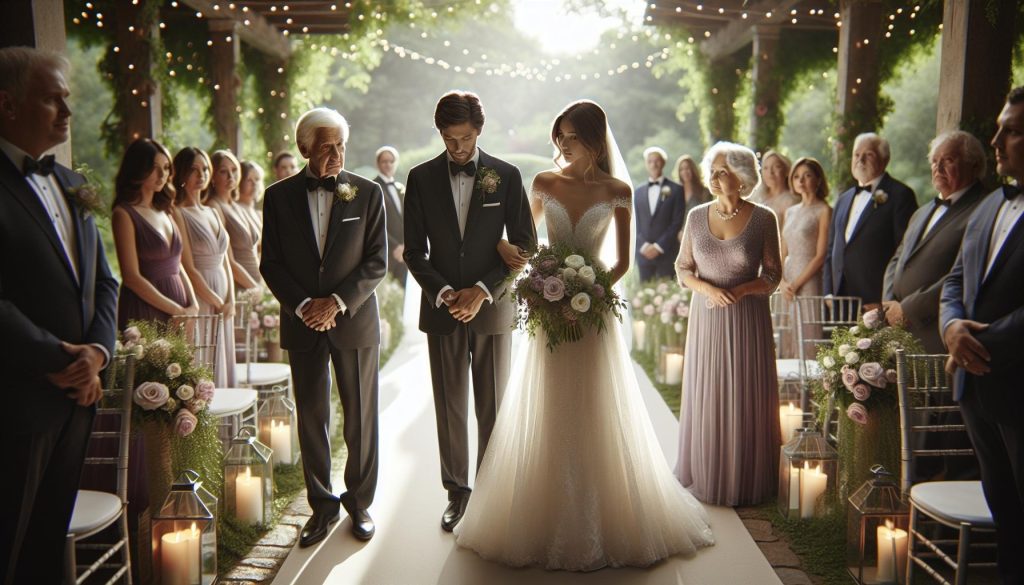
The moment a bride walks down the aisle is one of the most poignant in any wedding ceremony, symbolizing love, unity, and the beginning of a new chapter. Yet, deciding who will escort her can often spark confusion and concern among couples. This Modern Escort Etiquette Guide addresses those uncertainties, providing clarity on traditional roles while honoring contemporary practices. Whether you envision a childhood hero, a beloved family member, or a close friend by your side, this guide will help you navigate this significant choice with confidence and grace. As we explore various perspectives and traditions, you’ll find inspiration to customize your wedding experience, ensuring it reflects your unique love story. Prepare to embrace this cherished moment, grounded in a sense of belonging and connection as we delve deeper into this important part of your wedding journey.
Who Should Walk the Bride Down the Aisle?
Walking down the aisle is one of the most poignant moments of a wedding, filled with emotion and anticipation. Traditionally, a father often plays the role of the escort, symbolizing the support and protection he has provided throughout his daughter’s life. However, the modern approach embraces a myriad of possibilities, allowing each bride to choose an escort that resonates deeply with her personal journey and familial ties.
When considering who should accompany the bride, there are several options to explore. While many brides still opt for their fathers, others may choose a step-parent, an older brother, a grandfather, or even a close friend who has been a significant influence. The key is to reflect on the relationships that hold the most meaning. It can be helpful to envision the moment and how it will feel to walk towards a new life with someone who embodies love and support.
In certain situations, the bride may wish to walk down the aisle alone or alongside her partner, symbolizing equality and partnership. This increasingly popular choice resonates with many couples today seeking to redefine wedding traditions. Additionally, for those facing sensitive family dynamics or estranged relationships, it’s important to communicate openly about preferences and feelings in advance. Ultimately, the decision should prioritize the bride’s comfort and the joy of the occasion, ensuring that the experience is memorable, personal, and reflective of her unique story.
With all these considerations, it’s vital to confirm the escort’s role during wedding planning discussions. This clarity will help set expectations and make for a smoother processional on the big day, allowing the focus to remain on the love and commitment being celebrated.
The Role of Fathers and Other Family Members
Walking down the aisle is not just a physical act; it’s a deeply symbolic moment filled with emotion, connection, and tradition. in this pivotal moment can set the tone for the entire ceremony. Traditionally, fathers have taken center stage, guiding their daughters toward the altar as a gesture of love, support, and the transitioning of responsibility. This moment signifies the father’s lifelong support and the blessing for the daughter to embark on her new journey.
However, in today’s diverse landscape of relationships, many brides articulate a desire for this role to be filled by someone other than their father. It might be a step-parent who has been a pillar of support, an older brother who shares a bond of companionship, or even a beloved grandfather who represents cherished family history. For some, selecting a close friend who has been an unwavering presence in their life feels right, providing a more personal touch that resonates with their unique story. Each choice should reflect the bride’s personal relationships and the significance each person holds in her life.
In certain cases, the bride may decide to walk down the aisle alone or side by side with her partner. This powerful statement not only emphasizes equality but also embodies the modern approach to marriage where both individuals are equally committed to the journey ahead. Couples may share the moment together, symbolizing their partnership from the very start, which can be especially meaningful for those who wish to break from traditional norms.
Whatever the choice may be, open communication about the role of the escort is vital. Discussing preferences in advance helps to manage expectations and respect feelings on both sides of the relationship. Remember, the essence of this moment is to create a processional that feels genuine and filled with love. A heartfelt escorting moment, no matter who fulfills the role, enhances the beauty of the wedding and adds a personal touch that makes it truly memorable.
To ensure the day flows seamlessly, consider offering a little guidance to your chosen escort. Practice walking the aisle together, discuss how you’d like the moment to unfold, and ensure they know the best approach to take as you make your entrance. Embrace the specialness of this decision, and let it be a reflection of the relationships that have shaped you, celebrating the love that surrounds you on your wedding day.
Cultural Influences on Escort Decisions
Cultural traditions play a significant role in shaping the experience of weddings, particularly when it comes to who walks the bride down the aisle. Across the globe, different cultures have unique customs and practices that influence this pivotal moment. For instance, in many Western cultures, it is customary for the father to escort the bride, symbolizing a transfer of responsibility. However, in other cultures, such as certain Native American and Hispanic traditions, the role may extend to multiple family members or community leaders, emphasizing the collective support around the bride.
The choice of escort can also reflect a family’s heritage and the values they cherish. In some Asian cultures, both parents may walk their child down the aisle together, signifying a united front and the acknowledgment of both sides of the family in the marriage. Conversely, in cultural contexts where matriarchy is embraced, the mother may take on this role, showcasing differing familial structures and honoring their importance in the bride’s life.
When considering the , it’s essential for couples to embrace their backgrounds while also respecting the wishes of all involved. It can be a beautiful opportunity to blend traditions; for example, a couple may choose to honor both families by having a parent from each side escort the bride, creating a moment rich with meaning and significance. For many, it becomes a way to weave personal stories and cultural heritage into the wedding ceremony, highlighting the love and support that surrounds them as they take this important step.
Moreover, it’s vital for couples to initiate open conversations about traditions with their families. Engaging in these discussions allows for more inclusive practices and can help navigate any potential conflicts that might arise from differing expectations. By cultivating a dialogue that honors their diverse influences, couples can create a processional that is not only beautiful but also deeply reflective of their journey, building a ceremony that resonates with everyone present.
Understanding the Bride’s Wishes and Preferences
Embracing the bride’s vision for her wedding can transform the experience of being escorted down the aisle into a deeply personal and meaningful moment. It’s essential for couples to understand that the choice of who walks the bride down the aisle should resonate not just with tradition, but also align with her preferences and emotional desires. Each bride brings her unique story, and choosing her escort, whether it be a parent, sibling, friend, or even a beloved pet, should reflect her individuality and the connections that matter most.
When considering the bride’s wishes, open communication becomes vital. Discussing who she envisions by her side can illuminate feelings regarding family dynamics, nostalgia, and support. Whether she feels strongly about tradition or is inclined toward a more contemporary take can guide decisions. For some, having a parent is a non-negotiable symbolic gesture; for others, involving a chosen mentor or close friend may feel more authentic. Listening to her thoughts allows for a clearer understanding of what the moment means to her, fostering an atmosphere of love and collaboration in wedding planning.
Additionally, brides should feel empowered to break norms and craft a processional that mirrors their journey. For example, a bride may opt for her mother-a reflection of the strong, supportive women in her life-or she might choose to walk solo, highlighting her independence. Or perhaps she envisions a blended approach, where multiple loved ones share the moment, making it a celebration of community rather than a singular dynamic. Flexibility in traditional roles can result in a captivating processional that feels right for the couple.
Ultimately, the most important aspect is that the bride feels cherished and celebrated as she walks toward her future. Her wishes and preferences should be the guiding light as she prepares to make unforgettable memories on this special day. By prioritizing her desires, couples can honor personal connections, cultivate a supportive atmosphere, and ensure that every step down the aisle is filled with the joy and love that marriage signifies.
The Importance of Communication Before the Wedding
Navigating the waters of wedding planning can be as challenging as it is exhilarating, especially when it comes to making choices about significant moments like who walks the bride down the aisle. Clear and open communication is pivotal to ensuring that every detail aligns with the bride’s vision for her special day. By discussing these preferences well before the wedding, couples can not only ease anxieties but also foster a deeper understanding of familial and sentimental dynamics that may influence this important decision.
Engaging family members and loved ones in these conversations can unearth their feelings and expectations, which is particularly important if there have been past conflicts or unresolved issues. Before settling on an escort, the bride might share her thoughts with those involved, whether it’s her father, mother, siblings, or close friends. This approach not only honors their input but also paves the way for an amicable understanding of different roles and alternatives that might resonate better. For instance, a bride might discover that her mother wishes to share the spotlight by walking alongside her or that a sibling feels a strong desire to step forward in this role.
Additionally, open dialogue allows for the expression of any concerns regarding traditional norms versus personal wishes. Some may feel the weight of expectation to follow conventional customs, like being escorted exclusively by a father figure. However, by openly articulating her desires, the bride can define her processional experience-be it a solo entrance, a joint procession, or a combination that highlights multiple cherished relationships. This flexibility can transform a typical ceremony into a beautiful tapestry of connections, truly representing the bride’s journey and community.
As the wedding date approaches, regular check-ins with those involved can ensure everyone feels at ease and supported. Couples are encouraged to communicate any updates or changes to the plan, fostering a sense of unity and shared purpose moving into the big day. In the end, prioritizing genuine communication not only streamlines logistics but also enriches the emotional fabric of the wedding, creating an atmosphere filled with joy and love as the bride takes each step down the aisle.
How to Choose a Meaningful Escort Experience
Choosing the right person to walk you down the aisle is a decision brimming with emotion and significance. This moment is a celebration of love and relationships and should resonate deeply with your personal story. Start by reflecting on the connections that mean the most to you: Who has been your steadfast supporter? Who has shared in your joys and challenges? This introspection can lead to a clearer vision for who will accompany you on this momentous day.
One important approach is to consider the various family dynamics and wishes at play. In traditional settings, it’s often a father figure escorting the bride; however, this norm can be flexible depending on your personal circumstances. For example, if a bride’s father has passed away or she has a complicated relationship with him, she might choose to walk down the aisle alone, escorted by a sibling, mother, or a close friend. This choice can honor her relationship with those who have consistently uplifted and supported her, creating a more meaningful connection at the moment.
While contemplating your escort, communicate openly with those you’re considering involving in this special role. Each interaction can reveal different perspectives and feelings that could help define your processional experience. Perhaps your mother wishes to walk alongside you, symbolizing her support while also allowing you to showcase your individuality. Alternately, you might discover that a friend or mentor has an immense desire to play this role, offering you joy at that moment. The key is to have heartfelt discussions to gauge feelings and expectations honestly.
Ultimately, the escort experience should reflect your values and relationships, making it an unforgettable part of your wedding day. Focus on building your processional to be a harmonious symphony of love and connection-whether that means walking solo, inviting various loved ones, or combining traditions in a way that feels authentic to you. Embracing the uniqueness of your situation will ensure that your walk down the aisle is a celebration of not just your love story but also the people who have supported you throughout your life.
Handling Difficult Situations: Estranged Relationships
In moments filled with love and joy, the presence of estranged family members can add a layer of complexity that few couples anticipate. Navigating relationships where tensions exist, especially with a parent or sibling, requires thoughtful consideration and a delicate touch. It’s crucial to approach such situations with empathy and a clear understanding of your own desires for the wedding. While the traditional image of a father escorting the bride remains a cherished ideal, for some, this may not be a possibility. Therefore, you might find yourself asking: who else could take on this pivotal role, or how can I make my walk down the aisle meaningful despite estrangement?
One option is to involve someone who has always been a source of support, whether that’s a grandparent, sibling, or close friend. This can create an opportunity to honor relationships that have nurtured you throughout your life. Alternatively, some brides choose to walk down the aisle alone, embracing a moment that celebrates their independence and strength. This choice can speak volumes to the journey you’ve made, allowing you to take center stage as you step into a new chapter of life. Whichever path you choose, it’s essential to prioritize your comfort and happiness over traditional expectations.
Communicating with Loved Ones
If dealing with estranged family members is unavoidable, open communication can be invaluable. Before the big day, consider reaching out to the estranged family member to express your feelings and intentions. A candid discussion about your wedding plans might pave the way for a more positive interaction when the time comes. If a face-to-face conversation is not feasible, a heartfelt note or phone call can help set the stage. Establishing boundaries regarding their behavior at the event might also be necessary, ensuring that you can cherish your day without undue stress.
When planning your processional, it may also be helpful to involve a trusted confidante, such as a wedding planner or a close friend, who can provide guidance and support. They can help mediate family interactions or preemptively discuss any potential issues that may arise. Understanding that it’s entirely normal to have mixed feelings about these dynamics is vital; feeling a range of emotions is part of the human experience.
Through these measures, you can create a wedding atmosphere that reflects love and support rather than estrangement. Ultimately, this day is about you and your partner, and with careful planning and thoughtful decision-making, you can forge a path that honors your unique story while celebrating the love that surrounds you. Consider these moments not just as logistical challenges, but as opportunities to demonstrate resilience and to reflect on the importance of chosen family, friendships, and personal growth.
Inclusive Practices for Same-Sex Couples
In the vibrant tapestry of modern weddings, same-sex couples have the opportunity to create deeply personal and meaningful ceremonies that reflect their unique love stories. When it comes to the question of who walks you down the aisle, tradition meets innovation in beautiful ways. There are no hard and fast rules; instead, this is about choosing what resonates with your relationship and family dynamic.
Each partner can choose to be escorted by a significant person, such as parents, siblings, or friends. For example, couples might decide to walk down the aisle together, symbolizing their equal partnership in love and life. This approach not only honors the commitment they’ve made to one another but also sets the tone for a day filled with equality and love. Alternatively, some may wish to be escorted by both sets of parents, further emphasizing the blending of families and support for their union.
Moreover, consider incorporating other loved ones into your processional. The inclusion of friends, mentors, or chosen family members who have significantly impacted your lives can add a heartwarming touch to your ceremony. Each escort can carry forward a unique significance, transforming a procession into a heartfelt acknowledgment of the relationships that have shaped you as a couple.
It’s also essential to embrace your personal style. Whether you desire a traditional atmosphere or a more contemporary vibe, the decision of who walks down the aisle should reflect your preferences. For some, a casual entrance together can convey a sense of modernity and inclusivity, while others may wish to incorporate cultural traditions or familial expectations. Ultimately, this joyful moment should feel authentic and true to who you are as a couple.
As you navigate these choices, remember that open communication is key. Discuss your ideas and feelings with each other, as well as with your loved ones, to gauge their thoughts and preferences. This practice not only fosters understanding but also builds a foundation of support and love as you plan your special day. Celebrate the freedom to create your own traditions, knowing that whatever choices you make will contribute to a day that beautifully represents your love story.
Creating a Personal and Memorable Processional
Crafting a personal and memorable processional is a pivotal aspect of your wedding day, as it sets the emotional tone for the ceremony. Imagine the moment when the music starts, the doors open, and each individual walking down the aisle contributes to a beautifully orchestrated harmony. You want your processional to resonate with your story, values, and the significance of your relationships. Here’s how to create an unforgettable experience that reflects who you truly are.
Begin by selecting who will escort you down the aisle. This choice is deeply personal and should honor your connections. Some brides opt for traditional choices, like their father or close family member, while others might choose a dear friend, sibling, or even enter solo, celebrating their independence. If you are part of a same-sex couple, consider walking together as a powerful symbol of partnership, or coordinate to have each partner escorted by meaningful figures from their lives. Each choice narrates a part of your journey, making the moment uniquely yours.
For added personalization, think about elements that can enhance the visual and emotional impact of the processional. Incorporate family heirlooms, like a veil or jewelry, to honor heritage, or craft a personalized playlist that reflects your favorite songs. You may also consider adding additional friends or family members to walk with you or in between others, creating a rich tapestry of support. Don’t shy away from customization-elements like floral arrangements, colors, and attire can further reflect your theme and personal style.
Lastly, practice makes perfect! Schedule time prior to the ceremony to rehearse the processional with your wedding party. Familiarity with the order and pacing will help ease any nerves and ensure that everyone knows their cue. You want this moment to flow seamlessly, allowing you to soak in the joy without worrying about what comes next. With thoughtful planning, your processional can transform into a cherished memory, beautifully setting the stage for the vows that follow.
Tips for Practicing the Walk Down the Aisle
As the moment to walk down the aisle approaches, the excitement can be palpable, yet practicing the journey can be the key to ensuring it flows effortlessly. It’s not just a walk; it’s an emotional milestone that sets the tone for your wedding ceremony. The goal is to feel both confident and connected to the moment, so dedicating time and effort to practice is essential.
For an effective rehearsal, gather your wedding party in the exact venue where the ceremony will take place. This will help everyone familiarize themselves with the space, understand the layout, and navigate any potential obstacles. Here are some helpful tips to make your practice session productive:
- Establish the Processional Order: Clearly outline who walks when and with whom. For example, you may want to walk with your father, followed by the bridesmaids and groomsmen. Discuss any adjustments needed based on personal preferences or family dynamics.
- Coordinate Pace with Music: Choose the song that will accompany your entrance and practice walking to its rhythm. This will help everyone establish a comfortable pace and ensure that the timing feels natural.
- Rehearse Multiple Times: Encourage everyone to practice the walk several times. Repetition will build confidence and allow all participants to internalize their roles, easing any performance anxiety on the big day.
- Communicate Adjustments: Be open to making changes based on how the rehearsal goes. If someone struggles with timing or positioning, adjust accordingly for a smoother execution come ceremony day.
Feel free to incorporate any props or elements that will be part of the actual ceremony during the practice. For example, if you’ll be using a bouquet, bring it along to get used to holding it while walking. This small detail can make a significant difference in how you carry yourself down the aisle.
Lastly, remember that this is a celebration! Have fun with the practice, share laughter, and connect with your wedding party. Taking these steps to rehearse not only solidifies the logistics but also allows you to cultivate the emotional energy that will charge your special day. You’ll walk down that aisle not just as a bride but as a radiant part of a historic moment shared with loved ones, embodying joy, love, and commitment.
Final Thoughts on Wedding Escort Etiquette
As you stand at the threshold of your wedding day, the moment you walk down the aisle signifies not just a transition but a profound connection to those who have loved and supported you throughout your journey. The question of who should escort you is steeped in tradition, but it’s also an opportunity to infuse your ceremony with personal meaning and inclusivity. Wedding escort etiquette is about honoring relationships, reflecting cultural values, and ensuring that everyone feels celebrated.
Choosing the right person to accompany you can be an intimate decision that takes into consideration family dynamics, cultural traditions, and personal preferences. While it is common for fathers or parental figures to take this role, modern weddings are embracing a broader definition of escorting, allowing for siblings, close friends, or even a choice of mixed-gender escorts. This flexibility encourages the bride to select an escort who truly resonates with her journey, enhancing the emotional resonance of the ceremony. Remember, it’s your special day, and the choice of who walks alongside you should reflect your values and relationships.
Effective communication before the wedding is essential to navigate this decision seamlessly. Discuss your wishes with those involved, and ensure that everyone understands and respects your choices. If a traditional escort is not feasible due to estranged relationships or family dynamics, approach the subject with sensitivity, exploring alternative arrangements that foster positivity. Don’t hesitate to create new traditions that honor your journey without the weight of expectations-crafting a personal and memorable processional can enrich the overall experience for you and your guests.
Finally, it’s crucial to remember that wedding escort etiquette is not a rigid protocol but rather a celebration of love and unity. Embrace the uniqueness of your situation, whether that means having your best friend walk you down the aisle or involving multiple family members in the processional. The goal is to create a moment that resonates with joy and significance, encapsulating the love that surrounds you. As you prepare for this cherished moment, focus on the love and support that will accompany you as you begin this new chapter in your life together.
Q&A
Q: What are modern alternatives for walking the bride down the aisle?
A: Modern alternatives for walking the bride down the aisle can include siblings, close friends, or significant others. It’s essential that the chosen escort reflects the bride’s wishes and symbolizes significant relationships. Customizing the escorting process can create a meaningful experience, making the wedding uniquely personal.
Q: How should I choose someone to walk me down the aisle?
A: Choosing someone to walk you down the aisle should be based on personal significance and emotional connection. Consider factors like the support they offer and your relationship with them. Discussion with the chosen individual can foster a shared understanding of this special moment.
Q: What if I don’t have a traditional escort for my wedding?
A: If you don’t have a traditional escort, consider asking a close friend, a favorite relative, or even a child. Forming a strong bond with your escort is more important than adhering to traditional roles, so choose someone who makes you feel comfortable and celebrated as you walk down the aisle.
Q: Is it acceptable for the bride to walk down the aisle alone?
A: Yes, it is entirely acceptable for the bride to walk down the aisle alone. This decision can symbolize independence and self-empowerment. It’s crucial that this choice resonates with the bride’s values and personal beliefs, ensuring the day feels authentically hers.
Q: How can I incorporate family traditions into my escort choice?
A: To incorporate family traditions into your escort choice, discuss your family’s customs and values. You can choose a traditional family member or combine modern and traditional elements by creating a hybrid approach that honors both your heritage and your personal preferences.
Q: When should I discuss my choice of escort with them?
A: Discuss your choice of escort well in advance of the wedding to ensure they feel comfortable in their role. Open communication about your expectations and the significance of the moment helps foster a supportive relationship and builds excitement for the big day.
Q: What should my escort do during the ceremony?
A: Your escort should walk alongside you down the aisle and may take a seat or stand nearby during the ceremony. They can also participate in any special rituals, such as lighting a unity candle or joining you in the exchange of vows, as agreed upon by you both.
Q: How can I make the processional memorable for my escort?
A: To make the processional memorable for your escort, consider unique elements such as a personalized song, a special gift, or a meaningful exchange before the ceremony. Focusing on their role enhances their experience and strengthens your bond during this important moment.
Final Thoughts
As you embark on your wedding planning journey, understanding who walks the bride down the aisle is just one piece of the puzzle. Remember, modern escort etiquette is all about embracing personal choices and traditions that resonate with you. Whether it’s a parent, sibling, friend, or a cherished mentor, the decision should reflect your values and relationships, making your day truly special.
Ready to explore more? Check out our guides on ceremony traditions and invitation etiquette to help you navigate every aspect of your wedding planning with confidence. Sign up for our newsletter for expert tips and resources to ensure your celebration is nothing short of magical. Don’t forget to share this guide with fellow brides-to-be and keep the conversation going-your perfect wedding day awaits, and we’re here to support you every step of the way!