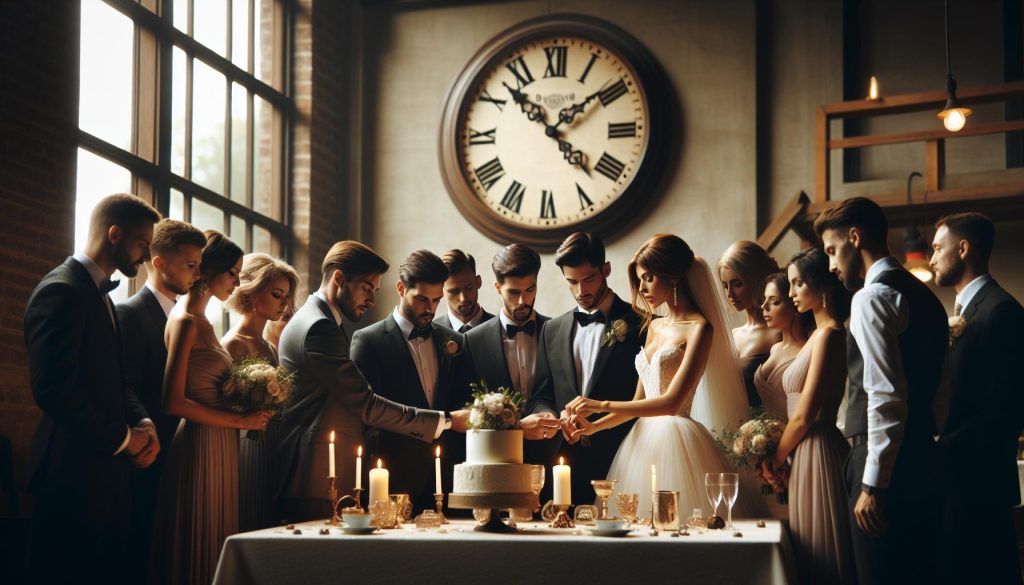
Weddings are a beautiful celebration of love, but understanding how long they last can often be confusing for couples amidst the flurry of planning. From the heartwarming ceremony to the joyful reception, each part of the day is important in its own right. The average wedding day spans between 5 to 8 hours, yet the exact timeline can vary greatly depending on the style of the wedding, the number of events planned, and cultural traditions involved. Knowing how long each segment typically lasts not only helps in organizing your day effectively but also ensures that you and your guests can savor every precious moment. As you navigate through this guide, you’ll uncover essential tips on customizing your wedding timeline so that it flows seamlessly, maximizing both enjoyment and memories. Dive in to learn the complete breakdown of a wedding day, and transform your visions into reality while alleviating any stress about what to expect.
Understanding the Average Duration of Weddings

Weddings are as unique as the couples who celebrate them, but understanding the average duration can help in the planning process, ensuring that every moment is thoughtfully accounted for. On average, weddings can last anywhere from 4 to 8 hours, encompassing the ceremony, reception, and various traditions that may follow. Couples should keep in mind that the length can vary based on personal preferences, cultural traditions, and the specific events planned throughout the day.
A well-structured timeline plays a pivotal role in maximizing the experience for both the couple and their guests. A typical ceremony lasts about 20 to 30 minutes, while receptions often span 4 to 6 hours, allowing ample time for dining, dancing, and various activities like toasts and cake cutting. It’s essential to consider additional elements such as cocktail hours, photo sessions, and any rituals that might precede or follow the main events. By mapping out the day, couples can create a seamless flow that feels joyous rather than rushed.
To enhance the overall enjoyment, be mindful of how long each segment will take, ensuring there’s enough breathing room between events. For example, when scheduling the ceremony and reception, aim for a smooth transition to keep the momentum alive. Lastly, remember that successful weddings are not just about sticking to a schedule but also about embracing the spontaneity of the day, allowing love and celebration to guide your timeline.
Essential Wedding Timeline: Key Phases Explained

Weddings are a beautiful confluence of cherished traditions and personal expressions of love. They are not merely events but heartfelt ceremonies that weave together the lives of two families. Understanding the essential phases of a wedding timeline is crucial to ensure that each moment is filled with joy, wonder, and seamless transitions. On a wedding day, careful planning can create a soulful experience that honors the couple’s journey while providing an unforgettable celebration for their guests.
Starting the day off right is all about setting the stage. Bridal preparations and hair and makeup usually take about 3 to 5 hours, allowing the bride and her party to relax, enjoy, and share meaningful moments. This pre-ceremony time is vital for calm reflection or a few last-minute nerves, often punctuated with laughter and heartfelt memories. Similarly, groomsmen can use this time for personal grooming, dressing, and relaxed bonding.
Once the moment arrives, the ceremony typically lasts between 20 to 30 minutes, encapsulating vows, ring exchanges, and the first kiss. This segment is the heart of the wedding, where promises are made in front of loved ones, creating bonds that will last a lifetime. Following the ceremony, couples often integrate a cocktail hour lasting about 1 hour. This period allows guests to mingle and enjoy refreshments while the newlyweds take professional photos. It’s a perfect opportunity for the couple to create an inviting atmosphere that reflects their personalities and sets the tone for the reception to come.
When it’s time to celebrate, the reception becomes the main event, usually lasting from 4 to 6 hours. Here, couples can indulge their guests in a delightful feast, followed by lively dancing, touching toasts, and special moments like cake cutting and the first dance. The reception serves as the grand finale of the day, filled with heartfelt celebrations, laughter, and joyful chaos.
Every wedding is unique, and the timeline should reflect the couple’s desires, cultural traditions, and specific events. By carefully planning each phase, couples can ensure that their wedding day flows beautifully, allowing them to embrace the spontaneous joys that come with the love and excitement of their special day.
Anticipating the Ceremony: How Long Is It?
The moment your guests take their seats, filled with excitement and anticipation, marks the start of one of the most significant parts of your wedding day-the ceremony. This pivotal segment typically lasts between 20 to 30 minutes, encapsulating a profound ritual where two hearts unite before family and friends. Understanding this timeframe can help you prioritize what you want to include, allowing for a more personalized ceremony that resonates with you and your partner.
Several factors influence the exact duration of the ceremony. Customary elements such as processional and recessional music, readings, and vows create the backdrop for the event, each contributing uniquely to the overall experience. A traditional ceremony might include
- A processional where the wedding party walks down the aisle
- An officiant’s welcome
- Readings by close friends or family
- The exchange of vows and rings
- A final blessing or pronouncement of marriage
- The recessional, as the couple walks back up the aisle together
Each of these can vary in length; for instance, personalized vows might take longer than standard ones. Couples often find that planning these components with care leads to a meaningful and memorable ceremony.
In addition, consider the overall flow of the day. If your wedding incorporates special elements, such as a unity ceremony or a cultural ritual, you may need to allocate extra time to ensure everything unfolds harmoniously. Grooming and rehearsing these elements can foster confidence, allowing each moment to shine without feeling rushed or overwhelming.
Being mindful of your ceremony length not only honors the shared experience with your guests but also sets the tone for the celebration to follow. A well-timed ceremony transitions beautifully into mingling moments and festivities, bringing guests closer together as they share in the joy of your commitment.
The Reception: Timing Your Celebration Perfectly
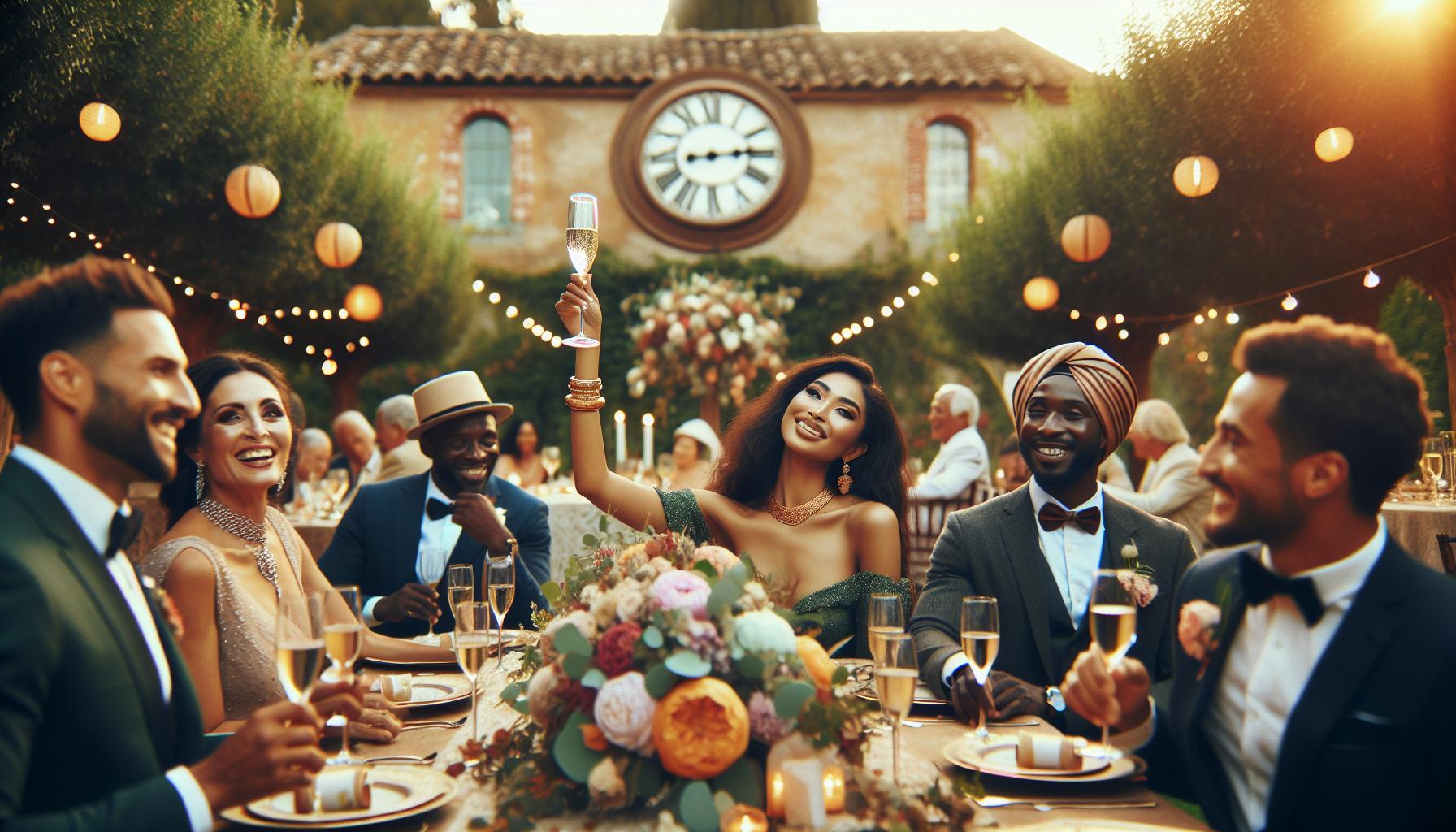
The reception is where the magic truly unfolds-a celebration of love that invites not just the newlyweds but also their families and friends to join in joyous festivities. This segment typically lasts between four to five hours, which can be filled with delightful experiences ranging from dining to dancing. It’s an opportunity to set the tone for a fun, memorable evening, ensuring that every moment adds to the magic of your special day.
Timing your reception involves careful planning to create an enjoyable flow and maintain guest engagement. Begin by considering the key components such as the grand entrance of the couple, toasts, dinner, and dancing. A well-structured timeline not only builds excitement but also keeps guests informed about what to expect, fostering a vibrant atmosphere. Here’s a suggested schedule to guide your planning:
- Guest Arrival & Cocktail Hour: 1 hour
- Reception Grand Entrance: 15 minutes
- Welcome Toast: 10 minutes
- Dinner Service: 1.5 hours
- Toasts & Speeches: 30 minutes
- Dancing & Entertainment: 2-2.5 hours
- Cake Cutting: 15 minutes
- Last Dance & Send-Off: 30 minutes
Creating a Cohesive Flow
As you draft your reception timeline, consider how each activity leads to the next. For example, after the cocktail hour, guests transition smoothly into the formal reception area for the couple’s grand entrance, followed by heartfelt toasts that set an emotional tone for dinner. Keep the energy moving by scheduling dancing after the meal, allowing guests to unwind and celebrate. And don’t forget to take into account other elements, like the cake cutting, which can serve as a delightful interlude in the festivities.
Guest Experience Matters
Ultimately, the key to a memorable reception is ensuring that your guests feel included and entertained. Think about ways to enhance their experience-perhaps by incorporating fun activities like photo booths, lawn games, or even a surprise performance. Balancing these elements with well-timed transitions will allow your friends and family to leave with cherished memories of your wedding day.
With thoughtful planning and a well-structured reception timeline, you will create a magical evening that resonates with all in attendance, allowing love and laughter to carry through the night.
Exploring Post-Ceremony Traditions and Their Length
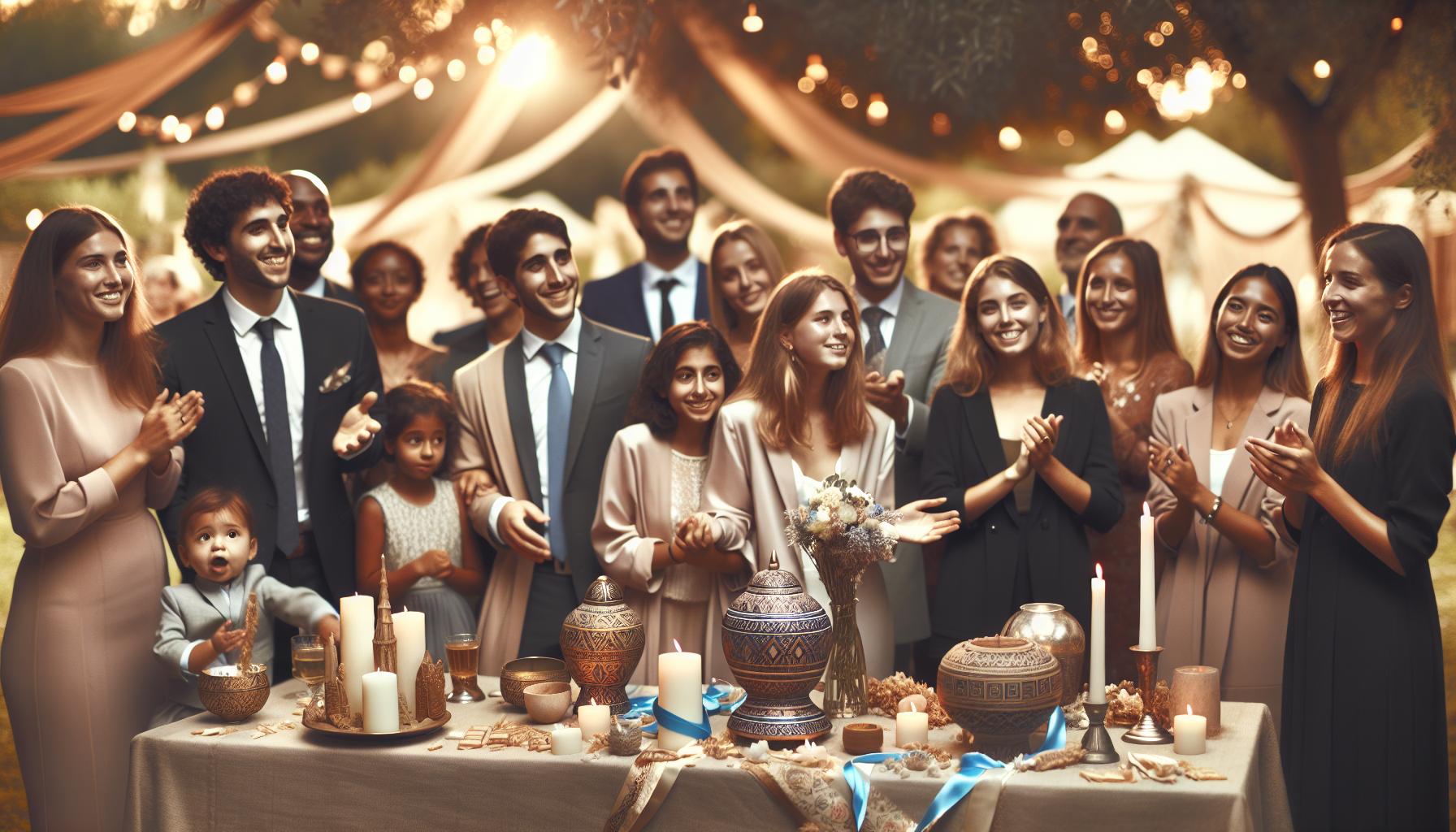
The moments following the ceremony are imbued with joy and significance, offering a perfect opportunity for newlyweds to savor their first moments together as a married couple while honoring cherished traditions. Post-ceremony traditions vary widely, but each carries its own unique flair, helping to create lasting memories and reflect cultural heritages. Whether it’s participating in a receiving line, enjoying a cocktail hour, or partaking in special dances, these events can spread throughout a leisurely afternoon or evening, typically lasting from one to three hours, depending on the couple’s desires.
One popular tradition is the cocktail hour, where guests mingle while enjoying light refreshments and drinks before the reception unfolds. This usually lasts about an hour and allows the couple time for necessary photos or to share intimate moments together. As the newlyweds transition from ceremony to reception, they often participate in the grand entrance, a lively presentation that can take around 15 minutes to orchestrate the couple’s debut alongside their wedding party.
Another hallmark post-ceremony moment is the first dance. This tradition not only marks the official beginning of the reception but also provides a beautiful, romantic pause in the festivities. Couples typically take center stage for about 3 to 5 minutes, creating an unforgettable visual narrative for guests. Subsequent dances with parents and the wedding party continue the celebrations, each dance lasting between 2 to 5 minutes, contributing to a seamless flow of joy.
Recognizing that traditions differ across cultures, it’s important to embrace elements that resonate personally with you and your partner. For example, in some cultures, there might be traditional dances, blessings, or rituals that bring families together, which can add depth to your celebration. Ultimately, the length and nature of these post-ceremony traditions depend largely on your preferences, the venue, and the collective energy of your guests, ensuring every moment is rich with significance and happiness.
Navigating Vendor Services: Scheduling and Duration
Planning the perfect wedding involves orchestrating a symphony of services and timings that weave together to create an unforgettable day. Every couple’s wedding vision requires careful coordination with vendors such as florists, caterers, photographers, and entertainment. Understanding how long each service will take and how they interconnect can make or break the overall experience.
Begin by listing all your essential vendors and their respective roles. For instance, if the ceremony is set to last 30 minutes, consider the time needed for guests to arrive-often about 30 to 45 minutes beforehand. This means your officiant and any necessary sound or music technicians should arrive well ahead of time to ensure everything is in place. After the ceremony, the transition to the reception is critical. Communicate clearly with your photographer about the timeline for post-ceremony pictures, which typically takes between 30 minutes to an hour, depending on the size of your wedding party and the number of family portraits.
Vendor Coordination
Proper scheduling means more than just listing times; it’s about communication. Create a shared timeline document for all vendors involved. This document should outline key points such as when the ceremony starts, when the reception begins, and how long each segment will last. Be specific with your florist about when to deliver arrangements, which typically takes around two hours before the ceremony starts. Similarly, caterers will need access to the venue well in advance to set up tables, food stations, and ensure that everything is ready when guests arrive.
Vendor timing often has a domino effect-when one service is delayed, it can impact the next. For example, if your ceremony runs over time, the reception meal may be delayed, causing hungry guests to wait. To avoid this, schedule a buffer time between events. Keeping open lines of communication with all your vendors will reduce anxiety and ensure everyone is poised to create a seamless, joyful celebration.
Consider including a designated point person for each vendor-this could be a wedding planner or a trusted friend-who can handle any last-minute questions or adjustments. By doing so, you’ll create a supportive network that uplifts your wedding day and lets you focus on what truly matters: the love and joy of the occasion.
Tips for Planning a Wedding Day Timeline
Crafting a wedding day timeline is not just about assigning specific times to events; it’s about ensuring that your day flows seamlessly and that you experience every cherished moment without feeling rushed. One of the fundamental steps is to start early. Planning well in advance helps you allocate enough time for each segment of your wedding, from hair and makeup to the dance party. Remember, exceeding the time allocated for one activity can impact everything that follows.
Begin by mapping out your essential events. Consider the following elements:
- Ceremony Duration: Factor in not only the official length of the ceremony but also the time guests need to arrive-aim for at least 30 minutes prior.
- Photography: Allocate time for post-ceremony photos. Depending on your group size, this might require anywhere from 30 minutes to an hour.
- Reception Setup: Ensure that the venue is prepared before guests arrive. Vendors will require specific times for setup, so build those into your timeline.
In creating your timeline, embrace the flexibility that accommodates cultural traditions or personal preferences, which might differ widely. A garden wedding may necessitate different timing for décor versus a formal indoor affair. Sharing your timeline with all vendors is crucial; it fosters transparency and accountability among everyone involved, ensuring that your vision is executed flawlessly.
Lastly, don’t forget to schedule breaks throughout the day. While the excitement is palpable, moments of respite can help you recharge and savor the beautiful day unfolding around you. As you coordinate these details, keep in mind that the ultimate goal is to celebrate your love uniquely and joyfully-timing should enhance that experience, not hinder it.
Cultural Variations: Wedding Length Across Traditions
Weddings around the world reflect rich traditions and unique cultural practices, often influencing their duration in fascinating ways. From intimate affairs lasting just a couple of hours to extravagant celebrations stretching over several days, the variety is as vibrant as the cultures that celebrate them. Understanding these cultural differences can inspire couples to tailor their wedding experience, making it meaningful while embracing the traditions that resonate most with them.
In Hindu weddings, for example, the ceremonies can last for several days, often including rituals such as the Mehndi (henna night), Sangeet (musical night), and various pujas (prayers). Each of these events has its own significance and length, culminating in the main wedding ceremony, which typically lasts several hours. In contrast, a traditional Western wedding ceremony is commonly brief, ranging from 20 to 30 minutes, but is often followed by a longer reception that may last anywhere from four to six hours.
For African weddings, the duration often varies depending on regional customs. In some cultures, weddings can be elaborate weeks-long events filled with pre-wedding ceremonies and celebrations. In smaller communities, however, some weddings may focus primarily on the ceremony itself, lasting just a few hours while celebrating with family and friends.
Furthermore, the timing of weddings can reflect personal preferences and the desires of the couple, influenced by economic considerations and the logistics of planning. Embracing these cultural variations allows couples to create a wedding atmosphere that honors their backgrounds while also being uniquely theirs. Couples can draw inspiration from these traditions to enhance their celebration and make decisions about scheduling and activities that reflect their love story.
Ultimately, exploring these cultural differences not only enriches the wedding experience but also fosters a deeper connection to each other’s heritage, allowing for a celebration that is diverse, inclusive, and truly unforgettable.
Factors Influencing Wedding Day Duration
The duration of a wedding day can be a beautiful reflection of the couple’s unique love story, as well as a tapestry woven with traditions, preferences, and logistical considerations. Understanding the various factors that influence how long each aspect of the celebration lasts can empower couples to craft an experience that resonates deeply with them and their guests.
One of the most significant elements influencing wedding duration is the type of ceremony. Traditional religious ceremonies, for example, may require specific rites and rituals that elongate the proceedings. In contrast, civil ceremonies often prioritize brevity, sometimes wrapping up in as little as 15 minutes. Understanding the foundational elements of your chosen ceremony can guide you in determining the overall timeline. Additionally, the choice of venue can impact how long events last; outdoor settings may have restrictions based on time of day and lighting, while indoor venues could provide the flexibility to extend celebrations.
Guest count is another crucial factor. More guests typically mean more time spent on logistics-greeting guests, coordinating seating arrangements, and ensuring everyone has the opportunity to enjoy the festivities. When planning the reception, larger gatherings may benefit from a more structured timeline, allowing for speeches, toasts, and moments like a lively dance floor. Couples should also consider including buffer times in the schedule to accommodate unexpected delays or to create those special moments for connection with guests.
Lastly, personal priorities and cultural backgrounds significantly shape the structure and flow of wedding celebrations. Some couples may prioritize specific rituals, such as a traditional first dance or family blessings, extending the timeline as they weave these beautiful elements into their ceremony. Additionally, if you wish to incorporate post-ceremony traditions like a receiving line or a special group photo session, allocating time for these activities can enhance the overall wedding experience.
In essence, reflecting on these factors allows couples to curate a timeline that feels authentic and is inclusive of the experiences they value most, ensuring that their wedding day is not just a celebration but a cherished memory for all involved. Whether you’re planning a grand affair or an intimate gathering, aligning your schedule with your vision will ensure that every moment of your special day is as meaningful as the love it celebrates.
Breaking Down the Timeline by Wedding Size
Determining the length of your wedding celebration often hinges on the size of the guest list, impacting every aspect of your timeline from the ceremony to the reception. Understanding how your wedding size affects the timeline will help create a day that flows smoothly, ensuring that you and your guests enjoy every moment together. For instance, a smaller, intimate wedding, typically comprising 20-50 guests, allows for a more relaxed pace. With fewer people to manage, couples often find they can dedicate more time to meaningful interactions-perhaps extending cocktail hour or spending more time during the reception dancing and savoring each other’s company.
In contrast, larger weddings with guest counts exceeding 150 can introduce a new layer of complexity to your timeline. The logistics alone can add considerable time as you navigate through greeting guests, coordinating seating arrangements, and ensuring that interactions remain engaging for everyone. For these events, it’s beneficial to structure the schedule more strictly. Consider incorporating a detailed timeline that allocates specific slots for individual toasts, dancing, and even breaks for guests to mingle. This ensures that everyone feels accounted for while minimizing potential delays that come with larger gatherings.
Planning a larger event may also require additional professional support, such as hiring a wedding coordinator to manage the flow of the day. This expert help can prove invaluable in maintaining the desired timing throughout the event and can assist with vendor coordination, keeping everything on track. Establishing a timeline that caters to your guest count not only enhances the flow of the day but also amplifies the overall experience for everyone involved, creating cherished memories you’ll all hold dearly.
Lastly, ensuring adequate meal service for larger groups can take extra time. Whether you choose plated dinners or a buffet style, factor in the time it takes to serve or set out food, as this can easily add an hour or more to your overall timeline. Don’t forget to leave space for unexpected moments-the best celebrations often come with changes that lead to unforgettable memories. Embracing these variations while having a structured timeline will allow you to enjoy your wedding day fully, ensuring that love, laughter, and joy shine brightly throughout.
Maximizing Guest Experience: Timing Matters
Timing is a vital component in crafting an enjoyable wedding experience for you and your guests. A thoughtfully coordinated timeline not only ensures that each cherished moment flows seamlessly but also fosters an atmosphere where guests feel engaged, appreciated, and a part of the celebration. By prioritizing timing, couples can strike the perfect balance between structure and spontaneity, leading to unforgettable memories that resonate long after the final dance.
To make the most of your guests’ experience, consider incorporating key elements into your timeline. Start by allowing ample time for the ceremony itself; this typically runs between 20 to 30 minutes, although personalized vows or unique rituals can add a few extra minutes. Following the ceremony, allocate enough time for photos-both formal group shots and candid moments. Schedule at least 45 minutes to an hour for this, depending on your guest list size and desired locations. A well-planned cocktail hour is ideal to keep guests mingling and entertained while you have your photos taken, usually lasting from 60 to 90 minutes.
The reception is the heart of the celebration, where timing becomes crucial to maintain energy and enthusiasm throughout the evening. To ensure a lively atmosphere, think about transitioning smoothly between dinner, speeches, and dancing. Serving food needs careful consideration-buffet style may require more time for guests to gather, while plated dinners streamline the process. Anticipating meal service can prevent bottlenecks and keep guests engaged. Aim for 60 to 90 minutes of dining time followed by speeches and toasts that should be concise to maintain attention. Create a timeline grid to manage transitions and plan for the unexpected; you never know when an entertaining story or toast may stretch longer than intended.
Music can enhance the overall mood, so selecting the right moments for special dances, cake cutting, and open dancing is essential. Schedule these highlights at intervals to reignite excitement, ensuring that your guests remain invested in the evening. By inviting guests to interact, such as during interactive stations or by encouraging them to take part in dances, you can elevate guest engagement and enjoyment.
Ultimately, the goal is to craft a timeline that honors both your vision and your guests’ experience. By approaching your wedding with an eye for timing, you cultivate an environment of joy and connection, where every moment is a shared memory, reverberating with laughter, love, and celebration.
Avoiding Common Timing Pitfalls in Wedding Planning
Creating a seamless wedding experience is an intricate dance that requires careful timing. Couples often find themselves overwhelmed by the various moving parts associated with their special day. However, by proactively avoiding common timing pitfalls, you can cultivate an atmosphere of joy and connection. One key area often overlooked is the transition between events. Smooth transitions not only keep the momentum of the day flowing but also ensure that guests remain engaged and present throughout the festivities.
Among the most prevalent timing challenges is underestimating the duration of various components, such as hair and makeup, transportation, and photo sessions. For instance, a bridal party’s preparation may take longer than anticipated, resulting in a late start to the ceremony. To mitigate this risk, consider scheduling buffer times between events. For example, if the ceremony starts at 4 PM, plan for the bridal party to be ready by 2:30 PM instead of 3 PM. This extra cushion allows for any unexpected delays and ensures that you enjoy each moment without feeling rushed.
Another frequent misstep is scheduling the reception too tightly. Guests appreciate a flow that feels natural and allows for mingling. When planning, aim for a comfortable timeline for dinner service. If serving a plated meal, factor in time for serving, eating, and allowing for transitions between speeches and dancing. A well-paced reception can create lasting memories and elevate the overall experience. At the same time, be mindful of special moments like cake cutting or first dances; scheduling them strategically, such as right after dinner, can reinvigorate the energy of the evening.
Engagement with guests is critical, and timing can enhance this connection. Timed interactive moments, like games or tribute speeches, are more impactful when guests are attentive and energized. Make sure to weave in breaks or lighter activities that encourage interaction, allowing everyone to partake in the joy of your celebration. By approaching timing with mindfulness and flexibility, you not only ease potential stress but also pave the way for a day filled with laughter, love, and unforgettable memories.
Frequently Asked Questions
Q: How long does each part of a wedding typically last?
A: Each part of a wedding can vary, but typically, the ceremony lasts about 20-30 minutes, followed by a cocktail hour of around 1 hour. The reception usually spans 4-5 hours, including dinner, dancing, and other activities. For a comprehensive breakdown, refer to the “Essential Wedding Timeline: Key Phases Explained” section of the article.
Q: What factors can affect the duration of a wedding?
A: Several factors influence wedding duration, including the number of guests, venue size, and specific traditions being observed. Additional elements like delays in vendor services or personal preferences for longer receptions can also extend the timeline. Anticipate these factors during planning to avoid pitfalls.
Q: How can couples ensure their wedding stays on schedule?
A: To keep your wedding on schedule, create a detailed timeline and share it with key vendors. Having a designated person responsible for timekeeping can also help. For more tips, see the “Tips for Planning a Wedding Day Timeline” section in the article.
Q: What is the average duration of a wedding ceremony?
A: Typically, wedding ceremonies last between 20 to 30 minutes. However, this can vary based on cultural practices or special traditions. For detailed insights, check the “Anticipating the Ceremony: How Long Is It?” section.
Q: How does wedding size influence overall duration?
A: The size of a wedding often affects the duration of key moments, such as the ceremony and reception. Larger weddings may have longer seating times and guest interactions, while smaller weddings tend to be more intimate and quicker in pace. More information can be found in the “Breaking Down the Timeline by Wedding Size” section.
Q: Are there cultural differences in wedding lengths?
A: Yes, different cultures have unique traditions that may extend the length of weddings. For example, some cultures include elaborate ceremonies that can last hours, while others are more succinct. Explore the “Cultural Variations: Wedding Length Across Traditions” section for further details.
Q: How long should the reception last to maximize guest enjoyment?
A: Aim for your reception to last between 4 to 5 hours to provide ample time for dinner, dancing, and celebrations. This duration allows for a balanced experience for guests without feeling rushed. For tips on timing, refer to the “Maximizing Guest Experience: Timing Matters” section.
Q: What common timing pitfalls should couples avoid?
A: Common pitfalls include over-scheduling or underestimating travel times between venues and activities. Having too tight of a timeline may lead to stress. Avoid these issues by allowing buffer time in your schedule. For more insights, see “Avoiding Common Timing Pitfalls in Wedding Planning.”
Key Takeaways
As you embark on your wedding planning journey, remember that understanding the flow and duration of your special day is essential for a smooth celebration. Whether you’re envisioning a quaint ceremony or an extravagant reception, knowing how long weddings last can help you allocate time wisely and relish every moment. If you still have questions or are seeking more specific advice, check out our guides on wedding timeline creation and vendor coordination tips to ensure no detail is overlooked.
Ready to dive deeper into wedding planning? Don’t miss our articles on invitation etiquette and traditional ceremony customs. Join our newsletter for the latest insights and expert advice on making your big day unforgettable! Share your thoughts below or ask us anything about your wedding planning; we’re here to help you every step of the way. Your dream wedding is just around the corner-let’s make it magical together!