Weddings are a tapestry of love and celebration, but their duration can often be a source of confusion for couples. Did you know that the average wedding lasts about 5 to 6 hours, yet can vary greatly depending on cultural traditions and personal choices? Understanding how long weddings typically run is essential for effective planning, ensuring that every precious moment is enjoyed without feeling rushed. As you navigate the exciting journey of organizing your special day, knowing the timeline not only helps manage your day-of logistics but also allows you to allocate time for cherished rituals and unforgettable experiences with family and friends. Dive into this guide to explore the various components of a wedding’s timeline, empowering you to craft a day that reflects your love story while making room for spontaneity and joy.
How Wedding Durations Vary by Ceremony Type
Weddings encompass a diverse range of ceremonies, each with its unique traditions and timelines that affect overall duration. From a succinct civil ceremony in a town hall to an elaborate religious celebration in a grand cathedral, the length and flow of the event can vary immensely. Understanding these differences is paramount for couples planning their special day. The type of ceremony chosen not only dictates the formal proceedings but also influences emotional pacing, guest engagement, and even the subsequent reception plans.
Traditional Religious Ceremonies
Many couples opt for traditional religious ceremonies, such as those found in Christian, Jewish, or Hindu customs. These ceremonies often involve readings, blessings, and rituals that reflect the couple’s faith. Typically, a traditional church wedding can take anywhere from 30 minutes to an hour, while Jewish ceremonies may include both the ceremony and the breaking of the glass, sometimes extending to an hour and a half. Emphasizing the sacred nature of the event, couples and their families may also include pre-ceremony rituals that further extend the schedule.
Civil and Destination Weddings
Conversely, civil weddings tend to be more straightforward and concise. Many couples looking for an intimate gathering choose civil ceremonies, which usually take around 15 to 30 minutes. Destination weddings can vary significantly based on the chosen locale and any unique traditions integrated into the ceremony. Some opt for casual beach settings with brief ceremonies, while others may wish to incorporate local customs resulting in longer proceedings.
Cultural and Thematic Weddings
Couples celebrating their heritage may incorporate specific cultural customs into their ceremonies, which can further affect duration. For instance, traditional Indian weddings, typically lavish affairs, can span multiple days, with the wedding ceremony alone lasting several hours. Cultural nuances not only enrich the experience for everyone involved but also require careful scheduling to accommodate various rituals and ceremonies.
In summary, the variety in wedding durations arises mainly from the ceremony type, cultural background, and personal preferences of the couple. Each choice not only encapsulates the couple’s story but also sets the tone for a memorable day. Choosing a ceremony that resonates with personal values and relationship significance will ultimately guide couples in planning their wedding duration effectively.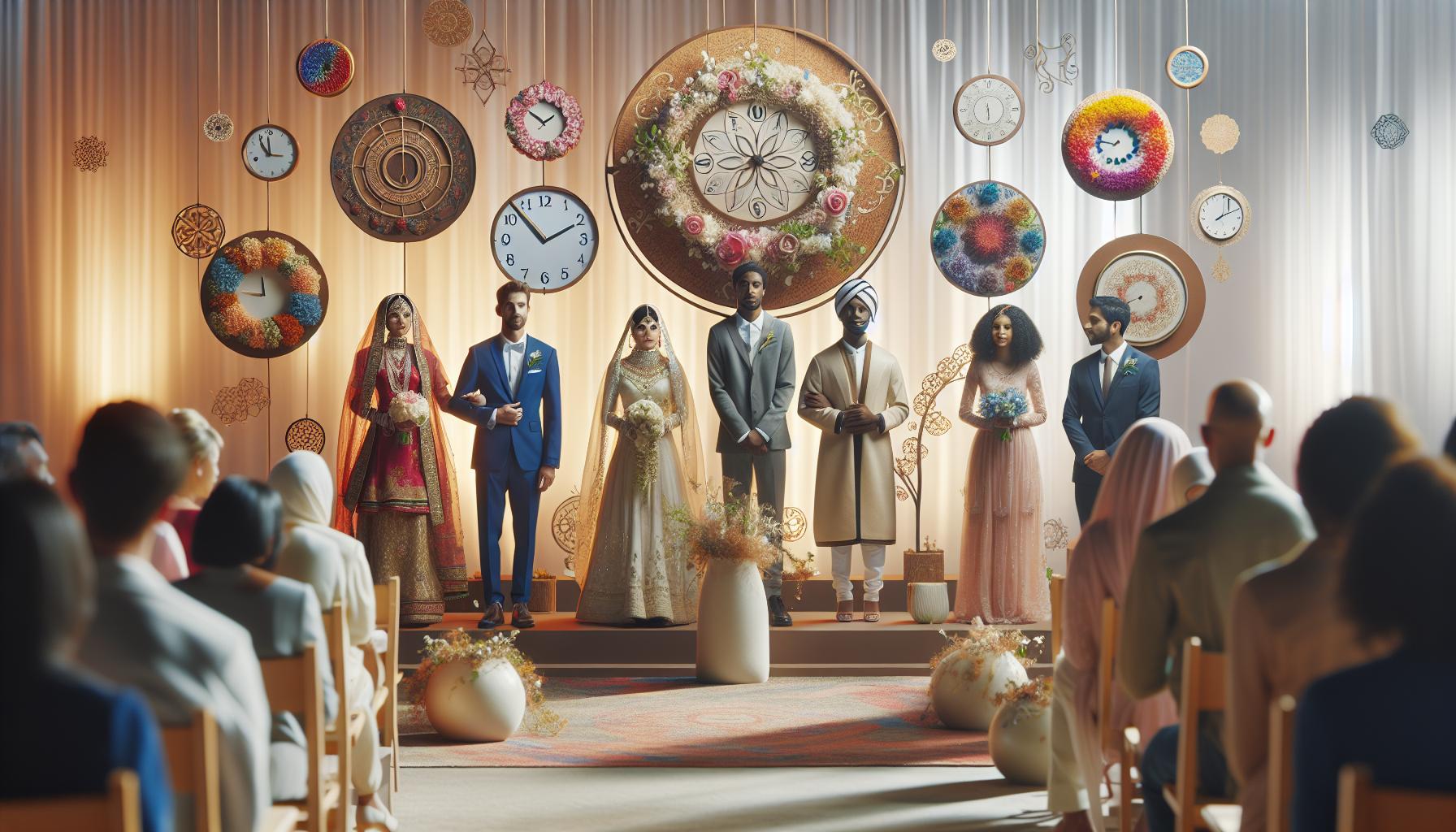
Estimating Timeline: Key Wedding Day Segments
Estimating the perfect timeline for your wedding day is a crucial part of creating a stress-free and memorable celebration. Each wedding is a unique tapestry of love, culture, and personal style, and proper planning ensures that every moment flows smoothly and joyfully. With a variety of segments to consider-from the ceremony to the reception-understanding how long each can take helps couples establish a realistic schedule that allows for relaxation and enjoyment throughout the day.
One of the first key segments to consider is the ceremony itself. Traditional ceremonies generally range from 20 minutes for a quick civil service to over an hour for more elaborate religious or cultural ceremonies. To ensure everything proceeds without a hitch, factor in additional time for pre-ceremony rituals, such as the bridal party getting ready, guest arrivals, and any necessary cueing for music or processions. For a smooth start, aim for a buffer of at least 15-30 minutes before the official ceremony to accommodate potential delays.
Next comes the celebration portion, the reception, which also requires careful planning. Typical receptions can last anywhere from 4 to 6 hours, allowing ample time for dining, speeches, and, of course, dancing! It’s wise to schedule your meal service early to allow guests the option of mingling and enjoying the festivities, while avoiding an overly lengthy wait between courses. Think about balancing your timeline by incorporating fun activities, such as a photo booth or games, during the reception to keep the energy up and guests engaged.
Lastly, consider post-reception activities like the bouquet toss or late-night snacks, which can enhance the overall experience and keep the celebration alive. Planning for these moments will round out the day beautifully, giving you and your guests lasting memories. One efficient strategy is to create a visual timeline, perhaps even printing it out for guests or placing a copy on each table so everyone stays informed and engaged.
In every aspect of your wedding day, communicating timing clearly with your vendors, guests, and bridal party is vital. This ensures that everyone is on the same page and contributes to a harmonious celebration, allowing for spontaneity while still adhering to the intended schedule. With these considerations in mind, your wedding day can be both joyful and meticulously organized, letting love and laughter take center stage.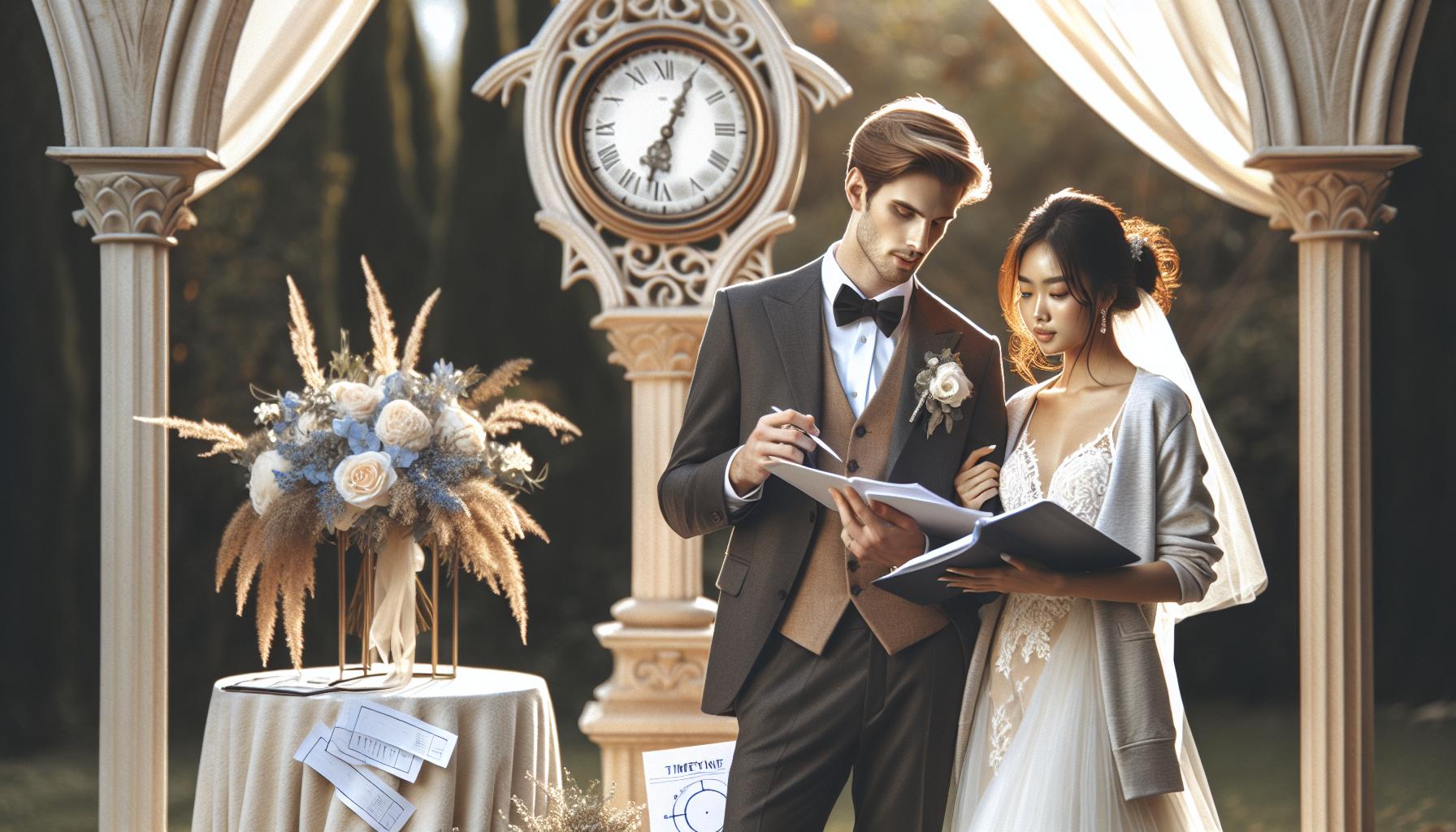
Ceremony Start to End: What to Expect
The ceremony is the heart of your wedding day, often filled with emotional moments that set the tone for the entire celebration. Understanding the flow of the ceremony can alleviate any pre-wedding jitters and ensure that everything unfolds beautifully. Typically, the ceremony lasts anywhere from 20 minutes to an hour, depending on the chosen style and traditions. Whether you’re opting for a simple civil ceremony with just a few legal vows or a more elaborate religious service steeped in rituals, each segment contributes uniquely to your wedding narrative.
Leading up to the ceremony, it’s essential to establish a timeline that encompasses not only the ceremony itself but also the pre-ceremony elements. Consider the following:
- Guest Arrival: Allow a window of 30-45 minutes for guests to arrive and settle in before the ceremony starts.
- Processional: Allocate 5-10 minutes for the bridal party processional, ensuring everyone enters gracefully and in sync.
- Ceremony Length: Keep in mind that readings, musical performances, or cultural rituals can add to the overall length, so factor these in accordingly.
- Recessional: After the vows, plan for a joyful exit lasting around 5 minutes, providing couples and guests a beautiful backdrop for those cherished candid photos.
As you plan, remember that personalization can transform your ceremony into a meaningful experience. Infusing personal vows, including family traditions, or selecting readings that resonate with you and your partner can enhance this sacred moment. These choices reflect your values and togetherness and create lasting memories of your wedding day.
Ultimately, communication is vital during this time. Ensuring everyone involved-from the officiant to the bridal party-is aware of the timeline fosters a seamless experience. By embracing the unpredictability of the moment while adhering to your planned schedule, you create an atmosphere where love and joy flourish, allowing you to cherish every second of your ceremony.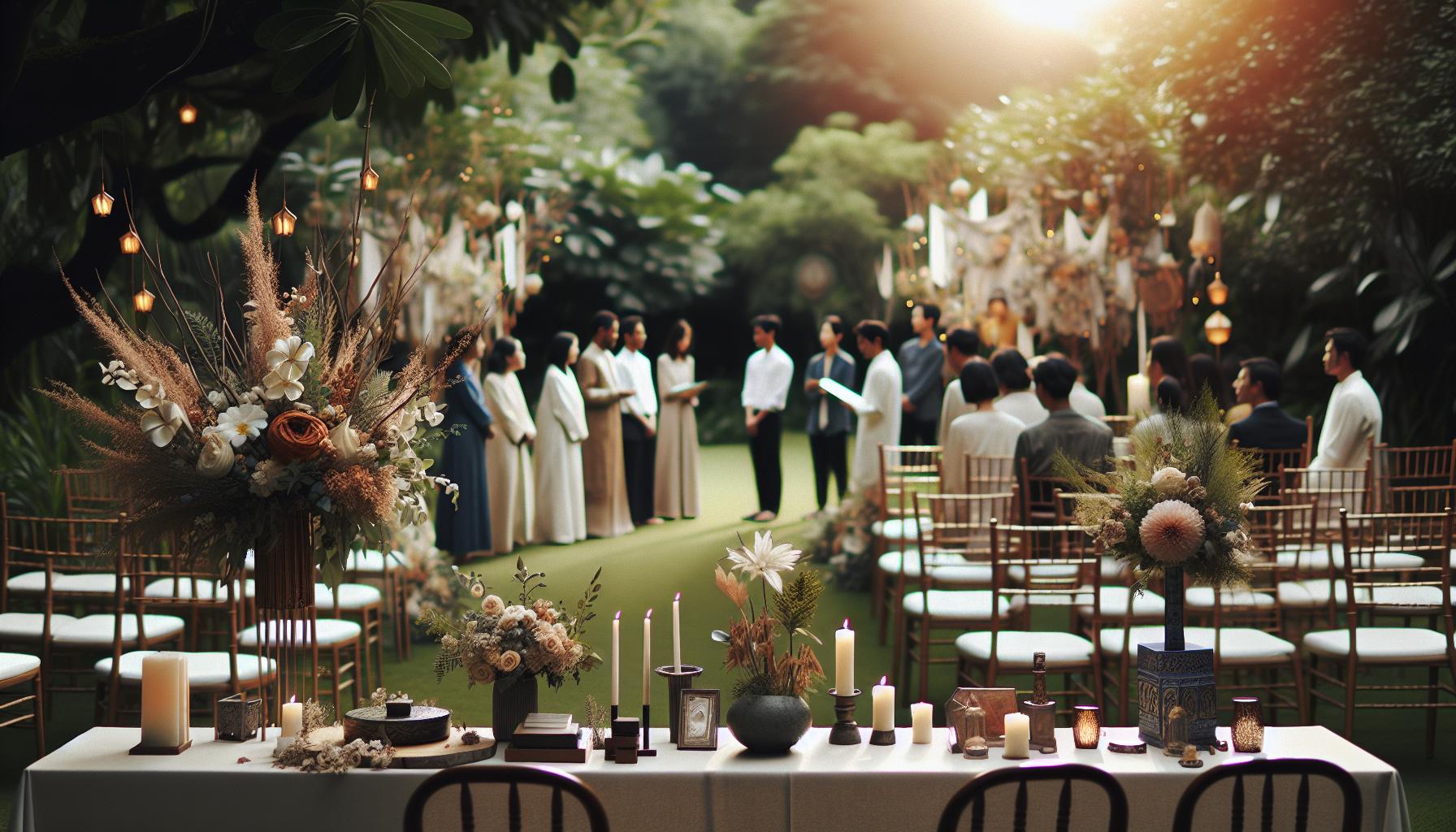
Reception Length: Making the Most of Your Celebration
Crafting the perfect reception is all about celebrating love, joy, and togetherness with your newfound spouse and cherished friends and family. The length of your reception will significantly influence the overall atmosphere of your celebration, with most weddings ranging from four to six hours. This timeframe allows ample opportunities for dining, dancing, and creating unforgettable memories, all while ensuring that guests feel engaged and entertained throughout the evening.
To optimize your reception duration, consider breaking down the evening into key segments. Start with a heartwarming cocktail hour, ideally lasting about one hour, where guests can mingle, enjoy light bites, and sip on drinks as they await the newlyweds. Following this, a sit-down dinner or buffet will take approximately two to three hours, allowing time for courses to be served and enjoyed while toasts and speeches are shared, adding a personal touch to the evening.
After dinner, the celebrations typically move into a vibrant dance party, lasting around two hours. This is the moment where the energy of the night peaks, so curating a playlist that includes favorites from both the couple and their guests will keep spirits high. Consider implementing fun elements like a photobooth or games to keep guests engaged throughout the evening.
Remember to be mindful of your guests’ needs and preferences. For instance, if you’re hosting a diverse group, it might be beneficial to have a mix of different music genres during the dance portion, catering to various tastes. Ultimately, the goal is to create an environment where everyone feels welcome and willing to celebrate, transforming your reception into a beautiful tapestry of laughter, love, and dancing.
Cultural Influences on Wedding Scheduling
Different cultures around the world weave their unique traditions and values into wedding ceremonies, profoundly influencing the scheduling and overall flow of the special day. For couples planning their nuptials, understanding these cultural nuances can help in creating a meaningful celebration that honors heritage while catering to their personal vision. For instance, many Indian weddings can extend over several days, filled with intricate ceremonies such as the Mehndi and Sangeet, creating a festive atmosphere that blends entertainment and ritual. In contrast, Western weddings often condense their events into a single day, emphasizing a streamlined timeline that typically includes a ceremony followed by a reception.
Timing in wedding ceremonies can also reflect deeper cultural values. In many African cultures, weddings include vibrant dancing and communal festivities that can stretch late into the evening. This style not only celebrates the union but also strengthens community bonds, often transforming the wedding into a multi-day event where the timeline is flexible and participatory. On the other hand, traditional Chinese weddings may involve a series of well-defined rituals on the wedding day, each with specific time allocations, including tea ceremonies that honor both families. This careful orchestration highlights the cultural importance placed on respect and familial ties.
H3: Practical Considerations for Cultural Weddings
When planning a wedding rooted in cultural traditions, consider the following practical tips:
- Consult Family Elders: Engaging family members can provide valuable insights that enhance the authenticity of the ceremony.
- Flexibility is Key: Cultural traditions may require additional time; build in extra buffer time to avoid feeling rushed.
- Incorporate Rituals: Identify and prioritize key rituals that hold importance in your culture, ensuring they are featured on the timeline.
- Communicate Clearly: Share a detailed itinerary with your guests so they understand the flow of the day, especially if multiple ceremonies are involved.
Ultimately, respecting and incorporating cultural customs creates a genuine celebration that honors both individual and familial legacies. By weaving these elements into the scheduling, couples can enjoy a wedding day filled with joy, connection, and a deep sense of belonging.
Seasonal Considerations: Timing Your Wedding Day
Choosing the right season for your wedding can significantly influence its duration and overall flow. Besides the aesthetic charm of different seasons, they each bring distinct weather conditions, availability of venues, and unique cultural festivities that can affect your planning. For instance, summer weddings are incredibly popular for their potential for gorgeous outdoor ceremonies and lush floral backdrops; however, they may also experience longer daylight hours, allowing for extended celebrations. Conversely, winter weddings may evoke a cozy charm with shorter days, leading couples to plan for earlier ceremonies and possibly a more intimate reception after sunset.
Understanding the seasonal aspects of your chosen date can also help determine the best timing for your event. If you’re planning a spring celebration, you might be graced with beautiful blooms and a comfortable climate. However, scheduling outdoor events can come with the risk of unexpected rain showers, which often requires a robust contingency plan. Autumn weddings can benefit from stunning fall foliage, but they can also be subject to unpredictable weather changes, so building flexibility into your timeline is essential.
Couples should also consider how holidays and local events might impact their wedding day. Certain times of year may create conflicts with travel plans for your guests or increase venue prices due to high demand. For example, tying the knot around Valentine’s Day or during major holiday weekends can raise both the excitement and the associated costs. It’s critical to average these elements when estimating your ideal ceremony and reception lengths, ensuring that your celebration feels both special and manageable.
Ultimately, leveraging the characteristics of each season not only enhances the thematic elements of your wedding but also requires thoughtful planning and preparation. This way, couples can create a memorable experience that resonates with the ambiance and sentiment of their chosen time of year, prolonging the joy of their wedding day as they craft lasting memories.
Common Delays and How to Prepare for Them
Common delays on a wedding day can be a source of stress for couples eager to celebrate their love with family and friends. While every wedding is unique, many couples encounter similar obstacles that can put a damper on their carefully crafted timelines. Being proactive and preparing for potential hiccups can ensure that your big day unfolds as smoothly as possible, allowing you to focus on the joy of the moment rather than the clock.
One of the most common sources of delay is travel logistics, especially for the bridal party. Traffic, parking issues, or getting lost can all contribute to a late start. To mitigate this, schedule generous travel windows, provide clear directions, and consider a small buffer time before the ceremony begins, allowing everyone to arrive without panic. Ensure your vendors, from hair and makeup artists to transportation services, are aware of your timeline to keep them accountable and organized.
Weather is another unpredictable factor that could affect your schedule, particularly for outdoor ceremonies. Daily forecasts can change rapidly, so it’s wise to develop a contingency plan, such as having a backup indoor space. Be sure to communicate any plan changes to your guests and vendors well in advance to avoid confusion on the day itself. Additionally, consider setting staggered start times for various segments of your wedding, such as guest arrival and start of the ceremony, to ease transitions between events.
Finally, having a dedicated coordinator, whether a professional planner or a trusted friend, can be invaluable. They can manage timelines, troubleshoot unexpected situations, and ensure that the wedding day flows seamlessly. By preparing for common delays and establishing clear communication among all participants, you set the stage for a celebration filled with love, laughter, and unforgettable memories-rather than stress over logistics.
Coordinating Vendors: Timing for Success
Successful weddings are often built on the backbone of well-coordinated vendors, each contributing their expertise to bring the couple’s vision to life. The timing of vendor services-their arrival, set-up, execution, and departure-plays a crucial role in ensuring that each moment of the day unfolds seamlessly. When couples plan their wedding day itinerary, clear communication and strategic scheduling with vendors can mean the difference between a magnificent celebration and a chaotic experience.
One essential step in coordinating vendor timing is establishing a detailed timeline well in advance. This timeline should include not just the ceremony and reception times but also specific arrival and setup deadlines for each vendor. Consider organizing this information in a shared document or app that all vendors can access for real-time updates. Early communication regarding each vendor’s particular needs-such as space for set-up, access to power sources, or coordination with other team members-can help avoid logistical issues on the day of the event.
Best Practices for Vendor Coordination
- Schedule Early: Reach out to each vendor as soon as you have your timeframes set. Whether it’s the florist, photographer, or catering team, understanding their scheduling constraints is key.
- Delegate Responsibilities: Assign someone trustworthy, whether a wedding planner or a friend, to liaise with vendors on the day of the wedding. This person can ensure everyone is on schedule and can promptly handle any unforeseen changes.
- Confirm on the Day Before: A day-of run-through can dramatically increase the comfort and preparedness of all parties involved. Final confirmations can help clarify roles and expectations, enabling everyone to work as a cohesive unit.
Understanding how long certain processes take-such as hair and makeup, setting up the ceremony space, or final food preparations-ensures that you can build a realistic timeline that accommodates every detail without rush or delay. For instance, if a florist needs three hours to set up the arrangements and bouquets, that needs to be factored in before the ceremony start time.
Ultimately, remember that while your wedding day is a monumental occasion, it is also a celebration filled with laughter and joy. Keeping vendors informed and maintaining an open line of communication fosters teamwork that leads to a day where you can revel in every moment, surrounded by love and happy memories. By thoughtfully coordinating timing and roles, your big day can be one of orchestral harmony rather than chaotic disarray, allowing you to focus on saying “I do.”
Creating a Wedding Day Itinerary
Planning a wedding day itinerary is akin to composing a beautiful symphony, where every note counts and timing is everything. A well-organized schedule not only ensures the day flows smoothly but allows couples to soak in every precious moment with friends and family. Start by outlining the major segments of the day, such as hair and makeup, the ceremony, cocktail hour, and reception, along with any rituals or special events that’ll enhance the experience.
To create an effective itinerary, consider the following steps:
Establish Key Milestones
- Preparation Time: Factor in how long hair and makeup will take. This can vary by individual and should be coordinated with your bridal party to minimize delays.
- Ceremony Duration: Understand the length of your ceremony based on cultural or personal traditions, which can typically range from 20 to 60 minutes.
- Cocktail Hour: This is a great time for guests to mingle and for the couple to capture stunning photos, usually lasting about an hour.
- Reception Length: Plan for anywhere between 4 to 6 hours, which should encompass dinner, speeches, dancing, and special moments like cake cutting.
Communication Is Key
Once you have a draft itinerary, share it with key players: your wedding planner, officiant, and vendors. Having a shared understanding reduces confusion and helps to keep everyone on the same page. Consider creating two formats of the itinerary; a detailed version for vendors and a simplified one for guests.
Flexibility and Contingencies
While having a structured itinerary is essential, flexibility is crucial. Factor in moments of spontaneity-a heartfelt toast, unexpected dance-offs, or mingling with loved ones can add delightful memories to your day. For any potential hiccups, such as delays in vendor arrival or unexpected weather changes, have a backup plan ready. It may also help to build in buffer zones throughout the day so minor delays don’t domino into major issues.
In essence, your wedding day itinerary is not merely a checklist; it’s a guide that allows you and your loved ones to be fully present in the joy of the occasion. By prioritizing preparation and consistency while allowing room for enrichment and excitement, you set the foundation for a day that you will cherish forever.
How to Communicate Timing with Guests
Clear communication regarding timing is essential for ensuring that guests feel informed and engaged throughout your wedding day. As you plan, consider creating a comprehensive approach that balances excitement with clarity. It not only enhances the guest experience but also helps to minimize confusion and delays on your special day.
Firstly, invitation cards should provide essential timing information. Clearly mention the start times for both the ceremony and reception. If there are significant gaps between events, such as a cocktail hour, include this on the invitation or in a quick reference card. This not only sets appropriate expectations but also helps guests plan their arrival times. Consider phrases like, “Join us for cocktails immediately following the ceremony” or “Reception starts at 6 PM after a brief break.”
Utilizing Digital Resources
In our digital age, leveraging technology is key to effective communication. Use a wedding website to keep guests updated with real-time information, including a detailed timeline of events. This can include the day of the schedule, potential weather updates, and even transportation options if applicable. Share the link to your site on the invitation or save-the-date to ensure that guests have easy access to all relevant details.
Onsite Communication
On the day of the wedding, consider appointing a dedicated person-such as a wedding coordinator or a member of the wedding party-to assist with guest inquiries. Create signs that outline the schedule for the day, placed in strategic locations like the entrance or by the reception area. Simple visual aids can be particularly helpful for guests who may have difficulty hearing announcements.
Finally, remember to communicate with your guests about the level of formality for your attire and decorum expectations during certain segments of the wedding. A well-informed guest is likely to feel comfortable and thoroughly enjoy the celebration, so provide all necessary details well ahead of time, ensuring everyone is on the same page for this momentous occasion.
Post-Wedding Celebrations: Factors to Consider
Planning the celebrations that follow your wedding day can be just as joyous as the event itself. These post-wedding festivities offer a wonderful opportunity to continue the celebration with your loved ones, providing a relaxed space to share stories, enjoy good food, and reflect on your special day. However, a few essential factors should be considered to ensure that these celebrations are as memorable as the wedding itself.
First and foremost, timing is key. Consider how soon after the wedding you’d like to host a gathering. Some couples choose to have a brunch the day after the wedding or a casual get-together during their honeymoon period. This can be a lovely way to decompress with close friends and family who attended the wedding. Others might opt for a larger gathering a few weeks later to accommodate those who couldn’t make the wedding. This flexibility allows you to celebrate in a way that feels right for you and your partner.
Venue Selection
When planning a post-wedding celebration, selecting the right venue is crucial. Think about whether you prefer a cozy home setting, a local restaurant, or a more formal event space. Consider your guest list size, the atmosphere you wish to create, and your budget. For instance, a home-hosted celebration can provide intimacy, while a restaurant might ease some of the stress of planning a meal.
Activities and Engagement
To keep the mood light and engaging, consider incorporating fun activities into your gathering. This might include sharing a montage of wedding photos, encouraging guests to tell favorite stories, or even including games reminiscent of your wedding day. These shared experiences can create lasting memories and strengthen the bonds between friends and family. Alternatively, a relaxing day at a local park with food trucks can be a casual and enjoyable way for everyone to reconnect and celebrate.
In essence, the post-wedding celebrations, whether big or small, allow you to enjoy the time you’ve spent with your loved ones and deepen the connections fostered during your wedding festivities. By thoughtfully considering the details-from timing and venue to activities-you can create a wonderful sequel to your special day that feels uniquely yours, allowing you to cherish the memories while embracing the joy of your new life together.
Tips for Sticking to Your Wedding Day Timeline
To ensure your wedding day unfolds as beautifully as you envisioned, sticking to a well-crafted timeline is essential. The ebb and flow of your celebration depend on the careful orchestration of moments, from getting ready to the last dance. Here are some tips to help you remain on track, ensuring that each cherished moment is savored without feeling rushed.
One of the pivotal elements of maintaining your wedding day timeline is preparation. Begin by communicating the schedule to all key participants well in advance. Share your itinerary with your wedding party, family, and vendors to ensure everyone is on the same page. Having a designated point person, such as a trusted friend or wedding planner, can alleviate stress by allowing you to focus on enjoying your day while they handle any unforeseen hiccups.
Buffer Time is Your Friend
Consider adding buffer time between events in your itinerary. For instance, plan a 15 to 30-minute cushion when moving from the ceremony to the reception. This extra time can absorb minor delays, such as late arrivals or longer-than-expected photo sessions. It also provides you the space to relax and soak in moments with loved ones before the festivities continue.
Simplify Transitions
Minimize transition times between activities by choosing venues that offer seamless flow. If your ceremony and reception are hosted at the same location, not only will you save travel time, but you’ll also create a more cohesive experience for your guests. Additionally, consider scheduling the portrait sessions before the ceremony, allowing you to dive right into the celebration with your guests afterward.
Vendor Coordination
Effective communication with your vendors is fundamental. Schedule a pre-wedding meeting where you can discuss timing, responsibilities, and expectations. Sharing your timeline with vendors like the caterer, photographer, and DJ allows them to align their schedules accordingly. Utilize a shared document to provide real-time updates during your big day to ensure everyone stays coordinated.
By thoughtfully planning and adding structure while being flexible, you can confidently flow through your wedding day timeline, enjoying each moment as it comes. Remember, the essence of your celebration lies not in the precise ticking of the clock, but in the love and joy that fills the air. Celebrate each second and embrace the magic of your wedding day.
Frequently asked questions
Q: How long should a wedding ceremony last?
A: A typical wedding ceremony lasts between 20 to 30 minutes, depending on the elements included, such as readings, music, and rituals. Tailoring the length to fit personal preferences and traditions ensures a special and meaningful experience for the couple and guests.
Q: What is the average duration of a wedding reception?
A: The average wedding reception lasts about 4 to 6 hours, with dinner, speeches, dancing, and other festivities. It’s essential to plan the schedule carefully to maintain guest engagement and accommodate all planned activities during the celebration.
Q: Are there specific cultural factors that influence wedding duration?
A: Yes, cultural traditions can significantly impact wedding duration. For example, some cultures have longer ceremonies with elaborate rituals, while others favor shorter, concise ceremonies. Understanding your cultural background can enhance the celebration’s significance and align timing with traditions.
Q: How can I estimate the total duration of my wedding day?
A: To estimate your wedding day length, consider each segment: prep, ceremony, reception, and post-wedding activities. Create a timeline that accounts for potential delays, as detailed in your planning guide, to have a smooth day and ensure all moments are enjoyed.
Q: What factors can cause delays on the wedding day?
A: Common delays can stem from vendor issues, transportation problems, or last-minute emergencies. To minimize these challenges, communicate with your vendors beforehand, create a buffer in your schedule, and have a backup plan for unexpected situations.
Q: How can I communicate timing details to my guests effectively?
A: To communicate timing clearly, include a detailed itinerary in your invitations or wedding website. Highlight key times, such as the ceremony start and reception kickoff, and consider sending reminders closer to the date for a smooth experience for everyone.
Q: What should I include in my wedding day itinerary?
A: A comprehensive wedding day itinerary should include start times for hair and makeup, ceremony, reception, toast speeches, and cake cutting. It can also include breaks for the couple, providing a clear timeline for the day to ensure everything runs smoothly.
Q: When should I consider starting my wedding festivities?
A: Starting your festivities ideally in the late afternoon or early evening allows for a seamless transition from cocktail hour to dinner and dancing. This timing encourages a relaxing atmosphere while maximizing enjoyment of all planned activities throughout the day.
Concluding Remarks
As you embark on planning your special day, remember that understanding the average wedding duration is just one piece of the puzzle. From the heartfelt ceremony to the lively reception, each moment is designed to create memories that will last a lifetime. Are you ready to dive deeper into your planning journey? Explore our comprehensive guide on How to Plan a Wedding for actionable steps and expert tips that will streamline your experience. Don’t miss out on our insightful resources on Wedding Etiquette to ensure you navigate your big day gracefully.
Feeling inspired? Start outlining your timeline today! If you have any lingering questions or concerns about wedding duration, drop a comment below or reach out to our community for support. Your dream wedding awaits-let’s make it unforgettable together!