Imagine a world where each frame comes to life with the meticulous artistry of stop-motion animation, telling a story that intertwines love and eeriness in the most enchanting way. “Is Corpse Bride Stop Motion: Behind the Animation Magic Revealed” takes you on a captivating journey into the behind-the-scenes craftsmanship of Tim Burton’s beloved film. Discover the extraordinary techniques that breathe life into characters and create an immersive atmosphere that resonates with audiences of all ages. This exploration not only unveils the secrets of animation but also highlights the creative process and passion that transform imaginative ideas into cinematic masterpieces. Dive in and uncover how the magic of stop motion brings forth a unique blend of beauty and whimsy, promising insights that will deepen your appreciation for this iconic film and its artistry.
Exploring the Art of Stop Motion Animation
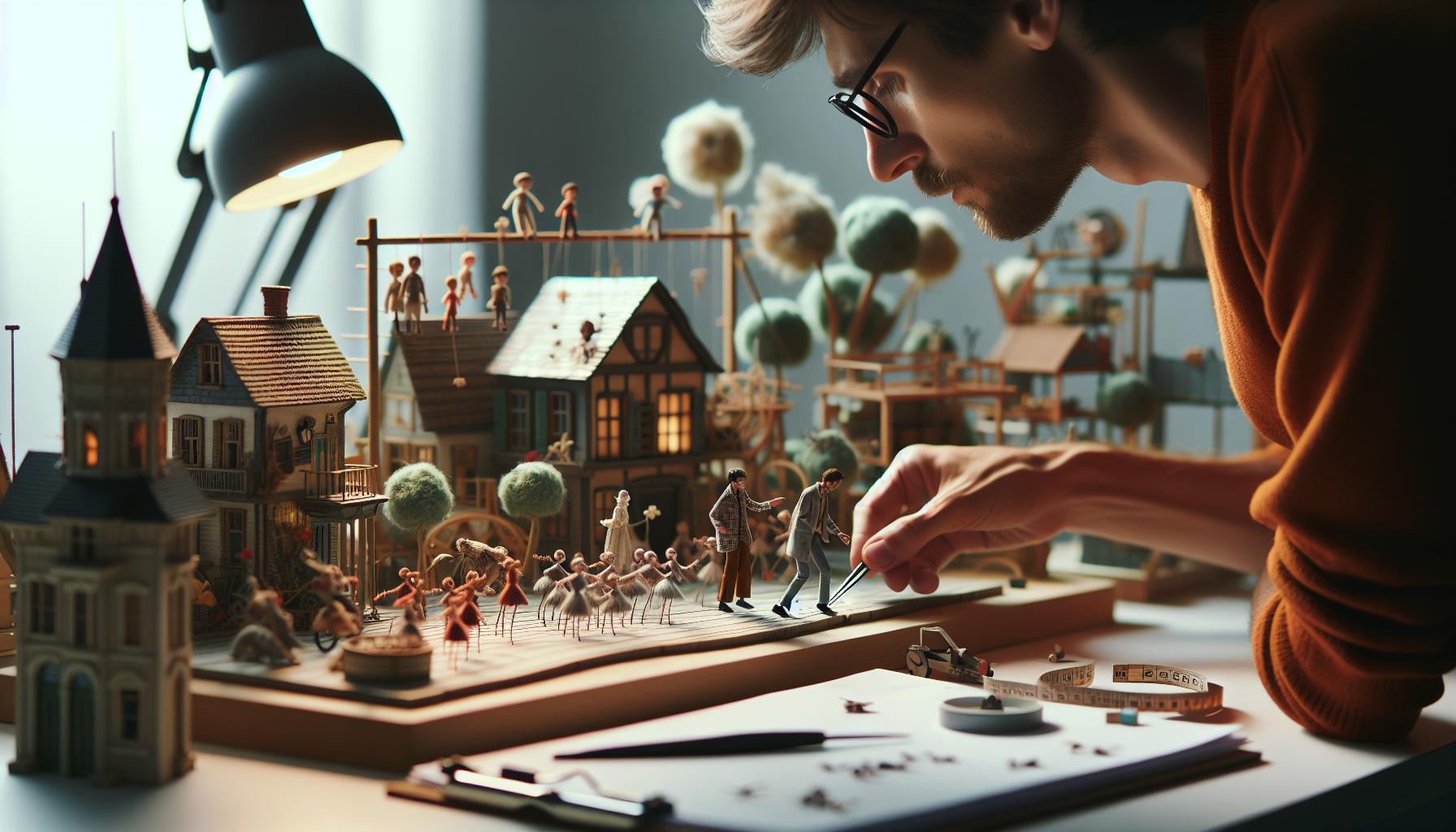
To witness a world of imagination brought to life frame by frame is to enter the enchanting realm of stop motion animation. This unique art form is a meticulous craft where artists breathe life into inanimate objects, creating mesmerizing narratives that captivate audiences. With films like Corpse Bride, directed by Tim Burton, stop motion showcases a distinctive aesthetic that combines the tactile quality of handcrafted models with the emotional resonance of storytelling.
At its core, stop motion animation involves capturing a series of isolated movements-each frame is photographed individually. When played in sequence, these frames create the illusion of movement. The technique not only demands incredible attention to detail but also requires a deep understanding of timing and rhythm to evoke the desired emotional response. This painstaking process transforms everyday materials into mesmerizing performances, enchanting viewers and immersing them in vivid worlds.
The approach of using puppets and meticulously constructed sets significantly shapes the visual storytelling in Corpse Bride. Each character in the film possesses a distinct physicality, enhanced through their expressions and movements. The realm of stop motion is therefore not just about animation; it’s about artistry. This blend of creativity and technique creates a unique viewing experience, making films like Corpse Bride stand out in the landscape of animated cinema. The result is a hauntingly beautiful journey through a world where the extraordinary seems possible, allowing audiences to connect with the characters profoundly.
The Fascinating Journey of Corpse Bride Creation
The creation of Corpse Bride stands as a testament to the artistry and dedication inherent in stop motion animation. This 2005 film, directed by Tim Burton and Mike Johnson, crafted a world where love, loss, and the complexities of life and death intertwine through a meticulously animated narrative. Every detail in the film is the product of tireless hours spent designing, building, and animating each scene, where the filmmakers transformed raw materials into a visually stunning and emotionally resonant story.
At the heart of this cinematic journey lies the intricate process of character development and set design. Each puppet was designed with unique physical traits to embody their personalities, from the ethereal bride to the quirky, humorous characters that populate the film’s universe. The team created over 200 puppets, each requiring extensive craftsmanship, including layers of silicone skin and thousands of individual facial expressions that the animators could swap out to reflect emotion. This nuanced approach allowed characters to express a myriad of emotions without relying solely on dialogue.
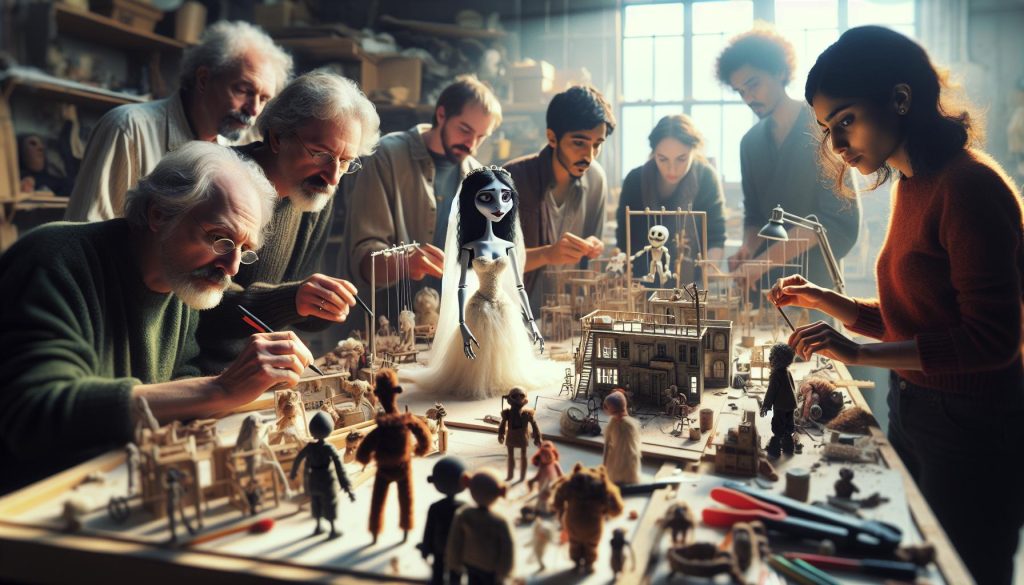
The environments in Corpse Bride further enhance the film’s storytelling. With Gothic-style architecture and lush, whimsical landscapes, the sets were built with authentic materials such as wood, fabric, and paper. These elements not only grounded the film’s eerie aesthetic but also served to create a tangible connection to the fantasy world. The dedication to crafting each set piece revealed the painstaking effort involved in stop motion animation. Animators often worked for weeks on just one scene, carefully adjusting the puppets and photographing each frame to achieve the desired fluidity in motion.
In the journey of creating Corpse Bride, innovation played a crucial role. The filmmakers employed sophisticated camera technology and lighting techniques to bring depth and life to their scenes. The combination of traditional craftsmanship with cutting-edge technology allowed the film to resonate with audiences, bridging a love for classical animation techniques with modern storytelling methods. Ultimately, the magic lies in this celebration of creativity and the collaborative spirit of the artists who brought Tim Burton’s vision to life, ensuring that Corpse Bride is remembered not just as a film, but as an iconic piece of animation history that continues to inspire.
Unveiling the Techniques Behind Stop Motion Magic
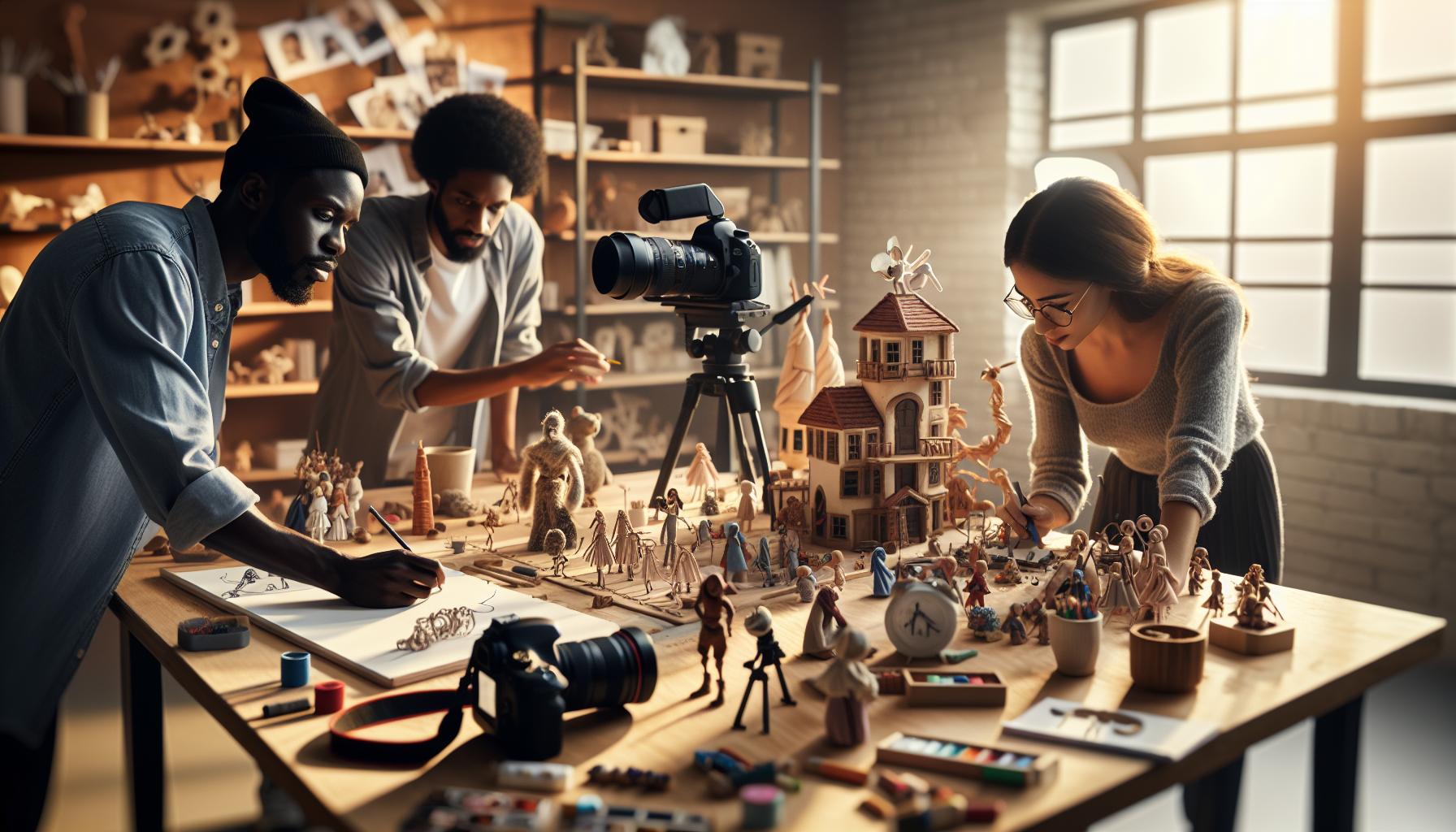
The intricate magic of stop motion animation comes alive in Corpse Bride, through a blend of painstaking craftsmanship and innovative techniques designed to breathe life into inanimate puppets. What truly sets this film apart is the meticulous attention to detail that went into each frame, showcasing how the fusion of traditional methods with modern technology can create a stunning visual experience. Each scene was crafted by hand, with animators adjusting puppets only fractions of an inch to achieve the fluidity necessary for a seamless visual narrative. This careful process allows for characters to convey rich emotions, enhancing the storytelling without reliance on dialogue alone.
One of the standout techniques used in Corpse Bride was the creation of over 200 puppets, each uniquely designed with customizable facial features. This included the ability to swap out eyes, mouths, and other facial elements that would allow for a dynamic range of expressions. The use of soft silicone skin added an additional layer of realism, imbuing the characters with a lifelike texture that invited audiences into their ethereal world. Moreover, the puppets were engineered to be highly poseable, enabling animators to capture complex movements with precision.
In addition to puppet design, the backgrounds and settings played a significant role in the film’s aesthetic. The environments were handcrafted, utilizing various materials from fabric to wood that not only enhanced the Gothic charm of the film but also contributed to the overall storytelling. The innovative use of set design intricately paired with lighting techniques helped create an atmospheric depth that is both enchanting and haunting. This harmonic interplay between light and shadow accentuated the mood of the scenes, drawing viewers deeper into the narrative’s embrace.
To further enhance the stop motion process, the filmmakers also embraced digital technologies, allowing for a smoother animation workflow while retaining the charm of traditional methods. The combination of innovative software and high-quality cameras enabled the team to achieve stunning visual effects and preserve the idiosyncratic nature of stop motion, ensuring that Corpse Bride remains a beloved classic. Ultimately, it is this blend of rigorous artistry and advanced technology that not only captivates audiences but also reinforces the enduring legacy of stop motion animation in the realm of film.
Meet the Masterminds: Directors and Animators
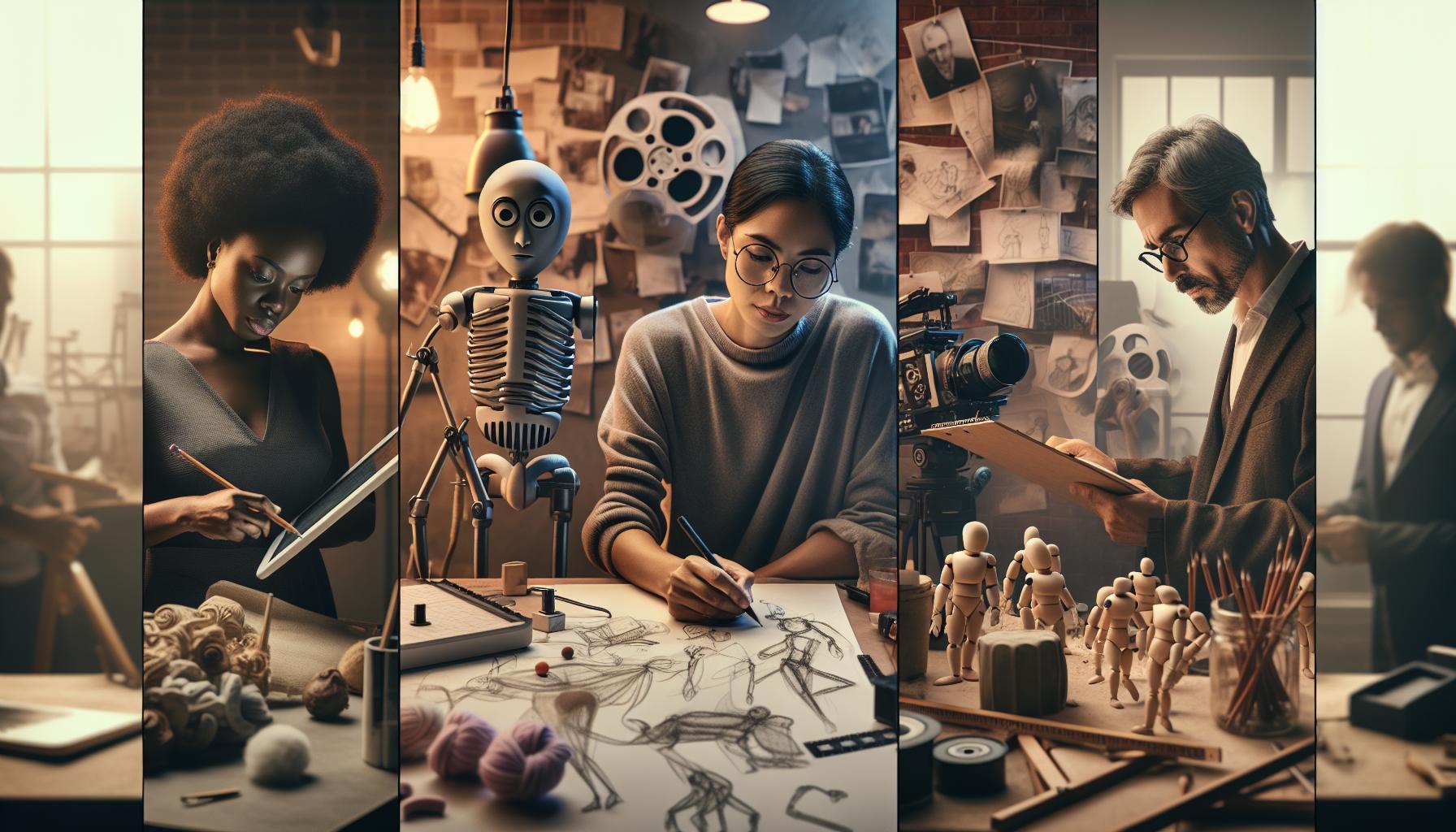
The creation of Corpse Bride showcases not just artistic vision but the remarkable talents of a dedicated team of directors and animators who brought this enchanting story to life. At the helm of this mesmerizing project were Tim Burton and Mike Johnson, two creative forces whose unique styles blended seamlessly in this groundbreaking stop-motion film. Burton’s distinctive Gothic aesthetic and whimsical storytelling merged with Johnson’s technical expertise, resulting in a film that captivates audiences both emotionally and visually.
The animation process itself was a monumental task, involving a skilled group of animators who meticulously orchestrated the movement of more than 200 hand-crafted puppets. Each animator brought their own flair and attention to detail, ensuring that every frame expressed the intended emotions and character nuances. For instance, the animators employed a range of techniques to give life to the puppets, including the use of interchangeable facial features allowing for expressive changes that lent depth to the characters. This team effort required not only skill but immense patience, as animators spent countless hours capturing each subtle movement frame by frame, resulting in the film’s fluid and captivating animation style.
Another key component in the success of Corpse Bride was the collaborative environment fostered by both directors. Their open approach led to a seamless exchange of ideas that allowed for innovation and creativity at every turn. In particular, the decision to use a blend of practical effects and digital enhancements exemplifies their forward-thinking approach, enabling the team to overcome the typical limitations associated with stop-motion animation. This effective partnership ensured that every aspect, from the puppetry to the set design, resonated with the film’s darkly romantic themes.
As audiences today revisit Corpse Bride, they engage with a film that stands as a testament to the mastery of its directors and animators-a carefully crafted world born from their imaginations and skills. The elegance of their work lies in its ability to not only tell a compelling story but also to immerse viewers in a visually rich experience that is quintessentially Burton. Indeed, the filmmaking prowess behind Corpse Bride continues to inspire and resonate, celebrating the artistry of stop-motion animation in ways that few films can match.
The Role of Puppetry in Corpse Bride’s Visuals
The meticulous artistry of puppetry in Corpse Bride is not just a means to animate characters; it is a core element that breathes life into the entire film’s visual narrative. Each puppet, crafted with care, serves as a vibrant vessel for the emotional depth and whimsical charm that defines Tim Burton’s aesthetic. Standing at 16 inches tall, these hand-crafted puppets are a delight to behold, showcasing incredible detail from their intricately painted faces to their uniquely designed costumes, all meticulously tailored to reflect their personalities and the film’s gothic yet romantic theme.
Every character’s emotional journey is poignantly expressed through the puppetry techniques employed by the animators. Utilizing a system of interchangeable heads and facial features, animators could capture a wide range of expressions, enhancing the characters’ ability to convey complex emotions. For instance, this technique allowed for dramatic shifts-not just in mood but also in the narrative arc of the characters, as we witness the emotional transitions of both Emily, the Corpse Bride, and Victor, her love interest. The subtlety of movements-an eye blink, a tilted head, or a tentative hand gesture-contributes significantly to the storytelling, making audiences feel deeply connected to these animated figures.
Moreover, the puppetry artistry extends beyond just character design; it plays a critical role in setting the tone and atmosphere of the film. The eerie charm of the world Burton created draws viewers into a land populated by the living and the dead, where the fantastical becomes poignant. The craftsmanship involved in producing these puppets ensures that they inhabit this world authentically. From the richly textured settings to the atmospheric lighting designed to highlight the puppetry, every visual aspect collaborates harmoniously, elevating the narrative experience.
Special attention is given to how the puppets are animated. Animators skillfully utilized stop-motion techniques, shifting each puppet incrementally to create fluid movements that maintain the illusion of life. This labor-intensive process-each frame carefully captured to preserve the integrity of character performance-demands not only technical skill but also an artistic vision that aligns with the story’s overarching themes. The blend of craftsmanship and creativity in puppetry thus not only makes Corpse Bride a visual feast but also enhances its emotional resonance, ensuring that this stop-motion masterpiece remains unforgettable.
Stunning Set Designs: Crafting the World of Corpse Bride
The enchanting world of *Corpse Bride* is a testament to the breathtaking artistry that defines stop-motion animation. Each set is a meticulously crafted realm that not only serves as a backdrop for the story but also becomes an essential character in its own right. Tim Burton’s vision particularly shines through the contrasting landscapes of the vibrant living world and the hauntingly melancholic world of the dead, creating a visual dichotomy that captivates audiences.
The film’s design team, led by the art direction duo of Alexandra Byrne and decorator Stefan Dechant, took inspiration from the Gothic art style, with rich textures and a palette that shifts dramatically between vibrant colors and dusky tones. One of the most striking aspects of the set designs is their incredible detail and depth, from the elaborate Victorian houses in the living world to the eerie, skeletal trees in the Land of the Dead. The careful layering of materials, such as velvet for the curtains and intricately painted backdrops, adds a palpable sense of tangibility to the animated scenes, making each frame feel alive.
Key Elements of Set Design
The set designs of *Corpse Bride* also highlight the importance of scale and perspective in storytelling. The creators opted for oversized props and exaggerated features, which contribute to the whimsical yet eerie atmosphere. This design choice was particularly effective in portraying the surreal nature of the narrative, drawing viewers into a dreamlike experience. For example, the towering flowers and giant moon not only enhance the fantastical elements but also symbolize the larger-than-life emotions experienced by the characters.
- Layered Textures: Each set is made up of various materials that create depth and visual interest, such as painted backdrops and detailed props.
- Contrast in Worlds: Distinctive designs for the living and dead realms highlight the film’s themes, using vibrant colors for the land of the living and muted tones for the afterlife.
- Exaggeration of Scale: Oversized props and whimsical features enhance the surreal quality, drawing viewers deeper into Burton’s unique aesthetic.
The craftsmanship that went into *Corpse Bride*’s set designs exemplifies the sheer creativity and dedication of the entire production team. Each scene is a carefully constructed environment that perfectly complements the emotional arcs of the characters, making the film not just a visual spectacle but a truly immersive experience. The delicate balance between whimsy and darkness invites viewers to explore a world where love transcends boundaries, reminding us that beauty can often be found in the most unexpected places.
Innovative Technology in Stop Motion Animation
The world of Corpse Bride is not only a visual feast but also a brilliant showcase of how innovative technology can enhance the craft of stop-motion animation. One of the most fascinating aspects of this film is how it employs a combination of traditional methods and modern technology to create seamless animations that breathe life into inanimate objects. The meticulous attention to detail and the use of digital tools have revolutionized the way animators approach the creation of films like this.
A pioneering technique utilized in the making of Corpse Bride is the use of digital reference cameras. This technology allowed animators to capture every frame with precision, ensuring consistency and accuracy in the movements of the puppets. By integrating digital technology into the traditional stop-motion process, animators were able to streamline their workflow, allowing for adjustments and corrections that would have been incredibly labor-intensive with manual methods alone. This blending of the digital with the physical proves that stop-motion is not just about moving puppets frame by frame, but also about using technology to enhance storytelling.
Additionally, the meticulous craftsmanship involved in puppet design is noteworthy. Each character was made from silicone and designed with intricate facial features and expressions. The use of a flexible control system enabled animators to manipulate the puppets’ facial features, allowing for fluid emotional responses that added depth to the storytelling. This combination of cutting-edge technology and traditional artistry created a rich tapestry of visual storytelling that resonated deeply with audiences.
The incorporation of innovative technology doesn’t stop at puppetry and cameras. Advanced lighting techniques were also employed to enhance the atmosphere of each scene, evoking a range of moods that contribute to the film’s gothic charm. By using programmable LEDs and refined lighting setups, the creative team expertly balanced shadows and highlights, bringing out textures in both the sets and the characters, further immersing viewers in the world of Corpse Bride.
In conclusion, the innovative technologies used in Corpse Bride exemplify how the animation industry continues to evolve. By fusing traditional craftsmanship with modern advancements, the film not only honors the art of stop motion but also pushes its boundaries, allowing for emotionally resonant storytelling that captivates audiences of all ages. The result is a magical experience that leaves a lasting impression, showcasing that with the right tools, imagination knows no limits.
The Emotional Depth of Corpse Bride’s Characters
Every character in *Corpse Bride* embodies a rich tapestry of emotions, meticulously crafted to resonate deeply with audiences. The film’s protagonist, Victor, is not just a hapless groom; he carries the weight of societal expectations, love, and fear, making his internal conflict profoundly relatable. This intricate emotional layering invites the audience to empathize with characters who grapple with identity, choice, and loss, capturing the essence of the human experience even within a whimsical, gothic narrative.
Characters with Depth
The emotional depth of each character, particularly that of the Corpse Bride herself, Emily, is striking. Initially introduced as a ghost yearning for love and closure, her journey unfolds from tragic to transformative. As viewers learn about her past and the betrayal that led to her demise, empathy flourishes. This nuanced portrayal encourages viewers to reflect on themes of love transcending boundaries and the struggle for acceptance, enhancing the film’s emotional resonance.
- Victor Van Dort: Represents the struggle between societal pressures and true desire, showcasing the challenges of making choices that reflect one’s authentic self.
- Emily (the Corpse Bride): Embodies loss and longing, invoking compassion as she navigates her own emotional turmoil surrounding love and betrayal.
- Lord Barkis: Serves as a foil to Victor, highlighting the darker aspects of ambition and selfishness, which further deepens the narrative conflict.
Visual Storytelling
The intricate use of stop-motion animation amplifies these emotional currents, enabling subtle yet impactful facial expressions that traditional animation might struggle to convey. The filmmakers infused the puppets with dynamic, tactile features that allow for a range of emotions-from joy to sorrow-reflected seamlessly through their movements. This synergy of technical skill and emotional storytelling creates an immersive experience where viewers can connect with the characters on a profound level.
Through its unique approach to character development and emotional authenticity, *Corpse Bride* not only entertains but serves as a poignant exploration of love and loss, reminding us that every story-whether in the living or the dead-holds a heart full of feelings waiting to be understood.
Audience Reactions: Why Corpse Bride Resonates
The enchanting world of Corpse Bride resonates with audiences for myriad reasons, intertwining the whimsical with the profound. This 2005 stop-motion masterpiece invites viewers to navigate a gothic fairy tale infused with heart, rich storytelling, and a visual style that captivates the senses. Audiences are drawn not only to the film’s unique aesthetic but also to its deeper themes of love, loss, and the quest for acceptance. The film’s emotional authenticity strikes a chord, making it relatable to anyone who dreams of love or grapples with personal struggles.
One of the most compelling aspects of Corpse Bride is its ability to evoke empathy through its well-developed characters. From Victor’s internal conflict about choosing between duty and desire to Emily’s tragic backstory of love and betrayal, viewers are invited to reflect on their own experiences with relationships and societal pressures. The film’s exploration of these universal themes creates a bridge between the living and the dead, underscoring that love persists beyond the boundaries of life itself. Audiences are often left pondering their own romantic journeys, making the viewing experience not just entertaining, but emotionally impactful.
Moreover, the stunning stop-motion animation itself enhances audience engagement. Each meticulously crafted scene brings the characters and their emotions to life in a way that feels tangible and intimate. Unlike traditional animation, the three-dimensional nature of stop motion allows for subtle expressions and dynamic movements that draw viewers deeper into the story. This tactile experience, combined with Tim Burton’s signature aesthetic, creates a visual narrative that is both haunting and beautiful, leaving an indelible mark on the viewer’s memory.
The cultural significance of this film cannot be overlooked. It challenges conventional narratives surrounding love, portraying both its beauty and its complexities. As Corpse Bride has gained a cult following, audience appreciation has only grown, positioning it as a staple in the realm of stop-motion cinema. By inviting reflection on personal emotions and societal expectations, Corpse Bride continues to resonate with audiences, solidifying its place as a timeless exploration of the human experience.
Comparing Corpse Bride to Other Stop Motion Films
The innovative realm of stop-motion animation has produced a variety of films, each showcasing distinct techniques, styles, and narrative choices. Tim Burton’s Corpse Bride stands out not only for its gothic aesthetic but also for its rich emotional landscapes, setting it apart from other notable stop-motion works such as The Nightmare Before Christmas and Isle of Dogs. These films, while all belonging to the same animation genre, each offer unique experiences that cater to different audiences and emotional tones.
Corpse Bride marries romance with haunting visuals, crafting a story about love transcending death through meticulous puppet work and enchanting set designs. Its characters, such as Victor and Emily, are deeply nuanced, inviting viewers to explore themes of longing and reconciliation. In contrast, The Nightmare Before Christmas, also directed by Burton but produced under a different style, showcases a vibrant yet eccentric holiday-themed world that explores identity and adventure through its iconic characters like Jack Skellington. While both films highlight Burton’s signature visual flair, The Nightmare Before Christmas leans more heavily on whimsical charm and musical numbers, creating a different emotional resonance compared to the tender melancholy found in Corpse Bride.
Moving beyond Burton’s collaborations, Isle of Dogs, directed by Wes Anderson, takes another approach by incorporating a stylized narrative centered on loyalty and companionship through the lens of a dog’s journey. The film’s aesthetic is remarkably symmetrical and vibrant, offering more of a comedic touch infused with Anderson’s signature quirkiness. Here, the emphasis on an adventure narrative contrasts sharply with the intimate and tragic love story of Corpse Bride, showcasing how stop-motion can traverse various genres from heartfelt romance to comedy and adventure.
Ultimately, while Corpse Bride shares the stage with other stop-motion giants, it uniquely fuses gothic romance with profound emotional themes. Its exploration of love’s complexities places it in a distinctive niche within the animated film landscape. These films collectively highlight the versatility of stop-motion animation, providing audiences with rich, varied experiences that resonate across differences in story and style. By examining these contrasts, viewers can appreciate not only the artistry involved in each production but also the diverse narratives that this animation technique can bring to life.
The Legacy of Corpse Bride in Animation History
The legacy of *Corpse Bride* in animation history is not only a testament to Tim Burton’s stylistic approach but also a significant milestone that showcased the artistry and emotional depth possible within stop-motion animation. Released in 2005, this film became a pivotal moment that reignited interest in traditional animation methods, even amid the rapid advancement of digital techniques. *Corpse Bride* stands as a proud representative of a genre often overshadowed by its CGI counterparts, illustrating the enduring charm and tactile nature of hand-crafted animation.
The Impact of Stop Motion on the Animation Landscape
By marrying gothic aesthetics with heartfelt storytelling, *Corpse Bride* contributed to a resurgence of stop-motion films that emphasize intricate puppet work and meticulous set design. The film’s unique visual style, characterized by its vibrant yet eerie color palette, has become iconic, influencing both aspiring animators and established filmmakers. As a result, *Corpse Bride* helped pave the way for other noteworthy stop-motion projects, such as *ParaNorman* and *Kubo and the Two Strings*, which sought to balance engaging narratives with stunning visual craftsmanship.
Exploring Emotional Depth and Thematic Complexity
The emotional resonance of *Corpse Bride* allowed it to carve a niche in animation history. The film explores themes such as love, loss, and the delicate balance between life and death, all presented through nuanced character arcs and a poignant narrative. Unlike many animated films that target a purely younger audience, *Corpse Bride* invited adults to reflect on more profound themes, demonstrating that animation could address complex emotions and adult narratives without losing its whimsical charm. This legacy has encouraged storytellers to create animated films that resonate with audiences of all ages, enriching the medium as a whole.
A Celebration of Craftsmanship and Collaboration
Finally, *Corpse Bride* achieved high acclaim not just for its emotional storytelling but also for the collaboration of talented artists and technicians. The intricate puppets, meticulously designed sets, and expert animators worked seamlessly to bring Burton’s vision to life, exemplifying the power of teamwork in animation. This celebration of craftsmanship placed a spotlight on the dedication and skill involved in stop-motion processes, inspiring future generations to appreciate the labor and love poured into each frame of animation.
In summary, *Corpse Bride* has cemented its status in animation history as a beautifully crafted film that not only pushed the boundaries of stop-motion animation but also enriched its narrative potential. Its legacy continues to inspire both creators and audiences, reminding us that the art of animation can convey profound human experiences in visually captivating ways.
Behind-the-Scenes Secrets: Making of Corpse Bride
Creating Corpse Bride was a monumental task that involved meticulous attention to detail, imaginative storytelling, and an unmatched commitment to the art of animation. The film, beloved for its gothic charm, unfolded through a complex behind-the-scenes process that transformed Tim Burton’s vision into a tangible reality, showcasing the beauty of stop-motion animation.
One of the most fascinating aspects of the production was the development of the film’s iconic puppets, each intricately designed to reflect the characters’ personalities and emotions. Ranging from the delicate, ethereal movements of Emily to the more robust features of Victor, the puppets were crafted using materials like silicone and foam, giving them a lifelike quality. Every puppet was controlled by a series of intricate mechanisms, allowing animators to manipulate their expressions and movements frame by frame. This painstaking process involved hours of filming for just a few seconds of screen time, exemplifying the dedication of the animators.
Another key element was the film’s stunning set design, which played a crucial role in bringing the hauntingly beautiful world to life. The production team constructed elaborate sets that were richly detailed, from the crumbling Gothic church to the vibrant underworld. Using physical props and painted backdrops, the filmmakers created an immersive atmosphere, inviting audiences to step into a whimsical yet eerie interpretation of Burton’s universe. The use of vibrant colors and dynamic lighting added depth and contrast, enhancing the overall aesthetic appeal of the film.
Collaboration was vital throughout the production process, with a talented crew working seamlessly together. Tim Burton’s visionary direction, paired with the expertise of the animators, puppet makers, and set designers, cultivated an environment where creativity flourished. This teamwork not only highlighted the skill involved in stop-motion animation but also solidified Corpse Bride‘s position as a celebrated work of art. The film serves as a remarkable example of how dedication, innovation, and artistic passion can culminate in a cinematic treasure that continues to captivate audiences around the globe.
FAQ
Q: Is Corpse Bride a stop motion film?
A: Yes, “Corpse Bride” is a stop motion animated film directed by Tim Burton and Mike Johnson. It features meticulous handcrafted puppets and sets, bringing a unique visual style to the storytelling. For more about its animation techniques, check the section on “Unveiling the Techniques Behind Stop Motion Magic.”
Q: What makes the stop motion animation in Corpse Bride unique?
A: The uniqueness of “Corpse Bride” lies in its rich textures and intricate details, which were achieved through the use of physically built puppets and elaborate sets. Each frame is painstakingly captured, giving the film its distinct aesthetic. Discover more in the “Exploring the Art of Stop Motion Animation” section.
Q: How long did it take to create Corpse Bride using stop motion?
A: Creating “Corpse Bride” took over two years. The process involved building hundreds of puppets and sets, with animators often capturing only a few seconds of film each day. For an inside look, visit the “Behind-the-Scenes Secrets: Making of Corpse Bride” section.
Q: What are the main techniques used in Corpse Bride’s animation?
A: “Corpse Bride” employed several techniques, including traditional stop motion, puppetry, and digital enhancements. The combination allowed for fluid movements and expressive characters. For deeper insights, refer to “Unveiling the Techniques Behind Stop Motion Magic.”
Q: Who were the key creatives behind the animation of Corpse Bride?
A: Tim Burton and Mike Johnson directed “Corpse Bride,” with a talented team of animators and designers contributing to its visual and narrative style. To learn more about them, check out “Meet the Masterminds: Directors and Animators.”
Q: How does Corpse Bride compare to other stop motion films?
A: “Corpse Bride” stands out for its gothic aesthetic and emotional depth when compared to other stop motion films like “The Nightmare Before Christmas.” Each film showcases different themes and animation styles, making them uniquely captivating. Explore this further in the “Comparing Corpse Bride to Other Stop Motion Films” section.
Q: What is the significance of puppetry in Corpse Bride?
A: Puppetry plays a crucial role in “Corpse Bride,” allowing characters to have life-like movements and expressions, enhancing the storytelling. The craftsmanship involved is integral to the film’s charm. Read more in “The Role of Puppetry in Corpse Bride’s Visuals.”
Q: How does the animation process affect the storytelling in Corpse Bride?
A: The animation process deeply impacts storytelling in “Corpse Bride” by allowing for emotional nuances that enhance character depth and connectivity with viewers. The combination of visual style and narrative brings a captivating experience. For a full exploration, visit “The Emotional Depth of Corpse Bride’s Characters.”
The Conclusion
Thank you for watching “Is Corpse Bride Stop Motion: Behind the Animation Magic Revealed.” We hope you’ve gained deeper insights into the enchanting world of stop-motion animation and how it brought such beloved characters to life. If you’re fascinated by animation, check out our detailed breakdown of the top stop-motion films or explore our guide on the artistic techniques used throughout the genre.
Don’t forget to subscribe for more behind-the-scenes magic and join our community by sharing your thoughts in the comments! What scenes left you in awe? Your engagement helps us create more content that you love! For those wanting to dive even deeper, consider signing up for our newsletter, where we share exclusive tips and resources for aspiring animators and film buffs alike. Your journey into the extraordinary world of animation starts now-let’s keep exploring together!