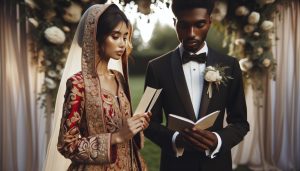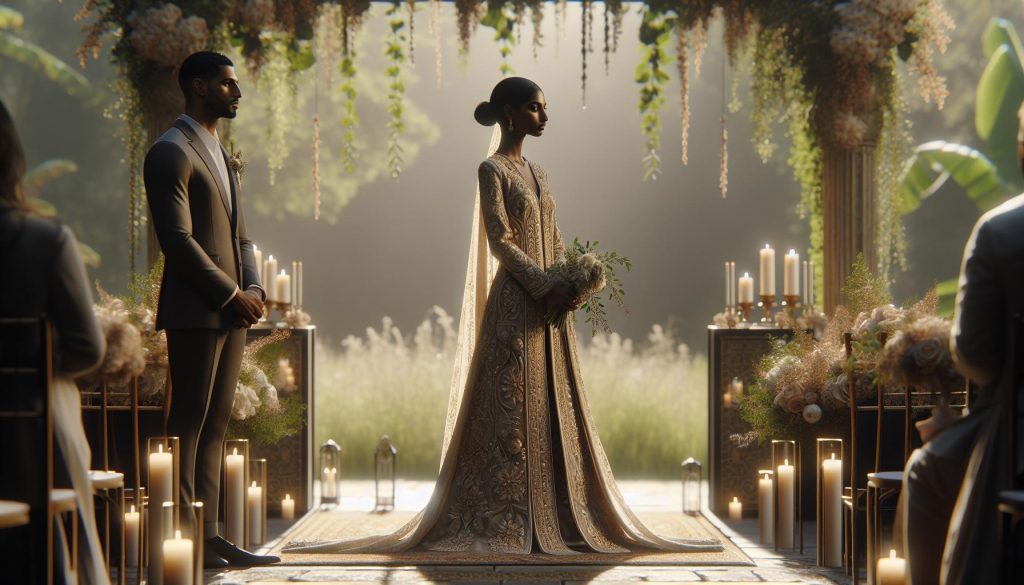
When planning a wedding, every detail matters, and even the simple question of which side the bride stands on at the altar can carry layers of tradition and meaning. In many cultures, this decision reflects not only personal preference but also deep-rooted customs surrounding marriage. Understanding where the bride stands offers insight into the ceremony’s ritualistic nature and its connection to family, identity, and community. As couples navigate their wedding plans, knowing these traditions can empower them to make informed choices that resonate with their values and aesthetic goals. Join us as we explore the fascinating nuances of this timeless question, ensuring your special day honors both tradition and individuality.
What Does “Standing” Mean for the Bride?
Standing at the altar holds deep symbolic meaning for the bride. Traditionally, during a wedding ceremony, the bride stands on the left side, with the groom positioned to her right. This placement not only aligns with historical customs but also represents the uniting of families, as the couple’s respective families often sit on either side of the aisle. From this position, the bride garners the support of her family and friends while facing the groom, symbolizing their commitment to each other.
The act of standing signifies more than just a physical position; it represents the beginning of a shared journey. By choosing to stand before her partner, the bride openly embraces the vows she is about to take. This moment marks her commitment to love, support, and nurture the relationship they are building. Furthermore, it reflects the fixture of tradition-acknowledging the rituals that have stood the test of time, while simultaneously allowing for modern interpretations that may shift this dynamic.
Couples today often explore a myriad of customs that can influence their choice of where to stand during the ceremony. While many adhere to traditional roles, others may opt for a more contemporary approach, allowing the bride and groom to switch sides or even stand together facing their guests. This flexibility represents a broader acceptance of individual choices and the desire to personalize the ceremony, making it a reflection of their unique love story. At its heart, standing at the altar is a powerful expression of unity and love, celebrating not just the couple, but the merging of two families and their shared dreams.
Understanding Wedding Altar Traditions
In the tapestry of wedding customs, the placement of the bride at the altar is steeped in tradition, symbolizing much more than just a physical location. Understanding these altar traditions can enhance the ceremony’s significance and offer couples a beautiful framework to express their love and commitment. Traditionally, the bride stands on the left side of the altar, with the groom to her right. This arrangement has roots in historical practices where brides would stand on the left to ensure their right hand (typically the dominant hand) was free to ward off any potential harm during the ceremony, symbolizing protection and strength.
Beyond mere placement, this tradition reflects the unification of two families and the communities surrounding the couple. For many, the altar serves as a sacred space where vows are exchanged, signifying a deep commitment not only to one another but to the merging of their families and friends, who are often seated on either side of the aisle. This aspect of altar traditions emphasizes the support and love from those gathered, making the moment even more poignant.
As couples navigate their unique wedding journeys, understanding and interpreting these traditions can be liberating. Many modern couples choose to personalize their ceremony, sometimes opting to stand together facing their guests or even switching sides entirely. This shift not only celebrates their individuality but also reflects contemporary values where partnerships are seen as equals rather than adhering strictly to traditional gender roles. Incorporating personal elements into the ceremony-like choosing meaningful readings or having loved ones participate-can further enhance the richness of the altar experience, making it a cherished memory for all involved.
Ultimately, engaging with altar traditions presents an opportunity to weave personal narratives into the overarching fabric of the ceremony. Couples are encouraged to draw inspiration from various rituals and adapt them in ways that resonate with their love story, whether that means including cultural elements, family traditions, or crafting new symbols of unity. The result is a ceremony that not only honors the past but also reflects a shared future filled with love and commitments yet to be made.
The Significance of the Bride’s Placement
The choice of where the bride stands during the wedding ceremony is imbued with both historical significance and a touch of romance. Standing on the left side of the altar, she traditionally places herself in a role that emphasizes both power and connection. This positioning, rooted in customs where the bride’s right hand was left free to protect against any ill intentions (a remnant of times when women could be considered vulnerable), symbolizes her strength and readiness to embrace this new chapter in her life.
This arrangement also reinforces the beautiful merging of families and communities. It provides a visual representation of support, with loved ones seated on either side, reinforcing the idea that the wedding is not merely about the couple, but also about the unity of their families. By placing the bride prominently on the left, the ceremony highlights her significance in the partnership while recognizing the importance of the groom’s presence and promises.
In today’s ceremonies, couples often express their individuality by reinterpreting or even stepping away from this traditional placement. Some may choose to stand facing one another or even swap sides, reflecting a modern perspective where the symbolism of partnership emphasizes equality. This approach invites creativity into the ceremony, allowing couples to create a narrative that resonates with their values and emotional connection.
Embracing the significance of placement at the altar can truly enhance the couple’s experience, and many find joy in weaving personal touches into these traditions. Whether through unique readings, shared vows, or rituals that incorporate family elements, the moment at the altar becomes a profound celebration of love, commitment, and the journey ahead, creating cherished memories that last a lifetime.
Historical Variations in Altar Positioning
The positioning of the bride at the altar has evolved over centuries, reflecting changes in societal norms, gender roles, and cultural values. Historically, marriages were often arranged for political alliances or economic stability, which influenced how the wedding ceremony was conducted. The traditional practice of placing the bride on the left side of the altar stems from customs that underscored her vulnerability, ensuring that her right hand remained free to ward off any ill intentions from potential threats. This positioning signified not only protection but also a transition to a new family role, establishing the bride’s place in a partnership that was viewed through a lens of ownership and control.
As the centuries progressed, especially into the 19th and 20th centuries, wedding ceremonies began to shift toward more romantic ideals. The emphasis moved from familial alliances to love and partnership, affecting how couples were positioned at the altar. In this modern context, both the bride and groom typically stand side by side as equals, reflecting a mutual commitment. This change represents not just a shift in ceremony placement but also a cultural acknowledgment that both partners are entering the marriage as equals, with shared responsibilities and love as the foundation of their union.
Moreover, variations exist across different cultures, with each adding its unique spin on altar positioning. For instance, in traditional Hindu weddings, the bride switches sides during the ceremony as part of the various rituals, symbolizing her transition from her natal family to her husband’s family. This flexible approach not only enriches the cultural tapestry of wedding traditions but also offers couples the opportunity to incorporate elements that resonate with their heritage and personal beliefs.
In today’s world, many couples are embracing these historical variations and choosing to personalize their ceremony by reimagining altar arrangements. Some opt for standing opposite one another or even incorporating family members into their positioning, which fosters inclusivity and acknowledges the significance of those present. As couples navigate these decisions, they can draw from tradition while weaving their unique narratives, ensuring that the ceremony reflects their love story and the values they hold dear while celebrating a beautiful moment in their lives.
Who Stands Where? Clarifying Roles in the Ceremony
Positioning at the altar may seem like a simple detail, but it holds deep significance in wedding ceremonies. Traditionally, the bride stands on the left side of the altar, with the groom to her right. This arrangement not only reflects long-standing customs but also sets the tone for the couple’s roles during the ceremony. Guests are typically aligned with this tradition, with the bride’s family sitting on the left and the groom’s on the right, reinforcing the familial bonds that are being celebrated.
Understanding who stands where involves more than just placement; it’s about the symbolism and significance of each role. Close family members often take prominent positions, such as parents or stepparents, who may stand alongside the couple during the ceremony. The wedding party-bridesmaids and groomsmen-usually lines up to support the couple, with the bridesmaids standing behind the bride and the groomsmen behind the groom. This arrangement highlights the importance of both the couple’s past networks and the support system they are bringing into their marriage.
As couples consider their ceremony logistics, they may choose to personalize their altar arrangement. Some couples opt for a more inclusive setup, where family members or significant friends join them at the front, creating a beautiful representation of their community. Whether you stick to tradition or opt for a modern twist, the focus should remain on the love and unity that the ceremony celebrates. This is your moment, and how you choose to occupy that space should reflect who you are as a couple.
Ultimately, clarifying roles at the altar is about ensuring that everyone in attendance understands the significance of the gathering. From the parents’ pride to the friends’ joy, every person’s presence plays a part in weaving the fabric of your wedding day. As you navigate these decisions, keep in mind that the ceremony is not just about standing in specific places, but about honoring the relationships and commitments that brought you to this beautiful celebration of love.
Cultural Differences in Altar Traditions
Different cultures around the world imbue wedding ceremonies with unique traditions that extend to the configuration of the altar and the placement of the bride and groom. These practices are not just ceremonial but reflect the values and beliefs of the society-often shaping how couples express their commitment to each other.
In many Western traditions, the bride traditionally stands to the left of the groom, rooted in historic practices that signify the groom’s role as protector. However, in some cultures, this configuration varies dramatically. For instance, in certain African cultures, the bride may stand in front of the groom to signify that she is the primary focus of the ceremony. This placement is often accompanied by vibrant rituals that include song and dance, emphasizing community and familial involvement.
Similarly, in Hindu weddings, not only does the couple often sit side by side rather than stand, but specific rituals dictate the configuration of the altar. The placement of sacred elements, such as the fire (Agni) used in the ceremony, is significant, and the couple often walks around it in a ritual known as Saptapadi, representing their vows. Here, the couple’s movement around the fire signifies their commitments, showcasing both the spiritual and communal aspects of their union.
In Eastern Asian cultures, such as Chinese traditions, the elements of the altar include symbols of prosperity, fertility, and harmony. The positioning can vary, reflecting the couple’s families’ involvement-which is crucial in a culture where family ties play a prominent role. During the ceremony, the couple may face their families, and their seating can emphasize the importance of both sides of the family, reinforcing bonds and honoring parents.
No matter the configuration, understanding these cultural details can enrich the ceremony’s meaning for couples. It offers a beautiful opportunity to reflect their values, honor their heritages, and create a memorable celebration that resonates deeply with their family’s traditions. Couples should feel encouraged to consider these diverse practices as they plan their wedding, ensuring that the event is a personalized celebration of their love, surrounded by the unique influences of their backgrounds.
Modern Adaptations: Breaking Tradition
Couples today are increasingly embracing the idea of creating their own unique wedding experiences, leading to a heartwarming evolution in traditional altar arrangements. While many still honor the age-old custom of having the bride stand to the left of the groom, an array of modern adaptations is inspiring couples to reflect their personalities and values within the placement and roles at their ceremonies. This shift celebrates individuality and inclusivity, making each wedding a distinct expression of love.
Breaking with tradition can manifest in various ways. Some couples choose for both partners to stand side by side, symbolizing equality and unity in their relationship. This can be especially meaningful for non-binary, same-sex, or even heteronormative couples who wish to emphasize their partnership’s balance. Furthermore, it allows for a more intimate connection during the vows, as both partners face their loved ones together, reinforcing their commitment within the shared community space.
Additionally, creative altar setups can challenge conventional narratives. Couples might opt to have their wedding officiant positioned centrally, allowing both partners to flank them equally, or they could even share the center spot, inviting family members or special guests to stand alongside them. This approach not only customizes the ceremony but also invites greater familial and communal engagement, turning the focus away from age-old hierarchical roles.
Adapting traditions caters not only to personal preferences but also to logistical considerations. For instance, in larger ceremonies, couples might rearrange the altar to accommodate their expansive wedding party or unique venue layouts. Ultimately, the goal is to craft a ceremony that authentically resonates with the couple’s journey, emphasizing shared values, love, and mutual respect. Couples are encouraged to reflect on what their wedding represents to them-be it a tribute to their cultures, a celebration of individuality, or simply a day filled with joy-and adapt their altar arrangement to ensure the ceremony embodies those values beautifully.
When to Consider Non-Traditional Approaches
When couples envision their wedding day, the altar setup often becomes a pivotal element that reflects their unique identities and values. Considering non-traditional approaches to altar arrangements can provide the perfect opportunity to break away from convention and cultivate a ceremony that speaks to who they are as partners. There are various reasons to embrace non-traditional setups, from honoring personal stories to accommodating diverse family dynamics and cultural backgrounds.
Emphasizing Equality
Embracing a non-traditional altar arrangement can allow couples to symbolize equality and partnership in their relationship. For instance, arranging the ceremony so that both partners stand side by side rather than adhering to the classic format where one stands to the left of the other can be powerful. This positioning not only fosters a sense of unity but also makes a statement about shared responsibilities and mutual respect in their journey together. It can be particularly meaningful for couples who identify as non-binary or those in same-sex relationships, underscoring their commitment to balance and harmony.
Accommodating Family Dynamics
Family dynamics can significantly influence wedding planning. Couples may want to consider inviting important family members into the ceremony, which can be beautifully executed through a non-traditional altar arrangement. For example, including close relatives or children as part of the altar setup can reinforce the idea of family bonds and inclusivity. Positioning the officiant centrally with both partners flanking them, or even allowing select family members to stand nearby, can transform the ceremony into a collective celebration rather than a formal event, creating a feeling of togetherness among all attendees.
Expressing Cultural Heritage
Incorporating elements that reflect cultural heritage is another compelling reason to explore non-traditional altar arrangements. Many cultures have unique wedding traditions that can be adapted into the ceremony. For example, couples of different backgrounds might blend their respective traditions, creating a rich tapestry of shared customs that honor both families. This could involve symbolic gestures such as unity candles, sand ceremonies, or even interactive elements where guests are asked to lend a hand, such as tying a knot or sharing blessings.
Making Logistical Adjustments
Finally, practicality can often inspire changes to altar traditions. Couples planning large weddings with extensive bridal parties may find traditional setups impractical. In this case, reconfiguring the altar to accommodate larger groups or specific layouts of the venue is essential. By thinking outside the box and embracing a non-traditional setup, couples can ensure every member of their party feels included and celebrated, while simultaneously crafting a memorable experience for their guests.
As couples navigate their wedding planning journeys and consider when to adopt non-traditional approaches, they are encouraged to embrace their authentic selves and let their love story shine through. Whether through forging new paths or honoring cherished traditions, the ultimate goal is to create a ceremony that resonates deeply with their hearts and souls.
Navigating Family Dynamics at the Altar
Navigating family dynamics can be one of the most intricate aspects of wedding planning, particularly when it comes to the ceremony set up at the altar. Every family has its unique relationships, histories, and expectations, which can sometimes create a delicate balancing act for couples. Understanding how to honor these family dynamics while maintaining a focus on your love story is essential for creating a joyful and inclusive atmosphere.
An important way to address family unity at the altar is by considering who stands where. Traditionally, the bride stands on the left and the groom on the right, but this arrangement is not set in stone. Couples have the option to stand side by side, symbolizing partnership and equality. This positioning can also create an inviting space for family and friends. Involving significant family members, such as parents, grandparents, or even siblings, in the ceremony can transform the altar from a simple focal point into a canvas of family unity. For example, inviting parents to stand near the couple as a sign of support or including children in the ceremony can broaden the definition of what the altar represents, creating a more communal and heartfelt atmosphere.
It’s also crucial to communicate openly with family about the planned arrangements. Enlisting loved ones in discussions about their roles and seating can alleviate tension and ensure everyone feels valued. For instance, if step-parents are involved, taking the time to discuss their place in the ceremony can foster goodwill and respect among all parties, easing any potential discomfort. Additionally, sharing the ceremony’s flow with family can ensure that everyone is on the same page, thus minimizing misunderstandings and celebrating the day as a united front.
Lastly, making room for family traditions while integrating modern elements can also serve to bridge generational gaps. Whether it’s incorporating a passed-down family ritual into the ceremony or simply honoring a family’s culture through specific symbols, these gestures can significantly enhance the meaningfulness of the ceremony. Striking this balance will not only create an engaging experience for everyone involved but also create lasting memories that honor your families while celebrating your unique love story.
Tips for Couples: Personalizing Your Ceremony
Personalizing your wedding ceremony is a beautifully intimate way to reflect your unique relationship and values. As you consider who stands where at the altar, remember that this moment marks the beginning of your shared journey, and the layout should resonate with your love story. Instead of sticking strictly to tradition, think about what feels comfortable and meaningful for both of you.
One way to personalize your ceremony is by choosing who stands by your side. While the default is for the bride to stand on the left and the groom on the right, you might opt to stand together as equals. This modern approach not only symbolizes partnership but can also create a more inclusive atmosphere, inviting guests into your celebration of love. Additionally, consider involving family members in the ceremony. Having parents or siblings stand with you or even participating in specific roles can deepen the connection among everyone present, transforming the altar into a collaborative space that honors both families.
Moreover, don’t hesitate to weave in personal touches that reflect your shared history. Perhaps you have a favorite reading or song that defines your relationship, or maybe there’s a custom from your family or culture that you would like to incorporate. Putting thought into these moments can create lasting memories. You might even think about symbolic gestures, such as lighting a unity candle or planting a tree together. Each of these elements can transform your ceremony into a rich tapestry of shared experiences and commitments.
Lastly, communicate openly with your partner and loved ones as you craft your ceremony. Discuss what is important to both of you and be transparent about how you envision the day. Your wedding should be a joyful celebration of your love, something that resonates not only with you but also creates an inclusive experience for your guests. Personalizing your ceremony is about celebrating who you are as a couple, and with thoughtful planning, you can make it a day to remember for everyone involved.
Altar Decor: Enhancing Your Wedding Aesthetic
Creating an inviting and visually stunning altar can significantly enhance the overall atmosphere of your wedding ceremony. The altar is not just a backdrop; it is the focal point where you and your partner will exchange vows and promises, making its aesthetics crucial in setting the tone for your day. Incorporating elements that resonate with your personalities and love story can transform this sacred space into a reflection of your journey together.
One effective way to enhance altar decor is through floral arrangements. Consider using flowers that hold special meaning for you as a couple or that symbolize your relationship, such as roses for love or lilies for purity. Seasonal blooms not only add vibrancy but can also align your decor with the natural beauty of the day. Experimenting with varying heights and textures can create visual interest. For instance, using tall, elegant centerpieces alongside low arrangements can give your altar a sense of depth and dimension.
In addition to flowers, bringing in personal items can make your altar decor truly unique. You might incorporate heirlooms, photographs, or elements from your cultural backgrounds-these touches can foster a deeper connection and tell your story. Integrative displays, such as lovingly crafted signs featuring your favorite quotes or verses, can also enhance the emotional resonance of the space. Consider using lighting creatively to set the mood; twinkling fairy lights or soft candles can bring an ethereal glow that complements your decor beautifully.
Finally, don’t forget about the overall layout. The arrangement of chairs and seating for your guests should harmonize with the altar’s design. Dual-side seating, where the groom’s family and the bride’s family sit opposite each other, enhances the experience for everyone and acknowledges the mingling of two families. Thoughtfully considering these aspects will ensure that your wedding altar radiates love and elegance, making your special day even more memorable.
Frequently Asked Questions About Altar Traditions
Navigating wedding altar traditions can bring excitement and a few questions as couples prepare for their big day. One of the most common inquiries revolves around the traditional positioning of the bride and groom: why does the bride stand on the left side of the altar? This seemingly simple choice holds a wealth of history and symbolism that can enrich your ceremony.
In many Western cultures, the bride’s left-side placement dates back to ancient customs where it was believed that the groom needed to protect his bride from potential suitors. By standing on the left, he kept his right hand free to draw his sword if necessary-defending his beloved from any unwanted advances. While this may sound archaic today, it symbolizes the protective nature of marriage as a partnership. Many modern couples choose to follow this tradition, appreciating its romantic and historical significance, while others are embracing more flexible arrangements that resonate with their personal beliefs and values.
Here are a few common questions that often arise regarding altar traditions:
What if we prefer non-traditional positions?
Absolutely! Couples today are breaking away from conventional roles and creating their own. Standing arrangements can be tailored to suit your preferences-whether it’s the bride standing on the right or both partners facing each other without strict alignment to sides. The key is to choose what feels right for you as a couple.
How about cultural variations?
Different cultures have unique interpretations of altar positioning. For example, in traditional Hindu weddings, the bride switches sides during certain rituals, reflecting the transition from a daughter to a wife. Understanding these cultural significances can deepen the emotional connections felt during the ceremony.
Is there a preferred seating arrangement for guests?
Traditionally, guests of the bride sit on the left and the groom’s guests on the right, reinforcing the union of two families. However, many couples are now opting for mixed seating to encourage mingling and a more inclusive atmosphere at their weddings, reflecting the blending of cultures and families.
Embracing the joy and meaning behind these traditions while crafting a ceremony that resonates with your identity as a couple can transform your wedding day into a truly unforgettable celebration. Whether you stick to tradition or innovate your own, the most important aspect is that you both feel connected and comfortable in your choices.
Frequently asked questions
Q: What side does the bride typically stand on during a wedding ceremony?
A: Traditionally, the bride stands on the left side of the altar, allowing her groom to stand on her right. This positioning symbolizes that the groom is there to protect his bride, adhering to customs that date back centuries.
Q: Why does the bride stand on the left side of the altar?
A: The bride stands on the left so the groom can keep his sword hand free, traditionally allowing him to defend her if necessary. This historical significance reflects a time when marriage was about alliances and protection.
Q: Are there cultural variations in altar positioning?
A: Yes, different cultures may have unique traditions regarding altar positioning. For example, some Eastern cultures may have the bride and groom face each other more directly without strict sides, reflecting their values in unity and equality.
Q: Can couples choose to break the tradition of where they stand?
A: Absolutely! Many modern couples personalize their ceremony by switching traditional positions, emphasizing their individuality and relationship dynamics. The most important thing is that the positioning feels right for them.
Q: How do LGBTQ+ couples approach altar positioning?
A: LGBTQ+ couples often create their own traditions regarding altar positioning, reflecting their partnership. They may choose any arrangement that resonates with their relationship, showing that love transcends traditional norms.
Q: What are some tips for personalizing your wedding altar position?
A: Consider your love story, cultural background, and family dynamics when personalizing your novelty altar position. Discuss with your partner what feels comfortable and meaningful to both of you while ensuring it reflects your unique bond.
Q: How should parents or family be involved in altar positioning?
A: Involving family can help bridge traditions and modern practices. You can honor family customs while discussing your preferences, ensuring everyone feels included in this sentimental moment at your ceremony.
Q: When is it important to consider non-traditional altar placements?
A: Consider non-traditional placements if you want to reflect your unique relationship, address family dynamics, or create a more intimate setting. Personalizing your ceremony can enhance its emotional impact and authenticity.
Wrapping Up
Understanding where the bride stands during the wedding ceremony is more than just a detail; it represents cherished traditions and meaningful connections. As you prepare for your special day, consider how these customs shape your ceremony’s flow and personalize your experience. If you’re curious to delve deeper into other wedding etiquette or explore unique cultural traditions, check out our comprehensive guides on wedding ceremony progression and incorporating unique traditions.
Don’t leave any detail to chance! Sign up for our newsletter for expert tips and inspiration that will make your wedding planning journey not only manageable but also enjoyable. Ensure that your big day is as seamless as possible by consulting our resources, and join the conversation by sharing your thoughts or experiences in the comments below. Your dream wedding awaits-embrace the journey!