Planning a wedding can feel overwhelming, but understanding the role of the priest in your ceremony is key to ensuring a meaningful experience. In our guide, “What Does a Priest Say at a Wedding: Ceremony Script Guide,” we’ll explore the traditional words and rituals that create the foundation of your celebration. From the heartfelt vows to the blessings that honor your union, every phrase spoken by the priest plays a crucial role in weaving together your love story. Whether you’re incorporating cherished customs or seeking a unique twist, our insights will help you navigate this cherished aspect of your wedding day with confidence. Join us as we delve into the significance of these sacred words and how they frame one of life’s most beautiful commitments.
What to Expect From a Priest at Your Wedding
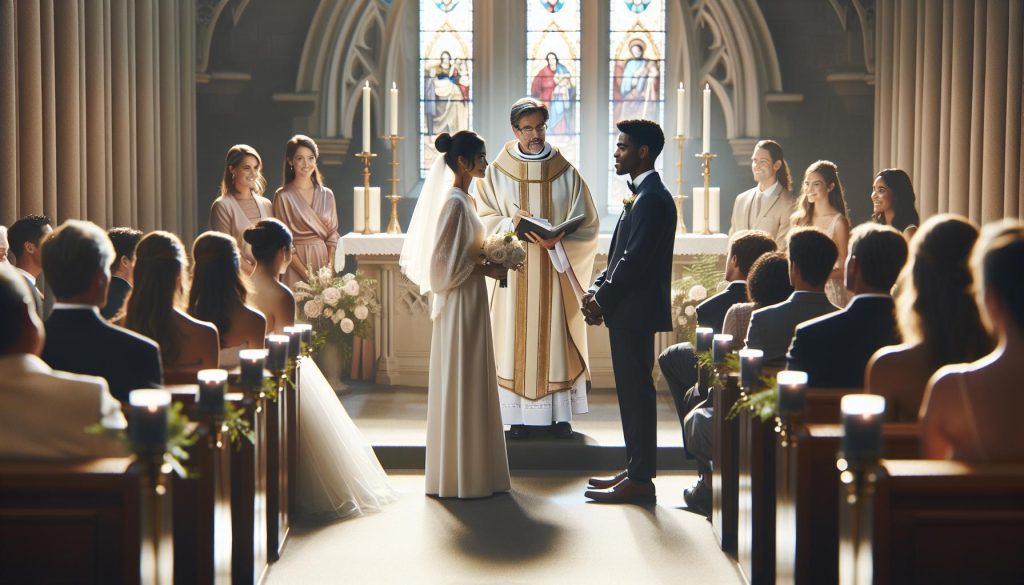
When planning your wedding, the role of a priest can significantly shape the atmosphere and sentiment of your ceremony. Expect to engage with a compassionate figure who not only officiates the event but also offers spiritual guidance and support throughout the planning process. The priest’s presence brings a sense of tradition and sanctity, enhancing the significance of your vows and commitment. From the initial meeting to the final moments of your ceremony, open communication with your priest is key. They can help clarify the structure of the service, suggest meaningful readings, and discuss any specific rites or traditions you may want to include.
During the ceremony, a priest typically leads the congregation in prayers and readings, guiding you and your partner in the exchange of vows. This moment isn’t just about formalities; it’s a beautiful declaration of your love and promises to one another. The priest may offer counsel on personalizing your vows, ensuring they reflect your unique relationship while still adhering to the traditions of your faith. Additionally, the priest should involve family and friends in meaningful ways, reinforcing the communal aspect of marriage within your religious community.
Taking the time to align with your priest when it comes to wedding logistics can alleviate stress and enhance your overall experience. Discuss the significance behind specific rituals, such as lighting a Unity Candle or other symbols of unity, which can offer deeper meaning during the celebration. Your priest will provide insights into appropriate attire and conduct, ensuring every detail aligns with both religious expectations and your personal style. Ultimately, expect an enriching experience that not only binds you and your partner in holy matrimony but also intertwines your lives within your faith community.
Key Roles of the Priest in the Ceremony
A wedding ceremony is a powerful expression of love and commitment, and the priest serving as the officiant plays a crucial role in making that experience meaningful and sacred. The priest not only conducts the ceremony but also provides spiritual support and guidance, ensuring that the couple is rooted in their faith as they embark on their new journey together. With a blend of traditional rituals and personal touches, the priest helps create an atmosphere that celebrates the couple’s love in front of their family and friends.
Throughout the ceremony, the priest’s duties include leading prayers and readings that reflect the couple’s beliefs and values. This may involve reciting scriptures that emphasize love, unity, and the sanctity of marriage. The priest guides the couple through the exchange of vows, encouraging them to articulate their promises sincerely. This moment is often the emotional heart of the ceremony, where the couple’s commitment to one another is publicly affirmed in a profound way. Personalizing these vows can make the connection to their relationship stronger, something the priest can assist with to ensure they resonate with both the couple and their guests.
Additionally, the priest will often facilitate rituals that symbolize the couple’s union, such as lighting a Unity Candle or participating in the exchange of rings. These elements hold deep meaning, signifying the joining of two lives into one. The priest’s role in explaining these customs can enhance the experience for both the couple and their loved ones, making the ceremony feel richer and more intentional. By understanding the significance of each ritual, couples can better appreciate the spiritual depth of the occasion.
Effective communication with the priest is vital during the planning process. Couples are encouraged to discuss any specific requests, cultural traditions, or personal touches they wish to include in their ceremony. This collaborative effort can lead to a more heartfelt and tailored experience, allowing the couple’s personalities and love story to shine through the structured elements of the ceremony. With guidance from their priest, couples can enjoy a ceremony that feels both authentic and sacred, setting a beautiful tone for their lifelong journey together.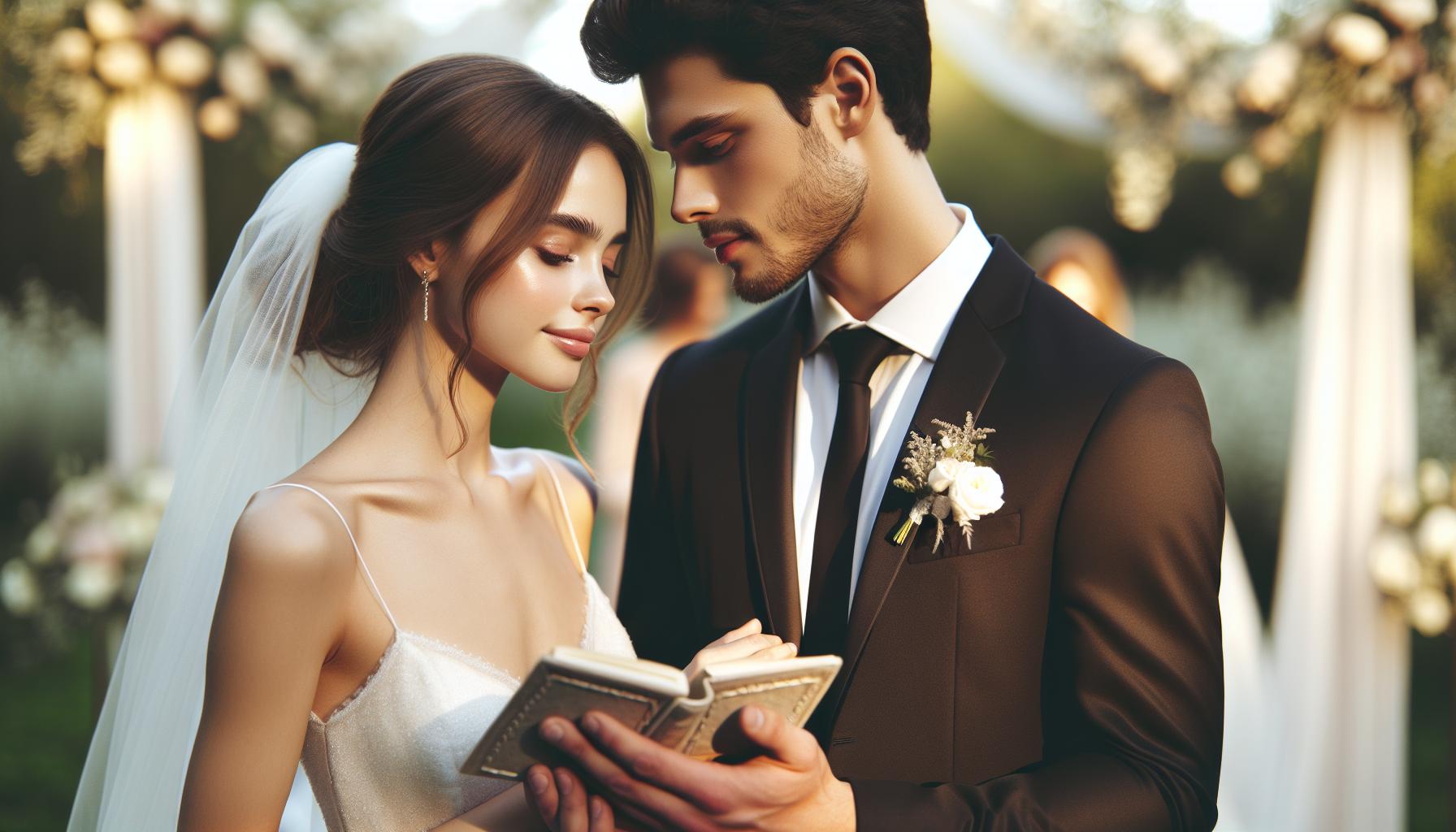
Traditional Wedding Vows Explained
When it comes to wedding ceremonies, traditional vows hold a special place, encapsulating the essence of love, commitment, and unity. These solemn promises not only bind the couple together but also reflect deep cultural and spiritual meanings. Within the ceremony, the priest plays a crucial role in guiding the couple through their vows, ensuring that this sacred moment resonates with both their hearts and the hearts of their witnesses.
Understanding Traditional Vows
At its core, traditional wedding vows typically involve pledging to love and support each other for a lifetime. Common elements often include phrases that emphasize fidelity, support through challenges, and an unconditional commitment. For example, vows may include statements like “to have and to hold, from this day forward, in sickness and in health.” This language serves to reaffirm the understanding that marriage is a partnership requiring effort, compassion, and resilience.
Couples may also choose to personalize their vows, infusing them with unique experiences or inside jokes that highlight their relationship. This is where the priest can offer valuable guidance, suggesting meaningful reflections or scriptural readings that align with the couple’s beliefs, further enriching their promises. Personalizing the vows enhances the emotional impact of the ceremony, allowing the couple to express their love authentically while maintaining the solemnity of the occasion.
Incorporating Spiritual Significance
During the ceremony, the priest might introduce the couple’s vows with reflections on the sacred nature of marriage, emphasizing its value within the faith tradition. This spiritual context serves to deepen the couple’s commitment, letting them understand not only the earthly implications of their union but also its divine significance. Couples are encouraged to reflect on their vows, taking time to connect with the meanings behind each promise they make.
The exchange of vows is often recognized as the heart of the wedding ceremony-the moment when the couple openly expresses their love and dedication. As the priest leads this part of the service, his presence adds a layer of authority and spiritual significance, reinforcing the vows made as not merely words, but as lifelong commitments supported by the faith community. As couples prepare for this monumental moment, embracing the traditional essence while adding their personal touch makes for an unforgettable and deeply meaningful wedding experience.
Essential Elements of a Wedding Ceremony Script
Creating a wedding ceremony script with a priest involves weaving together sacred traditions and personal touches that reflect the couple’s journey. This essential framework guides the flow of the day and ensures that the heartfelt vows exchanged carry both personal meaning and spiritual significance. Here are the key elements typically found in such a script:
Opening Remarks
The ceremony often begins with the priest’s opening remarks, setting the tone for the occasion. This introduction may include words of welcome to guests and a brief reflection on the importance of marriage within the faith. This moment is pivotal in creating an atmosphere of love, respect, and solemnity.
Readings
Incorporating readings from scripture or spiritual texts is common. The priest may select passages that resonate with the couple’s beliefs, such as verses from the Bible that speak to love and commitment. These readings not only enrich the ceremony but also allow for moments of reflection, inviting guests to contemplate the serious commitment about to be made.
Exchange of Vows
One of the most touching parts of the ceremony, the exchange of vows is where the couple publicly declares their intentions to one another. The priest typically facilitates this part by asking the couple to repeat their promises after him. It can be a beautiful blend of traditional vows and personalized statements that reflect the couple’s unique relationship.
Rings Ceremony
Following the vows, the priest will lead the couple in the rings ceremony. Here, the couple exchanges wedding rings-a potent symbol of their love and a public proclamation of their commitment. The priest may offer a blessing over the rings, emphasizing the significance of this token in the context of their faith.
Closing Blessing
As the ceremony closes, the priest offers a final blessing over the couple, asking for divine guidance and protection in their new life together. This moment reinforces the spiritual foundation of their union, anchoring it within the community of faith.
Including these essential elements not only creates a structured and meaningful ceremony but also allows personalization to reflect the couple’s journey and the community’s support. With thoughtful planning and collaboration with the priest, couples can ensure that their wedding ceremony is a beautiful celebration of love, spirituality, and lifelong commitment.
Personalizing Your Catholic Wedding Ceremony
allows you to blend deep-rooted traditions with your unique love story, creating a heartfelt experience for you and your guests. For many couples, the ceremony is more than just a formal event; it’s a spiritual milestone that marks the beginning of a lifelong journey together. By incorporating personal elements, you infuse your wedding with meaning, encouraging a sense of connection among family, friends, and your faith community.
One way to personalize your ceremony is by selecting meaningful readings. While the priest may suggest passages from the Bible that encapsulate love and commitment, consider including a choice that resonates personally with you as a couple. This could be a specific verse that has been significant in your relationship or a piece of prose that reflects your journey together. When choosing readings, think about how they can highlight your values and aspirations, reinforcing the commitment you are about to make.
Another aspect to consider is customizing your vows. While traditional vows carry weight and significance, adding personalized statements can make this moment uniquely yours. Speak from the heart about what you admire in each other, your dreams for the future, or specific promises you wish to uphold. This blend of the sacred and the personal creates a powerful declaration of your love, allowing the ceremony to truly reflect who you are as a couple.
Your choice of music can also enhance the personalization of the ceremony. Select hymns or songs that not only align with the Catholic liturgy but also hold sentimental value. Whether it’s a song played during the processional or the recessional, these musical choices will resonate with you and your guests, turning each note into a cherished memory.
Finally, encircle your ceremony with family and friends who support your union. This can include inviting loved ones to share blessings, participate in rituals, or read selections during the ceremony. Their involvement not only adds a layer of intimacy but also roots your celebration within your community, emphasizing the importance of family and faith in your married life.
By incorporating these elements, your Catholic wedding ceremony can become a beautiful tapestry of tradition and individuality, celebrating both your faith and your love in a way that is authentically yours.
Common Readings and Prayers for Weddings
The power of words can transform a wedding ceremony into an unforgettable celebration of love, and incorporating meaningful readings and prayers can enhance this experience dramatically. Choosing the right passages isn’t just about filling time; it’s about embedding your values and beliefs into the fabric of your union. Couples often find inspiration in traditional scripture, which adds a layer of spiritual significance and connects them to their faith community.
Popular Readings for Catholic Weddings
When selecting readings, many couples lean toward passages that speak of love, honor, and commitment. Here are a few beloved selections commonly used in Catholic wedding ceremonies:
- 1 Corinthians 13:4-7: This famous passage describes the essence of love, emphasizing patience, kindness, and endurance, making it a heartwarming choice.
- Song of Solomon 2:10-13: A poetic celebration of love and desire, this reading captures the beauty and intimacy of the marital bond.
- Colossians 3:12-17: An exhortation to embody virtues like compassion and forgiveness, this passage encourages the couple to nurture love throughout their marriage.
- 1 John 4:7-12: This reading emphasizes the importance of love, underscoring that love is of God and is fundamental for building a sanctified life together.
Incorporating Prayers into Your Ceremony
Prayer is a pivotal element in Catholic weddings, serving as a conduit for divine blessings upon the couple. Couples may choose to incorporate traditional prayers or personal invocations that reflect their values and hopes for the future. The following prayers might resonate:
- The Lord’s Prayer: Reciting this foundational prayer together can symbolize unity in faith, reinforcing the idea of partnership in all things.
- A Blessing for the Couple: Many priests offer a specific blessing for the couple during the ceremony. This prayer asks for God’s grace to guide them in their new life together.
- Hymns and Songs: While not prayers in the traditional sense, including meaningful songs that invoke blessings can create a spiritually uplifting atmosphere.
Integrating these readings and prayers allows for a ceremony that not only celebrates the couple’s love but also honors their faith and community, creating a deeply personal and restorative experience for everyone involved. By selecting passages and prayers that resonate with your shared values and aspirations, you can create a wedding ceremony that truly reflects your unique love story.
The Processional: Who Does What?
The processional marks the beginning of the wedding ceremony-a moment suffused with emotion, anticipation, and joy. As the music plays, each participant plays a unique role in this beautifully orchestrated event, leading up to the grand entrance of the bride. Understanding who does what during this significant time can help ensure a smooth and memorable experience for everyone involved.
As guests settle into their seats, the officiant-often the priest-takes their position at the altar, ready to welcome the couple and their guests. Following the priest, the wedding party enters, typically in a specific order that reflects tradition and intimacy. The sequence usually begins with the grandparents of the bride and groom, followed by the parents, who sit prominently at the front. Next, the bridal party-comprised of the maid or matron of honor and best man-walks down the aisle together. They set the tone for the ceremony, showcasing their support for the couple as they prepare for the main event.
Finally, all eyes turn to the entrance as the bride makes her grand entry, often accompanied by a parent or significant guardian. This moment is not only ceremonial but deeply emotional, symbolizing the transition to a new chapter in life. As she approaches the altar, the priest may greet her with a solemn blessing or a few heartfelt words, enhancing the significance of her arrival. This leads into the opening remarks where the priest may address the congregation, setting the spiritual tone for the ceremony.
To ensure a seamless processional, it’s crucial to rehearse the order and timing in advance. Communication among the wedding party about their roles and the significance of the processional can alleviate any nerves and enhance the overall experience. This timeless tradition not only honors the couple’s journey but also celebrates the love and support of family and friends gathered to witness their vows.
Important Rituals and Symbols in Weddings
Weddings are rich with symbolism and tradition, each element thoughtfully chosen to reflect love, commitment, and faith. One of the most poignant rituals in a wedding ceremony involves the exchange of vows, where the couple publicly commits to one another. With each vow spoken before a priest, the couple invites divine blessings into their union, symbolizing the sacred nature of the relationship. These traditions are not merely for show; they anchor the ceremony in values that resonate across cultures and time, bringing a sense of depth and solemnity.
Marriage Blessing
The priest may invoke a blessing over the couple, a ritual that emphasizes the spiritual dimension of their marriage. This moment serves not only as an assurance of divine presence but also as a reminder to the couple and witnesses of the gravity and grace involved in their union. This blessing often includes references from scripture or writings from the Church, reinforcing the sanctity of their commitment. Couples may also consider personalizing this moment by selecting specific passages or prayers that hold special significance for their relationship.
Symbolic Gestures
Rituals such as the lighting of a unity candle or the tying of a lapel signify the merging of two lives into one. The unity candle ceremony, where the couple lights a single candle from two separate ones, illustrates their individual paths converging into a shared life. This beautiful act symbolizes unity while respecting individuality and can be a lovely moment to incorporate into a Catholic wedding. Similarly, the exchange of rings, often blessed by the priest, is another powerful symbol – a visible token of commitment that couples wear as a reminder of their vows.
Common Symbols in Catholic Weddings
- Rings: Signifying eternal love and commitment.
- Cross: A reminder of faith at the center of their marriage.
- Flowers: Representing beauty and new beginnings, often chosen for their personal significance.
- Scripture readings: Stories of love and commitment that inspire and fortify the couple’s bond.
Incorporating personal elements into these rituals can enhance their meaning. Couples may wish to discuss with their priest the possibility of including family prayers or readings that resonate with their lineage and values. As the couple navigates these details, it’s essential to communicate openly with the priest about their preferences, ensuring that the ceremony feels personal and authentic, yet rooted in tradition. By weaving together beloved customs and symbolic acts, couples can create a wedding ceremony that beautifully reflects their unique love story and spiritual beliefs.
How to Select the Right Priest for Your Ceremony
Selecting the right priest for your wedding can be one of the most pivotal decisions in your planning journey, shaping the spiritual atmosphere of your ceremony. A priest does more than just pronounce you married; he guides you through the sacred traditions of the Church and helps weave the fabric of your love story into the ceremony. Thus, taking the time to find someone who resonates with both your faith and vision for your wedding is essential.
Start by considering the qualities you desire in a priest. Do you prefer someone with a warm, personable approach, or are you looking for a more formal, traditional demeanor? Compatibility with your values and relationship is crucial. Reach out to friends or family members who have recently wed to ask for recommendations, or consult with your local parish about the priests available to perform weddings. Meeting them in person can provide insight into their style and approach; many couples find it helpful to schedule a brief “interview” or introductory meeting. Use this time to discuss your vision for the ceremony, your love story, and any specific requests you may have.
Another important aspect to consider is the priest’s familiarity with the ceremonial requirements. Catholic weddings often entail specific rituals and elements that need to be adhered to, and different priests may have varying levels of flexibility with these traditions. Some priests require premarital counseling, while others might be more accommodating regarding contemporary touches you wish to add to the ceremony. If you envision unconventional elements such as an outdoor setting, it’s especially crucial to ensure the priest is open to navigating the necessary permissions and adherence to Church policies surrounding such requests.
Finally, don’t underestimate the power of communication. Once you’ve selected your priest, maintain an open dialogue about your expectations, preferences, and any personal elements you wish to incorporate into the ceremony. This collaboration can lead to a more meaningful and engaging experience for both you and your guests. By thoughtfully selecting a priest who aligns with your beliefs and wedding vision, you’ll create an atmosphere that beautifully reflects your commitment to each other and your faith.
FAQs About Wedding Ceremonies with a Priest
Celebrating a wedding with a priest is not only a significant step in a couple’s journey but also filled with rich traditions and personal touches. Understanding the common questions and concerns can ease some of the stress from planning your ceremony. Whether you’re curious about the ceremony flow or specific roles, having clarity will help you create a meaningful experience.
One frequently asked question is, what exactly does a priest say during the ceremony? Typically, the priest will open with a welcome, followed by readings from the scripture, prayers, and essential components like the exchange of vows and rings. These elements underscore the sacred nature of the union, often with heartfelt words about love, commitment, and faith. In traditional Catholic ceremonies, you’ll also hear the priest read passages that emphasize the sanctity of marriage, grounding the moment in spiritual significance.
Another common inquiry revolves around personalization of the ceremony. Many couples wonder how much they can customize their wedding despite following church traditions. While some priests may be open to incorporating unique elements like contemporary readings or personal vows, others might prefer to adhere strictly to established scripts. The best approach is to have a candid discussion with your chosen priest during your initial meetings. This dialogue fosters a collaborative atmosphere and can help strike a balance between individuality and tradition.
Couples often seek guidance about what to expect in terms of premarital counseling. Many priests require or strongly recommend pre-marital sessions to help couples prepare spiritually and emotionally for marriage. These sessions can cover topics like communication, conflict resolution, and mutual expectations, further enriching your relationship before you say “I do.” It’s an opportunity for growth and strengthens the foundation of your future together.
Finally, many couples are curious about the role of the priest in the event of unexpected changes. Life is unpredictable, and some may want to rearrange the order of service or adapt to unforeseen circumstances on the big day. Discussing these possibilities beforehand helps ensure everyone involved feels comfortable and prepared, allowing the celebration to flow smoothly regardless of last-minute adjustments.
The ceremony of matrimony can be a deeply personal experience, enhanced by the guidance and support of a priest. By addressing these common questions and engaging in proactive discussions, you can craft a wedding that reflects your beliefs and love story beautifully.
Tips for Communicating with Your Priest
Establishing open and effective communication with your priest is key to creating a wedding ceremony that reflects your love story and values while adhering to the cherished traditions of the Church. From your first meeting to the final rehearsal, nurturing this relationship will not only ease any pre-wedding anxieties but also enrich your entire planning experience. Here are some essential tips to foster that connection.
First and foremost, schedule an initial meeting as soon as your wedding date is set and the venue chosen. This will allow you to lay the groundwork for a collaborative relationship. Prepare a list of topics you’d like to cover, such as the ceremony flow, specific readings, and personal touches you might want to incorporate. Being proactive demonstrates your enthusiasm for the ceremony and helps the priest understand your vision from the outset.
Throughout the planning process, maintain regular communication. Follow up on discussions, share updates, and be open about your expectations. If there are any changes in your plans-whether a different song choice or the order of service-ensure that you communicate these promptly. Remember, this is a partnership, and your priest is there to support you as you navigate the ceremony details.
Additionally, take advantage of premarital counseling sessions. These meetings are not just a formality; they provide valuable insights into each other’s perspectives on marriage, preparation for potential challenges, and the spiritual significance of your commitment. Come ready with questions and topics that matter to you as a couple. This dialogue can deepen your connection with not only each other but also with the priest who will guide you through the ceremony.
Lastly, approach your communications with gratitude and respect. A simple thank-you or acknowledgment of the priest’s efforts can foster goodwill and encourage an open and positive climate for all discussions. This is not just about planning a wedding-it’s about celebrating an important sacrament in your life, and a considerate attitude can go a long way in building rapport. By establishing clear, open, and respectful communication, you can create a beautiful ceremony that resonates with both your faith and your personal love story.
Navigating Cultural Variations in Wedding Ceremonies
Planning a wedding allows couples to showcase their unique love stories, and cultural variations can add remarkable depth and richness to the ceremony. Understanding how different traditions influence wedding elements can enhance both the personal significance and the community experience of your special day. Whether you belong to a vibrant culture with time-honored practices or you’re blending diverse customs, embracing these distinctions can make your ceremony truly memorable.
Many cultures have unique rituals or symbolic gestures that express the couple’s commitment to one another. For example, in a traditional Hindu wedding, the Saptapadi, or seven steps taken together, signifies the couple’s journey through life as partners. Couples may also incorporate elements such as a Unity Candle in Christian ceremonies, which symbolizes the merging of two families and lives into one. Be sure to communicate these nuances with your priest, who can help integrate them into the wedding ceremony effectively.
It’s essential to discuss your cultural preferences during your initial meetings with the priest. This dialogue can illuminate how these variations align with the core themes of love and unity that encompass all weddings, regardless of background. If blending multiple traditions, consider how these practices can complement each other. For instance, a couple might explain the significance of a specific cultural tradition while also honoring the Catholic sacramental aspects of the ceremony, creating a rich tapestry of meaning.
Another aspect to navigate is the language used throughout the ceremony. Couples often choose to include elements in their native languages or dialects, which can add a personal touch and reflect their heritage. If you are planning to include multilingual elements or cultural music, remember to discuss these preferences with your priest and ensure he or she is comfortable incorporating them into the wedding.
As you navigate these exciting variations, approach the process with an open mind and a willingness to blend traditions. This balance of inclusion and respect will enhance your ceremony, creating a beautiful reflection of your love and the journey you are embarking on together. Embrace the opportunity to celebrate your backgrounds and beliefs while also respecting the religious significance of the sacrament, resulting in a wedding that honors both your individuality and shared commitment.
FAQ
Q: What are the key components of a Catholic wedding ceremony script?
A: A Catholic wedding ceremony script typically includes a welcome, readings from scripture, a homily, the exchange of vows, the blessing and exchange of rings, and the nuptial blessing. This structure emphasizes the spiritual commitment and unity of the couple. For more details, see the section on “Essential Elements of a Wedding Ceremony Script.”
Q: What is the significance of wedding vows during a priest-led ceremony?
A: The wedding vows represent the couple’s solemn promises to each other, emphasizing love, fidelity, and mutual support. In Catholic ceremonies, vows often include phrases about being true “in good times and in bad,” highlighting the commitment to face life’s challenges together. For traditional phrasing, refer to “Traditional Wedding Vows Explained.”
Q: How does a priest personalize a wedding ceremony?
A: A priest can personalize a wedding ceremony by incorporating the couple’s stories, choosing specific readings or prayers meaningful to them, and tailoring the homily to reflect their relationship. Discussing these elements during pre-marital counseling can enhance the ceremony’s personal touch.
Q: What types of readings are common during a Catholic wedding?
A: Common readings during a Catholic wedding include passages from the Bible such as Corinthians 13:4-8, Genesis 2:18-24, and the Song of Solomon. These selections emphasize love, partnership, and divine blessing on the marriage. More about readings can be found in the “Common Readings and Prayers for Weddings” section.
Q: What role do prayers play in a priest-led wedding ceremony?
A: Prayers in a priest-led wedding ceremony serve to invoke divine blessings upon the couple, ask for guidance, and celebrate the sacrament of marriage. They enhance the spiritual atmosphere and signify the couple’s commitment before God.
Q: How can couples effectively communicate their wishes to the priest?
A: Couples should schedule a meeting with the priest early in the planning process to discuss their vision for the ceremony. Providing a list of preferences for readings, vows, and any special rituals will help ensure the ceremony aligns with their wishes.
Q: What is the process for selecting the right priest for a wedding ceremony?
A: Selecting the right priest involves considering their familiarity with the couple’s values and traditions, their style of officiating, and scheduling availability. Meeting with potential officiants beforehand can help couples gauge compatibility.
Q: How can couples incorporate cultural traditions in a wedding led by a priest?
A: Couples can incorporate cultural traditions by discussing these elements with the priest during their planning meetings. This may include special rituals, music, or prayers that reflect their heritage and enhance the ceremony’s meaning. For guidance on navigating cultural variations, refer to “Navigating Cultural Variations in Wedding Ceremonies.”
Wrapping Up
As you embark on the beautiful journey of planning your wedding, understanding what a priest typically says during the ceremony can bring clarity and confidence to your special day. From traditional vows to personalized blessings, this guide has illuminated the essential elements of a priest-led wedding ceremony, enriching your understanding of the sacred moments you’ll share. Don’t let uncertainty hold you back-start crafting a ceremony that reflects your love story today!
For further inspiration, explore related topics such as enhancing your ceremony script with heartfelt readings or diving into the nuances of wedding etiquette to ensure every detail is perfect. If you have lingering questions or seek personalized guidance, consider signing up for our newsletter or connecting with a professional who can help transform your vision into reality. Let’s celebrate your love with traditions that resonate with you, making your wedding day an unforgettable experience for both you and your guests!
\n
The Traditional Vows: What Does the Priest Say at a Wedding?
If you are planning a Catholic or traditional Christian ceremony, knowing what does the priest say at a wedding helps ease the nerves. The priest typically begins with the Rite of Marriage, stating, “Dearly beloved, we are gathered here today…” After the liturgy of the word, the priest asks the declaration of consent (the “I dos”), followed by the blessing and exchange of rings. The ceremony famously concludes with the pronouncement: “What God has joined together, let no man put asunder.”