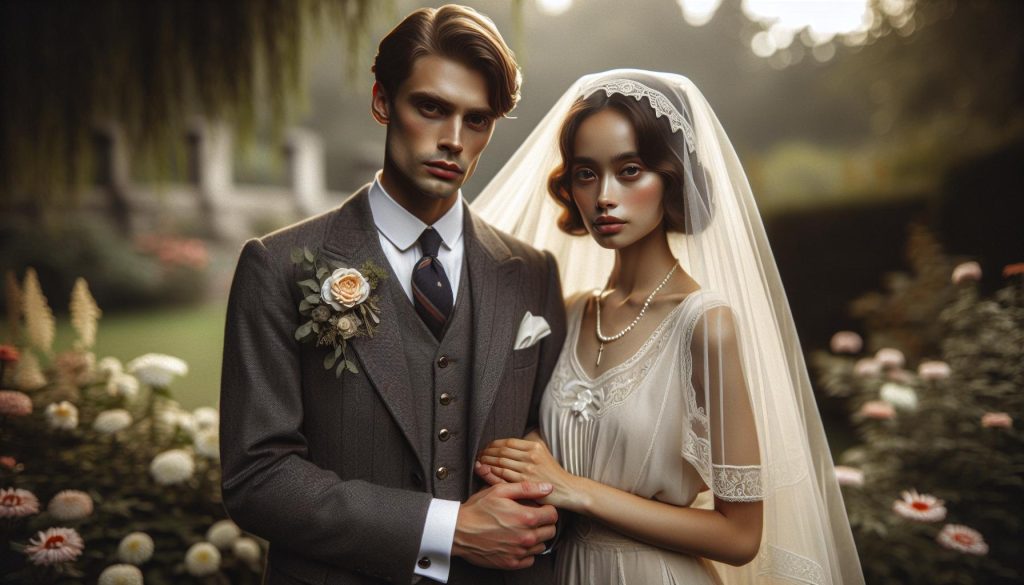
Imagine receiving a photograph of your future partner and committing to a life together based solely on that image-this was the reality for many picture brides in the early 20th century. Picture brides, mostly from Japan, Okinawa, and Korea, were women who entered into arranged marriages with immigrant workers in America, highlighting a unique blend of culture, hope, and resilience in the pursuit of love and stability. As we explore the intriguing history of this practice, it becomes clear that understanding picture brides is essential not only for appreciating these women’s journeys but also for recognizing their impact on marriage traditions today. Dive into the rich narratives of longing, sacrifice, and cultural exchange that characterize the story of picture brides, and discover how these historical wedding traditions continue to resonate in modern relationships.
What is a Picture Bride? Definition and Origins
In the early twentieth century, the term “picture bride” emerged to describe a unique marriage practice that enabled immigrant workers, primarily from Japan and Korea, to form families despite the immense distances separating them from their homelands. These marriages were often arranged by matchmakers who exchanged photographs between prospective brides and grooms, allowing individuals to select partners based on a single image rather than face-to-face interaction. This practice was crucial for issei (first-generation Japanese immigrants) who had settled in the United States and sought to establish a familial foundation in their new home. Picture brides played a vital role in not only personal lives but also in the broader narrative of immigration and cultural exchange in America.
The origins of the picture bride tradition lie largely within the constraints of immigration laws and social circumstances of the time. Many men emigrated to the United States to work in agriculture, railroads, and other labor-intensive jobs. With restrictive immigration policies limiting family reunification, particularly for Asian immigrants, these workers turned to picture brides as a means to create a family. It allowed men to fulfill societal expectations of marriage and parenthood while also enabling women the opportunity for better life circumstances in America. The practice highlights the resilience and adaptability of these communities as they navigated the complexities of cross-cultural relationships in a foreign land.
As you delve deeper into the rich tapestry of picture bride history, you will uncover heartwarming stories of love and hope, where marriages formed through photographs blossomed into profound partnerships, often marked by the challenges of cultural integration and the joys of new beginnings. These narratives remind us of the enduring power of connection, transcending distance and difference. Embracing this historical tradition not only enriches our understanding of past practices but also inspires contemporary discussions about love, commitment, and the diverse paths to building a family.
The Historical Context of Picture Bride Traditions
In the early 20th century, the picture bride tradition emerged as a poignant response to social and legal constraints faced by Japanese and Korean immigrant workers in the United States. This era was marked by significant waves of immigration, particularly between 1908 and 1920, coinciding with strict immigration laws and the Gentlemen’s Agreement of 1907, which severely limited family reunification for Asian workers. As many men ventured to America for labor-intensive work in fields like agriculture and railroads, they encountered an isolating reality that prohibited the immediate presence of their families.
Picture brides, primarily Japanese women, came to represent the hope and determination of these immigrant families. With immigration restrictions making traditional marriage difficult, this practice allowed men to marry women from their homeland based on exchanged photographs, facilitated by matchmakers. The act of choosing a partner from a single image spoke volumes about the desperation for connection and the longing for familial bonds amidst the vast geographic and emotional distances.
This cultural phenomenon not only provided a means for men to fulfill societal expectations of marriage but also offered women a chance for improved living conditions and societal status. Many hoped that the journey to a new land would present them with opportunities unavailable in their home countries. Despite the risks, these marriages symbolized resilience, adaptability, and the human desire for love and companionship in even the most challenging of circumstances.
The story of picture brides is deeply interwoven with the history of immigration in America, illustrating how personal relationships are often shaped by broader societal forces. Their journey was not merely a transition across borders but a significant step toward forging new identities and communities in a foreign land, showcasing the enduring spirit of familial ties through love and commitment.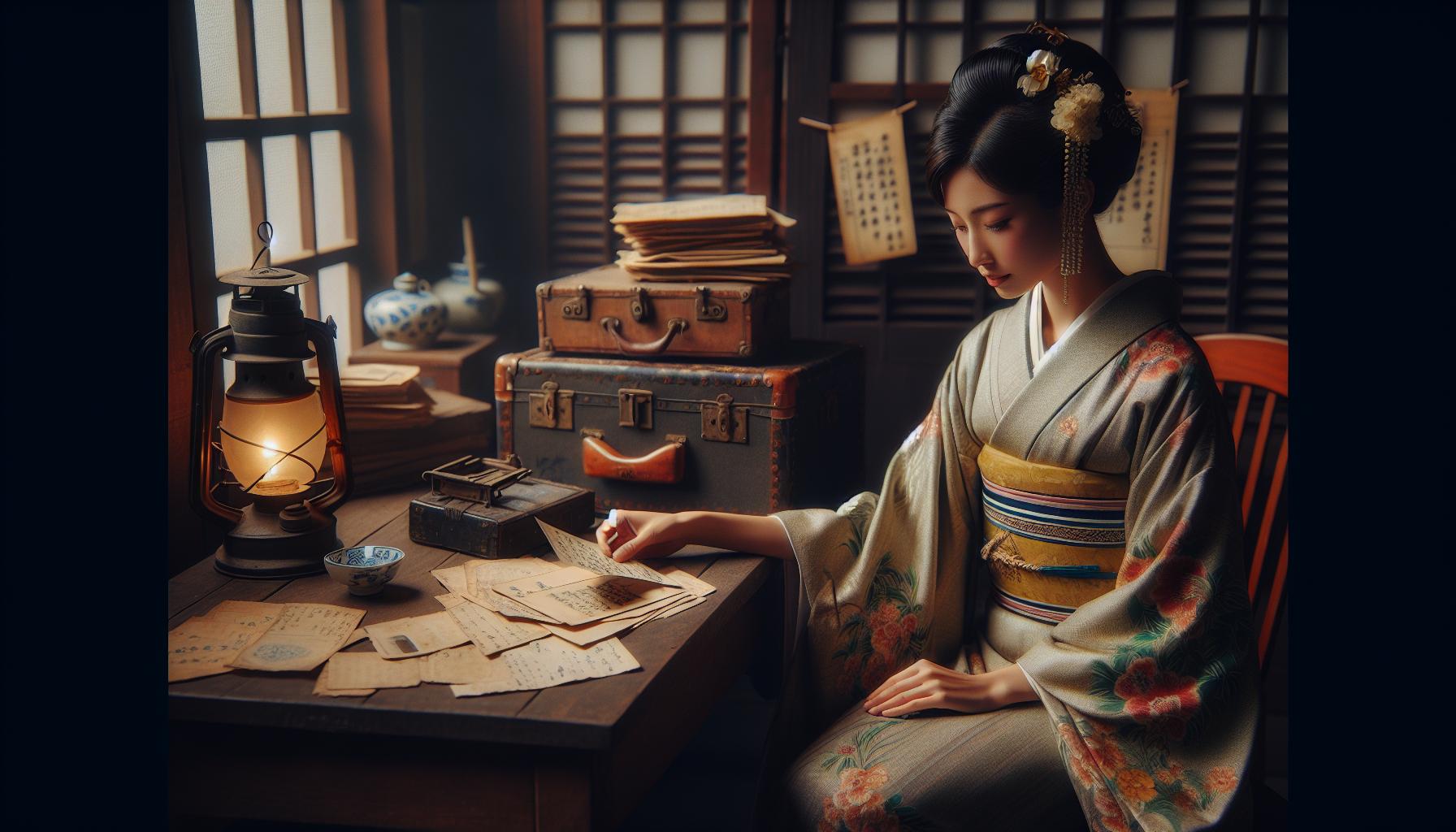
How Picture Brides Were Chosen: The Selection Process
In the picture bride tradition, the selection process was a delicate and deeply personal endeavor that often reflected the cultural values and societal expectations of the time. This unique matchmaking system emerged primarily in the early 20th century as a response to the immigration barriers faced by Japanese and Korean immigrant workers in the United States. Families, separated by oceans and strict laws, relied heavily on photographs to forge connections and establish romantic relationships from afar, creating a fascinating yet complex process.
The initial step involved the exchange of photographs, which was a pivotal moment in the selection process. Men in America would often turn to matchmakers-trusted intermediaries who understood both the needs of the men and the qualities desired in a potential bride. Matchmakers would collect photographs and personal details about eligible women back home. These details often included aspects of family background, educational achievements, health, and social status. The exchange was not merely about physical appearance; it also encompassed the hopes and dreams of both parties, signifying a pursuit for companionship and stability.
After reviewing potential matches, interested men would typically choose one or several photographs that resonated with them, expressing their preferences either directly or through the matchmaker. The chosen women, in turn, would receive letters detailing their prospective suitor’s life in America. This exchange allowed both sides to gauge compatibility beyond just images, enabling them to form a bond before ever meeting face to face. The aspect of letter-writing played a crucial role, as it provided a means of establishing rapport, sharing personal values, and addressing any concerns or questions-creating a foundation for the future marriage.
Once a match was made, the final decision often hinged upon the family’s approval and integration of the bride into her new life and community. This included preparations for her arrival, which involved arranging passage across the ocean and ensuring a welcoming environment upon her arrival. The selection process culminated in a momentous journey, where the anticipation of love mingled with the realities of migration, ultimately embodying both hope and resilience. Through this unique approach to matchmaking, picture brides transformed not only their own lives but also laid down roots for future generations in a foreign land.
Cultural Significance of Picture Bride Marriages
In the tapestry of marriage traditions, the phenomenon of picture bride marriages stands out as a poignant reflection of resilience, hope, and cultural identity. This unique form of arranged marriage not only provided a solution to the challenges faced by immigrant workers seeking companionship but also played a critical role in shaping the diaspora experience. As Japanese and Korean women left their homelands to marry men they had never met, these unions transcended mere romantic connections; they became symbols of adaptation and cultural continuity amid the trials of migration and integration.
The extends beyond the individual stories of love and companionship. They represented a pragmatic response to immigration barriers, where communication was limited and physical separation was profound. Through the use of photographs and letters, these marriages encapsulated the dreams and aspirations of both the men and women involved. They fostered a sense of community among those who shared similar backgrounds and experiences, enabling these couples to build families and establish roots in a new land. This shared journey not only solidified their immediate bonds but also contributed to the larger narrative of Asian American history, emphasizing the role of cultural heritage in shaping individual identities within the broader context of American society.
Moreover, picture bride traditions held a particularly sentimental value, reflecting the deep emotional ties that can flourish despite physical distances and societal constraints. The act of exchanging letters not only paved the way for romantic connections but also provided a platform for sharing cultural practices, family values, and personal dreams. Friendships often blossomed among these women, as they navigated their roles in a foreign land together, creating a close-knit support system that echoed the importance of community among immigrants. These transactional unions, often regarded with skepticism, reveal a narrative rich with emotional depth, showcasing how love can evolve under unique circumstances, transcending cultural and geographical barriers.
The legacy of picture brides today is honored through various cultural expressions, including festivals, storytelling, and academic discourse. As modern couples explore their own wedding planning journeys, they can draw inspiration from the resilience and adaptability demonstrated by picture brides and their families. Celebrating traditions rooted in empathy, community, and shared dreams can enrich contemporary weddings, reminding us of the powerful connections that bind us across time and space. In this way, the spirit of the picture bride continues to inspire, offering a profound reminder of love’s ability to flourish against all odds.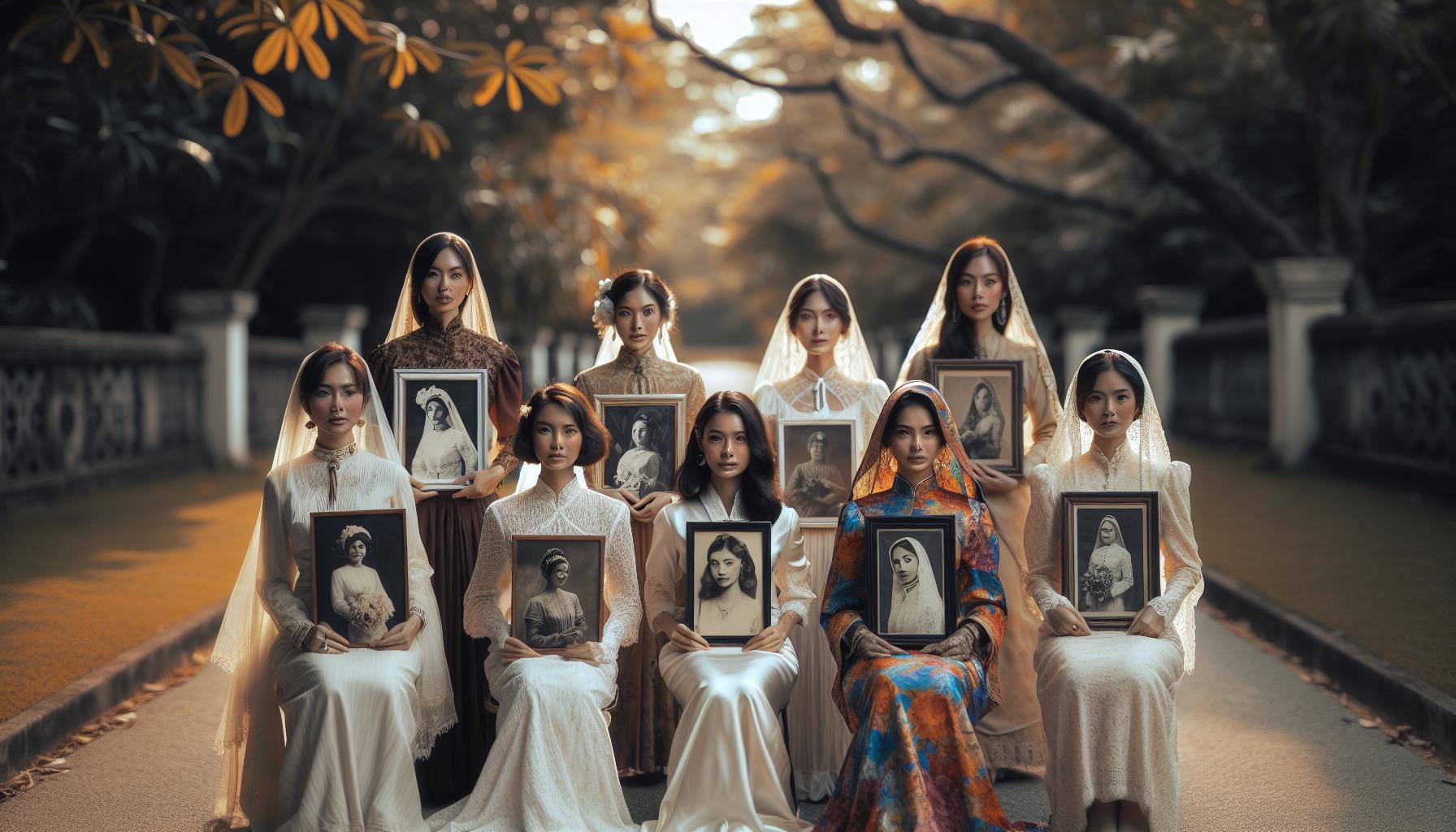
The Journey of a Picture Bride: From Home to New Land
As young women embarked on the profound journey from their homelands to a new world through the picture bride tradition, they carried with them not only their belongings but also their hopes and dreams for a future filled with love and companionship. This journey often began with the exchange of photographs and letters, which allowed these women, primarily from Japan and Korea, to connect emotionally with men they had never met. The decision to accept a marriage proposal based on a photograph was laden with both excitement and uncertainty, setting the stage for a life-changing transition.
Upon departing for the United States, these brides faced a myriad of practical and emotional challenges. Many traveled long distances, often facing harsh conditions and loneliness during their voyage. Equipped with little more than their cultural traditions and newfound aspirations, they navigated through the complexities of immigration, language barriers, and the unfamiliarity of their new surroundings. It was not just a physical journey; it was a leap of faith, a bold step into the unknown where dreams of love would meet reality.
Once they arrived, the picture brides embraced their roles within the new society, often showing remarkable resilience. The initial moments in their new homes were a blend of anticipation and anxiety, as they adjusted to different customs and lifestyles. Their relationships, formed through the lens of photographs, required them to cultivate intimacy quickly, overcoming initial awkwardness with patience and understanding. As many picture brides bore the challenges gracefully, they forged connections that went beyond their arranged marriages; they became integral members of their communities, often supporting one another and creating networks that would provide a foundation for future generations.
The journey of a picture bride reflects a narrative rich with emotional depth and resilience, where courage and hope propel women toward the promise of love and community. As modern couples embark on their wedding journeys, they can draw inspiration from these women’s experiences, embracing the values of adaptability and commitment that are essential in building lasting relationships. Every wedding, regardless of its origins, celebrates a unique story of transformation and the timeless quest for connection, reminding us of the enduring power of love in all its forms.
Challenges Faced by Picture Brides in a New Culture
Stepping into a new culture presents a distinctive blend of excitement and uncertainty, particularly for picture brides who often found themselves in completely unfamiliar environments. After the anticipation of the journey, many faced daunting challenges, showcasing incredible strength in their quest for love and stability. The transformation from hopeful brides to resilient women often meant navigating a landscape full of obstacles that required immense adaptability and courage.
One of the most immediate hurdles was the language barrier. Many picture brides arrived in their new homes without a firm grasp of English, making everyday interactions and the essentials of daily life, such as shopping or seeking help, incredibly difficult. This lack of communication often led to feelings of isolation, heightening the emotional weight of their transition. In these moments, their reliance on non-verbal cues and a supportive partner was critical in forging connections and establishing a sense of belonging.
Moreover, the realities of cultural differences posed significant challenges. Customs around marriage, family roles, and daily living varied greatly from what they had known. Picture brides were thrust into social norms that often contradicted their upbringing, causing confusion and frustration. Integrating traditional elements from their native culture within their new home required patience and creativity, as they sought to honor their heritage while blending into their adoptive environment. This process often demanded a delicate balance of maintaining identity while adapting to new societal expectations.
In addition, many picture brides faced social isolation due to the prevailing anti-Asian sentiments of the time. This hostility not only affected their self-image but also strained their relationships within broader community dynamics. Often, the support networks they relied on were formed solely with others in similar situations, which sometimes meant that shared experiences of hardship were the foundation of their friendships. Despite these challenges, resilience flourished as these women leaned into community-building and cultural exchange, creating robust support systems that would prove life-affirming.
Through these trials, picture brides often embodied an unwavering hope for a better life and a bright future-a powerful testament to their spirit and resolve. Their stories encourage modern couples to embrace adversity with an open heart, turning challenges into opportunities for growth and connection. In celebrating love, it is essential to recognize the rich tapestry of experiences that shape relationships, inspiring commitment and adaptability for generations to come.
The Role of Letter-Writing in Picture Bride Relationships
In the realm of picture bride relationships, letter-writing emerged as a vital lifeline, allowing brides and grooms to bridge the vast distances that separated them, both geographically and culturally. These heartfelt correspondences were not merely a means of communication; they were profound expressions of love, hope, and connection in times of uncertainty. For brides awaiting their arrival in foreign lands, these letters often represented their sole connection to their future husbands and, in many cases, their prospects for a new life filled with dreams and aspirations.
The act of writing letters was steeped in ritual and significance. Brides would often write to their partners, sharing their thoughts and experiences, while husbands-to-be responded with their own reflections, updates, and declarations of affection. This ongoing exchange fostered a growing intimacy, allowing them to become acquainted long before their first meeting. As a result, these written words helped to cultivate a deep emotional bond that transcended the initial arrangements of their unions. For many picture brides, the letters served as a source of reassurance and comfort, especially as they navigated the challenges of adjusting to a new culture.
Moreover, the letters provided practical insights for both parties, serving as a channel for discussing practical matters concerning their upcoming life together. Through these messages, brides learned about their new home, what to expect in daily life, and the expectations of their future roles within their families and communities. The process of letter-writing encouraged a sense of agency, enabling brides to voice their concerns and dreams, thus helping to align their hopes with those of their partners.
In today’s world, the legacy of these historical exchanges continues to resonate. Couples planning their weddings can draw inspiration from the picture bride tradition by incorporating letter-writing into their own journeys. Whether it’s a heartfelt note exchanged during the engagement or letters to be read on the wedding day, fostering written communication can deepen emotional connections and create lasting memories. By embracing this practice, couples honor a rich tradition that highlights the power of words in nurturing love across distances, paving the way for a strong, resilient relationship built on understanding and shared aspirations.
Modern-Day Reflections: Legacy of Picture Bride Traditions
In contemporary wedding planning, the legacy of picture bride traditions offers a rich tapestry of meaningful practices that couples today can cherish and adapt. Picture brides, who ventured into marriages based on photographs and letters rather than traditional courtships, established a profound bond through written communication. This pioneering spirit of connection and flexibility remains relevant as today’s couples seek deeper emotional ties amidst the whirlwind of wedding planning.
Incorporating the art of letter-writing into your engagement is a beautiful way to honor this legacy. Consider beginning a tradition where you and your partner exchange letters before the wedding day. These notes can serve as heartfelt declarations of love, reflections on your journey together, or even shared dreams for your future. Reading these letters aloud during your ceremony or sharing them in a quiet moment together can deepen the emotional resonance of your celebration, creating cherished memories that echo the spirit of the picture bride tradition.
Beyond letter-writing, the concept of honoring heritage within your wedding can manifest in various ways. Think about integrating elements that reflect the cultural backgrounds of both partners-such as traditional attire, unique rituals, or favorite customs from your families. You might also consider creating a visual timeline at your reception, showcasing images and stories from each of your family histories, including those of picture brides if applicable. This method not only celebrates your backgrounds but also invites guests into the love stories that have shaped your lives.
The enduring significance of picture bride traditions encourages couples to foster intimacy, sincerity, and thoughtfulness in their relationships. In an era dominated by social media and quick exchanges, taking the time to document your thoughts and feelings can remind you both of the importance of connection. As you navigate your wedding plans, reflect on how you can keep that communication alive, not just through letters but in daily life. By infusing elements of picture bride heritage into your union, you create a celebration rich in meaning and continuity, honoring past love stories while writing your own.
Similar Historical Practices Around the World
Throughout history, the concept of arranged marriages based on photographs or mutual interests has manifested in various cultures around the globe, echoing the traditions of picture brides. These practices highlight the universal desire for connection across boundaries and the innovative ways individuals have navigated love, partnership, and familial expectations.
One prominent example can be found in Chinese traditions where “matchmakers” play a significant role in arranging marriages. Historically, families have relied on intermediaries to find suitable spouses based on compatibility markers such as social standing, fortune, and sometimes even physical appearance. This practice echoes the picture bride tradition by emphasizing familial approval and societal norms over romantic love, creating bonds through careful consideration rather than spontaneous courtship.
In parts of India, the tradition of arranged marriages is deeply rooted and involves intricate processes that begin with families seeking alliances based on caste, religion, and shared values. Photo profiles and horoscopes are often exchanged among families, similar to the images exchanged in picture bride traditions. These marriages prioritize familial expectations and stability over individual choice, showcasing different yet parallel paths to marital unions.
Another fascinating parallel exists in the practice of bride purchase or bride price in various cultures, such as among some groups in Africa and Oceania. In these scenarios, families negotiate the terms of marriage, sometimes based on wealth or status, leading to unions formed through economic and social arrangements rather than romantic connection. Despite their differences, these practices share a core theme: the influence of family and community in the establishment of marital ties.
By appreciating these similar historical practices, couples today can see how their wedding narratives connect with centuries of tradition, fostering a sense of belonging that transcends time and culture. Integrating elements from these practices into modern wedding celebrations, such as family involvement in planning or honoring cultural traditions, can enrich the wedding experience, celebrating both shared heritage and individual love stories. Embracing these diverse influences allows couples to create a unique day that resonates deeply with personal significance while also honoring the rich tapestry of human connection that has shaped marriages worldwide.
Exploring the Emotional Impact on Picture Brides
The experience of picture brides is rich with emotional depth, intertwining hope, sacrifice, and cultural resilience. These women ventured into the unknown, often armed only with a photograph and a dream of starting a new life with a stranger in a foreign land. The emotional impact on picture brides was profound, as they navigated the complexities of love, belonging, and identity in an unfamiliar environment.
Initially, the excitement of a new beginning was often tempered by a mix of anxiety and uncertainty. Picture brides left their homes with the expectation of love and companionship based on their photographs and letters, yet faced the daunting reality of establishing relationships without a history of shared experiences. This leap of faith fostered an emotional landscape filled with anticipation and vulnerability. From the moment they arrived, many faced cultural barriers, language differences, and sometimes even hostility from local communities, which could lead to feelings of isolation and homesickness.
Building a family in a new country involved creating connections not just with their husbands but also with the broader community. Picture brides often relied on each other for support, forming tight-knit networks that helped navigate the challenges of their new reality. This bonding fostered emotional resilience, as these women learned to share their stories of struggle and triumph, enriching their collective experience and strengthening their sense of identity as part of the immigrant story.
The journey of a picture bride is a poignant reminder of the emotional power of connection and love, showcasing how relationships can blossom even from uncertain beginnings. Today, recognizing the legacies of these remarkable women can inspire modern couples to honor the spirit of connection in their own relationships, embracing both the beauty of love and the strength required to forge new paths together.
Key Differences Between Picture Brides and Traditional Weddings
The origins of picture bride traditions have a fascinating depth that sets them apart from conventional wedding ceremonies. While traditional weddings often emphasize elaborate pre-wedding festivities, cultural rituals, and celebrations that unite families over a shared history, the picture bride system was born from necessity and longing amidst cultural isolation. Picture brides typically came from countries like Japan, Korea, and Okinawa, motivated by dreams of love, companionship, and a better life far from their homeland.
In contrast to *traditional weddings,* where partners often know one another through established social networks, picture bride marriages began with a photograph and a correspondence that frequently lacked personal history. This distinctive process highlights the stark differences in expectations and the emotional stakes involved. Picture brides entered these unions under a veil of hope, frequently not having met their spouses until the day of their arrival in a new country, making the initial stages a blend of excitement and uncertainty.
Unfolding within this unique framework are several notable distinctions:
- Selection Process: In traditional weddings, the match is often facilitated through familial connections or social circles, whereas picture brides were chosen based on photographs and letters exchanged between remote areas, relying heavily on first impressions.
- Cultural Practices and Rituals: Standard wedding ceremonies feature a range of culturally specific rituals-such as the exchange of vows, rings, and communal celebrations-while picture bride unions often simplified or omitted many such traditions, focusing more on the practicalities of marrying and beginning anew rather than ceremonial grandeur.
- Emotional Preparation: Traditional weddings include shared experiences that help partners cement their emotional bonds before marriage, contrasting starkly with the picture bride experience, where each participant often journeys into the relationship with little foreknowledge of the other’s personality beyond what is depicted in their correspondence.
- Community Involvement: Typical wedding celebrations are community-focused events, bringing together friends and family in a festive atmosphere. However, picture brides often faced significant cultural barriers and isolation upon arrival, requiring them to build community ties in unfamiliar environments after the marriage took place, which could lead to feelings of loneliness and separation.
Understanding these fundamental differences provides a rich context for recognizing the resilience of picture brides. Their stories offer not just a glimpse into a historical experience but also insights into the timeless nature of human connection and the courage required to forge new beginnings-features that resonate deeply even within modern romantic narratives. As such, modern couples navigating their own wedding journeys can gain inspiration from these women, celebrating not only the ceremonial aspects of their unions but also the emotional strength and commitment that binds them together amidst life’s uncertainties.
How to Honor Picture Bride Traditions Today
Honoring the legacy of picture bride traditions today can be a deeply enriching experience, allowing couples to connect with the resilience, hope, and love that defined these unique unions. Embracing elements of this poignant history offers a beautiful way to celebrate love’s journey, acknowledging both the challenges and triumphs faced by picture brides. Here are several inspiring ways to weave picture bride customs into your own wedding or relationship celebrations:
One impactful way to honor picture brides is to incorporate personal storytelling into your ceremony. Consider sharing letters or poems that echo the love letters exchanged between picture brides and their husbands, which often played a critical role in their journeys. You could read these aloud during the ceremony or include them in your program. This act not only personalizes your wedding but also reinforces the importance of communication and connection, a central theme in the story of picture brides.
Choosing attire that reflects the cultural richness of your heritage can also be a powerful tribute. If you have Japanese or Korean roots, consider wearing traditional garments such as a kimono or hanbok. Even if your backgrounds differ, infusing your wedding attire with cultural elements that resonate with you both can create a meaningful nod to the traditions of picture brides. Incorporating culturally significant motifs or colors into your wedding decorations and floral arrangements can enhance this tribute as well.
Additionally, creating a community-centric event mirrors the initial experiences of picture brides who often had to establish their social circles in new lands. Involve your families and friends by encouraging them to participate in various aspects of the celebration, whether it’s a collaborative group song, a circle of blessings, or even a potluck that reflects diverse culinary traditions. This approach fosters a warm community atmosphere reminiscent of the communal experiences on which picture bride traditions were built.
Lastly, consider establishing a lasting ritual in your marriage that honors the journey of love akin to that of picture brides. This could involve setting aside time every year to write letters to each other, reflecting on your life’s journey together. This simple gesture can mirror the correspondence that was pivotal for picture brides and their spouses, fostering the same growth, understanding, and commitment in your own relationship.
Through these thoughtful implementations, you can celebrate not only your love story but also honor the incredible resilience of picture brides. By acknowledging their journey, you embrace a legacy filled with hope and connection, creating a beautiful tapestry of love that weaves the past into your future.
Frequently Asked Questions
Q: What cultural factors influenced the picture bride tradition?
A: The picture bride tradition was heavily influenced by the cultural practices of Japanese, Okinawan, and Korean immigrants in the early 20th century, who valued family and arranged marriages. This practice aimed to provide companionship and familial stability in a new land, addressing the gender imbalance among immigrant laborers.
Q: How did picture brides travel to their new homes?
A: Picture brides typically traveled by ship to their new homes, often facing long journeys lasting several weeks. Upon arrival, they were usually met by their husbands or family members who had previously arranged the marriages through photographs and letters.
Q: What challenges did picture brides face upon arriving in a new country?
A: Picture brides often encountered language barriers, cultural differences, and isolation in their new environments. They had to adapt to unfamiliar customs and social expectations while dealing with the emotional strain of leaving their families behind.
Q: What role did communication play in picture bride relationships?
A: Communication was essential for picture bride relationships, commonly conducted via letters before the bride’s arrival. This correspondence helped establish a connection and expectations, which were crucial for navigating their new lives together.
Q: How did picture bride marriages differ from traditional marriages?
A: Picture bride marriages often involved fewer romantic elements compared to traditional marriages, as they were arranged based on practical needs and family connections. Emotional bonds developed over time, rather than being the initial basis for the union.
Q: Are there modern practices that honor picture bride traditions?
A: Yes, modern practices include celebrating picture brides’ stories in cultural events and educational programs. Participants may share their heritage, emphasizing the importance of resilience and adaptation in immigrant experiences.
Q: What was the significance of photographs in the picture bride tradition?
A: Photographs were pivotal in the picture bride tradition as they served as the primary means of introduction between prospective brides and grooms. These images shaped expectations and played a crucial role in the selection process.
Q: What emotional impacts did being a picture bride have on women?
A: Many picture brides experienced feelings of loneliness and anxiety as they adjusted to new lives. However, over time, some formed strong emotional bonds with their husbands and communities, reflecting resilience in their adaptation journey.
Final Thoughts
As you reflect on the rich history of picture brides and their unique wedding traditions, remember that every love story is distinct and deserving of celebration. Whether you’re planning a grand event or an intimate gathering, let these historical insights inspire your journey. Don’t miss exploring our other articles on wedding etiquette, including essential tips on ceremony traditions and attire selection, to ensure your big day is as memorable as the stories from the past.
Ready to dive deeper into your wedding planning adventure? Subscribe to our newsletter for more insights, or check out our comprehensive guide on modern wedding traditions to enhance your planning experience. Your dream celebration awaits-embrace it with excitement and confidence! Share your thoughts in the comments below; we’d love to hear about your wedding vision or any traditions you’re considering!