In “The Princess Bride,” the enchanting story unfolds in a medieval setting that captivates audiences with its mix of romance, adventure, and humor. Understanding the time period in which this beloved tale takes place enriches our appreciation for its characters and challenges. Is it purely fantasy, or can we trace historical influences woven throughout? Discovering the setting provides insights into the cultural dynamics that shape the narrative, allowing us to connect more deeply with the journey of true love, clever wit, and daring exploits. Join us as we unravel the intriguing details of the medieval backdrop, enhancing your understanding of why this timeless classic continues to resonate. Curious about how the elements of this era enhance the story? Let’s explore together!
The Time and Place of The Princess Bride: A Detailed Exploration
In the enchanting world of The Princess Bride, the medieval setting plays a pivotal role in shaping the narrative and enriching the characters’ journeys. This whimsical yet recognizable realm invites viewers into a tapestry woven with humor, adventure, and romance, all while maintaining a clever nod to classic fairy tale conventions. Set against a backdrop of castles, gardens, and expansive landscapes, the film successfully captures the essence of a timeless period where love triumphs over adversity and heroism is celebrated.
Understanding the medieval aesthetic of the film is crucial for appreciating its depth. The knights, the damsels in distress, and the conflicts between good and evil echo tales from various medieval legends, yet the film’s irreverence infuses a modern twist. Locations like the Cliffs of Insanity and the Fire Swamp are not simply picturesque settings; they symbolize the trials and tribulations faced by the characters. Each scene is meticulously crafted to reflect the societal norms and romantic ideals of the time, while also allowing room for parody and satire, blurring the lines between reality and fantasy.
The clever blending of humor and adventure enriches the film’s narrative, making it not just a tale of love but a commentary on the absurdities often found in fairy tales. The character arcs are deeply entrenched in medieval themes-true love, chivalry, and the quest for honor-yet they resonate with contemporary audiences through their relatability and charm. For instance, Westley, the heroic protagonist, undergoes trials that mirror the challenges of a knightly quest, while Buttercup, his beloved, embodies both strength and vulnerability, subverting traditional gender roles.
Overall, The Princess Bride invites viewers into a world where the past intertwines with the imagination, resulting in a captivating exploration of time and place. Its settings not only serve as a backdrop but also enhance the viewer’s engagement, creating a rich experience that lingers long after the credits roll. This magical film continues to impact audiences, proving that its medieval setting is more than just a nostalgic backdrop; it is a living entity that breathes life into the delicate balance of love and adventure that defines this beloved classic.
Understanding the Medieval Setting of The Princess Bride
In the whimsical yet beautifully crafted world of The Princess Bride, the medieval setting does more than just transport audiences; it is an intricate web that interlaces humor, adventure, and romance, embodying the essence of a classic fairy tale. This fantastical realm, filled with daring heroes and cunning villains, effectively borrows from historical narratives while embracing elements of satire and parody. The film’s portrayal of a medieval-esque environment-a place filled with castles, forests, and mythical creatures-serves as both a nostalgic nod to traditional storytelling and an innovative approach to genre blending.
At the heart of this medieval setting is a vibrant landscape where the aesthetic is formed through iconic locations like the Cliffs of Insanity and the Fire Swamp. These sites are not merely backdrops; they encapsulate the characters’ challenges and conflicts. For instance, the Cliffs of Insanity represent enormous obstacles that the heroes must overcome to realize their objectives, paralleling the trials faced by knights in medieval legends. The film cleverly utilizes these symbolic locations to craft narratives that emphasize core themes of love, loyalty, and heroism while embedding humor that resonates with modern audiences.
Moreover, the societal norms reflected in this enchanting world provide a lens through which viewers can explore the juxtaposition of traditional medieval ideals and contemporary values. The characters, including the fearless Westley and the resourceful Buttercup, navigate a landscape rife with chivalric values yet also subvert traditional roles, offering fresh representations of love and gender dynamics. Their journey is marked by quintessential medieval ideals-true love, honor, and the quest for justice-transformed through a lens of comedic irreverence that invites laughter and reflection.
Ultimately, the medieval setting in The Princess Bride not only captivates viewers with its fantastical elements but also enriches the story’s emotional depth. By intertwining the past with imaginative storytelling, the film creates a unique blend of reality and fantasy that continues to resonate. This masterful fusion ensures that the charming world of The Princess Bride remains a timeless classic, drawing in audiences with its clever blend of romance, adventure, and laughter, firmly establishing its place in the hearts of many.
Key Historical Influences in The Princess Bride’s Narrative
The narrative of The Princess Bride is deeply woven with historical influences that reflect key elements of medieval society, creating a rich tapestry for viewers to explore. At its core, the film draws extensively on the traditions, aesthetics, and societal structures of the Middle Ages, a period marked by chivalry, romance, and adventure. The characters and their journeys are not just fantastical escapades but resonate with the alignment of historical truths about honor, love, and the human condition.
One of the most prominent historical influences is the concept of chivalry, which dictated the ideals of knightly behavior during medieval times. This is vividly depicted in Westley’s (the Dread Pirate Roberts) quest to rescue Buttercup. His dedication to her, reminiscent of the courtly love tradition, highlights the valor and loyalty expected of a knight. Additionally, the presence of conflicts, such as duels and sword fights, echoes the martial culture intrinsic to the era. The film’s humor often subverts these knightly codes, providing a playful commentary on the absurdities of chivalric ideals in contrast to human folly.
The representation of power dynamics also plays a significant role, influenced by the feudal system that defined medieval governance. Characters like Prince Humperdinck embody the tyranny often associated with monarchs of the time, while the character of Inigo Montoya offers a glimpse into the themes of vengeance and honor that were prevalent in many historical narratives. His quest for revenge against Count Rugen for his father’s murder reflects the personal honor code that was incredibly important in medieval society.
Moreover, the film significantly borrows from medieval literature and folklore, intertwining various tropes familiar to audiences. The use of creatures such as giants and the reference to mythical elements, combined with the classic tale of the underdog fighting against the odds, echoes legendary narratives like those found in the works of Chaucer and Arthurian romances. These influences not only enrich the storyline but also engage the viewer’s imagination, blending reality and fiction in a way that allows for both enjoyment and reflection on the complexities of human relationships and societal expectations during the medieval era.
In summary, the historical influences seamlessly integrated into The Princess Bride provide a profound context that enhances the viewing experience. By echoing the values and norms of medieval society, the film allows audiences to appreciate the layered storytelling while enjoying the whimsical and subversive nature of its narrative.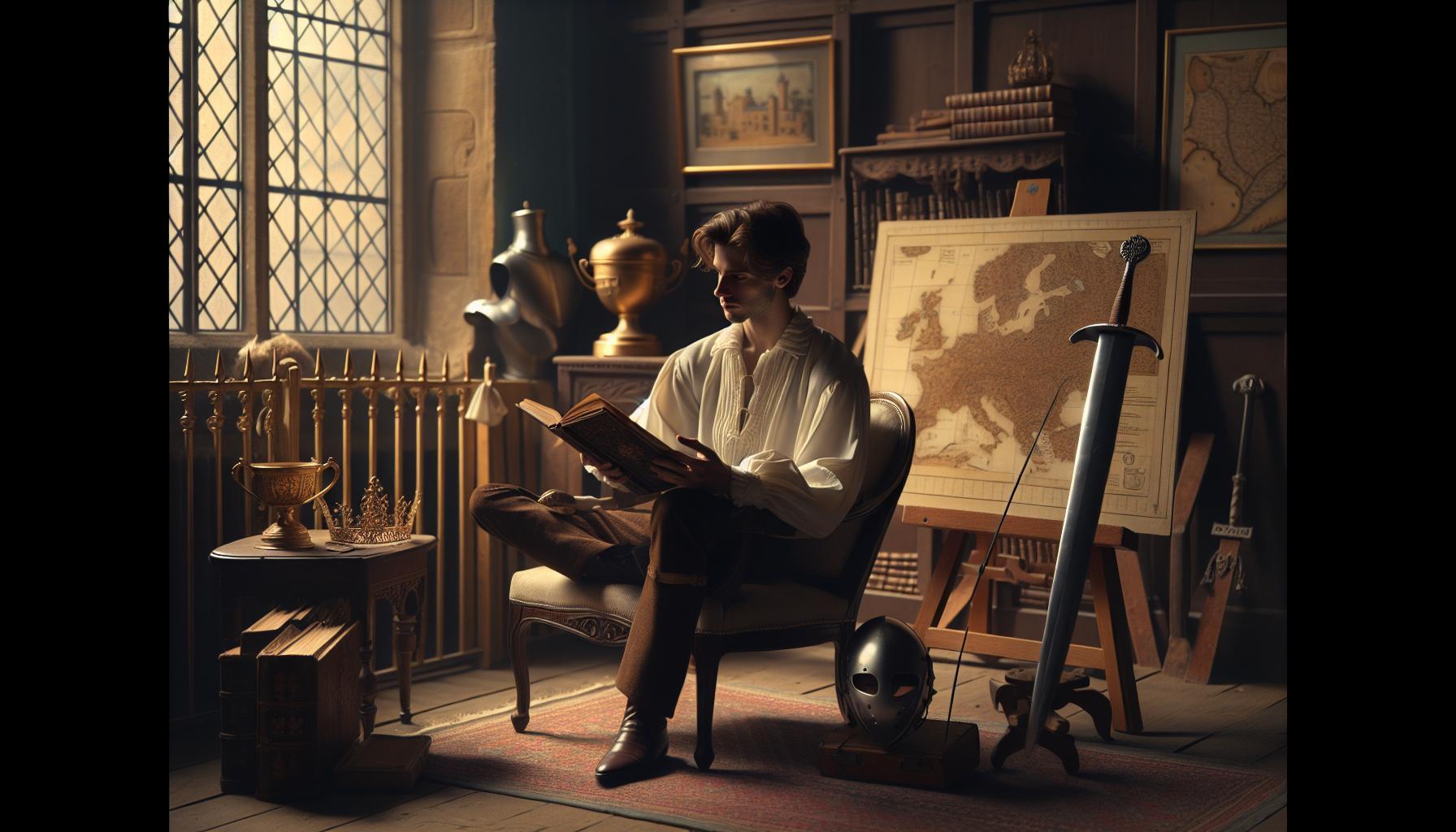
The Role of Fantasy in Shaping the Film’s Time Period
The allure of fantasy plays a pivotal role in shaping the enchanting world of The Princess Bride, allowing audiences to experience a romanticized version of the medieval era while intertwining itself with the realities of the human experience. This fantasy setting serves not just as a backdrop but as a character in its own right, amplifying the themes of adventure, love, and irony that permeate the narrative. The film’s blend of extravagant elements-from miraculous healing potions to eerie creatures-invites viewers into a dreamscape that elevates the mundane aspects of life into the sphere of the extraordinary.
Within this fantastical realm, the film cleverly juxtaposes classic fairy tale motifs with a satirical lens. The characters embody archetypes that resonate deeply, yet their interactions often subvert traditional genre expectations. For instance, the heroic figure of Westley, while driven by the noble quest to rescue his true love Buttercup, is not without his humorous flaws and the fantastical elements of his journey serve to highlight the absurdities of conventional hero narratives. The use of fantastical elements, such as the grand feats and the morally ambiguous protagonists, all serve to celebrate the charm of fairy tales while critiquing their simplicity.
Additionally, the film’s unique approach to fantasy is presented through its narrative style, which oscillates between genuine romantic adventure and comedic commentary. The meta-narrative technique used-wherein the grandfather reads the story to his grandson-serves as a reminder that the tales we tell (and hear) shape our understanding of reality. This dynamic enriches the film’s time period by allowing audiences to reflect on how fantasy and storytelling have been essential to cultural identity throughout history.
The extravagant settings, such as the fire swamps and the cliffs of insanity, elevate the visual aspect of the medieval experience into something mythic and breathtaking. These locations aren’t just places; they symbolize the challenges and journeys that shape both characters and their narratives. By incorporating these elements, The Princess Bride masterfully illustrates how fantasy not only shapes its medieval setting but also enriches the narrative core, allowing viewers to engage with timeless themes of love, perseverance, and humor. In embracing both the fantastical and the real, the film encourages audiences to celebrate the adventures of life, regardless of how absurd or romantic they may seem.
Character Arcs and Their Relation to Medieval Themes
The characters in The Princess Bride embody a rich tapestry of medieval themes, transforming archetypical roles into compelling narratives that reflect personal growth and human resilience. Westley’s journey from the humble farm boy to the formidable Dread Pirate Roberts exemplifies the classic hero’s journey-complete with the trials and tribulations that define a hero in medieval folklore. This transformation speaks not only to the valor typical of medieval knights but also to the failures and comedic mishaps that make him relatable, illustrating the notion that true bravery often includes vulnerability and humor.
Buttercup serves as another pivotal character whose arc mirrors themes of love and agency prevalent in medieval tales. Initially portrayed as a damsel in distress, her character evolves into one that actively participates in her fate, challenging the passive archetype. Her evolution from naive betrothal to a figure of strength and resolve highlights the complexities of love and commitment, underpinning the importance of partnership in overcoming adversity. This duality captures the essence of medieval romance, where love is both a powerful motivator and a source of conflict.
Moreover, the film’s supporting characters, such as Inigo Montoya and Fezzik, underscore the theme of personal redemption, often prevalent in medieval narratives. Inigo’s quest for vengeance against Count Rugen offers a darker reflection of honor and justice, while Fezzik’s gentle nature juxtaposes the brutality typically associated with a warrior. Their friendship and solidarity showcase how bonds formed through adversity are vital in the medieval context, where alliances dictated fortune.
The interplay between these character arcs and medieval themes not only enriches the narrative but also engages the audience in a deeper exploration of what it means to be human amidst fantastical circumstances. The characters’ struggles and triumphs resonate well beyond the confines of their world, inviting viewers to reflect on their own experiences of love, friendship, and growth. Ultimately, The Princess Bride revitalizes medieval themes through its beloved characters, offering a timeless message about courage, love, and the significance of human connection in facing life’s challenges.
The Significance of Locations in The Princess Bride’s World
The breathtaking landscapes and distinct locations in The Princess Bride serve as more than mere backdrops; they are vital to the storytelling, embodying the spirit of adventure and medieval romance. From the tranquil farm where Westley and Buttercup’s love story begins to the foreboding Cliffs of Insanity, each locale enriches the narrative, evoking the timelessness of fairy tales while grounding the characters in a believable world. This interplay between setting and story is what captivates audiences, whisking them away to a land where love conquers all, villains lurk, and friendships blossom in the face of adversity.
Key locations, such as the more mystical areas like the Fire Swamp and the palace of Prince Humperdinck, elevate the stakes in the narrative. The Fire Swamp, with its dangerous creatures and treacherous terrain, symbolizes the challenges Westley and Buttercup must face together, reflecting the turbulence of their relationship amid the broader conflict of the story. This setting not only serves as a visual spectacle but also enhances the journey of personal growth, showcasing how love flourishes through trials. Similarly, the opulent yet oppressive atmosphere of Prince Humperdinck’s castle represents the constraints of power and the superficiality of royal life, setting the stage for our heroes to rebel against not just tyranny but also the outdated norms dictating their futures.
The contrast between rural serenity and urban complexity enriches the themes of freedom and confinement. The idyllic countryside represents safety and simplicity, where true love can grow unhindered, while the menacing royal city illustrates the corruption and complexity of courtly life that Westley and Buttercup must navigate. This balance of settings is not just about physical geography; it’s a reflection of the characters’ inner struggles, with each location posing existential questions that resonate with audiences.
Moreover, the emotional resonance of these locations is amplified through their interactions with the characters. Fezzik’s strength shines as he confronts the dangers of the Fire Swamp, while Inigo’s quest for vengeance plays out against the stark backdrop of the castle, enhancing the gravity of his mission. Each scene is carefully choreographed within its setting, ensuring that the locations themselves almost feel like characters, guiding the narrative’s emotional current. Ultimately, the diverse and vividly realized locales in The Princess Bride are integral to its charm, inviting viewers into a whimsical yet nuanced exploration of love, loyalty, and bravery in a fantasy world rooted in medieval tradition.
Cultural References and Their Historical Context
The cultural tapestry of The Princess Bride weaves together elements from various historical periods and myths, creating a vibrant setting that feels timeless while being distinctly medieval. This amalgamation is not only an artistic choice but also serves as a commentary on societal structures and romantic ideals prevalent in both historical and fictional contexts. By juxtaposing fairy tale tropes with medieval life, the film invites viewers to explore themes of love, honor, and betrayal within a society steeped in tradition.
Throughout the narrative, references to medieval customs, such as chivalry and courtly love, underpin character motivations and interactions. For instance, Westley’s unwavering loyalty to Buttercup echoes the knightly code that characterized medieval romances, where valor was coupled with devotion. Similarly, the character of Inigo Montoya embodies the archetype of the avenger, steeped in a rich tradition of revenge narratives that date back to earlier literary works. These cultural references not only enrich the story but also resonate with the audience’s understanding of heroism and legacy within a feudal framework.
The film also cleverly incorporates fantastical elements, drawing inspiration from European folklore and classic fairy tales. Locations like the Fire Swamp and the Cliffs of Insanity resonate with motifs found in traditional folklore, where natural settings often serve as thresholds for personal transformation and trials. Such recognition of folklore enhances the narrative’s depth, making it relatable while simultaneously evoking a world where the ordinary and extraordinary coexist. By blending these cultural references, The Princess Bride creates a narrative that feels both enchanting and grounded, encouraging viewers to reflect on the timeless nature of love and adventure, no matter the epoch.
In this way, the film can be seen as a mirror reflecting both medieval society and contemporary ideals, inviting audiences to engage with themes that transcend time and place. The cultural elements serve not merely as decorative aspects but are pivotal in shaping the narrative’s emotional resonance, ensuring that the characters’ struggles and triumphs remain impactful. Ultimately, the allure of The Princess Bride lies in its ability to celebrate and interrogate the very fabric of romantic and heroic storytelling through a multifaceted cultural lens.
How the Film Mirrors Real Medieval Society
The enchanting world of The Princess Bride isn’t just a whimsical escape; it serves as a vibrant lens through which audiences can explore the intricacies of real medieval society. The film encapsulates the essence of feudalism, wherein social hierarchies dictate relationships and obligations. A captivating aspect of this portrayal lies in the dynamics between various social strata-nobility, commoners, and outlaws-all depicted with whimsical humor yet grounded in authentic experiences of medieval life.
The characters embody archetypes that resonate deeply within historical contexts. For example, Westley epitomizes the noble hero, echoing the qualities of a chivalrous knight, whose journey is marked by quests of loyalty and love. His trials mirror the real challenges faced by knights of the medieval period, particularly in their quests to win the hearts of noble ladies while confronting formidable foes. Similarly, Princess Buttercup’s character illustrates the limited agency women often experienced in medieval times, where their destinies were closely tied to the machinations of patriarchal figures, relying on male heroes for salvation.
Additionally, the film cleverly integrates elements of daily life from the medieval era, such as the practice of dueling which, while dramatized, reflects genuine cultural values that glorified martial prowess and honor. Inigo Montoya’s legendary quest for revenge resonates with historical tales of familial loyalty and the call for justice, themes prevalent in both medieval literature and real-world conflicts. This interplay of personal narrative and societal expectation enriches the film’s representation of a historical period characterized by its complications and contradictions.
In creating a tableau that reflects real-life medieval society while allowing for fantastical escapades, The Princess Bride invites viewers to examine not only the romanticized notions of chivalry and honor but also to contemplate the societal constraints that shaped individual destinies and relationships. This blend of reality and fantasy is what makes the film a timeless exploration of love, heroism, and the often tumultuous intersection of personal desires and societal expectations, echoing the very fabric of medieval life.
Comparing Book and Film: Temporal Consistencies and Variances
While both the novel and its film adaptation of The Princess Bride are celebrated for their imaginative storytelling, a deeper comparison unveils intriguing consistencies and variances in their temporal settings. Both mediums evoke a timeless quality reminiscent of a medieval past, though how they approach the timeline and context differs significantly. The book, written by William Goldman, presents an extensive narrative that reflects upon the genre’s traditional tropes and subverts them, while the film utilizes a more streamlined, visually engaging method to convey the same themes.
In the book, there is a more pronounced sense of chronology, as Goldman often enhances the story by referencing historical influences and societal structures. This lends the narrative a sense of depth, allowing readers to immerse themselves in a world that feels intricately woven into the fabric of a specific historical context. For example, the book explores the lives of its characters with more elaborate backstories that create a rich tapestry of events leading up to the central plot, which underscores the medieval setting’s nuances.
Conversely, the film simplifies these elements to maintain pacing and visual appeal, placing greater emphasis on character interactions and plot progression. This approach results in a less detailed exploration of the medieval backdrop, favoring action and adventure over intricate lore. However, the film successfully captures the whimsical essence of its source material, translating the book’s layered characters into vibrant performances that resonate with viewers. The charming style of the film, characterized by its clever dialogues and memorable scenes, often assumes the medieval aspects are understood rather than explicitly detailed.
Ultimately, while both versions of The Princess Bride share fundamental themes-such as love, heroism, and the critique of chivalric ideals-their approaches to temporal consistency and historical context reveal their unique storytelling strengths. Readers and viewers can appreciate how the book’s detailed backdrop enriches character arcs and emotional depth, while the film’s visual flair and pacing highlight the enduring appeal of the narrative. This interplay between the two formats not only commemorates the vibrancy of the medieval era but also affirms the story’s timeless nature.
Imaginary vs. Real: The Blend of Fiction and History
The fusion of imaginary realms and historical contexts in The Princess Bride creates a captivating narrative that dances on the edges of what is real and what is fantastical. William Goldman’s storytelling artfully intertwines familiar medieval tropes with whimsical elements, cultivating a setting that, although steeped in fantasy, resonates with echoes of the genuine medieval experience. The charming blend allows viewers and readers alike to traverse a world where the absurd is celebrated while still reflecting the complexities of love, honor, and adventure often found in historical narratives.
Goldman employs an array of characters and scenarios that might seem exaggerated or outright ludicrous-like the rescue by a masked hero or the scheming of cunning villains-but these are underpinned by recognizable themes drawn from historical contexts. For instance, the concept of chivalry, a hallmark of medieval society, is both upheld and satirized, inviting audiences to reflect on real societal values through a playful lens. The dialogue sparkles with humor and cleverness, creating moments of levity that highlight how the absurdity of royalty and bravery can mirror the very real struggles faced in those times.
Locations play a vital role in establishing this imaginative backdrop. From the decrepit castles to the romantic vistas of the Cliffs of Insanity, every setting captures the grandeur and peril of the medieval world. Yet, through the fantastical elements-such as the Fire Swamp and the R.O.U.S. (Rodents of Unusual Size)-Goldman invites readers to suspend disbelief and indulge in the magic of storytelling. This interplay reminds us that while the landscapes are vivid creations of fiction, they serve to illuminate the human experiences and adventures that feel inherently timeless.
Ultimately, the blend of fact and fantasy in The Princess Bride doesn’t just evoke a sense of nostalgia for a distant past but enriches the narrative by encouraging us to explore our understanding of heroism and love through the lens of a world both abstract and familiar. By doing so, it exemplifies how fiction can serve as a conduit to greater truths about ourselves, maintaining relevance across generations while sparking the imagination.
Viewer Perception: How the Setting Enhances Engagement
The enchanting backdrop of The Princess Bride captivates not only the characters but also the audience, enhancing engagement through its clever melding of whimsical fantasy and sharply defined medieval elements. Imagine a world steeped in gallant knights, beautiful princesses, and treacherous villains, all framed within a narrative that winks at the absurdities of love and adventure. This richly constructed environment does more than serve as mere scenery; it invites viewers to suspend their disbelief and immerse themselves in a unique experience filled with charm and intrigue.
One significant aspect of the medieval setting is how it mirrors humanity’s fundamental emotions and conflicts. The filmmakers expertly deploy familiar tropes, such as the quest for true love or the battle against malevolent forces, against a backdrop that evokes nostalgia and curiosity about the past. Through locations like the formidable Castle of Florin or the perilous Fire Swamp, audiences are transported to a realm that feels both fantastical and authentic. The art direction and production design draw upon historical influences, creating a tangible sense of place where the fantastical can flourish.
Moreover, the interaction between characters and their environment amplifies their arcs, making their struggles and triumphs resonate deeply with viewers. For instance, Westley’s ascent from humble origins to heroic savior illustrates archetypal themes of resilience and bravery against a medieval tapestry that feels both timeless and relevant. Additionally, humor plays a critical role in the viewer’s experience; the witty dialogue and absurd scenarios invite laughter and recognition, bridging the gap between viewer and character. As the audience engages with the story, the setting not only enhances emotional and narrative depth but also engages critical reflection on themes that transcend the constraints of time.
In summary, the unique melding of medieval elements with fantasy in The Princess Bride significantly shapes viewer perception, drawing them into an engaging narrative that reflects universal truths about love, honor, and adventure. This captivating environment, steeped in charm and cleverness, ensures the film remains a beloved classic that resonates across generations, inviting all to join in a celebration of storytelling that honors both the absurd and the heartfelt.
The Lasting Impact of The Princess Bride’s Medieval Setting
The vibrant medieval setting of The Princess Bride not only serves as a captivating backdrop but also plays a crucial role in the film’s enduring appeal and cultural resonance. By fusing classic folklore elements with a humorous narrative style, the film elevates the archetypal journey of knights and princesses into a timeless exploration of love, adventure, and whimsy. This unique blend helps the audience connect with the characters on a deeper emotional level, making their triumphs and tribulations feel universally relatable.
From the very first scene, the medieval aesthetics-complete with castles, swords, and enchanting landscapes-invite viewers into a world filled with both magic and heartfelt sincerity. Locations like the imposing Castle of Florin and the menacing Fire Swamp function as more than mere settings; they are integral to the narrative, enhancing character development and plot progression. As characters navigate these fantastical yet historically inspired terrains, their arcs resonate more profoundly, reflecting timeless virtues such as bravery, loyalty, and the pursuit of true love.
Additionally, the film’s humor is intricately woven into its historical fabric, allowing for playful parody amidst serious themes. This clever juxtaposition encourages viewers to examine traditional concepts of chivalry, honor, and romance from a fresh perspective. The comedic elements not only disarm but also engage the audience, fostering a sense of light-heartedness that complements the underlying emotional narratives.
Overall, the medieval setting of The Princess Bride enriches the viewing experience in numerous ways, from evoking a sense of nostalgia to sparking curiosity about old-world adventures. It creates a place where heroic quests and absurdity coalesce, reminding us of the joy inherent in storytelling. The film’s ability to transport audiences to a charmingly crafted world, while simultaneously inviting reflection on its deeper themes, ensures its status as a beloved classic that continues to inspire and entertain.
Faq
Q: What medieval elements are present in The Princess Bride?
A: The Princess Bride features several medieval elements, including castles, knights, and feudal social structures. This setting enhances the romantic and adventurous narrative, establishing a world where honor, chivalry, and quests are central themes, as explored in the article’s section on “Understanding the Medieval Setting of The Princess Bride.”
Q: How does The Princess Bride reflect real medieval society?
A: The film mirrors real medieval society through its depiction of class hierarchy, battles for power, and romantic ideals. The interactions between characters embody the struggles and dynamics of the time, as detailed in the section, “How the Film Mirrors Real Medieval Society.”
Q: Are there any specific historical influences in The Princess Bride?
A: Yes, The Princess Bride draws inspiration from various historical influences, including aspects of European folklore and romantic literature. These influences shape the film’s narrative and character development, outlined comprehensively in the article’s section on “Key Historical Influences in The Princess Bride’s Narrative.”
Q: What role does fantasy play in the setting of The Princess Bride?
A: Fantasy significantly enhances The Princess Bride’s setting, allowing for whimsical elements such as giant rodents and magic. This blend of fantasy with medieval tropes creates an engaging story that captivates audiences, as explored in the section regarding “The Role of Fantasy in Shaping the Film’s Time Period.”
Q: Why is the medieval setting important for character arcs in The Princess Bride?
A: The medieval setting is crucial to the character arcs in The Princess Bride as it provides a backdrop for themes of heroism, true love, and bravery. The characters’ growth and challenges reflect societal expectations and personal ideals, which are discussed in the segment on “Character Arcs and Their Relation to Medieval Themes.”
Q: How does The Princess Bride blend fiction and history?
A: The Princess Bride skillfully blends fiction and history by incorporating medieval tropes with imaginative storytelling. This blend invites viewers to enjoy the whims of fantasy while appreciating the familiar elements of historical structures and norms, covered in the article’s section on “Imaginary vs. Real: The Blend of Fiction and History.”
Q: What significance do the locations hold in The Princess Bride?
A: The varied locations in The Princess Bride-such as the Cliffs of Insanity and the Fire Swamp-play vital roles in driving the narrative and enhancing the medieval atmosphere. These locations help to shape the characters’ journeys and adventures, as examined in “The Significance of Locations in The Princess Bride’s World.”
Q: What lasting impact has The Princess Bride’s medieval setting had on audiences?
A: The medieval setting of The Princess Bride has left a lasting impact by fostering nostalgia and a love for classic fairy tales among audiences. Its themes of adventure and romance continue to resonate, encouraging viewers to engage with the genre, as discussed in “The Lasting Impact of The Princess Bride’s Medieval Setting.”
In Retrospect
As we delve into the enchanting medieval setting of “The Princess Bride,” it’s clear that the backdrop significantly enhances the story’s charm and allure. Understanding the timeframe not only deepens your appreciation of the film but also connects you with its rich tapestry of adventure and romance. If you’re eager to explore more about medieval influences in popular culture, check out our articles on “Top Medieval Movies You Can’t Miss” and “The Real History Behind Princess Bride Characters.”
Don’t miss out on more fascinating insights! Subscribe to our newsletter for updates on similar topics or hit the share button to spread the word with fellow fans. Whether you want to dive into more cinematic adventures or uncover historical nuances, there’s a wealth of content waiting for you. Your journey through the medieval landscape starts here-let’s keep the magic alive!