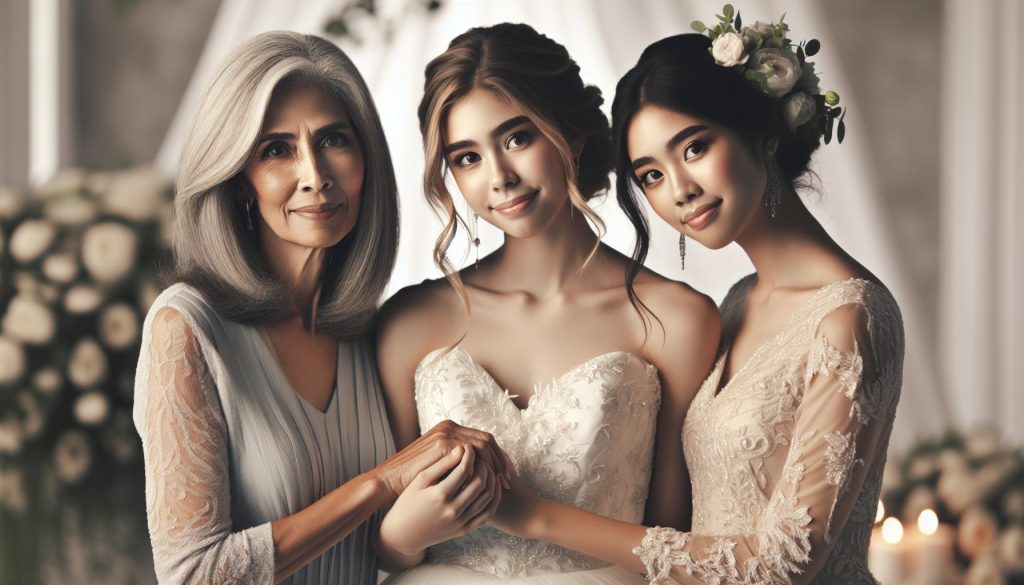
Weddings often bring out a unique blend of joy and tension, especially when family dynamics come into play. “Daughter of the Bride – Family Wedding Dynamics” delves into the heart of this experience, exploring the emotions and challenges that accompany planning a wedding. Understanding these dynamics can enhance communication and strengthen relationships, ensuring a more harmonious celebration. As families navigate the intricacies of roles, expectations, and traditions, knowing how to approach these conversations becomes invaluable. Join us as we uncover where to watch this insightful exploration of family connections, shedding light on the beauty and complexity that accompany a joyous union. You’ll not only learn about the best viewing options but also discover perspectives that may just inspire your own wedding journey.
Understanding Family Dynamics in Weddings
Understanding the intricate dynamics of family relationships during wedding planning can significantly influence the experience for everyone involved. Weddings are not just a union of two individuals; they are a blending of families, cultures, and traditions. The emotions can run high, making it crucial for couples to navigate these dynamics thoughtfully, fostering an atmosphere of love, support, and unity as they prepare for their special day.
When it comes to the bride’s family, their role is often perceived as pivotal. Traditionally, they may be involved in various aspects of the wedding planning, from financial contributions to decision-making on major elements such as venue selection and guest lists. However, it’s essential to remember that each family is unique and may have different expectations regarding their involvement. Open and honest communication is key to ensuring that the bride’s family feels valued and engaged throughout the process. Sharing responsibilities can help mitigate stress and create a sense of collaboration, allowing both families to bond over the shared joy of the upcoming celebration.
While navigating family traditions and expectations, cultivating an atmosphere of inclusivity becomes vital, particularly in blended family situations. Couples can encourage inclusive practices by recognizing the significance of both families’ traditions and exploring ways to blend them harmoniously. This could involve incorporating ceremonial elements from both families or alternating family participation in rituals. Being proactive in addressing potential conflicts early on can lead to more profound understanding and support from both sides. Emphasizing that the wedding is a day about love and family can help refocus the planning efforts on what truly matters, avoiding potential stressors and conflicts.
Ultimately, creating a memorable wedding experience hinges not just on the wedding day itself but on the relationships cultivated throughout the planning process. Embracing this journey together allows couples to foster lifelong connections with their families, ensuring that their wedding truly reflects their unique love story while harmonizing the diverse backgrounds that enrich their lives.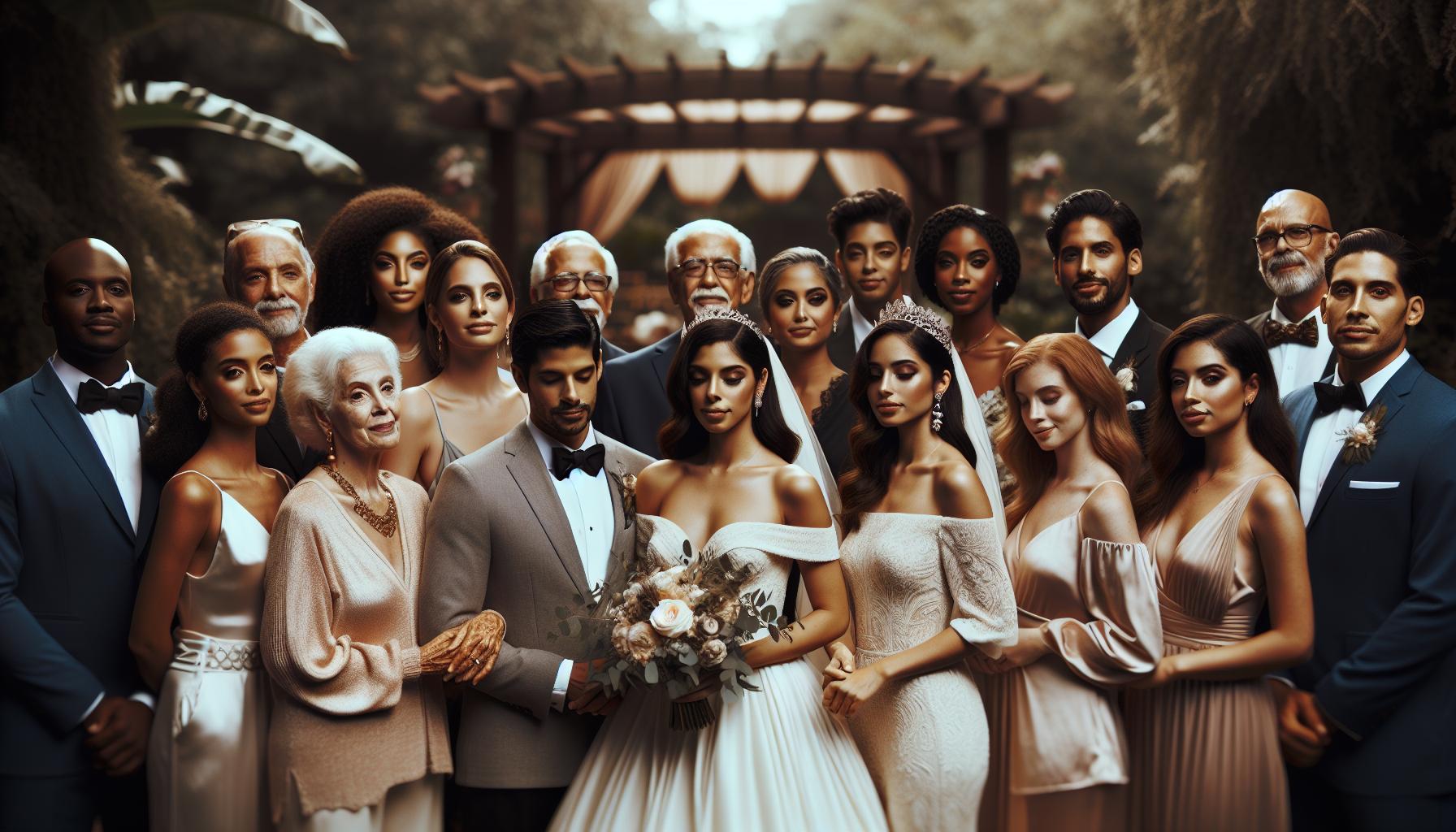
Key Characters: The Role of the Bride’s Family
The bride’s family often plays a central role in the wedding planning process, embodying a mix of tradition, support, and emotional investment. Traditionally, the bride’s parents may be expected to assist financially or help make critical decisions, such as venue selection or the guest list. This involvement is not just a formality but an opportunity for them to express their love and support, while also ensuring their daughter’s day reflects both her wishes and their family values. As the family navigates this journey, their participation fosters a sense of unity and collaboration that can significantly enrich the overall wedding experience.
Communication is the linchpin for creating a harmonious planning environment. Open discussions around expectations can help avoid misunderstandings and ensure the bride’s family feels appreciated and engaged in the process. Couples are encouraged to have candid conversations with parents, discussing everything from dream wedding themes to specific roles during the ceremony. To make the planning process smoother and more enjoyable, consider dividing responsibilities among family members, allowing each person to contribute in a way that feels meaningful to them. This not only alleviates stress for the couple but also deepens familial bonds as everyone works together toward a common goal.
Recognizing Traditions and Inclusivity
Every family comes with its unique set of traditions and values, which can add richness to the wedding but may also present challenges in blending different customs. Engaging both families in a dialogue about their traditions can lead to creative ways to celebrate each background. For instance, if the bride’s family has a custom of presenting a family heirloom, this can be paired nicely with a meaningful gesture from the groom’s family. Such inclusivity not only honors both sides but also creates a beautiful tapestry of love and tradition that embodies the essence of the day.
It’s important to acknowledge that while the bride’s family plays a significant role, the journey is ultimately about the couple’s love and their future together. By cultivating an environment of mutual respect and understanding, couples can navigate through potential family dynamics with grace. Planning a wedding is as much about building relationships as it is about the event itself. Ensuring that all family members feel important and included will lead to cherished memories, making the wedding a truly joyful celebration for everyone involved.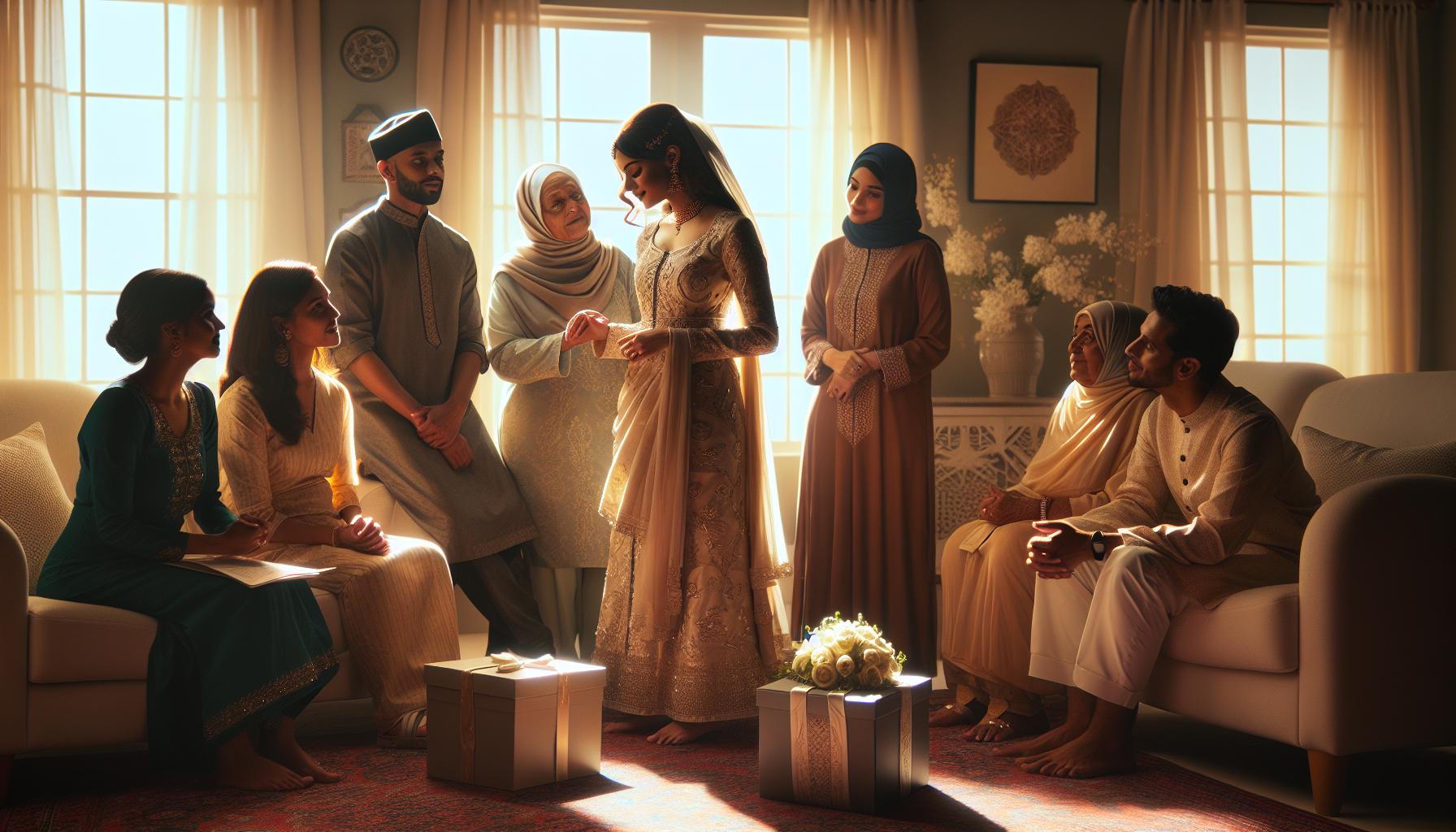
Navigating Traditions: Bride’s Family Expectations
The wedding planning process is steeped in tradition, with the bride’s family often facing unique expectations that can enrich the experience while also posing some challenges. Central to the family’s role is the desire to help create a day that honors their daughter’s wishes while also reflecting their family values and customs. This delicate balance can sometimes feel overwhelming, but navigating these expectations requires clear communication and a shared vision between the couple and their families.
Understanding the specific traditions of the bride’s family is essential. For instance, some families may have established practices around who pays for what, or specific roles that certain relatives have during the ceremony and reception. Discussing these expectations upfront can mitigate stress later in the planning process. Engage in open conversations where the bride’s family can share their traditions, whether that means a special toast from the parents or inclusion of cultural rituals during the ceremony. This sets the stage for a collaborative planning process where everyone feels valued.
To foster a sense of unity, consider organizing a family meeting early in the planning to identify key areas where the bride’s family wishes to contribute. They might want to suggest ideas for the floral arrangements, help with venue selection, or coordinate with vendors for specific cultural elements. By giving each family member a role in the planning process, you not only ease the burden on the couple but also create a spirit of togetherness that honors familial bonds.
Ultimately, the journey of planning a wedding is about weaving together everyone’s hopes and dreams into a beautiful tapestry of memories. As the bride’s family reconvenes around these shared experiences, it paves the way for a celebration that honors both the couple’s love and their unique backgrounds. By recognizing and valuing these family dynamics, you set the stage for a joyous occasion where traditions blend seamlessly, creating lasting memories for all involved.
Involving Parents: Tips for Smooth Coordination
Planning a wedding is a joyous occasion, but it can also be a complex journey filled with family dynamics that require careful coordination. Engaging both sets of parents early in the process is essential to create a harmonious experience. To make this collaboration seamless, consider appointing a specific point person from each family to streamline communication and responsibilities. This method reduces confusion while ensuring everyone feels involved and valued, fostering a nurturing environment where ideas can flourish.
Creating a centralized planning document can help keep track of everyone’s contributions and preferences. Utilize shared digital tools like Google Docs or project management apps, allowing family members to add suggestions and updates in real time. This promotes transparency and ensures all voices are heard, which can be particularly important when blending diverse traditions. If, for instance, one side has specific cultural elements they wish to incorporate, having this documented early on can ease potential tensions.
In addition to administrative tasks, it’s vital to schedule regular family check-ins. Set aside time to discuss progress, share new ideas, and address concerns. These meetings can be both formal and informal, allowing family members to bond and celebrate the milestones of the planning process. Encouraging everyone to share personal anecdotes related to wedding customs can enrich the experience, offering new traditions that honor both families.
To enhance the feeling of collaboration, consider involving parents in decision-making tasks that align with their strengths and interests. If one parent has a flair for floral arrangements and another has insights into venue options, empowering them to lead these aspects works wonders for involvement and also alleviates the couple’s stress. This approach not only respects traditional roles but also ensures a personalized touch in every detail of the wedding day.
Ultimately, the coordination of families in wedding planning can transform what might be perceived as challenges into heartfelt opportunities for connection and unity. Embracing this collaborative spirit ensures that when the special day arrives, it reflects the love and ambitions not just of the couple, but of both families, coming together in a beautiful celebration of shared values and joyful beginnings.
Blending Families: Strategies for Unity and Harmony
Navigating the intricacies of blending families during wedding planning can be as rewarding as it is complex. The beauty of a wedding lies not just in the union of two hearts, but also in the merging of two families. To foster unity and harmony, it is crucial for couples to create an inclusive atmosphere where all voices are heard and valued. By engaging both families early in the planning process, you can transform potential friction into opportunities for delightful collaboration.
One effective strategy involves organizing joint family meetings right from the outset of planning. These gatherings can serve as a platform for everyone to share their thoughts, dreams, and expectations for the wedding. Establishing a relaxed and open environment encourages dialogue and fosters connections. Remember, the goal is to celebrate diversity, so welcoming differing traditions during your discussions can inspire creative ideas that honor both families. Create a shared vision board where each family can contribute their unique elements, whether that be song choices, officiant suggestions, or cultural rituals.
Additionally, implementing small family-focused tasks can deepen bonds and enhance participation. For instance, assign each family some elements of the wedding to oversee, like the guest list or menu selection. This not only lightens the couple’s load but also empowers family members to bring their personal touch to the celebration. Keeping family traditions alive while integrating new ones can be a beautiful way to fuse backgrounds. For example, if one family has a cherished ceremony custom while the other prefers a modern twist, consider merging these elements in a meaningful way, such as holding a traditional dance followed by a contemporary song selection.
Creating family unity also requires addressing conflicts as they arise. Keep the lines of communication open and encourage family members to voice concerns and frustrations respectfully. Regular check-ins, whether casual or structured, can prevent misunderstandings from escalating. Introduce lighthearted moments during planning to break any tension-share stories, laughter, and even think about planning a joint outing unrelated to the wedding to build camaraderie.
In these moments of preparation, remember that every challenge offers a chance to strengthen ties. By focusing on the love that brought everyone together, you can craft a wedding day that truly celebrates the joys of family, connection, and unity. This approach ensures that when the time comes to say “I do,” it’s not just the couple at the altar, but both families coming together in a joyous embrace of love and new beginnings.
Handling Conflicts: Addressing Common Family Issues
Planning a wedding is an exciting journey marked by unforgettable moments, but it can also stir up a whirlwind of emotions and conflicts among family members. Recognizing that every family has unique dynamics and differing expectations can help couples navigate this challenging terrain. Effective conflict resolution starts with understanding the perspectives of both families and ensuring everyone feels heard and valued.
When disagreements arise, fostering a culture of open communication is essential. A productive way to approach conflicts is by scheduling regular family meetings that focus on creating a nurturing dialogue. Encourage family members to express their thoughts and feelings in a respectful manner, avoiding blame and fostering empathy. As difficult as it may be, framing discussions around shared goals can illuminate the positive intentions behind each person’s input. For instance, the goal might be to create a joyful celebration that honors both families, which can pave the way for finding common ground.
Moreover, consider appointing a neutral mediator if tensions escalate. This could be a trusted family member or friend who can help facilitate discussions and ensure everyone’s voice is heard. By bringing someone outside the immediate situation into the mix, families may feel less defensive and more willing to collaborate toward solutions. It may also be beneficial to set ground rules for discussions, such as refraining from interruptions, focusing on one issue at a time, and keeping comments constructive.
Involve family members in planning decisions to nurture engagement and reduce potential friction. Assign different aspects of the wedding to each family, such as music selections, decorations, or even guest list suggestions. This shared responsibility not only lightens the couple’s load but also empowers family members to contribute meaningfully. Remember, conflicts can often become opportunities for deeper connections when handled with understanding and respect. With a positive mindset and careful navigation, the wedding can serve not just as a uniting day for the couple, but as a powerful reflection of both families coming together.
Celebrating Diversity: Inclusive Wedding Traditions
Weddings are a beautiful tapestry woven from diverse cultural threads, where every couple has the opportunity to celebrate their unique heritage and family traditions. Embracing inclusive wedding practices not only honors your backgrounds but also fosters connections among family members and guests, creating a heartwarming and joyful atmosphere. Whether you blend traditions from multiple cultures, incorporate meaningful rituals, or design a modern celebration with nods to the past, the key is to reflect love and unity through diversity.
When planning, consider traditions that resonate with you and your families. For example, you might choose to incorporate elements like a chocolate fountain to represent sweetness in life from a family tradition, or perhaps you’ll honor a significant religious ritual, such as a unity candle or a tea ceremony. You might also think about including different music styles in your reception, showcasing a playlist that features both your and your partner’s favorite genres, from classical pieces to contemporary hits, allowing guests to dance together under the stories of your backgrounds.
In terms of attire, it can be a fun way to include diversity into your wedding. Consider blending styles, such as the bride wearing a traditional dress from her culture while the groom complements her with attire from his heritage. This melding of styles not only showcases personal identities but offers an engaging story to share with guests. Encouraging family members to wear something symbolic of their own culture can also create an inclusive environment, inviting everyone into the celebration.
To ensure all voices are included, involve your families in the wedding planning process. Organize gatherings where family members can share their traditions and discuss how they can be incorporated. This involvement is paramount for a more harmonious family dynamic, transforming potential conflicts into collective excitement. With open-mindedness and creative thinking, your wedding can become a celebration not just of your unity but of the rich cultural tapestries that surround you both, embodying the essence of family heritage and diversity in the most beautiful of ways.
Creating the Perfect Guest List: Family Input
Creating a guest list for your wedding can feel overwhelming, but it’s also a thrilling journey to celebrate love with those who matter most. A thoughtful and well-crafted guest list not only ensures that cherished friends and family are present but also helps manage the dynamics that arise during such a significant event. By incorporating family input, you can create an atmosphere of inclusion and respect, acknowledging the roles and connections that exist within your families.
Start by engaging both families early in the planning process. Schedule gatherings where everyone can contribute their thoughts on who should be invited. This collaborative approach fosters open communication and allows family members to feel involved. Consider combining tradition with personal preference; a family tree can serve as a visual guide to narrow down relatives while still paying homage to significant family connections. You might find, for example, that distant relatives hold longstanding emotional ties that enrich the celebration, or that certain friends have been crucial support systems throughout your relationship.
When drafting your list, prioritize clarity and transparency. Use a shared document or spreadsheet to track names, contact information, and any special seating requests or dietary restrictions. This method not only helps facilitate the communication process but also minimizes misunderstandings later on. As you compare notes, gently guide conversations about plus-ones, recognizing that while inclusion is important, practicality is also key. Setting a financial boundary or guest cap allows for healthy discussions about who truly should be part of the day, complicated by emotions yet handled with care.
To celebrate diverse family dynamics, it may be beneficial to blend guest lists. Families often have unique connections and expectations regarding who should be invited, so be open to discussing these nuances. You might even consider having a family corner at the reception where family members can share their traditions or stories related to the couple, making everyone feel honored in their contributions. By balancing family input with your vision, you’re crafting a guest list that reflects not just a celebration of your union but the rich tapestry of relationships that support it, ensuring a joyous atmosphere filled with love and laughter.
Budgeting Together: Financial Dynamics Explained
Navigating the financial terrain of wedding planning can be a delicate balancing act, especially when both families are involved in contributing to the celebration. Open and honest communication is essential in this process for ensuring that everyone feels respected and included in the financial dynamics. The journey toward a beautiful wedding starts with creating a practical budget that reflects not just the couple’s desires, but also considers the families’ contributions and expectations.
To embark on this financial adventure together, couples can begin by holding a family meeting to openly discuss the financial aspects of the wedding. During this gathering, each family can outline their available resources and contributions, whether it be a specific dollar amount or valuable services like catering or photography. By creating a clear picture of the collective financial input, couples can formulate a comprehensive budget that encompasses all essential elements, such as the venue, catering, attire, and decor. This collaborative approach fosters an atmosphere of trust and transparency.
Creating a Detailed Budget
Once contributions are established, developing a detailed wedding budget is the next step. This budget should not only list all potential expenses but also include a buffer for unexpected costs, which often arise during planning. Here’s a simple outline to help organize financial commitments:
- Venue: Costs and deposit information
- Catering: Estimated costs per guest and total
- Attire: Bridal gown, groom’s suit, and alterations
- Decor: Flowers, centerpieces, and rentals
- Entertainment: Band or DJ fees
- Photography: Package deals for photos and videography
- Wedding Planning Services: Coordinator fees if applicable
While drafting this budget, consider sharing it in a format that allows for ongoing contributions and adjustments. A shared document or budgeting app allows everyone to stay informed about totals, payments, and remaining balances, fostering a sense of collective responsibility.
Strategies for Compromise
Compromise is vital when balancing different family traditions and expectations. It may be helpful to designate certain areas of the wedding where specific families can have more control. For instance, if one family has strong cultural ties to specific wedding customs, consider allocating a portion of the budget for those traditions. This not only reduces financial stress but also brings harmony by honoring both families in meaningful ways.
Moreover, establishing clear boundaries around financial contributions helps in setting realistic expectations. By communicating which aspects of the wedding are most important to you both as a couple, you can gently steer family involvement and contributions towards fulfilling those priorities without overextending anyone’s budget.
Ultimately, planning a wedding is as much about building unity and joy among families as it is about the couple itself. With each financial decision made collaboratively, the celebration will be rooted in love and support, paving the way for a meaningful day that reflects the essence of both families coming together.
Memorable Moments: Capturing Family Celebrations
The celebration of a wedding is a treasure trove of precious family moments that deserve to be captured with love and care. Photographs serve as cherished keepsakes, allowing couples to relive the joy, laughter, and love shared on their special day. Here are some invaluable tips to ensure that these memorable moments are beautifully documented for generations to come.
Start by considering the key family members you want to highlight during the celebrations. Think about creating a list of must-have shots, such as family portraits with both sets of parents, candid interactions among siblings, and group pictures that showcase extended family. Scheduling a dedicated time for family photos during the wedding day can relieve some of the stress and ensure that these important moments aren’t overlooked in the whirlwind of festivities.
To enhance the storytelling quality of your wedding photographs, coordinate with your photographer to discuss the dynamics of each family. Understanding relationships, such as who might need a little extra attention or family members who have not met before, can help create a relaxed atmosphere. Encourage family members to express their personalities during the shoot; candid moments often lead to the most heartfelt images.
Additionally, consider incorporating family traditions or heirlooms into your photo sessions. Whether it’s a unique family greeting, a special piece of jewelry passed down through generations, or a traditional dance, capturing these elements will enrich your wedding album, making it a reflection of your family’s history and values.
After the wedding, continue fostering connections by sharing the captured moments with family through an online gallery or a printed photo album. This thoughtful gesture allows everyone to relive the memories and strengthens bonds among relatives, reinforcing the unity that the wedding celebration aimed to create. By prioritizing these cherished family celebrations within your wedding planning, you set the stage for heartfelt connections that extend beyond the big day.
Post-Wedding: Maintaining Connections and Joy
Maintaining the joy and connections established during the wedding is crucial for building a united family moving forward. After exchanging vows and celebrating with loved ones, the real journey begins as newlyweds navigate their new family dynamics. Strengthening these bonds requires intentionality and creativity, transforming the euphoric memories of the wedding day into meaningful connections for years to come.
One effective way to nurture relationships post-wedding is through regular family gatherings. Planning bi-monthly or seasonal get-togethers provides everyone an opportunity to reconnect and celebrate milestones together, such as birthdays and anniversaries. Consider hosting themed dinners, game nights, or potluck picnics where everyone contributes. This fosters a sense of belonging and unity, ensuring that family ties flourish beyond the wedding day.
A simple yet powerful gesture is to share your wedding memories with your loved ones. Creating a digital album or a personalized printed book allows family members to relive special moments, offering a tangible reminder of the joy shared. Additionally, you can schedule family photo days to capture updates in family dynamics. Regular communication through family group chats or newsletters can also keep everyone in the loop, enhancing feelings of closeness even when physical distance is a factor.
Lastly, be mindful of honoring family traditions while also creating new ones that reflect your unique blend of families. This inclusive approach not only respects the past but encourages all members to contribute to your family’s story. Whether it’s celebrating holidays in a distinctive way or introducing new rituals that celebrate your love and commitment, these shared experiences build lasting memories and strengthen family bonds over time. Embracing this journey with openness and joy sets a solid foundation for a harmonious family life ahead.
Faq
Q: Where can I stream “Daughter of the Bride – Family Wedding Dynamics”?
A: You can stream “Daughter of the Bride – Family Wedding Dynamics” on popular platforms like Amazon Prime Video, Hulu, or your local cable provider’s on-demand service. Check their listings for availability and subscription options.
Q: Is “Daughter of the Bride – Family Wedding Dynamics” available on Netflix?
A: As of now, “Daughter of the Bride – Family Wedding Dynamics” is not available on Netflix. However, keep an eye on updates, as streaming availability can change frequently.
Q: Can I rent “Daughter of the Bride – Family Wedding Dynamics” online?
A: Yes, “Daughter of the Bride – Family Wedding Dynamics” can typically be rented through digital platforms like Google Play Movies or Vudu. Just search for the title on these services to see rental options.
Q: When was “Daughter of the Bride – Family Wedding Dynamics” released?
A: “Daughter of the Bride – Family Wedding Dynamics” was released in [specific year]. Check the official movie website or streaming platform for additional details about its premiere.
Q: Are there any reviews for “Daughter of the Bride – Family Wedding Dynamics”?
A: Yes, you can find reviews for “Daughter of the Bride – Family Wedding Dynamics” on sites like Rotten Tomatoes or IMDb. These platforms provide ratings and reviews from both critics and audiences to help you decide if it’s worth watching.
Q: What are the main themes of “Daughter of the Bride – Family Wedding Dynamics”?
A: The movie explores themes of family connections, wedding preparation challenges, and the dynamics between different family members during wedding planning. It highlights the importance of communication and cooperation in blended family situations.
Q: Who are the main actors in “Daughter of the Bride – Family Wedding Dynamics”?
A: “Daughter of the Bride – Family Wedding Dynamics” features a talented cast, including [insert lead actors’ names]. You can find a full cast list on movie databases such as IMDb.
Q: How does “Daughter of the Bride – Family Wedding Dynamics” compare to other wedding-themed films?
A: “Daughter of the Bride – Family Wedding Dynamics” uniquely focuses on family relationships and dynamics, setting it apart from more traditional romantic comedy wedding films. It offers deeper insights into managing family expectations and conflicts during wedding planning.
Key Takeaways
As you dive into the heartwarming journey of “Where to watch Daughter of the Bride – Family Wedding Dynamics,” remember that love and family are at the core of every wedding celebration. Whether you’re gathering insights or planning your own spectacular event, now is the perfect time to explore related resources that enrich your wedding experience. Don’t miss our comprehensive wedding planning checklist that covers everything from attire selection to vendor coordination-an essential tool for turning your vision into reality [[3]].
Feeling inspired? Share your thoughts or experiences in the comments below! And for those taking the exciting step towards planning your big day, check out our budget planner and wedding timeline to keep everything on track [[2]]. Your dreamy wedding awaits, and every detail matters. So, grab your loved ones, and start planning the celebration that reflects your unique love story!