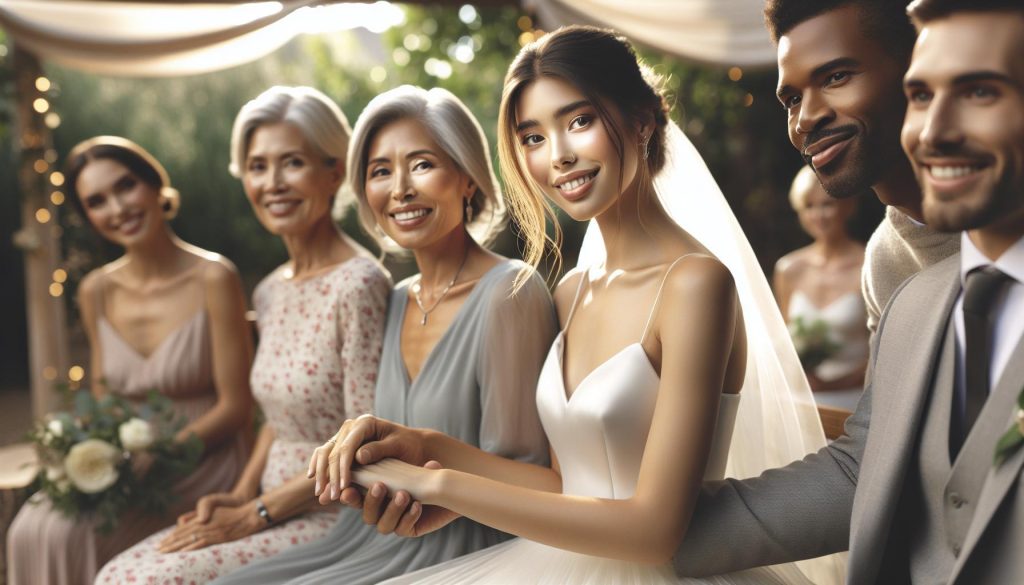
Traditionally, the phrase “Who gives this bride away?” evokes images of a father proudly handing off his daughter at the altar. However, as societal norms evolve, many couples are seeking modern alternatives that reflect their unique values and relationships. This shift invites a deeper conversation about empowerment, inclusivity, and personal choice in wedding ceremonies. By exploring contemporary options, couples can create moments that resonate with their identities, ensuring that every guest feels honored in their role. Whether you’re questioning outdated customs or simply looking to personalize your ceremony, understanding these alternatives is crucial to crafting a meaningful celebration. Read on to discover creative ways to honor loved ones while staying true to yourself, making your wedding day truly unforgettable.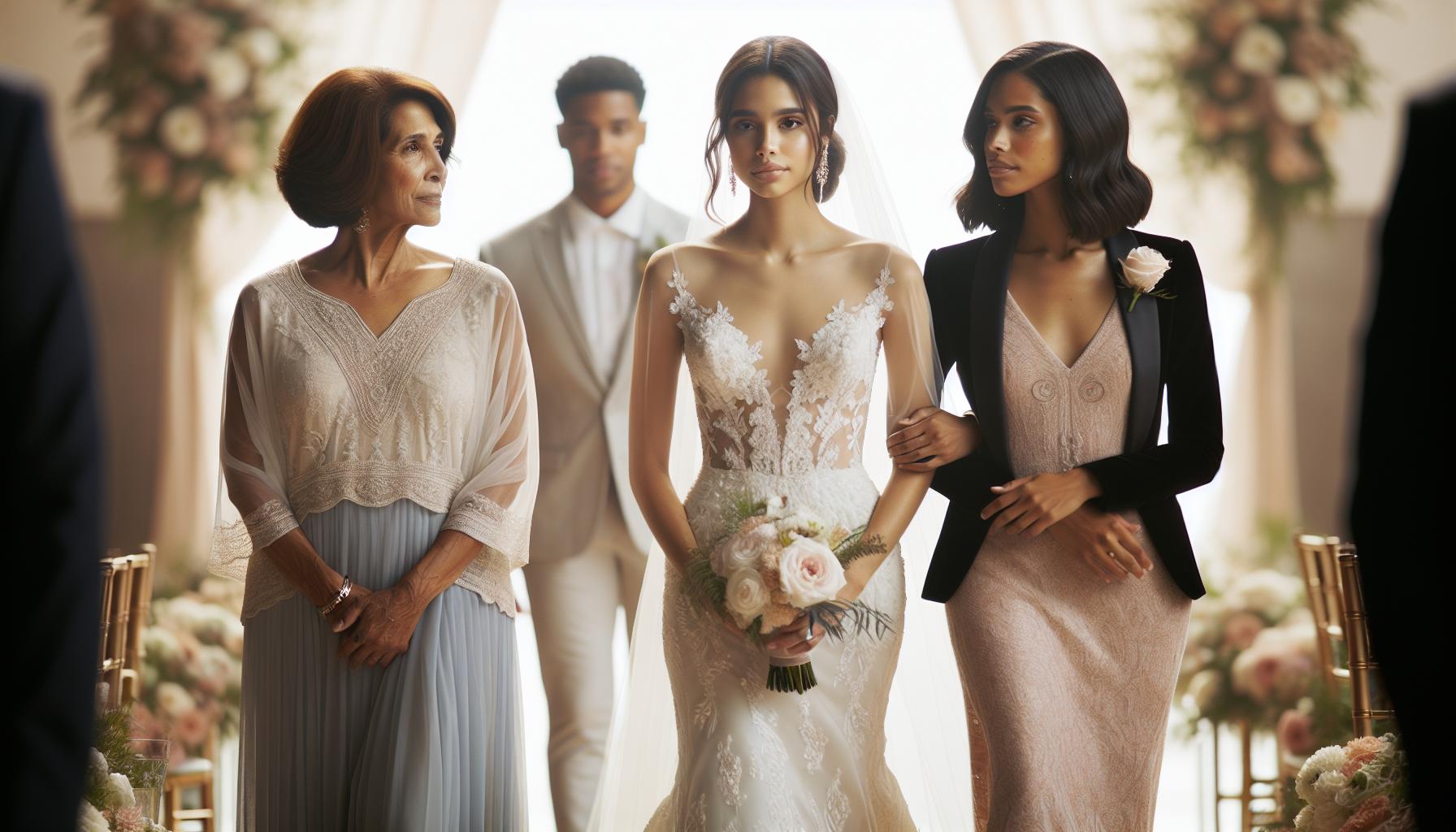
Who Traditionally Gives the Bride Away?
Traditionally, the father of the bride has been the primary figure to give away the bride during the wedding ceremony. This practice, steeped in history, symbolizes the father’s blessing and the transfer of responsibility for the bride’s well-being. In many cultures, this moment is associated with deep emotional significance, marking a shift from the familial unit of the bride’s upbringing to the new partnership she forms with her spouse. While the father’s role in this act is often viewed through a historical lens of ownership or guardianship, modern interpretations frame it as a celebration of familial love and support.
As societal norms evolve, so too does the question of who can fulfill this symbolic role. Today, couples are encouraged to personalize their wedding ceremonies, allowing for various interpretations and adaptations of this tradition. Many brides opt for their mother, siblings, or even close friends to perform the walk, reflecting more contemporary values of equality and shared responsibility. In some ceremonies, both parents may walk the bride down the aisle together, showcasing a unified parental support system that celebrates her individuality.
The decision of who gives the bride away is deeply personal and can reflect the couple’s values, family dynamics, and cultural backgrounds. Discussions with family members about their preferences can enhance the experience and foster inclusivity, making everyone feel valued in the celebration. Whether choosing a traditional path or creating a new custom, the focus remains on the joy and commitment being celebrated, weaving personal narratives into the fabric of the wedding day.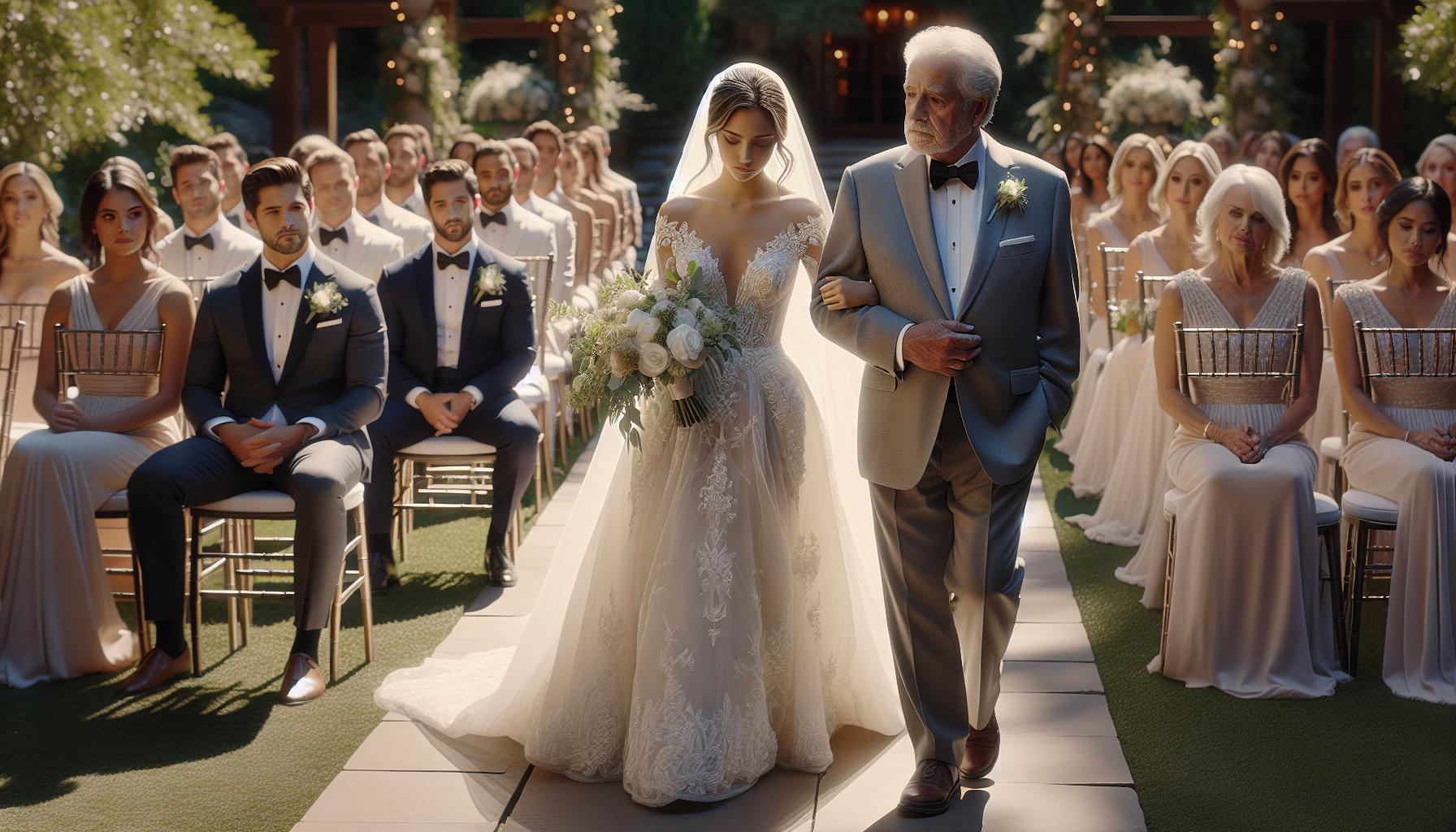
The Evolution of the Wedding Walk
In recent years, the tradition of the bride being given away has transformed significantly, reflecting broader societal changes and shifting perspectives on gender roles. The classic image of the father escorting his daughter down the aisle is being reevaluated, as couples recognize the importance of personalizing their special moment. Today’s weddings increasingly celebrate the individuality and agency of the bride, who is often at the center of her own narrative, redefining the significance of this cherished ritual.
Couples can now choose from a variety of alternatives, embracing the idea that the wedding walk can showcase different relationships and familial dynamics. For instance, brides may opt to invite both parents to accompany them, symbolizing mutual support and love. Others may select a beloved sibling, grandparent, or close friend to fulfill this important role, which can enrich the ceremony with emotional resonance and represent blended or unique family situations. This shift not only enhances the inclusivity of the ceremony but also allows couples to spotlight the relationships that have shaped their lives.
Moreover, some couples are moving away from rigid processional norms entirely, choosing instead to enter the ceremony together as equals. This collaborative approach allows both partners to symbolize their partnership from the get-go, reinforcing the modern ethos of unity and shared commitment. For those who wish to maintain traditional elements, incorporating personalized vows or a special reading during the ceremony can still pay homage to heritage while modernizing the experience.
As you contemplate who will accompany you down the aisle, consider your own story and the relationships that matter most to you. Reflecting on these connections will not only make your wedding walk feel authentic but also transform it into a moment infused with personal significance. Whether adhering to tradition, embracing new paths, or blending both, invites you to tailor your experience, ensuring it resonates deeply with you and your loved ones as you embark on this joyous journey together.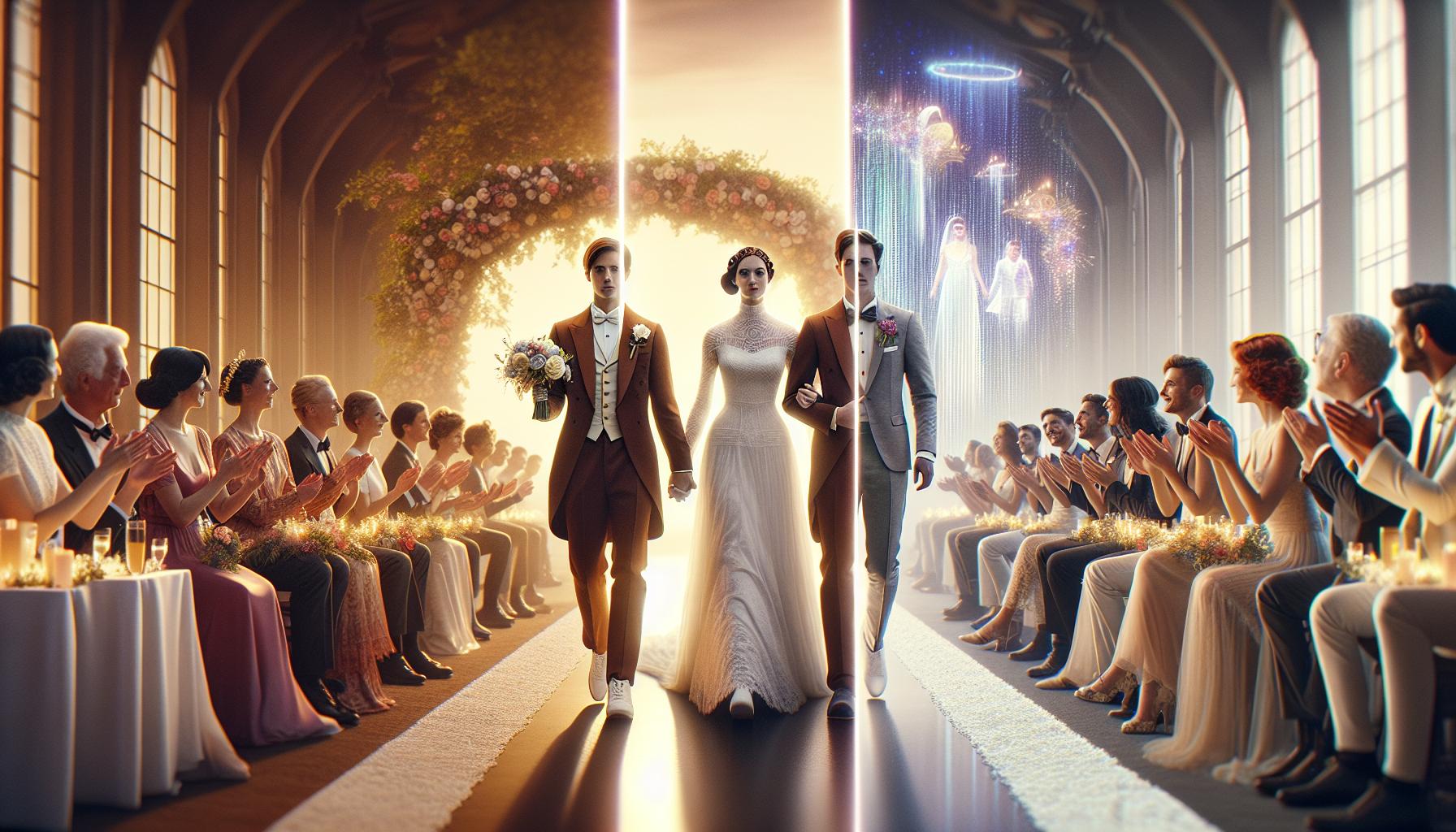
Modern Alternatives to the Traditional Role
While the classic image of a father giving away his daughter still holds sentimental value for many couples, modern weddings increasingly embrace alternative approaches that celebrate diverse relationships and personal narratives. For many brides, the act of being “given away” is transformed into a beautiful reflection of their journey rather than a transfer of responsibility. This shift invites couples to consider a range of meaningful alternatives that resonate with their unique values.
One popular option is having both parents accompany the bride down the aisle, which not only symbolizes equal support but also honors the vital roles both sets of parents play in the couple’s lives. This choice beautifully emphasizes unity and inclusivity and sets a tone of familial love and partnership right from the start of the ceremony. Additionally, some brides may choose to honor other important figures in their lives, such as a beloved sibling, grandparent, or mentor, providing an opportunity for heartfelt connection and inclusivity. Including someone meaningful can enrich the ceremony, making it a memorable reflection of the couple’s social tapestry.
Another modern trend is the couple walking together as equals to the altar, symbolizing their partnership as they enter this new chapter in life. This egalitarian approach highlights mutual commitment and balances traditional roles, making a powerful statement about equality in marriage. For those who still wish to honor tradition while incorporating personal touches, couples can blend both practices by walking partway alone and then meeting their chosen escort-be it a family member or friend-at a designated point. This allows for tradition to coexist with personal significance.
Ultimately, this journey is about crafting a ceremony that resonates deeply with the couple’s values and shared experiences. By offering choices that reflect their relationships and identities, couples can transform what was once a rigid tradition into a moment filled with personal meaning and joy. The key is to communicate these plans with loved ones, ensuring everyone feels included and excited to be part of this transformative experience. Embrace the opportunity to redefine this moment-it is yours to celebrate!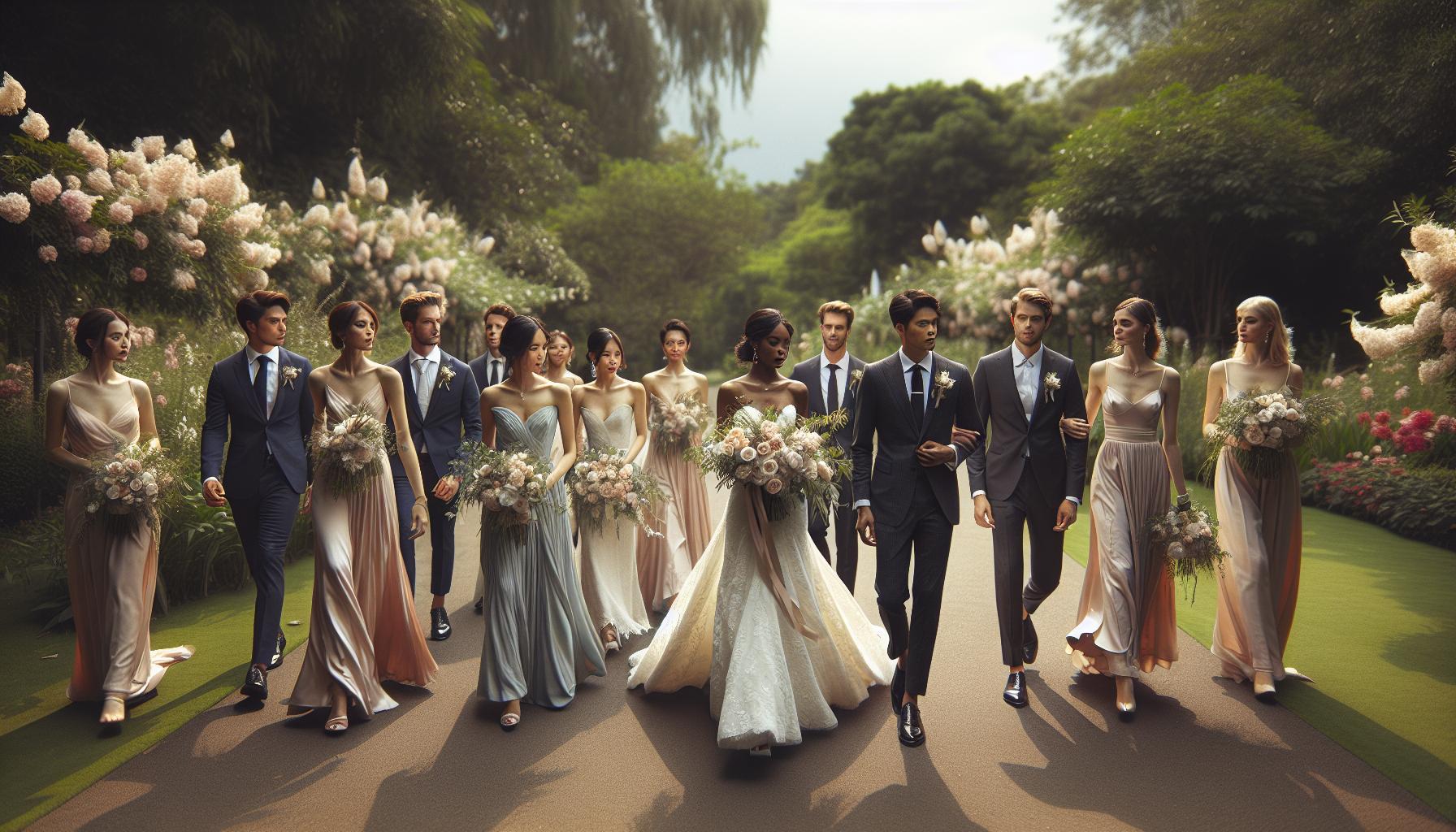
Empowering Guests: Who Can Step In?
In the celebration of love and commitment, couples today have the beautiful opportunity to redefine who supports them as they walk down the aisle. Traditionally, the role of “giving away the bride” has been centered around fathers or parental figures. However, empowered couples are now embracing a more inclusive and representative approach, inviting a variety of significant individuals into the spotlight. This evolution not only enhances the wedding experience but also highlights the importance of chosen family and friendships, reflecting deeper connections.
Couples can choose to involve various guests, each bringing their unique history and bond with the bride or groom. For instance, a beloved grandparent or a close friend who has been a pillar of support throughout life can step in to escort the bride. This decision allows for a personal touch and encourages representation of diversity in family structures. It can be profoundly meaningful to select someone who has played an essential role in one’s life journey, emphasizing support and love from multiple dimensions.
As you consider who might walk you down the aisle, think about the relationships that hold the most significance in your life. Here are some roles that guests might take on in this cherished moment:
- Sibling: A brother or sister can serve as a wonderful escort, showcasing familial support and connection.
- Best Friend: Lifelong friends often know the bride or groom’s history and passions intimately, symbolizing a rich bond of friendship.
- Mentor or Inspirational Figure: Someone who has guided you throughout life’s challenges can bring a special narrative to the ceremony.
- Child: Involving children of the couple, whether from previous relationships or future aspirations, can emphasize unity and future family.
This shift toward inclusivity fosters an environment of acceptance and love, creating a ceremony that truly reflects the couple’s journey together. As you prepare for this pivotal moment, be sure to communicate your choices to guests in advance, ensuring that they feel valued and celebrated as part of your special day. By inviting various people to share in this milestone, you are not only honoring them but also weaving a tapestry of relationships that enrich your wedding experience.
Creating a Unique Processional Order
Creating an unforgettable processional order sets the tone for your wedding ceremony, allowing you to express individuality and emotional significance while honoring your relationships. Every couple has a unique story, rich with connections, so why not tailor the processional to reflect those special bonds? By thoughtfully selecting the order of participants, you can create a heartfelt narrative that resonates with you and your guests, celebrating love in its many forms.
To design a processional that aligns with your vision, consider the significance of each person involved. Traditionally, the bride walks last, but this is no longer a requirement. You may choose to have family members or close friends accompany you, highlighting their importance in your life. For instance, consider having siblings or best friends walk down the aisle ahead of you, either individually or in pairs, creating a flowing visual that represents your support system. This approach not only reflects your relationships but also sets a warm, inclusive atmosphere for the ceremony.
Incorporate elements that enhance the personalization of your processional. Perhaps you want to add meaningful music selections that resonate with each participant or even include readings or shared memories from guests as they take their places. Additionally, consider innovative ideas such as incorporating a flower girl or ring bearer who symbolizes innocence and joy, capturing the sense of love and community surrounding your wedding day.
Here are a few ideas to inspire your unique processional order:
- Reverse Roles: Consider having the couple enter together to symbolize equality and partnership right from the start.
- Mixed Groups: Pair different generations together, like a grandparent and a sibling, to showcase family connections.
- Pet Participation: If you have pets, including them as part of the processional can infuse sweetness and joy.
- Ultimately Flexible: Remember that the focus should be on what feels right for you; if traditional roles don’t align with your vision, feel free to remix and redefine them.
Your processional order is an opportunity for creative expression and a reflection of the love and support surrounding you. By embracing modern alternatives, you can curate a delightful narrative that speaks to your journey as a couple while making your wedding day feel personal and unique. This heartfelt reimagining of the processional serves as a tribute to every cherished relationship, setting the stage for a day filled with love and connection.
Significance of Symbolic Gestures
In the realm of wedding ceremonies, symbolic gestures hold profound meaning, serving as pivotal moments that encapsulate the essence of love and commitment. These gestures can transcend traditional roles and norms, allowing couples to forge a unique narrative that resonates with their personal stories and values. Whether it’s sharing a special reading, exchanging tokens, or performing a ceremonial act, these moments create lasting memories that both the couple and their guests can cherish.
One popular symbolic gesture is the unity ceremony, which can take many forms-lighting a unity candle, blending different colored sands, or even planting a tree together. Each of these acts signifies the merging of lives, families, and paths, embodying the commitment made on that special day. For instance, the unity candle ritual not only symbolizes the couple’s bond but also acknowledges the individual lives and families they come from, honoring those who have supported them until this moment.
Additionally, incorporating family traditions or cultural customs can elevate the significance of these gestures. For example, couples from various backgrounds may choose to include rituals such as breaking a glass, tying a knot, or performing a handfasting ceremony, all of which carry deep historical meanings. Such inclusivity ensures that the ceremony feels authentic and heartfelt, reflecting the diverse influences that shape the couple’s relationship.
As couples navigate their wedding plans, it’s vital to consider how these symbolic gestures can be tailored to fit their personalities and values. By choosing meaningful actions, couples not only enrich their ceremony but also create shared experiences that bind them closer together. Remember, the goal is to celebrate love and connection-so don’t hesitate to innovate and personalize these traditions as you see fit. Embrace the chance to express your narrative through symbolic acts that will leave an enduring imprint on your day and in the hearts of those who witness it.
Personalizing the Bride-Giving Experience
Creating a memorable and personal experience for the bride-giving moment can deeply enhance the emotional significance of a wedding ceremony. While tradition often designates this role to a father or parental figure, couples today can embrace a myriad of options that reflect their values, relationships, and the unique dynamics of their families. This flexibility allows for a more meaningful interpretation of the walk down the aisle, transforming it into a profound ritual of love and support.
The personal touch begins with selecting an “alternative giver” who holds a special place in the bride’s heart. This could be a close friend, a sibling, or even a mentor who has played a significant role in her life. Involving such individuals not only signifies their importance but also represents the collective journey that has shaped the couple up to this moment. Consider these approaches to personalize this experience:
- Incorporate Ceremony Elements: Allow your chosen giver to play an active role in the ceremony, perhaps by making a speech or presenting a token that symbolizes their bond.
- Shared Moments: Modify the traditional walk by stopping at significant points along the aisle to share a private word or gesture, highlighting important relationships.
- Visual Cues: Consider adding personal elements like handkerchiefs or flowers given by family members that can be integrated into the ceremony, marking their presence.
Communicating these choices to your guests is equally crucial. Share the reasons behind your decisions in your wedding program or during the ceremony to foster an inclusive atmosphere. This not only celebrates the diverse connections within your life but also enriches the wedding’s narrative. As you gather your loved ones to witness this union, showcasing the people who mean the most to you adds a layer of authenticity to the proceedings.
Ultimately, the bride-giving experience should echo the couple’s journey, embrace personal stories, and reflect the love that surrounds them. By innovating on this tradition, couples can create a processional moment that is not only unique but also wrapped in emotional significance-a celebration of all those who have supported them as they take this beautiful step into their future together.
Cultural Variations in Wedding Traditions
In weddings around the world, the act of giving away the bride carries deep cultural significance, shaped by unique traditions and customs. While many Western ceremonies traditionally feature the father of the bride performing this role, numerous cultures offer alternative practices that honor familial ties, societal norms, and spiritual beliefs, allowing couples to explore and celebrate their diverse heritages in personalized ways.
For instance, in some Indigenous cultures, the bride may be given away by her family as a collective rather than a single individual. This approach emphasizes the interconnectedness of family and community, symbolizing that the union extends beyond just the couple to incorporate their wider familial networks. Similarly, in certain African cultures, the practice involves extensive rituals and communal involvement, where the groom’s family often formally requests the bride’s hand, acknowledging the value of both families in the union’s formation.
In Asian cultures, the wedding walk can involve unique customs. In Chinese weddings, it is common for the bride to be escorted by her parents, signifying their blessing and acceptance of the groom. After reaching the altar, the parents may perform gestures to signify their transfer of the bride’s care to her husband. Indian weddings often involve traditional ceremonies like the Kanyadaan, where the father gives his daughter away, symbolizing his trust in the groom to be a protector and companion. However, many modern Indian couples are choosing to reinterpret this process, allowing for siblings or mentors to participate based on their relationships, thus merging tradition with personal meaning.
These cultural variations illustrate how couples can adapt and personalize the bride-giving moment. By incorporating their cultural backgrounds and familial traditions, couples not only honor their ancestors but also set the stage for a unique and heartfelt wedding ceremony. Whether embracing old customs or creating new interpretations, the essence of this ritual remains a celebration of love, commitment, and the intertwined paths that lead to the altar.
Involving Family and Friends in New Ways
Celebrating the union of two people can take many forms, and modern weddings often reflect a shared journey that brings together families and friends in meaningful ways. As couples look to personalize their ceremonies, they can find innovative ways to involve those closest to them, transforming the traditional act of giving the bride away into a collective and inclusive experience. The goal is to not only recognize the importance of the bride’s familial bonds but also to honor the support and love of other significant figures in her life.
One dynamic approach is to create a processional that includes multiple family members or friends, rather than solely focusing on one individual. This could mean having parents, siblings, or mentors walk with the bride, each representing their unique bond with her. For example, a bride might enter with her mother and father, symbolizing the shared responsibility and investment both parents have in her happiness. Alternatively, a bride could opt to include beloved friends or aunties, each taking turns to escort her, emphasizing the communal nature of love and support within her life.
Additionally, incorporating symbolic gestures can further enhance this communal experience. Consider a unity ritual where each participant lights a candle signifying their love and support, or a group hug right before the bride reaches the altar. This not only acknowledges individual contributions to the bride’s journey but also creates a warm environment that fosters connection among all attendees. It becomes a visually beautiful moment of unity, showcasing relationships that are pivotal to the couple’s story.
For couples keen to share this responsibility with others, communicating the decision can be as crucial as the planning itself. Clarity in the invitation or an announcement at the beginning of the ceremony can set the right tone. A short speech or a heartfelt note in the program can explain the significance of their chosen processional order, inviting guests to celebrate the intertwined roles of family and friends in the couple’s lives. This not only educates but also inspires guests to appreciate the collaborative spirit of modern love stories.
By reimagining how families and friends can be woven into the ceremonial fabric of the wedding day, couples can create an event that is not only rich in love and outright joy but reflects the truly interconnected nature of relationships in their lives. Involved guests are more than just attendees; they become integral parts of a day that celebrates the foundation upon which the couple intends to build their future together.
How to Communicate Your Choice to Guests
In the spirit of modern weddings, where innovation and personalization reign supreme, effectively communicating your choice for the processional order is paramount. This decision not only honors those who have significantly shaped the bride’s life but also sets the tone for the ceremony itself. A clear and heartfelt message can transform a wedding from a simple event into an immersive experience that resonates deeply with all attendees.
A brilliant way to convey these choices is through your wedding invitations. Consider adding a note that explains the significance behind your decision to have multiple people escort the bride. This could be a brief line such as, “In celebration of the love and support from our family and friends, [Bride’s Name] will be escorted by her parents and closest friends.” This inclusion not only invites curiosity but also offers context, helping guests feel involved and appreciated even before the ceremony begins.
Another effective approach is to incorporate a program or announcement during the ceremony. A short introduction by the officiant can elucidate these choices, allowing guests to grasp the relationships being represented. You might choose to have the officiant share a few sentences about each person accompanying the bride, underscoring their importance in her life. This personal touch can create an intimate atmosphere and engage guests emotionally, making them feel like they are part of the celebration of love and unity.
Additionally, digital platforms can enhance communication. If you’re utilizing a wedding website, include a section dedicated to explaining your processional choices. Consider sharing anecdotes or photographs that highlight the bond between the bride and each escort, which can further enrich the narrative of your day. In doing so, you not only inform but also invite guests to share in the joyous journey that has led to this moment.
As you navigate these communications, remember that clarity is key. Providing guests with ample information allows them to appreciate the significance of these modern alterations to tradition. With thoughtful communication, you can cultivate a celebratory and inclusive atmosphere, ensuring that everyone feels connected to this cherished occasion.
Filming the Moment: Capturing New Traditions
When it comes to weddings, capturing the essence of the moment is paramount, especially as traditional roles evolve. As the custom of who gives the bride away transforms, it’s essential to document these new traditions in ways that honor the emotional depth of the occasion. Photography and videography play a crucial role in preserving not just visuals, but the very spirit of the moments that unfold-moments filled with joy, laughter, and heartfelt connections.
One innovative way to capture these new traditions is to focus on the diverse individuals escorting the bride down the aisle. Whether it’s parents, siblings, or close friends, the shot of them walking together not only symbolizes support but also tells a beautiful story. Consider incorporating close-up shots or video clips that highlight their expressions and interactions, showcasing the love and pride they share. Each person’s unique relationship with the bride can be vividly portrayed through these visuals, making the moment even more special for everyone involved.
Engaging a skilled wedding videographer who understands your vision can enhance this experience significantly. They can creatively weave together the processional moments with heartfelt interviews or candid conversations that occur before the ceremony. Encourage your videographer to capture initial reactions, such as laughter during pre-wedding jitters, or touching words shared before walking down the aisle. These elements provide context to the ceremony and enrich the overall narrative of your wedding film, allowing you to relive the day in a more intimate and personalized way.
Furthermore, consider the use of technology to add another layer of depth. Livestreaming your wedding can not only capture the ceremony in real-time for loved ones who can’t be there but can also include an option for sharing real-time messages from those unable to attend. This way, you can ensure every significant individual in your life feels included, even from afar. The recording of heartfelt messages can be showcased during the reception, adding a practical and sentimental touch to your wedding.
In all these efforts, ensure that your photographer and videographer are on the same page about the significance of these moments. Share with them your aspirations for how you want these new traditions to be captured, and don’t shy away from providing a list of must-have shots. Doing so ensures that the essence of your wedding, with its beautiful modern twists and heartfelt tributes, is authentically represented and cherished for years to come.
Incorporating Tradition into Modern Celebrations
In modern weddings, the traditional role of who gives the bride away has evolved, inviting couples to blend cherished customs with their unique identities. This intersection of tradition and personal expression allows for a deeper, more meaningful ceremony, celebrating the couple’s love while honoring their backgrounds. One effective way to incorporate tradition into contemporary celebrations is to weave in meaningful rituals that resonate with the bride and groom’s families, enhancing the emotional weight of the day.
Consider maintaining classic elements such as a walk down the aisle with a special escort, be it parents, siblings, or chosen friends. This act can symbolize the unity and support from loved ones, showing that while traditions may shift, the love and commitment of family remain steadfast. To amplify this moment, couples can inform their officiants about their chosen walk and its significance, ensuring words are spoken in recognition of this modern twist on an age-old custom.
Additionally, couples can personalize their processional by including diverse rituals from their heritage. For example, integrating a handfasting ceremony or a unity candle lighting can serve as powerful symbols of their commitment. Moreover, couples can invite family members to participate in these rituals, thereby including cherished relatives in the ceremony, symbolizing integration and support from both sides. In doing so, the ceremony becomes a celebration not only of union but also of shared histories and familial love.
Using visual storytelling in these moments can enhance the significance of the day. Photographers and videographers can focus on the interactions during the processional, capturing candid moments that highlight emotions, embraces, and shared glances. By documenting these unique integrations of tradition and personal flair, couples create a rich tapestry that reflects their journey while honoring those who have guided them along the way. Ultimately, helps craft a wedding day filled with heart, connection, and lasting memories that align with the couple’s vision and values.
FAQ
Q: Who can give the bride away if the traditional role is not chosen?
A: Any significant person can give the bride away, such as a parent, sibling, close friend, or mentor. It’s essential to choose someone who embodies the support and love for the bride on her special day. This decision can be personalized to reflect family dynamics and personal relationships.
Q: What are some creative ideas for modern wedding processional options?
A: Modern weddings can feature unique processional options such as walking in together as a couple, having both parents escort the bride, or involving children or close friends. Tailoring this moment creates a personalized and inclusive ceremony, allowing guests to share in the joy.
Q: How can couples communicate their choice of who gives them away to their guests?
A: Couples can communicate their choice by including it in the wedding program, making an announcement during the ceremony, or informing close family and friends in advance. Providing clarity helps guests understand and appreciate the decision.
Q: What does it mean to personalize the bride-giving experience?
A: Personalizing the bride-giving experience means adapting tradition to better fit the couple’s values and relationships. This could include special rituals, heartfelt speeches, or unique ways to celebrate connections, making the moment feel significant and authentic.
Q: How can family traditions influence who gives the bride away?
A: Family traditions may dictate specific roles for the bride’s escort, often reflecting cultural or familial values. However, couples can honor these traditions while also adapting them to fit their relationships, ensuring a meaningful integration of past and present.
Q: Why is it important to consider cultural variations in wedding processions?
A: Considering cultural variations enriches the wedding experience and demonstrates respect for diverse practices. Incorporating elements from different cultures can add depth and significance, enabling couples to celebrate their heritage while creating a unique ceremony.
Q: What role does a symbolic gesture play in modern wedding traditions?
A: Symbolic gestures, like lighting a unity candle or incorporating a special item, emphasize the couple’s commitment and shared values. These gestures can replace traditional roles and add a personal touch, making the ceremony memorable and resonant with the couple’s story.
Q: How can modern weddings blend traditional elements with contemporary choices?
A: Modern weddings can blend tradition with contemporary choices by adopting elements like personalized vows or alternative escorts while retaining classic aspects like flower bouquets or ring exchanges. This balance ensures the celebration feels both meaningful and reflective of the couple’s identity.
Concluding Remarks
As you embrace the beautiful journey of wedding planning, remember that every celebration is unique and tailored to reflect your love story. Exploring modern alternatives to the traditional question of “Who gives the bride away?” allows you to create a ceremony that resonates with your values and style. Whether choosing family, friends, or embracing a more inclusive approach, your decisions should celebrate your partnership in a way that feels authentic and joyous.
Ready to dive deeper into your wedding preparations? Check out our guides on choosing meaningful ceremony traditions and crafting the perfect guest list for your celebration. Don’t miss out on expert tips for attire selection and vendor coordination that can make your planning experience seamless and enjoyable. Join our newsletter for ongoing inspiration and resources tailored to your wedding journey, ensuring every detail is as memorable as your love story. Share your thoughts and experiences in the comments below-your insights could inspire other couples embarking on their own planning adventures!