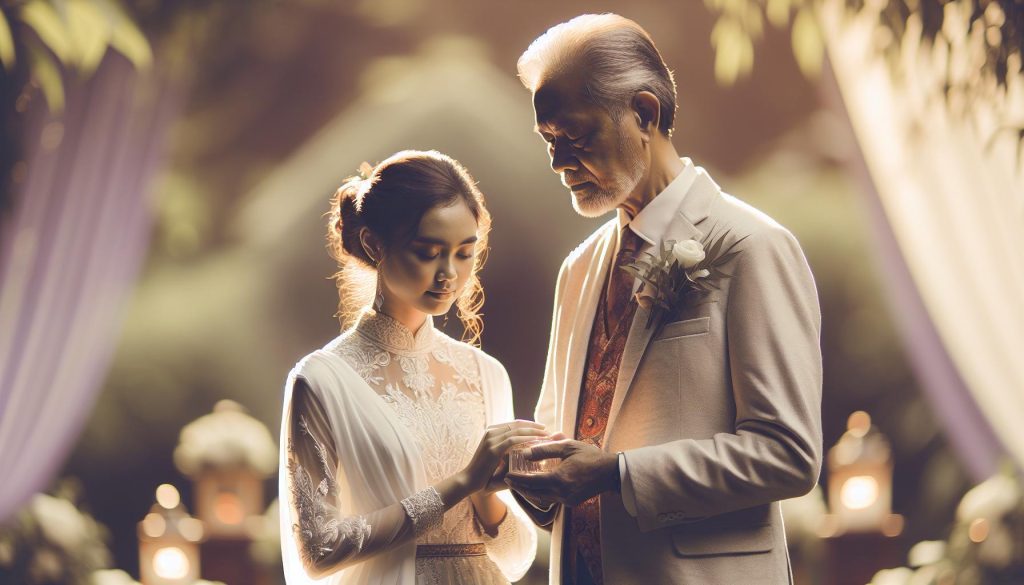
In the heart of every wedding ceremony lies a profound moment: the question, “Who gives this bride away?” This traditional wording carries immense significance, as it symbolizes the support and blessing from the bride’s family as she embarks on a new chapter of life. While many couples strive to honor family traditions, the way this question is framed can vary widely based on cultural backgrounds and personal preferences.
As you navigate through planning your wedding, understanding the different options for this important moment can help you create a ceremony that reflects your values and vision. Whether you’re seeking a classic phrase steeped in tradition or a modern twist that resonates with your unique love story, exploring various wording choices adds depth and meaning to your vows. Join us as we delve into the rich tapestry of traditional ceremony wording options, ensuring your big day captures the love and support that surrounds you.
Understanding the Significance of Giving Away the Bride
The act of giving away the bride is a cherished tradition steeped in symbolism and significance. This moment encapsulates the transition of the bride from her family to a new union, often characterized by themes of love, commitment, and the blessing of her family as she embarks on a new chapter in her life. Traditionally, this gesture has roots in the idea of protection and guardianship, signifying that the bride is entering a new home under the care of her partner, highlighting the importance of family relationships in a marriage.
As society evolves, so too does the interpretation of this tradition. Modern approaches often encourage couples to personalize the experience, allowing for greater inclusion of diverse family structures and relationships. Whether it’s a parent, sibling, or close friend performing the role of escort, the focus shifts toward honoring the bride’s unique journey and the relationships that have shaped her. This can create a more meaningful connection, as it reflects the couple’s values and the support systems they cherish.
Incorporating personal touches, such as including special anecdotes or familial blessings in the ceremony, can enhance the emotional depth of this moment. Couples might consider crafting a statement that acknowledges not just the transition of the bride, but also the joy and love of family that surround them. By thoughtfully channeling the sentiment behind giving away the bride, couples can craft an experience that resonates deeply with everyone present, celebrating not only their love but also the collective support of their families.
Traditional vs. Modern Perspectives on Bride Giving
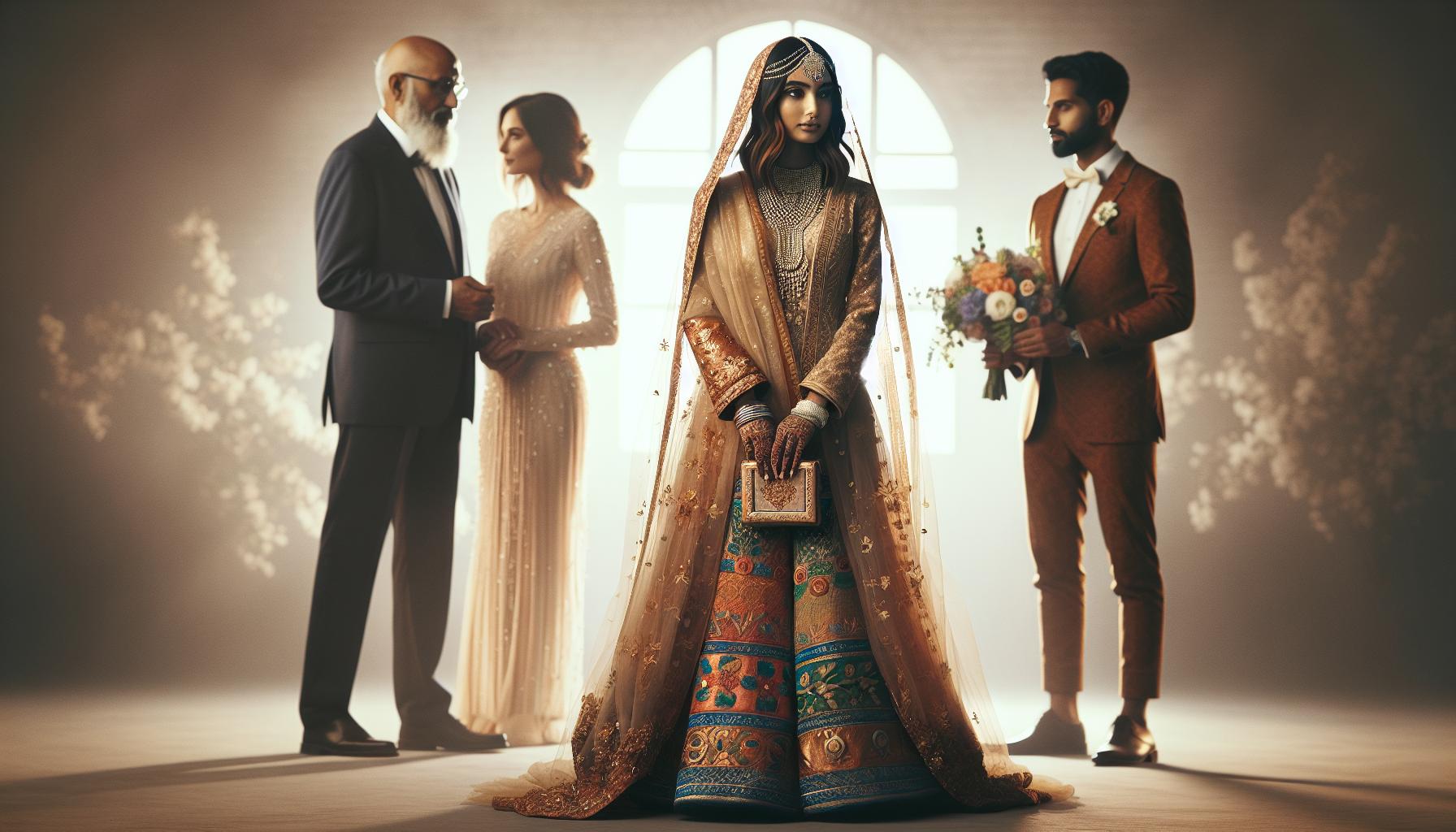
The act of giving away the bride is not just a ritual but a poignant symbol of transition, representing her journey from one family to another. Traditionally, this moment has been steeped in customs that date back centuries, with fathers or male figures often taking center stage to escort the bride down the aisle. This practice is deeply rooted in historical perceptions of family hierarchy and protection, signifying the blessing of her father or guardian as she embarks on her new life. The phrase “Who gives this woman away?” echoes the past, where the bride was viewed as property being handed over, though many couples today seek to reshape this narrative, infusing it with love and respect rather than ownership.
In modern interpretations, the focus shifts away from the notion of giving a bride away as an exchange to a celebration of relationships and personal journeys. Couples are encouraged to curate their ceremonies uniquely, allowing mothers, siblings, or close friends to take on the role of giving away, reflecting diverse family dynamics. Embracing this flexibility can honor the bride’s individuality and strengthen connections among all attendees. For instance, a couple might decide that both parents walk the bride down the aisle or include a moment where they express gratitude to all family members who have supported them. This modern approach not only celebrates the couple’s unique love story but also fosters inclusivity.
Moreover, language plays a crucial role in how this tradition is communicated. Couples are often moving towards personalized vows or symbolic gestures during the processional, allowing them to articulate their love and commitment in a way that resonates with their values. Whether incorporating heartfelt anecdotes, readings, or blessings, these elements enrich the ceremony, transforming the moment into one of connection and shared joy rather than an obligation.
By consciously blending the essence of traditional significance with contemporary values, couples can create a beautiful ceremony that honors the past while authentically representing their future. This balance between tradition and modernization not only uplifts the couple but also instills a sense of community and family support, enriching the wedding experience for everyone involved. Ultimately, the act of giving away the bride evolves into a celebration of love, inclusivity, and the enduring bonds of family, creating an unforgettable moment in the lives of the couple and their loved ones.
Creative Wording for Traditional Ceremony
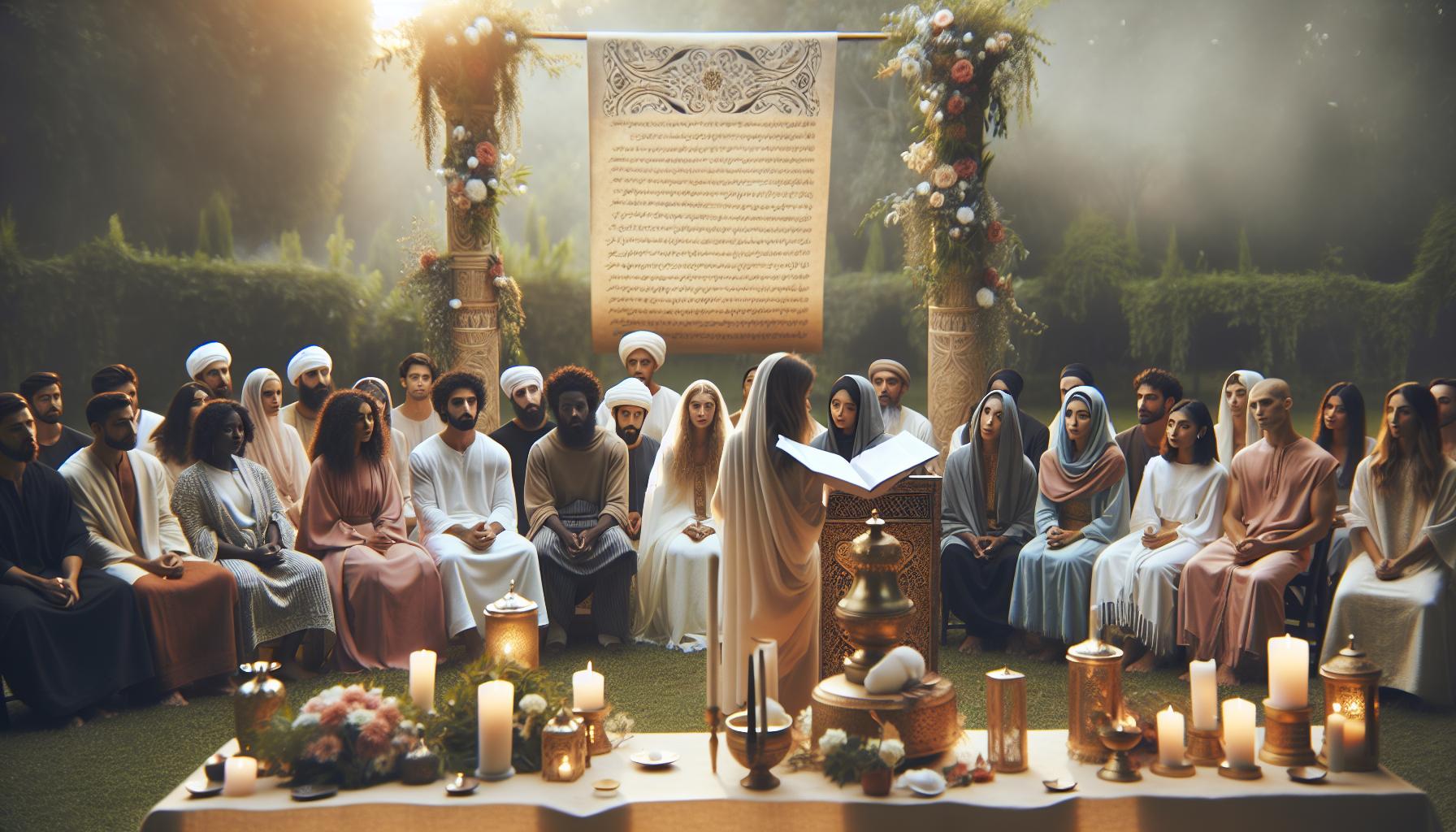
Creating the right atmosphere during the ceremonial moment of giving away the bride is vital, as it encapsulates emotion, commitment, and the intertwining of two families. The traditional phrasing, “Who gives this woman to be married to this man?” carries significant weight, reflecting both the honor bestowed upon the bride and the responsibility of the individuals giving her away. To put a personal twist on this tradition, couples can consider customizing these words to align with their own stories and values, ensuring the wording resonates with everyone present.
One popular approach is to include all key family members, transforming the exchange into a beautiful family moment. An example could be, “Her parents, [Mother’s Name] and [Father’s Name], along with [future spouse’s name], proudly offer their daughter, [Bride’s Name], to [Groom’s Name] today.” This wording not only acknowledges the bride’s roots but also symbolizes the collective support of her family, creating a more inclusive and heartfelt moment.
Additionally, couples may wish to incorporate meaningful sentiments or stories that relate to their journey. For instance, you might say, “As her family, we are honored to witness the love between [Bride’s Name] and [Groom’s Name]. We give her away with joy in our hearts, knowing she has found her true companion.” Such phrasing emphasizes love and commitment over traditional ownership, reflecting a modern perspective while integrating the charm of the ceremony.
Ultimately, finding the balance between tradition and personalization can enhance the emotional impact of this moment. Couples should engage in open discussions with their families about what the wording means to them and how to convey their feelings effectively. The goal is to create a loving and memorable transition that honors the past while celebrating the future, allowing families to come together in joy and anticipation. The act of giving away the bride should resonate deeply with everyone involved, marking the beginning of this exciting new chapter in the couple’s lives.
Alternative Traditions: Who Gives the Bride Away?
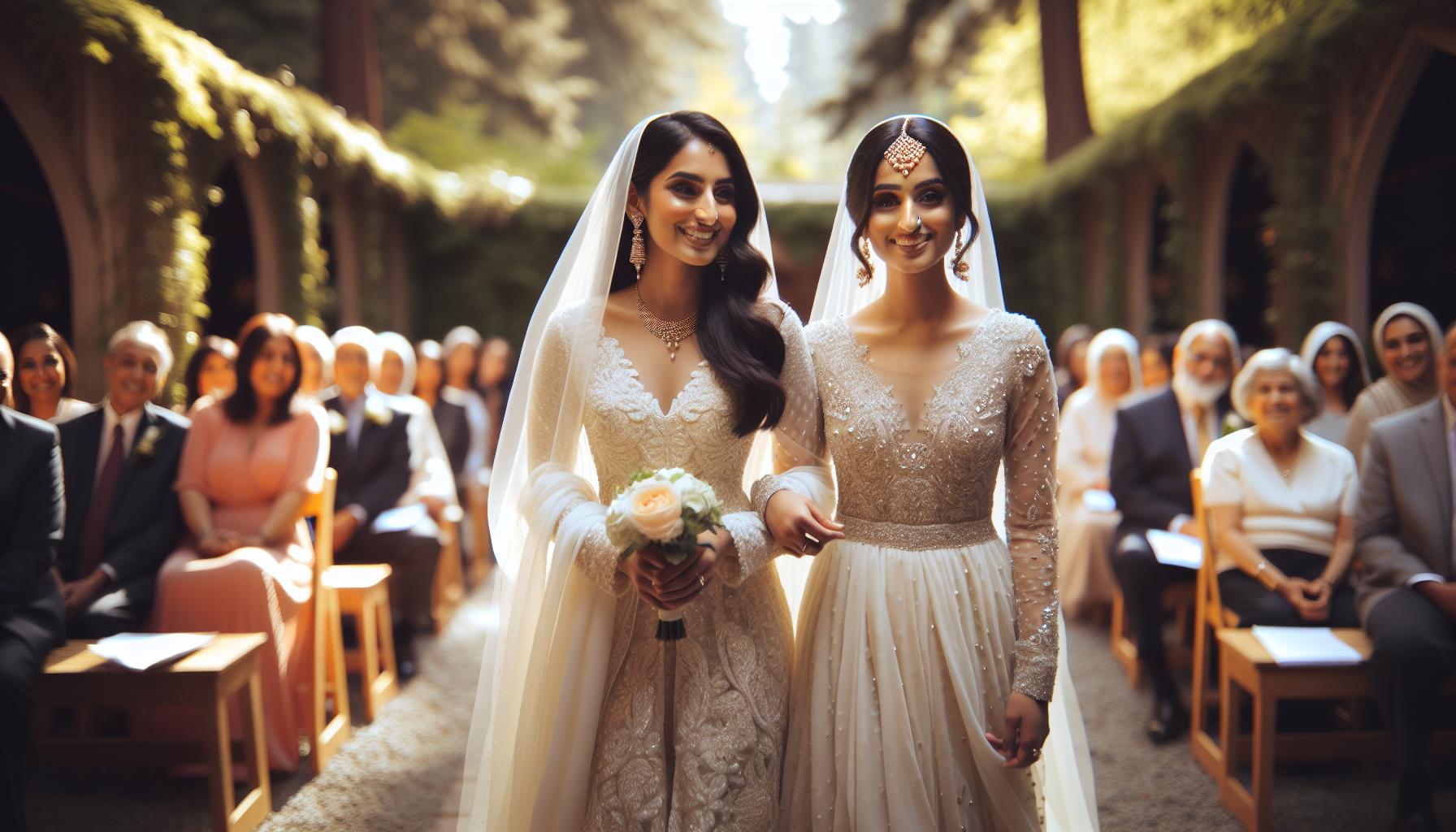
In many wedding ceremonies, the traditional question, “Who gives this woman to be married to this man?” evokes a profound sense of heritage and family dynamics. However, the act of giving away the bride can take numerous forms beyond the conventional view, accommodating the richness of family relationships and dynamics. Understanding and celebrating these alternative traditions can bring an inclusive spirit to your ceremony, ensuring that all loved ones feel valued in this important moment.
One common alternative involves both parents or parental figures walking the bride down the aisle together, symbolizing unity and shared support. This approach celebrates the bride’s family as a collective, reflecting modern familial structures. Couples can personalize this moment by having their parents say a few words or by defining a unique phrasing that captures their family’s voice, such as, “Together, we present our daughter, [Bride’s Name], to [Groom’s Name].”
Another emerging trend is to allow the bride to choose who gives her away. This could be a beloved grandparent, sibling, friend, or anyone who has played a significant role in her life. This decision empowers the bride to honor those relationships that matter most to her. For example, one might say, “Today, [Bride’s Name] is honored to be escorted by her sister, [Sister’s Name], who has always been her steadfast supporter.” This wording not only underscores the importance of chosen family but also reflects a modern understanding of relationships.
Finally, for couples who wish to shift away from the traditional narrative altogether, crafting a ceremony that celebrates the partnership equally can be a meaningful approach. Instead of framing it as a giving away, you might consider people saying, “We all come together to support the love between [Bride’s Name] and [Groom’s Name].” This inclusive statement emphasizes community support rather than ownership, aligning beautifully with contemporary relationship values.
Celebrating diverse family structures and relationships enriches the wedding experience and reinforces the love and support surrounding the couple. Whatever tradition you choose to observe-or reinvent-it should resonate with personal meaning and reflect the beautiful tapestry of relationships that are integral to your lives.
Emotional Touch: Incorporating Family into the Ceremony
Incorporating family into the wedding ceremony adds a deeply personal touch that resonates with the celebratory spirit of love and unity. Families often serve as the backbone of support for couples, making it crucial to honor their presence, whether through traditional roles or within more modern frameworks. A profound way to enhance this sense of connection is to weave family members into the ceremony actively, acknowledging their significance and the bonds that have shaped each partner’s journey.
One approach is to include special readings or blessings from family members that reflect their love and encouragement for the couple’s future. These heartfelt contributions can take many forms, such as a parent sharing a cherished memory or siblings offering words of support. You might consider gathering your loved ones together for a brief moment of reflection or a group blessing, emphasizing the importance of community support. For example, the officiant can invite family to place their hands together in a circle, fostering a sense of unity and connection.
Additionally, couples might want to personalize their processional by selecting particular music that holds family significance, such as a song that has played during important moments throughout their lives. This choice not only sets the tone for the ceremony but serves as a reminder of shared experiences, making the event even more memorable. Another touching idea is to have family members involved in the giving away process, allowing multiple figures to walk the bride down the aisle, symbolizing collective love and support.
Encouraging family participation can also take the form of rituals, such as lighting a unity candle together or planting a tree as a symbol of growth and lifelong commitment. Each of these elements can be designed to honor family traditions while maintaining a focus on the couple’s individual uniqueness. Whatever you choose, integrating family into the ceremony not only enhances its emotional depth but also cultivates an environment where love and shared values flourish. Embrace these opportunities to transform a beautiful ceremony into a heartfelt celebration of not just the couple but the entire familial tapestry that surrounds them.
Customizing Your Wedding: Personal Touches in Wording
Celebrating the union of two people is an elegant journey, and the wording of your ceremony can reflect your unique love story and the importance of family ties. Integrating personal touches into the traditional phrasing used in ceremonies offers a way to honor your loved ones while crafting a narrative that truly resonates with your relationship’s essence. Whether you choose to stick closely to convention or embrace a more modern approach, customizing your wedding language allows you to make meaningful statements that represent who you are as a couple.
To begin, think about the key players in your relationship and family dynamics. This can help formulate traditional verses such as “Who gives this bride away?” to fit your individual story. You might replace this question with something like “Who supports this union with love and respect?” if multiple family members are involved, or if you have a non-traditional setup. Consider incorporating influences or phrases that illustrate the distinct contributions your families have made to your lives. For instance, a personalized phrase could acknowledge both sets of parents as “We stand here today surrounded by love, supported by both of our families” which encompasses a broader and more inclusive sense of unity.
In addition, using creative language can transform standard vows or readings into unique expressions of love. For example, if you have a family legacy of commitment or a shared interest, you might integrate personal anecdotes that reflect those experiences. The officiant can weave these narratives into the ceremony, prompting a personal touch that ties individual family histories into the fabric of your day. For instance, instead of a generic vow that states “I promise to love you,” you might say, “I promise to cherish you as my partner in adventure, just as our parents have shown us in their own journeys.”
Moreover, as you construct your ceremony wording, explore the inclusion of special elements like readings or poems that resonate with your relationship. Engaging family members in this process can deepen the personal connection throughout the celebration. Inviting a sibling or a close friend to read can not only foster intimacy but also reflect the core belief of community and support that surrounds your union. You could even include a family blessing, allowing for a moment of collective affirmation that reinforces the support for your love.
As you embark on this joyful planning process, remember that every choice you make regarding the wording is an opportunity to reinforce the love and values you both hold dear. By incorporating uniquely personal touches into traditional phrases, you not only craft a wedding ceremony that feels authentic and true but also set a beautiful precedent for the vows you take to each other and the commitment you embody moving forward.
Addressing Non-Traditional Family Structures
Navigating the delicate waters of wedding customs requires a deep understanding of the unique family dynamics that each couple brings to their celebration. In today’s diverse society, non-traditional family structures are not just common; they are celebrated. Whether we’re talking about blended families, families with same-sex parents, or other unique familial arrangements, there’s beauty in crafting a ceremony that reflects these realities. As couples strive to honor their loved ones while remaining true to their identities, customizing the phrase traditionally asked-“Who gives this bride away?”-is a fantastic opportunity to welcome all forms of support and love.
When considering your own family structure, think about who has played a pivotal role in your life. Here are some thoughtful alternatives to the traditional wording that can be adjusted to fit your family’s narrative:
- Instead of the traditional question, you might say, “Who supports this union today?” This invites a collective acknowledgment of love and support from all family members.
- For couples from blended families, you could opt for, “We stand here today, supported by our families and the love they have nurtured in us.” This acknowledges both biological and step-family relationships.
- If your family dynamics include two mothers or two fathers, you could phrase it as, “Who brings this couple together in love?” allowing everyone to feel included in the moment.
Recognizing and celebrating the contributions of each individual in your journey can add depth to your ceremony. Consider incorporating touches that represent everyone involved, like having a special moment of recognition for parents, guardians, or important figures in your life. Another idea is to have a ceremonial act, such as lighting a unity candle or planting a tree together, symbolizing the support of your family as you embark on your new chapter.
Moreover, the officiant plays a crucial role in weaving the stories of your unique families into the ceremony’s fabric. They can frame the beginning of your union within the context of the loved ones surrounding you, ensuring that everyone’s presence and influence are acknowledged. A personalized narrative or anecdote about your family can create a warm atmosphere and highlight the love that has shaped your relationship.
In modern weddings, it’s essential to align your ceremony’s language and structure with the families you cherish. Embrace the opportunity to create a narrative that genuinely reflects who you are as a couple, allowing your celebration to symbolize not just your union, but the love and resilience of all your family’s relationships.
Sample Scripts and Examples for Ceremony Wording
When it comes to weaving the heart of family into your wedding ceremony, the moment of giving away the bride holds a special significance. It’s not merely a formality; it symbolizes love, support, and a shared commitment to the couple’s new journey. Here are some sample scripts that can help shape this poignant moment, ensuring it resonates deeply with all present.
Traditional Wording Examples
For those opting for a classic approach, below are traditional scripts that emphasize the familial ties cherished in many cultures:
- “Who gives this woman to be married to this man?” This is the classic statement that signifies the father’s role, traditionally reflecting his blessing of the union.
- “I do” or the equivalent response from the father or guardian, can accompany the above, affirming that they support the marriage.
- “Today, I stand here as [bride’s name]’s father/mother/guardian, and I proudly give her to [groom’s name].” This adds a personal touch, expressing pride and a bond of love.
Modern Adaptations
As wedding traditions evolve, couples often choose to personalize or adapt these scripts to reflect their unique stories. Consider these alternative phrases:
- “Who supports this union today?” This wording invites all present to recognize their role in the couple’s lives and can be quite moving.
- “We are gathered here today to celebrate the love and commitment of [bride’s name] and [groom’s name], embraced by their families.” This broadens the focus, emphasizing the collective support from both family backgrounds.
- “As [bride’s name] joins [groom’s name] in marriage, she is supported by all the love around her.” This recognizes the contributions of the family and friends without focusing solely on one individual.
Inclusive Options for Diverse Families
With the growing recognition of diverse family structures, here are some scripts that embrace inclusivity:
- “We are here to witness the love of [bride’s name] and [groom’s name], supported by their family and friends.” This wording can apply universally, regardless of family composition.
- “In the presence of our families and loved ones, we stand united in love.” This can encapsulate the spirit of togetherness, recognizing the wider community of support.
Wedding ceremonies are deeply personal events that reflect not just the love between two people, but also the intertwining families and friendships that support them. As you explore these wording options, consider which resonates best with your hearts and the narrative you wish to share. Tailoring these moments can create an atmosphere of unity and joy, where every person present feels included in the celebration of your love story.
Cultural Variations in Giving Away the Bride
When planning a wedding, understanding the various cultural approaches to giving away the bride can enrich the ceremony’s meaning and enhance the couple’s expression of love. Across different societies, this moment can range from a deeply cherished tradition to a more contemporary interpretation that highlights shared family support. Each variation not only reflects the values of the culture but also impacts the way families come together to celebrate the couple’s journey.
In many Western traditions, the act of giving away the bride is often a formal question posed by the officiant, traditionally addressed to the father or guardian, asking, “Who gives this woman to be married to this man?” This classic phrasing underscores the notion of a father’s role in authorizing the union. In contrast, some cultures, such as within certain African traditions, may view this differently. Here, the ceremony could include a symbolic act where both families come forth to bless the union, rather than just the father of the bride, emphasizing communal involvement in the new family’s establishment.
As contemporary weddings embrace diverse backgrounds, ceremonies increasingly reflect a fusion of traditions. For instance, in Hispanic cultures, the Quinceañera tradition, which celebrates a young girl’s coming of age, might influence how families engage with the bride on her wedding day, showcasing traditions of familial honor and unity. Alternatively, in Indian weddings, the giving away of the bride, known as Kanyadaan, reflects a heartfelt surrender, traditionally done by the father, proclaiming his commitment to her new life alongside her husband.
The evolution of these practices encourages couples to consider personalized scripts that resonate with their backgrounds and beliefs. For example, a modern couple might choose to implement a more inclusive approach, asking both sets of parents to participate in giving their blessing, using wording such as, “We ask our families to offer their support in this union.” This inclusive phrasing not only maintains the significance of giving the bride away but also adapts it to honor today’s diverse family structures and dynamics.
Incorporating cultural variations into the ceremony can enrich the experience for the couple and everyone present, creating a special moment that honors tradition while celebrating their unique love story. Whatever path a couple chooses, this moment can serve as a powerful representation of love, support, and shared commitment from all involved.
The Role of the Officiant in Traditional Ceremonies
The officiant plays a pivotal role in the traditional wedding ceremony, guiding not only the flow of the event but also the emotional landscape of the day. As the voice that articulates the couple’s vows and formalizes their commitment to one another, the officiant sets the tone that can blend sacred tradition with personal reflection. This connection becomes particularly crucial during the moment of giving away the bride, where the officiant traditionally poses the iconic question, “Who gives this woman to be married to this man?” This phrase encapsulates the act of blessing and support that the bride’s family provides, marking a significant transition in her life.
In more traditional settings, the officiant often serves as a mediator between familial expectations and the couple’s personal desires. This balancing act requires sensitivity and skill, especially for couples who may diverge from strict conventionalities. For instance, if both parents are present, the officiant might modify the traditional wording to acknowledge collective familial support, perhaps saying, “Who gives this woman to be married to this man, alongside her loving family?” Such adjustments not only honor the bride’s lineage but also affirm the values of unity and partnership in a modern context.
Furthermore, the officiant can incorporate meaningful anecdotes or remarks that resonate with the couple’s journey, adding a layer of personalization to the ceremony. Drawn from conversations with the couple, these elements can create powerful moments that enhance the emotional weight of the ceremony, making each word spoken feel uniquely theirs. For example, including a short story about how the couple met or their first adventures together can draw guests into the narrative of their union, enriching the experience.
Ultimately, the roles of a wedding officiant extend beyond mere formality; they are the architects of a communal celebration of love. By carefully selecting words, phrasing, and moments of engagement, the officiant not only honors traditional customs but also creates a narrative that reflects the couple’s individuality and shared values. A successful officiant will thus ensure that the heart of the ceremony beats strongly, leading to a memorable and heartfelt union.
Tips for Discussing Traditions with Family
Navigating the delicate discussions surrounding wedding traditions with family can be both exciting and complex. The act of giving away the bride, in particular, may evoke deep feelings and varied opinions, reflecting a rich tapestry of familial relationships and cultural backgrounds. To facilitate these conversations, it is vital to approach the subject with openness, respect, and a spirit of collaboration.
Start by setting the stage for an honest and heartfelt dialogue. Choose a comfortable setting where family members feel free to express their emotions without pressure. A simple invitation such as, “I’d love to talk about the ceremony and include everyone’s thoughts,” can open the door for meaningful contributions. Acknowledge everyone’s feelings and traditions, showing appreciation for the significance that this moment holds in their lives. Clear communication is key; share your vision for the ceremony, and explain how you wish to blend traditional aspects with your personal touches. This can help family members feel included rather than sidelined.
Another effective strategy is to consider everyone’s involvement in the ceremony planning. For instance, if certain family members have strong feelings about who should give you away, explore alternatives that honor their expectations while remaining true to your desires. Perhaps propose that both parents can walk you down the aisle together or suggest using wording that reflects collective familial support. Phrases like “I am honored to be given away by my parents” can respectfully include everyone’s involvement.
Finally, to ease any tension, share meaningful personal anecdotes or reasons behind your choices. Discuss why certain traditions resonate with you and how they reflect your journey. This personal touch can foster understanding and empathy, turning what could be a potential conflict into a cherished moment of family unity. Emphasizing the love and commitment at the heart of your ceremony ensures that even the most traditional elements are infused with modern significance, making the celebration truly yours.
Final Thoughts on Personalized Ceremony Wording
In every wedding, the words spoken during the ceremony hold immense power, shaping not just the sentiment of the day but also the legacy of the couple’s shared journey. Thoughtful personalization of ceremony wording can transform traditional phrases into heartfelt expressions that resonate deeply with both the couple and their guests. When discussing the act of giving away the bride, this moment can be infused with a sense of community, love, and respect that reflects the unique dynamics of each family.
One effective way to personalize ceremony wording is to infuse it with stories or values that are meaningful to the couple. Consider customizing traditional phrases by adding personal anecdotes or specific affirmations that highlight the couple’s journey together. For example, instead of the classic, “Who gives this woman to be married?” you might say, “Today, her family joyfully stands with her as she embarks on this new chapter with [Partner’s Name].” This approach retains the essence of the tradition while making it more relevant and poignant for your specific story.
Moreover, reflect on the diverse family structures that many couples now represent. If traditional roles don’t apply, creatively adapting the language can celebrate all family members involved. Phrases like “We are honored to witness this union, supported by those who love them” can encompass the contributions of non-traditional family arrangements, ensuring everyone feels included. Engaging family members in the process may also yield wording that honors their perspectives, which can further enrich the ceremony and symbolize unity.
Lastly, don’t shy away from expressing gratitude. Acknowledging loved ones during the ceremony can create a warm atmosphere and strengthen connections within the family. You might incorporate moments where guests are invited to reflect on their support, fostering a sense of belonging and shared joy. Implementing such nuances in your ceremony wording not only enhances the experience but also honors the love and commitment you are celebrating, making your wedding day truly memorable for everyone involved.
Faq
Q: What does it mean to “give away” the bride in a wedding ceremony?
A: “Giving away” the bride symbolizes a father’s blessing and the transfer of responsibility from parents to the groom. It’s a traditional act representing familial support and a celebration of unity in marriage. This moment can be personalized to reflect modern values. For more on its significance, check our section on understanding the significance of giving away the bride.
Q: Who traditionally gives the bride away?
A: Traditionally, the father of the bride gives her away during the ceremony. However, this role can also be filled by another close family member or a significant figure in her life, depending on personal or cultural preferences. Explore alternative traditions in our related section.
Q: How can I personalize the wording for “giving away the bride”?
A: Personalizing the wording can make this moment more meaningful. You might choose to incorporate personal anecdotes or express gratitude toward the bride’s parents. Consider using phrases that reflect the couple’s unique story. For creative ideas, refer to our section on customizing your wedding.
Q: Are there modern alternatives to the traditional “who gives this bride away”?
A: Yes, modern alternatives include omitting the phrase or rephrasing it to reflect shared support from both families. Some choose to have both parents give away the bride, showcasing unity. Discover more about this in our section on addressing non-traditional family structures.
Q: What cultural variations exist for giving away the bride?
A: Cultural variations can include different traditions and roles during the ceremony. For example, in some cultures, the bride’s family may bless the union with a ritual instead of a formal giving away. Learn more about these unique practices in our cultural variations section.
Q: What should I consider if my parents are divorced?
A: If your parents are divorced, consider discussing with both parents how they wish to participate. You can involve both or select one to give you away. This ensures that everyone feels respected and included. Check out tips for discussing traditions with family for more insights.
Q: What role does the officiant play in the “giving away” process?
A: The officiant typically facilitates the “giving away” moment by guiding the ceremony and introducing the next steps. They may also offer words that enhance the emotional significance of the act. For a comprehensive understanding, see our section on the role of the officiant.
Q: Why is the “giving away” moment important in a wedding ceremony?
A: The “giving away” moment is significant as it marks the transition of the bride into a new chapter of her life, symbolizing support from her family. It frequently emphasizes the couple’s commitment in front of friends and family. For a deeper insight, visit our section on emotional touches in the ceremony.
Final Thoughts
As you navigate the beautiful journey of wedding planning, choosing the right wording for “Who Gives This Bride Away” is just one of many essential steps that can enrich your ceremony’s emotional depth. Whether you opt for traditional phrases or create a unique twist, this moment sets the tone for your vows and celebration. Ready to dive deeper into your wedding preparation? Explore our comprehensive guides on ceremony traditions and invitation etiquette to ensure every detail reflects your love story.
Don’t miss out on essential tips for attire selection and vendor coordination-each a vital part of crafting your perfect day. Sign up for our newsletter for ongoing updates and insights tailored to your journey, and feel free to share your thoughts in the comments below. Your next steps are just a click away; let’s keep this planning excitement rolling!