
In the enchanting world of weddings, many brides seek blessings and guidance as they embark on this significant journey. Enter St. Anne, the patron saint of brides, revered for her role in guiding women into marriage and motherhood. Traditionally, couples pray to her for stability and happiness in their new life together. Understanding the customs surrounding St. Anne can enrich your wedding experience, offering a deeper connection to your vows and spirituality. As you navigate through planning your ceremony-choosing the perfect gown, selecting heartfelt vows, or coordinating the guest list-consider how St. Anne’s blessings might illuminate your path. Embracing this rich tradition not only honors your commitment but also connects your love story to centuries of weddings filled with hope and joy. Dive deeper into the beautiful rituals and significances that surround this cherished patron saint and explore how they can inspire your celebration.
Who is the Patron Saint of Brides?
As couples embark on the beautiful journey of marriage, many seek blessings and guidance from spiritual figures, with St. Agnes often recognized as the patron saint of brides. Celebrated for her virtue and commitment, St. Agnes, a martyr from the early Christian church, represents purity and devotion in the context of love and marriage. Her story is deeply interwoven with themes of fidelity and sacrifice, making her an inspiring figure for brides seeking divine favor and protection as they step into a new chapter of life.
St. Agnes is traditionally invoked by brides on their wedding day, as her intercession is believed to bring peace and joy to the marriage. Couples may choose to incorporate her name into their ceremonies, whether by praying to her during the vows or including imagery of her in their wedding decorations. Furthermore, many brides opt to wear symbols of St. Agnes-such as a small cross or a floral bouquet that reflects purity and innocence-adding a personal touch infused with historical significance.
In addition to St. Agnes, brides might explore other saints who resonate with their personal journey or family traditions. For instance, St. Anne, the mother of the Virgin Mary, also represents maternal love and support, making her a fitting choice for couples seeking a nurturing presence in their marriage. Similarly, St. Joseph, the guardian of the Holy Family, can be a source of strength for those wishing to establish a solid foundation for their future family.
Incorporating the patronage of saints into wedding traditions provides a spiritual layer to the celebration, enhancing the couple’s connection to their beliefs and heritage. From invoking blessings during the ceremony to sharing stories of patron saints in the reception, these elements serve to enrich the wedding experience, making it not only a legal union but also a spiritual commitment blessed under the watchful eyes of holy figures.
The Role of St. Agnes in Weddings
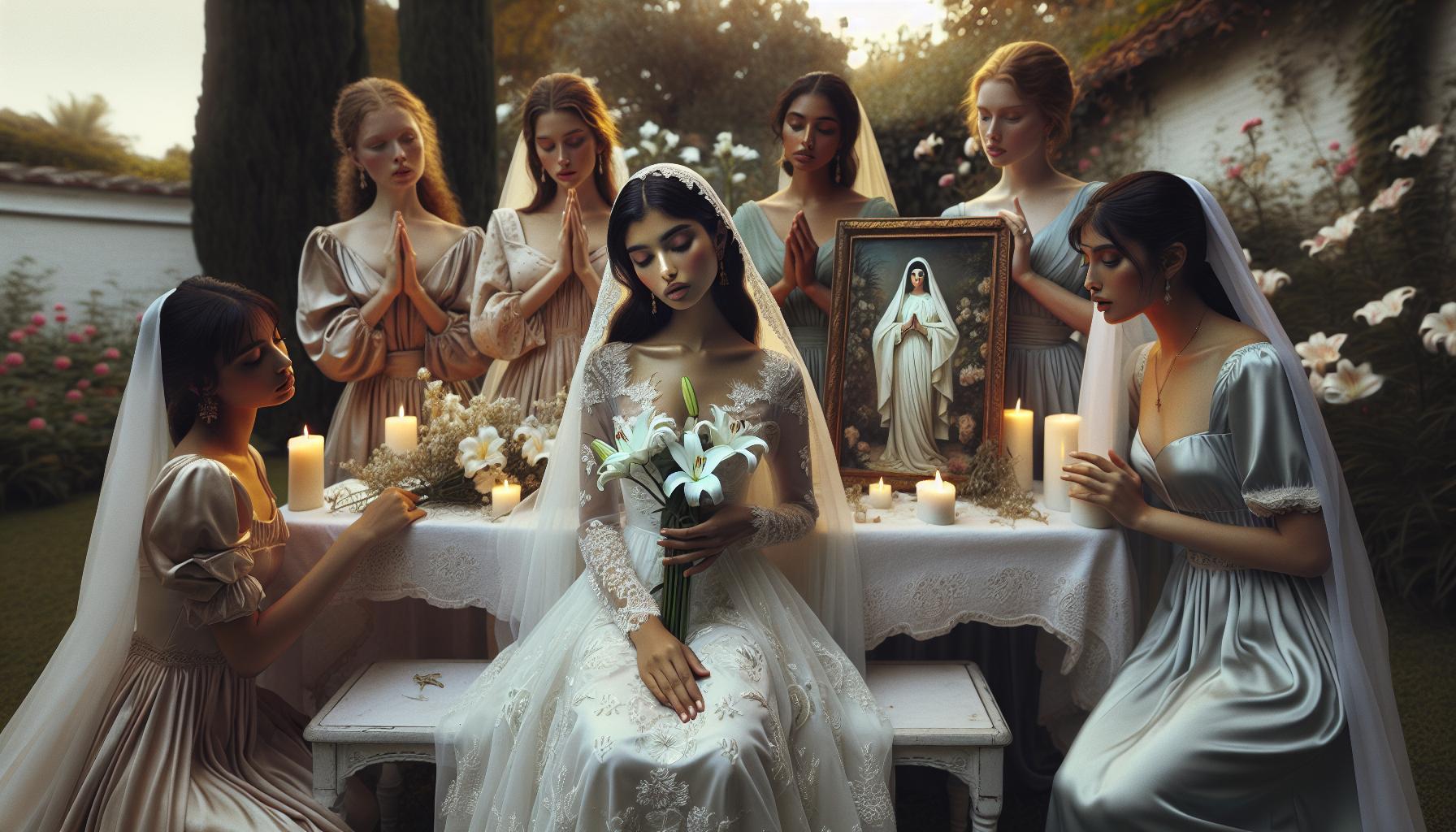
As brides prepare to walk down the aisle, the significance of choosing St. Agnes as their patron saint resonates deeply. Known as the protector of young brides, St. Agnes embodies purity and unwavering faith, qualities that many seekers of love and companionship cherish. Her narrative transcends centuries, offering hope and inspiration to couples embarking on the sacred journey of marriage. Invoking her intercession not only creates a comforting spiritual bond but also infuses the wedding day with profound meaning.
A beautiful way to honor St. Agnes is to incorporate her symbols into the wedding ceremony and decor. Brides may choose to wear a small token, such as a pendant or embroidery featuring her name or symbolic representation, such as a lamb-signifying her purity and innocence. Furthermore, including prayers or invocations to St. Agnes during the ceremony can create a serene atmosphere, inviting her blessings upon the union. Some couples opt to include her name in their vows, reflecting their commitment to a marriage grounded in spiritual principles.
Couples might also consider incorporating a dedicated moment in their ceremony where they light a candle in her memory, symbolizing their prayers for not only their love but also for the virtues she represents. This act acts as a pledge of purity and steadfastness, allowing those present to witness the blend of faith and celebration. Additionally, sharing the story of St. Agnes with wedding guests highlights the importance of spiritual heritage, serving as a reminder of the love that transcends earthly challenges and binds couples together under divine guidance.
Through embracing the role of St. Agnes, brides can transform their wedding from a mere celebration into a sacred rite, allowing love, faith, and commitment to shine brightly. The essence of her virtues not only elevates the wedding but inspires all involved to reflect on their commitments and the sanctity of marriage, making each moment more memorable and meaningful.
Exploring Religious Wedding Traditions

As weddings take place around the world, they are often steeped in rich traditions that celebrate not only love but also cultural and religious values. Religious wedding traditions form a significant aspect of these celebrations, reflecting the beliefs and practices of different faiths. Couples often look to sanctify their union through rituals that incorporate divine blessings, ensuring that their marriage is founded on spiritual principles and communal sanctity.
In many Christian ceremonies, the presence of religious figures, rituals, and symbols emphasizes the sacred nature of marriage. For instance, in a Catholic wedding, the couple may exchange rings and participate in the Eucharist, which symbolizes the union of Christ and the Church. This sacramental aspect brings couples closer to their faith and community, grounding their vows in something greater than themselves. During the ceremony, readings from sacred texts underscore the importance of love, commitment, and fidelity, drawing upon historical and theological narratives that inspire couples on their journey together.
Other faiths carry their unique traditions into wedding ceremonies. In Hindu weddings, rituals such as the Saptapadi (Seven Steps) highlight vows and commitments made before sacred fire, representing purity and light. Each step symbolizes a promise that couples make to one another, tying their destinies together in a deeply spiritual manner. Similarly, Jewish weddings often incorporate the chuppah (a canopy under which couples stand), symbolizing their new home together, and the breaking of the glass, which serves as a reminder of the fragility of relationships and the joy amid sorrow.
To create a personal connection with these traditions, couples may choose to integrate specific rituals that resonate with them. Building on their faith, they can introduce family customs, ask their officiant for traditional prayers, or select meaningful religious readings that reflect their journey. By weaving personal elements into established practices, they honor both their heritage and their love story, making the ceremony an unforgettable celebration of unity and love that transcends time.
Embracing these rich traditions not only enhances the ceremony but also provides a sense of belonging and community, reminding everyone present of the relational and spiritual dimensions of marriage. As couples navigate their wedding planning, considering these religious traditions can create a bridge connecting their unique love story to the time-honored practices that have celebrated marriages for generations.
Symbols of Love: The Significance of Marriage Saints
In the tapestry of wedding traditions, the significance of marriage saints stands out as a beautiful thread woven through generations. Among these revered figures, St. Agnes is notably recognized as the patron saint of brides. Her story, steeped in purity and unwavering faith, resonates deeply with couples as they embark on their marital journey. The symbol of her innocence and strength serves as a guiding light, inspiring brides to seek blessings for love that transcends the ordinary.
Throughout history, marriage saints have become emblematic of the ideals couples aspire to embody: love, fidelity, and commitment. They represent more than just religious figures; they are symbols of the divine connection that couples hope to cultivate within their own unions. For example, in addition to St. Agnes, St. Valentine is often celebrated as a symbol of romantic love. Couples might choose to invoke St. Valentine during their vows, hoping to draw from his legacy of enduring love and devotion.
To honor these saints, couples can incorporate elements of faith into their wedding day. This might include placing a statue of St. Agnes at the ceremony, dedicating a moment of reflection to her virtues, or even wearing something that symbolizes her values. Incorporating these elements serves not only as a reminder of their commitment but also as a way to seek the blessing of these holy figures throughout their married life.
In crafting a wedding that honors the significance of marriage saints, couples can also explore personal traditions that resonate with their beliefs. This might involve selecting readings or prayers that highlight the virtues associated with these saints, ensuring that their wedding day is a celebration of shared values and beliefs that will continue to guide them in their future together. Through these meaningful gestures, couples can deepen their spiritual connection and create a wedding that transcends the mere celebration of a union, instead transforming it into a sacred promise fortified by divine blessing.
Inspiration from Other Wedding Saints
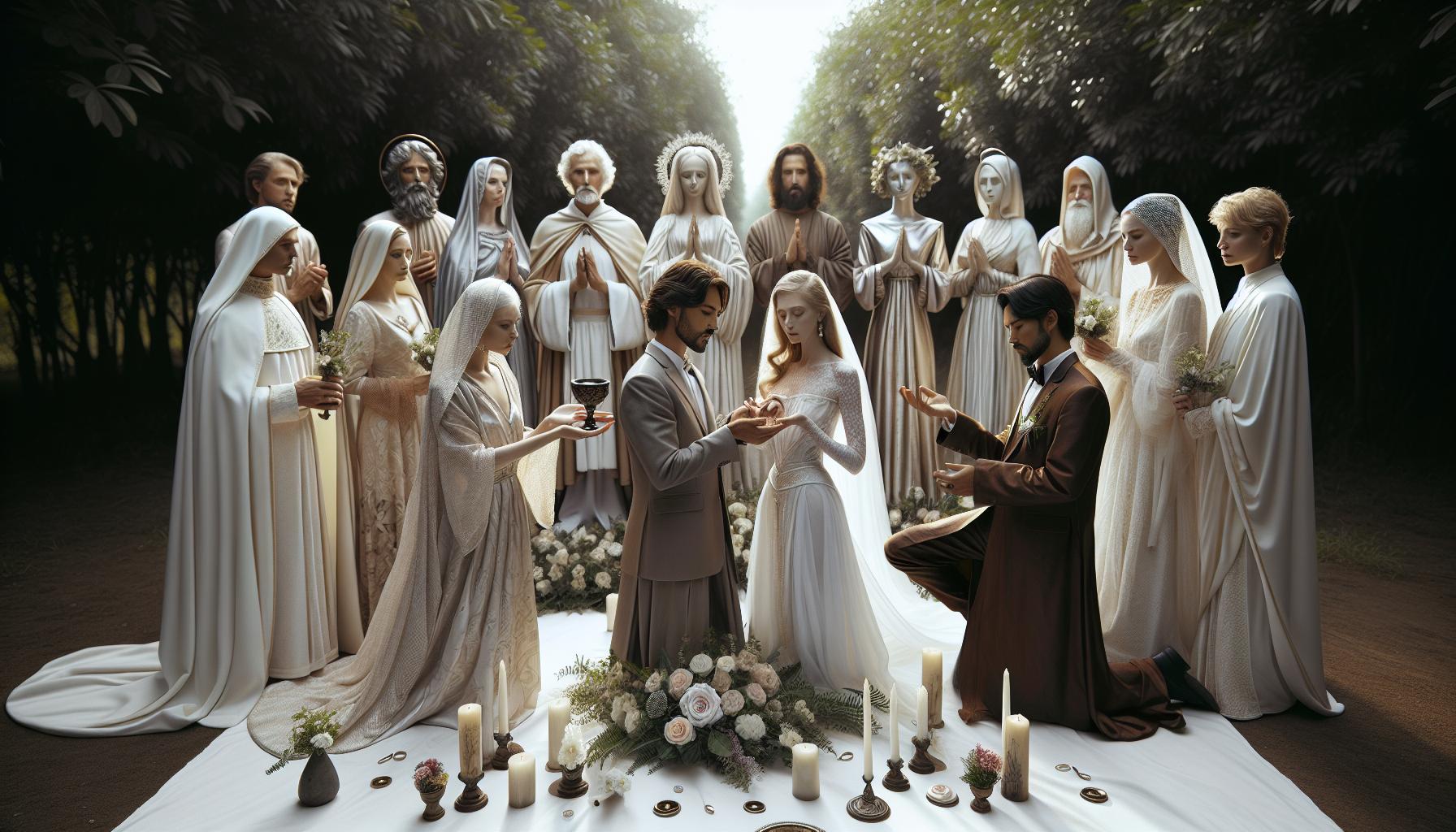
In many cultures, various saints inspire couples as they prepare for their wedding, each embodying unique virtues that resonate deeply within the context of love and commitment. For instance, in addition to St. Agnes, the celebrated patron saint of brides, couples may also seek the intercession of St. Therese of Lisieux, known for her roses, which symbolize love and devotion. Emphasizing a humble yet profound approach to love, St. Therese encourages couples to cultivate a relationship marked by thoughtfulness and gentleness. This saint’s hallmark-a little way of love-invites partners to find joy in everyday gestures that strengthen their bond, making her a beautiful source of inspiration for nurturing a loving marriage.
H3: Additional Saints for Bridal Blessings
Couples may also find inspiration from St. Valentine, the iconic figure tied to romantic love. Traditionally celebrated on February 14, St. Valentine’s legacy includes countless stories of secret nuptials, emphasizing romantic devotion amidst challenges. His example offers couples a rich narrative of perseverance in love, encouraging them to cherish their commitment even in the face of adversity. Incorporating a nod to St. Valentine into wedding vows, or even using a heart motif in decor, can honor his spirit and commemorate the couple’s love story.
On a more mystical note, St. Joseph serves as the patron saint of families and workers, symbolizing strength, protection, and the value of family unity. Couples looking to establish a solid foundation for their marriage may consider honoring St. Joseph on their wedding day, perhaps by placing a small statue at the altar as a symbol of his role in safeguarding the sacred bond of marriage. This gesture represents a commitment not only to each other but also to the families that will intertwine through their union.
H3: Practical Ways to Honor Saintly Inspirations
To incorporate these inspirational saints into wedding plans, couples might consider the following practices:
- Readings and Prayers: Choose readings that highlight themes associated with these saints, such as love, commitment, and family, during the ceremony.
- Decorative Elements: Use symbols like roses for St. Therese or heart motifs for St. Valentine, interlacing them into floral arrangements or decor throughout the venue.
- Statues or Icons: Include representations of chosen saints in the ceremony space as a focal point for prayers and blessings.
- Special Offerings: Consider small offerings or gestures that honor these saints, such as lighting candles or writing vows inspired by their stories.
By embracing the legacies of these marriage saints, couples can create a wedding that not only celebrates their love but also honors the spiritual foundations that will sustain their union through all of life’s seasons.
Choosing a Patron Saint for Your Wedding
There is something profoundly beautiful about intertwining spiritual elements into your wedding, selecting a patron saint who embodies the love and virtues you wish to cultivate in your marriage. Each saint has a distinct story and unique attributes that can serve as a guiding light for your relationship. When , consider the qualities that resonate with you as a couple and what virtues you wish to reinforce as you embark on this new journey together.
To select the perfect saint, contemplate the attributes that reflect your relationship and values. For example, St. Agnes, the patron saint of brides, is often associated with purity and devoted love. Her story can inspire couples to foster sincerity and commitment in their union. Conversely, St. Joseph, who represents family and labor, may appeal to those looking to build a strong and nurturing household. Couples may also consider St. Therese of Lisieux, known for her “little way” of love, symbolizing kindness and humility-qualities that can enrich daily life together.
Once you have a saint in mind, think creatively about how to integrate them into your wedding plans. From choosing scripture readings that highlight themes associated with your chosen saint to incorporating their symbols in floral arrangements or decor, there are many ways to make this connection meaningful. For instance, a small statue or icon of your patron saint can be placed at the venue to invite blessings and divine guidance throughout the day. Additionally, couples might reflect on or share prayers associated with their saints during the ceremony, allowing for moments of heartfelt connection to their faith and each other.
Ultimately, choosing a patron saint is about honoring the love you share and setting a spiritual foundation for your marriage. By incorporating a saint’s virtues into your wedding ceremony, you create a profound and lasting reminder of your commitment-not only to each other but also to the ideals that will guide your life together. Let the stories and examples of these saints inspire you to create a wedding that reflects both your love and your spiritual aspirations, making your celebration of union truly blessed.
How to Incorporate Saints into Your Wedding Ceremony
Incorporating a patron saint into your wedding ceremony can imbue the occasion with profound meaning and spiritual significance. It opens up avenues for celebrating not only your love but also your faith, allowing you to weave elements that honor the virtues and stories of these revered figures throughout your day. Begin by discussing with your partner the saint you feel drawn to and how their qualities resonate with your relationship. St. Agnes, known for her purity and devoted love, may guide you in creating a ceremony that emphasizes sincerity and commitment.
To seamlessly integrate your chosen saint into the ceremony, consider various elements that can enhance the experience. For instance, you might choose specific scripture readings or prayers associated with your saint that reflect the values you want to embrace in your marriage. Designate a moment during the service where you share a blessing, invoking the name of your patron saint, thereby inviting their spirit to be present as you exchange vows. Additionally, incorporating symbols that represent your patron saint into your decor can serve as a beautiful visual reminder of the virtues you aspire to embody. Whether through flowers, candles, or even patterns in your table settings, these small details can enrich the overall atmosphere with meaning.
Another thoughtful way to honor your patron saint is by including their icon or statue at your wedding venue. This not only invites spiritual presence but also offers guests a glimpse into the significance of your choice. You can place the statue on the altar or perhaps at your guest book table, paired with a note explaining why you chose this saint and what traits you admire.
As you navigate the logistics of your wedding planning, remember that the incorporation of your patron saint can be as grand or as subtle as you wish. From incorporating their symbols in your wedding attire to creating personalized favors that reflect their story, there’s plenty of room for creativity. Letting these elements shine through ensures that your wedding day is not only a celebration of love but also a meaningful homage to your spiritual journey together. By embracing this approach, your wedding ceremony can serve as a beautiful testament to the love you share, enriched by the nurturing guidance of your chosen saint.
Prayers and Blessings for Brides and Grooms
In the sacred atmosphere of a wedding, prayers and blessings can elevate the ceremony, infusing it with divine grace and intimate connection to the couple’s faith. Couples often seek ways to honor their commitment not just to each other but also to their spiritual beliefs. Including prayers and blessings inspired by the patron saint of brides-most commonly St. Agnes-can provide that profound anchoring. St. Agnes’ virtues of purity, devotion, and unwavering faith serve as gentle reminders of the love and strength needed in marriage.
One meaningful way to incorporate prayers into your ceremony is to select specific passages from scripture that reflect the qualities you admire in your chosen saint. For instance, readings highlighting love, commitment, and fidelity can echo the sentiments you wish to emphasize as a couple. Consider sharing these readings with your guests, not only to involve them in your spiritual journey but also to remind them of the sacredness of your vows. Here are some examples of beautiful prayers you might use:
- A Prayer for Unity: “Lord, may our love bring us closer together each day and strengthen our bond in faith and trust. We ask for your guidance as we embark on this journey together.”
- A Blessing for Love: “May your love be modern enough to survive the times and old-fashioned enough to last forever. Amen.”
- A Prayer for Patience and Kindness: “May we always be patient with one another, and may our hearts overflow with kindness and understanding. Through St. Agnes’ intercession, we ask for this grace.”
Inviting your officiant or a close family member to read these prayers can also create a more personalized experience. Additionally, consider creating a unique prayer card for each guest, featuring your chosen prayers and blessings. This not only provides them a way to connect with your ceremony but also serves as a cherished keepsake they may carry with them.
Incorporating blessings can extend beyond the ceremony itself. A communal blessing during the reception, where guests are invited to offer their own prayers for the couple, can foster a sense of community support and shared faith. This simple act transforms the celebration into a holistic experience saturated with love and spiritual significance. Including these sacred elements allows couples to navigate their wedding day with an enriching sense of purpose and connection, honoring their love while seeking the blessings of St. Agnes and other saints who inspire them.
Cultural Variations in Wedding Saint Traditions
Wedding customs around the world often honor patron saints, each bringing unique traditions that celebrate love, fidelity, and community. In many cultures, brides may turn to St. Agnes, the patron saint of brides, for divine blessings, yet the way this is expressed can vary dramatically from one region to another. For instance, in Italy, it is customary for brides to wear a piece of jewelry that belonged to a married woman in their family, symbolizing the wisdom and blessings of past generations, while also calling upon St. Agnes for protection and intercession in their new life.
In Spain, the importance of patron saints in weddings is emphasized through the ritual of the “lazo,” a decorative cord or floral arrangement symbolizing unity. As the couple exchanges vows, the lazo is placed over their shoulders, invoking the blessings of their chosen saints, which may include St. Agnes among others. This act transforms a traditional ceremony into a sacred covenant steeped in cultural heritage, reminiscent of the deep-rooted connection to the divine.
Religious wedding traditions also embrace the concept of community, where guests play an integral role in honoring the officially recognized saint. In Latin American cultures, the tradition of the “para llegar al altar” showcases brides engaging in a devotional act before entering the church, often praying to saints, including St. Agnes, for guidance and favor. This personal moment, combined with community prayers, underscores the collective support nourishing the couple’s journey.
In contrast, some brides in Eastern Orthodox traditions draw on different saints, such as St. Nicholas or St. Paraskeva, paying tribute to their own cultural narratives while still seeking divine blessings for their unions. This highlights an inclusivity within the faith and a personalization of their wedding, embracing both tradition and individual belief.
By acknowledging the rich tapestry of cultural variations in honoring wedding saints, couples can draw inspiration from diverse practices. This approach fosters a deeper understanding of their personal faith traditions and offers meaningful ways to weave these aspects into their own wedding ceremonies. Just as every couple and culture is unique, so too are the ways love is celebrated under the watchful eyes of their chosen saints.
Gifts and Offerings to Saints for a Happy Marriage
When it comes to celebrating the beauty and sanctity of marriage, many couples find profound meaning in making gifts and offerings to saints, especially the beloved patron saint of brides, St. Agnes. This act is not only a gesture of gratitude but also a heartfelt plea for divine guidance and blessings as they embark on their new journey together. Incorporating such traditions into your wedding can elevate the ceremony’s significance, intertwined with heartfelt intentions and communal support.
One meaningful way to honor saints during wedding preparations is to create a small altar or dedicated space adorned with images of St. Agnes and other relevant saints. Couples can offer their favorite flowers, symbolic of love and devotion, or light candles-each flame representing their hopes for a luminous future together. It’s also common to include personal tokens, such as a hand-written letter expressing wishes for their life together, which can serve as both an offering and a cherished memory for the couple. These offerings can also be preserved as a testament to their commitment, revisiting them in years to come during anniversaries or significant moments.
H3: Religious Gifts as Part of the Ceremony
Some couples choose to bless items like wedding rings through a prayer to St. Agnes, requesting her intercession for a strong and fruitful marriage. This can be done during the ceremony itself, where the officiant may take a moment to bless the rings using sacred words before they are exchanged. Involving guests in this ritual can create a powerful sense of community and shared support, reinforcing the idea that marriage is not just a union of two individuals but a collective embrace of love and commitment.
Additionally, making charitable donations to a cause that resonates with the couple can be a beautiful offering to the saint, embodying the spirit of generosity that is foundational to any marriage. This could involve supporting organizations that aid women and children, echoing St. Agnes’s legacy of compassion. By sharing their blessings with others, couples can honor the saint while simultaneously nurturing their values and relationship ethos.
Ultimately, gifts and offerings to saints serve as a beautiful reminder of the spiritual dimensions of marriage. They allow couples to personalize their wedding ceremony, making it a sacred bond that honors not just their union but also the divine support that they seek in their journey together. Each gesture-big or small-becomes a thread woven into the rich tapestry of their love story, capturing the essence of what it means to celebrate a lifelong commitment filled with hope, faith, and divine guidance.
Modern Interpretations of Religious Wedding Traditions
In today’s weddings, couples are finding unique and meaningful ways to infuse modern interpretations of spiritual traditions into their ceremonies. The patronage of saints, particularly St. Agnes, symbolizes not only faith but also an enduring connection between the sacred and the celebratory aspects of marriage. Couples are increasingly personalizing these traditions to reflect their beliefs and values, embracing the support of the divine as they embark on their journey together.
Creating family altars or intentional spaces at the wedding venue where guests can pay homage to saints like St. Agnes has become a popular trend. Couples may choose to decorate these areas with flowers and candles, encouraging guests to participate in a moment of reflection or prayer. These altars can also serve as a backdrop for photographs, blending the sacred with the joyous memories of the day. Engaging guests in lighting candles or writing wishes for the couple can transform this space into a collective blessing, fostering a sense of community and shared hope for the couple’s future.
Incorporating religious symbols into wedding attire offers another modern touch. Brides and grooms might choose to include small tokens representing their faith in their ensembles-like a piece of jewelry or a meaningful charm. These details not only elevate the attire but also serve as reminders of the spiritual bond they are entering. Additionally, during the ceremony, couples may opt to incorporate elements like the blessing of the rings or a prayer to St. Agnes, enriching the experience with spiritual significance while also providing a comforting ritual for all in attendance.
By blending time-honored traditions with personal touches, couples today are crafting ceremonies that honor their beliefs while celebrating their unique love story. This modern approach offers flexibility, enabling couples to honor the patron saints in ways that resonate most deeply with their relationship, ensuring that the importance of faith remains a cherished part of their wedding day. Engaging with the spiritual aspect of marriage can not only enhance the ceremony but also cultivate a meaningful foundation on which couples can build their future together.
Tips for Honoring Saints on Your Wedding Day
Honoring saints on your wedding day can enrich your ceremony, infusing it with spiritual significance and a deep sense of tradition. To weave elements of devotion seamlessly into your celebration, you can follow a few thoughtful tips that resonate with the essence of love, faith, and community.
One beautiful way to honor a patron saint, such as St. Agnes, is by creating a dedicated altar or display at your wedding venue. Decorate it with personal elements like flowers, candles, and meaningful items that reflect your journey and faith. This altar can serve not only as a focal point for blessings and reflection but also as a stunning backdrop for your wedding photographs. Encourage your guests to participate by lighting candles or writing messages of hope and wishes for your marriage, fostering an atmosphere of love and communal support.
You might also consider incorporating symbolic gestures into your ceremony. For instance, you can include a prayer to your chosen saint at the beginning or end of your vows or during the ring exchange. This act not only honors the saint but also frames your union within the spiritual context of love and commitment. Additionally, gifting small tokens that represent your faith-like charms, jewelry, or even medallions featuring the saint-can enhance your wedding attire and remind you both of your spiritual bonds throughout your married life.
Furthermore, sharing the stories or significance of your chosen saints in your wedding programs can invite your guests into a more profound understanding of your devotion. This small act of explanation can transform a traditional element into a shared experience, allowing others to grasp the connection between your love story and your faith. Through these actions, you can weave a rich tapestry of tradition and personal meaning into your celebration, making your wedding day even more unforgettable.
Faq
Q: Who is the patron saint of brides and what qualities does she represent?
A: The patron saint of brides is St. Agnes, known for her purity and dedication to God. She is often invoked by brides seeking a blessed and sacred marriage. Her example emphasizes faithfulness and commitment, traits many couples aspire to embody on their wedding day.
Q: What is the significance of St. Agnes in religious wedding traditions?
A: St. Agnes symbolizes love and fidelity, making her significant in wedding traditions. Many brides honor her by praying for her intercession for a harmonious and joyful marriage. Incorporating St. Agnes’ symbolism in ceremonies can enhance the spiritual richness of a wedding [[1]].
Q: How can couples incorporate St. Agnes into their wedding ceremony?
A: Couples can include St. Agnes by featuring her image in the ceremony, saying specific prayers dedicated to her, or selecting readings that reflect her virtues. Light a candle in her honor during the service as a beautiful gesture that invites her blessings [[2]].
Q: Are there prayers specifically for brides to St. Agnes?
A: Yes, there are dedicated prayers for brides asking St. Agnes for guidance and blessings in their marriage. Couples may turn to traditional prayers or create personal ones that resonate with their unique hopes for a loving and faithful union [[3]].
Q: What other saints are associated with brides and marriage?
A: Aside from St. Agnes, saints like St. Joseph and St. Jude are also invoked for marriage, emphasizing protection, love, and stability. Each saint brings different qualities that can enrich the sanctity of marital vows and blessings [[1]].
Q: When is the feast day of St. Agnes, and why is it important for brides?
A: The feast day of St. Agnes is celebrated on January 21st. It is significant for brides as many choose this day for their wedding ceremonies, seeking her blessings on their union. It is also a day to reflect on her virtues of purity and commitment [[2]].
Q: How do cultural variations influence the celebration of St. Agnes in weddings?
A: Cultural variations shape how St. Agnes is honored in weddings. For instance, in some cultures, floral offerings or special prayers are integral. Understanding these traditions can help couples create a deeper connection to their cultural heritage while celebrating their marriage [[3]].
Q: What should couples consider when choosing a patron saint for their wedding?
A: Couples should consider the virtues and qualities of the saints that resonate with their relationship. Reflecting on shared values and individual inspirations will help in selecting a saint that symbolizes their aspirations for a lasting and loving marriage [[1]].
Wrapping Up
As we explore the cherished role of the patron saint of brides in religious wedding traditions, it becomes clear that this figure embodies hope and protection for couples embarking on their journey together. Embrace these traditions and let them inspire your wedding plans, adding a layer of meaningful connection to your special day. For those eager to delve deeper, check out our guides on essential wedding etiquette and the significance of cultural traditions in modern ceremonies.
Don’t miss out on the opportunity to enhance your wedding experience-subscribe to our newsletter for expert tips and inspirational stories straight to your inbox. Whether you’re choosing the perfect attire or coordinating with vendors, remember that every detail matters. Share your thoughts or questions in the comments, and let us support you on this exciting journey towards your everlasting love!