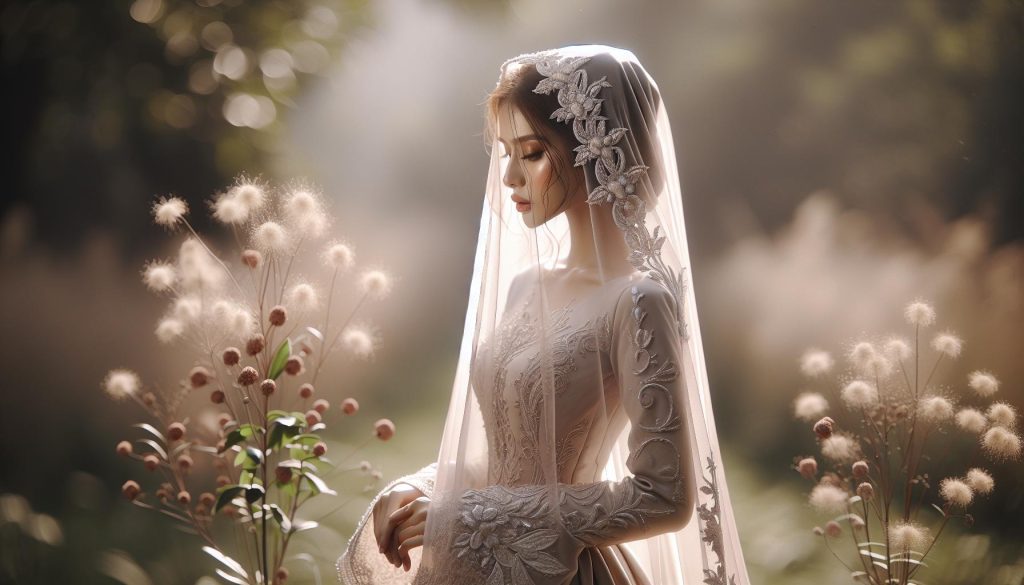
Throughout history, wedding veils have held deep symbolic meaning, representing purity, modesty, and the transition into a new life. While modern brides may choose veils for their aesthetic beauty, the traditions behind them still resonate today, connecting generations of love and commitment. In a world where wedding customs evolve, understanding why brides don veils can enrich your own wedding journey. Whether you seek to honor age-old customs or simply wish to add a touch of romance to your special day, exploring the tradition of veils will illuminate their significance in today’s ceremonies. Discover the enchanting stories that make the veil more than just an accessory, and how they can help you create a wedding experience filled with personal meaning and timeless elegance.
The History of Bridal Veils: From Ancient to Modern Traditions
The bridal veil has a rich history that transcends time, infusing weddings with tradition and deep meaning. Originating from Ancient Rome, where it was believed that veils protected brides from evil spirits, the accessory evolved to signify various cultural ideals. In many societies, it represented modesty and purity as well as the transition from girlhood to womanhood. This symbolism was particularly prominent in the Victorian era, where the white veil epitomized innocence and marital dedication. As brides walked down the aisle, the veil’s delicate fabric not only concealed their faces, creating an air of mystery, but also symbolically showcased their purity-a cherished ideal throughout many historical contexts.
Over the centuries, the veil has undergone significant transformations, adapting to contemporary aesthetics while still holding onto its age-old meanings. The 20th century saw the rise of various styles, from elaborate lace-edged veils to simpler, more modern silhouettes. Today, brides have the freedom to select veils that resonate with their personal style, ranging from classic chapel-length to trendy birdcage designs. Such diversity in veil styles reflects broader shifts in bridal attire, showcasing how personal expression can harmonize with tradition.
As modern couples plan their weddings, understanding the veil’s historic significance enhances its role in the ceremony. Couples can infuse their special day with layers of meaning by considering how the veil resonates with their personal stories and family traditions. Whether opting for a traditional long tulle veil or a chic, contemporary look, the choice celebrates not only individual style but also a collective heritage that continues to inspire love stories across generations. The journey of the bridal veil is a testament to how ancient customs remain relevant, offering brides a beautiful way to connect with the past while celebrating their unique future.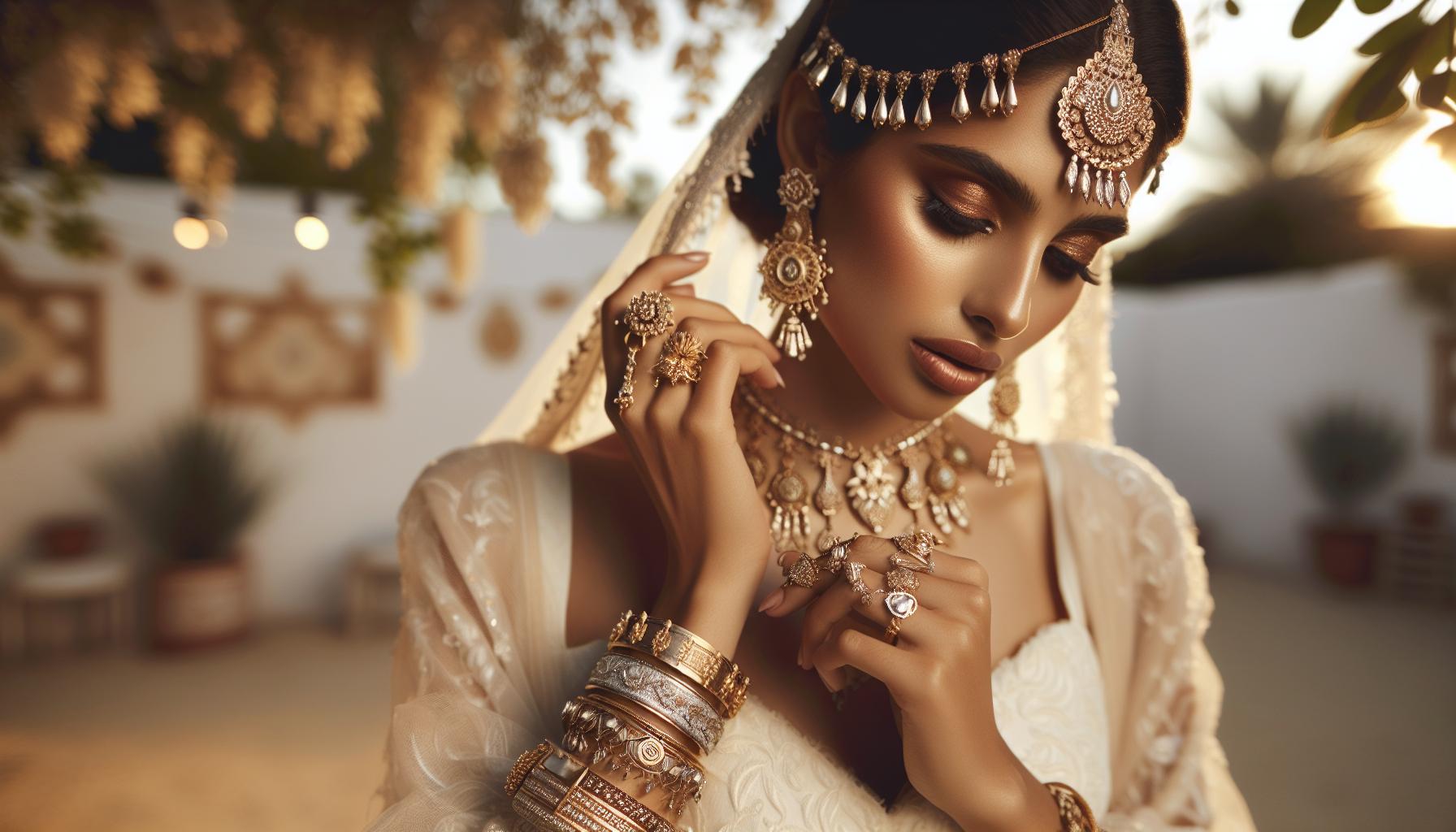
Symbolism Behind the Veil: Love, Purity, and Protection
Wearing a veil on one’s wedding day is not just an aesthetic choice; it is steeped in rich symbolism that has evolved over centuries. Central to the veil’s significance are themes of love, purity, and protection. The veil acts as a visual marker of the bride’s transition into a new life filled with love and commitment, encapsulating both the joyous essence of the occasion and a deep respect for traditions that have withstood the test of time.
Historically, the veil has been associated with purity and innocence. In many cultures, white was chosen to signify a bride’s chastity and her fresh start as she embarks on her marital journey. This ideal has often extended beyond mere symbolism; the act of wearing a veil during the ceremony creates a moment of unveiling that represents intimacy-the moment when the bride reveals herself to her partner, reflecting both vulnerability and the promise of love. Many brides choose to have their fathers or family members lift the veil, highlighting the emotional transition from one family to another, symbolizing trust and support.
Moreover, veils have been believed to offer protection, a notion traced back to ancient times when they were thought to shield brides from malevolent forces and evil spirits. This protective essence resonates today, as many modern brides wear veils as a way to honor these age-old beliefs while incorporating a meaningful tradition into their wedding. Whether adorned with intricate lace, delicate beading, or flowing tulle, the veil becomes a part of the bride’s armor as she steps into a future filled with hope and promise.
As you plan your wedding, consider how the veil can serve as more than just a beautiful accessory; think of it as a cherished emblem of love, purity, and the protective spirit that surrounds your union. Selecting a veil that aligns with your personal story and resonates with your beliefs will not only enhance your bridal attire but also deepen the significance of this timeless tradition. Remember, every aspect of your wedding can reflect your unique journey, and the veil is a perfect canvas for that expression.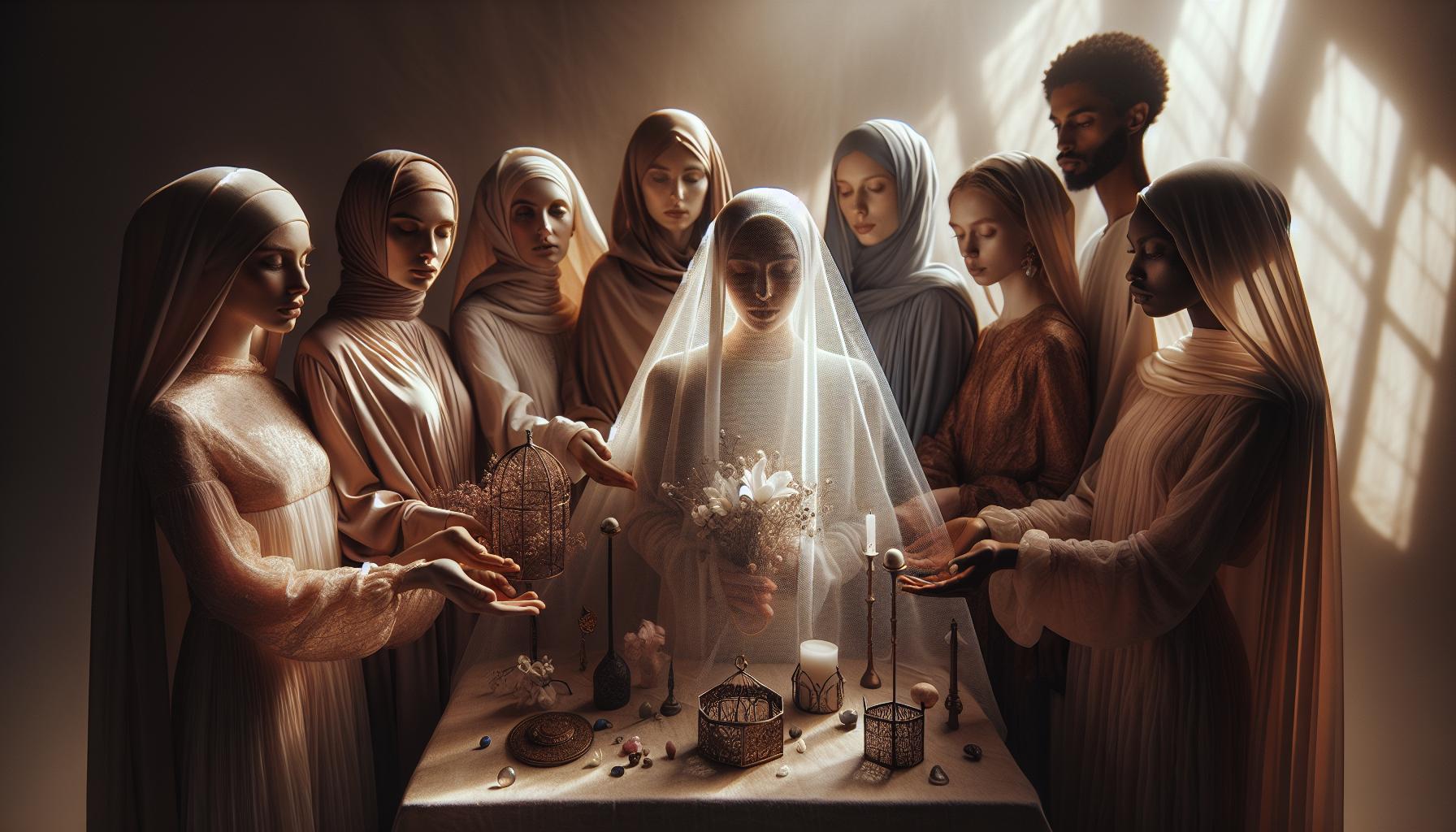
Cultural Variations of Bridal Veils Around the World
Throughout history, bridal veils have served as more than just beautiful accessories; they reflect deep cultural meanings and varied traditions across the globe. From the intricate lace of Western ceremonies to the vibrant colors of Eastern celebrations, each region infuses its unique history and beliefs into the bridal veil tradition, symbolizing the bride’s journey and her family’s heritage.
In Western cultures, particularly in Christian traditions, the veil often embodies purity and innocence. This tradition can be traced back to ancient Rome, where brides wore veils to protect themselves from evil spirits. In modern ceremonies, it signifies the transition of the bride from her family home to her husband’s, particularly during the moment of unveiling. Meanwhile, in a Moroccan wedding, brides don elaborate headpieces and a decorative veil known as a “melhafa” that wraps around them, not only serving as a symbol of modesty but also showcasing the bride’s status through the richness of the material.
Middle Eastern Traditions
In Middle Eastern cultures, veils are integral to the wedding attire. For instance, in many Arab countries, the bride wears a “shiha,” a delicate veil decorated with jewels that reflects the light, embodying the sparkle of the special occasion. In some regions, such as in Egypt, traditional weddings may feature a “zaffa,” where the bride is paraded in a stunning gown with a richly adorned veil that symbolizes joy and celebration within the community.
Asian Inspirations
In Asian cultures, veils take on vibrant forms and meanings. For example, in Indian weddings, brides often wear intricately designed dupattas that can serve as veils. These dupattas, made from luxurious fabrics and adorned with embroidery or sequins, signify not only beauty but also the bride’s connection to her family heritage. When the bride pulls the dupatta over her head during the ceremony, it symbolizes her respect for her family and the commencement of her new life.
- Italian Weddings: In Italy, brides traditionally wear a white veil adorned with lace, a reflection of their commitment and purity.
- Chinese Weddings: Chinese brides often wear a red veil as a symbol of prosperity and happiness, covering their faces until the groom reveals them during the ceremony.
Embracing these cultural variations allows modern couples to blend their traditions into their wedding, creating a unique expression of their journey. As you select your veil, consider its cultural significance and how it represents not just your love story, but the rich heritage that shapes your identity. This personal touch can transform a simple accessory into a cherished legacy, allowing you to honor your roots while stepping into a new chapter of life.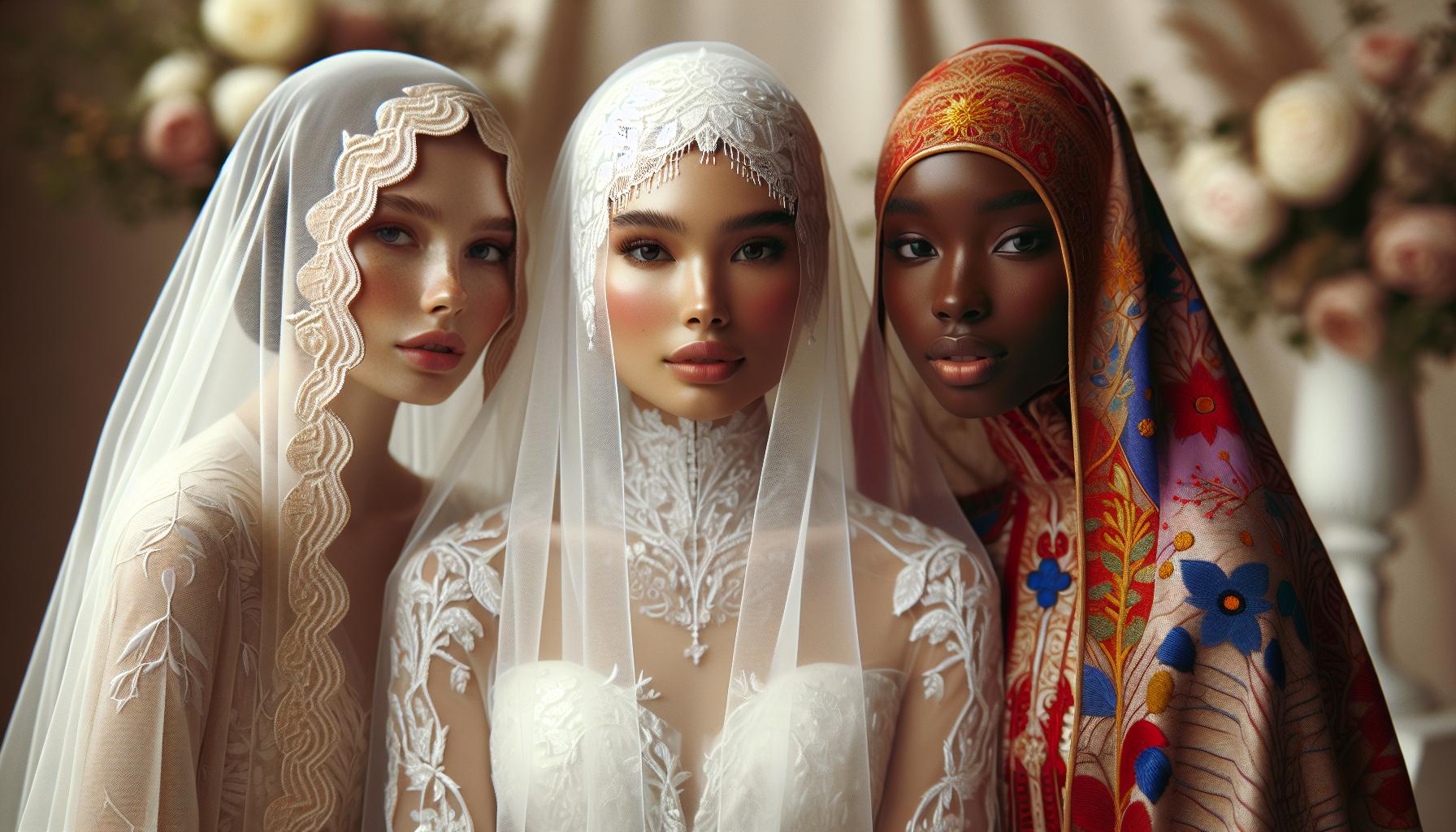
The Evolution of Wedding Attire: Veils Through the Ages
The journey of bridal veils through the ages is a captivating tale that intricately intertwines tradition, culture, and personal expression. Dating back to ancient civilizations, veils have transformed from practical garments to symbols of romance and commitments. Initially, veils served a protective purpose-defending brides from evil spirits, as seen in ancient Roman customs. This belief reflects a time when marriage was shrouded in mystique, and the veil acted as a barrier between the bride and malevolent forces. The physical act of a bride covering her face has evolved, now often marking a poignant moment during the ceremony when she is unveiled, symbolizing her entrance into a new life and partnership.
Over time, the aesthetics of bridal veils have seen dramatic shifts, aligning with changing fashion trends and cultural influences. In the Middle Ages, veils were longer and more elaborate, often reflecting the social status of the bride through the use of luxurious materials. As the Renaissance embraced more ornate styles, veils began to incorporate intricate lace and hand-stitched designs, symbolizing not just modesty but also the bride’s wealth and family pride. The Victorian era introduced the classic white wedding dress, complemented by a delicate veil, reinforcing the concepts of purity and innocence.
In contemporary wedding attire, veils have taken on new meanings while still respecting their rich histories. Modern brides may choose from a diverse range of styles-from the simple birdcage veil to dramatic cathedral lengths-allowing personal taste to shine through. Couples today often mix and match cultural elements and personal stories, turning the veil into a canvas of memories. For instance, a bride may opt for a traditional lace veil while incorporating personal embellishments like family heirlooms or custom embroidery that tells her story.
As you contemplate your own bridal look, consider how your veil can reflect not just your style but also your heritage and aspirations. A well-chosen veil can amplify the emotional weight of your ceremony, bridging the past with the promise of your future together. Embrace the beauty of these age-old traditions as they blend seamlessly into your personal narrative, celebrating both timeless love and modern romance.
Choosing the Right Veil: Styles and Lengths Explained
Selecting the perfect veil can be an exhilarating yet daunting task for any bride. With an array of styles and lengths available, understanding the options can help you find a design that beautifully complements your wedding attire and personal style. Delve into the enchanting world of veils and discover how to choose one that embodies your vision for your special day.
Types of Veils
Understanding the various types of veils can simplify your decision-making process. Each style offers distinct aesthetics and serves different purposes during the ceremony. Here are some popular options:
- Birdcage Veil: A chic, vintage-inspired choice that typically covers the face and is secured with a hairpiece, perfect for a retro or urban wedding.
- Elbow Length Veil: Falling to the elbow, this versatile option pairs well with a variety of dress styles and is ideal for brides seeking a balance of elegance and practicality.
- Waltz Veil: Extending to the ankle, the waltz veil offers a romantic touch, flowing gracefully behind the bride while allowing ease of movement.
- Chapel Veil: A longer veil that extends to the floor, creating a stunning silhouette for a formal wedding. This style adds a dramatic flair without overwhelming the bride’s gown.
- Cathedral Veil: The most dramatic of all, this floor-length veil typically cascades several feet behind the bride, ideal for grand venues and traditional ceremonies.
Choosing the Right Length
When considering the length of your veil, think about how it will interact with your dress and overall wedding theme. For a delicate lace gown, a shorter veil, like a birdcage or elbow-length veil, can enhance the intricate details without overshadowing them. In contrast, if you’re donning a heavily embellished or voluminous gown, longer veils such as the chapel or cathedral length can create a striking balance, making a bold yet elegant statement.
While practicality is essential, consider the venue and season as well. A lighter, shorter veil may be more comfortable for an outdoor summer wedding, whereas a fuller, longer veil can offer a dramatic effect suited for an indoor or evening affair.
Personal Touches and Style Considerations
Your wedding veil should be a reflection of your unique style and personality. Incorporate elements like lace patterns, embellishments, or even family heirloom materials that align with your wedding aesthetic. Customizing your veil not only personalizes your look but also adds sentimental value, making it an integral part of your wedding narrative.
In summary, choosing the right veil is a delightful journey of self-expression. As you explore various styles and lengths, keep in mind how each option will harmonize with your wedding gown, venue, and personal taste. Ultimately, your veil should not only enhance your look but also encapsulate the rich traditions and emotions of this momentous occasion, beautifully bridging the past and future. Embrace this timeless accessory, and let it empower you on your wedding day.
Modern Interpretations of the Bridal Veil Tradition
Bridal veils, steeped in tradition, have undergone incredible transformations, reflecting the unique stories and styles of modern brides. While veils once symbolized purity and modesty, today, they serve as a stunning accessory that allows women to express their individuality and creativity on one of the most important days of their lives. Brides are increasingly seeking ways to incorporate modern interpretations of this classic element, ensuring that the veil complements their personal narrative and wedding vision.
One notable trend is the departure from the traditional full-face coverage. Many brides choose sheer or elbow-length options that accentuate their features rather than obscure them. This shift not only symbolizes a more liberated approach to wedding attire but also allows for a more intimate connection during the ceremony. The often nostalgic vibe of vintage styles, like the birdcage veil, resurrects a sense of glamour and playfulness, allowing modern brides to channel their style icons while staying true to contemporary aesthetics.
Additionally, customization plays a significant role in how brides interpret the veil tradition today. Options for personalization abound, from embroidered names to the integration of family heirlooms into the design. These personal touches enhance the emotional significance of the veil, creating a bridge between past and present. Today’s brides are also experimenting with unconventional materials, such as floral decorations or bold patterns, making the veil a statement piece rather than just an accessory.
Incorporating veils into contemporary weddings can also reflect one’s cultural heritage or unique story. Whether opting for a traditional style, like a long chapel veil for a church wedding, or a modern twist, such as a brightly colored tulle piece for an outdoor festival, each choice tells a personal story. As couples navigate their wedding planning, they can find ways to honor their roots while embracing new interpretations that resonate with their relationship, highlighting the beauty of tradition in a rapidly evolving world.
Ultimately, the modern veil is a celebration of personal expression, storytelling, and the rich history that continues to inspire brides today. By embracing both the traditional and the innovative, brides can redefine what it means to wear a veil, making it a cherished symbol of their love story.
How to Incorporate Veils into Contemporary Weddings
In today’s weddings, incorporating a veil can add a touch of magic and tradition while allowing for personal expression. Many brides are now embracing the versatility of veils by choosing styles that reflect their individuality and the overall theme of their wedding. As you plan your special day, consider how to seamlessly integrate a veil into your attire and ceremony for a truly enchanting experience.
One way to make the veil a focal point of your bridal look is by selecting a style that complements your gown. For example, if you’re wearing a minimalist dress, a dramatic cathedral veil can create a stunning contrast, emphasizing your elegance as you walk down the aisle. Conversely, a lace-trimmed veil can enhance a more ornate gown, highlighting the details without overshadowing the main attraction. Consider experimenting with different lengths and fabrics; sheer veils can provide a light, airy feel, while heavier materials like tulle can add an opulent touch.
Additionally, think about how the veil can enhance your ceremony. The moment of unveiling can be deeply symbolic, marking a transition not only in your appearance but in your relationship as well. Couples can personalize this moment; it could be as simple as the groom lifting the veil after the vows or incorporating family traditions that reflect cultural practices or even spiritual aspects related to veils. This encourages guests to engage with the symbolism imbued in the veil, enriching the overall experience.
Wearing your veil at the reception also allows for creative flair. If you’re initially wearing a long veil, consider switching to a shorter or more elaborate option for the reception. This not only makes moving around more comfortable but also updates your look for the evening festivities. Many brides pair a simple comb or floral accents with an updo, providing an effortlessly chic vibe as they dance the night away.
Ultimately, integrating a veil into your wedding is not just about tradition; it’s about weaving your story into the fabric of the day. Choose a veil that resonates with your unique style and the narrative of your love, transforming this ancient symbol of love and protection into a modern expression of your commitment. By carefully considering how to feature the veil throughout your wedding journey, you can create lasting memories that honor both your heritage and your individuality.
Bridesmaids’ Roles in Enhancing the Veil Tradition
When it comes to enhancing the beauty and symbolism of a bridal veil, bridesmaids play an invaluable role. Their support not only uplifts the bride but also helps to highlight the significance of this cherished tradition. As the guardians of the bride’s look on the big day, bridesmaids can contribute in numerous ways to elevate the veil’s elegance and importance.
One of the most beloved traditions involves the bridesmaids assisting the bride in her preparation. They can help with the delicate task of positioning the veil to ensure it looks its best, be it tucked into a sophisticated updo or flowing freely over the bride’s shoulders. This act is not merely practical; it symbolizes their role as a supportive team, ensuring the bride feels beautiful and prepared as she walks down the aisle. Engaging in this task also allows for a moment of bonding, filled with excitement and anticipation.
In addition to helping with the veil during preparations, bridesmaids can embrace the theme of the wedding through their own attire. Coordinating their outfits with the bride’s choice of veil can create a stunning visual narrative throughout the ceremony. For example, if the bride chooses a vintage lace veil, bridesmaids might wear dresses that incorporate lace accents or soft, romantic fabrics, enhancing the overall aesthetic. This synchronization not only emphasizes the bride’s choice but also reflects unity within the bridal party, showcasing a thoughtfully curated look.
Moreover, bridesmaids can also be stewards of the veil’s deeper meanings during the ceremony. They might take part in traditions that center around the veil, such as holding it during significant moments or presenting it to the bride as she prepares to enter the ceremony space. Such involvement can transform simple actions into meaningful rituals, adding rich layers of significance to the event. This collective experience deepens the bond among the bridal party, fostering shared memories that will last long after the wedding day.
Ultimately, bridesmaids serve as vital allies in drawing attention to the veil’s symbolism, transforming it into more than just a beautiful accessory. They embody support, creativity, and tradition, ensuring that the bride shines on her special day while carefully weaving personal and cultural stories into the fabric of the event. By fully engaging in the veil tradition, bridesmaids enhance not only the bride’s experience but also the communal joy of the celebration, creating a truly memorable occasion for all involved.
Personalizing Your Veil: DIY Options and Trends
There’s something truly magical about a personalized veil that tells your love story. Bridal veils are not merely traditional accessories; they can serve as deeply sentimental pieces that reflect your personality, style, and the unique journey of your relationship. Embracing DIY options can make the veil-wearing experience even more special by adding a personalized touch while often saving some costs-a perfect blend of creativity and sentimentality.
Creating your own veil allows you to choose the fabric, embellishments, length, and style that resonate most with you. Start by selecting materials that align with your wedding theme-for instance, delicate lace, shimmering tulle, or even a patterned fabric infused with cultural significance. For inspiration, consider browsing online marketplaces, where you can find beautiful fabrics and components. Once you’ve selected your fabric, measure and define how long you want your veil to be; remember, longer veils can create a dramatic effect, while shorter styles provide a contemporary twist.
Adding a Personal Touch
Consider integrating meaningful details into your design. This could be as simple as sewing in a family heirloom like lace from a relative’s wedding gown or adding embellishments that symbolize your relationship, such as embroidery representing shared interests or values. Incorporating these elements not only enhances the visual appeal of your veil but also transforms it into a cherished keepsake that you can treasure long after the wedding day.
- DIY Lace Edging: If you have access to lace or trim, sew it to the edges of your veil for a timeless look.
- Floral Accents: Use faux flowers or silk ribbon to create floral designs that match your bouquet.
- Personalized Embellishments: Attach charms or symbols that represent your relationship to your veil.
With each stitch you make, remember that this veil will be a part of your wedding day transformation, embodying not just beauty but also the shared moments, values, and memories that led you to this exciting journey. A DIY veil not only honors a beautiful tradition but also empowers you to express your individuality in creative ways. Embrace this opportunity to craft something that carries your love story, celebrates your uniqueness, and marks the beginning of a lifelong adventure together.
Tips for Wearing a Veil on Your Wedding Day
Wearing a veil on your wedding day can be one of the most enchanting experiences, connecting you to centuries of tradition while adding a touch of glamour to your ensemble. To ensure you make the most of this timeless accessory, consider several key tips that will help you navigate the day with grace and confidence.
First and foremost, choose the right positioning for your veil. Whether you prefer it to cascade over your face during the ceremony for a dramatic reveal or want to wear it back, away from your face for the reception, how you style your veil can significantly affect your overall look. With various placements such as at the crown of your head, just above your bun, or cascading to the nape of your neck, experiment with different styles in advance to see what complements your gown and hairdo best.
Comfort is Key
When it comes to the veil’s size and weight, consider your comfort throughout the event. A longer or heavier veil might look stunning but could also become unwieldy as the day progresses. Opt for a veil that complements your dress without overwhelming you. If you choose a long, flowing style, ensure it has weights sewn into the hem. This not only provides beautiful movement but also keeps it in place and reduces the risk of tangling while walking or dancing.
Secure it Properly
To avoid any last-minute mishaps, ensure your veil is secured tightly but comfortably. Work with your hair stylist to pin the veil securely to your hairstyle, whether it’s a bun, braid, or flowing locks. Having extra hairpins on hand can be a lifesaver, allowing you to make adjustments as needed.
Practice Makes Perfect
On the day of your wedding, take a moment to practice moving with your veil. Try walking, sitting, and even dancing while wearing it to get a feel for its position and weight. Often, a quick spin in your wedding outfit will help you understand how to manage the fabric gracefully throughout the events of the day.
Finally, don’t forget to embrace the moment. Wearing a veil can be a magical experience steeped in symbolism and tradition. Enjoy the feeling of connection to brides past and present as you walk down the aisle. Allow this beautiful accessory to enhance your confidence and celebrate the love story you are about to embark on, bringing timeless elegance to your wedding day.
The Bridal Veil’s Role in Ceremony Rituals and Customs
As the bride walks down the aisle, veils gracefully trailing behind her, they symbolize much more than just an accessory; they embody centuries of tradition and ritual. The bridal veil has played a significant role in wedding ceremonies, deeply rooted in customs that highlight values like modesty, respect, and the transformative journey into married life. In many cultures, the act of wearing a veil has historically represented the bride’s purity and her commitment to her new path alongside her partner.
A fascinating aspect of the veil’s role in ceremonies is its connection to the moment of the reveal. Traditionally, veils were worn to cover the bride’s face until the groom lifted it during the exchange of vows, symbolizing the transition from her previous life as a maiden to her new role as a wife. This simple yet poignant gesture remains a powerful reminder of the importance of trust and unity between partners.
Modern Rituals Incorporating the Veil
In contemporary weddings, veils often intertwine with various personal and cultural rituals. Many brides choose to use their veils not only during the ceremony but also for symbolic moments, such as blessings or readings that celebrate love and commitment. These thoughtful adaptations allow couples to honor their unique love story and family heritage while keeping traditions alive.
Embracing the veil’s significance can enhance the overall wedding experience. Consider incorporating it into personal vows or creating a special moment where you share the history of your veil with family and friends, showcasing its journey from past generations to your own. This not only enriches the ceremony but also connects the couple to their lineage and the timeless nature of love.
As you plan your wedding, remember that the veil serves as both a personal and cultural touchstone, creating a link to traditions that span generations. By understanding and incorporating these rituals, couples can celebrate their love in a way that is meaningful and reflective of their values, setting the tone for a beautiful journey together.
The Future of Bridal Veils: Trends and Predictions
As wedding trends evolve, so does the significance and style of the bridal veil. While veils have long been cherished for their inherent symbolism of purity and tradition, modern brides are embracing innovative interpretations that reflect their unique personalities and love stories. This refreshing approach not only breathes new life into an age-old custom but also allows couples to personalize their wedding experience in ways that resonate deeply with their values.
Many brides today opt for non-traditional styles that deviate from classic lengths and fabrics. Instead of the traditional long tulle or lace, shorter veils made of silk or embellished with modern designs are becoming popular. Elements such as vibrant colors, bold motifs, and even floral appliqués are being introduced, allowing brides to express their individuality while still honoring the essence of the veil tradition. The trend toward incorporating unique accessories-like headbands or combs adorned with crystals or pearls-further enhances personal style, offering a contemporary twist to bridal attire.
Anticipating Future Trends
Looking ahead, several trends are likely to define the future of bridal veils:
- Eco-Friendly Materials: With sustainability becoming a key focus in modern weddings, many brides are expected to choose veils crafted from organic or recycled fabrics that minimize environmental impact.
- Customizable Designs: Customization will be a significant trend, as brides seek veils that reflect personal stories or heritage. This could include embroidery, weaving in family heirloom motifs, or utilizing colors that have special meaning.
- Tech-Integrated Accessories: As technology advances, some innovative designs may incorporate lightweight LED features that allow veils to shimmer or glow in sync with lighting during evening ceremonies.
- Personal Storytelling: Veils are expected to serve as storytelling devices, with brides choosing to incorporate symbolic elements that represent their journeys together, such as charms or small tokens sewn into the fabric.
In addition to style and materials, the context in which veils are worn will continue to evolve. Many couples are looking to incorporate their veils into post-ceremony festivities, using them as artistic props in photo sessions or creatively integrating them into reception décor. Such practices not only enhance the aesthetic of the wedding but also allow for lasting memories beyond the ceremony itself.
As brides navigate their wedding planning journeys, the veil can remain a beautiful symbol of love and connection while reflecting the contemporary values of personal expression and sustainability. By embracing innovations and personal touches, couples can ensure that their bridal veils not only pay homage to tradition but also serve as a canvas for their distinctive love stories.
Q&A
Q: Why do brides wear veils?
A: Brides wear veils as a symbol of purity and modesty, often rooted in ancient traditions. Historically, the veil represents the bride’s transition into a new life and her protection from evil spirits, making it a meaningful accessory during the wedding ceremony.
Q: What is the origin of the bridal veil tradition?
A: The bridal veil tradition dates back to ancient civilizations, including Roman and Byzantine cultures, where it signified modesty and the bride’s virtue. It also served a practical role in protecting the bride from jealous spirits and misfortune on her wedding day.
Q: How has the significance of veils changed over time?
A: While veils once symbolized purity and protection, their significance has evolved. Today, veils often reflect personal style, complementing the gown and enhancing the overall bridal aesthetic, serving as a traditional yet fashion-forward choice for modern weddings.
Q: What cultural meanings do veils hold in different societies?
A: In various cultures, veils carry distinct meanings. For example, in Hindu weddings, a bride may wear a dupatta, symbolizing modesty, while in Islamic culture, the hijab represents faith and respect. These variations highlight the broader cultural significance of veils worldwide.
Q: Can brides choose not to wear a veil?
A: Absolutely! Many contemporary brides opt for alternative accessories or forgo veils entirely to express their personal style. Choosing to wear a veil is a personal decision, and brides can prioritize comfort and preference over tradition.
Q: What are the different styles of bridal veils?
A: Bridal veils come in various styles, including birdcage, chapel, and cathedral lengths. Each style can complement different wedding themes and personalities, allowing brides to select a veil that enhances their overall look on their special day.
Q: How should a bride choose the right veil?
A: A bride should consider her wedding gown style, hairstyle, and the overall theme of her wedding when choosing a veil. It’s essential to try on different lengths and styles to find the one that best enhances her appearance and fits her comfort level.
Q: When should a bride wear her veil during the ceremony?
A: Traditionally, a bride wears her veil throughout the ceremony. Many brides choose to lift or remove it after the ceremony, especially if it’s a long veil, to make it easier to enjoy the reception. Ultimately, the timing is a matter of personal preference.
Concluding Remarks
As you embrace the enchanting tradition of wearing a veil on your special day, remember that it symbolizes more than just elegance-it’s a connection to ancient customs that still resonate today. Whether you opt for a classic look or a modern twist, your choice holds significance that enhances your bridal experience. Don’t forget to explore our guide on the various wedding veil styles to find one that suits your personality perfectly!
Feeling inspired? Take the next step in your wedding planning journey by checking out our articles on ceremony traditions and attire selection. These resources are designed to help you navigate every detail of your celebration with confidence and joy. As you prepare for your big day, we encourage you to join our newsletter for expert tips and the latest trends to make your wedding unforgettable. Share your thoughts and experiences with us in the comments below-your journey is important, and your story can inspire others as well!